
The Healthy Tang Checklist: Visual Cues for Optimal Wellbeing & Vigor

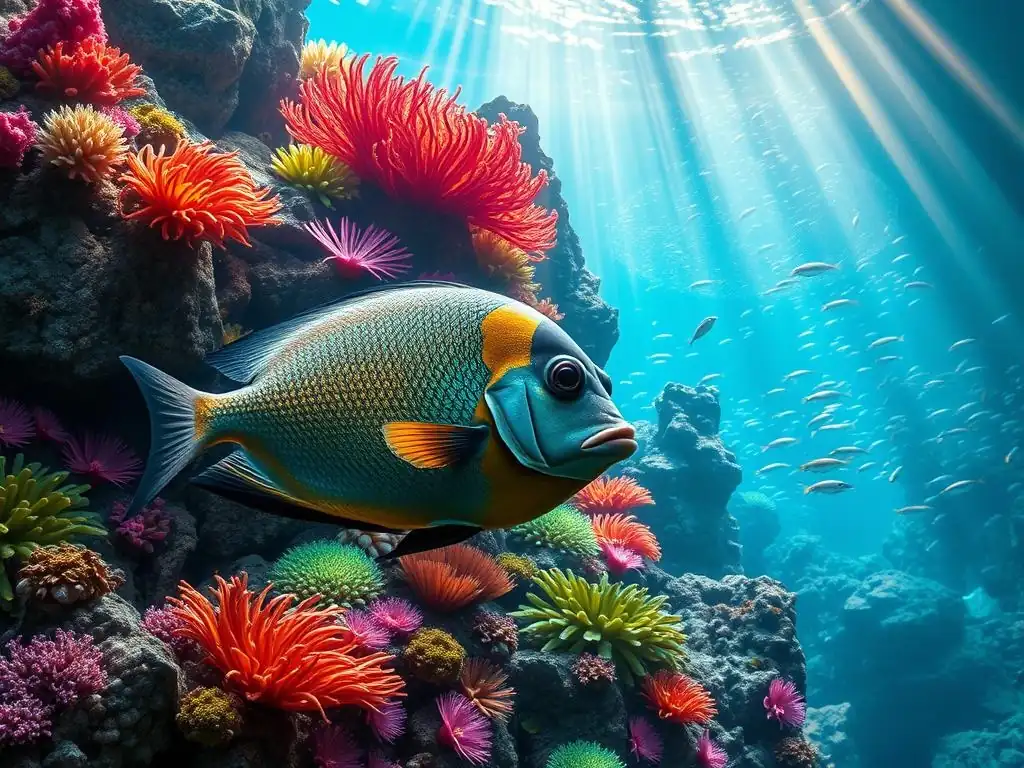
Welcome to Aquarium Mastery!
Ever wondered if your Tang is truly thriving? Dive in and unlock the secrets to a vibrant, healthy aquarium with our comprehensive guide. This week, we're tackling the crucial question of Tang wellbeing. Are you ready to learn the tell-tale signs of a happy, healthy Tang? Explore our " Healthy Tang Wellbeing Checklist" and ensure your finned friend is living its best life! Let's get started!
- Surgeonfish (Tang) Health Checklist: Visual Cues for Optimal Wellbeing & Vigor
- Introduction: Assessing Surgeonfish Health for a Thriving Reef Aquarium
- I. Body Condition: Evaluating Your Surgeonfish's Physical Health
-
II. Skin and Coloration: Visual Indicators of Surgeonfish Health
- A. Vibrant Colors: Interpreting Color Intensity in Healthy Surgeonfish
- B. Spotting Marine Ich ( Cryptocaryon irritans): Recognizing White Spots and Parasitic Infestations on Surgeonfish
- C. Head and Lateral Line Erosion (HLLE): Identifying Nutritional Deficiencies and Environmental Stress
- D. Checking for Skin Ulcers and Lesions: Signs of Bacterial Infections in Surgeonfish
-
III. Behavior and Activity: Observing Surgeonfish Behavior Patterns
- A. Swimming Patterns: Normal vs. Abnormal Surgeonfish Swimming Behavior
- B. Feeding Habits: Monitoring Appetite and Food Intake in Surgeonfish
- C. Social Interactions: Assessing Surgeonfish Behavior with Tank Mates
- D. Signs of Stress: Identifying Stress Indicators in Surgeonfish (e.g., hiding, rapid breathing)
- IV. Respiration and Gills: Evaluating Surgeonfish Respiratory Health
- V. Eye Condition: Examining Surgeonfish Eyes for Clarity and Signs of Disease
- VI. Algae Grazing: Essential Behavior of Healthy Surgeonfish
- VII. Maintaining Optimal Water Quality: The Foundation of Surgeonfish Wellbeing
- VIII. Preventing Surgeonfish Diseases: Proactive Measures for a Healthy Aquarium
- IX. Conclusion: Promoting Long-Term Surgeonfish Health and Vigor
-
Frequently Asked Questions
- How can I visually assess if my Tang is healthy based on the Healthy Tang Wellbeing Checklist?
- What are the key signs of illness or distress in Tangs that the Healthy Tang Wellbeing Checklist helps identify?
- How does water chemistry influence the wellbeing of Tangs, according to Aquarium Mastery's recommendations?
- What type of food and feeding schedule is recommended for Tangs to ensure optimal health and color vibrancy, as per the Healthy Tang Wellbeing Checklist implications?
- How often should I review the Healthy Tang Wellbeing Checklist for my Tangs, and what actions should I take if I notice negative changes?
- Final Reflection: Embracing the Vibrant Tang Within
- Unleash Your Tang's Vibrant Health!
Surgeonfish (Tang) Health Checklist: Visual Cues for Optimal Wellbeing & Vigor
Introduction: Assessing Surgeonfish Health for a Thriving Reef Aquarium
Maintaining a thriving reef aquarium is a rewarding endeavor, and a critical component of its success lies in the health of its inhabitants, particularly surgeonfish, commonly known as Tangs. These vibrant, active fish are often the cornerstone of a saltwater display, but they are also susceptible to various ailments if their environmental and nutritional needs are not meticulously met. Proactive assessment of their health through careful visual observation is paramount for early detection of issues, allowing for timely intervention and preventing widespread problems in the aquarium.
This comprehensive Healthy Tang Wellbeing Checklist provides aquarists with a detailed guide to visually evaluate their Tangs, focusing on key physical attributes, behavioral patterns, and physiological indicators. By regularly observing these cues, you can gain invaluable insights into your fish's overall condition, ensuring they remain robust, colorful, and active members of your reef community. This systematic approach is essential for preventing disease, promoting longevity, and maintaining the aesthetic appeal of your marine ecosystem, making it a cornerstone of responsible Tang care.
I. Body Condition: Evaluating Your Surgeonfish's Physical Health
A. Body Shape: Identifying Ideal Surgeonfish Body Structure
A healthy surgeonfish typically exhibits a torpedo-like, streamlined body shape that is full and robust, without any visible concavity or abnormal bulging. For instance, a healthy Yellow Tang (Zebrasoma flavescens) should display a smooth, continuous curve from its head to its caudal fin, with a well-rounded belly that doesn't appear sunken or overly distended. This ideal body structure indicates proper nutrition and a lack of internal parasites or significant organ issues.
Conversely, a pinched or emaciated body, particularly noticeable around the dorsal area or just behind the head, is a strong indicator of malnourishment or internal parasitic infections. A Tang that has lost significant muscle mass, appearing thin or "razor-backed," may be struggling to compete for food, suffering from an inadequate diet, or battling internal worms like nematodes, which can absorb vital nutrients. Regular observation against this ideal body shape is a fundamental part of any Healthy Tang Wellbeing Checklist.
B. Weight Assessment: Recognizing Signs of Overweight or Underweight Surgeonfish
Assessing the weight of your surgeonfish involves observing its overall girth and the prominence of its skeletal structure. An underweight Tang will often show a noticeable indentation above its lateral line or a very thin belly, even after feeding. For example, a healthy Blue Tang (Paracanthurus hepatus) should have a gently rounded abdomen, whereas an emaciated one will appear almost flat-sided, indicating insufficient caloric intake or an inability to properly absorb nutrients.
On the other hand, an overweight surgeonfish might appear bloated or unusually round, with a distended abdomen that persists even hours after feeding. While a full belly immediately after a meal is normal, a perpetually swollen appearance can signify overfeeding, a diet too rich in fats, or potentially internal issues like dropsy (fluid accumulation), although the latter often comes with other severe symptoms. Maintaining an ideal weight through balanced feeding is crucial for long-term surgeonfish health.
C. Fin Condition: Examining Fins for Damage and Disease in Surgeonfish
The fins of a healthy surgeonfish should be fully extended, clear, and free from tears, fraying, or discoloration. They should move gracefully and purposefully as the fish swims, without appearing clamped or stiff. For instance, the dorsal and anal fins of a healthy Purple Tang (Zebrasoma xanthurum) should be erect and undamaged, indicating good water quality and a stress-free environment. Minor nicks from occasional territorial disputes are common but should heal quickly.
Signs of fin damage or disease include frayed edges, white or reddish discoloration, or the presence of cotton-like growths, which often point to bacterial or fungal infections. Clamped fins, where the fins are held tightly against the body, are a universal sign of stress, discomfort, or illness. Regularly checking fin integrity is a vital component of a comprehensive tang health checklist, as fin issues can rapidly escalate if left unaddressed.
II. Skin and Coloration: Visual Indicators of Surgeonfish Health
A. Vibrant Colors: Interpreting Color Intensity in Healthy Surgeonfish
The color intensity and vibrancy of a surgeonfish are often direct indicators of its health and stress levels. A healthy Tang will display its species' characteristic brilliant coloration, which should remain consistent and bright. For example, a healthy Yellow Tang will exhibit a vivid, uniform yellow hue, and a healthy Powder Blue Tang (Acanthurus leucosternon) will boast striking blue and yellow, with crisp black markings. These vibrant colors reflect good nutrition, stable water parameters, and a low-stress environment.
Conversely, faded, dull, or patchy coloration is a significant red flag on any Healthy Tang Wellbeing Checklist. Stress, poor water quality, disease, or inadequate diet can all lead to a loss of color intensity. A Tang that consistently appears pale or has blotchy patches of faded color, especially when not resting or sleeping, warrants immediate investigation. This visual cue can be one of the earliest signs that a Tang's wellbeing is compromised, even before other physical symptoms appear.
B. Spotting Marine Ich ( Cryptocaryon irritans): Recognizing White Spots and Parasitic Infestations on Surgeonfish
Marine Ich, caused by the parasite Cryptocaryon irritans, is one of the most common and devastating diseases in saltwater aquariums, and Tangs are particularly susceptible. The primary visual cue for Ich is the appearance of small, white, salt-like spots scattered across the fish's body, fins, and sometimes gills. These trophonts, or feeding stages of the parasite, are typically uniform in size, around 0.5-1mm, and can number from a few isolated spots to hundreds covering the fish.
Early detection of these white spots is critical for effective treatment and preventing an outbreak that could decimate an entire tank. As the infestation progresses, fish may exhibit other symptoms such as rapid breathing, flashing (rubbing against rocks or substrate), loss of appetite, and lethargy. Any presence of these characteristic white spots is an immediate indicator of a compromised surgeonfish health checklist and requires prompt action, often involving quarantine and specific treatments.
C. Head and Lateral Line Erosion (HLLE): Identifying Nutritional Deficiencies and Environmental Stress
Head and Lateral Line Erosion (HLLE) is a common condition in marine fish, particularly Tangs, characterized by pitting, lesions, and erosion of tissue along the head and lateral line system. These erosions can range from small, shallow depressions to deep, crater-like holes, often appearing as whitish or gray areas. For instance, a Tang suffering from early-stage HLLE might show subtle pitting around its eyes or along its sensory line, which can progress to significant tissue loss if unaddressed.
While the exact cause of HLLE is complex and multifactorial, it is strongly linked to nutritional deficiencies, particularly a lack of marine-based algae and Vitamin C in the diet. Environmental stressors, such as fluctuating water parameters, high nitrate levels, stray voltage, and even the prolonged use of activated carbon in certain setups, are also implicated. Addressing HLLE requires a holistic approach, focusing on a diverse, herbivore-rich diet, pristine water quality, and minimizing stress, all vital for optimal tang health.
D. Checking for Skin Ulcers and Lesions: Signs of Bacterial Infections in Surgeonfish
Skin ulcers and lesions are open sores, red patches, or raw areas on the fish's body, often indicative of bacterial infections. These can appear as reddish inflamed areas, sometimes with a white or cloudy film, or as deeper wounds that expose underlying tissue. For example, a Tang might develop a red sore on its flank after a skirmish with a tank mate, which then becomes infected, presenting as a raised, discolored lesion.
These external wounds can result from physical injury, parasitic infestations (like flukes or severe Ich), or poor water quality that compromises the fish's immune system, allowing opportunistic bacteria to thrive. Untreated ulcers can lead to systemic infections, organ damage, and ultimately death. Regular visual inspection for any unusual marks, discolored patches, or open sores is a critical component of the Healthy Tang Wellbeing Checklist, prompting immediate attention to prevent the spread of infection.
III. Behavior and Activity: Observing Surgeonfish Behavior Patterns
A. Swimming Patterns: Normal vs. Abnormal Surgeonfish Swimming Behavior
Healthy surgeonfish are typically active and graceful swimmers, constantly exploring their environment, grazing on algae, and interacting with their surroundings. Their swimming should be fluid and coordinated, without any signs of struggle or disorientation. For instance, a healthy Kole Tang (Ctenochaetus strigosus) will spend most of its day meticulously grazing across live rock, darting gracefully from one spot to another with precise fin movements.
Abnormal swimming patterns are strong indicators of underlying health issues. These can include listless or lethargic swimming, hovering motionless for extended periods, erratic darting movements, or swimming in circles. A Tang repeatedly rubbing or "flashing" against tank decor or substrate is often trying to dislodge external parasites. Observing such deviations from normal behavior is a crucial part of a tang health checklist, signaling stress, discomfort, or disease.
B. Feeding Habits: Monitoring Appetite and Food Intake in Surgeonfish
A robust appetite and enthusiastic feeding response are among the most reliable indicators of a healthy surgeonfish. Tangs, being primarily herbivores, should readily accept a variety of marine-based foods, such as Nori, spirulina flakes, and high-quality pellets. A healthy Tang will actively seek out food during feeding times and compete vigorously for it. For example, a group of healthy Tangs will typically swarm a piece of Nori offered on a clip, consuming it rapidly.
A significant decrease in appetite, refusal to eat, or spitting out food are serious red flags. A Tang that consistently ignores food, picks at it without consuming, or shows a marked reduction in its usual intake is likely experiencing health issues, stress, or internal parasites. Monitoring feeding habits daily is a fundamental aspect of a Healthy Tang Wellbeing Checklist, as a loss of appetite often precedes other visible symptoms of illness.
The social interactions of a surgeonfish within the aquarium provide insights into its comfort level and overall wellbeing. In a well-designed tank with appropriate stocking, Tangs should exhibit natural behaviors, which might include occasional territorial displays among conspecifics or similar-bodied fish, but generally coexist peacefully with most other species. Healthy interactions involve a balance of exploration and integration within the community.
Conversely, excessive aggression, constant bullying of other tank mates, or extreme shyness and hiding are signs of stress or an improper social environment. A Tang that is constantly being harassed may become stressed, refuse to eat, and be more susceptible to disease. Similarly, a Tang that is overly aggressive might be in an undersized tank or suffering from stress due to a lack of suitable territory. Observing these dynamics is key to maintaining optimal tang health and a harmonious aquarium.
D. Signs of Stress: Identifying Stress Indicators in Surgeonfish (e.g., hiding, rapid breathing)
Stress is a major precursor to disease in marine fish, and Tangs are particularly prone to it due to their active nature and specific environmental needs. Common visual indicators of stress include prolonged hiding, even during feeding times, which is atypical for these usually bold fish. Another significant sign is rapid or labored breathing, where the gill covers move much faster than usual, often indicating poor water quality, low oxygen, or internal distress.
Other stress indicators encompass clamped fins (holding fins tightly against the body), faded or darkened coloration (especially for species like the Blue Tang which can drastically change color when stressed), and erratic swimming patterns such as darting or twitching. A Tang exhibiting multiple stress signs requires immediate attention to identify and rectify the underlying cause, whether it's water parameters, tank mates, or inadequate nutrition. Addressing these issues promptly is vital for a tang's wellbeing.
IV. Respiration and Gills: Evaluating Surgeonfish Respiratory Health
A. Gill Movement: Observing Normal Gill Function in Surgeonfish
The gills are crucial for oxygen uptake and waste excretion, making their proper function a direct indicator of a surgeonfish's respiratory health. In a healthy Tang, gill covers should open and close rhythmically and smoothly, without any apparent strain or excessive movement. The respiration rate for most Tangs at a typical reef tank temperature of 78°F (25.5°C) usually falls within 30-60 breaths per minute, depending on species and activity level.
Observing the gill movement provides immediate insight into the fish's comfort and oxygen intake. Any irregular or asymmetrical gill movement, such as one gill cover remaining partially closed or moving out of sync with the other, can indicate physical obstruction, damage, or parasitic infestation. This careful observation is a fundamental part of the Healthy Tang Wellbeing Checklist, as respiratory issues can rapidly escalate.
B. Rapid Breathing: Recognizing Respiratory Distress in Surgeonfish
Rapid breathing, characterized by a significantly increased gill movement rate (e.g., consistently over 80-100 breaths per minute), is a clear sign of respiratory distress in surgeonfish. This can be caused by various factors, including low dissolved oxygen levels in the water, elevated ammonia or nitrite concentrations, or the presence of gill parasites such as flukes (monogeneans) or severe Ich infestations on the gill filaments.
When a Tang is experiencing respiratory distress, it may also gasp at the water surface or hover near powerheads where oxygen levels are higher. This labored breathing indicates that the fish is struggling to extract sufficient oxygen from the water, often due to irritation or damage to the delicate gill tissues. Identifying rapid breathing is a critical visual cue on a surgeonfish health checklist, demanding immediate investigation into water parameters and potential parasitic loads.
C. Gill Color: Interpreting Gill Color as an Indicator of Health
The color of a surgeonfish's gills, when briefly observed, can offer further clues about its internal health. Healthy gills should appear bright red or pink, indicating good blood flow and oxygenation. This vibrant color is a sign that the gill filaments are healthy and performing their vital gas exchange function efficiently.
Conversely, pale or discolored gills can indicate serious underlying issues. Pale gills might suggest anemia, which can be caused by prolonged stress, poor diet, or certain parasitic infections that lead to blood loss. Darkened, inflamed, or grayish gills can point to severe bacterial infections, chemical burns from poor water quality, or heavy parasitic infestations. Any deviation from the normal bright red/pink warrants further investigation into the tang's wellbeing.
V. Eye Condition: Examining Surgeonfish Eyes for Clarity and Signs of Disease
A. Clear Eyes: Assessing Eye Clarity in Healthy Surgeonfish
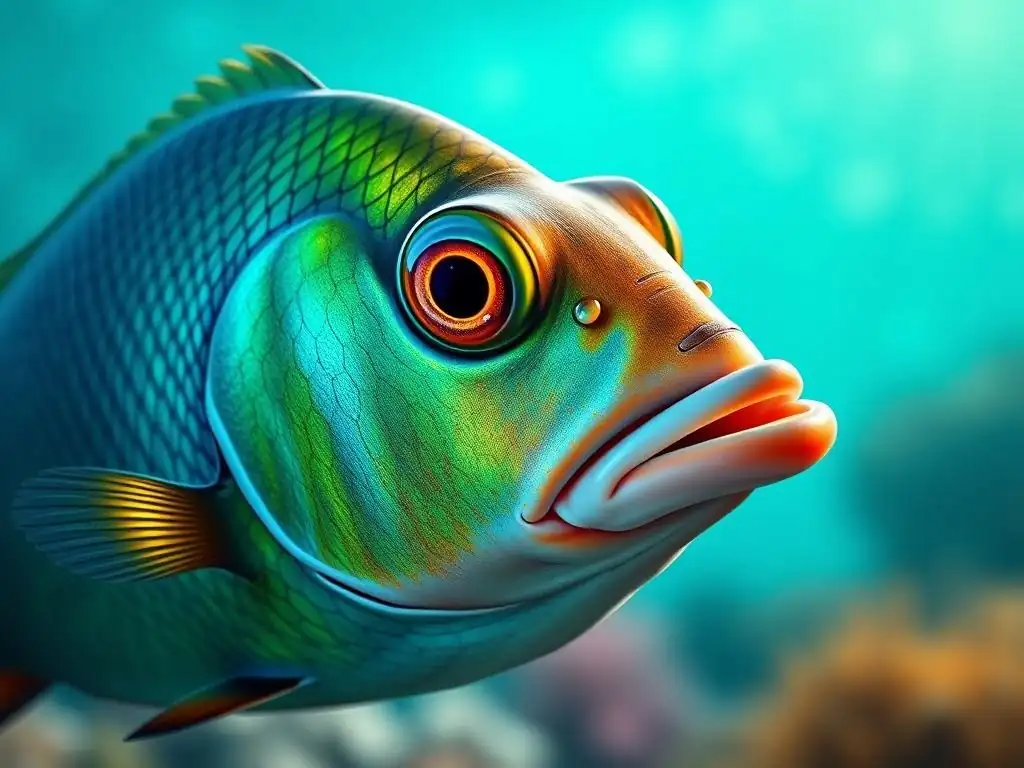
The eyes of a healthy surgeonfish should be clear, bright, and alert, with no cloudiness, haziness, or visible film over the pupil or iris. They should appear proportionate to the fish's head size and be free from any swelling or recession. For instance, the large, prominent eyes of a healthy Tang should track movement easily and appear vibrant, reflecting the fish's overall alertness and good health.
Clear eyes indicate good internal health and a lack of environmental irritants or infections. They are a fundamental part of a comprehensive Healthy Tang Wellbeing Checklist, as they are often one of the first places to show signs of systemic issues. Any deviation from this clarity should be noted and investigated.
B. Cloudy Eyes: Recognizing Signs of Eye Infections or Injury in Surgeonfish
Cloudy eyes, appearing as a whitish or bluish film over one or both eyes, are a common sign of bacterial infections, poor water quality, or physical injury. This cloudiness can range from a slight haze to a dense, opaque film that severely impairs the fish's vision. For example, a Tang that has bumped into rockwork or been nipped by a tank mate might develop a cloudy eye on the affected side.
If both eyes are cloudy, it often points to a systemic issue like poor water quality (e.g., high nitrates, low pH), a widespread bacterial infection, or internal parasites. Timely identification and treatment of cloudy eyes are crucial, as untreated infections can lead to blindness or spread to other parts of the fish's body, severely impacting its surgeonfish health.
C. Protruding Eyes: Identifying Potential Causes of Popeye in Surgeonfish
Protruding eyes, commonly known as "Popeye" (exophthalmia), occur when one or both eyes bulge abnormally from the fish's head. This condition is not a disease itself but rather a symptom of an underlying issue, often indicating fluid buildup behind the eye. A Tang with Popeye might have one eye significantly larger than the other, or both eyes might be equally distended.
Potential causes of Popeye include bacterial infections (both localized and systemic), internal injuries, gas bubble disease, or severe nutritional deficiencies. While a single protruding eye might suggest physical trauma, bilateral Popeye usually points to a more serious internal issue or widespread environmental problem. Addressing the root cause is essential for the tang's wellbeing, as Popeye can lead to permanent damage or blindness if left untreated.
VI. Algae Grazing: Essential Behavior of Healthy Surgeonfish
A. Observing Algae Consumption: Monitoring Natural Grazing Behavior
Algae grazing is an indispensable and constant activity for healthy surgeonfish, as they are primarily herbivorous and rely on a continuous intake of marine algae for their digestive health and overall nutrition. A healthy Tang will spend a significant portion of its day actively picking at live rock, tank glass, and decor, meticulously consuming any available algal growth. For instance, a healthy Scopas Tang (Zebrasoma scopas) will tirelessly graze across every surface in the aquarium, its mouth constantly in motion.
This continuous grazing behavior is not just about nutrition; it's also a vital part of their digestive process, preventing issues like bloat and aiding in nutrient absorption. A marked decrease in algae consumption, or a complete lack of interest in grazing, is a serious red flag on a Healthy Tang Wellbeing Checklist. It often indicates illness, stress, or a severe nutritional deficiency, requiring immediate investigation.
B. Supplementing Diet: Ensuring Adequate Nutrition for Algae-Eating Surgeonfish [Nori, Spirulina, Seaweed Pellets]
While natural algae grazing is crucial, it is rarely sufficient to meet the complete nutritional needs of captive surgeonfish. Therefore, supplementing their diet with high-quality, marine-based greens is essential for optimal tang health. Excellent choices include sheets of dried Nori (seaweed), which can be clipped to the tank glass, and spirulina flakes or pellets, rich in essential vitamins and amino acids. These supplements provide vital roughage and nutrients like Vitamin C, which is crucial for preventing HLLE.
It is recommended to offer supplemental greens daily, or at least several times a week, ensuring variety in their diet. For example, alternating between green Nori and purple or red seaweed varieties can provide a broader spectrum of nutrients. High-quality seaweed pellets specifically formulated for marine herbivores also ensure consistent nutrient delivery. Consistent supplementation is key to a robust tang health checklist.
C. Addressing Lack of Algae Grazing: Troubleshooting Loss of Appetite
When a surgeonfish stops or significantly reduces its algae grazing, it's a clear sign that something is amiss and requires immediate troubleshooting. The first step is to assess water quality; poor parameters like elevated ammonia or nitrite can suppress appetite. Next, observe for any visible signs of disease, such as white spots (Ich) or fin rot, which often lead to a loss of interest in food.
If water quality is pristine and no obvious disease is present, consider stress factors such as aggressive tank mates, inadequate hiding spots, or an undersized aquarium. Sometimes, simply offering a different type of seaweed or a more palatable frozen food (like mysis shrimp, sparingly) can stimulate appetite. Persisting lack of grazing, however, necessitates a thorough review of the entire Healthy Tang Wellbeing Checklist and potentially isolating the fish for observation and treatment.
VII. Maintaining Optimal Water Quality: The Foundation of Surgeonfish Wellbeing
A. Regular Water Testing: Monitoring Key Parameters for Surgeonfish Health [Ammonia, Nitrite, Nitrate, pH, Alkalinity]
Maintaining pristine water quality is the single most critical factor for the long-term health and vigor of surgeonfish. Regular and consistent water testing is paramount to ensure the stability of key parameters. For instance, Ammonia (NH3/NH4+) and Nitrite (NO2-) must always be undetectable (0 ppm), as even trace amounts are highly toxic to marine fish, causing gill damage and respiratory distress.
Nitrate (NO3-) levels should ideally be kept below 20 ppm for most reef tanks, and even lower for sensitive species, as high nitrates contribute to chronic stress and can lead to HLLE. pH should be stable within the range of 8.1-8.4, and Alkalinity (dKH) between 7-11 dKH, as fluctuations can stress fish and impair biological processes. Consistent monitoring of these parameters is the bedrock of any tang health checklist.
B. Water Changes: Maintaining Pristine Water Conditions for Surgeonfish
Regular water changes are fundamental for diluting accumulated nitrates, replenishing essential trace elements, and maintaining overall water purity, which is critical for optimal tang health. While the frequency and volume depend on tank size, bioload, and filtration, a common recommendation is a 10-20% water change weekly or bi-weekly. For example, a 100-gallon reef tank might benefit from a 15-gallon water change every two weeks.
These routine changes prevent the buildup of organic pollutants that can stress fish and lead to disease. Using high-quality synthetic salt mix and RO/DI water is crucial to avoid introducing unwanted contaminants. Consistent water changes contribute significantly to a stable environment, which in turn strengthens a surgeonfish's immune system and enhances its natural resistance to common ailments.
C. Proper Filtration: Ensuring Adequate Filtration for a Healthy Surgeonfish Environment
A robust and well-maintained filtration system is indispensable for a healthy surgeonfish environment. This includes mechanical filtration (e.g., filter socks, sponges) to remove particulate matter, biological filtration (e.g., live rock, bio-balls, ceramic media) to convert toxic ammonia and nitrite into less harmful nitrate, and chemical filtration (e.g., activated carbon, GFO) to remove dissolved organic compounds and phosphates. For instance, a protein skimmer is a highly effective form of chemical and mechanical filtration, removing organic waste before it breaks down.
Ensuring that your filtration system is adequately sized for your tank's bioload and regularly cleaned is vital. Clogged mechanical filters or exhausted chemical media can quickly lead to declining water quality, stressing Tangs and making them more susceptible to diseases like Ich. A well-functioning filtration system is a non-negotiable item on a Healthy Tang Wellbeing Checklist, directly supporting the fish's physiological needs.
VIII. Preventing Surgeonfish Diseases: Proactive Measures for a Healthy Aquarium
A. Quarantine Protocols: Isolating New Fish to Prevent Disease Introduction
Implementing strict quarantine protocols is arguably the single most effective proactive measure to prevent the introduction and spread of diseases in a marine aquarium, especially with new surgeonfish. A dedicated quarantine tank (QT) should be set up with stable water parameters, basic filtration, and minimal decor, allowing for easy observation and treatment. New Tangs should ideally be housed in the QT for a minimum of 3-4 weeks, or even longer (e.g., 6-8 weeks) if they show any signs of stress or disease.
During this quarantine period, the fish can be observed for common ailments like Marine Ich ( Cryptocaryon irritans), Velvet ( Amyloodinium ocellatum), or bacterial infections, and treated without risking the main display tank. For instance, a new Yellow Tang can be prophylactically treated with a copper-based medication or through hyposalinity in the QT to eliminate Ich before it ever enters the main system. This rigorous approach is a cornerstone of any Healthy Tang Wellbeing Checklist.
B. Prophylactic Treatments: Using Medications with Caution [Copper-based medications, Hyposalinity]
Prophylactic treatments, administered in a quarantine tank, can significantly reduce the risk of disease outbreaks in the main display. Copper-based medications, such as Copper Power or Seachem Cupramine, are highly effective against external parasites like Marine Ich and Velvet, which are particularly common in Tangs. Maintaining a therapeutic copper level (e.g., 0.20-0.25 ppm for Cryptocaryon irritans) for at least 14-21 days is typically recommended. However, copper can be harsh on some fish and invertebrates, so it must be used with precise testing and caution.
Hyposalinity, reducing the specific gravity (SG) to 1.008-1.010 for several weeks, is another effective method for treating Ich, as the parasite's free-swimming stage cannot survive in low-salinity water. This method is less stressful for some fish than copper but requires careful monitoring and is not suitable for all species. Both methods require the fish to be in a dedicated QT, ensuring that a tang's wellbeing is prioritized without harming the established reef environment.
C. Minimizing Stress: Creating a Stress-Free Environment for Surgeonfish
Minimizing stress is crucial for bolstering a surgeonfish's immune system and preventing disease, as stressed fish are highly susceptible to pathogens. Creating a stress-free environment involves several key factors: providing an appropriately sized tank (e.g., a minimum of 75-100 gallons for most Tangs, with larger species like Naso Tangs requiring 180+ gallons), ensuring stable and pristine water parameters, and offering compatible tank mates.
Adequate hiding spots and plenty of open swimming space are also vital to reduce territorial aggression and provide security. A varied and nutritious diet, fed multiple times a day, prevents hunger-induced stress. By proactively addressing these environmental and social factors, you significantly enhance a surgeonfish's natural defenses, making it less likely to succumb to common ailments and ensuring its long-term optimal tang health.
IX. Conclusion: Promoting Long-Term Surgeonfish Health and Vigor
The journey to maintaining a vibrant and healthy surgeonfish in your reef aquarium is a continuous one, rooted in diligent observation and proactive care. The Healthy Tang Wellbeing Checklist serves as an indispensable guide, empowering aquarists to become astute observers of their fish's subtle cues, from the vibrancy of their coloration to the fluidity of their swimming patterns. Each visual indicator, whether it's the healthy sheen of their skin or the keenness in their eyes, provides a vital piece of the puzzle regarding their overall health.
By consistently applying the principles outlined in this checklist—meticulously monitoring body condition, skin, behavior, respiration, and eye health, ensuring proper nutrition through essential algae grazing, and maintaining impeccable water quality—you lay the foundation for a thriving environment. Couple these daily observations with robust disease prevention strategies, particularly stringent quarantine protocols, and you significantly reduce the risk of common ailments. Ultimately, a proactive approach to this surgeonfish health checklist ensures your Tangs not only survive but truly flourish, displaying their natural beauty and vigor for years to come within your aquatic masterpiece.
Frequently Asked Questions
How can I visually assess if my Tang is healthy based on the Healthy Tang Wellbeing Checklist?
The Healthy Tang Wellbeing Checklist focuses on visual cues such as bright coloration, clear eyes, and consistent swimming behavior. These indicators help you quickly gauge if your Tang is thriving.
What are the key signs of illness or distress in Tangs that the Healthy Tang Wellbeing Checklist helps identify?
The checklist assists in spotting early signs of illness like faded colors, cloudy eyes, and erratic or lethargic swimming. Early detection is crucial for effective treatment.
How does water chemistry influence the wellbeing of Tangs, according to Aquarium Mastery's recommendations?
Aquarium Mastery emphasizes that maintaining stable and appropriate water parameters is vital. The Healthy Tang Wellbeing Checklist indirectly reminds aquarists to monitor pH, ammonia, and nitrate levels, as these directly impact Tang health.
What type of food and feeding schedule is recommended for Tangs to ensure optimal health and color vibrancy, as per the Healthy Tang Wellbeing Checklist implications?
The Healthy Tang Wellbeing Checklist implies a diet rich in marine algae and vegetable matter is essential for Tangs. A consistent feeding schedule also contributes to overall health and vibrant coloration.
How often should I review the Healthy Tang Wellbeing Checklist for my Tangs, and what actions should I take if I notice negative changes?
It's recommended to review the checklist daily or every other day during feeding. If you notice negative changes, immediately investigate potential causes like water quality issues or signs of disease and take appropriate corrective action.
Final Reflection: Embracing the Vibrant Tang Within
The journey through the Healthy Tang Wellbeing Checklist highlights the profound connection between visual cues and our overall vitality. Understanding these subtle signals is more crucial than ever in our fast-paced world, where internal imbalances can easily be masked by external appearances. By consciously observing and interpreting these indicators, we empower ourselves to proactively address potential health concerns and cultivate a more vibrant and fulfilling life.
This exploration has deeply resonated with the understanding that true wellbeing extends beyond mere absence of illness. It's about fostering a state of energetic harmony, where our inner and outer selves reflect a thriving ecosystem. As the ancient proverb reminds us: Take care of your body. It’s the only place you have to live.
This checklist serves as a practical guide to nurture that vital connection, reminding us that consistent self-awareness is the cornerstone of lasting health.
Now, I invite you to reflect on your own "Healthy Tang." Consider the visual cues you've observed in yourself recently. What whispers are your body and mind trying to convey? Use this checklist not as a rigid prescription, but as a compass guiding you towards a deeper understanding of your unique needs. Embrace the journey of self-discovery, and commit to cultivating a life brimming with optimal wellbeing and vigor.
Unleash Your Tang's Vibrant Health!
Thank you for diving into the world of Tang health with us. We hope this article has empowered you with valuable knowledge to keep your finned friend thriving. Now, let's put that knowledge into action!
Here's how you can take the next steps:
- Immediately assess your Tang: Conduct a detailed visual inspection using the Healthy Tang Checklist, noting any deviations.
- Share this checklist: Help other aquarists by sharing this article with your online communities and local fish stores.
- Explore Further: Delve deeper into advanced Tang care techniques through our other guides.
What subtle signs of health have you noticed in your Tangs that you would add to our checklist?