
Costello Tetra Schooling: Subtle Beauty and Peaceful Demeanor in Motion

Welcome to Aquarium Mastery!
Ever been mesmerized by the seemingly effortless dance of a school of fish? Today, we dive deep into the fascinating world of the Costello tetra, unveiling the secrets behind their captivating schooling behavior. Discover how these subtle beauties create a peaceful and dynamic display in your freshwater aquarium. Are you ready to unlock the secrets to keeping your Costello tetras happy and harmonious? Let's explore the nuances of their social interactions and learn how to encourage their vibrant schooling!
- Understanding Costello Tetra Schooling Behavior
- Creating the Ideal Aquarium Environment for Costello Tetra Schooling
- Choosing the Right Number of Costello Tetras for Schooling
- Feeding and Nutrition to Support Costello Tetra Health and Schooling
- Tank Mates that Complement Costello Tetra Schooling Behavior
- Observing and Troubleshooting Costello Tetra Schooling Issues
- Breeding Costello Tetras: Understanding Reproductive Behavior in a Schooling Environment
- The Allure of Costello Tetra Schooling: A Captivating Aquarium Experience
-
Frequently Asked Questions
- How large of a tank is recommended to properly observe Costello Tetra schooling behavior?
- What water parameters are ideal for Costello Tetras to thrive and display their schooling behavior?
- How many Costello Tetras should be kept together to observe proper schooling?
- What tankmates are suitable for Costello Tetras to ensure they feel safe and continue schooling?
- What environmental factors can negatively impact Costello Tetra schooling behavior?
- Final Reflection: The Enduring Dance of Costello Tetras
- Unveil the Secrets to a Thriving Costello Tetra School!
Understanding Costello Tetra Schooling Behavior
What is Costello Tetra Schooling?
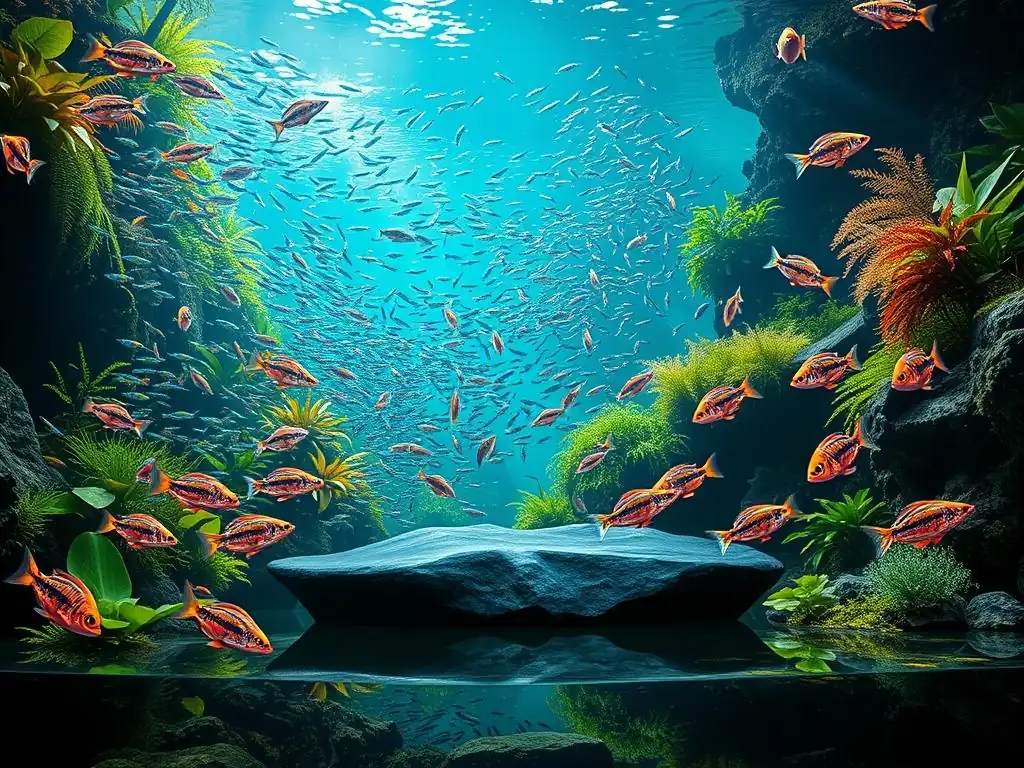
Costello tetra schooling refers to the synchronized swimming pattern exhibited by groups of Hemigrammus ulreyi, commonly known as Costello Tetras. This behavior involves fish orienting themselves in the same direction and moving cohesively as a single unit, often maintaining a relatively consistent distance from one another. Unlike some other tetra species that form loose aggregations, Costello tetras are known for their tighter, more coordinated schooling, especially when introduced to a new environment or when feeling threatened. Their subtle, almost translucent bodies, accentuated by a faint horizontal stripe, create a mesmerizing effect as they move in unison.
This inherent Costello tetra schooling behavior is a fundamental aspect of their natural existence, observed readily in their native habitats within the Amazon basin. In an aquarium setting, a well-formed school of Costello tetras can consist of six to ten individuals, though larger groups of 15 or more will display even more impressive and natural schooling dynamics. The collective movement not only serves practical purposes but also offers a serene, dynamic visual element to any freshwater aquarium.
The primary reason behind the strong Costello tetra schooling behavior is rooted in survival and social cohesion. In their natural environment, schooling provides a significant defense mechanism against predators. By moving as one large entity, individual fish become harder targets to single out, a phenomenon known as the "dilution effect." Furthermore, the erratic and synchronized movements of a large school can confuse predators, making it difficult for them to focus on a single prey item, which is often referred to as the "confusion effect."
Beyond predator avoidance, schooling also fosters social cohesion among Costello tetras. This communal living reduces stress levels, facilitates the search for food, and improves mating opportunities. A lone Costello tetra, or one kept in too small a group (fewer than six), will typically exhibit signs of stress, such as hiding, faded coloration, and a general lack of activity, due to the absence of their innate schooling instinct and the security it provides.
Benefits of Observing Costello Tetra Schooling in Your Aquarium
Observing the natural Costello tetra schooling behavior offers multiple benefits for both the fish and the aquarist. For the fish, maintaining a proper school size (typically 6-10 individuals, with 10+ being ideal for pronounced schooling) significantly reduces stress, leading to healthier and longer lives. Fish in a well-established school are more active, display more vibrant colors, and are less prone to common aquarium ailments. Their natural instincts are satisfied, promoting overall well-being.
For the aquarist, the aesthetic appeal of a tightly schooled group of Costello tetras is undeniable. Their coordinated movements add a dynamic and peaceful element to the aquarium, transforming it into a living piece of art. It also serves as a crucial indicator of the tank's health and the fish's comfort; a vibrant, actively schooling group suggests optimal water parameters and a stress-free environment. This visual feedback loop helps aquarists maintain a thriving ecosystem.
Creating the Ideal Aquarium Environment for Costello Tetra Schooling
Tank Size and Dimensions for a Thriving Costello Tetra School
To facilitate robust Costello tetra schooling behavior, tank size and dimensions are paramount. A minimum tank size of 20 gallons (approximately 75 liters) is recommended for a small school of 6-8 Costello tetras. However, for a truly impressive display of their schooling instincts, a 30-gallon (around 115 liters) or larger aquarium is highly preferable, especially if you plan to keep 10 or more individuals. The length of the tank is more important than its height, as it provides ample horizontal swimming space for the school to move freely and cohesively.
For example, a standard 20-gallon long tank (typically 30 inches long, 12 inches wide, 12 inches high) offers superior swimming area compared to a 20-gallon high tank (24 inches long, 12 inches wide, 16 inches high), which emphasizes vertical space. The extra length allows the Costello tetras to perform their characteristic back-and-forth schooling patterns without feeling confined, which is essential for reducing stress and promoting natural behavior.
Water Parameters Crucial for Healthy Costello Tetras
Maintaining precise and stable water parameters is critical for the health and active Costello tetra schooling behavior. These fish originate from soft, acidic waters in South America, and replicating these conditions in the aquarium is key. The ideal temperature range for Costello tetras is between 72°F and 79°F (22°C-26°C). Fluctuations outside this range can stress the fish and inhibit their schooling.
Their preferred pH level is slightly acidic, ranging from 5.5 to 7.5, with an optimal target around 6.0-6.8. Water hardness (GH) should be soft, ideally between 2 and 10 dGH (35-175 ppm). Regular water changes (25-30% weekly) are essential to maintain low nitrate levels (below 20 ppm) and overall water quality. Using a reliable test kit to monitor ammonia, nitrite, nitrate, pH, and GH regularly will help ensure these parameters remain within the optimal range, directly contributing to vigorous Costello tetra schooling behavior.
Substrate and Decor: Providing Security and Comfort for Costello Tetras
The choice of substrate and decor significantly impacts the comfort and natural Costello tetra schooling behavior in an aquarium. A dark-colored substrate, such as fine-grained gravel or sand, is highly recommended. This helps to bring out their subtle coloration and reduce reflection, which can stress the fish. Darker backgrounds also contribute to a sense of security, encouraging them to swim more openly rather than hiding.
Incorporating natural decor elements like driftwood and smooth river stones provides both visual interest and practical benefits. Driftwood releases tannins, which can slightly lower the pH and soften the water, mimicking their natural blackwater habitats. It also offers hiding spots, as do small caves or rock formations. While Costello tetras enjoy open swimming areas for schooling, providing ample hiding places ensures they feel secure and reduces overall stress, leading to more confident and consistent schooling patterns.
Plant Selection to Enhance the Costello Tetra Schooling Experience
Strategic plant selection is vital for enhancing the Costello tetra schooling behavior and creating a truly naturalistic environment. Live plants not only contribute to water quality by absorbing nitrates but also provide essential cover and structure that these shy fish appreciate. A well-planted tank should include areas of dense vegetation alongside open swimming spaces.
Fine-leaved plants like Java Moss ( Taxiphyllum barbieri), Hornwort ( Ceratophyllum demersum), and various stem plants such as Rotala and Ludwigia provide excellent hiding spots and a sense of security. Broader-leaved plants like Amazon Swords ( Echinodorus amazonicus) or Anubias species can offer shade and resting places. When Costello tetras feel secure in a densely planted environment, they are more likely to exhibit strong, confident schooling behavior in the open areas of the tank, showcasing their synchronized movements beautifully.
Choosing the Right Number of Costello Tetras for Schooling
Minimum School Size for Costello Tetras: Ensuring Their Well-being
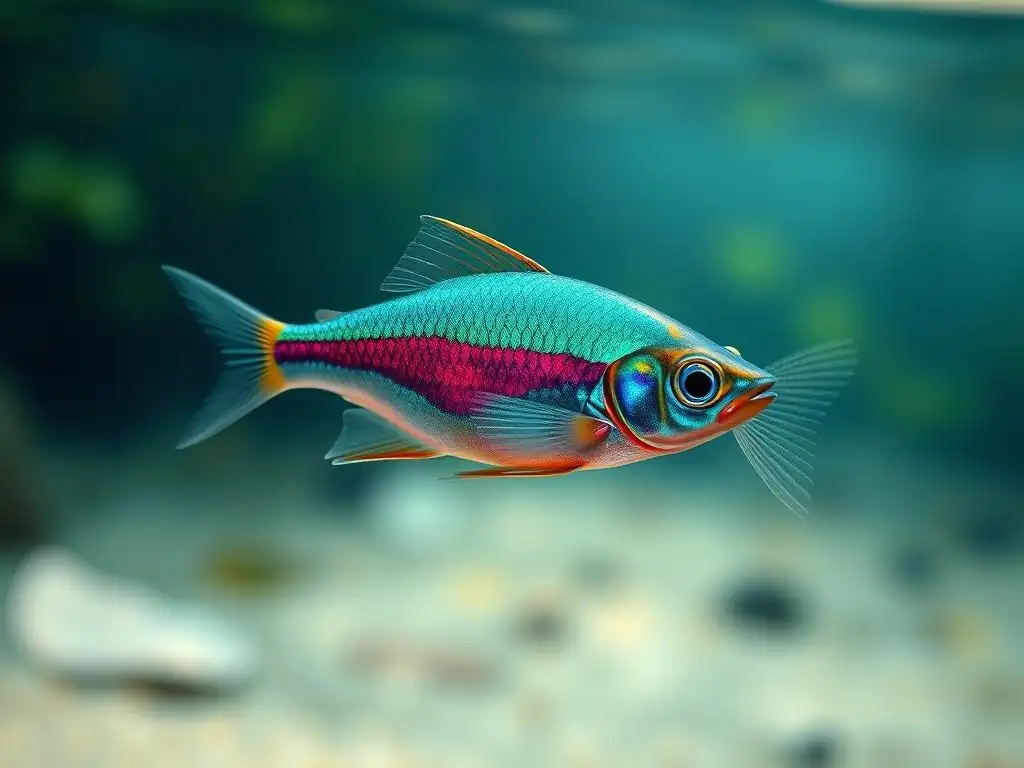
To truly observe the characteristic Costello tetra schooling behavior, it is imperative to keep them in appropriate numbers. The absolute minimum school size recommended for Costello tetras is six individuals. Keeping fewer than six can lead to significant stress, making the fish shy, reclusive, and prone to illness. They will often lose their vibrant coloration and may not school at all, instead spending most of their time hiding.
For optimal behavior and to witness the full beauty of their synchronized movements, a school of 10 or more Costello tetras is highly recommended. In larger groups, their innate schooling instincts are much more pronounced, and they will exhibit tighter, more confident formations. For example, in a 30-gallon tank, a group of 12-15 Costello tetras would create a captivating and active display, demonstrating their natural demeanor and reducing individual stress levels significantly.
Overcrowding Considerations: Maintaining a Balanced Aquarium
While a larger school enhances Costello tetra schooling behavior, it's crucial to avoid overcrowding the aquarium. Overcrowding can lead to a host of problems, including poor water quality, increased aggression among tank inhabitants, and heightened stress levels for all fish. A common guideline, though not absolute, is the "one inch of fish per gallon" rule, which suggests a 20-gallon tank could theoretically house 20 inches of fish. However, for schooling species like Costello tetras (which reach about 1.5 inches), this rule needs careful application.
For a school of 10 Costello tetras (totaling approximately 15 inches of fish), a 20-gallon long tank would be near its capacity, especially when considering the bioload and the need for ample swimming space. In a 30-gallon tank, a school of 10-15 Costello tetras would have sufficient room to thrive without putting excessive strain on the filtration system. Always consider the adult size of the fish and the total bioload when planning your community aquarium to ensure a healthy and balanced environment that supports natural schooling.
Observing Schooling Dynamics: Signs of a Happy and Healthy School
Observing the schooling dynamics of your Costello tetras provides valuable insights into their health and contentment. A happy and healthy school will exhibit tight, coordinated movements, swimming actively and confidently in the open areas of the tank. Their colors will be vibrant, and they will show a healthy appetite during feeding times. This strong Costello tetra schooling behavior indicates that their environmental needs are being met and they feel secure.
Conversely, a lack of schooling, individuals hiding constantly, clamped fins, faded coloration, or erratic swimming patterns are all signs of stress or illness. If the school breaks up frequently, with individuals darting away or appearing lethargic, it could indicate issues with water parameters, incompatible tank mates, or an insufficient school size. Promptly addressing these signs by checking water quality, reviewing tank mate compatibility, or increasing the school size can often restore natural schooling and the overall health of your Costello tetras.
Feeding and Nutrition to Support Costello Tetra Health and Schooling
Optimal Diet for Costello Tetras: Enhancing Color and Vitality
Providing an optimal diet is fundamental to the health and vibrant Costello tetra schooling behavior. These omnivorous fish thrive on a varied diet that mimics their natural intake of small invertebrates and plant matter. High-quality flake food or micro-pellets specifically formulated for small tropical fish should form the staple of their diet. Look for foods that list fish meal, spirulina, and various vitamins as primary ingredients.
To enhance their subtle coloration and overall vitality, supplement their diet with frozen or live foods. Frozen bloodworms, brine shrimp, and daphnia are excellent choices, providing essential proteins and fats. Feed these treats two to three times a week. For instance, a small pinch of frozen brine shrimp once a day can significantly boost their health and encourage more active schooling. A well-fed school of Costello tetras will display greater energy and more pronounced schooling patterns.
Feeding Frequency and Portion Control for a Schooling Community
Proper feeding frequency and portion control are crucial for maintaining water quality and the health of your Costello tetra school. It is best to feed Costello tetras two to three times a day, offering small amounts that they can consume entirely within 2 to 3 minutes. Overfeeding is a common mistake that can quickly degrade water quality, leading to increased ammonia and nitrite levels, which are toxic to fish.
For example, for a school of 10 Costello tetras, a pinch of high-quality flake food roughly the size of a pea, fed twice daily, is often sufficient. If any food remains on the substrate after a few minutes, it indicates overfeeding, and the quantity should be reduced for subsequent feedings. Consistent, measured feeding ensures that all members of the school receive adequate nutrition without polluting the tank, contributing directly to their active Costello tetra schooling behavior.
Supplementing the Diet: Supporting Immune Function and Overall Health
Beyond daily staples, supplementing the diet of your Costello tetras with vitamin-enriched foods and a variety of options is vital for supporting their immune function and overall health. Foods fortified with Vitamin C, for instance, can boost their resistance to disease. Occasional live food offerings, such as newly hatched brine shrimp or micro-worms, not only provide excellent nutrition but also stimulate their natural hunting instincts, adding enrichment to their lives.
Consider offering vegetable-based foods occasionally, like blanched spinach or spirulina flakes, although these should not be the primary diet. A diverse diet ensures that Costello tetras receive all necessary macro and micronutrients, which is reflected in their robust health, vibrant appearance, and energetic Costello tetra schooling behavior. A healthy diet directly translates to a more resilient and active school.
Tank Mates that Complement Costello Tetra Schooling Behavior
Peaceful Community Fish: Compatible Tank Mates for Costello Tetras
Selecting appropriate tank mates is essential for promoting natural Costello tetra schooling behavior and maintaining a peaceful community aquarium. Costello tetras are inherently peaceful and shy, making them ideal companions for other similarly docile, small-to-medium-sized freshwater fish. Good choices include other small schooling tetras such as Neon Tetras ( Paracheirodon innesi), Cardinal Tetras ( Paracheirodon axelrodi), or Ember Tetras ( Hyphessobrycon amandae).
Other compatible species include small rasboras (e.g., Harlequin Rasboras, Trigonostigma heteromorpha), peaceful dwarf gouramis ( Trichopsis pumila or Colisa lalia), and bottom-dwellers like Corydoras catfish ( Corydoras aeneus or Corydoras paleatus). These species share similar water parameter requirements and temperaments, ensuring that the Costello tetras feel secure enough to exhibit their strong schooling patterns without fear or aggression from tank mates. For instance, a school of 8 Costello tetras coexisting with 6 Corydoras catfish and a pair of Dwarf Gouramis would create a balanced and harmonious ecosystem.
Avoiding Aggressive Species: Protecting Your Costello Tetra School
To safeguard the delicate Costello tetra schooling behavior and prevent stress or injury, it is crucial to avoid housing them with aggressive or overly boisterous fish. Larger, more assertive cichlids, even some dwarf species, can intimidate or prey upon the small Costello tetras. Similarly, fin-nipping species like some types of Barbs (e.g., Tiger Barbs, Puntigrus tetrazona) can harass and injure the tetras, leading to stress, disease, and a breakdown in their schooling patterns.
Even seemingly peaceful but significantly larger fish can inadvertently stress Costello tetras due to their sheer size and active swimming. Always research the temperament and adult size of any potential tank mate before introducing them to an aquarium housing Costello tetras. A single aggressive fish can disrupt the entire schooling dynamic, forcing the tetras into hiding and preventing them from exhibiting their natural behaviors.
Creating a Harmonious Aquarium Ecosystem
Creating a truly harmonious aquarium ecosystem for Costello tetras involves more than just selecting compatible species; it requires careful consideration of tank size, decor, and overall environmental stability. A well-scaped tank with ample plants and hiding spots allows all fish to establish territories and feel secure, which is paramount for promoting strong Costello tetra schooling behavior. Adequate filtration and regular maintenance ensure pristine water quality, a cornerstone of fish health and tranquility.
By providing a spacious, well-decorated tank with stable water parameters and carefully chosen tank mates, you create an environment where Costello tetras can thrive. In such a setting, their natural schooling instincts will flourish, offering a continuous display of their subtle beauty and peaceful demeanor. Monitoring the interactions between species is key; if any signs of stress or aggression emerge, prompt intervention, such as rehoming aggressive individuals or adjusting the environment, may be necessary.
Observing and Troubleshooting Costello Tetra Schooling Issues
Identifying Signs of Stress or Illness in Costello Tetras
Identifying signs of stress or illness early is crucial for maintaining a healthy Costello tetra school. When fish are stressed or unwell, their Costello tetra schooling behavior often breaks down. Common indicators include individuals separating from the school and hiding excessively, clamped fins held close to the body, faded or dull coloration, and erratic or lethargic swimming patterns. You might also notice a loss of appetite, rapid breathing, or visible physical symptoms like white spots (Ich), frayed fins (fin rot), or fuzzy growths (fungus).
For instance, if a group of Costello tetras that previously swam tightly together suddenly disperses, with individuals spending time alone behind plants, it's a strong sign of underlying issues. This deviation from their natural schooling often precedes more obvious signs of disease. Regular observation during feeding and general tank viewing allows aquarists to catch these subtle changes quickly, enabling timely intervention before conditions worsen.
Common Diseases Affecting Costello Tetras and Their Treatment
Costello tetras, like many freshwater fish, can be susceptible to common aquarium diseases, particularly if stressed by poor water quality or inappropriate tank conditions. Ich (Ichthyophthirius multifiliis), characterized by small white spots resembling salt grains on the body and fins, is one of the most prevalent. Fin rot, often caused by bacterial infections, manifests as frayed or disintegrating fins. Velvet disease, caused by Oodinium parasites, appears as a dusty, yellowish coating.
Treatment typically involves addressing the root cause (e.g., improving water quality), isolating affected fish in a quarantine tank if possible, and administering appropriate medications available at pet stores. For Ich, raising the water temperature slightly (to 82-84°F or 28-29°C) and adding aquarium salt can be effective, alongside specific Ich treatments. Maintaining optimal water parameters and a stable environment is the best preventative measure to ensure strong Costello tetra schooling behavior and overall health.
Addressing Aggression or Disruptions in the Schooling Dynamic
Disruptions in the Costello tetra schooling behavior can sometimes stem from aggression, either within the school or from incompatible tank mates. While Costello tetras are generally peaceful, a school that is too small (fewer than 6 individuals) can lead to increased stress and occasional nipping among themselves as they lack the security of a larger group. If this occurs, increasing the school size to 10 or more often resolves the issue by diluting aggression and reinforcing natural schooling instincts.
If aggression comes from other tank mates, it's crucial to identify the offending species. This might involve observing interactions closely during feeding times. If a particular fish is consistently harassing the Costello tetras, leading to their hiding or breaking formation, rehoming the aggressive fish may be the only solution. Ensuring adequate space, providing plenty of hiding spots, and maintaining a balanced male-to-female ratio (if applicable for other species in the tank) can also help mitigate aggression and promote a harmonious environment where Costello tetra schooling can flourish.
Breeding Costello Tetras: Understanding Reproductive Behavior in a Schooling Environment
Creating Breeding Conditions for Costello Tetras
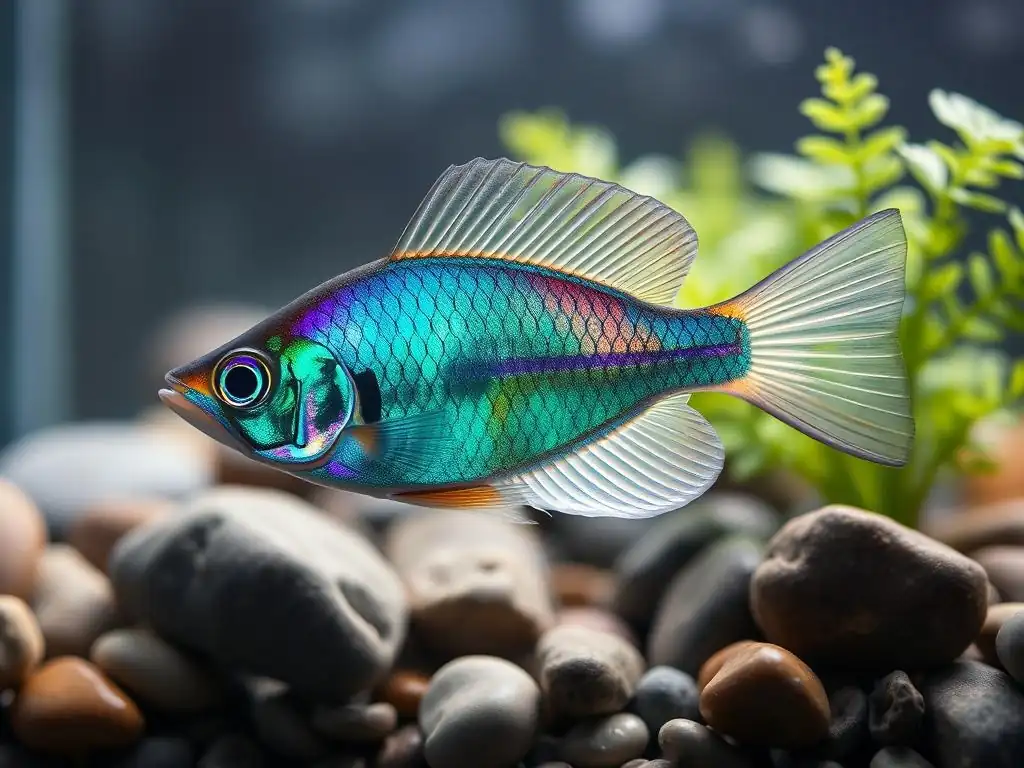
Breeding Costello tetras in a home aquarium, while challenging, is achievable by replicating their natural spawning conditions. A separate breeding tank, around 5-10 gallons (19-38 liters), is highly recommended. The water should be very soft (2-4 dGH) and acidic (pH 6.0-6.5), with a temperature slightly elevated to 78-80°F (25.5-26.5°C). Use an air-driven sponge filter to maintain gentle water movement without harming eggs or fry.
Providing a spawning substrate is essential. Fine-leaved plants like Java Moss or a spawning mop are ideal, as Costello tetras are egg scatterers and will deposit their adhesive eggs among the foliage. A slightly dim environment can also encourage spawning. Once these specific conditions are met, a healthy pair or a small group of conditioned Costello tetras, selected from a well-fed school, can be introduced to the breeding tank to encourage their reproductive Costello tetra schooling behavior to transition into spawning.
Identifying Male and Female Costello Tetras
Distinguishing between male and female Costello tetras, especially outside of breeding season, can be subtle. Generally, adult females tend to be noticeably rounder and plumper in the belly area, particularly when gravid (carrying eggs). This difference is most apparent when viewed from above. Males, on the other hand, are typically slimmer and may exhibit slightly more vibrant coloration, especially when conditioned for breeding.
During courtship and spawning, the differences become more pronounced. Males will often display more intense colors and engage in chasing behavior to entice females. Observing these subtle morphological and behavioral cues within a healthy Costello tetra schooling behavior can help aquarists identify potential breeding pairs or groups for a dedicated spawning setup. It's often easier to select a group of 4-6 well-conditioned fish, allowing them to pair naturally, rather than trying to perfectly sex individuals.
Caring for Costello Tetra Fry: Ensuring Successful Development
Once Costello tetras have spawned, the parents should be removed from the breeding tank immediately, as they will readily consume their own eggs and fry. The eggs are tiny and clear, typically hatching within 24-36 hours. The newly hatched fry are even smaller and will remain attached to surfaces for a few days, absorbing their yolk sacs. Once they become free-swimming, usually within 3-5 days, the most critical phase of their care begins.
Costello tetra fry require extremely small food sources. For the first few days, infusoria or liquid fry food is essential. After about a week, they will be large enough to consume newly hatched brine shrimp nauplii or micro-worms. Frequent, small water changes (10-15% daily) are necessary to maintain pristine water quality, as the fry are highly sensitive to pollutants. Consistent feeding and excellent water parameters are key to ensuring the successful development of these delicate fry, eventually allowing them to join the main tank and exhibit future Costello tetra schooling behavior.
The Allure of Costello Tetra Schooling: A Captivating Aquarium Experience
Appreciating the Subtle Beauty of Costello Tetras in Motion
The allure of Costello tetras lies in their understated elegance and the captivating spectacle of their synchronized movements. Unlike some flashier species, their beauty is subtle, characterized by their translucent bodies and the delicate, almost iridescent sheen that catches the light as they move. When a well-established school of Costello tetras glides through an aquarium, their coordinated Costello tetra schooling behavior creates a living, flowing pattern that is both peaceful and mesmerizing.
This inherent grace makes them a focal point in any community tank, drawing the eye with their harmonious formations. Observing them as they navigate the aquatic landscape, their bodies orienting as one, offers a unique aesthetic pleasure that speaks to the natural order and beauty found within the freshwater environment. Their quiet presence adds a layer of sophistication to the aquarium, rewarding the patient observer with moments of true aquatic artistry.
Promoting a Thriving and Peaceful Aquarium Community
Promoting a thriving and peaceful aquarium community is the ultimate goal for any aquarist, and the successful establishment of Costello tetra schooling behavior is a clear indicator of this achievement. By providing the specific environmental conditions, optimal water parameters, a balanced diet, and compatible tank mates discussed throughout this guide, you create an ecosystem where these fish can flourish. A healthy school of Costello tetras signifies a well-managed tank, free from undue stress and rich in natural behavior.
Their peaceful demeanor makes them excellent citizens in a diverse community tank, contributing to the overall tranquility without engaging in aggression or territorial disputes. When they are comfortable and secure, their schooling instinct is fully expressed, leading to a more active, vibrant, and engaging aquarium experience for all its inhabitants and its caretaker.
Further Resources on Costello Tetra Care and Schooling
For those looking to deepen their understanding of Costello tetras and further enhance their Costello tetra schooling behavior, a wealth of information is available. Reputable aquatic forums, specialized fishkeeping websites, and comprehensive freshwater aquarium books offer detailed insights into their specific needs, from advanced breeding techniques to in-depth disease identification and treatment. Consulting these resources can provide additional nuances on diet, water chemistry adjustments for specific goals, and even more detailed accounts of their natural habitat.
Engaging with experienced aquarists in online communities or local fish clubs can also provide invaluable practical advice and tips based on real-world experiences. Continuous learning and diligent observation are key to mastering the art of keeping these delightful fish and ensuring their subtle beauty and peaceful demeanor are fully expressed through their captivating schooling behavior.
Frequently Asked Questions
How large of a tank is recommended to properly observe Costello Tetra schooling behavior?
A tank of at least 20 gallons is recommended. This provides enough space for a decent schooling group of Costello Tetras to exhibit their natural behaviors and allows them ample room to swim.
What water parameters are ideal for Costello Tetras to thrive and display their schooling behavior?
Costello Tetras prefer slightly acidic and soft water, with a pH of 6.0-7.0 and a temperature of 72-78°F. Stable water parameters are crucial for reducing stress and encouraging natural schooling behavior.
How many Costello Tetras should be kept together to observe proper schooling?
At least six Costello Tetras should be kept together, but a group of eight or more is preferable. This larger group size is necessary to trigger their natural schooling instincts.
What tankmates are suitable for Costello Tetras to ensure they feel safe and continue schooling?
Peaceful community fish that won't harass or intimidate the Costello Tetras are ideal. Avoid aggressive or boisterous fish that might disrupt their schooling behavior and cause stress.
What environmental factors can negatively impact Costello Tetra schooling behavior?
Sudden changes in water parameters, insufficient hiding places, and the presence of aggressive tankmates can all negatively impact their schooling. Maintaining a stable and stress-free environment is vital for observing natural schooling.
Final Reflection: The Enduring Dance of Costello Tetras
The intricate details of Costello tetra schooling behavior, as we've explored, are not merely biological observations; they are a microcosm of the interconnectedness and harmony we often seek in our own lives. Understanding these subtle nuances allows us to appreciate not only the beauty of these tiny creatures but also the profound lessons they offer about community, cooperation, and the delicate balance of nature.
The mesmerizing dance of a Costello tetra school has always held a certain allure, a quiet reminder of the power of collective action and the beauty of simplicity. Witnessing their synchronized movements evokes a sense of peace and wonder, a feeling that transcends the confines of an aquarium. In nature, nothing exists alone.
- Rachel Carson. This quote perfectly encapsulates the essence of Costello tetra schooling, highlighting the inherent interdependence that defines their existence and, by extension, our own.
Now, as you step away from this exploration of Costello tetra schooling behavior, I invite you to consider the principles at play within their world. How can we apply these lessons of cooperation, harmony, and subtle beauty to our own lives and communities? Let the enduring dance of the Costello tetra serve as a constant reminder to seek balance, appreciate the small wonders around us, and strive for a more interconnected and harmonious existence.
Unveil the Secrets to a Thriving Costello Tetra School!
Thank you for diving into the world of Costello Tetras! We hope you’ve gained valuable insights into caring for these peaceful and beautiful fish. Now, let's turn that knowledge into action!
Here are a few things you can do to further enhance your understanding and enjoyment of these captivating creatures:
- Create the perfect Costello Tetra haven: Carefully evaluate your current aquarium setup and make at least one adjustment based on what you've learned—be it adjusting the lighting, adding more plants, or tweaking the water parameters to better mimic their natural habitat. This is crucial for their long-term health and vibrant coloration.
- Expand your aquatic knowledge: Explore other fascinating species that would thrive in a community tank alongside your Costello Tetras. Consider researching their compatibility and create a harmonious aquatic ecosystem.
- Share your Costello Tetra journey: Post a picture or video of your Costello Tetras on social media using #CostelloTetraLove. Let's build a community of enthusiasts!
What small change will you implement in your aquarium this week to improve the lives of your Costello Tetras?