
What Do Favia Corals Eat? Unlocking Their Dietary Preferences

Welcome to Aquarium Mastery!
Ever wondered what secrets lie behind the vibrant colors and healthy growth of your Favia coral? Unlocking the dietary preferences of these fascinating creatures is key to a thriving reef tank. Dive in to discover the essential Favia coral diet requirements and learn how to provide the perfect nutrition for your prized LPS corals. Prepare to elevate your aquarium game!
- Understanding Favia Corals and Their Nutritional Needs
- Natural Feeding Habits of Favia Corals in the Wild
- Supplemental Feeding Strategies for Favia Corals in Aquariums
- Maintaining Optimal Water Parameters for Favia Coral Feeding
- Recognizing Signs of Overfeeding or Underfeeding in Favia Corals
- Troubleshooting Common Favia Coral Feeding Problems
- Advanced Favia Coral Feeding Techniques
- Creating a Balanced Favia Coral Diet Plan
- Conclusion: Mastering the Art of Feeding Favia Corals
- Frequently Asked Questions
- Final Reflection: Unveiling the Secrets of Coral Sustenance
- Dive Deeper: Become a Favia Feeding Pro!
Understanding Favia Corals and Their Nutritional Needs
Introduction to Favia Corals: A Beginner's Guide
Favia corals, commonly known as Moon, Pineapple, or Brain Corals, are a captivating genus of Large Polyp Stony (LPS) corals widely cherished by aquarists for their vibrant colors and distinctive textures. Their popularity stems from their relatively robust nature and striking appearance, making them a cornerstone species in many reef aquariums. These colonial corals typically form massive, encrusting, or dome-shaped structures, adding significant visual appeal and biological diversity to a home system.
These corals exhibit a remarkable diversity in coloration, ranging from deep greens, reds, and browns to striking blues and purples, often with contrasting "eyes" or mouths. They are characterized by their calcified skeleton, which they continuously build, and their fleshy polyps that extend to capture nutrients. In the wild, Favia species are predominantly found across the Indo-Pacific region, inhabiting various reef environments from shallow, brightly lit lagoons to deeper, more turbid waters, demonstrating their adaptability.
The Importance of Proper Feeding for Favia Coral Health
While Favia corals host symbiotic algae called zooxanthellae, which provide a significant portion of their nutritional needs through photosynthesis, supplemental feeding is absolutely crucial for their optimal health, robust growth, and vibrant coloration in a closed aquarium system. Relying solely on light for their sustenance in captivity often leads to suboptimal conditions, characterized by slower growth rates and diminished vitality. Insufficient nutrition can manifest as tissue recession, where the coral's living tissue pulls away from its skeleton, a clear sign of stress.
A well-rounded and consistent feeding regimen offers numerous benefits, contributing significantly to a Favia coral's longevity and aesthetic appeal. Healthy, well-fed Favia colonies can exhibit impressive growth rates, often increasing several centimeters in diameter annually under ideal conditions. Proper nutrition also enhances their resilience against environmental stressors and improves their disease resistance. In contrast, underfed corals frequently display stunted growth, faded colors, and are more susceptible to common aquarium ailments, highlighting the critical role of a comprehensive feeding strategy.
Favia Coral Diet Requirements: A General Overview
Favia corals are classified as mixotrophs, meaning they derive their energy and nutrients from two primary sources: photosynthesis conducted by their symbiotic zooxanthellae and direct consumption of particulate matter from the water column. Therefore, their specific Favia coral diet requirements are quite diverse, encompassing a range of nutrient sources including dissolved organic matter, various forms of zooplankton, phytoplankton, and even small invertebrates. This dual feeding strategy allows them to thrive in varied natural environments.
Achieving a balanced diet in a home aquarium necessitates providing both adequate lighting to support the zooxanthellae and consistent supplemental feeding to fulfill their predatory and filter-feeding needs. Even with powerful LED or T5 lighting, the density of microscopic food particles found in wild reef environments is rarely replicated in a closed system. This inherent limitation makes targeted or broadcast feeding with appropriate coral foods a necessary component of their care, ensuring they receive the full spectrum of nutrients essential for calcification, tissue growth, and overall vitality.
Natural Feeding Habits of Favia Corals in the Wild
Symbiotic Algae (Zooxanthellae): The Primary Food Source
The cornerstone of a Favia coral's natural diet is its symbiotic relationship with zooxanthellae, microscopic dinoflagellate algae that reside within the coral's tissues. These algae are highly efficient photosynthesizers, converting light energy into vital organic compounds such as sugars, lipids, and amino acids. A substantial portion of these photosynthates, typically ranging from 70% to 90% of the coral's daily energy needs, is then translocated directly to the coral host, providing the bulk of its metabolic fuel.
This highly efficient primary food source ensures a consistent energy supply for the coral's fundamental biological processes, including respiration, reproduction, and the energetically demanding process of calcification (skeleton building). The coral's reliance on this light-driven symbiosis explains why Favia corals are generally found in the shallower, well-illuminated zones of coral reefs, though some species have adapted to tolerate lower light intensities by increasing their reliance on heterotrophic feeding.
Capturing Microscopic Food Particles: How Favia Corals Feed Naturally
Beyond their symbiotic relationship, Favia corals actively engage in heterotrophic feeding, capturing microscopic food particles from the surrounding water. Their polyps are equipped with specialized stinging cells called nematocysts, located on their numerous tentacles. These nematocysts are deployed to stun and capture passing zooplankton, detritus, and other particulate matter. Once captured, the tentacles retract, drawing the food particle towards the coral's mouth for ingestion. This predatory behavior is often more pronounced during periods of low light or darkness, reflecting their natural nocturnal feeding patterns.
Favia polyps are remarkably efficient at capturing a wide range of particle sizes, from minute phytoplankton (a few microns in diameter) to larger zooplankton like copepods and small amphipods (up to several millimeters). Research into coral feeding rates in natural reef environments indicates that the presence of higher concentrations of planktonic organisms can significantly increase the rate at which corals capture and ingest food, underscoring their active role as predators and filter feeders within the reef ecosystem.
Natural Food Sources in Reef Environments: Plankton, Detritus, and More
In their natural reef habitats, Favia corals benefit from an incredibly diverse and abundant array of food sources that contribute to their comprehensive Favia coral diet requirements. These include a rich mix of zooplankton, such as copepods, amphipod larvae, and various other larval crustaceans, alongside phytoplankton, which are microscopic marine algae. Additionally, they consume "marine snow," which is organic detritus composed of dead organisms, fecal pellets, and other particulate organic matter, as well as dissolved organic matter (DOM) present in the water column.
The sheer volume and variety of these natural food sources are difficult to replicate in a home aquarium. For instance, a single liter of healthy ocean water on a vibrant reef can contain thousands of planktonic organisms, providing a continuous and nutrient-rich buffet for corals. This constant influx of diverse proteins, lipids, carbohydrates, and trace elements from these natural sources supports robust coral growth, vibrant coloration, and successful reproduction, highlighting the necessity of supplemental feeding when these corals are kept in captive environments.
Supplemental Feeding Strategies for Favia Corals in Aquariums
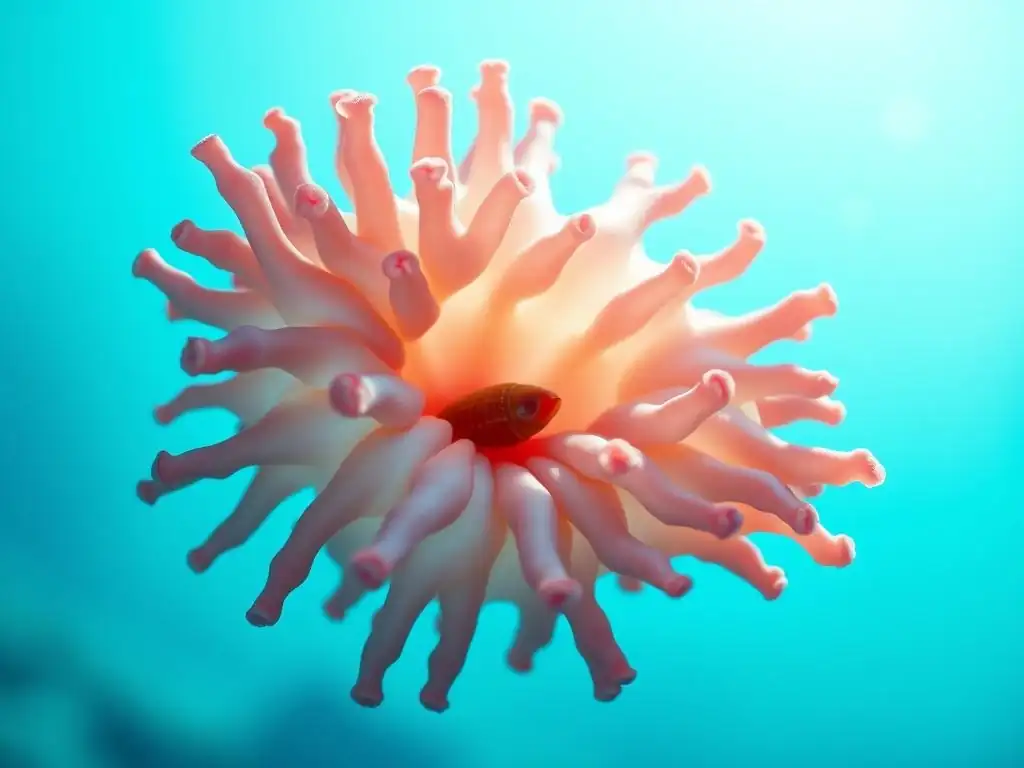
Why Supplemental Feeding is Necessary in Closed Systems
Despite the crucial role of zooxanthellae, closed aquarium systems inherently lack the continuous, diverse, and abundant influx of natural food sources found in the ocean. The finite water volume and the efficiency of biological filtration processes in a home tank mean that essential micronutrients and energy-rich particulate matter are quickly depleted. This fundamental difference makes supplemental feeding not merely beneficial but absolutely critical to fully meet the Favia coral diet requirements and ensure their long-term health and growth.
Relying solely on photosynthesis, even with optimal lighting, will not provide all the necessary building blocks for robust tissue growth, skeletal calcification, and resilience. Scientific observations and practical experience consistently show that Favia corals receiving a well-planned supplemental feeding regimen exhibit significantly faster growth rates, often 20-30% greater linear extension, and display more vivid and stable coloration compared to their unfed counterparts, even when exposed to identical lighting conditions.
Best Food Choices for Favia Corals in Reef Tanks
Types of Coral Foods: Frozen, Liquid, and Powdered
A wide array of commercial coral foods is available, each offering distinct benefits for Favia corals. Frozen foods, such as mysis shrimp, enriched brine shrimp, and cyclop-eeze, are highly palatable and provide substantial protein and lipid content, making them excellent choices for the relatively large polyps of Favia.
Liquid foods, which often include phytoplankton blends, amino acid solutions, or dissolved organic compounds, are ideal for providing smaller particles and a broad spectrum of nutrients that can be directly absorbed or filtered. Powdered foods, typically coral-specific blends comprising marine proteins, lipids, and carbohydrates, offer a fine particulate option that can be broadcast or target-fed.
Each type of food contributes uniquely to a comprehensive diet. Frozen foods are rich in energy and readily accepted due to their texture and size. Liquid and powdered foods, on the other hand, deliver a broader range of essential nutrients, including vital fatty acids, vitamins, and trace elements that might be less concentrated in frozen options. A varied feeding approach, incorporating a combination of these food types, is the most effective way to address the diverse and complex Favia coral diet requirements, promoting optimal health and vibrant coloration.
Target Feeding vs. Broadcast Feeding: Which Method is Best?
Target feeding involves using a pipette, syringe, or specialized coral feeder to deliver food directly to the individual polyps of a Favia coral. This method is highly efficient as it ensures that the food reaches the intended recipient, minimizing waste and significantly reducing the risk of contributing to elevated nutrient levels (nitrates and phosphates) in the aquarium water. Given the relatively large and distinct polyps of Favia corals, target feeding is an exceptionally effective and preferred method for these species.
Broadcast feeding, conversely, involves dispersing food into the water column, allowing it to be filtered by all corals and other inhabitants. While this method is simpler and less time-consuming, it can lead to more uneaten food decaying in the tank, potentially causing nutrient accumulation and fostering nuisance algae growth. For Favia corals, target feeding is generally superior for maximizing food uptake and maintaining pristine water quality. However, broadcast feeding with very fine particulate foods, such as phytoplankton or amino acid solutions, can still be a valuable supplementary method to nourish all filter feeders in the tank.
A Step-by-Step Guide to Target Feeding Favia Corals
Preparing the Food Mixture for Optimal Consumption
Proper preparation of coral food is essential to ensure maximum acceptance and nutritional benefit. For frozen foods, thaw a small portion (e.g., 0.25 to 0.5 ml for an average 3-4 inch Favia colony) in a separate container with a small amount of tank water (around 5-10 ml) for 5-10 minutes. For powdered or liquid foods, follow the manufacturer's instructions for dilution and mixing, ensuring the mixture is homogenous. It is crucial that the food mixture is at the same temperature as the aquarium water to prevent shocking the coral.
When determining the quantity, always start small and observe your coral's response. An initial amount of 0.25-0.5 ml of thawed food mixture per Favia colony is a good starting point, adjusting based on the colony's size and visible consumption. Overfeeding should be strictly avoided, as uneaten food will quickly degrade water quality, potentially leading to nutrient spikes and nuisance algae issues. The goal is to provide just enough food that the coral can consume within a short period.
Identifying the Polyps and Their Feeding Tentacles
To effectively target feed Favia corals, it is important to identify when their polyps are most extended and ready to feed. Favia corals, like many LPS species, typically extend their feeding tentacles more readily in low light or darkness. This usually occurs 30-60 minutes after the main aquarium lights have dimmed or completely turned off, mimicking their natural nocturnal feeding behavior. Look for the small, often translucent tentacles protruding from the coral's surface, which indicate readiness to capture food.
While Favia corals can sometimes accept food during the day, nighttime feeding often results in better polyp extension and higher acceptance rates. Spend a few evenings observing your specific Favia colonies to determine their most active feeding period. This observation will help you optimize your feeding schedule for maximum efficiency and minimal stress on the coral, ensuring that your efforts contribute directly to their Favia coral diet requirements.
Gently Delivering Food to Individual Polyps
Once the food is prepared and the Favia polyps are extended, use a coral feeder, pipette, or turkey baster to gently deliver the food. Approach the extended polyps slowly and carefully, avoiding any direct contact that might cause them to retract. Slowly release a small amount of the food mixture directly onto or just above the polyps. The goal is to place the food close enough for the polyps to grasp it without being disturbed.
Patience and observation are key during this step. After delivering the food, wait for the polyps to visibly grasp and begin ingesting it. If a polyp retracts, simply wait a few minutes for it to re-extend before attempting to feed it again. Focus on feeding individual colonies rather than trying to feed the entire tank simultaneously, especially when using larger food particles. A typical feeding session for a single Favia colony should ideally take no more than 1-2 minutes, ensuring efficient nutrient delivery.
Maintaining Optimal Water Parameters for Favia Coral Feeding
The Role of Water Quality in Nutrient Uptake
Pristine and stable water quality is not merely a general requirement for coral health; it is absolutely fundamental for efficient nutrient uptake and metabolism in Favia corals. Poor water parameters, such as sudden fluctuations in alkalinity or salinity, or the presence of elevated pollutants, can severely stress corals. This stress often manifests as polyp retraction and a significantly reduced feeding response, regardless of the quality or quantity of food offered. Stable environmental conditions minimize metabolic stress, allowing the coral to allocate its energy resources more effectively towards growth, calcification, and active feeding.
Furthermore, an imbalanced or polluted water column can directly inhibit the coral's physiological processes, including its ability to absorb dissolved organic matter or even effectively process ingested food. For instance, consistently elevated levels of nitrates (above 10-20 ppm) or phosphates (above 0.05-0.1 ppm) can not only hinder calcification but also stress the symbiotic zooxanthellae, negatively impacting the coral's primary energy source and overall Favia coral diet requirements processing. Therefore, maintaining stable and optimal water parameters is a prerequisite for effective feeding.
Key Water Parameters to Monitor: Alkalinity, Calcium, and Magnesium
For Favia corals, which are stony corals, the stability and appropriate levels of alkalinity, calcium, and magnesium are paramount as these elements are the fundamental building blocks for their calcified skeletons. The target ranges for these parameters are typically: Alkalinity (dKH): 8-12 dKH; Calcium (Ca): 400-450 ppm; and Magnesium (Mg): 1250-1350 ppm. Maintaining these levels consistently is crucial for supporting the rapid skeletal growth and structural integrity of the coral.
These three parameters are interdependent, and maintaining their balance ensures that the coral has the necessary resources for calcification, an energy-intensive process supported by both photosynthesis and direct feeding. Regular testing, ideally weekly or bi-weekly with reliable test kits, is essential to monitor these levels. Based on the test results, appropriate supplementation programs, whether through two-part solutions, calcium reactors, or magnesium additives, should be implemented to keep these vital parameters within their optimal ranges, directly supporting the coral's ability to grow and thrive.
Preventing Nutrient Imbalance: Nitrate and Phosphate Levels
While Favia corals, like all living organisms, require trace amounts of nitrates (e.g., 1-10 ppm) and phosphates (e.g., 0.02-0.05 ppm) for various metabolic processes, excessive levels can quickly lead to significant problems in a reef aquarium. High concentrations of these nutrients are primary drivers for nuisance algae growth, which can outcompete and smother corals, and can also directly stress corals, potentially leading to tissue necrosis. This delicate balance is particularly relevant when considering Favia coral diet requirements and implementing supplemental feeding strategies.
Effective strategies to manage and prevent nutrient imbalance include performing regular water changes (e.g., 10-20% bi-weekly) to dilute accumulating nutrients. Employing robust filtration methods such as a properly sized protein skimmer, a refugium with macroalgae, or chemical media like GFO (granular ferric oxide) can significantly export excess nutrients. Crucially, careful feeding practices are vital; overfeeding is a common cause of nutrient spikes, so monitoring the coral's consumption and adjusting feeding amounts accordingly is key to maintaining a healthy, balanced system.
Recognizing Signs of Overfeeding or Underfeeding in Favia Corals
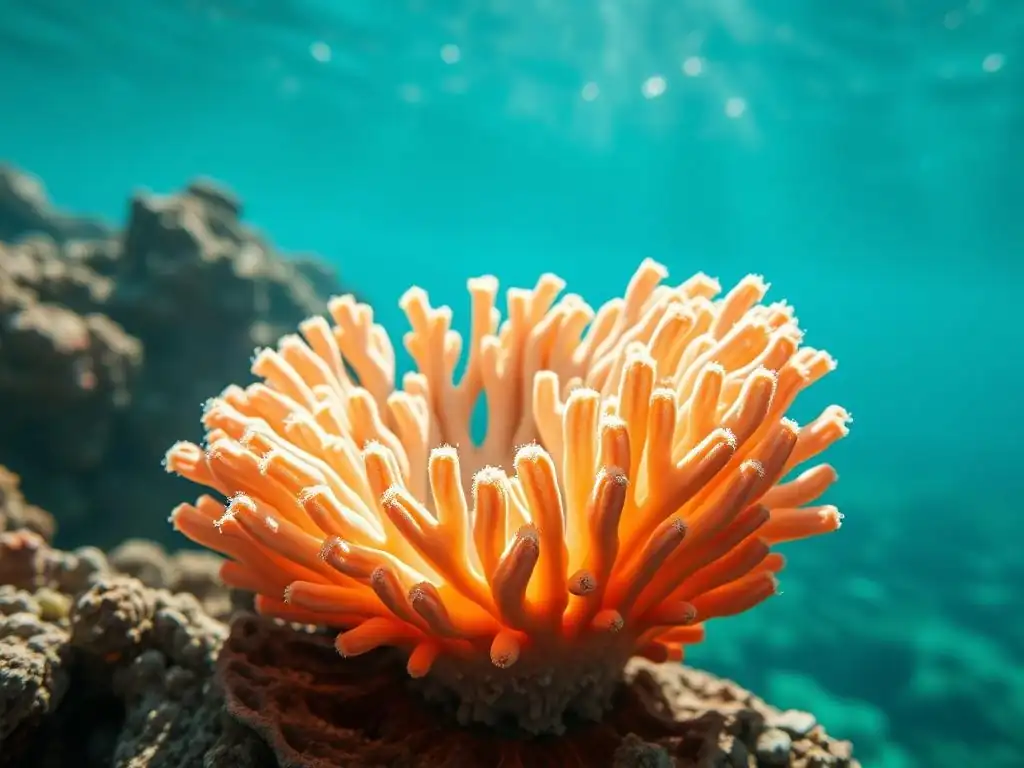
Identifying Symptoms of Underfeeding: Tissue Recession and Color Loss
Recognizing the signs of underfeeding in Favia corals is crucial for timely intervention. The most prominent symptom is tissue recession, where the coral's living tissue begins to pull away from its calcified skeleton, often starting at the base or edges of the colony. This exposes the underlying white skeletal structure and is a clear indicator of chronic nutritional deficiency or stress. Another common sign of undernourishment is a significant fading or dulling of the coral's vibrant coloration, as the symbiotic zooxanthellae population may decline due to insufficient nutrient exchange with the host.
If underfeeding persists, the coral will become progressively paler, exhibit reduced polyp extension even during optimal feeding times, and eventually succumb to starvation. A healthy, well-fed Favia coral should display plump, fully extended polyps and maintain its characteristic vibrant hues. Consistent daily or bi-daily observation of your corals is vital to catch these subtle signs early, allowing you to adjust your feeding regimen before severe damage occurs.
Recognizing Signs of Overfeeding: Algae Growth and Nutrient Spikes
Conversely, overfeeding Favia corals can also lead to detrimental effects, primarily manifesting as an increase in nuisance algae. The most common indicators are outbreaks of diatoms, dinoflagellates, or hair algae on the aquarium substrate, rockwork, and even directly on the coral skeleton itself. This widespread algae growth signals an excess of available nutrients, particularly nitrates and phosphates, in the water column that the corals and other inhabitants have not consumed.
Beyond visible algae, high nutrient levels resulting from overfeeding can trigger bacterial blooms, leading to cloudy water, and a general decline in overall water quality. In severe cases, chronic overfeeding can directly stress the coral, causing it to "brown out" due to an overabundance of zooxanthellae in response to high nutrients, or even lead to tissue necrosis. Regular testing of nitrate and phosphate levels (e.g., weekly) is therefore essential to monitor the impact of your feeding practices and prevent these issues.
Adjusting Feeding Schedules Based on Coral Response
There is no universal, one-size-fits-all feeding schedule that perfectly addresses all Favia coral diet requirements in every aquarium. The optimal feeding regimen is dynamic and requires careful observation and adjustment based on your specific coral's response and your tank's overall health. Pay close attention to how quickly your Favia corals consume the food, the extent of their polyp extension, and their overall coloration and growth rate. These visual cues are invaluable indicators of their nutritional status.
If your Favia corals appear pale, exhibit tissue recession, or show consistently poor polyp extension, it may be necessary to increase the feeding frequency (e.g., from twice a week to three times) or slightly increase the amount of food offered per session. Conversely, if you notice an increase in nuisance algae, consistently high nitrate/phosphate readings, or signs of browning out, it's a clear signal to reduce the feeding frequency or the quantity of food. The ultimate goal is to find a balance where your corals are well-nourished without overwhelming your aquarium's filtration capacity.
Troubleshooting Common Favia Coral Feeding Problems
Dealing with Algae Overgrowth Around Favia Corals
Algae overgrowth directly on or around Favia corals is a common issue, often indicative of excessive nutrients in the water column, primarily from overfeeding or insufficient nutrient export. This algae can smother the coral tissue, compete for light, and ultimately stress the colony. To address this, first reduce your feeding frequency or amount. Immediately follow up with larger or more frequent water changes, for example, increasing to a 25% weekly water change, to dilute existing nutrients. Ensure your aquarium has adequate water flow throughout to prevent detritus from settling.
For immediate relief, manually remove as much algae as possible from the coral and surrounding rockwork using a soft brush, a turkey baster, or by siphoning during water changes. Consider enhancing your nutrient export mechanisms; adding a high-quality protein skimmer, utilizing granular ferric oxide (GFO) to absorb phosphates, or establishing a refugium with macroalgae can significantly help. Regularly check your protein skimmer to ensure it is producing consistent, dark skimmate, indicating efficient nutrient removal.
Addressing Issues with Polyp Retraction During Feeding
If your Favia polyps consistently retract when you attempt to feed them, it can be a sign of stress or an unfavorable feeding environment. Favia polyps are sensitive and can retract due to poor or fluctuating water quality (e.g., sudden swings in alkalinity, salinity, or high pollutants), strong, direct water flow impinging on them, or if the food offered is too large, unpalatable, or of poor quality. Immediately test all key water parameters (alkalinity, calcium, magnesium, salinity, nitrates, phosphates) to rule out water quality issues.
To mitigate polyp retraction during feeding, consider reducing the water flow by temporarily turning off powerheads or circulation pumps for 15-30 minutes during the feeding session. This creates a calmer environment, allowing the coral to extend its polyps and capture food undisturbed. Experiment with different food types, brands, or smaller particle sizes to see if acceptance improves. Ensure the tank is calm and free from excessive activity, such as hand movements or sudden light changes, during feeding times to minimize stress on the coral.
Preventing Pests from Stealing Food from Favia Corals
Opportunistic pests can sometimes steal food intended for your Favia corals, depriving them of essential nutrition and impacting their Favia coral diet requirements. Common culprits include various species of bristleworms, certain types of crabs (especially emerald crabs if they become too bold), and some snails. While many of these organisms play beneficial roles as detritivores in the aquarium, an excessive population or overly aggressive individuals can become problematic.
To manage food-stealing pests, targeted feeding is your most effective tool. By delivering food directly to the Favia polyps with a pipette or feeder, you minimize the amount of food that disperses into the water column, making it less accessible to scavengers. For bristleworm overpopulation, consider introducing a natural predator like a Six-Line Wrasse (Pseudocheilinus hexataenia) or a Melanurus Wrasse (Halichoeres melanurus), which actively hunt these worms. For nuisance crabs, manual removal may be necessary if their behavior becomes detrimental. Regularly siphon detritus to reduce food sources for opportunistic scavengers.
Advanced Favia Coral Feeding Techniques
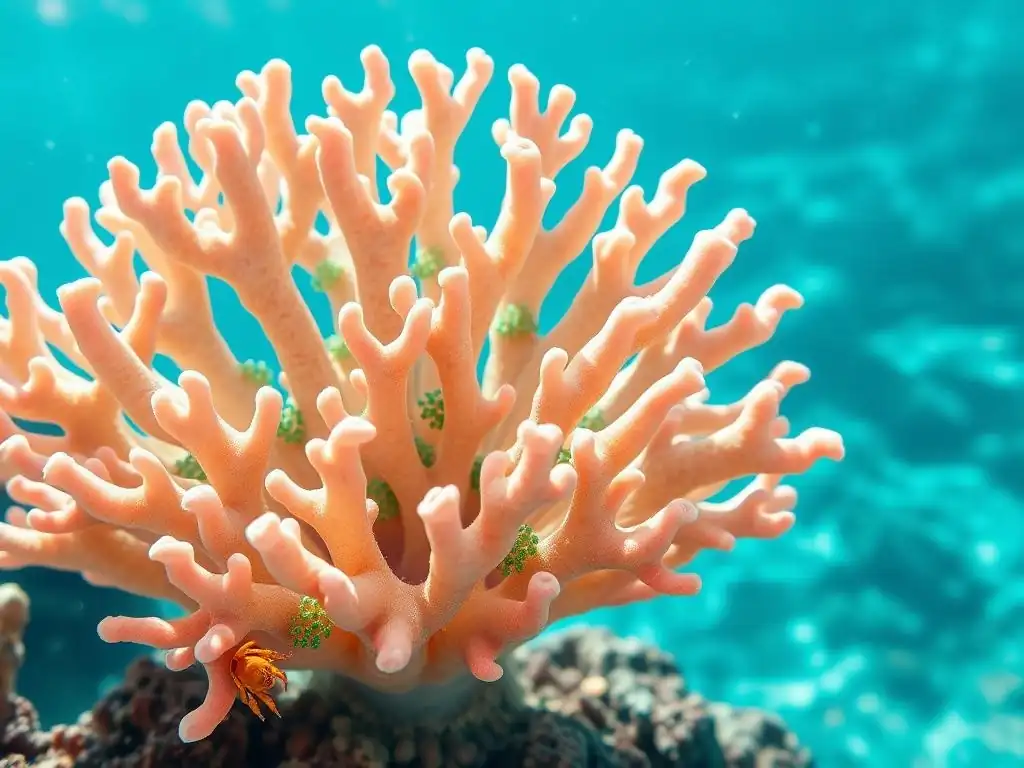
Culturing Live Food for Favia Corals: Brine Shrimp and Rotifers
For the dedicated aquarist seeking to provide the absolute best nutrition, culturing live foods like newly hatched brine shrimp (Artemia nauplii) or rotifers (e.g., Brachionus plicatilis) offers a superior feeding option for Favia corals. Live foods are highly nutritious, incredibly digestible, and their natural movement stimulates a strong feeding response from the coral polyps, often resulting in more enthusiastic consumption compared to frozen or prepared foods.
While requiring a slightly greater investment of time and effort, the benefits of live food are significant. Newly hatched brine shrimp can be cultured from cysts in a simple cone-shaped container with aeration, yielding thousands of nutritious nauplii within 24-36 hours. Rotifers require a more involved culture setup, typically fed with live phytoplankton, but provide a smaller, highly suitable food source for very small coral polyps or newly settled frag colonies. Incorporating live foods into the feeding regimen can significantly enhance the fulfillment of Favia coral diet requirements, promoting vigorous growth and vibrant health.
Experimenting with Different Food Sizes and Textures
Favia corals are capable of consuming a surprising range of particle sizes, making experimentation with various food sizes and textures a valuable advanced feeding technique. While they readily accept larger frozen foods like finely chopped mysis shrimp or cyclop-eeze, don't overlook the benefits of smaller options. These can include finely ground coral pellets, liquid suspensions of phytoplankton, or amino acid solutions, which can be absorbed by the coral's tissue or captured by smaller polyps. Observe closely to determine which sizes are most readily accepted and consumed by your specific Favia colonies.
Beyond size, texture can also play a role in food acceptance. Some Favia colonies might show a preference for softer, more gelatinous foods, while others are adept at handling firmer, more substantial particles. Offering a diverse mix of textures ensures a broader range of nutrient delivery and caters to the individual preferences of your coral. A varied approach not only provides a comprehensive nutritional profile but also keeps the feeding experience stimulating for the coral, contributing to better overall health and growth.
Understanding the Role of Amino Acids and Vitamins in Favia Coral Nutrition
While primary food sources provide bulk energy and essential macromolecules, amino acids and vitamins are critical micronutrients that play vital roles in the metabolic processes, tissue repair, and vibrant coloration of Favia corals. Many commercial coral foods already include these, but direct supplementation can be highly beneficial, especially for stressed, recovering, or rapidly growing corals. These compounds often act as cofactors in enzymatic reactions and are building blocks for complex proteins.
Amino acids are the fundamental components of proteins, which are essential for all aspects of tissue growth, repair, and regeneration in Favia corals. Vitamins, such as various B vitamins and Vitamin C, function as crucial cofactors in countless biochemical pathways, supporting everything from energy metabolism to immune response. Adding a high-quality, reputable amino acid and vitamin supplement to your tank, typically 1-2 times per week according to manufacturer instructions, can significantly enhance the health, resilience, and overall vitality of your Favia corals, improving their ability to thrive and display their full potential.
Creating a Balanced Favia Coral Diet Plan
Combining Natural and Supplemental Feeding Methods
A truly balanced and effective Favia coral diet requirements plan integrates the benefits of ambient tank nutrients with carefully managed supplemental feeding. This synergistic approach acknowledges that while Favia corals derive significant energy from photosynthesis and dissolved organic matter naturally present in the water column (from fish waste, detritus, and biological processes), they also require direct consumption of particulate food. The goal is to create an environment where the coral's diverse nutritional needs are met comprehensively.
To achieve this, maintain a healthy, but not overstocked, fish population; their waste contributes to the natural nutrient cycle. Supplement this with a varied selection of commercial coral foods—including frozen, liquid, and powdered options—2-3 times per week. Prioritize target feeding to ensure the food reaches the Favia polyps directly, minimizing waste and maximizing uptake. This combined strategy ensures that your corals receive both their photosynthetic energy and the essential particulate matter they need for robust growth and vibrant coloration.
Developing a Feeding Schedule Based on Tank Size and Coral Population
The ideal feeding schedule for Favia corals is not a fixed formula but rather a dynamic plan that must be customized based on several crucial factors. These include the maturity and stability of your aquarium, the existing fish load, the efficiency of your filtration system, and, critically, the number and size of your Favia colonies. A smaller, heavily stocked tank with a high bioload might require less supplemental feeding for corals compared to a large, lightly stocked system with numerous, rapidly growing Favia colonies.
As a practical starting point, feeding Favia corals 2-3 times per week is a common and highly effective regimen for many reef tanks. However, this schedule should be continuously adjusted based on your regular water test results (monitoring nitrates and phosphates) and your visual assessment of the coral's response. If nutrient levels consistently creep up, indicating excess food, reduce the frequency or amount. Conversely, if your corals appear pale or show signs of tissue recession, a slight increase in feeding may be beneficial.
Long-Term Considerations for Favia Coral Health and Growth
Long-term success in fulfilling Favia coral diet requirements involves a commitment to consistency in feeding, diligent monitoring of water parameters, and a proactive approach to troubleshooting any issues. As Favia corals grow larger and establish themselves, their nutritional demands will naturally increase, requiring potential adjustments to feeding amounts or frequency over time. Recognizing their growth patterns and adapting your feeding strategy accordingly is crucial for sustained health.
A robust and well-managed diet contributes significantly to the long-term health and impressive growth of Favia corals. A consistently well-fed Favia colony will not only survive but truly thrive, exhibiting steady growth (e.g., increasing in diameter by 1-2 inches per year for a healthy colony), maintaining vibrant and stable coloration, and even reaching a size and health where propagation (fragging) becomes a viable option. This contributes immensely to the overall beauty, stability, and success of your reef aquarium.
Conclusion: Mastering the Art of Feeding Favia Corals
Recap of Key Favia Coral Diet Requirements
Mastering the art of feeding Favia corals is a cornerstone of successful reef keeping, allowing these captivating LPS corals to display their full beauty and vitality. We've explored that Favia corals are mixotrophic, meaning they derive a significant portion of their energy from their symbiotic zooxanthellae through photosynthesis. However, for optimal health, growth, and coloration in a closed system, supplemental feeding of particulate matter—including various forms of zooplankton, phytoplankton, and dissolved organic matter—is absolutely essential.
Achieving this balance involves understanding their natural feeding behaviors and translating them into effective aquarium practices. Key elements include utilizing a varied diet of high-quality frozen, liquid, and powdered coral foods, prioritizing target feeding to ensure efficient nutrient delivery, and meticulously maintaining stable, pristine water parameters. Diligent observation of your coral's response and proactive adjustment of feeding schedules are paramount to meeting their diverse nutritional needs.
Resources for Further Learning About Favia Coral Care
The journey of reef keeping is one of continuous learning and adaptation, and deepening your understanding of Favia coral care will only enhance your success. While this article has provided a comprehensive overview of Favia coral diet requirements and feeding strategies, there is always more to explore.
Consider delving into advanced water chemistry topics, such as the intricacies of trace element supplementation and their impact on coral health. Research specific coral diseases and their identification to quickly address any health issues. Furthermore, explore detailed guides on coral propagation techniques, such as fragging Favia corals, which allows you to share your thriving colonies and contribute to the hobby. Continuously engaging with reputable resources and fellow aquarists will empower you to provide the best possible care for your Favia corals.
Frequently Asked Questions
What is the primary food source for Favia corals?
Favia corals primarily obtain nutrients through zooxanthellae, symbiotic algae living within their tissues. They also supplement their diet by capturing small food particles from the water column.
How often should I feed my Favia coral?
While Favia corals can survive on zooxanthellae, supplemental feeding once or twice a week with appropriate foods promotes optimal growth and coloration.
What types of food are suitable for Favia corals?
Favia corals can consume a variety of foods, including small meaty foods like mysis shrimp, brine shrimp, and cyclops. They also benefit from coral-specific foods available at aquarium stores.
How can I ensure my Favia coral is receiving enough food?
Observe your Favia coral for signs of good health, such as vibrant coloration and polyp extension. If the coral appears pale or retracts its polyps, it may need more feeding.
Are there any foods I should avoid feeding my Favia coral?
Avoid feeding Favia corals large or indigestible food particles, as these can cause stress or even injury. Also, avoid overfeeding as this can negatively impact water quality.
Final Reflection: Unveiling the Secrets of Coral Sustenance
The exploration of Favia coral diet requirements, as we've seen, is not merely an academic exercise; it's a critical step towards ensuring the survival of these vital reef ecosystems. Understanding what sustains these vibrant creatures allows us to better manage and protect them in the face of increasing environmental pressures. The insights gained from deciphering their dietary preferences are directly applicable to conservation efforts and the sustainable management of our oceans.
This journey into the microscopic world of Favia corals has illuminated the intricate web of life that underpins our planet's biodiversity. The realization that even seemingly simple organisms possess complex dietary needs underscores the importance of holistic conservation strategies. In the end, we will conserve only what we love; we will love only what we understand; and we will understand only what we are taught.
- Baba Dioum. This quote perfectly encapsulates the need for continued research and education to foster a deeper appreciation for the delicate balance of marine life.
Now, as we conclude this exploration, I invite you to consider your own role in preserving these underwater wonders. Reflect on the interconnectedness of all living things and the impact our actions have on the health of our oceans. Let the knowledge gained here inspire you to make conscious choices that contribute to a more sustainable future, ensuring that future generations can marvel at the beauty and resilience of Favia corals and the vibrant reefs they call home.
Dive Deeper: Become a Favia Feeding Pro!
Thanks for exploring the fascinating world of Favia coral diets! Now that you understand their feeding habits, it’s time to put that knowledge into action.
- Start supplementing! Based on what you've learned, carefully introduce small amounts of coral-specific food like phytoplankton and zooplankton to your Favia's diet a few times a week and observe its response.
- Share your Favia feeding successes (or challenges!) on aquarium forums or social media groups. Help other reefers by sharing your specific food types and feeding methods.
- Try this: Take a close-up photo of your Favia's feeding tentacles extended – can you identify any undigested food particles to fine-tune your feeding strategy?
Ready to experiment and unlock the secrets to a thriving Favia colony in your aquarium?