
Beyond Photosynthesis: Target Feeding Your Euphyllia for Peak Health

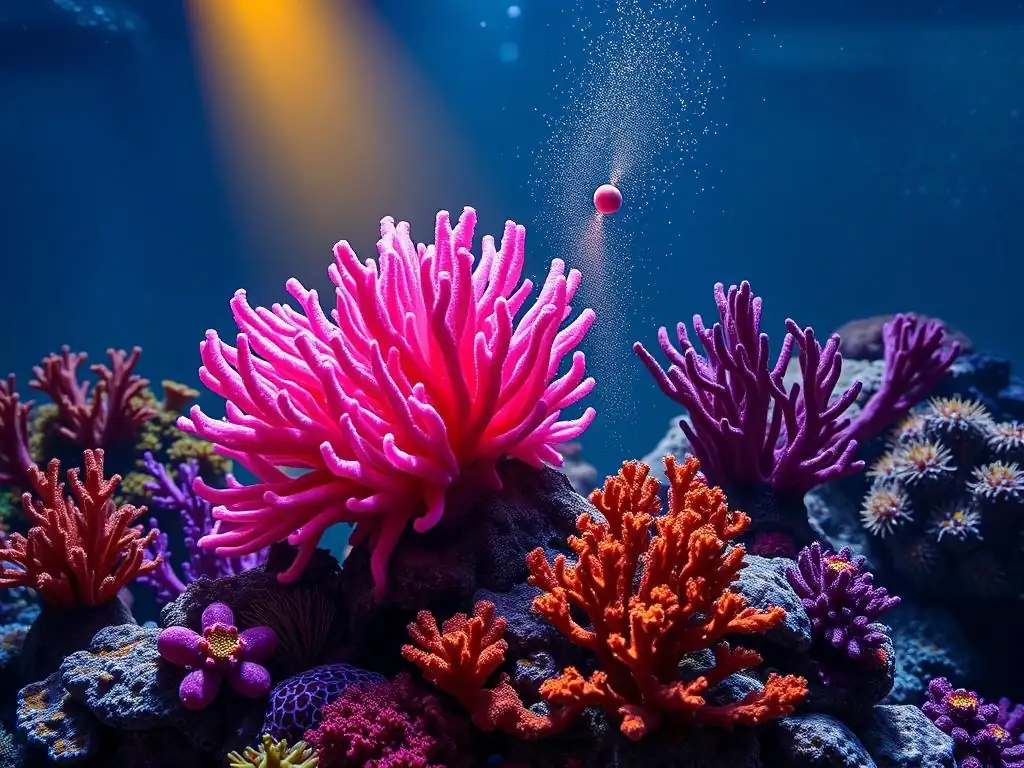
Welcome to Aquarium Mastery! Ever wondered if your Euphyllia coral is getting everything it needs to thrive? While photosynthesis plays a vital role, unlocking its full potential requires a little more attention. Dive into "Beyond Photosynthesis: Target Feeding Your Euphyllia for Peak Health" and discover the secrets to vibrant color and robust growth. Are you ready to take your coral care to the next level?
- Understanding Euphyllia Coral Nutrition: More Than Just Light
- Target Feeding Techniques for Euphyllia Corals: A Step-by-Step Guide
-
Best Foods for Euphyllia Coral Target Feeding: A Nutritional Breakdown
- Live Foods: Rotifers, Copepods, and Brine Shrimp for Euphyllia
- Frozen Foods: Mysis Shrimp, Cyclops, and Plankton for Coral Feeding
- Prepared Foods: Pellets and Powders Designed for LPS Corals
- Homemade Euphyllia Food Recipes: DIY Coral Food with Shrimp and Spirulina, Gel Food with Mysis and Amino Acids
- Optimizing Your Euphyllia Feeding Schedule: Frequency and Quantity
- Addressing Common Euphyllia Feeding Challenges: Troubleshooting Tips
- Maintaining Water Quality for Healthy Euphyllia Feeding
- Advanced Euphyllia Care: Beyond Target Feeding
- Euphyllia Target Feeding: A Summary for Thriving Corals
-
Frequently Asked Questions
- How important is target feeding for Euphyllia corals, considering they photosynthesize?
- What types of food are best suited for target feeding Euphyllia corals?
- How often should I target feed my Euphyllia coral?
- What's the best method for target feeding Euphyllia?
- How do I know if my Euphyllia isn't getting enough food?
- Final Reflection: Cultivating Thriving Reefs
- Fuel Your Euphyllia: Unlock Explosive Growth!
Understanding Euphyllia Coral Nutrition: More Than Just Light
The Role of Photosynthesis in Euphyllia Growth
Euphyllia corals, like many other large polyp stony (LPS) corals, host symbiotic dinoflagellates called zooxanthellae within their tissues. These microscopic algae perform photosynthesis, converting light energy into carbohydrates (sugars) that provide the coral with a significant portion of its nutritional needs—often estimated to be between 70% to 90%. This photosynthetic energy is crucial for the coral's basic metabolic functions, including respiration and tissue maintenance, and contributes significantly to its overall growth and calcification.
While photosynthesis is undeniably vital for Euphyllia survival and growth, relying solely on light for nutrition can limit a coral's potential. The carbohydrates produced by zooxanthellae are primarily energy sources, but they do not provide all the complex proteins, lipids, and trace elements necessary for optimal health, vibrant coloration, and robust growth. For these reasons, a more comprehensive feeding strategy is required to truly see your Euphyllia thrive.
Why Target Feeding is Crucial for Optimal Euphyllia Health
Target feeding is the direct delivery of food to individual coral polyps, supplementing the energy derived from photosynthesis. This method ensures that the Euphyllia receives a diverse range of nutrients that are often scarce or unavailable through light alone. Proteins and fatty acids, for instance, are essential for tissue repair, cell division, and the development of new polyps and skeletal structure, leading to significantly faster growth rates, sometimes seeing a healthy colony double in size over a 6 to 12-month period.
Beyond accelerated growth, consistent Euphyllia coral target feeding contributes to enhanced coloration and increased resilience against environmental stressors. Corals that are well-fed exhibit stronger immune responses, are better equipped to recover from minor tissue damage, and display more vibrant hues due to the availability of key pigments. This supplementary feeding transforms Euphyllia from merely surviving to truly flourishing within the home aquarium environment.
Nutritional Needs of Euphyllia: Understanding Coral Feeding Requirements
Euphyllia corals are facultative filter feeders and predators, meaning they can derive nutrition from both photosynthesis and direct consumption of particulate matter. Their primary dietary requirements include a rich blend of proteins, lipids (fats), and various trace elements. Proteins, composed of amino acids, are fundamental for building and repairing coral tissue, promoting polyp extension, and supporting the synthesis of enzymes crucial for metabolic processes.
Lipids, particularly highly unsaturated fatty acids (HUFAs) like EPA and DHA, are vital for energy storage, cell membrane integrity, and reproductive health. While carbohydrates are supplied by zooxanthellae, external sources of vitamins (e.g., B vitamins, vitamin C) and trace elements (e.g., iodine, strontium, iron) also play a role in enzyme function, calcification, and overall coral vitality. Euphyllia typically consume small planktonic organisms, marine snow, and dissolved organic matter in their natural habitat, making foods that mimic these sources ideal for Euphyllia coral target feeding.
Target Feeding Techniques for Euphyllia Corals: A Step-by-Step Guide
Gathering Your Supplies: Essential Tools for Euphyllia Target Feeding
Successful Euphyllia coral target feeding relies on precision and minimal waste, which means having the right tools is essential. A turkey baster or a dedicated coral feeding pipette (often with a capacity of 10-30 ml) is indispensable for delivering food directly to the coral polyps. These tools allow for controlled dispersion of the food, preventing it from dissipating too quickly into the water column.
Additionally, a small, clean dish or cup is useful for preparing and mixing the food slurry before introduction into the tank. Some aquarists also find long-handled feeding tongs helpful for larger food particles or to manipulate the coral's position slightly if necessary, though a baster or pipette is usually sufficient for most Euphyllia feeding. Having these supplies readily available ensures a smooth and efficient feeding process, maximizing the benefit to your Euphyllia.
Preparing the Food: Selecting the Right Food for Euphyllia Growth
Proper food preparation is key to effective Euphyllia coral target feeding. For frozen foods like Mysis shrimp or Cyclops, it's crucial to thaw a small portion in a separate cup of tank water or RODI water. Avoid thawing large quantities in advance, as this can degrade nutritional value. For powdered or pelletized foods designed for LPS corals, mix a small amount (e.g., a quarter teaspoon for a medium colony) with tank water to create a thin, consistent slurry.
The consistency of the food mixture is important; it should be thick enough to be easily drawn into your feeding tool but thin enough to be expelled without clogging. Avoid over-diluting, as this can reduce the concentration of nutrients per squirt. Preparing the food outside the main display tank also helps to prevent unnecessary nutrient spikes from introducing raw, unthawed food or excess liquid directly into the system.
Precise Application: Delivering Food Directly to Euphyllia Polyps
Before initiating Euphyllia coral target feeding, temporarily turn off all powerheads and return pumps in your aquarium. This crucial step prevents the food from being immediately dispersed throughout the tank, allowing it to settle directly onto the coral polyps. Gently draw the prepared food slurry into your turkey baster or pipette. Slowly approach the Euphyllia colony and carefully expel a small amount of food directly onto or very near the extended polyps.
Observe the coral's response; healthy Euphyllia polyps will typically react by extending their tentacles, sweeping the food towards their mouth, and then retracting slightly as they ingest it. For larger food particles, you might even see the polyp's mouth opening to engulf the meal. Aim for minimal waste to maintain water quality, ensuring that most of the food is consumed by the target coral within a few minutes.
Monitoring Feeding Response: Observing Your Euphyllia's Reaction
After delivering the food, take a few minutes to observe your Euphyllia's feeding response. A positive reaction includes the polyps visibly contracting around the food, drawing it into their oral disc, and then slowly resuming their extended state. You might notice the specific food particle disappearing into the coral's mouth. This indicates successful ingestion and that the coral is accepting the food type and feeding method.
Conversely, if the Euphyllia polyps show no interest, reject the food by expelling it, or remain fully retracted, it could indicate several things: the food is not appealing, the coral is already satiated, or there might be an underlying water quality issue causing stress. Healthy Euphyllia polyps can extend their tentacles significantly, sometimes 2-4 inches, to capture food particles. Adjust your feeding schedule, food type, or water parameters based on these observations to optimize your Euphyllia coral target feeding strategy.
Best Foods for Euphyllia Coral Target Feeding: A Nutritional Breakdown
Live Foods: Rotifers, Copepods, and Brine Shrimp for Euphyllia
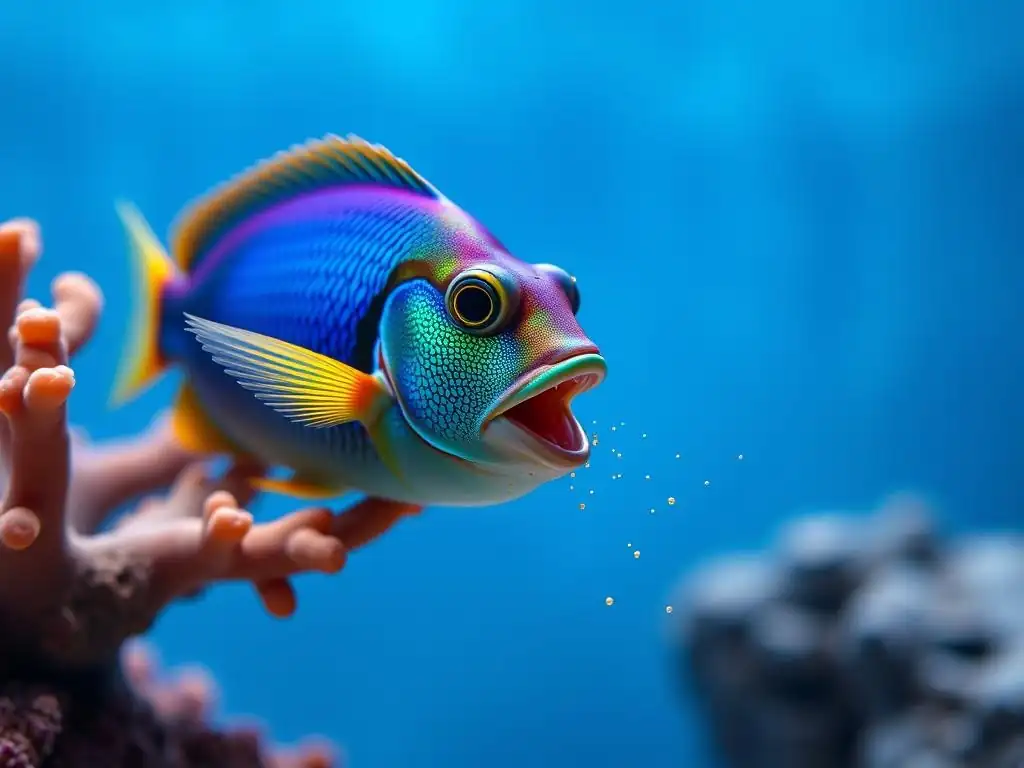
Live foods are an excellent choice for Euphyllia coral target feeding due to their natural appeal and high nutritional value, stimulating a strong feeding response. Rotifers, such as Brachionus plicatilis, are microscopic and ideal for smaller polyps or fragged Euphyllia, providing a rich source of protein and essential fatty acids. Copepods, including species like Tisbe or Apocyclops, are slightly larger and offer a superior fatty acid profile, mimicking the natural zooplankton that Euphyllia consume in the wild.
Newly hatched brine shrimp, while less nutritionally dense than rotifers or copepods, can still be used to stimulate a feeding response, particularly if enriched with a nutritional supplement prior to feeding. The movement of live foods often triggers a more aggressive capture mechanism from the Euphyllia polyps. Culturing these organisms or purchasing them live from a reputable supplier ensures maximum freshness and bioavailability of nutrients for your Euphyllia.
Frozen Foods: Mysis Shrimp, Cyclops, and Plankton for Coral Feeding
Frozen foods represent the most common and convenient option for Euphyllia coral target feeding, offering a wide range of nutritional profiles. Frozen Mysis shrimp, particularly larger species like Mysis relicta or Mysis diluviana, are a staple for many LPS corals due to their high protein content and suitable size for Euphyllia polyps. Cyclops, such as Cyclop-eeze, are smaller crustaceans that are rich in astaxanthin, a carotenoid that can enhance the vibrant coloration of your Euphyllia.
Various frozen marine plankton blends are also available, providing a diverse mix of organisms that cater to the broad dietary needs of Euphyllia. When using frozen foods, always thaw a small portion in tank water before feeding to prevent introducing unwanted nutrients or contaminants from the freezing process into your display tank. The ease of storage and availability make these an excellent cornerstone of any Euphyllia feeding regimen.
Prepared Foods: Pellets and Powders Designed for LPS Corals
Specialized prepared foods, available in pellet or powder form, are specifically formulated to meet the nutritional demands of LPS corals like Euphyllia. Brands like Fauna Marin LPS Grow and Color, Reef Roids, or similar products offer a balanced blend of proteins, amino acids, and trace elements. These foods are often designed with particle sizes (e.g., 50-400 microns) that are easily ingested by Euphyllia polyps.
To use these prepared foods for Euphyllia coral target feeding, mix a small amount with tank water to create a slurry. This slurry can then be precisely delivered using a pipette or baster, ensuring that the coral receives a concentrated dose of nutrients. The consistent nutritional profile and long shelf life of prepared foods make them a reliable and convenient option for supplementing your Euphyllia's diet, contributing to robust growth and vibrant coloration.
Homemade Euphyllia Food Recipes: DIY Coral Food with Shrimp and Spirulina, Gel Food with Mysis and Amino Acids
For aquarists seeking to customize their Euphyllia's diet, homemade food recipes offer a tailored approach to Euphyllia coral target feeding. One popular recipe involves blending raw, unshelled shrimp (e.g., cocktail shrimp), spirulina powder for vitamins and carotenoids, a small amount of fish roe for lipids, and a marine algae binder. This mixture can be frozen in small portions and thawed as needed, providing a highly nutritious and appealing meal for your corals.
Another effective DIY option is a gelatin-based food, incorporating blended Mysis shrimp, copepods, liquid amino acid supplements, and a multivitamin solution. The gelatin acts as a binder, creating a solid food that can be cut into small, manageable pieces or even mashed into a paste for target feeding. When preparing homemade foods, always ensure ingredients are fresh and store the finished product frozen in airtight containers to maintain nutritional integrity and prevent spoilage.
Optimizing Your Euphyllia Feeding Schedule: Frequency and Quantity
Determining the Ideal Feeding Frequency for Your Euphyllia
The ideal feeding frequency for Euphyllia corals can vary based on several factors, including tank nutrient levels, lighting intensity, and desired growth rate. As a general guideline for robust growth and health, target feed your Euphyllia 2-3 times per week. This provides a consistent supply of essential nutrients beyond what photosynthesis offers, without overwhelming your tank's filtration system.
In systems with very low nutrient levels (ULNS) or if you aim for accelerated growth, you might increase the frequency to every other day. Conversely, if your tank tends to run higher in nitrates or phosphates, or if you prefer a slower growth rate, feeding once a week might be sufficient. Observing your Euphyllia's response—such as polyp extension, growth rate, and coloration—is the most reliable way to fine-tune your Euphyllia coral target feeding schedule.
Adjusting Feeding Based on Coral Size and Growth Rate
The size and growth rate of your Euphyllia colony should directly influence the quantity of food provided during each Euphyllia coral target feeding session. Smaller colonies or newly fragged pieces may benefit from more frequent, but smaller, meals to support their establishment and initial growth. For instance, a single small frag might only need a few drops of food slurry, whereas a large, multi-head colony could consume a full pipette of food.
As your Euphyllia grows and establishes itself, you can gradually increase the quantity of food per feeding, while potentially maintaining the same frequency. Monitor for signs of new polyp formation or increased skeletal growth; a healthy Euphyllia colony might add 1-2 new heads per year with optimal feeding and care. If you notice rapid growth, you are likely meeting its nutritional demands effectively.
Recognizing Signs of Overfeeding or Underfeeding in Euphyllia
Recognizing the signs of overfeeding or underfeeding is crucial for maintaining a healthy Euphyllia. Overfeeding often manifests as excess nutrients in the water column, leading to algae blooms, elevated nitrate and phosphate levels, or even the coral visibly rejecting food by expelling it or not fully retracting its polyps after a meal. Persistent high nutrient levels can also lead to tissue recession or brown jelly disease.
Conversely, signs of underfeeding include lack of polyp extension, pale or dull coloration, slow or stagnant growth, and in severe cases, tissue recession where the coral tissue pulls away from its skeleton. If your Euphyllia appears "deflated" or its polyps are consistently shrunken, it may be a sign it's not receiving enough external nutrition. Adjusting your Euphyllia coral target feeding frequency and quantity based on these visual cues is vital for their long-term health.
Addressing Common Euphyllia Feeding Challenges: Troubleshooting Tips
Preventing Algae Blooms During Target Feeding
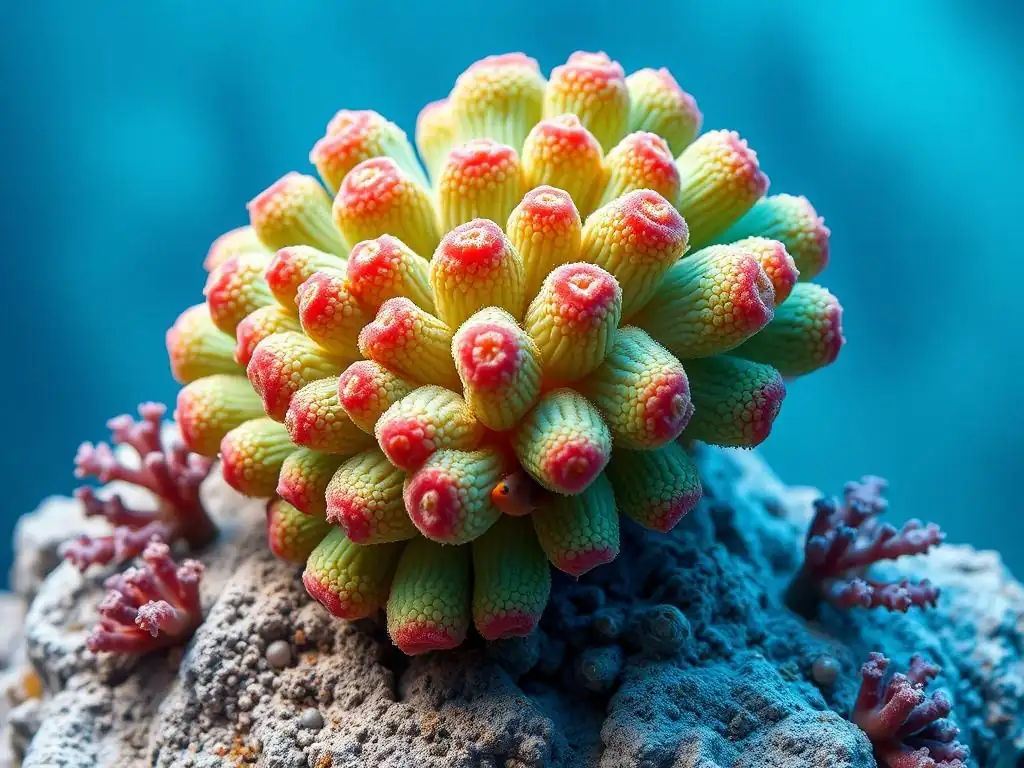
One common challenge with Euphyllia coral target feeding is the potential for increased nutrient levels, which can fuel nuisance algae blooms. To mitigate this, always turn off powerheads during feeding to ensure the food is consumed directly by the coral and not dispersed throughout the tank. Aim for precise application, delivering just enough food for the Euphyllia to consume within 15-30 minutes.
After feeding, observe for any uneaten food particles and siphon them out if visible. Maintaining robust filtration, including a well-functioning protein skimmer and potentially a refugium or GFO reactor, is also critical for exporting excess nutrients. Regular water changes, typically 10-20% bi-weekly, will further help dilute any residual nutrients and prevent their accumulation, ensuring that your Euphyllia benefits without compromising overall water quality.
Dealing with Aggressive Tankmates Stealing Food
Aggressive or fast-moving tankmates can often steal food intended for your Euphyllia, reducing the effectiveness of your Euphyllia coral target feeding efforts. One strategy is to feed your Euphyllia during the evening hours or after the main aquarium lights have dimmed, as many fish become less active then. Alternatively, you can feed the fish a small amount of their regular food first to distract them before target feeding your corals.
For particularly persistent food thieves, consider using a clear plastic feeding shield or a small acrylic barrier to temporarily isolate the Euphyllia during feeding. This creates a protected zone where the coral can consume its meal undisturbed. If the problem persists, reassess your tank's stocking list to ensure compatibility, as highly aggressive feeders may not be suitable long-term companions for sensitive LPS corals.
Encouraging Polyp Extension for Effective Feeding
For effective Euphyllia coral target feeding, good polyp extension is essential. If your Euphyllia is not extending its polyps sufficiently to capture food, several factors could be at play. First, ensure stable water parameters: alkalinity (7-9 dKH), calcium (400-450 ppm), and magnesium (1250-1350 ppm) are crucial for overall coral health and polyp integrity. Inconsistent parameters can stress the coral, leading to retraction.
Second, check your water flow. Euphyllia prefer moderate, indirect flow; too strong a current can prevent full extension, while too weak a flow can lead to detritus buildup. Adjust powerheads as needed. Third, ensure proper lighting, as inadequate or excessive light can also cause stress. Finally, consider adding amino acid supplements to your tank, as these can often encourage greater polyp extension and overall coral vigor, making Euphyllia coral target feeding more efficient.
Maintaining Water Quality for Healthy Euphyllia Feeding
The Importance of Water Parameters: Alkalinity, Calcium, and Magnesium
Maintaining stable and optimal water parameters is paramount for the health of Euphyllia corals, especially when engaging in Euphyllia coral target feeding. Alkalinity, ideally between 7-9 dKH, provides the carbonate ions necessary for calcification and helps buffer the pH of the aquarium water, preventing drastic swings. Calcium, at levels of 400-450 ppm, is the primary building block for the coral's aragonite skeleton, directly impacting its growth.
Magnesium, maintained between 1250-1350 ppm, plays a critical role in stabilizing alkalinity and ensuring the proper uptake of calcium. When these parameters are stable and within the recommended ranges, Euphyllia can efficiently utilize the nutrients from target feeding to build their skeletal structure and grow new tissue. Inconsistent or low levels of these elements can lead to stunted growth, tissue loss, and increased susceptibility to disease, negating the benefits of even the best Euphyllia coral target feeding regimen.
Regular Water Changes and Nutrient Control for Coral Health
Regular water changes are a cornerstone of maintaining pristine water quality, which is crucial for healthy Euphyllia feeding. Performing 10-20% water changes bi-weekly or monthly replenishes essential trace elements that are depleted by coral growth and biological processes, while simultaneously removing accumulated nitrates, phosphates, and other undesirable organic compounds. While Euphyllia coral target feeding provides vital nutrients, it also adds to the bioload, making consistent nutrient export even more important.
Beyond water changes, effective nutrient control mechanisms are vital. A well-sized and properly maintained protein skimmer is highly effective at removing dissolved organic waste before it breaks down into nitrates and phosphates. Utilizing phosphate-removing media (GFO) or activated carbon can further help maintain ultra-low nutrient levels, preventing nuisance algae growth and ensuring that the water environment remains conducive for robust Euphyllia health and efficient nutrient uptake.
Using Supplements to Enhance Euphyllia Growth and Coloration
While Euphyllia coral target feeding provides a broad spectrum of nutrients, strategic supplementation can further enhance growth and coloration. Amino acid solutions are popular for supporting tissue growth and promoting vibrant colors, as they provide the building blocks for proteins that are essential for coral health and pigment production. Many aquarists report increased polyp extension and overall vigor when dosing amino acids.
Trace element solutions, containing elements like iodine, strontium, and potassium, are also beneficial, as these are vital for various metabolic functions and skeletal integrity but can be quickly depleted in a thriving reef tank. Vitamin solutions can further boost the overall health and resilience of your Euphyllia. However, it is crucial to dose supplements according to manufacturer recommendations and to regularly test your water parameters to avoid overdosing, which can be detrimental to your corals and overall tank stability.
Advanced Euphyllia Care: Beyond Target Feeding
Understanding the Symbiotic Relationship with Zooxanthellae
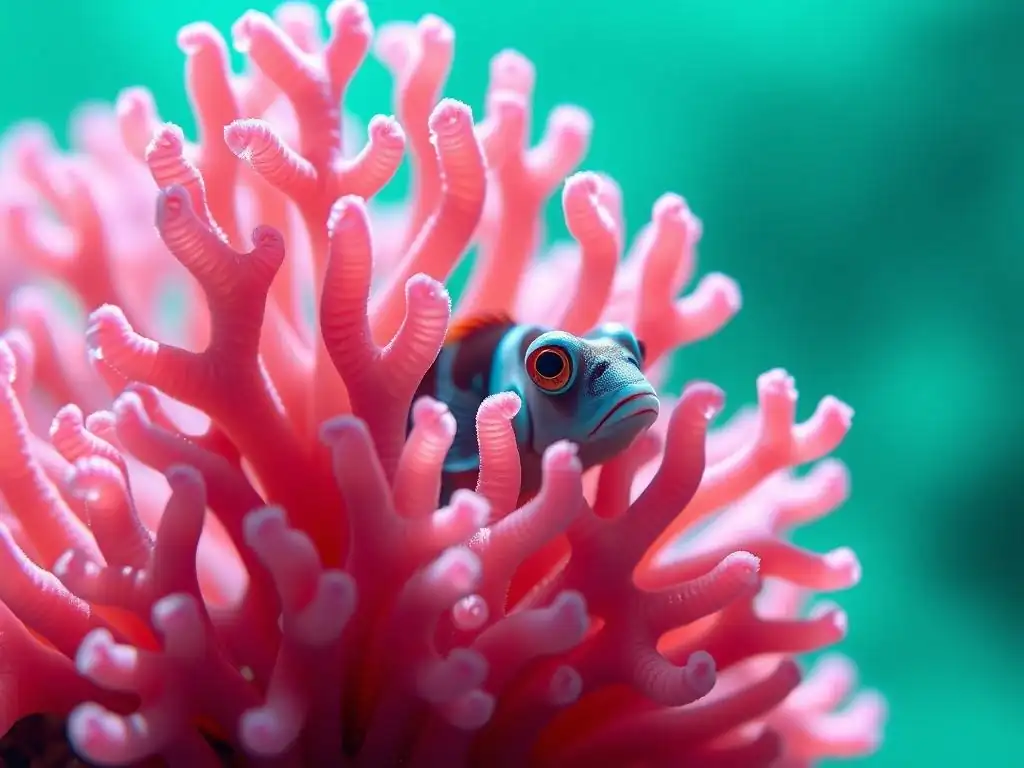
The symbiotic relationship between Euphyllia corals and their zooxanthellae is fundamental to their survival and vibrant appearance. While Euphyllia coral target feeding provides essential building blocks and energy, the zooxanthellae contribute a significant portion of the coral's energy needs through photosynthesis. A healthy, thriving population of zooxanthellae directly correlates with the coral's ability to maintain its rich coloration and grow efficiently.
Understanding this symbiosis means recognizing that environmental factors impacting the zooxanthellae, such as improper lighting or nutrient imbalances, will directly affect the coral host. Ensuring the coral receives both adequate light for its photosynthetic partners and external food through target feeding creates a holistic nutritional strategy, allowing both the coral tissue and the zooxanthellae to flourish, leading to optimal health and resilience.
Proper Lighting for Euphyllia Coloration and Growth
Beyond their dietary needs, proper lighting is a critical component of Euphyllia care, directly impacting both coloration and growth through the zooxanthellae. Euphyllia corals generally thrive under moderate lighting conditions, typically preferring PAR (Photosynthetically Active Radiation) levels in the range of 75 to 150 for established colonies. Too intense light can cause stress, leading to bleaching or tissue recession, while insufficient light can result in dull coloration and poor growth.
The spectrum of light is also important; blue-spectrum lighting (around 450-470nm) is particularly beneficial for Euphyllia coloration and the efficiency of zooxanthellae photosynthesis. Gradual acclimation to new lighting conditions is crucial to prevent shock. When combined with consistent Euphyllia coral target feeding, optimized lighting ensures that the coral receives a comprehensive energy supply, resulting in robust health and stunning visual appeal.
Ensuring Adequate Water Flow for Nutrient Delivery
Adequate water flow is another vital environmental factor for Euphyllia corals, playing a direct role in their health and the effectiveness of Euphyllia coral target feeding. Euphyllia prefer moderate, turbulent, and indirect water flow rather than strong, laminar currents. This type of flow helps to keep the coral's polyps clean, preventing detritus from settling on their tissues, which can lead to infection or tissue necrosis.
Crucially, proper water flow also facilitates the delivery of nutrients, both those dissolved in the water column and the particulate food introduced during target feeding, directly to the coral's polyps. It also aids in the removal of waste products from the coral's surface. Too strong a flow can cause the polyps to retract or damage their delicate tissues, while insufficient flow can lead to "dead spots" where waste accumulates, hindering nutrient uptake and overall health.
Euphyllia Target Feeding: A Summary for Thriving Corals
Key Takeaways for Successful Euphyllia Feeding
Achieving peak health and vibrant growth in your Euphyllia corals goes "Beyond Photosynthesis" and relies heavily on a strategic approach to Euphyllia coral target feeding. Key takeaways include:
- Supplement Photosynthesis: Understand that while light provides significant energy, external feeding supplies crucial proteins, lipids, and trace elements for optimal growth and coloration.
- Choose Appropriate Foods: Select high-quality live, frozen, or prepared foods like Mysis shrimp, Cyclops, or specialized LPS coral powders that match the size and nutritional needs of your Euphyllia polyps.
- Precise Application: Always turn off powerheads during feeding and use a baster or pipette to deliver food directly to the polyps, minimizing waste and maximizing consumption.
- Consistent Schedule: Target feed your Euphyllia 2-3 times per week, adjusting frequency and quantity based on coral size, growth rate, and tank nutrient levels.
- Monitor Response: Observe your coral's reaction during and after feeding to ensure it's accepting the food and thriving, looking for signs of over or underfeeding.
- Maintain Pristine Water Quality: Stable alkalinity, calcium, and magnesium, coupled with regular water changes and robust nutrient export (skimming, GFO), are essential to support the increased bioload from feeding and ensure overall coral health.
By integrating Euphyllia coral target feeding into your regular husbandry routine, you will witness remarkable improvements in your corals' vigor, color, and growth, leading to a truly flourishing reef aquarium.
Resources for Further Learning About LPS Coral Care
For those passionate about mastering the art of Euphyllia care and beyond, a wealth of information exists to deepen your understanding. Continue to consult reputable aquarium forums and communities where experienced aquarists share insights and troubleshooting tips. Explore detailed guides and species profiles available on AquariumMastery.com, which offer comprehensive information on various LPS corals, their specific care requirements, and advanced husbandry techniques.
Engaging with scientific papers on coral nutrition and physiology can also provide a deeper, evidence-based understanding of the complex needs of these fascinating organisms. Continuous learning and diligent observation are the cornerstones of successful reef keeping and will empower you to provide the best possible environment for your Euphyllia corals to thrive.
Frequently Asked Questions
How important is target feeding for Euphyllia corals, considering they photosynthesize?
Target feeding is highly important to supplement their energy intake. While they do photosynthesize, it's often not enough, especially in less established tanks or those with lower light conditions.
What types of food are best suited for target feeding Euphyllia corals?
Ideal foods include small meaty items like mysis shrimp, brine shrimp, and finely chopped seafood. These provide essential nutrients and amino acids that support growth and coloration.
How often should I target feed my Euphyllia coral?
A good starting point is 2-3 times per week. Observe your coral's response and adjust the frequency based on its feeding behavior and overall health.
What's the best method for target feeding Euphyllia?
Use a turkey baster or syringe to gently release food directly onto the coral's polyps. Turn off flow pumps temporarily to prevent food from drifting away.
How do I know if my Euphyllia isn't getting enough food?
Signs of underfeeding include receding tissue, pale coloration, and lack of polyp extension. If you observe these symptoms, increase feeding frequency and ensure proper water parameters.
Okay, here's a final reflection tailored for your article "Beyond Photosynthesis: Target Feeding Your Euphyllia for Peak Health," designed to resonate with readers and encourage them to apply the knowledge gained:
Final Reflection: Cultivating Thriving Reefs
The insights shared throughout this article highlight that while photosynthesis is fundamental, target feeding Euphyllia corals unlocks their full potential for vibrant health and growth. Understanding the nuances of their nutritional needs and implementing a dedicated feeding strategy is no longer a mere option, but a crucial step towards creating a truly thriving reef ecosystem within your own aquarium.
This journey into the world of Euphyllia care has, hopefully, illuminated the profound connection we have with these delicate creatures. The act of target feeding transcends simple maintenance; it becomes a mindful practice, a deliberate act of nurturing that deepens our appreciation for the intricate beauty of the underwater world. As Jacques Cousteau so eloquently stated, The sea, once it casts its spell, holds one in its net of wonder forever.
This wonder, and our responsibility to preserve it, begins with the choices we make in our own aquariums.
Now, armed with this knowledge, I invite you to reflect on your own approach to reef keeping. Consider how you can integrate target feeding into your routine, not just as a task, but as an opportunity to connect with your Euphyllia and witness their remarkable transformation. Embrace the challenge, experiment with different feeding techniques, and share your experiences with the reefing community. Let's collectively elevate the standard of Euphyllia care and cultivate reefs that are not just surviving, but truly flourishing.
Fuel Your Euphyllia: Unlock Explosive Growth!
Thank you for diving into the world of Euphyllia care! Now that you're armed with the knowledge to optimize their health, it's time to take action and witness the stunning results firsthand.
Here’s how you can make a difference:
- Start Target Feeding: Begin a consistent target feeding routine with a high-quality coral food specifically designed for LPS corals. Watch as your Euphyllia's colors intensify and their growth accelerates.
- Experiment with Water Flow: Adjust your powerheads to find the sweet spot. Observe how your Euphyllia responds to different flow patterns and note any improvements in polyp extension.
- Share Your Progress: Document your Euphyllia's transformation and share your experiences on social media using #AquariumMasteryEuphyllia. Let's build a community of thriving coral keepers!
What Euphyllia feeding success have you already experienced that could help other reef keepers?