
Auto Water Changers & SPS Success: The Secret Weapon for Unshakeable Stability?


Welcome to Aquarium Mastery!
Ever wondered if there's a secret weapon to unlocking vibrant, thriving SPS corals? Hint: It involves more than just good intentions. Dive into our latest article and discover how mastering SPS aquarium water changes, potentially with the help of auto water changers, can be the key to achieving unshakeable tank stability and unlocking the true potential of your reef. Ready to learn the secrets?
- Understanding the Vital Role of Water Changes in SPS Aquariums
- Introducing Automatic Water Change Systems (AWC) for SPS Aquariums
- The Link Between Stable Water Parameters and SPS Growth & Coloration
- Setting Up an Auto Water Change System for Your SPS Reef
- Integrating Auto Water Changes with Other SPS Care Practices
- Troubleshooting Common Issues with Auto Water Change Systems in SPS Tanks
- The Long-Term Impact of Auto Water Changes on SPS Coral Stability and Growth
- Maintaining a Healthy and Thriving SPS Aquarium with Automated Precision
-
Frequently Asked Questions
- What are SPS corals and why are they so sensitive to water changes?
- Why are automatic water changers considered beneficial for SPS aquariums?
- How frequently should water changes be performed in an SPS aquarium, and how much water should be changed at once?
- What other factors, besides water changes, are crucial for SPS coral health?
- Are automatic water changers essential for keeping SPS corals, or are there alternative methods?
- Final Reflection: The Unwavering Pursuit of Stability
- Embrace Ultimate Stability: Revolutionize Your SPS Tank Today!
Understanding the Vital Role of Water Changes in SPS Aquariums
Why Consistent Water Quality is Crucial for SPS Coral Health
Consistent water quality is paramount for the health and vitality of Small Polyp Stony (SPS) corals. These delicate organisms are highly sensitive to fluctuations in key parameters such as alkalinity (dKH), calcium, magnesium, nitrates, and phosphates. Even minor deviations from optimal ranges can induce significant stress, leading to issues like tissue necrosis, bleaching, and stunted growth. For instance, a sudden drop in alkalinity from 8.5 dKH to 6.0 dKH can severely inhibit calcification within hours, forcing corals to expend energy on recovery rather than growth.
Maintaining stable parameters directly supports the biological processes essential for SPS coral survival and flourishing. Optimal ranges for SPS typically include alkalinity between 7.5-8.5 dKH, calcium at 400-450 ppm, and magnesium between 1300-1400 ppm. When these parameters remain steady, corals can efficiently absorb and utilize ions for skeletal growth, resulting in robust structures and vibrant coloration. This stability mimics the natural reef environment, where ocean parameters remain remarkably consistent over long periods, allowing SPS corals to thrive.
The Challenges of Manual Water Changes in SPS Reef Tanks
Performing manual SPS aquarium water changes, while essential, presents several significant challenges for the dedicated aquarist. The process is inherently labor-intensive, requiring precise preparation of new saltwater, including accurate temperature matching and salinity adjustment to prevent shock to delicate corals. For a 100-gallon reef tank, a typical 10% weekly water change involves preparing 10 gallons of new saltwater, siphoning out old water, and carefully refilling, a task that can easily consume 1-2 hours of an aquarist's time each week.
Beyond the sheer effort, manual SPS aquarium water changes are prone to inconsistencies and human error. It's difficult to perfectly match temperature and salinity every single time, leading to minor fluctuations that can stress SPS corals. Furthermore, busy schedules can lead to missed or delayed water changes, causing parameters to drift significantly between changes. These inconsistencies can result in nutrient spikes, drops in essential elements, and overall instability that actively works against the delicate balance required for successful SPS coral keeping.
Introducing Automatic Water Change Systems (AWC) for SPS Aquariums
What is an Auto Water Changer and How Does it Work?
An Auto Water Changer (AWC) is an automated system designed to regularly remove a precise volume of old aquarium water and simultaneously replenish it with fresh, pre-mixed saltwater. At its core, an AWC typically consists of two or more high-precision dosing pumps, two reservoirs (one for new saltwater and one for waste water), and a controller that manages the pumps' operation. These systems eliminate the need for manual intervention in the routine of SPS aquarium water changes.
The operational principle of an AWC is based on programmed intervals and precise volume control. For example, an aquarist might program the system to remove 0.5% of the tank's volume and replace it with new saltwater every hour, or a larger percentage once a day. Peristaltic pumps are commonly used for their accuracy and ability to prevent back-siphoning. Some advanced systems integrate with tank controllers, allowing for sophisticated scheduling and safety features, ensuring that the critical task of SPS aquarium water changes is performed consistently and reliably.
Benefits of Using an AWC for SPS Coral Tanks: Beyond Manual Efforts
The primary benefit of employing an AWC for SPS coral tanks is the unparalleled stability it provides, far surpassing what is achievable through even the most diligent manual efforts. Instead of large, infrequent water changes (e.g., 10% weekly), an AWC facilitates small, frequent SPS aquarium water changes (e.g., 0.5% to 1% daily). This constant, gentle refresh prevents parameter swings, maintaining a remarkably consistent environment for sensitive SPS corals. This continuous replenishment and export lead to more stable alkalinity, calcium, and magnesium levels, while also preventing the buildup of nitrates and phosphates.
Beyond stability, AWCs offer significant advantages in convenience, time-saving, and reduced human error. Automating the most tedious aspect of reef keeping frees up considerable time for aquarists, allowing them to focus on observation, coral health, fragging, or simply enjoying their thriving reef. The precision of automated pumps ensures exact volumes are exchanged, eliminating the guesswork and potential for mistakes inherent in manual measurements. This consistent and precise approach to SPS aquarium water changes dramatically reduces stress on corals and contributes directly to their long-term health and vibrant coloration.
The Link Between Stable Water Parameters and SPS Growth & Coloration
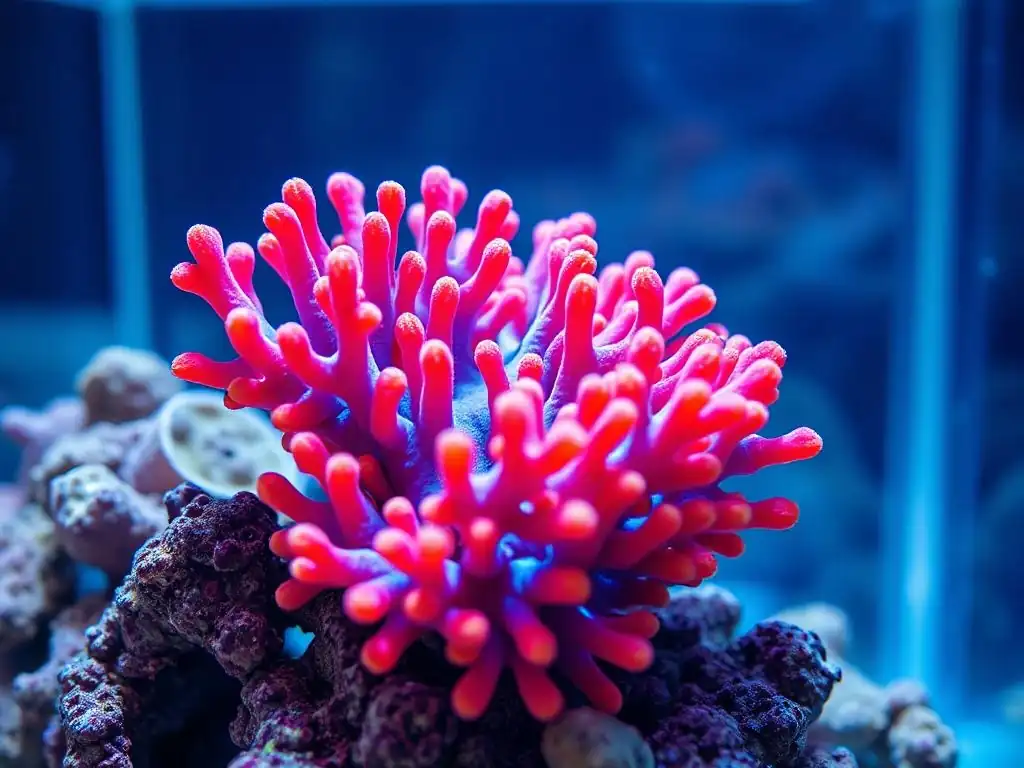
Achieving Alkalinity Stability for Optimal SPS Calcification
Alkalinity is arguably the most critical parameter for SPS coral health and calcification, the process by which corals build their calcium carbonate skeletons. Significant fluctuations in alkalinity can severely stress corals, leading to slowed growth, tissue loss, and even death.
An automatic water changer (AWC) system excels at maintaining alkalinity stability by performing frequent, small SPS aquarium water changes, which constantly replenish carbonate ions and buffer the system. While a manual 10% weekly water change might see alkalinity drop by 1.0-1.5 dKH over seven days before replenishment, an AWC performing 1% daily changes can keep alkalinity fluctuations within a narrow 0.2 dKH range, for example, consistently between 8.0 and 8.2 dKH.
This unparalleled stability allows SPS corals to calcify continuously and efficiently without expending energy on adapting to changing water chemistry. The consistent availability of carbonate ions directly fuels skeletal growth, leading to faster and more robust coral development. For systems with high SPS coral biomass, where alkalinity consumption is significant, the constant replenishment through automated SPS aquarium water changes is particularly beneficial, often reducing the need for heavy daily two-part dosing and simplifying overall parameter management.
Maintaining Consistent Salinity Levels with Automated Water Changes
Consistent salinity is vital for SPS corals, as they are stenohaline organisms, meaning they can only tolerate a narrow range of salinity variations. Fluctuations can lead to osmotic stress, impacting their cellular functions and overall health. Manual SPS aquarium water changes carry the inherent risk of introducing temporary salinity shocks if the new saltwater is not perfectly matched to the tank's current salinity, which can be challenging to achieve consistently.
Automatic water change systems mitigate this risk by adding small, precise volumes of perfectly mixed and aged saltwater. Since the volume exchanged at any one time is minimal (e.g., 0.5-1% of total tank volume), any slight discrepancy in salinity between the new water and tank water is immediately diluted and buffered by the vast majority of the existing tank water.
This ensures that the overall tank salinity remains remarkably stable, typically within a range of 1.025-1.026 specific gravity (or 35 ppt), without significant daily swings. This consistency prevents osmotic stress, allowing SPS corals to thrive in a stable environment, which is crucial for their long-term health and vibrant appearance.
Reducing Nutrient Fluctuations for Vibrant SPS Coral Colors
High levels of nitrates and phosphates, even if temporary, can negatively impact SPS coral coloration, often leading to a "browning out" effect as zooxanthellae (symbiotic algae within the coral tissue) proliferate excessively. While manual SPS aquarium water changes do export nutrients, they typically do so in a large, infrequent flush, which can lead to a rollercoaster effect of nutrient levels: a drop immediately after the change, followed by a gradual rise until the next change.
Automatic water change systems, through their continuous and small exchanges, provide a much more stable and consistently low-nutrient environment. By removing a small percentage of water daily, AWCs effectively export accumulating nitrates and phosphates before they can build up to problematic levels. For example, a 1% daily water change can continuously export nutrients, helping to maintain nitrates below 5 ppm and phosphates below 0.03 ppm in a well-managed system.
This consistent, low-nutrient environment encourages corals to express their natural vibrant colors, as the zooxanthellae population remains balanced, allowing the coral's underlying pigments to shine through. The constant export of organics also reduces the burden on biological filtration, contributing to overall system health.
Setting Up an Auto Water Change System for Your SPS Reef
Choosing the Right AWC System for Your Tank Size and Needs
Selecting the appropriate automatic water change (AWC) system for your SPS reef tank involves considering several key factors, including your tank's total water volume, the available space for reservoirs, your budget, and the desired level of automation. For smaller tanks (under 50 gallons), simpler dosing pump setups might suffice, while larger systems (100+ gallons) often benefit from more robust peristaltic pump systems or integrated controllers that offer precise volume control and safety features. Ensure the pumps chosen are rated for continuous duty and are designed for saltwater use.
Crucially, calculate your desired daily water change volume (typically 0.5-1% of total system volume for SPS tanks) and ensure your new and waste water reservoirs have sufficient capacity. For example, a 150-gallon system performing a 0.75% daily SPS aquarium water change will require 1.125 gallons of new water and generate 1.125 gallons of waste water per day. This means for a two-week period between manual refills, each reservoir would need to hold approximately 16 gallons. Consider the physical footprint of these reservoirs and their placement relative to your sump and display tank for efficient plumbing.
Step-by-Step Guide to Installing an Automatic Water Changer
Installing an automatic water changer requires careful planning and execution to ensure reliable and safe operation. First, position your new and waste saltwater reservoirs in a stable location, ideally near your sump or filtration area, ensuring they are easily accessible for refilling and emptying. Next, mount your dosing pumps securely, making sure they are above any potential flood level and away from splashing water.
Route your tubing carefully: one line from the new saltwater reservoir, delivering fresh water to your sump or a low-flow area of your display tank, and another line from your sump or display tank to the waste water reservoir. Crucially, the waste water drain line should be positioned higher than the return line to prevent accidental siphoning. Ensure all connections are secure to prevent leaks.
Before connecting to your main system, perform a calibration test with fresh water to verify the pumps deliver the programmed volumes accurately, and check for any leaks. This preliminary test is vital for successful SPS aquarium water changes.
Programming and Fine-Tuning Your AWC for Optimal Performance
Once your AWC system is physically installed, the next critical step is programming and fine-tuning it for optimal performance in your SPS reef. Begin by accurately calibrating your dosing pumps to ensure they dispense the precise volume of water you intend.
Most controllers allow you to set a specific volume per dose or a duration for the pump to run, which you then verify with a measuring cup. For instance, if you aim for a 1% daily water change on a 100-gallon system (1 gallon per day), you might program the system to dose 0.5 gallons of new water and remove 0.5 gallons of old water twice a day.
Start with a conservative daily percentage (e.g., 0.5%) and closely monitor your water parameters (alkalinity, calcium, magnesium, nitrates, phosphates) for the first few weeks using reliable test kits or ICP-OES analysis. Adjust the daily water change volume based on these trends. If alkalinity is still dropping more than desired, or if nitrates/phosphates are slowly accumulating, you might increase the daily SPS aquarium water changes slightly. Conversely, if parameters are consistently perfect, you've found your sweet spot. This iterative process of monitoring and adjustment ensures your AWC provides the ideal level of stability for your specific SPS coral demands.
Integrating Auto Water Changes with Other SPS Care Practices
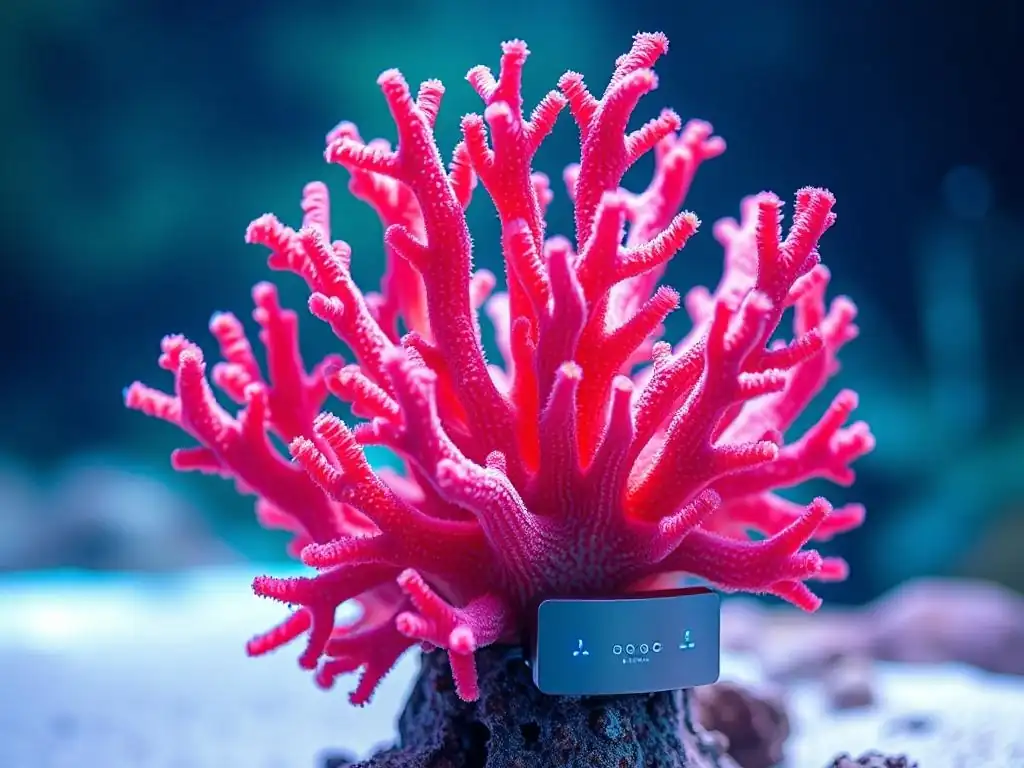
Balancing AWC with Regular Testing and Adjustments
While an automatic water changer (AWC) significantly enhances stability, it is a tool for maintenance, not a substitute for vigilant monitoring. Regular water testing remains crucial to ensure the AWC is performing as expected and to identify any underlying issues or shifts in tank dynamics. It is recommended to perform weekly tests for alkalinity, calcium, and magnesium, and at least bi-weekly tests for nitrates and phosphates, using accurate hobby-grade kits. Furthermore, periodic ICP-OES (Inductively Coupled Plasma - Optical Emission Spectrometry) tests, perhaps every 3-6 months, can provide a comprehensive profile of all major and trace elements.
The results from these tests directly inform any necessary adjustments to your AWC or other husbandry practices. For instance, if nitrates begin to creep up despite consistent SPS aquarium water changes, it might indicate overfeeding, increased bioload, or the need to slightly increase the daily water change percentage. Conversely, if alkalinity remains consistently high, you might consider slightly reducing the AWC volume. This continuous feedback loop of testing and adjustment ensures that the AWC is optimized for your specific SPS reef's needs, maintaining a pristine and stable environment.
Combining AWC with Proper Lighting, Flow, and Supplementation
The success of SPS corals in an aquarium is a synergistic endeavor, where an AWC forms a critical foundation but must be combined with other essential care practices. Proper lighting, delivering the appropriate PAR (Photosynthetically Active Radiation) levels and spectrum, is indispensable for SPS photosynthesis and coloration. Equally important is strong, varied water flow, which delivers nutrients to the corals, removes waste, and prevents dead spots where detritus can accumulate. An AWC ensures a stable chemical environment, allowing corals to fully utilize the energy provided by optimal lighting and flow.
Regarding supplementation, an AWC can significantly reduce the need for daily dosing of major elements like alkalinity and calcium, especially if a higher percentage of SPS aquarium water changes are performed. However, it typically does not completely eliminate the need for all supplementation. Specific trace elements rapidly consumed by SPS corals, such as iodine, potassium, or boron, may still require targeted dosing based on ICP-OES test results. The AWC creates a stable baseline, making any additional targeted supplementation more effective and easier to manage, as you're not constantly battling large swings in fundamental parameters.
Addressing Trace Element Replenishment in Conjunction with AWC
While automatic water changes are highly effective at replenishing major elements and exporting basic nutrients, the replenishment of certain trace elements vital for SPS coral health can be more nuanced. Many trace elements, such as iron, manganese, zinc, and selenium, are consumed by corals and other tank inhabitants, or are removed through protein skimming and activated carbon. While new saltwater contains a broad spectrum of these elements, the concentration of some may not be sufficient to keep up with high demand in a densely stocked SPS tank, even with consistent SPS aquarium water changes.
To ensure comprehensive trace element replenishment, it's advisable to regularly perform ICP-OES tests. These tests provide precise measurements of over 30 elements, allowing aquarists to identify specific deficiencies that might not be fully addressed by water changes alone. If a particular element consistently tests low, targeted individual dosing or the use of a comprehensive trace element solution formulated for SPS corals can be implemented. The AWC provides a stable canvas, ensuring that any additional trace element supplementation is introduced into an already balanced system, maximizing its effectiveness and preventing unwanted interactions.
Troubleshooting Common Issues with Auto Water Change Systems in SPS Tanks
Addressing Dosing Inconsistencies and Equipment Malfunctions
Even the most reliable automatic water change (AWC) systems can encounter issues that lead to dosing inconsistencies or equipment malfunctions, which can be detrimental to delicate SPS corals. Common problems include clogged pump lines due to salt creep or debris, air bubbles becoming trapped in tubing, or the peristaltic pump tubing wearing out and losing calibration over time. These issues can result in inaccurate volumes of SPS aquarium water changes, leading to parameter drift. Regularly inspect all tubing for kinks, blockages, or salt buildup, and clean pump heads and impellers as part of your routine maintenance.
Equipment malfunctions can range from pump failures to controller errors. It's crucial to have redundant safety measures in place, such as optical or float switches in your sump to prevent overflows (if the return pump fails or overfills) or to shut off the system if the new water reservoir runs dry. Periodically recalibrating your pumps (e.g., monthly) ensures continued accuracy. If you notice persistent parameter swings despite the AWC running, thoroughly check all components for proper function before assuming a larger system issue.
Preventing Siphon Issues and Maintaining Consistent Flow Rates
One of the most critical potential issues with AWC systems, particularly the waste water drain line, is the risk of continuous siphoning, which can quickly drain your tank and lead to a catastrophic event. This often occurs if the drain line is submerged in the sump or waste reservoir and a power outage or pump failure allows a continuous siphon to establish. To prevent this, always ensure your drain line terminates above the water level in your sump or waste reservoir, or incorporate a small "siphon break" hole drilled just above the water line in the drain pipe.
Maintaining consistent flow rates for both the outgoing and incoming water is essential for precise SPS aquarium water changes. Over time, salt creep, biofilm, or small particulate matter can accumulate inside the tubing, restricting flow and altering the calibrated volume. Regularly flushing the lines with RO/DI water or a mild acid solution can prevent these blockages. Also, ensure the pumps themselves are clean and free of debris, as a dirty impeller can reduce efficiency. Consistent flow ensures that the programmed water exchange volume is always delivered accurately, maintaining the stable environment SPS corals demand.
Monitoring Water Parameters After Implementing an AWC
While an AWC significantly reduces the manual effort of SPS aquarium water changes, continuous monitoring of water parameters remains absolutely essential, especially in the initial weeks and months after implementation. This ongoing testing allows you to verify the system's effectiveness and make any necessary fine-tuning adjustments. Pay close attention to alkalinity, calcium, magnesium, nitrates, and phosphates. For instance, if alkalinity continues to drop despite the AWC, it might indicate that the daily exchange volume is insufficient for your tank's calcification demands, or that your new saltwater mix needs adjustment.
Conversely, if nitrates or phosphates remain stubbornly high, it could suggest that the AWC volume isn't exporting enough nutrients, or that other factors like overfeeding or excessive bioload are contributing. Keep a log of your test results to identify trends and validate the AWC's impact. This proactive monitoring ensures that the AWC is truly optimizing your water chemistry, providing the stable foundation that SPS corals need to thrive, rather than simply automating a process without verifying its efficacy.
The Long-Term Impact of Auto Water Changes on SPS Coral Stability and Growth
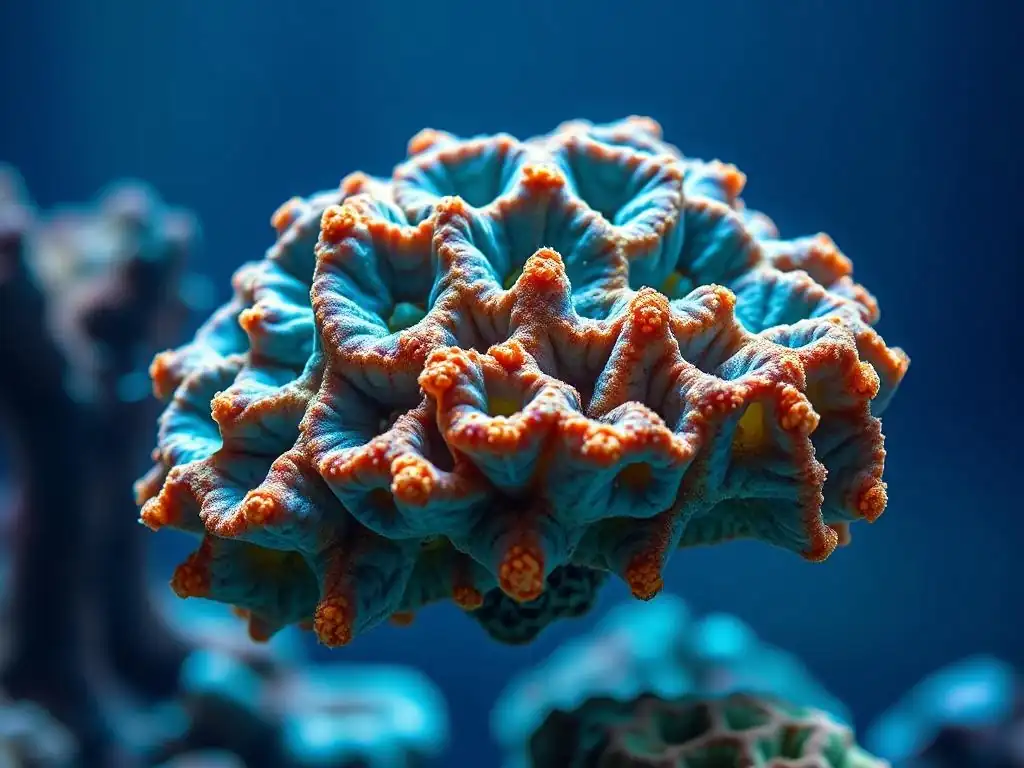
Documented Cases of Enhanced SPS Growth with AWC Implementation
The long-term impact of automatic water changes (AWC) on SPS coral growth and stability is widely observed and documented within the advanced reefing community. Aquarists who transition from infrequent manual SPS aquarium water changes to consistent, small daily exchanges via AWC frequently report noticeable improvements in the growth rates of their SPS colonies.
For example, many hobbyists have shared experiences of Acropora colonies showing a 20-30% increase in linear growth rate within six months of implementing an AWC, compared to their previous manual methods. This acceleration is attributed to the continuous availability of essential calcification ions and trace elements, coupled with the elimination of parameter swings that would otherwise force corals to expend energy on recovery.
This enhanced growth is not merely anecdotal; it aligns with the biological needs of SPS corals. By maintaining a highly stable environment, the AWC minimizes stress, allowing corals to dedicate more energy towards calcification and tissue extension. The consistent removal of metabolic waste products also contributes to a cleaner water column, further promoting healthy growth. This steady, uninterrupted growth translates into larger, more robust colonies over time, a direct testament to the power of automated SPS aquarium water changes.
Quantifying Improvements in Coral Coloration Over Time
Beyond growth, the long-term impact of AWC on SPS coral coloration is profound and often visually striking. Vibrant coloration in SPS corals is closely linked to stable, ultra-low nutrient conditions. High levels of nitrates and phosphates, even if temporary, can lead to corals "browning out" due to an overabundance of zooxanthellae (symbiotic algae), which mask the coral's natural pigments. An AWC, by consistently exporting nutrients through daily SPS aquarium water changes, helps maintain these crucial low-nutrient parameters.
While precise quantification of color improvement can be challenging without specialized equipment, anecdotal evidence from experienced aquarists and visual comparisons are compelling. Tanks that have consistently utilized AWCs for 6-12 months often display significantly brighter, crisper, and more intense colors in their SPS corals.
For instance, a Montipora digitata that appeared dull brown-green under manual changes might develop vivid emerald or deep purple tips with consistent AWC implementation. This is because the continuous nutrient export allows the coral to regulate its zooxanthellae population more effectively, allowing its inherent coloration to fully express itself, contributing to an aesthetically superior reef display.
Evaluating Long-Term Trends in Nutrient Levels with AWC
One of the most significant long-term benefits of integrating an automatic water changer is its ability to maintain consistently low and stable nutrient levels (nitrates and phosphates) over extended periods. In systems relying on infrequent manual SPS aquarium water changes, it's common to observe a gradual accumulation of nutrients between changes, followed by a sharp drop immediately after, creating a cyclical pattern. This fluctuation, even if within acceptable ranges, can still stress sensitive SPS corals.
With an AWC performing daily micro-water changes, the export of nitrates and phosphates becomes a continuous process. Over a 6-12 month period, this often results in average nitrate levels consistently below 5 ppm and phosphate levels below 0.03 ppm, assuming appropriate stocking and feeding.
This contrasts sharply with systems where manual changes might see peak nitrate levels reach 10-20 ppm before a water change. The sustained low-nutrient environment provided by automated SPS aquarium water changes not only promotes healthier coral growth and coloration but also significantly reduces the likelihood of nuisance algae outbreaks, leading to a much more pristine and easier-to-manage reef aquarium in the long run.
Maintaining a Healthy and Thriving SPS Aquarium with Automated Precision
The Future of SPS Keeping: Automated Solutions for Enhanced Stability
The landscape of SPS coral keeping is continuously evolving, with automation playing an increasingly central role in achieving unparalleled stability and success. Automatic water changers stand as a cornerstone of this future, enabling hobbyists to replicate the consistent parameters found on natural reefs with remarkable precision. As technology advances, the integration of AWCs with comprehensive aquarium controllers, smart sensors, and remote monitoring capabilities will become even more seamless, allowing aquarists to maintain optimal conditions with minimal manual intervention.
This shift towards automated solutions empowers hobbyists to overcome common challenges associated with manual SPS aquarium water changes, such as time constraints and the potential for human error. By automating the most fundamental aspect of water quality management, aquarists are freed to focus on the more rewarding aspects of the hobby, such as observing coral behavior, experimenting with different species, or propagating frags. This enhanced stability provided by automation translates directly into healthier, faster-growing, and more vibrant SPS corals, making the dream of a thriving reef accessible to a broader audience.
Utilizing Advanced AWC Strategies for Ultra-Low Nutrient Systems
For aquarists aiming to maintain ultra-low nutrient (ULN) systems, which are highly sought after for maximizing SPS coral coloration and growth, automatic water changers are not just beneficial but often indispensable. In ULN environments, even minimal accumulation of nitrates and phosphates can be detrimental, leading to undesirable browning of corals. Advanced AWC strategies involve performing very small, very frequent SPS aquarium water changes, sometimes as little as 0.25% of the tank volume multiple times a day, to ensure continuous nutrient export.
This micro-dosing approach effectively flushes out accumulating organics and waste products before they can break down into problematic nitrates and phosphates. In such systems, AWCs help maintain nitrates near undetectable levels (e.g., <1 ppm) and phosphates below 0.02 ppm, crucial thresholds for achieving the most vibrant and crisp coloration in SPS corals. By precisely controlling nutrient export, AWCs allow aquarists to fine-tune their feeding and supplementation regimens without fear of significant nutrient spikes, providing the ultimate control over their delicate ULN SPS reef environment.
Final Thoughts: Embracing Auto Water Changers for SPS Aquarium Mastery
The integration of an automatic water changer into an SPS reef aquarium is far more than a mere convenience; it is a powerful strategy for achieving unparalleled stability, enhancing coral health, and fostering robust growth and vibrant coloration. By automating the critical task of SPS aquarium water changes, aquarists can eliminate the inconsistencies inherent in manual methods, ensuring that vital water parameters remain remarkably stable day after day. This consistent environment minimizes stress on delicate SPS corals, allowing them to thrive and express their full genetic potential.
Embracing auto water changers marks a significant step towards SPS aquarium mastery. It frees up valuable time, reduces the potential for human error, and provides a foundational level of water quality control that is difficult to replicate otherwise. For any serious SPS enthusiast striving for a truly thriving and visually stunning reef, investing in and properly implementing an AWC system is undoubtedly a secret weapon that can transform their reef keeping experience and lead to enduring success.
Frequently Asked Questions
What are SPS corals and why are they so sensitive to water changes?
SPS (Small Polyp Stony) corals are demanding corals known for their vibrant colors and intricate structures. They are sensitive because they require extremely stable water parameters. Fluctuations, even small ones, can cause stress and lead to bleaching or tissue necrosis.
Why are automatic water changers considered beneficial for SPS aquariums?
Automatic water changers maintain consistent water quality by performing small, frequent water changes. This prevents the build-up of nitrates and other unwanted elements while minimizing parameter swings that can stress SPS corals. They essentially create a more stable environment.
How frequently should water changes be performed in an SPS aquarium, and how much water should be changed at once?
Traditional water changes typically involve changing 10-20% of the water volume every 1-2 weeks. Automatic water changers allow for smaller, more frequent changes, often around 1-5% daily or every other day, resulting in greater stability.
What other factors, besides water changes, are crucial for SPS coral health?
Besides stable water chemistry achieved through methods like consistent water changes, factors include proper lighting intensity and spectrum, adequate water flow, and maintaining appropriate alkalinity, calcium, and magnesium levels. Nutrient levels must also be carefully monitored.
Are automatic water changers essential for keeping SPS corals, or are there alternative methods?
While not essential, automatic water changers are a highly effective tool for maintaining the stability SPS corals require. Alternative methods include diligent manual water changes, precise dosing of supplements, and careful monitoring of water parameters. The goal remains stable water parameters.
Final Reflection: The Unwavering Pursuit of Stability
The journey through the intricacies of SPS aquariums reveals a fundamental truth: stability is paramount. We've explored how automated water changes, meticulously executed, can be the cornerstone of that stability, unlocking the vibrant colors and robust growth that define SPS success. This isn't just about maintaining parameters; it's about creating an environment where these delicate corals can truly thrive, free from the constant fluctuations that often lead to their demise.
The impact of consistent water quality extends far beyond the confines of a glass box. It's a testament to our dedication as aquarists, reflecting our commitment to understanding and replicating the natural world. The pursuit of SPS success, therefore, becomes a metaphor for our broader relationship with nature, demanding patience, precision, and a deep respect for the delicate balance of life. The sea, once it casts its spell, holds one in its net of wonder forever.
- Jacques Cousteau. This quote perfectly encapsulates the allure of reef keeping and the responsibility that comes with it.
Now, as you consider the potential of automated water changes in your own SPS journey, I urge you to reflect on the bigger picture. What does stability mean to you, not just in your aquarium, but in your life? Embrace the principles of consistency and meticulous care, and you'll find that the lessons learned in the pursuit of SPS success can ripple outwards, enriching your life in unexpected and profound ways. Let the unwavering pursuit of stability guide your hand, and watch as your reef, and perhaps even your world, flourishes.
Embrace Ultimate Stability: Revolutionize Your SPS Tank Today!
Thank you for diving deep into the world of auto water changers and their impact on SPS success! Now that you understand the secret to unshakable stability, it's time to put this knowledge into action. Here's how you can transform your reefing journey:
- Implement an auto water change system immediately! Start small – even a 1% daily change can make a significant difference.
- Share this article with fellow reefers to spark a discussion about innovative stability strategies. Let's build a community of thriving SPS tanks!
- Experiment with unconventional methods! Try monitoring trace elements more frequently after implementing your auto water change to identify and address any imbalances.
What surprising changes have you observed in your tank after implementing (or considering) automated water changes, and how did you adapt your reefing strategy?