
Planted Paradise in a Box? Are AllInOne Systems Suitable for Thriving Aquatic Gardens?

Welcome to Aquarium Mastery!
Ever dreamed of a vibrant, thriving underwater garden, but felt overwhelmed by the complexity? You're not alone! Dive in and explore our comprehensive guide to all-in-one aquarium plant systems. Could these be the key to unlocking your planted paradise? Discover the pros, cons, and everything you need to know to decide if an all-in-one system is right for your aquarium journey. Let's cultivate some aquatic magic!
- All-in-One Aquarium Plant Systems: A Convenient Start or a Compromise?
-
The Pros of All-In-One Planted Aquarium Kits
- Simplified Setup: Getting Your Planted Tank Running Quickly
- Pre-Selected Components: Matching Equipment for Optimal Growth
- Aesthetic Integration: Designed for a Visually Appealing Planted Aquarium
- Cost-Effectiveness: Initial Savings Versus Long-Term Investment in Planted Aquariums
- Limited Customization: Restricted Plant and Fish Selection
- Component Quality: Are All Parts Created Equal?
- Maintenance Challenges: Integrated Systems, Integrated Problems?
- Upgrade Limitations: Scaling Your Planted Aquarium
-
Key Considerations Before Buying an All-In-One Planted Tank
- Tank Size and Dimensions: Matching Your Space and Plant Needs
- Lighting Requirements: Meeting the Needs of Your Chosen Plants
- Filtration Capacity: Maintaining Water Quality for a Thriving Ecosystem
- Substrate Selection: Essential for Rooted Plant Growth
- CO2 Injection Systems: Deciding If It's Necessary
- Alternative Planted Aquarium Solutions: Building Your Own
- Real-World Examples: All-In-One Successes and Failures
- Making the Right Choice: Is an All-In-One Planted Aquarium System Right for You?
- Conclusion: Embrace the Simplicity or Embrace the Customization?
-
Frequently Asked Questions
- What are All-in-One (AIO) aquarium plant systems?
- Are AIO systems suitable for all types of aquarium plants?
- How do the lighting systems in AIO aquariums compare to dedicated plant lights?
- What are the potential limitations of the filtration in AIO systems for planted tanks?
- How do I choose the right AIO system for my planted aquarium goals?
- Final Reflection: Cultivating Growth Beyond the Box
- Unleash Your Inner Aquascaper!
All-in-One Aquarium Plant Systems: A Convenient Start or a Compromise?
Understanding the Appeal of Integrated Aquarium Solutions for Planted Tanks
The allure of a vibrant, thriving aquatic garden often entices new and seasoned aquarists alike, yet the complexity of selecting individual components—lighting, filtration, heating, and substrate—can be daunting. This is where the concept of all-in-one aquarium plant systems steps in, promising a streamlined path to a lush planted tank. For many, the appeal lies in bypassing the extensive research phase and the potential for incompatible equipment, offering a seemingly effortless entry into aquascaping.
This desire for simplification is a significant driver in the market, with an estimated 30-40% of new aquarists considering all-in-one aquarium plant systems as their first setup. They offer a solution to the "analysis paralysis" that can arise from the vast array of choices available, providing a curated collection of equipment designed to work together. This convenience factor aims to lower the barrier to entry, making the dream of a planted paradise more accessible to a broader audience.
Defining "All-in-One": What's Included in These Aquatic Garden Kits?
An "all-in-one" (AIO) aquarium system typically refers to a tank that integrates essential equipment, such as filtration and lighting, directly into its design, often within a built-in back compartment or a sleek hood. For all-in-one aquarium plant systems, this integration is specifically geared towards supporting plant life. Common components include the glass or acrylic tank itself, a lid or hood often with integrated LED lighting, an internal or hang-on-back (HOB) style filter system, and sometimes a heater.
What differentiates a standard AIO from an all-in-one aquarium plant system is the quality and specification of these components, particularly the lighting. A true plant-focused AIO will feature LED lighting with a higher Photosynthetically Active Radiation (PAR) output, often exceeding 30-40 PAR at a 12-inch depth, suitable for low to medium-light demanding plants. Some advanced kits may even include a basic CO2 diffusion system or a nutrient-rich substrate, though these are less common in entry-level packages.
The Pros of All-In-One Planted Aquarium Kits
Simplified Setup: Getting Your Planted Tank Running Quickly
One of the most compelling advantages of all-in-one aquarium plant systems is the simplified setup process. These kits come with pre-selected and often pre-assembled components, eliminating the need for users to research, purchase, and install each piece of equipment individually. This translates directly into time savings and reduced complexity.
A typical AIO can be unboxed, rinsed, and filled with substrate and water in under an hour, with plants added shortly thereafter, allowing the biological cycling process to begin. In contrast, sourcing and installing separate components for a custom build can easily take several hours, not including the research time. This ease of initiation helps beginners avoid common pitfalls and provides a quicker path to enjoying their new aquatic garden.
Pre-Selected Components: Matching Equipment for Optimal Growth
Manufacturers of all-in-one aquarium plant systems design their kits so that the included components are inherently compatible and balanced for a basic planted setup. The filter's flow rate is typically matched to the tank volume, and the lighting is chosen to support a range of common aquatic plants. This synergy reduces the guesswork for the aquarist.
For example, a 10-gallon all-in-one aquarium plant system might include an internal filter rated for 80-100 gallons per hour (GPH) and an LED light array providing around 25-35 PAR at the substrate level. These specifications are generally adequate for low-light plants such as Anubias, Java Fern, and various Cryptocorynes, ensuring a foundational level of success without the user needing to calculate light intensity or filtration turnover rates.
Aesthetic Integration: Designed for a Visually Appealing Planted Aquarium
All-in-one aquarium plant systems are often engineered with aesthetics in mind, aiming to provide a sleek and cohesive look that integrates seamlessly into a home or office environment. The filtration system is typically hidden within a back compartment or under the hood, and the lighting is built directly into the lid, minimizing visible wires, tubes, and bulky external equipment.
This integrated design creates a clean, uncluttered appearance, allowing the planted aquascape itself to be the primary visual focus. Many AIOs feature frameless designs or minimalist black/white trim, further enhancing their modern appeal. This attention to visual harmony makes them particularly attractive for those who prioritize a streamlined aesthetic in their living spaces.
Cost-Effectiveness: Initial Savings Versus Long-Term Investment in Planted Aquariums
At first glance, all-in-one aquarium plant systems often appear to be a more cost-effective option than purchasing individual components for a custom build. A complete 10-20 gallon AIO kit specifically designed for plants might range from $150 to $350. To assemble a comparable custom setup with similar quality components (tank, light, filter, heater), one could easily spend $250 to $450 or more.
This initial lower price point is a significant draw for beginners or those on a tighter budget, allowing them to get started with a planted tank without a large upfront investment. However, it's crucial to consider the long-term perspective, as the quality and upgrade potential of these integrated components can impact future expenses.
Limited Customization: Restricted Plant and Fish Selection
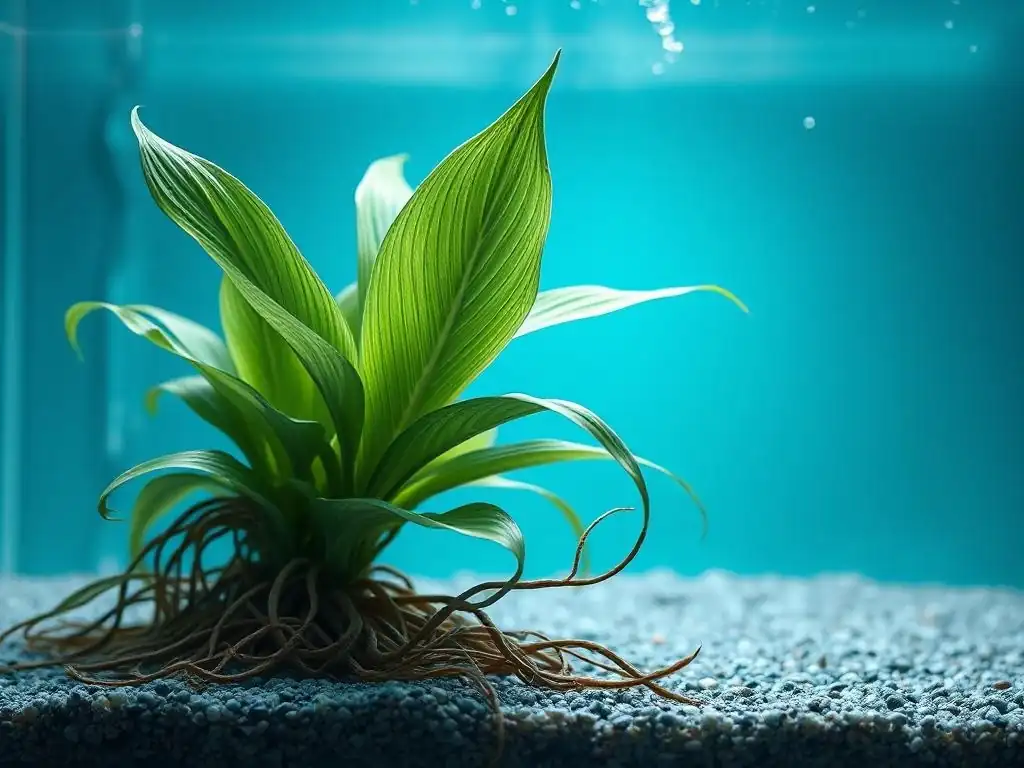
One of the primary drawbacks of all-in-one aquarium plant systems is their inherent limitation in customization. The integrated components, particularly lighting and filtration, are typically designed for general use or low-tech planted setups. This means that if you aspire to grow demanding, high-light plants like certain carpeting species (e.g., Dwarf Hairgrass, Monte Carlo) or vibrant red stem plants, the included lighting will likely be insufficient, often providing less than 40 PAR at the substrate.
Furthermore, the filtration capacity, while adequate for a few small fish and light plant biomass, may struggle to handle a heavily stocked tank or one with larger, messier fish. This restricts your choices for both plant species and fish inhabitants, potentially leading to nutrient imbalances or poor water quality if you try to push the system beyond its intended design parameters.
Component Quality: Are All Parts Created Equal?
While the convenience of an all-in-one aquarium plant system is undeniable, the quality of individual components can vary significantly between brands and price points. In many budget-friendly AIOs, manufacturers may use proprietary parts that are difficult or expensive to replace if they fail. The included pumps might be less efficient, the heaters less reliable, or the plastic components prone to brittleness over time.
For instance, the LED lighting in some AIO kits might offer a pleasing spectrum but lack the intensity or PAR output necessary for robust plant growth, delivering only 15-20 PAR even at shallow depths. Similarly, the filtration media included might be basic sponges that require frequent cleaning (e.g., weekly) or replacement, rather than providing ample space for beneficial bacteria to colonize effectively.
Maintenance Challenges: Integrated Systems, Integrated Problems?
The integrated design that makes all-in-one aquarium plant systems aesthetically pleasing can sometimes present unique maintenance challenges. Accessing and thoroughly cleaning internal filter compartments, media baskets, or built-in sumps can be more cumbersome compared to maintaining external canister filters or hang-on-back filters in modular setups. Detritus can accumulate in hard-to-reach crevices, potentially leading to water quality issues if not addressed.
Moreover, if a specific component within the integrated system, such as a pump or a heating element, fails, replacing it might not be a simple plug-and-play task. Depending on the design, it could require partial disassembly of the tank's structure or the purchase of specific, often more expensive, proprietary replacement parts directly from the manufacturer, increasing long-term maintenance effort and cost.
Upgrade Limitations: Scaling Your Planted Aquarium
One of the most significant limitations of all-in-one aquarium plant systems is their inherent resistance to upgrades. The integrated nature of components means that improving one aspect, like lighting or filtration, often proves difficult or impossible without significant modification or even replacing the entire system. For example, if you wish to transition from low-light plants to high-light, demanding species, the built-in LED fixture may not be replaceable with a higher-PAR unit.
Similarly, if the included internal filter proves insufficient for a growing bioload or a more nutrient-demanding planted setup, adding a powerful external canister filter might be challenging due to space constraints or the design of the AIO. This lack of modularity means that as your skills and ambitions in planted aquariums grow, an AIO system may quickly become a bottleneck, necessitating a complete system overhaul rather than simple component upgrades.
Key Considerations Before Buying an All-In-One Planted Tank
Tank Size and Dimensions: Matching Your Space and Plant Needs
Before investing in an all-in-one aquarium plant system, carefully consider the tank's size and dimensions in relation to your available space and the types of plants you intend to grow. AIOs typically range from small nano tanks (2-5 gallons) to larger desktop models (10-20 gallons), with some reaching 30-50 gallons. While a 5-gallon cube might fit perfectly on a small desk, its limited footprint restricts the variety of plants and fish you can comfortably house.
For example, if you plan to grow long-stemmed plants or create a complex aquascape with significant depth, a taller or longer tank (e.g., a 20-gallon long, approximately 30x12x12 inches) will offer more suitable dimensions than a 10-gallon cube (around 12x12x12 inches). Ensure the dimensions accommodate not only your desired flora but also provide adequate swimming space for any chosen fish species, preventing overcrowding.
Lighting Requirements: Meeting the Needs of Your Chosen Plants
Lighting is arguably the most critical component for a thriving planted aquarium, and it's essential to scrutinize the lighting included in any all-in-one aquarium plant system. Different plants have varying light requirements, typically measured in Photosynthetically Active Radiation (PAR). Low-light plants like Anubias and Java Fern can thrive with 15-30 PAR, while medium-light plants (Cryptocoryne, Swords) require 30-50 PAR, and high-light carpeting plants often need 50+ PAR.
Many AIO lights are designed for general illumination rather than robust plant growth, often providing PAR values only suitable for low-light species. If the specifications aren't explicitly stated, research user reviews or look for information on the light's wattage and LED type. An insufficient light will lead to stunted plant growth and potential algae issues, making it a crucial factor in your decision.
Filtration Capacity: Maintaining Water Quality for a Thriving Ecosystem
The filtration system in an all-in-one aquarium plant system is responsible for maintaining water quality by removing physical debris, detoxifying ammonia and nitrite, and removing certain chemical pollutants. While AIO filters provide mechanical and biological filtration, their capacity can be limited compared to external filters. Consider the filter's GPH (gallons per hour) rating relative to the tank volume.
For a healthy planted tank, a general rule of thumb is to have a filter turnover rate of 5-10 times the tank volume per hour. So, a 20-gallon AIO should ideally have a filter rated for at least 100 GPH. Also, assess the space available for biological media (like ceramic rings or bio-balls), as these are crucial for housing beneficial bacteria that process fish waste and decaying plant matter, ensuring a stable and healthy ecosystem.
Substrate Selection: Essential for Rooted Plant Growth
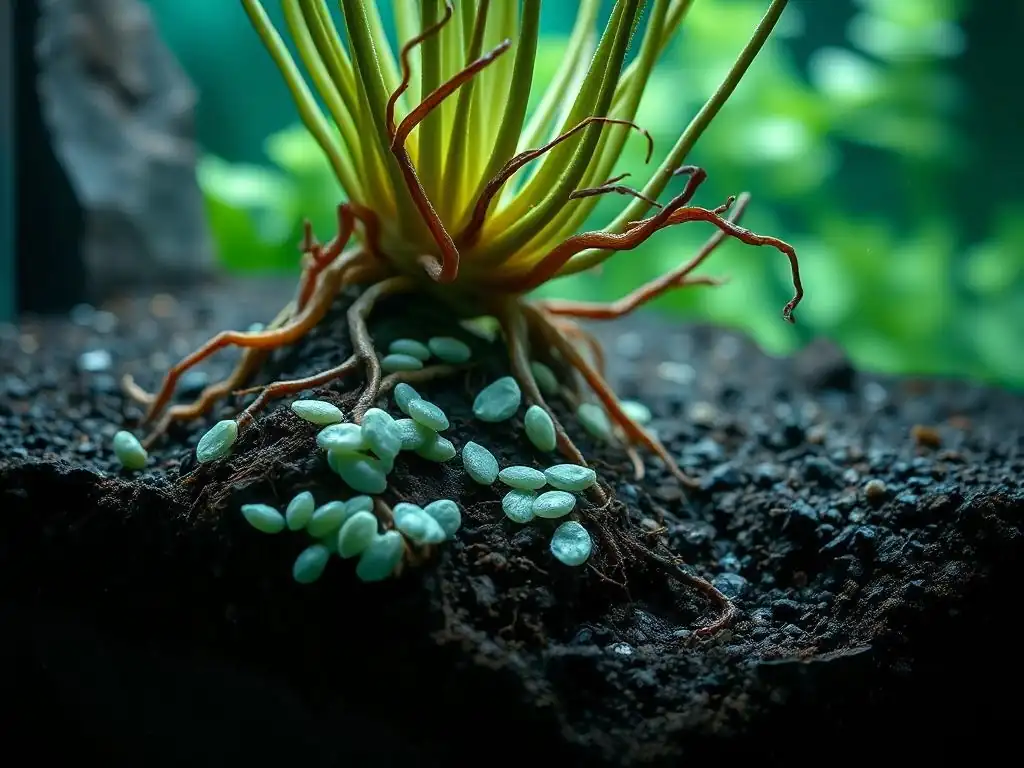
While many all-in-one aquarium plant systems come with a basic gravel or sand substrate, this is often inert and lacks the nutrients essential for rooted plant growth. For a truly thriving aquatic garden, a specialized nutrient-rich substrate is highly recommended, especially for plants that draw nutrients primarily through their roots (e.g., Amazon Swords, Cryptocorynes).
If the AIO includes only inert substrate, be prepared to purchase a separate bag of aqua soil or a similar plant-specific substrate. Products like ADA Aqua Soil or Fluval Stratum provide a rich base of nutrients and a porous structure beneficial for root development, often lasting for 1-2 years before needing replenishment or supplementation with root tabs. This addition significantly impacts the success and vibrancy of your planted tank.
CO2 Injection Systems: Deciding If It's Necessary
Carbon dioxide (CO2) is a vital macronutrient for aquatic plants, significantly impacting their growth rate and overall health. Most all-in-one aquarium plant systems do not include CO2 injection capabilities. For low-tech planted tanks (those with low light and no added CO2), plants like Anubias, Java Fern, and certain mosses will do well.
However, if you plan to grow demanding plants, achieve dense carpeting, or desire rapid growth, a CO2 injection system becomes almost essential. This would be a separate purchase, ranging from simple DIY yeast systems (less consistent) to more reliable pressurized CO2 setups (costing $150-$300 or more). Factor this potential additional cost and complexity into your decision if your planted tank aspirations extend beyond basic low-light setups.
Alternative Planted Aquarium Solutions: Building Your Own
The Benefits of Customization: Tailoring Your Aquarium to Your Exact Needs
Opting to build your own planted aquarium from individual components offers unparalleled customization, allowing you to tailor every aspect of the setup to your precise needs and aesthetic preferences. This approach grants you the freedom to select a tank of any size, shape, or material, from a standard 20-gallon long to a custom-built rimless cube. More importantly, it enables you to handpick each piece of equipment, ensuring it perfectly matches the demands of your desired plant species and fish.
For instance, you can choose a high-end LED light fixture renowned for its PAR output and spectrum control, like a Chihiros WRGB II, guaranteeing sufficient light for even the most demanding carpeting plants. You can also select a robust external canister filter, such as a Fluval FX series, providing superior biological filtration and flow for heavily planted or larger tanks, something often impossible with integrated AIO systems. This level of control empowers you to create a truly unique and optimally performing aquatic ecosystem.
Component Selection: Choosing the Best Equipment for Your Budget
Building your own planted aquarium allows for a strategic allocation of your budget, enabling you to invest more in critical components that directly impact plant health and stability while potentially saving on less crucial items. You can prioritize a high-quality light and nutrient-rich substrate, knowing these are fundamental to plant success, and then choose a more budget-friendly heater or basic glass lid. This flexibility contrasts sharply with the fixed package deal of all-in-one aquarium plant systems.
For example, you might find a standard 20-gallon tank for around $30-$50. You could then pair it with a reputable LED grow light for $80-$150, a reliable hang-on-back filter for $30-$60, and a bag of quality aqua soil for $20-$40. This piecemeal approach allows you to upgrade components incrementally as your budget or expertise grows, ensuring that your investment is always aligned with your evolving planted tank goals.
Long-Term Cost Savings: Investing in Quality Components
While the initial outlay for a custom-built planted aquarium might sometimes be higher than an all-in-one aquarium plant system, this approach often leads to significant long-term cost savings and greater satisfaction. By investing in higher-quality individual components, you benefit from increased durability, efficiency, and the availability of readily replaceable parts. A premium external canister filter, for example, is designed for years of continuous operation and can be easily serviced with replacement impellers or media, unlike many proprietary AIO pumps.
Furthermore, a high-quality, standalone LED light fixture is likely to have a longer lifespan and potentially better energy efficiency than a built-in AIO light, which might degrade over time or be difficult to replace. This means fewer unexpected failures, less frequent need for replacements, and the ability to upgrade specific parts without having to scrap the entire system, ultimately reducing your overall expenditure and frustration over the lifespan of your planted aquarium.
Real-World Examples: All-In-One Successes and Failures
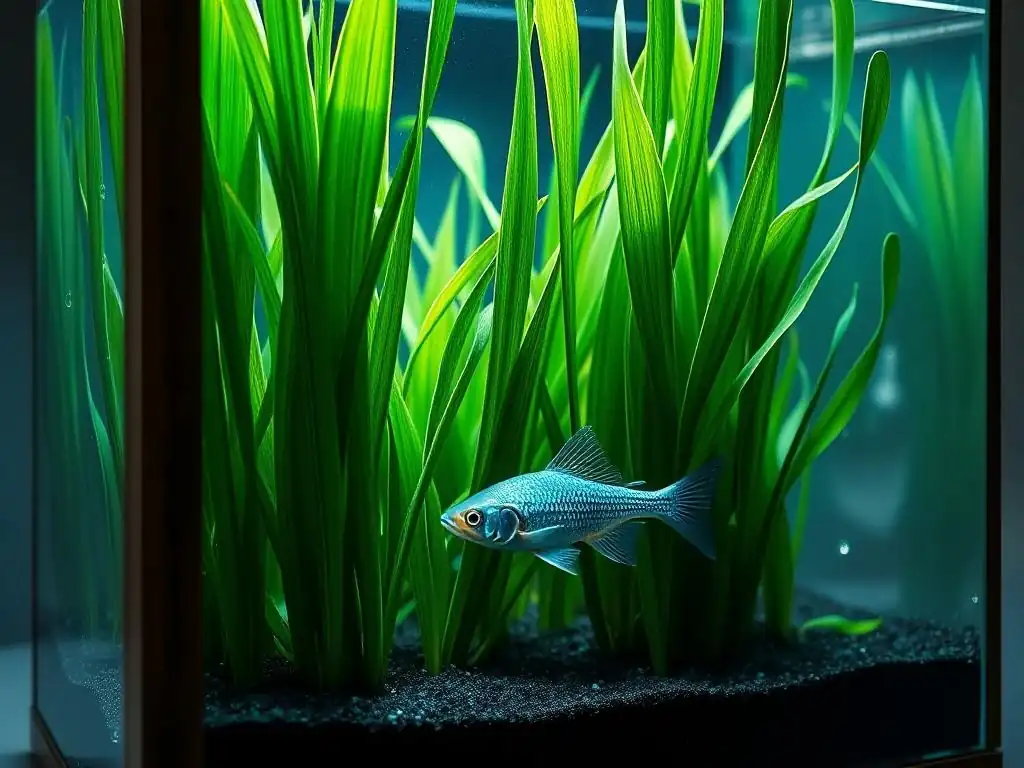
All-in-one aquarium plant systems have demonstrated both remarkable successes and frustrating failures in the hands of aquarists, largely dependent on realistic expectations and plant selection. A classic success story involves a beginner utilizing a 5-gallon Fluval Spec V AIO. This system, known for its decent integrated LED light (providing approximately 25-30 PAR at substrate depth) and hidden filtration, is ideal for low-tech planted setups.
An aquarist might successfully cultivate a lush carpet of Dwarf Sagittaria, a few rooted Cryptocoryne wendtii, and several Anubias nana attached to hardscape, alongside a single Betta fish. This setup thrives with minimal intervention beyond regular water changes (e.g., 25% weekly) and occasional root tab fertilization, demonstrating the AIO's capability for a beautiful, low-maintenance aquatic garden.
Conversely, a common failure scenario arises when an aquarist attempts to grow high-demand plants in a basic all-in-one aquarium plant system not designed for such intensity. Imagine an aquarist purchasing a generic 20-gallon AIO with a built-in LED light that only provides 15-20 PAR and no CO2 injection. They try to cultivate vibrant red Ludwigia or a dense carpet of Monte Carlo.
Within weeks, these plants melt, turn brown, and are quickly overtaken by aggressive algae (like hair algae or diatoms), which thrives in the nutrient-rich water and insufficient light. The integrated filter, designed for basic fishkeeping, also struggles to handle the bioload and decaying plant matter, leading to fluctuating water parameters and a disheartening experience, ultimately showcasing the limitations of AIOs when pushed beyond their capabilities.
Making the Right Choice: Is an All-In-One Planted Aquarium System Right for You?
Recommendations for Beginners: Starting Your Planted Tank Journey
For beginners eager to venture into the world of planted aquariums, an all-in-one aquarium plant system can be an excellent starting point, particularly if you aim for a low-tech setup. These systems simplify the initial learning curve, reducing the complexity of component selection and installation. We recommend starting with smaller AIOs (5-15 gallons) that are known for having adequate lighting for low-to-medium light plants.
Focus on hardy, forgiving plant species such as Anubias, Java Fern, various Cryptocorynes, Bucephalandra, and floating plants like Dwarf Water Lettuce. These plants thrive under moderate light and do not typically require CO2 injection. Consider models like the Fluval Spec series or similar reputable brands that offer at least 20-30 PAR from their integrated LEDs. Remember to add a nutrient-rich substrate or root tabs to support your rooted plants for optimal growth.
Recommendations for Experienced Aquarists: Taking Your Planted Tank to the Next Level
For experienced aquarists who desire to cultivate high-tech planted tanks, explore complex aquascaping designs, or keep demanding plant species, all-in-one aquarium plant systems are generally not the optimal choice. The inherent limitations in lighting intensity, filtration capacity, and upgrade potential will likely hinder your advanced goals. Instead, building a custom setup provides the necessary flexibility and performance.
However, an experienced aquarist might still find an AIO useful for specific niche applications, such as a dedicated shrimp tank with low-light mosses, a simple quarantine tank, or a compact nano-scape for a desktop. In such cases, they would likely plan for significant modifications, potentially replacing the integrated light with a higher-PAR fixture, adding a small external canister filter for enhanced biological filtration, and integrating a pressurized CO2 system to achieve the desired plant growth and vibrancy.
Product Roundup: Top All-in-One Planted Aquarium Systems
While the term "top" is relative to the user's goals, some all-in-one aquarium plant systems stand out for their suitability for planted tanks, primarily for low to medium-light setups. The Fluval Spec V (5 gallons) and Fluval Flex series (15 and 32.5 gallons) are frequently praised for their sleek design, hidden filtration, and included LED lighting that, while not high-tech, is generally sufficient for a range of popular aquatic plants. The Spec V's lighting, for instance, provides enough PAR for Dwarf Sagittaria and Cryptocorynes to carpet slowly.
Other notable mentions include certain innovative nano cube AIOs from brands like UNS or ADA (though often at a higher price point), which sometimes offer superior glass clarity and more robust lighting options. It is crucial to remember that even these "top" AIOs for plants often necessitate the addition of a quality nutrient-rich substrate, regular liquid fertilizers, and potentially root tabs to truly ensure lush plant growth, especially if you aim for dense carpeting or vibrant coloration.
Conclusion: Embrace the Simplicity or Embrace the Customization?
The decision of whether to choose an all-in-one aquarium plant system or to build a custom setup ultimately hinges on your individual goals, experience level, and commitment to the hobby. All-in-one systems offer unparalleled simplicity and convenience, making them an ideal gateway for beginners to experience the joy of a planted tank without the initial overwhelming complexity. They are perfectly suited for creating beautiful, low-maintenance aquatic gardens featuring hardy, low-light plants, providing a visually appealing focal point with minimal fuss.
However, for the ambitious aquarist yearning for a high-tech planted paradise, intricate aquascapes, or the cultivation of demanding plant species, the limitations of all-in-one aquarium plant systems often become apparent. Building a custom setup, while requiring more initial research and effort, provides the ultimate flexibility, performance, and long-term potential. It allows for precise control over every environmental parameter, empowering you to achieve truly stunning and complex aquatic ecosystems that can grow and evolve with your expertise.
Frequently Asked Questions
What are All-in-One (AIO) aquarium plant systems?
AIO systems integrate essential components like filtration, lighting, and sometimes even heating into a single unit. They are designed for easy setup and are often smaller in size.
Are AIO systems suitable for all types of aquarium plants?
While convenient, AIO systems may not always provide the optimal conditions for all plants. Demanding species might require upgrades or modifications to the lighting and CO2 delivery.
How do the lighting systems in AIO aquariums compare to dedicated plant lights?
AIO lighting is often designed for general aquarium needs, not specifically for plant growth. Dedicated plant lights usually offer a wider spectrum and higher intensity for photosynthesis.
What are the potential limitations of the filtration in AIO systems for planted tanks?
Standard AIO filtration might not effectively remove excess nutrients produced by plants. This could lead to algae blooms if not managed properly with water changes and aquarium maintenance.
How do I choose the right AIO system for my planted aquarium goals?
Consider the size of your tank, the types of plants you want to keep, and the system's lighting capabilities. Research reviews and compare specifications to find a suitable match for your needs.
Okay, here's a final reflection designed to close your article, "Planted Paradise in a Box? Are AllInOne Systems Suitable for Thriving Aquatic Gardens? ", optimized for the keyword "Allinone aquarium plant systems" and following your specified structure:
Final Reflection: Cultivating Growth Beyond the Box
The exploration of Allinone aquarium plant systems reveals a fascinating intersection of convenience and commitment, highlighting that while these systems offer a streamlined entry point, the true artistry of aquatic gardening lies in understanding and adapting to the unique needs of a living ecosystem. The journey from unboxing to flourishing is not merely about following instructions, but about cultivating a deeper connection with the delicate balance of nature within our homes.
This quest for the perfect planted aquarium underscores the enduring human desire to connect with nature, even in the most urban of environments. My own experiences, and those shared by countless aquascapers, emphasize that success hinges not just on the equipment, but on the dedication to learning and adapting. The best aquarium is not the one with the most expensive equipment, but the one that reflects the passion and knowledge of its caretaker.
This sentiment reminds us that technology is a tool, not a substitute, for genuine understanding.
As we conclude this exploration, consider the lessons learned about balance, patience, and the interconnectedness of life. Whether you choose an Allinone system or a more customized approach, remember that the most rewarding aquatic gardens are those nurtured with care and a genuine appreciation for the delicate beauty they hold. Let your own journey be a testament to the power of observation, adaptation, and the unwavering pursuit of a thriving, planted paradise.
Unleash Your Inner Aquascaper!
Thank you for diving into the world of all-in-one planted aquariums! We hope you've gained a clearer understanding of their potential and limitations. Now it's time to transform that knowledge into action and cultivate your dream underwater ecosystem.
Here are a few steps you can take to start:
- Dive into the Deep End: Consider starting with a nano all-in-one aquarium (5-10 gallons). This allows you to experiment with the concepts, hardware and parameters discussed in the article, without huge costs and risks.
- Share Your Vision: Discuss your planted aquarium goals and this article on aquarium-specific forums, or directly with your friends. Your questions will help you define which system is most fitting and others may benefit from your experience.
- Unbox the Possibilities: Make a list of 3 plants you're excited to include in your first planted aquarium, focusing on species known for their adaptability and visual impact.
What's the first captivating plant species you envision gracing your all-in-one aquarium? Share your choice and why it inspires you in the comments below!