
The Future is Automated: Trends in Aquarium Technology You Need to Know

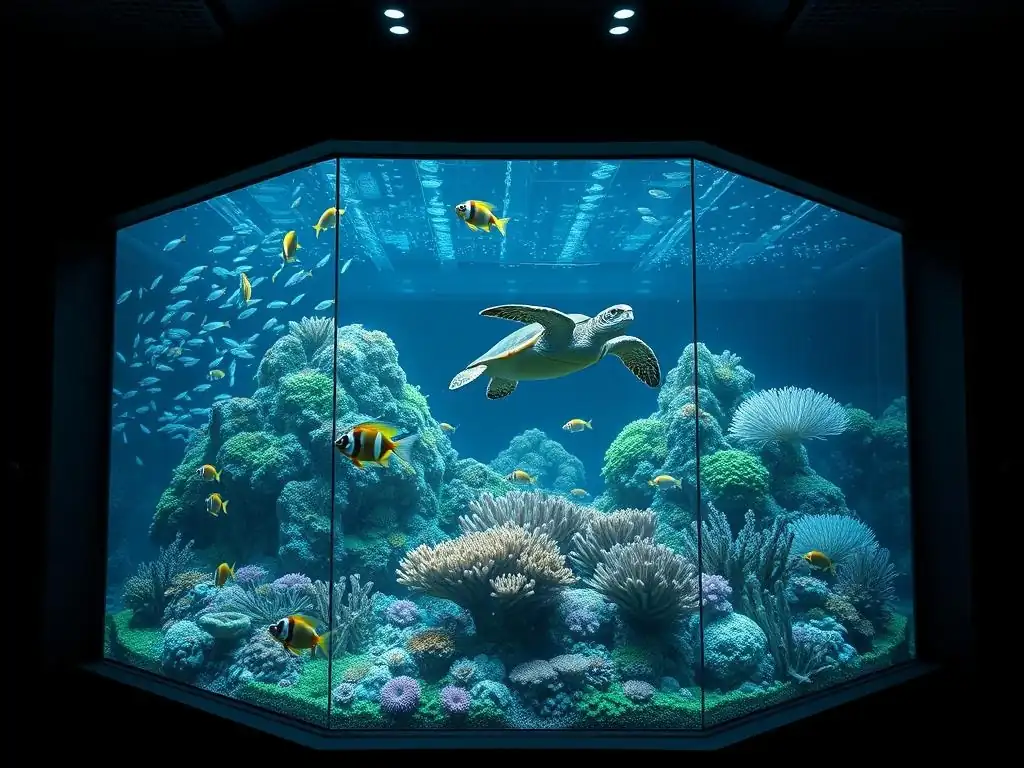
Welcome to Aquarium Mastery!
Ever wondered how technology is revolutionizing the world of aquariums? Dive in and discover the fascinating realm of Smart Aquarium Automation Trends. Uncover the cutting-edge advancements that are making aquarium keeping easier, more efficient, and even more rewarding. Get ready to explore the future of fishkeeping – and see how these innovations can transform your underwater world!
- Introduction to Smart Aquarium Automation Trends
- Key Smart Aquarium Automation Trends Shaping the Future
-
Benefits of Embracing Smart Aquarium Automation
- Reduced Maintenance: Spend Less Time on Chores, More Time Enjoying Your Aquarium
- Improved Water Quality: Stable Parameters for Healthier Fish and Corals
- Increased Convenience: Remote Monitoring and Control from Your Smartphone
- Enhanced Aquarium Aesthetics: Optimized Lighting and Water Clarity
- Long-Term Cost Savings: Reduced Water Usage and Resource Consumption
- Choosing the Right Smart Aquarium Automation Equipment
- Potential Challenges and Considerations for Aquarium Automation
- The Future of Aquarium Automation: What's Next?
- Conclusion: Embracing the Smart Aquarium Revolution
-
Frequently Asked Questions
- What are some of the most significant smart aquarium automation trends currently emerging?
- How can smart aquarium controllers help me manage my tank's environment?
- What are the benefits of using automated dosing systems for aquarium supplements?
- Are smart aquarium technologies only suitable for advanced aquarists, or can beginners benefit as well?
- What are the potential drawbacks or challenges associated with adopting smart aquarium automation?
- Final Reflection: Embracing the Automated Aquarium
- Dive Deeper: Revolutionize Your Reef Today!
Introduction to Smart Aquarium Automation Trends
The Rise of Automated Aquariums: A New Era for Fishkeeping
For decades, fishkeeping has been a hands-on hobby, demanding significant daily and weekly commitment to maintain pristine conditions. From manual water testing to precise dosing and diligent feeding, aquarists have historically spent countless hours tending to their aquatic ecosystems. However, with the advent of sophisticated technology, the landscape of fishkeeping is rapidly evolving, ushering in an era where complex freshwater and saltwater setups can thrive with minimal human intervention. This transformation is driven by a growing demand for convenience, stability, and higher success rates in managing sensitive aquatic life.
The shift towards smart aquarium automation trends is not merely about convenience; it's about elevating the standard of care. Modern aquariums, especially elaborate reef tanks with delicate corals or densely planted freshwater layouts, require highly stable parameters that are challenging to maintain manually. Automation provides the precision and consistency needed to prevent the common fluctuations that often lead to stress, disease, or even catastrophic loss of aquatic inhabitants. It empowers hobbyists to enjoy the beauty of their tanks without the constant burden of meticulous maintenance.
Why Aquarium Automation is Becoming Essential
The demanding nature of maintaining optimal water parameters and consistent care can often deter new hobbyists or lead to burnout for experienced ones. Unstable conditions, such as sudden pH drops or ammonia spikes, can decimate a tank's population within hours; for instance, ammonia levels as low as 0.25 ppm can stress fish, and prolonged exposure or higher concentrations can be fatal within 24-48 hours. Smart aquarium automation trends address these critical challenges by providing continuous monitoring and proactive adjustments, ensuring a more stable and forgiving environment.
Beyond preventing disasters, automation is becoming essential for those aspiring to keep more challenging species or achieve advanced aquascaping goals. Maintaining a stable alkalinity of 8-9 dKH for SPS corals, or a consistent CO2 level for vibrant plant growth, is incredibly difficult with manual methods. Automated systems offer the precision required, often within tenths of a unit of measurement, which translates to healthier, more vibrant fish, corals, and plants, ultimately enhancing the long-term success and enjoyment of the hobby.
Aquarium Mastery: Your Guide to Automated Aquarium Technology
At Aquarium Mastery, we understand the evolving needs of modern aquarists. Our mission is to empower you with the knowledge and resources to navigate the exciting world of smart aquarium automation trends. This article serves as your comprehensive guide, delving into the most significant technological advancements that are reshaping the hobby, from intelligent sensors to integrated control systems.
We aim to demystify automated aquarium technology, providing clear, actionable insights into how these innovations can benefit your specific setup, whether it's a thriving planted tank or a vibrant reef ecosystem. By understanding these key trends, you'll be well-equipped to make informed decisions, optimize your aquarium's health, and unlock a new level of enjoyment and success in your fishkeeping journey.
Key Smart Aquarium Automation Trends Shaping the Future
1. Automated Water Testing and Monitoring Systems
Real-Time Water Parameter Monitoring: Ammonia, Nitrite, Nitrate, pH, Salinity, and More
Traditional liquid test kits, while still valuable, provide only a snapshot of water parameters at a single moment. Automated water testing and monitoring systems revolutionize this by offering continuous, real-time data on critical parameters such as pH, temperature, salinity, alkalinity, calcium, magnesium, and even nitrogen compounds like ammonia, nitrite, and nitrate.
For instance, a marine aquarium typically requires a stable pH of 8.1-8.4 and salinity around 1.025-1.026 specific gravity, while a freshwater planted tank thrives with a pH of 6.5-7.5. These automated systems use sophisticated probes and sensors that constantly sample the water, transmitting data to a central controller or cloud-based platform.
The ability to monitor these parameters continuously provides invaluable insight into the aquarium's health and stability. Instead of relying on weekly manual tests, which might miss a rapid decline or spike, automated systems track trends over time. This allows aquarists to identify subtle shifts before they become problematic, such as a gradual drop in alkalinity in a reef tank indicating increased coral growth or a consistent rise in nitrates in a freshwater setup signaling the need for more frequent water changes. This proactive approach significantly reduces the risk of parameter crashes that can stress or even kill sensitive livestock.
Smart Sensors and Alerts: Preventing Catastrophic Tank Failures
The core benefit of smart aquarium automation trends in monitoring is the integration of intelligent sensors with alert systems. These sensors, often optical or electrochemical, are calibrated to detect deviations from pre-set safe ranges for each parameter. For example, if your reef tank's temperature suddenly climbs from 78°F to 83°F due to a heater malfunction, or if ammonia levels spike above 0.1 ppm, the system immediately sends an alert via email, SMS, or a mobile app notification. This early warning system is crucial for preventing catastrophic tank failures.
Consider a scenario where a power outage causes a heater to fail in winter, leading to a rapid temperature drop of 5°F or more within a few hours. Without automated alerts, this might go unnoticed until it's too late, resulting in significant losses of sensitive fish or invertebrates. Smart sensors provide the immediate notification needed to intervene, allowing the aquarist to take corrective action, such as adjusting the heater or initiating emergency protocols, potentially saving hundreds or even thousands of dollars in livestock and equipment.
Remote Water Quality Management: Access Data Anywhere, Anytime
One of the most appealing aspects of smart aquarium automation trends is the capability for remote water quality management. Most modern monitoring systems are Wi-Fi enabled, allowing them to connect to your home network and transmit data to a cloud server. This means you can access real-time and historical data about your aquarium's parameters from anywhere in the world, simply by using a dedicated mobile app or a web browser on your smartphone, tablet, or computer.
This level of remote access provides unparalleled peace of mind, especially when you're away from home for extended periods. Imagine being on vacation and being able to check your reef tank's salinity and alkalinity levels with a few taps on your phone, or verifying that your planted tank's CO2 injection is maintaining the ideal pH. Some systems even allow for remote control of certain devices, enabling you to adjust CO2 dosing or turn off a specific pump if an issue is detected, all from a distant location.
Best Water Testing Automation Products for Aquariums
The market for automated water testing products has expanded significantly, offering various solutions for different needs and budgets. Basic continuous monitors provide real-time readings for one or two parameters like pH and temperature, often costing between $100-$300. More advanced multi-parameter probes and controllers can monitor several key metrics simultaneously, ranging from $500 to over $1,500, and typically integrate with a comprehensive aquarium controller system.
For the ultimate in precision, automated titration systems exist, particularly popular for reef tanks, which can automatically test and record parameters like alkalinity, calcium, and magnesium daily or multiple times a day. These high-end devices, costing upwards of $1,000-$2,500, perform laboratory-grade tests, providing incredibly accurate data that helps maintain the ultra-stable conditions critical for highly sensitive corals. When selecting a product, consider the specific parameters you need to monitor, the level of accuracy required, and the integration capabilities with other automated equipment.
2. Automated Dosing Systems for Optimal Water Chemistry
Precision Dosing: Maintaining Stable Parameters for Coral and Plant Growth
Maintaining stable water chemistry is paramount for the health and growth of corals in reef tanks and plants in freshwater aquariums. Corals, for instance, constantly consume calcium, alkalinity, and magnesium to build their skeletons, while plants require consistent macro (nitrogen, phosphorus, potassium) and micro (iron, manganese, etc.) nutrients for photosynthesis. Manual dosing often leads to a "rollercoaster effect," where parameters spike after dosing and then gradually decline until the next manual addition. Automated dosing systems eliminate this instability by delivering precise, small amounts of supplements multiple times throughout the day.
This continuous, precise delivery prevents parameter swings that can stress and inhibit growth. For example, maintaining alkalinity within a tight range of 7.5-8.5 dKH for SPS corals is critical; fluctuations of even 1 dKH per day can cause tissue recession or bleaching. Automated dosing pumps, often peristaltic, can dispense liquids with accuracy down to 0.1 mL, ensuring that essential elements are replenished exactly as they are consumed, leading to significantly healthier and more robust coral and plant growth compared to less precise manual methods.
Programmable Dosing Schedules: Automating Nutrient Delivery
A key feature of modern automated dosing systems is their advanced programmability. Aquarists can set precise schedules for when and how much of each supplement is dispensed, often down to the minute and milliliter. This capability is invaluable for optimizing nutrient delivery based on the specific needs of the aquarium. For instance, a planted tank might benefit from daily iron dosing to prevent chlorosis, while a reef tank might require multiple small doses of alkalinity and calcium spread throughout a 24-hour cycle to mimic natural consumption and maintain stability.
This granular control allows for highly customized dosing regimens. For example, a hobbyist might program a calcium supplement to be dosed every six hours, ensuring a consistent supply for calcifying organisms. Similarly, a freshwater aquarist can schedule macro-nutrient dosing after the lights turn on to coincide with peak plant photosynthesis, maximizing uptake and minimizing excess nutrients in the water column. The flexibility of programmable schedules ensures that the aquarium receives exactly what it needs, when it needs it, without constant manual intervention.
Smart Dosing Pumps: Features and Benefits for the Modern Aquarist
Smart dosing pumps represent a significant leap forward in aquarium automation trends, offering a host of features designed for accuracy, convenience, and integration. Many modern pumps are Wi-Fi enabled, allowing them to be controlled and monitored remotely via a smartphone app. This enables aquarists to adjust dosing volumes, change schedules, or even pause dosing from anywhere, providing immense flexibility. Some pumps also feature built-in calibration functions, ensuring long-term accuracy, and low-level alarms that notify the user when a dosing container is running low, preventing missed doses.
The benefits for the modern aquarist are substantial. Beyond the obvious time savings, smart dosing pumps significantly reduce the risk of human error, which can be costly in terms of livestock loss or wasted supplements. Their precision and reliability ensure stable water chemistry, fostering optimal growth for corals and plants and reducing stress on fish. Furthermore, many smart dosing pumps can integrate with larger aquarium controller systems, creating a unified platform for managing all aspects of the tank, from lighting to water parameters.
Dosing Systems for Reef Tanks vs. Planted Tanks: Key Differences
While both reef tanks and planted tanks benefit immensely from automated dosing, the specific types of supplements and the dosing strategies differ significantly. For reef tanks, the primary focus is on replenishing calcium, alkalinity (carbonate hardness), and magnesium, which are rapidly consumed by corals during calcification. Trace elements like strontium, iodine, and potassium are also commonly dosed. Reef tank dosing systems often involve multiple pumps (typically 3-4) to deliver these individual components, sometimes requiring complex calculations to maintain specific ratios.
In contrast, planted freshwater tanks require macro-nutrients (Nitrogen, Phosphorus, Potassium - NPK) and various micro-nutrients (Iron, Manganese, Boron, Zinc, Copper, Molybdenum). The goal is to provide these in balanced amounts to support lush plant growth and prevent deficiencies like yellowing leaves from iron deficiency or stunted growth from lack of potassium.
Planted tank dosing often involves fewer pumps, perhaps one for a comprehensive liquid fertilizer or separate pumps for NPK solutions, and the dosing volumes might be larger than the precise, small increments used for reef tank elements. Despite these differences, the underlying principle of consistent, automated delivery remains equally vital for both types of aquatic environments.
3. Smart Aquarium Lighting Control and Automation
Programmable LED Lighting: Simulating Natural Sunlight Cycles
The evolution of LED lighting has profoundly impacted aquarium aesthetics and health, and smart aquarium automation trends have taken this to the next level. Programmable LED fixtures can precisely mimic natural sunlight cycles, gradually transitioning from a dim "dawn" (e.g., 6:00 AM) to a bright "midday" (e.g., 12:00 PM) and then slowly dimming to "dusk" (e.g., 6:00 PM) before a period of moonlight or complete darkness. This gradual change in intensity and spectrum is far less stressful for fish and corals than an abrupt on/off cycle, promoting more natural behavior and reducing shock.
Beyond the aesthetic appeal, simulating natural cycles is vital for the biological processes within the aquarium. Plants and photosynthetic corals rely on specific light wavelengths and durations for photosynthesis. A typical photoperiod for a planted tank might be 8-10 hours of intense light, while a reef tank might use 10-12 hours. Programmable LEDs allow aquarists to fine-tune these durations and intensities, ensuring optimal light delivery for growth and coloration, preventing issues like algae blooms caused by excessive light or stunted growth from insufficient light.
Weather Simulation: Creating Realistic Aquarium Environments
Advanced smart aquarium lighting systems go beyond simple dawn-to-dusk cycles to incorporate dynamic weather simulations, adding an immersive and realistic dimension to the aquarium environment. Features like cloud cover simulation, where the light intensity gradually dims and brightens as if clouds are passing overhead, or even lightning storm effects with sudden flashes, can be programmed. While primarily aesthetic, these simulations contribute to a more dynamic and naturalistic display, enhancing the viewing experience.
Some high-end systems can even integrate with real-time local weather data, automatically adjusting the light output to reflect actual conditions outside. While the direct biological impact of such simulations on fish behavior is still being researched, creating a more realistic environment can potentially reduce stress and encourage more natural behaviors, such as schooling or spawning, in certain species. This level of environmental control is a testament to the sophistication of current smart aquarium automation trends.
Smart Light Controllers: Customizable Lighting Schedules and Intensity
The brain behind smart aquarium lighting is the controller, often integrated into the light fixture itself or accessed via a dedicated app. These smart light controllers provide unparalleled customization over lighting schedules and intensity. Users can define multiple points throughout the day, setting specific intensity levels (e.g., 0-100%) and color spectrums (e.g., individual control over red, green, blue, white, and UV channels). This allows for highly personalized lighting programs tailored to the specific needs of the tank's inhabitants.
For instance, a reef aquarist can program a stronger blue spectrum during morning and evening hours to enhance coral fluorescence, while increasing white light during midday for optimal coral growth. Similarly, a planted tank owner can ensure high intensity for specific periods to encourage robust plant photosynthesis. These controllers also often feature pre-set modes for various tank types (e.g., "Reef Growth," "Planted Tank," "Marine Fish Only"), offering easy setup for beginners while still providing advanced options for experienced users.
Optimizing Light Spectrum for Coral Growth and Plant Health
Optimizing the light spectrum is crucial for the health and vitality of photosynthetic organisms in an aquarium. Smart LED lighting systems allow aquarists to precisely control individual color channels, enabling them to fine-tune the spectrum to meet specific biological requirements. For corals, blue light (around 450-470nm) is essential for stimulating the symbiotic zooxanthellae algae within their tissues, which perform photosynthesis and provide energy. Red light (around 620-660nm) and green light (around 520-530nm) are also important for a balanced spectrum and visual appeal.
For freshwater plants, a broader spectrum encompassing red and blue wavelengths is critical for robust photosynthesis. Blue light promotes compact growth, while red light encourages stem elongation and flowering. With smart controllers, aquarists can adjust the intensity of these specific wavelengths throughout the day.
For example, some reef keepers might run their blue channels at 80% intensity for 12 hours, while white channels are only at 60% for 8 hours, optimizing for both coral growth and visual appeal. This level of control ensures that plants and corals receive the exact light they need to thrive, maximizing growth, coloration, and overall health.
4. Automated Feeding Systems for Consistent Nutrition
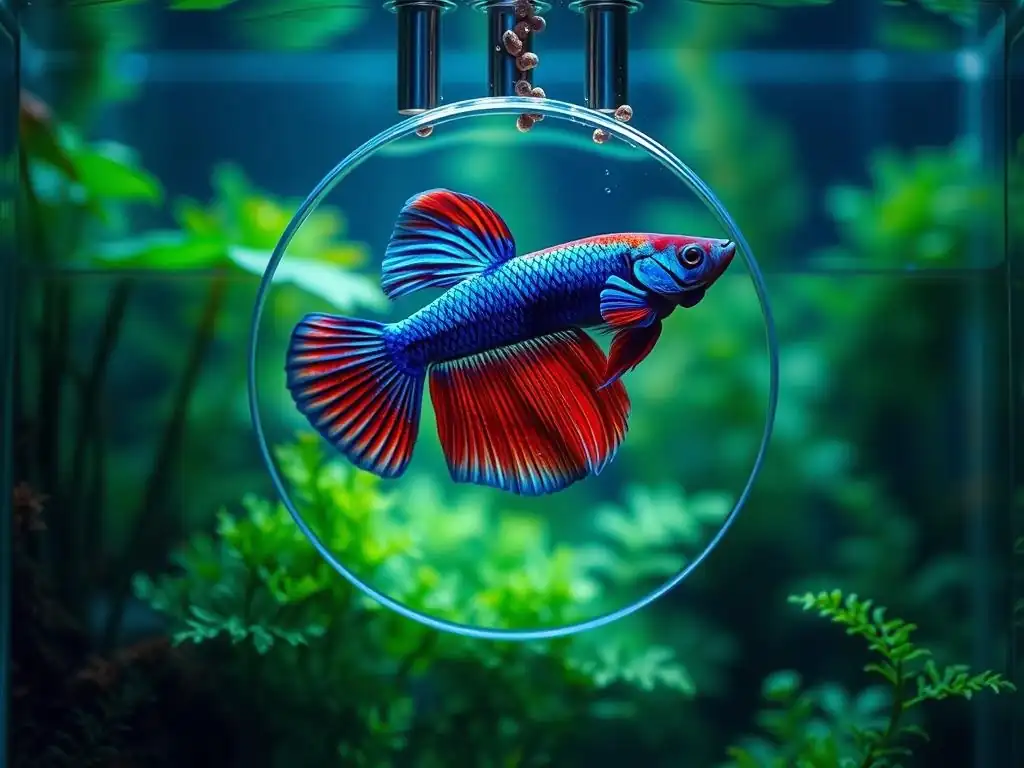
Programmable Fish Feeders: Ensuring Consistent Feeding Schedules
Consistent and appropriate feeding is fundamental to the health and vitality of aquarium inhabitants. Programmable fish feeders are a cornerstone of smart aquarium automation trends, offering the ability to deliver food at precise intervals and in controlled amounts. This is particularly beneficial for species that thrive on multiple small feedings throughout the day, such as many schooling fish or high-metabolism species like juvenile discus. Instead of one large meal, which can lead to uneaten food and water quality issues, an automated feeder can dispense small portions 3-4 times a day.
This consistent feeding schedule helps to reduce aggression among tank mates, as food competition is minimized, and ensures that all fish have ample opportunity to eat. Furthermore, it helps maintain stable water parameters by preventing large spikes of uneaten food decomposing and releasing ammonia. Many feeders can be programmed for specific days of the week, allowing for variations in feeding frequency or even fasting days if desired, providing a highly customizable and reliable feeding solution.
Vacation Feeding Solutions: Automating Feeding While You're Away
One of the biggest concerns for aquarists going on vacation is ensuring their fish are fed properly without overfeeding or neglecting them. Automated feeding systems provide an ideal solution, offering peace of mind when owners are away. Instead of relying on a neighbor who might not be familiar with proper feeding amounts, an automated feeder delivers precise portions according to a pre-set schedule for days or even weeks. This prevents the common problem of "good-intentioned overfeeding" that can quickly foul an entire tank.
By automating feeding, aquarists can avoid the stress of returning to an unhealthy tank due to starvation or, more commonly, water quality crashes from excess food. A feeder with a capacity for several weeks' worth of food can ensure consistent nutrition, reducing the risk of stress-related illnesses or nutrient deficiencies in the absence of the owner. This makes automated feeders an indispensable tool for any hobbyist who travels frequently or needs a reliable backup feeding method.
Smart Feeders: Remote Control and Monitoring
The latest generation of automated feeders takes convenience to a new level with smart features like Wi-Fi connectivity and mobile app integration. These "smart feeders" allow aquarists to control and monitor feeding remotely from anywhere with an internet connection. Users can initiate manual feedings, adjust portion sizes, modify schedules, and even receive notifications if the feeder is running low on food or if a feeding was missed. Some advanced models even incorporate small cameras, allowing the user to visually confirm that food has been dispensed and that the fish are eating.
This remote control and monitoring capability provides an unparalleled level of assurance. Imagine being on a business trip and being able to check your tank's feeding status or even give an extra small feeding if you notice your fish seem particularly active. This integration with smart home ecosystems means that feeding can become part of a larger automated routine, enhancing the overall management and enjoyment of the aquarium.
Selecting the Right Automated Feeder for Your Aquarium
Choosing the appropriate automated feeder depends on several factors, including the type of food you use, the size of your tank, and the specific needs of your fish. Feeders are available for flakes, pellets, granules, and even freeze-dried foods, though the latter often requires specific designs to prevent clogging. Consider the feeder's capacity; a small feeder might hold enough food for a week, while larger models can last for a month or more, ideal for extended vacations.
Another key consideration is the number of feeding times per day and the ability to adjust portion sizes precisely. Some feeders offer only one or two feedings, while others can be programmed for up to eight or more, with adjustable amounts. For very small fish or fry, a feeder that dispenses tiny, consistent portions is crucial. Finally, evaluate the ease of programming, battery life (if applicable), and whether it has features like moisture-resistant designs to prevent food clumping, which is a common issue with flake foods in humid environments.
5. Smart Temperature Control Systems
Automated Heaters and Chillers: Maintaining Ideal Water Temperature
Maintaining a stable and appropriate water temperature is critical for the health and metabolism of all aquatic life. Fluctuations in temperature can cause immense stress, leading to weakened immune systems and susceptibility to disease. Smart aquarium automation trends have introduced sophisticated temperature control systems that go beyond basic heater thermostats. These systems integrate with both heaters and chillers (for warmer climates or high-heat setups) to maintain a precise temperature range, such as 78-80°F for most tropical fish or 76-79°F for reef tanks.
Unlike simple heaters with built-in thermostats that can sometimes be inaccurate or fail, smart controllers use external, highly accurate temperature probes placed directly in the water. These probes constantly relay data to the controller, which then precisely turns the heater or chiller on or off to maintain the desired set point, often within 0.5°F. This level of precision prevents the dangerous temperature swings that can occur with less reliable equipment, ensuring a consistently comfortable environment for your aquatic inhabitants.
Temperature Monitoring and Alerts: Preventing Temperature Swings
A major advantage of smart temperature control systems is their continuous monitoring and alert capabilities. The external temperature probe constantly measures the water temperature, and if it deviates beyond user-defined safe parameters (e.g., dropping below 75°F or rising above 82°F), the system immediately sends an alert. These notifications, typically delivered via a mobile app, email, or SMS, allow aquarists to respond quickly to potential issues before they become critical.
Consider a scenario where an air conditioner fails in a home during a heatwave, causing the ambient room temperature to rise rapidly. Without a smart temperature monitor, the aquarium temperature could climb to dangerous levels (e.g., 85°F+) within hours, potentially leading to fish death or coral bleaching. An immediate alert, however, allows the aquarist to take corrective action, such as adding ice packs, increasing aeration, or activating a chiller, preventing significant losses. This proactive warning system is invaluable for safeguarding valuable livestock.
Smart Thermostats: Precise Temperature Control for Sensitive Species
Smart thermostats for aquariums offer a level of precision and reliability far superior to the standard thermostats built into most heaters. These external devices feature high-quality temperature probes that provide readings accurate to within a fraction of a degree, typically ±0.5°F. This precision is absolutely crucial for sensitive species like Discus fish, which thrive in a narrow temperature range of 82-86°F, or specific types of SPS corals that can be highly susceptible to even minor temperature fluctuations.
Many smart thermostats also offer multiple power outlets, allowing them to control both a heater and a chiller simultaneously, ensuring dual-direction temperature management. They can also often be integrated into larger aquarium controller systems, providing a centralized platform for managing all aspects of the tank's environment. This meticulous control ensures that the aquarium remains within its ideal thermal zone, reducing stress on inhabitants and promoting optimal health and growth, especially for high-value or delicate species.
Choosing the Right Temperature Controller for Your Aquarium
When selecting a smart temperature controller, several factors should be considered to ensure it meets your aquarium's specific needs. First, assess the wattage requirements of your heater and/or chiller to ensure the controller can safely handle the load. Most controllers specify a maximum wattage capacity (e.g., 800W or 1200W). Second, consider the number of outlets needed; if you plan to control both heating and cooling, you'll need at least two controllable outlets.
Connectivity features are also important. Look for Wi-Fi enabled controllers that offer mobile app access for remote monitoring and alerts. Some controllers provide advanced programming options, such as setting different temperature ranges for day and night, or incorporating safety cut-offs if a heater malfunctions. Finally, read reviews for reliability and ease of use. A good smart temperature controller is an investment that provides invaluable peace of mind and protection for your aquatic ecosystem.
6. Automated Water Changes: Minimizing Manual Labor
Automated Water Change Systems: Simplifying Routine Maintenance
Water changes are arguably the most essential and labor-intensive aspect of aquarium maintenance. They are crucial for removing accumulated nitrates, phosphates, and other pollutants that build up over time, even in well-filtered tanks. Automated water change systems are a significant advancement in smart aquarium automation trends, designed to simplify this routine task drastically. These systems typically consist of pumps, sensors, and a controller that can be programmed to remove a specific volume of old water and replenish it with fresh, treated water on a regular schedule.
The convenience offered by these systems is immense, freeing up hours of manual labor each week or month. Instead of siphoning water, carrying buckets, and manually refilling, the system handles the entire process. This automation ensures that water changes are performed consistently and correctly, preventing procrastination or errors that can lead to declining water quality. For a 100-gallon tank requiring a 20% weekly water change, this means handling 20 gallons of water, a task easily automated.
Continuous Water Change Systems: Maintaining Pristine Water Quality
A more advanced approach within automated water change systems is the continuous water change (CWC) method. Instead of large, infrequent water changes (e.g., 20% weekly), CWC systems perform very small, frequent changes, such as 0.5% to 1% of the tank volume daily. For a 100-gallon tank, a 1% daily change is only 1 gallon. While the total volume changed over a week might be similar (e.g., 7 gallons for 1% daily), the benefit lies in the unparalleled stability of water parameters.
This constant introduction of fresh water and removal of pollutants prevents parameter swings that can occur after a large water change, which can sometimes stress sensitive fish or corals. By continuously diluting waste products, CWC systems maintain incredibly pristine water quality, keeping nitrates and phosphates consistently low and reducing the overall biological load on the filtration system. This method is particularly popular in highly sensitive reef tanks or breeding setups where absolute stability is paramount.
Benefits of Automated Water Changes for Fish Health
The benefits of automated water changes for the health and vitality of aquarium inhabitants are profound. Consistent and regular water changes, facilitated by automation, ensure that harmful pollutants like nitrates and phosphates are kept at minimal levels. High nitrate levels (e.g., above 40 ppm for freshwater, 10-20 ppm for marine) can suppress fish immune systems, lead to algae blooms, and inhibit coral growth. Automated systems prevent these accumulations, fostering a healthier environment.
Furthermore, consistent fresh water supply reduces overall stress on fish, enhances their immune response, and promotes vibrant coloration and natural behaviors. For corals, stable water parameters provided by regular water changes translate to better polyp extension, faster growth, and improved resilience against disease. By minimizing manual intervention, automated systems also reduce the risk of accidental spills, equipment damage, or introducing contaminants during the water change process.
DIY Automated Water Change Setups vs. Pre-Built Systems
Aquarists have two primary options when considering automated water change systems: building a DIY setup or purchasing a pre-built system. DIY setups often involve a combination of programmable dosing pumps, float switches or optical sensors, and a central controller. This approach can be more cost-effective, potentially ranging from $100-$400 for components, and allows for high customization, but it requires technical knowledge and careful planning to ensure reliability and safety.
Pre-built systems, on the other hand, offer a plug-and-play solution with integrated components and often come with comprehensive safety features like overflow prevention and automatic shut-offs. While generally more expensive, ranging from $300 to over $1,000, they provide convenience, reliability, and often come with warranties and dedicated customer support. The choice between DIY and pre-built depends on the aquarist's technical aptitude, budget, and desire for convenience versus customization. Both options are valuable components of smart aquarium automation trends.
Benefits of Embracing Smart Aquarium Automation
Reduced Maintenance: Spend Less Time on Chores, More Time Enjoying Your Aquarium
One of the most compelling advantages of embracing smart aquarium automation trends is the dramatic reduction in manual maintenance time. Traditional aquarium keeping, especially for large or complex setups, can easily consume several hours per week: daily feeding, weekly water tests, bi-weekly water changes, and regular dosing can cumulatively take 30-60 minutes daily for a large reef tank. Automation streamlines these tasks, freeing up valuable time.
With automated feeders, dosing pumps, and water change systems, daily and weekly chores are minimized to simple visual checks and occasional calibrations. This means aquarists can spend less time performing repetitive tasks and more time simply enjoying the beauty and tranquility of their aquatic ecosystem. For many hobbyists, this shift transforms the hobby from a demanding chore into a truly relaxing and rewarding experience.
Improved Water Quality: Stable Parameters for Healthier Fish and Corals
The consistency provided by smart aquarium automation trends directly translates to superior water quality and unparalleled parameter stability. Manual maintenance often results in a "sawtooth" effect, where parameters fluctuate between optimal levels (just after a water change or dose) and less ideal conditions (just before the next maintenance task). Automated systems, with their continuous monitoring and precise, frequent adjustments, eliminate these swings.
This unwavering stability is crucial for the health of sensitive fish, corals, and plants. Consistent parameters reduce stress, strengthen immune systems, and promote optimal growth and coloration. For instance, maintaining a stable salinity of 1.025 for a reef tank or a consistent pH of 6.8 for a Discus tank prevents physiological stress that can lead to disease outbreaks or stunted development, ensuring a thriving and resilient aquatic environment.
Increased Convenience: Remote Monitoring and Control from Your Smartphone
The integration of smart aquarium automation trends with mobile technology offers unprecedented convenience and peace of mind. Most modern automated systems are Wi-Fi enabled and accessible via dedicated smartphone applications. This allows aquarists to remotely monitor their tank's vital parameters, adjust settings, and even receive real-time alerts from anywhere in the world with an internet connection.
Imagine being able to check your tank's temperature and pH from your office, or initiating an extra small feeding while on vacation. This level of remote control means you are always connected to your aquarium, able to respond to potential issues proactively or simply enjoy the reassurance that everything is running smoothly, even when you're miles away.
Enhanced Aquarium Aesthetics: Optimized Lighting and Water Clarity
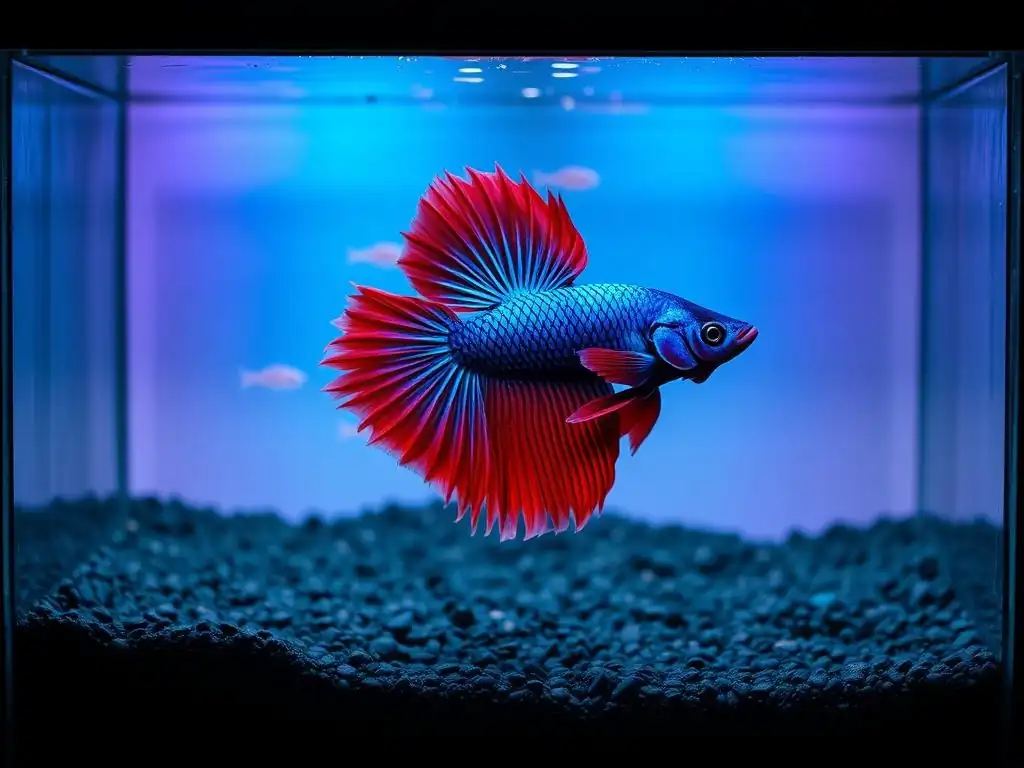
Smart aquarium automation trends contribute significantly to the visual appeal of your tank. Automated lighting systems with programmable cycles and spectrum control allow for precise optimization of light to encourage vibrant coral coloration and lush plant growth. This targeted lighting brings out the best in your tank's inhabitants, creating a stunning visual display.
Furthermore, the superior water quality achieved through automated dosing and water changes results in crystal-clear water and reduced algae growth. By maintaining stable parameters and consistently removing pollutants, the water remains pristine, enhancing the beauty of your aquascape and allowing the true colors of your fish and corals to shine through without the obstruction of cloudy water or unsightly algae.
Long-Term Cost Savings: Reduced Water Usage and Resource Consumption
While the initial investment in smart aquarium automation trends can be significant, there are often long-term cost savings to be realized. Automated dosing systems, for example, ensure that expensive supplements like calcium, alkalinity, and trace elements are used precisely, reducing waste from over-dosing or spillage. Similarly, precise automated feeding minimizes uneaten food, which reduces waste and the need for more frequent water changes to compensate for decaying organic matter.
Some advanced systems can even optimize energy consumption by intelligently controlling heaters, chillers, and pumps, ensuring they run only when necessary. More importantly, by maintaining stable, healthy conditions, automation significantly reduces the risk of livestock loss due to parameter crashes or disease outbreaks. Preventing the loss of a single high-value fish or coral colony can easily offset the cost of automated equipment, making it a sound financial investment in the long run.
Choosing the Right Smart Aquarium Automation Equipment
Assessing Your Aquarium's Needs: Identifying Automation Opportunities
Before diving into purchasing automated equipment, it's crucial to assess your specific aquarium's needs and identify the areas where automation would provide the most benefit. Consider your current challenges: Are you struggling to maintain stable parameters in your reef tank? Do you often forget to feed your fish? Is your planted tank suffering from inconsistent nutrient dosing? Answering these questions will help prioritize which aspects of smart aquarium automation trends to invest in first.
For a beginner with a simple freshwater tank, an automated feeder and a smart temperature controller might be the most impactful starting points. For a seasoned reef aquarist with sensitive corals, continuous water parameter monitoring and automated dosing systems might be higher priorities. By understanding your pain points and the specific requirements of your aquatic inhabitants, you can make strategic decisions that yield the greatest return on your investment in automation.
Researching Different Brands and Products: Reading Reviews and Comparing Features
The market for smart aquarium automation trends is rapidly expanding, with numerous brands and products available, each offering a unique set of features and capabilities. Thorough research is essential to ensure you select reliable and effective equipment. Start by reading comprehensive reviews from reputable aquarium forums, blogs, and e-commerce sites. Pay attention to user experiences regarding product reliability, accuracy, ease of setup, and customer support.
Compare the features of different products. For example, some automated dosing pumps offer Wi-Fi connectivity and app control, while others are simpler, timer-based units. Some controllers are modular, allowing you to add components over time, while others are all-in-one solutions. Look for integration capabilities if you plan to build a comprehensive automated system; ensure that different components can communicate and work together seamlessly.
Considering Your Budget: Balancing Cost and Functionality
Smart aquarium automation trends can range from relatively inexpensive standalone devices to comprehensive, high-end integrated systems. It's important to establish a budget and find a balance between cost and desired functionality. A basic automated feeder might cost as little as $30-$50, while a full-fledged aquarium controller system with multiple sensors and automated dosing pumps could range from $500 to well over $2,000.
Consider starting with modular components that address your most pressing needs, and then gradually expand your automated setup as your budget allows and your confidence grows. For instance, you might begin with a smart auto-feeder and a temperature controller, then later add an automated dosing system or a continuous water parameter monitor. This incremental approach allows you to experience the benefits of automation without a massive initial outlay.
Ensuring Compatibility with Existing Aquarium Equipment
When integrating new smart aquarium automation trends into an existing setup, ensuring compatibility is crucial. Check the power requirements and plug types of automated devices to ensure they match your existing power strips or controller outlets. For sensors and probes, verify that they are compatible with the specific controller or monitoring system you choose. Some systems use proprietary connections, while others adhere to more universal standards.
If you are building a comprehensive automated system, investigate whether different brands or components can integrate effectively. Some major aquarium controller brands offer extensive ecosystems where all their devices seamlessly communicate. If mixing brands, research their API (Application Programming Interface) compatibility or look for devices that support common communication protocols to avoid frustrating compatibility issues down the line.
Potential Challenges and Considerations for Aquarium Automation
Initial Investment Costs: Weighing the Benefits Against the Expenses
One of the primary considerations when adopting smart aquarium automation trends is the initial investment cost. Comprehensive automated systems, including controllers, multiple sensors, dosing pumps, and automated water change units, can represent a significant upfront expense, potentially running into hundreds or even thousands of dollars. This can be a barrier for some hobbyists, especially those on a tight budget.
However, it's crucial to weigh these expenses against the long-term benefits. Automation can significantly reduce ongoing costs associated with livestock loss due to unstable parameters, wasted supplements from inaccurate manual dosing, or even excessive water usage. For instance, preventing the loss of a single high-value coral colony or a group of rare fish can quickly justify the cost of a monitoring system. The investment in automation is often an investment in stability, peace of mind, and the sustained health of your valuable aquatic ecosystem.
Learning Curve: Understanding the Technology and Software
While smart aquarium automation trends aim to simplify maintenance, there is an initial learning curve associated with understanding and setting up the technology. Configuring controllers, calibrating sensors, programming dosing schedules, and navigating mobile applications can take time and effort. Users might need to consult manuals, watch tutorial videos, or engage with online communities to fully grasp the capabilities of their new equipment.
However, manufacturers are continuously striving to make interfaces more intuitive and user-friendly. Many modern systems feature guided setup processes and clear visual dashboards that simplify complex programming. While there's an initial investment of time in learning, the long-term benefits of reduced manual labor and enhanced control often far outweigh this initial effort, making the transition to automation a worthwhile endeavor for most aquarists.
Power Outages: Backup Power Solutions for Critical Equipment
Aquariums, especially those heavily reliant on smart aquarium automation trends, are vulnerable to power outages. A prolonged loss of electricity can quickly lead to catastrophic consequences, as critical equipment like heaters, pumps, and oxygenation devices cease to function. For instance, a tank without circulation or heat can experience oxygen depletion or temperature drops that are fatal to fish and corals within a few hours, particularly in colder climates.
To mitigate this risk, backup power solutions are essential. Uninterruptible Power Supplies (UPS) designed for computers can provide several hours of power for essential equipment like circulation pumps, heaters, and monitoring systems. Battery-powered air pumps can ensure oxygenation. For more extensive outages, generators can provide prolonged backup. When planning your automated setup, always consider the most critical components and invest in appropriate backup power to safeguard your aquatic inhabitants.
Regular Maintenance and Calibration of Sensors and Devices
While smart aquarium automation trends reduce daily manual labor, they do not eliminate maintenance entirely. Automated systems, particularly sensors and dosing pumps, require regular attention to ensure their continued accuracy and reliability. pH probes, for example, need to be cleaned and calibrated with buffer solutions every 2-4 weeks to maintain accurate readings. Salinity probes may require similar periodic calibration.
Dosing pump tubing can wear out over time and may need replacement every 6-12 months to prevent leaks or inconsistent dosing. Automated water change systems require checks for clogs or leaks. Neglecting these maintenance tasks can lead to inaccurate data, system malfunctions, or even harm to your aquarium. Therefore, aquarists must understand that automation shifts the type of maintenance from daily chores to periodic calibration and component checks, ensuring the system functions optimally.
The Future of Aquarium Automation: What's Next?
Integration with Artificial Intelligence (AI) and Machine Learning
The next frontier in smart aquarium automation trends is the deeper integration of Artificial Intelligence (AI) and Machine Learning (ML). Currently, systems react to predefined parameters. In the future, AI could analyze vast amounts of historical data from your tank – temperature fluctuations, dosing consumption, fish behavior – to predict potential issues before they arise. For example, an AI could detect a subtle, long-term trend of decreasing alkalinity consumption, suggesting a slowdown in coral growth, and proactively recommend or even automatically adjust dosing schedules.
Beyond prediction, AI could enable "closed-loop" systems where the aquarium intelligently self-corrects. Imagine an AI learning your tank's unique nutrient uptake rates and adjusting macro-nutrient dosing for plants in real-time, or detecting early signs of stress in fish through subtle behavioral changes captured by cameras and then adjusting environmental parameters or recommending specific interventions. This level of predictive and adaptive control promises to make aquarium keeping even more resilient and successful.
Advanced Sensors and Monitoring Capabilities
The evolution of smart aquarium automation trends will undoubtedly bring about more advanced and non-invasive sensors. Current sensors often require direct water contact and periodic calibration. Future developments might include sensors capable of non-invasively detecting a wider array of parameters, such as specific trace elements, dissolved organic compounds, or even bacterial loads, without needing to extract water samples.
Imagine a sensor that can continuously monitor the health of your fish by analyzing subtle changes in their respiration rates or swimming patterns, or a device that can detect the onset of algae blooms by identifying specific nutrient imbalances in their earliest stages. These highly sophisticated monitoring capabilities will provide aquarists with unprecedented insights into their aquatic ecosystems, allowing for even more precise and proactive management.
More User-Friendly Interfaces and Mobile Apps
As smart aquarium automation trends become more mainstream, the focus will increasingly shift towards creating even more intuitive and user-friendly interfaces. While current apps are functional, future versions will likely incorporate more streamlined dashboards, simplified setup wizards, and perhaps even voice control capabilities. Imagine simply telling your aquarium controller, "Increase the blue light by 10%," or "Check the pH."
Augmented Reality (AR) could also play a role, allowing users to overlay real-time data onto a live view of their tank via their smartphone camera, providing an immersive and informative experience. The goal is to make sophisticated automation accessible to hobbyists of all skill levels, reducing the learning curve and making the entire experience of managing an automated aquarium as seamless and enjoyable as possible.
Increased Customization and Personalization Options
The future of smart aquarium automation trends will lean heavily into increased customization and personalization. Systems will move beyond generic pre-sets to offer highly tailored routines based on specific tank types, species kept, and individual hobbyist preferences. For example, a system might learn your specific coral's growth rate and automatically adjust calcium dosing accordingly, or adapt feeding schedules based on the observed activity levels of your fish.
Furthermore, personalization could extend to the aesthetic experience, allowing for intricate light shows synchronized with music, or dynamic water flow patterns that mimic specific natural habitats. This level of bespoke control will allow aquarists to create truly unique and optimized aquatic environments, catering precisely to the needs of their specific inhabitants and their personal vision for their aquarium.
Conclusion: Embracing the Smart Aquarium Revolution
Smart Aquarium Automation: A Game Changer for Fishkeeping Enthusiasts
The advent of smart aquarium automation trends represents a genuine game changer for fishkeeping enthusiasts, transforming what was once a labor-intensive hobby into a more enjoyable, sustainable, and successful endeavor. By automating critical tasks such as water testing, dosing, feeding, and temperature control, aquarists can achieve unprecedented levels of stability and precision in their tanks. This not only reduces the time commitment but also significantly improves the health and vitality of fish, corals, and plants.
From preventing catastrophic parameter crashes with real-time alerts to fostering optimal growth through consistent nutrient delivery, automation empowers hobbyists to maintain pristine aquatic environments with greater ease and confidence. It allows both beginners and advanced aquarists to push the boundaries of what's possible in their tanks, leading to more rewarding experiences and thriving aquatic ecosystems.
At Aquarium Mastery, we are dedicated to being your trusted partner in navigating the exciting and evolving world of smart aquarium automation trends. We provide detailed guides, insightful articles, and practical advice to help you understand the latest technologies, choose the right equipment, and integrate automation seamlessly into your aquarium setup. Our goal is to equip you with the knowledge needed to harness the power of automation, ensuring your success and maximizing your enjoyment of the hobby.
We continuously monitor new innovations and breakthroughs in automated aquarium technology, ensuring that our content remains current and relevant. Whether you're considering your first automated device or looking to upgrade to a fully integrated smart system, Aquarium Mastery is here to guide you every step of the way, helping you achieve your aquatic aspirations.
Taking the First Steps Towards an Automated Aquarium: Where to Begin
Embarking on your journey into smart aquarium automation trends doesn't require a complete overhaul of your existing setup. The best approach is often to start small and incrementally build your automated system. Begin by identifying the single most time-consuming or challenging aspect of your current aquarium maintenance. Is it forgotten feedings? Inconsistent water parameters? Or perhaps the daunting task of weekly water changes?
Once you've identified your primary pain point, research the specific automated solution that addresses it, whether it's a smart auto-feeder, a continuous pH monitor, or an automated dosing pump. Invest in one or two reliable components, familiarize yourself with their operation, and experience the immediate benefits. As you gain confidence, you can gradually expand your automated setup, adding more sophisticated devices and integrating them into a comprehensive system, ultimately transforming your aquarium into a truly smart and self-sustaining ecosystem.
Frequently Asked Questions
What are some of the most significant smart aquarium automation trends currently emerging?
Some key trends include automated water changes, smart lighting systems that mimic natural cycles, and AI-powered monitoring of water parameters. These technologies aim to make aquarium keeping easier and more precise.
How can smart aquarium controllers help me manage my tank's environment?
Smart controllers allow you to remotely monitor and adjust crucial parameters like temperature, pH, and salinity. Many also offer alerts for deviations from optimal ranges, preventing potential problems.
What are the benefits of using automated dosing systems for aquarium supplements?
Automated dosing systems ensure consistent and precise delivery of essential nutrients, like fertilizers for planted tanks or calcium and alkalinity buffers for reef tanks. This reduces manual effort and promotes stability.
Are smart aquarium technologies only suitable for advanced aquarists, or can beginners benefit as well?
While some advanced features might require more understanding, many user-friendly automated systems are designed for beginners. They simplify maintenance and prevent common mistakes, making aquarium keeping more accessible.
What are the potential drawbacks or challenges associated with adopting smart aquarium automation?
Initial costs can be a barrier, and reliance on technology requires understanding of potential failures and backup plans. Furthermore, data privacy and security are growing concerns with connected devices.
Final Reflection: Embracing the Automated Aquarium
The journey through the landscape of smart aquarium automation reveals a future already upon us, where technology seamlessly integrates with the delicate balance of aquatic ecosystems. The convergence of AI, IoT, and advanced sensors is not just a trend, but a fundamental shift in how we interact with and care for our underwater worlds, promising healthier, more vibrant, and ultimately, more sustainable aquariums for all.
This evolution extends beyond mere convenience; it touches upon our responsibility as custodians of these miniature ecosystems. Witnessing the potential for data-driven insights to enhance fish health and water quality underscores the profound impact of technology on our understanding and appreciation of nature. Technology is nothing more than a tool. In terms of getting the kids working together and motivating them, the teacher is the most important.
- Bill Gates. This quote, while not directly about aquariums, highlights the crucial role of human oversight and responsible application, even in the face of increasing automation.
As we stand at the cusp of this automated aquarium revolution, I invite you to consider how you can embrace these advancements responsibly. Explore the possibilities, research the technologies, and most importantly, reflect on how you can leverage these tools to become a more informed and conscientious aquarist. The future of aquarium keeping is intelligent, interconnected, and ultimately, in your hands.
Dive Deeper: Revolutionize Your Reef Today!
Thanks for exploring the exciting world of automated aquarium technology! We hope you've discovered some game-changing innovations to enhance your underwater paradise. Now, let's put that knowledge into action!
Here’s how you can take the next step:
- Implement one new automation feature in your aquarium this month. Start small, like an automatic feeder or a smart light controller, and watch the difference it makes!
- Join the Aquarium Mastery community forum and share your experiences with aquarium automation. What works? What doesn't? Let's learn from each other!
- Document your aquarium's journey with automation. Create a short video or photo series showcasing the before-and-after results, and share it on social media with #AquariumAutomation.
What automation upgrade are you most excited to implement in your aquarium setup, and what challenges do you anticipate facing?