
Aquarium Mastery: Crafting a Feeding Schedule for Rapid, Healthy Larval Growth

Welcome to Aquarium Mastery!
Ever wondered how to give your delicate larval fish the best possible start? Diving into the fascinating world of saltwater aquariums, we're unlocking the secrets to rapid larval fish feeding. Prepare to be amazed by the techniques and schedules that can transform your tiny charges into thriving, vibrant members of your aquatic community. Curious to learn more? Let's get started!
- Black Clownfish Larval Rearing: Crafting a Feeding Schedule for Rapid, Healthy Growth
- Understanding the Critical Role of Rapid Larval Fish Feeding in Saltwater Aquariums
- Establishing a Foundation for Rapid Larval Growth: Pre-Feeding Preparations
- Designing a Rapid Larval Fish Feeding Schedule: A Step-by-Step Guide
- Monitoring Larval Fish Growth and Adjusting Your Feeding Schedule
- Troubleshooting Common Feeding Challenges in Saltwater Larval Rearing
- Advanced Techniques for Maximizing Rapid Larval Growth
- Maintaining a Sustainable Larval Rearing System: Long-Term Considerations
-
Frequently Asked Questions
- How crucial is the timing of the first feeding for larval fish?
- What are the best initial food sources for promoting rapid larval fish growth?
- How often should I feed larval fish to ensure rapid and healthy growth?
- What water parameters are most important to monitor when feeding larval fish?
- How do I transition larval fish from live food to other food sources?
- Final Reflection: Nurturing the Future, One Fry at a Time
- Ignite Larval Growth: Master Your Feeding Schedule Now!
Black Clownfish Larval Rearing: Crafting a Feeding Schedule for Rapid, Healthy Growth
Understanding the Critical Role of Rapid Larval Fish Feeding in Saltwater Aquariums
Why a Precise Feeding Schedule is Essential for Black Clownfish Larval Survival
The early larval stages of black clownfish (Amphiprion percula) are incredibly delicate, with survival rates often plummeting if feeding is not meticulously managed. A precise feeding schedule is paramount because newly hatched larvae possess limited yolk sac reserves, typically sustaining them for only 2-3 days post-hatch. Beyond this initial period, they become entirely dependent on external food sources for energy and development.
Without a consistent and readily available supply of appropriately sized and nutritious prey, starvation can occur rapidly, leading to mass mortality within hours. Studies in marine aquaculture often report that up to 80% or even 90% of larval fish can perish in the first week if feeding protocols are not optimized, highlighting the critical nature of a well-executed rapid larval fish feeding strategy.
Furthermore, black clownfish larvae exhibit extremely high metabolic rates due to their rapid development and constant swimming. This high energy demand necessitates a continuous influx of nutrients. Intermittent or insufficient feeding can lead to stunted growth, developmental abnormalities, and weakened immune systems, making them highly susceptible to disease. Therefore, establishing a feeding regimen that provides small, frequent meals throughout the day, often for 18-24 hours, is not merely beneficial but absolutely essential for maximizing the survival and achieving robust growth in black clownfish larvae.
The Link Between Nutrition and Healthy Larval Growth in Black Clownfish
Optimal nutrition is the cornerstone of healthy larval growth and development in black clownfish. The composition of the live feeds offered directly impacts the larvae's ability to develop vital organs, build strong skeletal structures, and properly inflate their swim bladders. Deficiencies in key nutrients, particularly highly unsaturated fatty acids (HUFAs) like Docosahexaenoic Acid (DHA) and Eicosapentaenoic Acid (EPA), can lead to irreversible developmental issues.
For instance, insufficient DHA is often linked to poor swim bladder inflation, a common problem in marine larval rearing that significantly reduces survivability and produces deformed fish. Similarly, protein content is crucial, with marine larvae requiring diets rich in high-quality proteins, often exceeding 50% of their dry weight intake, for rapid tissue synthesis.
Beyond basic energy and protein, a balanced micronutrient profile, including vitamins and minerals, is also vital for healthy black clownfish development. Larvae fed on nutritionally deficient prey, even if abundant, may exhibit slow growth, reduced pigmentation, and increased susceptibility to stress and disease. Successful rapid larval fish feeding strategies therefore focus not just on quantity but on the quality and nutritional enrichment of live foods, ensuring that every meal contributes to the complete and healthy development of the larvae from their earliest stages through metamorphosis.
Establishing a Foundation for Rapid Larval Growth: Pre-Feeding Preparations
Optimizing Water Quality Parameters for Black Clownfish Larval Development: A Checklist
Maintaining pristine and stable water quality is non-negotiable for the successful rearing of black clownfish larvae and is a foundational step for any rapid larval fish feeding protocol. Larvae are highly sensitive to fluctuations and pollutants, much more so than adult fish. Optimal parameters are crucial for their delicate physiological processes, including respiration, osmoregulation, and nutrient assimilation.
Here’s a checklist for optimizing water quality in your larval rearing tank:
- Temperature: Maintain a stable range of 26-28°C (79-82°F). Fluctuations greater than 1°C per day can cause significant stress.
- Salinity: Keep salinity consistent at 1.023-1.025 specific gravity (33-35 ppt). Sudden changes can lead to osmotic shock.
- pH: Target a pH of 8.0-8.4. Regular monitoring is essential as larval respiration and decaying food can lower pH.
- Ammonia (NH3/NH4+): Absolutely 0 ppm. Even trace amounts are highly toxic to larvae, damaging gills and preventing proper oxygen uptake.
- Nitrite (NO2-): Absolutely 0 ppm. Similar to ammonia, nitrites interfere with oxygen transport in the blood.
- Nitrate (NO3-): Keep below 10 ppm, ideally much lower. While less toxic than ammonia or nitrite, high nitrates can contribute to stress and poor growth over time.
- Dissolved Oxygen (DO): Maintain saturation levels, typically above 6 mg/L. Gentle aeration is necessary to ensure adequate oxygen for the high metabolic demands of developing larvae.
- Alkalinity: Aim for 7-10 dKH (2.5-3.6 meq/L) to buffer pH fluctuations.
Regular, small water changes (e.g., 10-20% daily or every other day) using perfectly matched, aged saltwater are vital to dilute waste products and replenish essential elements without shocking the delicate larvae. This proactive approach to water management creates an environment conducive to rapid larval fish feeding and overall vitality.
Selecting the Right Live Food Cultures for Black Clownfish Larvae
The success of a rapid larval fish feeding program hinges almost entirely on the availability of appropriate live food. Black clownfish larvae, like most marine fish larvae, are obligate planktivores in their early stages, meaning they will only consume live, moving prey. Their tiny mouths and undeveloped digestive systems necessitate specific sizes and nutritional profiles from their food sources. The primary live foods for black clownfish rearing are rotifers and copepods, followed by Artemia nauplii as they grow.
The quality of these live food cultures is paramount. They must be cultured under clean conditions, free of pathogens, and most importantly, nutritionally enriched. Simply feeding rotifers or Artemia without enrichment will lead to deficiencies in the larvae, as these prey organisms themselves lack sufficient levels of essential fatty acids like DHA and EPA. Therefore, maintaining robust, healthy, and enriched live food cultures is an ongoing, critical component of any successful black clownfish larval rearing operation, directly impacting the efficacy of the rapid larval fish feeding schedule.
Culturing Rotifers: A Staple Food for Marine Fish Larvae
Rotifers, specifically the L-type Brachionus plicatilis (50-250 microns) or the S-type Brachionus rotundiformis (90-180 microns), are the foundational first food for most marine fish larvae, including black clownfish. Their small size makes them ideal for the tiny mouths of newly hatched larvae, which typically measure around 3-4 mm in total length. Rotifers are relatively easy to culture in large quantities using concentrated microalgae pastes (e.g., Nannochloropsis oculata or Tetraselmis chuii) or commercial rotifer feeds.
For a successful rapid larval fish feeding program, rotifers must be nutritionally enriched before being fed to the larvae. This process, often called "gut-loading," involves feeding the rotifers a high-DHA/EPA enrichment product for 6-12 hours prior to harvest. Typical enrichment products include commercially available emulsions like Selco or DHA Selco. A well-maintained rotifer culture can yield millions of individuals daily, ensuring a continuous supply. For example, a typical 20-liter rotifer culture can produce 1-2 million rotifers per day when fed appropriately, providing densities of 10-20 rotifers/mL, which is ideal for initial feedings.
Culturing Copepods: Providing Essential Fatty Acids for Optimal Larval Growth
While rotifers are a good starting point, copepods, particularly nauplii stages of species like Tisbe biminiensis or Parvocalanus crassirostris, offer a superior nutritional profile, especially in terms of essential fatty acids like DHA and EPA. Their jerky swimming motion can also trigger a stronger feeding response in some larvae. Copepods are generally more challenging to culture consistently in large numbers compared to rotifers, but their inclusion, even as a supplementary food, can significantly improve larval survival and growth rates, particularly aiding in proper swim bladder inflation.
Copepod nauplii sizes typically range from 50-200 microns, making them suitable for first feeding alongside or shortly after rotifers. Integrating copepods into your rapid larval fish feeding protocol, even for just a few days during the critical swim bladder inflation period (typically days 3-7 post-hatch), can yield noticeable improvements in larval health and vigor. Establishing multiple, stable copepod cultures in advance is highly recommended to ensure a continuous supply, as culture crashes can occur and take time to recover.
Preparing Your Hatchery Tank for First Feeding
Before introducing the first batch of black clownfish larvae, the hatchery tank requires meticulous preparation to ensure it is a sterile, stable, and stimulating environment for their initial feeding and development. This preparation is crucial for the success of any rapid larval fish feeding strategy. The tank should be thoroughly cleaned and disinfected to eliminate any potential pathogens, then filled with perfectly matched, aged saltwater. A common practice is to use a 10-20 gallon (approximately 38-76 liter) bare-bottom tank, which simplifies cleaning and monitoring.
Proper aeration is essential, but it must be gentle. A single airline with a fine air stone, or even just an open airline, creating a very slow stream of fine bubbles, is sufficient. Strong currents can exhaust and injure delicate larvae.
Lighting should be dim and diffuse initially, gradually increasing over the first few days. Many breeders use a dark background (e.g., black paint or paper on the back and sides of the tank) to enhance contrast, making it easier for larvae to spot their microscopic prey. This visual aid is surprisingly effective in promoting initial food capture and contributes significantly to early rapid larval fish feeding success.
Designing a Rapid Larval Fish Feeding Schedule: A Step-by-Step Guide
Stage 1: First Feeding – Timing and Initial Food Density
The timing of first feeding is paramount for black clownfish larvae and is a critical step in achieving rapid larval fish feeding. Larvae typically hatch in the dark, early morning hours. Their yolk sacs provide sustenance for about 2-3 days. First feeding should commence as soon as the yolk sac is significantly absorbed and larvae are observed actively swimming horizontally, often around 60-72 hours post-hatch, depending on temperature. Waiting too long can lead to irreversible starvation and "no-feeding syndrome."
Upon first feeding, the primary goal is to ensure a high density of appropriately sized prey. For black clownfish, this typically means enriched rotifers ( Brachionus) at an initial density of 10-15 rotifers per milliliter (mL) of tank water. This density ensures that larvae encounter food frequently, maximizing their chances of successful prey capture.
The rotifers should be added throughout the day, often in small, continuous doses or at least 6-8 times over a 24-hour period, to maintain a consistent food concentration. Some advanced setups even employ continuous drip-feeding systems to maintain constant prey levels, which significantly enhances the efficacy of rapid larval fish feeding.
Stage 2: Increasing Feeding Frequency and Food Density During Active Growth
As black clownfish larvae grow and develop, their metabolic demands increase exponentially, necessitating a corresponding increase in both feeding frequency and food density. During the first week to ten days post-hatch, larvae enter a period of extremely rapid growth, sometimes doubling in size. To support this accelerated development, the density of enriched rotifers should be gradually increased to 20-25 rotifers/mL. This higher concentration ensures that the growing larvae, with their improved hunting skills, have ample opportunities to consume the necessary nutrients.
Maintaining this high food density around the clock is crucial for continuous rapid larval fish feeding. Many successful rearing operations employ round-the-clock feeding strategies, either through automated dosing systems or manual additions every 3-4 hours, even overnight. This constant availability of food minimizes energy expenditure on searching for prey and maximizes nutrient intake, directly contributing to superior growth rates and higher survival. Regular monitoring of the larval guts (they should appear full and yellowish from the rotifers) and the water clarity (to avoid overfeeding) is essential during this intensive feeding period.
Stage 3: Weaning Larvae onto Larger Food Sources
As black clownfish larvae continue to grow, their mouths become larger, and their nutritional needs evolve beyond the capacity of rotifers alone. This is when weaning to larger food sources begins, a critical transition for sustained rapid larval fish feeding. This stage typically starts around 7-10 days post-hatch, depending on the growth rate of the specific batch. The primary transitional food is Artemia nauplii, followed by prepared diets.
Introducing Artemia Nauplii: A Transition Food for Growing Larvae
Artemia nauplii (brine shrimp larvae) are introduced as a transition food when black clownfish larvae are approximately 5-7 mm in length, usually around 7-10 days post-hatch. Newly hatched Artemia nauplii are typically 400-500 microns, making them an excellent next step in size. Like rotifers, Artemia must be nutritionally enriched with high-DHA/EPA products (e.g., Selco, DHA Selco) for at least 12-24 hours prior to feeding, as unenriched Artemia are nutritionally deficient.
The introduction should be gradual. Initially, Artemia can be offered alongside rotifers, creating a mixed diet. For example, rotifers can be maintained at 10-15 rotifers/mL, with Artemia added at a lower density of 1-2 nauplii/mL. Over the next 3-5 days, the proportion of Artemia is increased while rotifer density is decreased until the larvae are primarily consuming Artemia. This phased introduction ensures that larvae adapt to the new food source without experiencing a nutritional setback, maintaining the momentum of rapid larval fish feeding.
Supplementing with Prepared Diets: Enhancing Nutritional Intake
Around 15-20 days post-hatch, when black clownfish larvae are nearing metamorphosis (often referred to as "settling" or "metamorphosing"), they can begin to be weaned onto finely ground prepared dry diets. These diets should be specifically formulated for marine larvae, high in protein (typically 50-60%) and essential fatty acids. Examples include high-quality marine flake foods or pelleted diets ground into a fine powder (e.g., 50-100 microns).
The introduction of prepared diets should also be gradual, initially offered in small amounts several times a day in addition to Artemia. As larvae become accustomed to the dry food, the frequency and quantity of Artemia can be reduced. By 25-30 days post-hatch, many black clownfish larvae can be fully weaned onto a prepared diet, significantly reducing the labor and cost associated with live food production. This transition is a key milestone in a successful rapid larval fish feeding program, demonstrating the larvae's robust development and adaptability.
Monitoring Larval Fish Growth and Adjusting Your Feeding Schedule
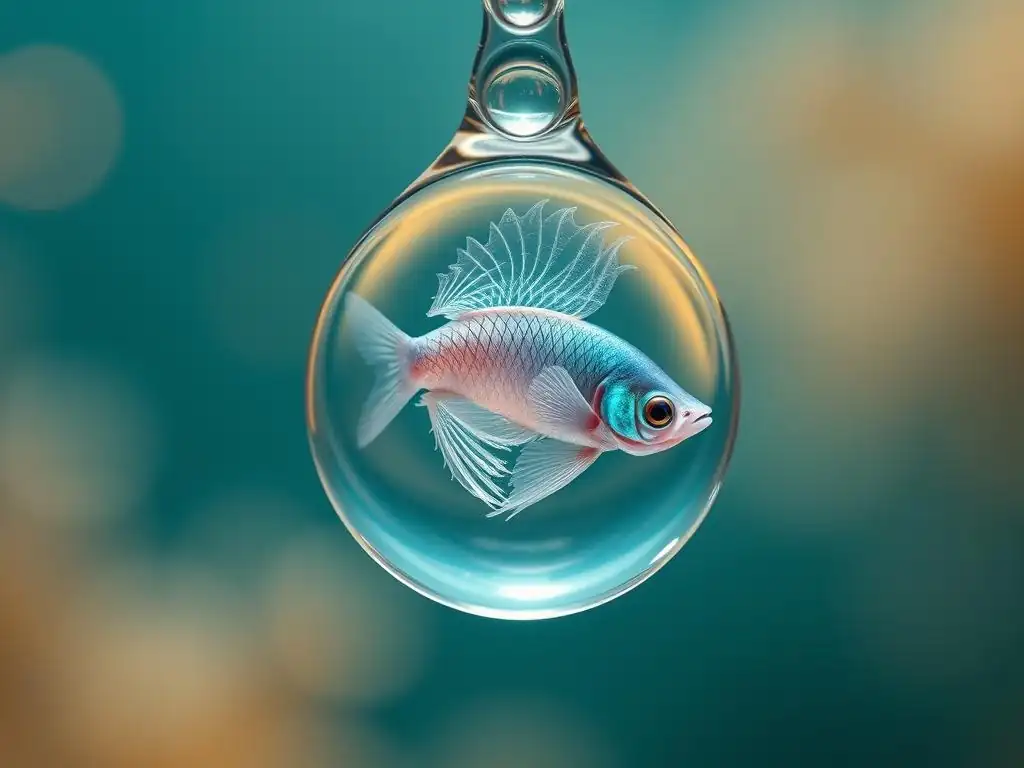
Visual Indicators of Healthy Black Clownfish Larval Development
Regular and keen observation of black clownfish larvae provides invaluable insights into their health, growth, and the effectiveness of your rapid larval fish feeding schedule. Healthy larvae exhibit specific visual cues that indicate proper development and adequate nutrition. Firstly, their guts should appear full and slightly yellowish or orange, indicating successful consumption of enriched rotifers or Artemia. Empty or clear guts are a clear sign of insufficient feeding.
Secondly, healthy larvae are typically active and swim strongly, often in a schooling behavior. Listless, bottom-dwelling, or spiraling larvae are often stressed, diseased, or starved. Thirdly, uniform size within a batch is a strong indicator of successful rapid larval fish feeding; significant size disparities ("runts") can suggest inconsistent feeding, competition, or underlying health issues. Finally, as they approach metamorphosis, healthy black clownfish larvae will begin to show developing pigmentation and finnage, signaling their transition into juvenile fish. Consistent observation of these indicators allows for immediate adjustments to the feeding regimen or environmental conditions.
Microscopic Examination of Gut Contents: Verifying Food Consumption
While visual observation of gut fullness is helpful, a more precise method for verifying food consumption and the efficacy of your rapid larval fish feeding is microscopic examination of larval gut contents. This technique involves carefully siphoning a few larvae from the rearing tank and observing them under a low-power microscope (e.g., 20x-40x magnification). The transparency of black clownfish larvae allows for clear visualization of their digestive tracts.
Under the microscope, you can confirm the presence and quantity of ingested rotifers or Artemia. Ideally, the entire gut should be packed with prey organisms. If the guts are empty or contain only a few prey items, it indicates that the larvae are not feeding adequately, even if food is present in the tank. This could be due to insufficient food density, poor food quality (e.g., unemriched prey), or larval health issues. This direct verification method provides crucial feedback, allowing you to fine-tune your rapid larval fish feeding strategy to ensure optimal intake.
Adjusting Feeding Rates Based on Larval Fish Growth and Behavior
The feeding schedule for black clownfish larvae is not a static protocol but a dynamic process that requires continuous adjustment based on the larvae's observed growth and behavior. As larvae grow, their feeding capacity and energy requirements increase, necessitating higher food densities. Conversely, if water quality begins to deteriorate rapidly, it might indicate overfeeding, and the feeding rate should be slightly reduced until water parameters stabilize.
For instance, if larvae consistently show full guts but water clarity diminishes quickly or ammonia/nitrite levels begin to rise, it suggests that the amount of food being added exceeds what the larvae are consuming or what the system can handle. In such cases, reducing the frequency or quantity of food slightly, while maintaining high quality, is necessary. Conversely, if larvae appear thin, lethargic, or exhibit slow growth despite clean water, increasing the food density or frequency is warranted. This iterative process of observation, assessment, and adjustment is fundamental to achieving consistent rapid larval fish feeding and overall rearing success.
Troubleshooting Common Feeding Challenges in Saltwater Larval Rearing
Preventing Overfeeding and Maintaining Water Quality
Overfeeding is one of the most common and detrimental mistakes in black clownfish larval rearing, directly undermining the goals of rapid larval fish feeding. While it might seem counterintuitive, providing too much food can be as harmful as too little. Excess live food that is not consumed quickly dies and decomposes, rapidly fouling the water. This leads to a cascade of negative effects: soaring ammonia and nitrite levels, reduced dissolved oxygen, and a proliferation of harmful bacteria. Such conditions are highly toxic to delicate larvae and can lead to mass mortality.
To prevent overfeeding, precise monitoring is key. The goal is to maintain a constant, but not excessive, density of live food. This is best achieved through small, frequent additions of food rather than large, infrequent dumps.
Observing the larvae's gut fullness and the water clarity immediately after feeding provides real-time feedback. If the water remains cloudy with uneaten food for more than an hour or two, the feeding rate is too high. Regular, small water changes (e.g., 10-20% daily) are also crucial to dilute waste products and maintain pristine water quality, acting as a buffer against accidental overfeeding and supporting continuous rapid larval fish feeding.
Addressing Poor Larval Fish Growth Despite Adequate Feeding
Occasionally, black clownfish larvae may exhibit poor growth or "stunting" even when a seemingly adequate rapid larval fish feeding schedule is in place and food appears to be consumed. This perplexing issue can stem from several underlying problems beyond simple starvation. One primary cause is the nutritional quality of the live food. If rotifers or Artemia are not properly enriched with essential fatty acids (DHA/EPA), larvae may fill their guts but still suffer from critical nutrient deficiencies, leading to slow growth, deformities (e.g., spinal issues, uninflated swim bladders), and weakened immune systems.
Another factor could be suboptimal water parameters. Even if ammonia and nitrite are zero, subtle stresses from fluctuating temperature, pH, or low dissolved oxygen can divert energy from growth to stress response.
Furthermore, the presence of pathogens (e.g., bacteria, ciliates) in the rearing water or within the live food cultures themselves can cause internal infections or external irritations that impair feeding and nutrient absorption. If poor growth is observed, a comprehensive review of live food enrichment protocols, detailed water parameter logs, and microscopic examination of both larvae and water samples for pathogens is necessary to identify and rectify the issue, ensuring the efficacy of the rapid larval fish feeding program.
Managing Food Culture Crashes and Ensuring Continuous Food Availability
A sudden crash in live food cultures (rotifers, Artemia, copepods) represents a critical emergency in black clownfish larval rearing, as it directly halts the rapid larval fish feeding program and can lead to widespread starvation. These crashes can be caused by various factors, including contamination, nutrient imbalances in the culture media, temperature fluctuations, or simply over-density leading to rapid system collapse. Proactive management is essential to mitigate this risk.
The most effective strategy is to maintain multiple, staggered backup cultures of each live food organism. For example, instead of one large rotifer culture, maintain two or three smaller, independent cultures started at different times. This redundancy ensures that if one culture crashes, others are available to pick up the slack.
Additionally, having emergency supplies of commercial liquid Artemia or rotifer substitutes (though less ideal) can provide a temporary bridge. Implementing strict biosecurity measures, such as sterilizing equipment between cultures and using clean, pathogen-free water, also reduces the likelihood of crashes. A robust contingency plan for live food availability is as important as the feeding schedule itself for achieving consistent rapid larval fish feeding success.
Advanced Techniques for Maximizing Rapid Larval Growth
Utilizing Enrichment Techniques to Enhance the Nutritional Value of Live Feeds
The nutritional value of live feeds is not inherent but largely determined by what they consume. For black clownfish larvae, maximizing rapid larval fish feeding requires that their prey be packed with essential nutrients, particularly Highly Unsaturated Fatty Acids (HUFAs) like DHA (Docosahexaenoic Acid) and EPA (Eicosapentaenoic Acid), and high-quality proteins. Standard rotifer and Artemia cultures, when fed only basic microalgae or yeast, are notoriously deficient in these critical components.
Advanced enrichment techniques involve "gut-loading" live feeds with specialized enrichment products for several hours (typically 6-24 hours) before they are fed to the larvae. These products are often lipid emulsions rich in DHA, EPA, and other vitamins. For example, commercial products like Selco, DHA Selco, or Algamac provide a concentrated source of these nutrients.
By feeding these to rotifers or Artemia, their nutritional profile is dramatically boosted. Studies have shown that larvae fed enriched live feeds exhibit significantly higher survival rates (e.g., 20-30% higher) and faster growth, reaching metamorphosis days earlier than those fed unenriched prey. This strategic enrichment is a cornerstone of achieving truly rapid larval fish feeding and robust larval development.
Implementing Automatic Feeding Systems for Consistent Food Delivery
Maintaining a consistent and precise feeding schedule, especially for continuous rapid larval fish feeding, can be labor-intensive, requiring frequent manual additions of live food. Automatic feeding systems offer a sophisticated solution to this challenge, ensuring a steady supply of prey around the clock, even when personnel are not present. These systems are particularly beneficial during the critical first week of feeding when larvae require near-constant access to food.
Automated systems typically utilize peristaltic pumps for liquid live food cultures (like rotifers or enriched Artemia in a concentrated suspension). These pumps can be programmed to deliver small, precise doses at very frequent intervals (e.g., every 15-30 minutes), maintaining an optimal food density without large fluctuations.
This continuous drip feeding minimizes stress on the larvae by ensuring constant food availability, reduces the risk of overfeeding by avoiding large boluses, and drastically improves the efficiency of nutrient uptake. While initial setup costs can be higher, the consistency and labor savings provided by automatic feeders often translate into significantly improved survival rates and more uniform, rapid larval growth.
Understanding the Specific Nutritional Needs of Black Clownfish
While general principles of marine larval nutrition apply, understanding the specific nutritional needs of black clownfish larvae can further optimize a rapid larval fish feeding protocol. Black clownfish, like many marine teleosts, have a high requirement for dietary protein, typically ranging from 50% to 60% of their dry weight intake during early development. This high protein demand is essential for the rapid tissue synthesis occurring during their initial growth spurt.
Beyond protein, the specific fatty acid profile is crucial. Black clownfish larvae require a high ratio of DHA to EPA, generally favoring DHA for proper neurological development, vision, and crucially, swim bladder inflation. Optimal DHA:EPA ratios in their diet are often cited between 2:1 and 4:1.
Furthermore, they require specific phospholipids for efficient lipid transport and absorption. Commercial enrichment products for live feeds are formulated to meet these precise requirements. By focusing on feeds that deliver these specific macro and micronutrients, aquarists can tailor their rapid larval fish feeding strategy to the exact biological demands of black clownfish, promoting healthier, faster development and higher survival rates.
Maintaining a Sustainable Larval Rearing System: Long-Term Considerations
Establishing a Consistent Live Food Culture Production Schedule
A sustainable rapid larval fish feeding program relies fundamentally on a consistent and reliable supply of high-quality live food. This necessitates establishing a rigorous and predictable live food culture production schedule. Rather than culturing rotifers or Artemia haphazardly, a structured approach involves maintaining multiple, staggered cultures to ensure continuous availability and to act as backups in case of crashes. For example, a common strategy for rotifers is to set up a new culture every 2-3 days, ensuring a rotating supply of fresh, healthy, and high-density cultures ready for harvest and enrichment.
This schedule also includes regular harvesting of a portion of each culture, cleaning of culture vessels, and re-inoculation with fresh media and a healthy starter population. Consistent feeding of the live food cultures themselves with high-quality microalgae or commercial feeds is also part of this schedule. By treating live food production as a dedicated, systematic process rather than an afterthought, aquarists can prevent supply shortages that would otherwise halt or compromise their rapid larval fish feeding efforts, leading to larval mortality or stunted growth.
Implementing Biosecurity Measures to Prevent Disease Outbreaks
Disease outbreaks can devastate a black clownfish larval rearing batch, quickly undoing all efforts in rapid larval fish feeding and meticulous care. Implementing stringent biosecurity measures is paramount for long-term sustainability and preventing the introduction and spread of pathogens. This includes isolating new live food cultures before integration into the main rearing system. For example, Artemia cysts should always be disinfected (e.g., with a bleach solution) before hatching to kill external bacteria and viruses.
All equipment used in the larval rearing area – including nets, siphons, air lines, and culture vessels – should be dedicated solely to that area and thoroughly cleaned and disinfected between uses, or ideally, between different batches of larvae. Minimizing cross-contamination between different tanks or cultures is critical.
Handwashing and avoiding transferring water or equipment from other aquarium systems (especially those with adult fish) into the larval rearing space are simple yet effective measures. A proactive biosecurity protocol significantly reduces the risk of opportunistic pathogens exploiting the delicate larvae, thereby safeguarding the investment in rapid larval fish feeding and increasing overall rearing success.
Continuously Optimizing Your Feeding Protocol Based on Experience and Research
The art and science of rapid larval fish feeding are constantly evolving. A truly sustainable larval rearing system doesn't just follow a static protocol; it continuously optimizes it based on empirical experience and new research. Every batch of black clownfish larvae provides valuable data: observe what worked well, what could be improved, and what unforeseen challenges arose. Meticulous record-keeping – including hatching numbers, feeding quantities, water parameters, growth rates, and survival percentages – is invaluable for identifying trends and making informed adjustments.
Staying abreast of new developments in marine aquaculture research, particularly regarding clownfish breeding and larval nutrition, can also offer insights into novel feeding techniques, improved enrichment products, or better live food culture methods. For instance, new insights into specific fatty acid requirements or the benefits of certain copepod species might emerge. This iterative process of learning, adapting, and refining the rapid larval fish feeding protocol ensures that the rearing system becomes more efficient, resilient, and successful over time, leading to consistently higher yields of healthy black clownfish juveniles.
Frequently Asked Questions
How crucial is the timing of the first feeding for larval fish?
The timing of the first feeding is extremely crucial. Larval fish have limited yolk sac reserves, so a delay can lead to starvation and high mortality rates. It is recommended to feed them as soon as the yolk sac is absorbed.
What are the best initial food sources for promoting rapid larval fish growth?
Ideal initial food sources include live food such as rotifers, paramecium, and newly hatched brine shrimp. These provide the necessary nutrients and are appropriately sized for small larval mouths, promoting rapid larval growth.
How often should I feed larval fish to ensure rapid and healthy growth?
Frequent feedings are essential. Larval fish have small stomachs and high metabolisms, requiring multiple small feedings throughout the day. Aim for at least 3-5 feedings daily to maintain optimal growth rates.
What water parameters are most important to monitor when feeding larval fish?
Maintaining stable and optimal water parameters is crucial. Pay close attention to ammonia and nitrite levels, as even small spikes can be fatal to delicate larvae. Also monitor temperature and pH for species-specific requirements.
How do I transition larval fish from live food to other food sources?
Transitioning should be gradual. Start by introducing small amounts of powdered or liquid fry food alongside the live food. Slowly increase the proportion of the new food while decreasing the live food over several days to avoid stress and digestive issues.
Final Reflection: Nurturing the Future, One Fry at a Time
The journey from microscopic egg to thriving juvenile fish is a delicate dance, and as we've explored in this article, mastering the feeding schedule is paramount to achieving rapid and healthy larval growth. The principles outlined here aren't just theoretical; they represent a practical pathway to increased success in aquaculture and a deeper understanding of the intricate needs of these nascent aquatic lives.
This pursuit of optimal larval rearing has profound implications, influencing not only the efficiency of fish farming but also the sustainability of our aquatic ecosystems. Witnessing the transformation of a tiny larva into a vibrant, healthy fish is a deeply rewarding experience, one that underscores the interconnectedness of life and the importance of responsible stewardship. The best way to predict the future is to create it.
- Peter Drucker. This quote resonates deeply, as our dedication to refining larval feeding techniques directly shapes the future of aquaculture and conservation efforts.
Now, I invite you to consider how you can apply these principles, whether you're a seasoned aquaculturist or a passionate hobbyist. Reflect on the delicate balance required to nurture life, and strive to create environments where even the smallest fry can flourish. Embrace the challenge of rapid larval fish feeding not just as a technical skill, but as an opportunity to contribute to a more sustainable and vibrant aquatic future.
Ignite Larval Growth: Master Your Feeding Schedule Now!
Thanks for diving into the world of larval fish feeding! You've unlocked the secrets to optimal growth, and now it's time to put that knowledge into action. Let's transform your aquarium into a thriving nursery.
- Implement your tailored feeding schedule: Calculate and meticulously track food quantities and timing based on your specific larval species needs. This is your key to explosive growth!
- Expand your knowledge: Research live food culturing techniques like rotifers or artemia to ensure a continuous supply of nutritious meals.
- Share your success! Join the Aquarium Mastery community forum to discuss your larval feeding triumphs and troubleshoot challenges with fellow enthusiasts.
What surprising result did you observe after adjusting your larval feeding schedule?