
The Freshwater Invertebrate Food Web: Balancing Diets for a Thriving Community

Welcome to Aquarium Mastery, where your aquatic dreams come to life!
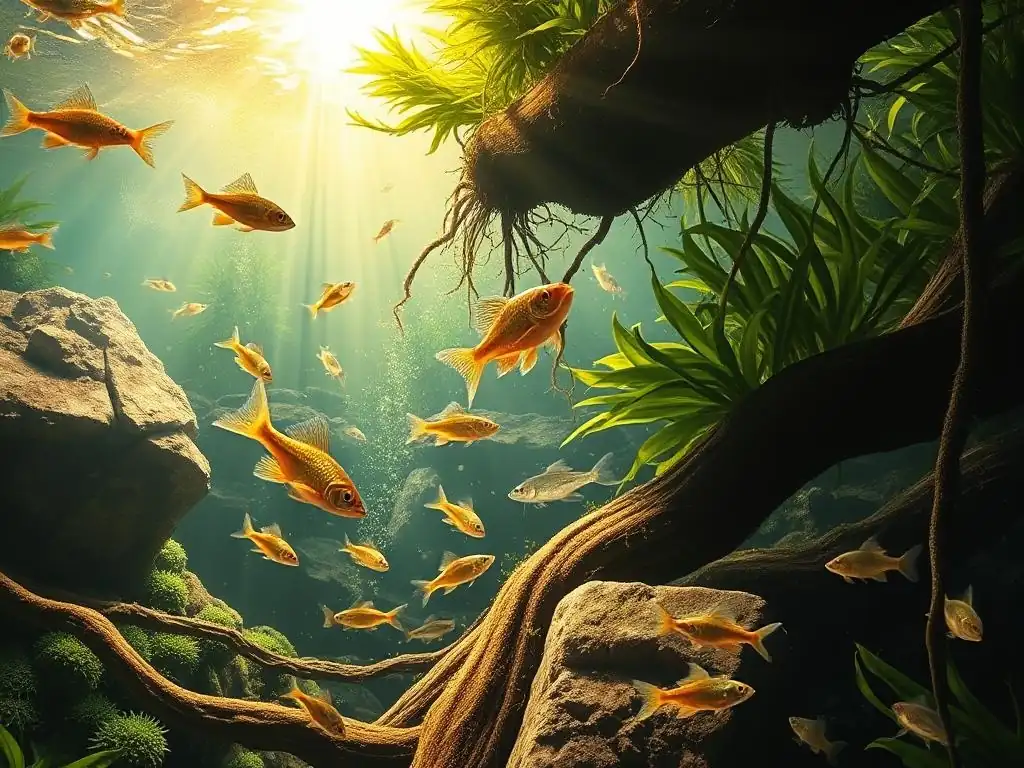
Ever wondered how to create a truly thriving freshwater ecosystem? Dive in and unlock the secrets of the Freshwater Invertebrate Food Web. Understanding this delicate balance is key to a healthy tank, and we're here to guide you through every step. Ready to discover the crucial roles these tiny creatures play and how to keep them (and your fish!) well-fed and happy? Let's explore!
- Understanding the Freshwater Invertebrate Food Web
- Primary Producers: The Base of the Freshwater Food Web
- Herbivorous Invertebrates: Grazers and Detritivores
- Carnivorous Invertebrates: Predators in the Freshwater Realm
- Detritivores and Decomposers: Recycling Nutrients
- Maintaining a Balanced Freshwater Invertebrate Food Web in Aquariums
- Selecting Invertebrates for Your Aquarium Ecosystem
- Addressing Imbalances in the Freshwater Food Web
- Long-Term Health and Sustainability
-
Frequently Asked Questions
- What role do invertebrates play in a freshwater aquarium's food chain?
- What are some common freshwater invertebrates and their typical diets?
- How can I ensure my freshwater invertebrates receive adequate nutrition?
- What happens if the invertebrate food chain in my aquarium is unbalanced?
- How can I troubleshoot common problems related to the freshwater invertebrate food chain?
- Final Reflection: The Delicate Dance of Life
- Dive Deeper: Cultivate Your Invertebrate Ecosystem!
Understanding the Freshwater Invertebrate Food Web
The Role of Invertebrates in Freshwater Ecosystems
In freshwater ecosystems, invertebrates are far more than just small creatures; they form the backbone of the aquatic environment, playing indispensable roles in nutrient cycling, decomposition, and as a vital food source for higher trophic levels. Their diverse feeding strategies, ranging from filter-feeding to predation, ensure that energy flows efficiently throughout the system, supporting a healthy and balanced habitat. Without a robust invertebrate community, the intricate web of life within a freshwater body, including an aquarium, would quickly collapse.
These often-overlooked organisms are critical to the stability and productivity of any aquatic system. For instance, gastropods like bladder snails or ramshorn snails effectively graze on algae and biofilm, preventing overgrowth and converting primary production into a form accessible to other consumers. Similarly, detritivores such as Malaysian Trumpet Snails burrow through the substrate, aerating it and breaking down organic waste, thereby contributing significantly to the freshwater invertebrate food chain and overall water quality.
Importance of Diet for Invertebrate Health and Biodiversity
The diet provided to invertebrates is paramount for their health, growth, reproductive success, and the overall biodiversity of the aquatic community. A lack of essential nutrients can lead to stunted development, reduced lifespan, and compromised immune systems, making invertebrates more susceptible to disease. For instance, calcium deficiency in snails can result in shell erosion and fragility, directly impacting their survival and ability to contribute to the ecosystem.
Furthermore, a diverse and appropriate diet encourages a wider array of invertebrate species to thrive within the aquarium. Different invertebrates have unique nutritional requirements; some may specialize in consuming specific types of algae, while others rely heavily on decaying organic matter or even other small organisms. By offering varied food sources, aquarists can foster a more complex and resilient freshwater invertebrate food chain, promoting a natural balance where each species fulfills its ecological niche.
Primary Producers: The Base of the Freshwater Food Web
Algae and Biofilm: Diatoms, Green Algae, and Microbial Mats
At the very foundation of the freshwater food web are primary producers, organisms capable of synthesizing their own food, primarily through photosynthesis. Algae and biofilm constitute the most significant energy source in many freshwater environments, including aquariums. Diatoms, often appearing as brown films on surfaces, are microscopic single-celled algae that are highly nutritious. Green algae, such as Spirogyra or Cladophora, form visible green strands or patches and are readily consumed by many herbivorous invertebrates. Microbial mats, complex communities of algae, bacteria, and other microorganisms, provide a rich, multi-faceted food source.
These producers are directly consumed by a vast array of herbivorous invertebrates, forming the crucial initial link in the freshwater invertebrate food chain. For example, Nerite snails ( Neritina spp.) are highly efficient at grazing on diatoms and green spot algae from glass and decor, effectively converting light energy into biomass. Microscopic organisms like copepods and rotifers, often present in healthy tanks, filter-feed on phytoplankton, demonstrating how even the smallest primary producers support a thriving invertebrate community.
Macrophytes as a Food Source: Elodea, Vallisneria, and Ceratophyllum
Aquatic macrophytes, commonly known as aquatic plants, represent another vital category of primary producers in freshwater ecosystems. Species like Elodea canadensis (Anacharis), Vallisneria spiralis (Corkscrew Vallisneria), and Ceratophyllum demersum (Hornwort) contribute significantly to the food web, not only through their living tissue but also as they decay. While many invertebrates do not directly consume healthy, living plant material due to its tough cellulose structure, their decaying leaves provide a rich source of detritus.
More importantly, the surfaces of these plants serve as substrates for the growth of periphyton – a complex community of algae, bacteria, and microscopic invertebrates. This periphyton layer is a prime grazing ground for numerous snails, shrimp, and insect larvae. For instance, Amano shrimp ( Caridina multidentata) are well-known for their voracious appetite for the algae that grow on plant leaves, effectively utilizing the plant's indirect contribution to the freshwater invertebrate food chain. Even the breakdown of plant matter contributes significantly to the detritus pool, fueling detritivorous invertebrates.
Herbivorous Invertebrates: Grazers and Detritivores
Gastropods: Snails and Limpets Consuming Algae and Detritus
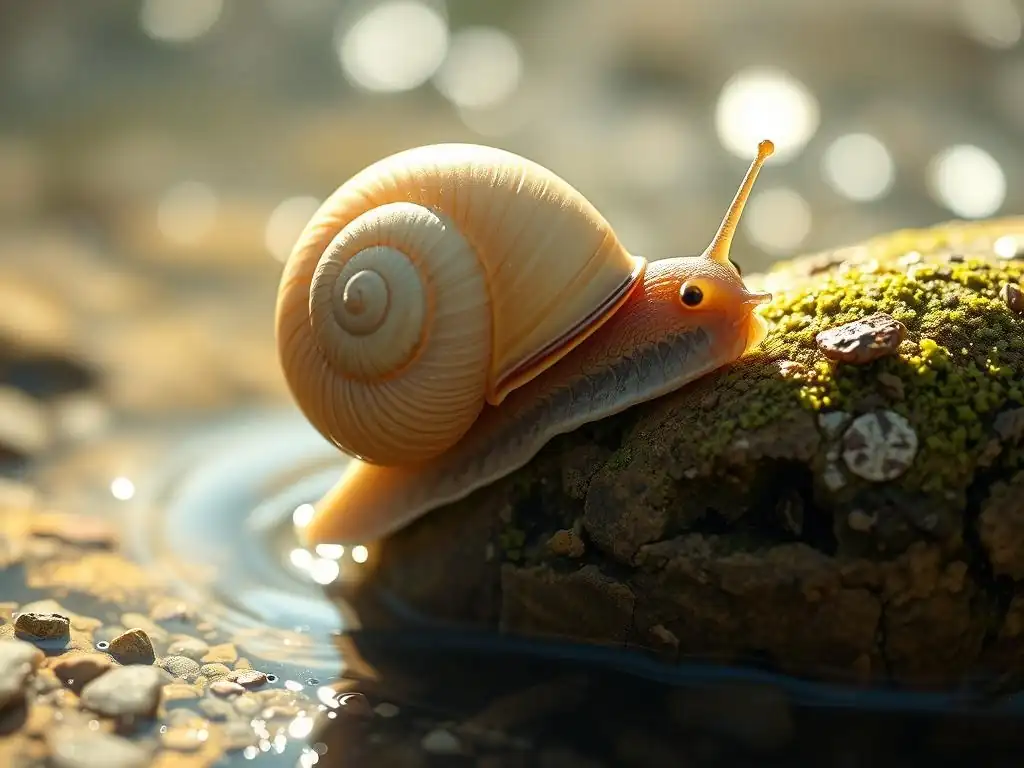
Gastropods, including various species of freshwater snails and limpets, are quintessential grazers and detritivores in the aquarium environment. Common examples found in tanks include Nerite snails ( Neritina pulligera), Ramshorn snails ( Planorbella spp.), and Bladder snails ( Physa acuta). These invertebrates possess a radula, a specialized ribbon-like structure with teeth, which they use to scrape algae and biofilm from tank surfaces, rocks, and plant leaves. Their continuous grazing helps to control algal growth and maintain tank aesthetics.
Beyond algae, many gastropods are also highly effective detritivores, consuming decaying plant matter, leftover fish food, and other organic debris. Ramshorn snails, for example, are excellent at breaking down soft plant detritus, converting it into bio-available forms and preventing the accumulation of waste. Malaysian Trumpet Snails ( Melanoides tuberculata) burrow through the substrate, consuming buried detritus and aerating the sand, thus playing a crucial role in the benthic freshwater invertebrate food chain and contributing to a healthier substrate environment.
Crustaceans: Amphipods and Isopods as Scavengers and Plant Eaters
Small crustaceans, notably amphipods (e.g., scuds, Gammarus spp.) and isopods (e.g., aquatic sow bugs, Asellus aquaticus), are common inhabitants of healthy freshwater ecosystems and aquariums, often introduced as hitchhikers or intentionally as part of a diverse cleanup crew. These versatile invertebrates primarily act as scavengers and detritivores, diligently consuming decaying organic matter, uneaten food, and plant debris. Their feeding habits contribute significantly to the breakdown of waste materials, making nutrients available for other organisms.
While their primary role is often that of decomposers, some species of amphipods and isopods may also graze on algae or softer aquatic plants, especially when other food sources are scarce. For instance, certain Gammarus species are known to consume filamentous algae. In addition to their cleaning duties, these small crustaceans also serve as a natural, nutritious live food source for smaller fish and predatory invertebrates, illustrating their multifaceted role within the freshwater invertebrate food chain.
Insect Larvae: Mayfly, Caddisfly, and Stonefly Larvae Feeding
Aquatic insect larvae represent an incredibly diverse group of invertebrates, each with specialized feeding strategies that contribute significantly to the freshwater food web. Mayfly nymphs ( Ephemeroptera), for example, are often grazers or collector-gatherers, efficiently scraping diatoms and fine organic particles from surfaces. Caddisfly larvae ( Trichoptera) exhibit a wide range of feeding behaviors; some are shredders, consuming coarse particulate organic matter like decaying leaves, while others are grazers or even predators. Stonefly nymphs ( Plecoptera) are typically shredders or opportunistic predators.
While not always intentionally introduced, these larvae can sometimes appear in aquariums via live plants or wild-collected substrate, indicating a relatively healthy environment. Their varied dietary preferences mean they process different forms of organic matter, from microscopic algae to larger pieces of detritus. This comprehensive processing of food sources by insect larvae is critical for the flow of energy and nutrients, solidifying their integral position within the complex freshwater invertebrate food chain.
Carnivorous Invertebrates: Predators in the Freshwater Realm
Predatory Insect Larvae: Dragonfly and Damselfly Nymphs Hunting
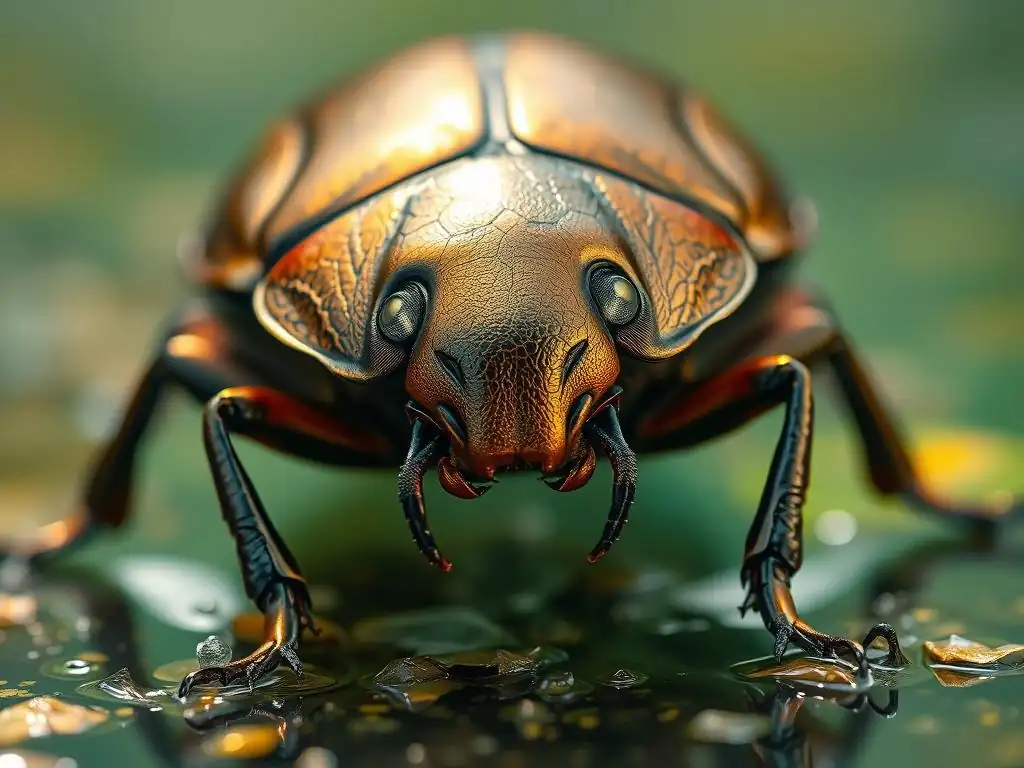
Among the most formidable invertebrate predators in freshwater environments are the nymphs (larvae) of dragonflies ( Anisoptera) and damselflies ( Zygoptera). These fascinating creatures possess a unique, extendable labium (lower lip) equipped with hooks or pincers, which they can rapidly extend to snatch unsuspecting prey. Their diet typically includes a wide range of smaller aquatic organisms, such as other insect larvae, small crustaceans, tadpoles, and even very small fish fry.
In an aquarium setting, while captivating to observe, these nymphs are often considered unwanted hitchhikers due to their highly predatory nature. A single dragonfly nymph can decimate populations of smaller shrimp, fish fry, or even small snails, significantly impacting the delicate balance of the aquarium's freshwater invertebrate food chain. Their presence serves as a stark reminder of the intricate predator-prey dynamics that exist even among invertebrates.
Decapods: Crayfish and Shrimp as Opportunistic Carnivores
Decapods, a group encompassing crayfish and larger shrimp, play diverse roles in the freshwater food web, often exhibiting opportunistic carnivorous tendencies. While many aquarium shrimp species, such as Amano shrimp ( Caridina multidentata) and Ghost shrimp ( Palaemonetes paludosus), are primarily regarded as detritivores and algae eaters, they will readily consume protein-rich foods, including dead fish, insect larvae, or even live snails if given the opportunity. Crayfish ( Procambarus spp., Cambarus spp.), on the other hand, are more overtly predatory.
Crayfish are often considered apex invertebrate predators in many freshwater habitats. Their powerful claws allow them to capture and consume a wide variety of prey, including small fish, other invertebrates like snails and worms, and even smaller crayfish. Their diet also includes significant amounts of detritus and plant matter, making them true omnivores. This opportunistic feeding strategy highlights their flexible and impactful position within the freshwater invertebrate food chain, capable of influencing populations across multiple trophic levels.
Flatworms and Leeches: Predation and Parasitism
Flatworms, particularly Planaria ( Dugesia spp.), and leeches ( Hirudinea) are less desirable but ecologically significant carnivorous or parasitic invertebrates that can sometimes appear in aquariums. Planaria are free-living flatworms characterized by their arrow-shaped heads and two eyespots. They are opportunistic predators that can hunt and consume small snails, shrimp fry, fish eggs, and even sick or injured fish. Their presence often indicates an overabundance of food or detritus in the tank.
Leeches, while more commonly known for their parasitic blood-feeding habits, also include predatory species that feed on other invertebrates like snails and worms. Both Planaria and predatory leeches can pose a threat to the delicate balance of an aquarium's invertebrate community. Their presence underscores the complex and sometimes challenging aspects of maintaining a controlled freshwater invertebrate food chain, where unwanted predators can significantly impact desirable populations.
Detritivores and Decomposers: Recycling Nutrients
The Role of Detritus in the Freshwater Food Web
Detritus, defined as dead organic matter, is an incredibly vital, yet often underestimated, component of the freshwater food web. It encompasses decaying plant material (e.g., fallen leaves, dead plant stems), dead organisms (e.g., fish, invertebrates), and the waste products of living organisms (e.g., fish feces). Rather than being mere waste, detritus serves as a crucial primary energy source, particularly in benthic (bottom) zones where light for photosynthesis is limited. It forms the foundation for a significant portion of the aquatic ecosystem's energy flow.
This organic matter is not only a direct food source but also a substrate for a rich microbial community (bacteria, fungi) that further breaks it down, making its nutrients more accessible. Many invertebrates, from various snail species to aquatic worms and crustaceans, directly feed on detritus or the microbes associated with it. This consumption is essential for converting complex organic compounds back into simpler, reusable forms, thus fueling a substantial part of the freshwater invertebrate food chain and preventing the buildup of potentially harmful waste.
Oligochaetes and Bacteria: Breaking Down Organic Matter
Oligochaetes, a group of segmented worms including common aquarium inhabitants like Tubifex worms and sludge worms, along with a vast array of bacteria, are the primary decomposers in freshwater environments. Oligochaetes burrow through the substrate, ingesting organic particles and processing them through their digestive systems. Their constant movement also helps to aerate the substrate, preventing the formation of anaerobic pockets that can produce toxic gases.
Bacteria, both aerobic (oxygen-loving) and anaerobic (oxygen-lacking), are the microscopic workhorses of decomposition. They break down organic matter at a molecular level, converting complex compounds into simpler inorganic nutrients such as nitrates, phosphates, and carbon dioxide. This process is absolutely indispensable for nutrient cycling within the aquarium. Without the continuous activity of these decomposers, the freshwater invertebrate food chain would quickly become overwhelmed by accumulated waste, leading to systemic collapse and poor water quality.
Importance of Detritivores for Nutrient Cycling and Water Clarity
The role of detritivores in an aquarium is paramount for maintaining a healthy, balanced, and visually appealing environment. By actively consuming and processing detritus, these invertebrates prevent the accumulation of decaying organic waste, which, if left unchecked, can lead to poor water quality, harmful ammonia and nitrite spikes, excessive algae blooms, and stress for all tank inhabitants. Their diligent work directly contributes to clearer water and a cleaner substrate.
Furthermore, detritivores are central to the efficient recycling of nutrients. As they break down organic matter, they release essential nutrients back into the water column in forms that can be readily utilized by primary producers like aquatic plants and algae. This continuous process of decomposition and nutrient release is a cornerstone of a stable and self-sustaining freshwater invertebrate food chain. A thriving community of detritivores helps to ensure that nutrients are constantly being processed and reused, minimizing waste and maximizing the health of the entire ecosystem.
Maintaining a Balanced Freshwater Invertebrate Food Web in Aquariums
Providing Diverse Food Sources for Trophic Levels
To maintain a truly balanced and thriving freshwater invertebrate food web in an aquarium, it is crucial to provide a diverse range of food sources that cater to the specific dietary needs of different trophic levels. This goes beyond simply feeding fish flakes. For grazers, offer algae wafers, blanched vegetables (e.g., zucchini, spinach, cucumber slices), and ensure sufficient surface area for natural biofilm growth.
Detritivores benefit from specialized invertebrate pellets, decaying plant matter, and small amounts of leftover fish food. For omnivorous or opportunistic carnivorous species like some shrimp or crayfish, occasional protein-rich foods like bloodworms or brine shrimp can be provided.
This varied feeding strategy mimics the complexity of natural ecosystems, where food sources are rarely homogenous. For instance, in a well-planted tank, the natural decay of plant leaves will continuously provide detritus, supporting populations of detritivorous snails and worms. By actively supplementing with targeted foods, aquarists ensure that all components of the freshwater invertebrate food chain are adequately nourished, preventing competition and fostering a more robust and resilient invertebrate community.
Managing Algae and Detritus Levels
While algae and detritus are fundamental food sources and integral parts of the freshwater invertebrate food web, their levels must be carefully managed in an aquarium. An overabundance of certain types of algae, such as hair algae or blue-green algae (cyanobacteria), can outcompete desirable aquatic plants, reduce aesthetic appeal, and indicate an imbalance in nutrients or light. Similarly, excessive accumulation of detritus can lead to anaerobic conditions in the substrate, release harmful gases, and contribute to poor water quality.
Effective management involves a multi-pronged approach. Control algae by balancing light levels (typically 8-10 hours daily for planted tanks), ensuring adequate CO2 and nutrient levels for plants, and introducing efficient algae-eating invertebrates like Nerite snails or Amano shrimp. Manage detritus by performing regular substrate vacuuming (e.g., weekly or bi-weekly), ensuring good water circulation to prevent dead spots where detritus accumulates, and avoiding overfeeding. These practices help maintain a healthy equilibrium within the freshwater invertebrate food chain.
Avoiding Overfeeding and Maintaining Water Quality
Overfeeding is arguably the most common cause of imbalances in an aquarium's food web and water quality. Excess food quickly breaks down into organic detritus, overwhelming the capacity of detritivores and decomposers. This leads to a rapid increase in ammonia and nitrite, which are highly toxic to all aquatic life, including sensitive invertebrates. Furthermore, nutrient spikes from decomposing food often fuel unsightly and undesirable algae blooms, disrupting the natural balance.
Therefore, feeding small amounts frequently, only what can be consumed within a few minutes, is a golden rule for aquarium husbandry. Alongside responsible feeding, consistent water quality maintenance is paramount. Regular partial water changes (e.g., 25% weekly) dilute accumulated nitrates and replenish essential minerals. Monitoring water parameters such as pH (e.g., 6.5-7.5 for many freshwater invertebrates), general hardness (GH), carbonate hardness (KH), and nitrates ensures a stable and healthy environment. Stable parameters are critical for the long-term well-being and functionality of the entire freshwater invertebrate food chain.
Selecting Invertebrates for Your Aquarium Ecosystem
Compatibility of Species and Ecological Roles
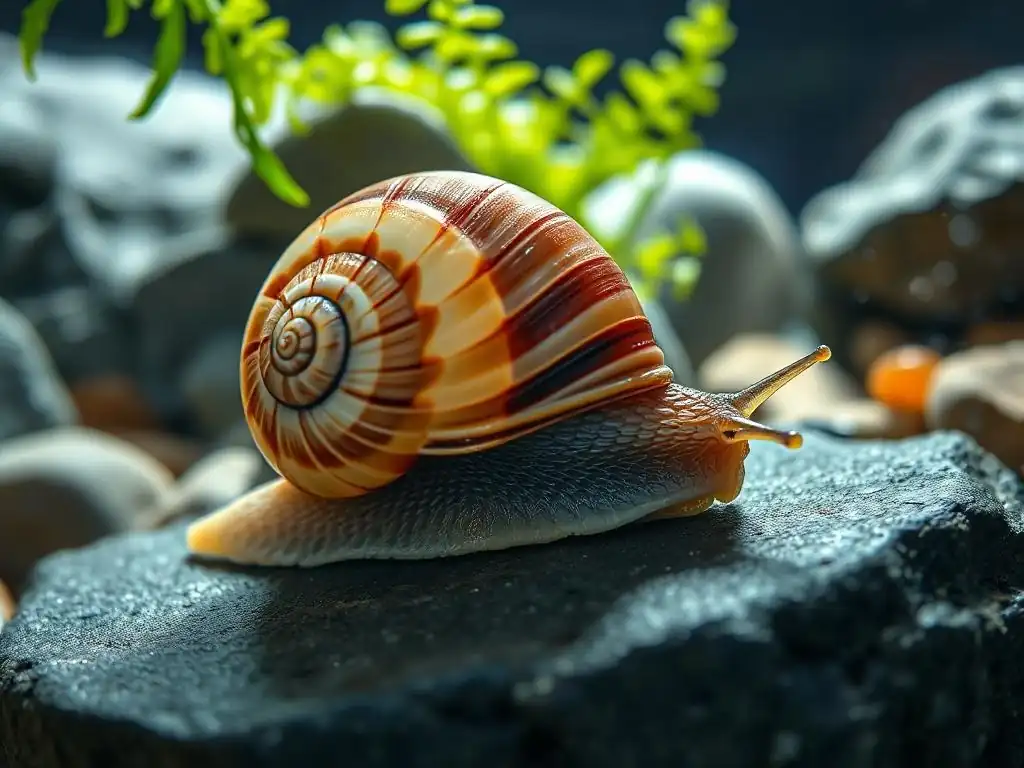
When selecting invertebrates for an aquarium, careful consideration of species compatibility and their specific ecological roles is essential for fostering a harmonious and balanced ecosystem. Not all invertebrates can coexist peacefully. For instance, larger, more aggressive crayfish ( Procambarus clarkii) are notorious for preying on smaller fish, shrimp, and snails, making them unsuitable for community tanks with delicate inhabitants. Conversely, peaceful herbivores like Mystery snails ( Pomacea bridgesii) or Assassin snails ( Clea helena), which specifically target pest snails, can be beneficial additions.
The goal should be to build a community where different species occupy complementary ecological niches, contributing to the overall health of the freshwater invertebrate food chain without undue competition or predation. Aim for a mix of grazers (e.g., Nerite snails for algae), detritivores (e.g., Amano shrimp, Malaysian Trumpet Snails for detritus), and perhaps peaceful filter feeders (e.g., Vampire shrimp) if tank conditions allow. This strategic selection helps create a self-sustaining and resilient environment.
Considering Dietary Needs and Habitat Requirements
Successful invertebrate keeping hinges on a thorough understanding of each species' specific dietary and habitat requirements before their introduction to the aquarium. For example, many dwarf shrimp species, such as Crystal Red Shrimp ( Caridina cantonensis), require very specific water parameters (e.g., softer, slightly acidic water, GH 4-6, KH 0-1) and thrive on a diet rich in biofilm, supplemented with specialized shrimp pellets. In contrast, most Nerite snails prefer harder, alkaline water and primarily graze on hard algae.
The physical setup of the tank also plays a crucial role. A tank rich in driftwood, porous rocks, and live plants provides ample surface area for biofilm and algae growth, which are vital food sources for many grazing invertebrates. Providing appropriate substrate and hiding spots is also important; for instance, Malaysian Trumpet Snails require a soft substrate for burrowing, while many shrimp appreciate dense plant cover. Meeting these specific needs directly supports the health and activity of the freshwater invertebrate food chain within the aquarium.
Understanding Temperament and Behavior
Beyond diet and habitat, understanding the temperament and behavioral traits of invertebrates is crucial for effective aquarium management. Some invertebrates are prolific breeders, such as Bladder snails ( Physa acuta) or Malaysian Trumpet Snails, and their populations can quickly boom if food sources (like excess detritus) are abundant, potentially overwhelming the system. Conversely, certain species, like the Assassin snail, are predatory on other snails and can be specifically introduced to control pest snail populations.
Observing and understanding these behaviors allows aquarists to anticipate and manage potential issues. For example, if a sudden surge in pest snails occurs, it often indicates overfeeding, and introducing a few Assassin snails can help restore balance. Knowing that some shrimp are nocturnal or prefer specific water flow patterns helps in optimizing their environment. This insight into invertebrate temperament and behavior is key to fostering a stable and well-regulated freshwater invertebrate food chain in the home aquarium.
Addressing Imbalances in the Freshwater Food Web
Identifying Nutrient Deficiency or Excess
Recognizing signs of nutrient imbalances in an aquarium's freshwater invertebrate food web is crucial for prompt intervention. Nutrient deficiency in invertebrates might manifest as slow growth, faded coloration, or, in the case of snails, poor shell development, often appearing as pitting or erosion due to insufficient calcium or alkalinity. Conversely, an excess of nutrients typically presents as rampant algae growth (e.g., green hair algae, brown diatoms), cloudy water, or a sudden boom in certain detritivore populations like pest snails or worms.
Once identified, addressing these imbalances is key. For calcium deficiency in snails, supplementing with calcium-rich foods (e.g., blanched leafy greens, cuttlebone) or a calcium additive can be effective. For nutrient excess, the primary strategies involve reducing feeding, increasing the frequency or volume of water changes, enhancing biological filtration, and potentially reducing light duration. Correcting these nutrient issues directly impacts the health and stability of the entire freshwater invertebrate food chain, leading to a clearer and more vibrant tank.
Managing Algae Blooms and Population Fluctuations
Algae blooms and significant invertebrate population fluctuations are common indicators of an imbalanced freshwater food web in an aquarium. Algae blooms, often caused by an excess of light and/or nutrients (nitrates, phosphates), can choke out plants, reduce oxygen levels at night, and are aesthetically displeasing. Effective management involves reducing light intensity or duration (e.g., to 7-8 hours daily), increasing the number of algae-eating invertebrates (e.g., adding more Nerite snails or Amano shrimp), and improving nutrient export through water changes and proper filtration.
Invertebrate population fluctuations, such as a sudden explosion of Malaysian Trumpet Snails or Bladder snails, often signal consistent overfeeding or an accumulation of too much detritus. Conversely, a sharp decline in sensitive shrimp populations might point to poor water quality, lack of food, or predation. Adjusting feeding habits, performing thorough substrate cleaning, or introducing specific predators (like Assassin snails for pest snails) can help restore the delicate balance within the freshwater invertebrate food chain, ensuring no single population overwhelms the system.
Adjusting Feeding Strategies and Water Parameters
Maintaining a healthy freshwater invertebrate food web is a dynamic process that often requires adjusting feeding strategies and water parameters based on observation. If invertebrates appear sluggish, are not growing, or show signs of deficiency, re-evaluate their diet. Are they receiving enough of the right kind of food? Are faster-moving fish consuming all the food before the invertebrates can reach it? Adjusting portion sizes, offering invertebrate-specific foods, or feeding after lights out can make a significant difference.
Equally important is the consistent monitoring and adjustment of water parameters. Regular testing (e.g., weekly tests for ammonia, nitrite, nitrate, pH, GH, and KH) provides vital insights into the tank's health. For instance, if snails exhibit shell erosion, increasing GH and KH through mineral supplements (e.g., crushed coral, calcium carbonate) can provide the necessary calcium and buffering capacity. Maintaining stable and optimal water parameters is paramount for the long-term resilience and proper functioning of the freshwater invertebrate food chain.
Long-Term Health and Sustainability
Regular Monitoring and Maintenance Practices
Achieving long-term health and sustainability in an aquarium's freshwater invertebrate food web hinges on consistent and diligent monitoring and maintenance practices. This involves more than just routine water changes; it includes daily observation of invertebrate behavior, growth rates, and reproductive success, which can provide early indicators of potential issues. Regularly checking water parameters, cleaning filters, and performing substrate vacuuming are non-negotiable tasks that prevent the buildup of toxins and maintain a stable environment.
A proactive approach to aquarium maintenance allows aquarists to identify and address minor problems before they escalate into major crises. By staying vigilant and adhering to a well-planned maintenance schedule, the intricate freshwater invertebrate food chain can function efficiently and continuously. This consistent care fosters a robust, resilient environment where invertebrates can thrive, contributing to the overall beauty and ecological balance of the aquarium.
Promoting a Thriving and Sustainable Ecosystem
The ultimate goal of managing a freshwater aquarium is to promote a thriving and sustainable ecosystem that is as self-sufficient as possible. This involves establishing a robust biological filter capable of efficiently processing waste, cultivating a diverse microbial community within the substrate and filter media, and carefully selecting a compatible mix of plants, fish, and invertebrates that support each other's ecological roles. A well-designed tank minimizes the need for constant intervention and chemical additives.
In a truly sustainable aquarium, the freshwater invertebrate food chain plays a central role. Invertebrates naturally recycle nutrients by consuming detritus and algae, reducing the workload on the filtration system and mitigating the risk of algae blooms. They also provide a natural food source for some fish species, creating a balanced predator-prey dynamic. This interconnectedness allows the aquarium to function more like a miniature natural ecosystem, leading to greater stability, reduced maintenance, and a more enjoyable experience for the aquarist.
Emerging Research in Freshwater Invertebrate Ecology
The field of freshwater invertebrate ecology is constantly evolving, with new research continually shedding light on the complex interactions and specific requirements of these fascinating organisms. Recent studies, for example, have delved deeper into the microbial communities associated with invertebrate guts, revealing their critical role in nutrient assimilation, or have explored the impact of microplastics on invertebrate health and their position in the food web. Staying abreast of these scientific advancements can provide aquarists with cutting-edge knowledge to further optimize their tank environments.
Encouraging continuous learning and adaptation based on new findings allows aquarists to refine their practices and provide even better care for their aquatic inhabitants. Understanding the latest insights into invertebrate dietary needs, reproductive strategies, or their specific contributions to nutrient cycling can lead to more effective husbandry techniques. By integrating emerging research into aquarium management, enthusiasts not only enhance the health and sustainability of their freshwater invertebrate food chain but also contribute to a broader appreciation and understanding of aquatic biodiversity.
Frequently Asked Questions
What role do invertebrates play in a freshwater aquarium's food chain?
Invertebrates are essential primary and secondary consumers. They help break down organic matter and serve as a vital food source for larger fish. A balanced invertebrate population helps maintain a healthy ecosystem.
What are some common freshwater invertebrates and their typical diets?
Snails often consume algae and detritus, while shrimp may eat algae, biofilm, and leftover fish food. Daphnia and copepods are important food sources for smaller fish and fry. Careful consideration is needed to balance their populations.
How can I ensure my freshwater invertebrates receive adequate nutrition?
Offer a variety of foods, including algae wafers, blanched vegetables, and specialized invertebrate foods. Supplementing with live or frozen foods like daphnia can also be beneficial. Careful observation is key to ensuring proper feeding.
What happens if the invertebrate food chain in my aquarium is unbalanced?
An imbalance can lead to algae blooms, detritus buildup, or a lack of food for certain species. This can cause stress on the ecosystem and potentially lead to health problems for your fish or invertebrates.
Monitor water parameters, observe invertebrate behavior, and adjust feeding strategies as needed. Overpopulation can be addressed by manual removal or introducing appropriate predators, like certain fish species, with extreme caution.
Final Reflection: The Delicate Dance of Life
The intricate web of interactions within a freshwater ecosystem, as we've explored, is not merely a scientific curiosity, but a vital indicator of environmental health. Understanding the freshwater invertebrate food chain is now more crucial than ever, as these delicate ecosystems face increasing pressures from pollution, climate change, and habitat destruction. The survival of these tiny creatures, and the complex relationships they maintain, directly impacts the health of our planet and the resources we depend upon.
This exploration into the freshwater invertebrate food chain has underscored the profound interconnectedness of life. It reminds us that even the smallest organisms play a critical role in maintaining ecological balance, and that our actions have far-reaching consequences. In nature, nothing exists alone.
- Rachel Carson. This quote perfectly encapsulates the essence of the freshwater invertebrate food chain, where each organism, from the smallest detritivore to the largest predator, is inextricably linked to the others.
As we conclude, I invite you to consider your own role in this delicate dance. How can you contribute to protecting these vital ecosystems? By making conscious choices about water usage, reducing pollution, and supporting conservation efforts, you can help ensure that the freshwater invertebrate food chain, and the thriving communities it supports, continues to flourish for generations to come. Let us all strive to be mindful stewards of these precious resources.
Dive Deeper: Cultivate Your Invertebrate Ecosystem!
Thanks for exploring the fascinating world of freshwater invertebrate food webs with us! We hope you now have a clearer understanding of the vital roles these tiny creatures play and how to keep them thriving. Ready to put that knowledge into action?
Here are a few ways to get started:
- Begin a Cultured Feast: Establish a small culture of daphnia or copepods to ensure a constant, nutritious food source for your invertebrate community.
- Expand Your Knowledge: Explore related articles on Aquarium Mastery about specific invertebrate species and their dietary needs.
- Share the Love: Spread the word about the importance of invertebrate health by sharing this article with fellow aquarium enthusiasts.
What innovative feeding strategies have you found most successful in maintaining a balanced invertebrate ecosystem?