
Can Crayfish Live with Snails or Shrimp? The Great Coexistence Debate

Welcome to Aquarium Mastery!
Ever wondered if you can create a thriving community tank with crayfish, snails, and shrimp? The answer isn't as simple as "yes" or "no." Dive into our latest article, " Can Crayfish Live with Snails or Shrimp? The Great Coexistence Debate," and uncover the secrets to a harmonious invertebrate aquarium. Are you ready to unlock the potential—or avoid a potential disaster? Let's explore the fascinating world of crayfish, snail, shrimp coexistence together!
- Introduction: The Allure and Risks of a Mixed Invertebrate Aquarium
- Understanding Crayfish Temperament and Predatory Behavior in Aquariums
- Snails and Crayfish: A High-Risk Combination?
- Shrimp and Crayfish: A Risky Scenario
- Factors Influencing Crayfish, Snail, and Shrimp Coexistence
- Coexistence Strategies: Tips for a Balanced Ecosystem
- Alternatives to Coexistence: Dedicated Tanks
- Conclusion: Weighing the Risks and Rewards
-
Frequently Asked Questions
- Can crayfish and snails coexist peacefully in an aquarium?
- Are shrimp compatible with crayfish in a tank environment?
- What tank setup considerations can improve the chances of crayfish, snail, and shrimp coexistence?
- What types of crayfish are less likely to attack snails and shrimp?
- What are the best alternatives to crayfish for a community tank with snails and shrimp?
- Final Reflection: Navigating the Delicate Balance of Ecosystems
- Unleash Your Aquarium's Potential!
Introduction: The Allure and Risks of a Mixed Invertebrate Aquarium
The prospect of a thriving mixed invertebrate aquarium featuring the unique behaviors of crayfish alongside the diligent work of snails or the delicate charm of shrimp is highly appealing to many aquarists. This desire often stems from a wish to create a diverse and dynamic aquatic ecosystem, where different species contribute to the tank's overall health and visual interest. However, integrating these particular invertebrates into a single crayfish, snail, shrimp coexistence tank is not without significant challenges and risks, primarily due to the inherent predatory nature of crayfish.
While some limited success stories exist, largely dependent on specific species selection, tank size, and meticulous care, the general consensus among experienced aquarists is that true peaceful coexistence is often difficult to achieve and maintain long-term. Understanding the temperament and biological needs of each species involved is paramount to making an informed decision about attempting such a setup, as the welfare of the more vulnerable inhabitants is frequently at stake.
Understanding Crayfish Temperament and Predatory Behavior in Aquariums
Crayfish, often admired for their distinctive appearance and fascinating behaviors, are fundamentally opportunistic predators. Their temperament can vary significantly between species, but a common thread is their territoriality and their strong instinct to consume protein, which often includes other invertebrates. This predatory drive is a key factor in the crayfish, snail, shrimp coexistence tank debate.
Even seemingly docile species can exhibit unpredictable aggression, especially when hungry, during molting periods, or if their territory feels threatened. This inherent nature means that any attempt at a mixed invertebrate setup must account for the crayfish's natural tendencies to hunt and consume smaller, slower-moving tank mates.
Crayfish Species and Their Aggression Levels
Crayfish aggression levels vary widely depending on the species. For instance, the dwarf Mexican crayfish ( Cambarellus patzcuarensis), often referred to as the "CPO" (short for Cambarellus patzcuarensis Orange), is generally considered one of the least aggressive and smallest species, typically reaching only 1.5 to 2 inches in length. While still opportunistic, their smaller size and less robust claws make them less of an immediate threat to larger, faster shrimp or snails compared to their larger cousins. However, even these dwarf species will readily prey on very small or vulnerable invertebrates, especially shrimplets or thin-shelled snails.
In stark contrast, larger species like the red swamp crayfish ( Procambarus clarkii) or electric blue crayfish ( Procambarus alleni) are highly aggressive and territorial. These species can grow to 5-6 inches or more and possess powerful chelipeds (claws) capable of crushing snail shells or easily apprehending shrimp. They are formidable predators that will actively hunt down and consume nearly any smaller, slower tank mate, making a crayfish and snail tank or a shrimp and crayfish tank with these species almost certainly result in the rapid demise of the more vulnerable inhabitants.
The Predatory Instinct: How Crayfish Hunt
Crayfish are skilled hunters, relying on a combination of ambush tactics and active pursuit. They possess keen senses, including excellent chemoreception (smell/taste) and touch, which they use to detect potential prey in their environment. Often, they will lie in wait, partially hidden, ready to strike anything that comes within range of their powerful claws. Once prey is detected, they can move surprisingly quickly, using their tail fan for rapid bursts of speed to pounce.
Their primary hunting tools are their large chelipeds, which are used to grasp, crush, and tear apart prey. Even if a snail retreats into its shell, a determined crayfish can often crush the shell or use its smaller walking legs to pry at the operculum (the "door" snails use to close their shells). For shrimp, the process is often quicker; a swift grab with the claws is usually enough to incapacitate the shrimp before it can escape. This innate predatory behavior is a constant threat in any attempted crayfish, snail, shrimp coexistence tank.
Snails and Crayfish: A High-Risk Combination?
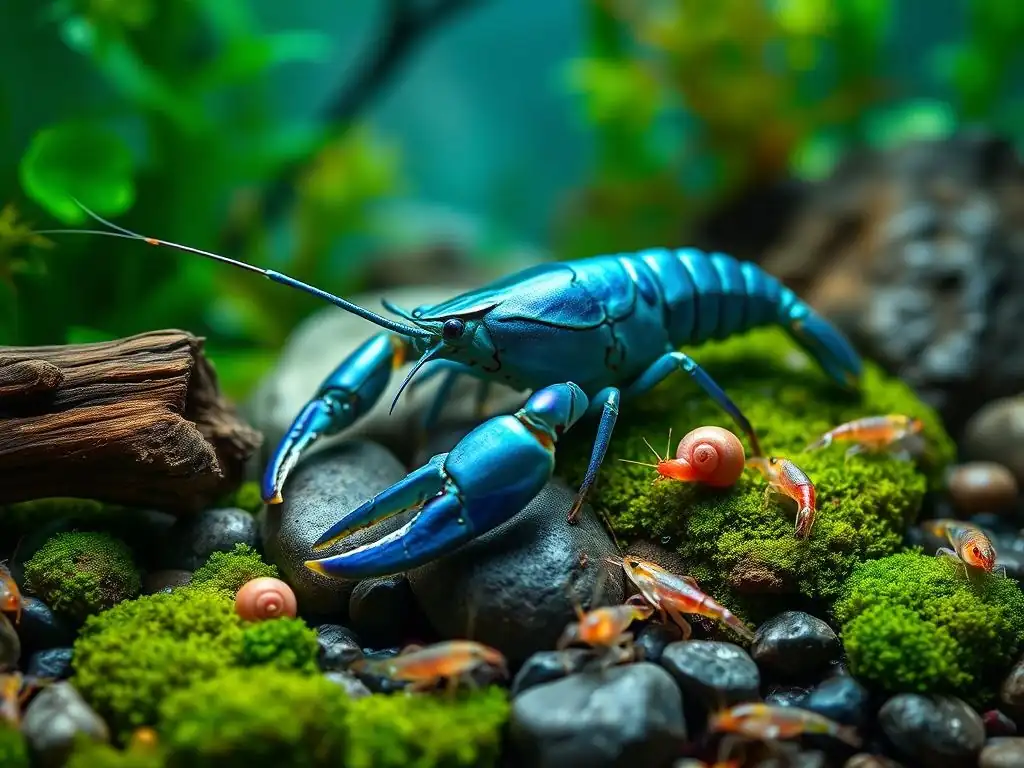
Attempting to house snails with crayfish is generally considered a high-risk endeavor, often leading to the snails becoming an expensive snack. Crayfish are adept at hunting and consuming snails, viewing them as a valuable source of protein and calcium. The vulnerability of snails varies slightly by species, but ultimately, few can reliably escape a determined crayfish.
The primary methods of predation involve the crayfish either crushing the snail's shell with its powerful claws or, for snails with an operculum, attempting to pry it open or wait for the snail to extend its body. Even large snails are not immune, as repeated attacks can weaken their defenses or cause fatal injuries.
Snail Species Vulnerable to Crayfish Predation
Virtually all common aquarium snail species are vulnerable to crayfish predation to some degree. Smaller, thin-shelled snails like Ramshorn snails ( Planorbarius corneus), Bladder snails ( Physa acuta), and Pond snails ( Lymnaea stagnalis) are particularly at risk. Their delicate shells offer minimal protection against the crushing power of a crayfish's chelipeds. These snails are often consumed whole or have their shells cracked open.
Even larger, more robust snails like Mystery snails ( Pomacea bridgesii), Nerite snails ( Neritina natalensis), and Apple snails ( Pomacea canaliculata) are not entirely safe. While their shells are thicker, a persistent crayfish can still chip away at the shell, attack the operculum, or wait for the snail to extend its foot to graze. There are numerous anecdotal reports from aquarists where even large Mystery snails have been found with damaged shells or consumed by crayfish in a shared crayfish and snail tank.
Creating a Snail-Safe Haven Within a Crayfish Tank
While challenging, if one insists on attempting a crayfish, snail, shrimp coexistence tank, creating specific snail-safe havens is crucial, though not foolproof. This involves heavy aquascaping with dense planting, particularly species like Java moss, Anubias, or dense stem plants, which can provide countless nooks and crannies too small for the crayfish to navigate. Rocks and driftwood arranged to form narrow crevices and tunnels can also offer refuge.
Another strategy involves incorporating areas that are physically inaccessible to the crayfish but allow snails to enter. This might include using elevated platforms or sections of the tank separated by fine mesh, though this can be difficult to integrate aesthetically and functionally. Ultimately, while these measures can reduce the frequency of encounters, they cannot guarantee the complete safety of snails from a determined and hungry crayfish.
Why Crayfish Target Snails: Shell Vulnerability and Nutritional Needs
Crayfish target snails primarily because they are a readily available and nutritious food source. Snails are relatively slow-moving, making them easy prey compared to faster fish or shrimp. Their shells, while offering some protection, are often brittle enough to be crushed by a crayfish's powerful claws, especially around the aperture where the snail emerges. Once the shell is compromised, the soft body inside becomes accessible.
Beyond the ease of capture, snails provide essential nutrients for crayfish. Their soft bodies are rich in protein, which is vital for growth and energy. Furthermore, the snail shells themselves are an excellent source of calcium carbonate. Calcium is crucial for crayfish, especially during molting, as they need it to harden their new exoskeleton. This nutritional benefit strongly drives the predatory instinct of crayfish towards snails, making a successful crayfish and snail tank a rare occurrence.
Shrimp and Crayfish: A Risky Scenario
Housing shrimp with crayfish presents a similarly risky scenario to that of snails, if not more so, due to shrimp's softer bodies and lack of a protective shell like snails. While shrimp are generally faster and more agile than snails, they are still highly vulnerable to a crayfish's quick grasp and powerful claws. The outcome in a shrimp and crayfish tank often depends on factors like shrimp size, hiding opportunities, and the specific crayfish species.
Even if a crayfish is well-fed, its opportunistic nature means it may still attempt to prey on shrimp if the opportunity arises. This is particularly true for smaller, less experienced shrimp or shrimplets, which are almost certainly seen as easy targets.
Shrimp Species More Likely to Survive with Crayfish: Size and Hiding
When considering a crayfish, snail, shrimp coexistence tank, the choice of shrimp species is critical. Larger, faster, and more robust shrimp generally stand a marginally better chance of survival than their smaller counterparts. Amano shrimp ( Caridina multidentata), for example, are larger (often reaching 2 inches) and exceptionally quick.
Their agility can sometimes allow them to evade a crayfish's strike, especially if the crayfish is a dwarf species. Similarly, larger filter-feeding shrimp like Vampire shrimp ( Atya gabonensis) or Bamboo shrimp ( Atyopsis moluccensis) might have a slightly reduced risk due to their size and their tendency to remain stationary in strong currents, filtering food, which might make them less appealing or harder to catch for some crayfish.
However, smaller dwarf shrimp species such as Cherry shrimp ( Neocaridina davidi), Ghost shrimp ( Palaemonetes paludosus), or Crystal Red shrimp ( Caridina cantonensis) are extremely vulnerable. They are typically only 0.5 to 1.5 inches long and lack the speed or size to reliably escape a crayfish. For these species, attempting a shrimp and crayfish tank is almost certainly a recipe for disaster, with consistent predation being the most likely outcome.
Providing Ample Hiding Places for Shrimp
In any attempt to house shrimp with crayfish, providing an abundance of secure hiding places is not just beneficial, but absolutely essential for the shrimp's survival. These hiding spots must be small enough for the shrimp to enter but too narrow or intricate for the crayfish to follow. Excellent options include densely packed live plants like Java moss, Christmas moss, or Anubias nana, which create a thick jungle of foliage.
Other effective hiding structures include cholla wood, which has numerous holes and channels, ceramic shrimp tubes, small rock caves with narrow entrances, or even PVC pipes cut into small segments. The goal is to create a complex aquascape where shrimp can quickly dart into an inaccessible refuge when threatened. Without sufficient and well-distributed hiding spots, shrimp will be constantly exposed and highly susceptible to predation in a shrimp and crayfish tank.
The Role of Population Control
For very prolific shrimp species like Neocaridina davidi (e.g., Cherry shrimp), some aquarists might consider a strategy where the shrimp population is so large that occasional predation by a crayfish acts as a form of natural population control. In this scenario, the idea is that while individual shrimp will undoubtedly be lost, the colony as a whole might sustain itself due to high breeding rates. This is a controversial approach, however, as it knowingly sacrifices individual animals.
From an ethical standpoint, intentionally allowing predation, even for population control, can be viewed as prioritizing the crayfish's needs over the shrimp's welfare. Furthermore, even with rapid breeding, a particularly aggressive crayfish or a small tank can decimate a shrimp colony much faster than it can reproduce, leading to the eventual eradication of the shrimp. This approach is generally not recommended for a successful crayfish, snail, shrimp coexistence tank where the goal is the harmonious survival of all inhabitants.
Factors Influencing Crayfish, Snail, and Shrimp Coexistence
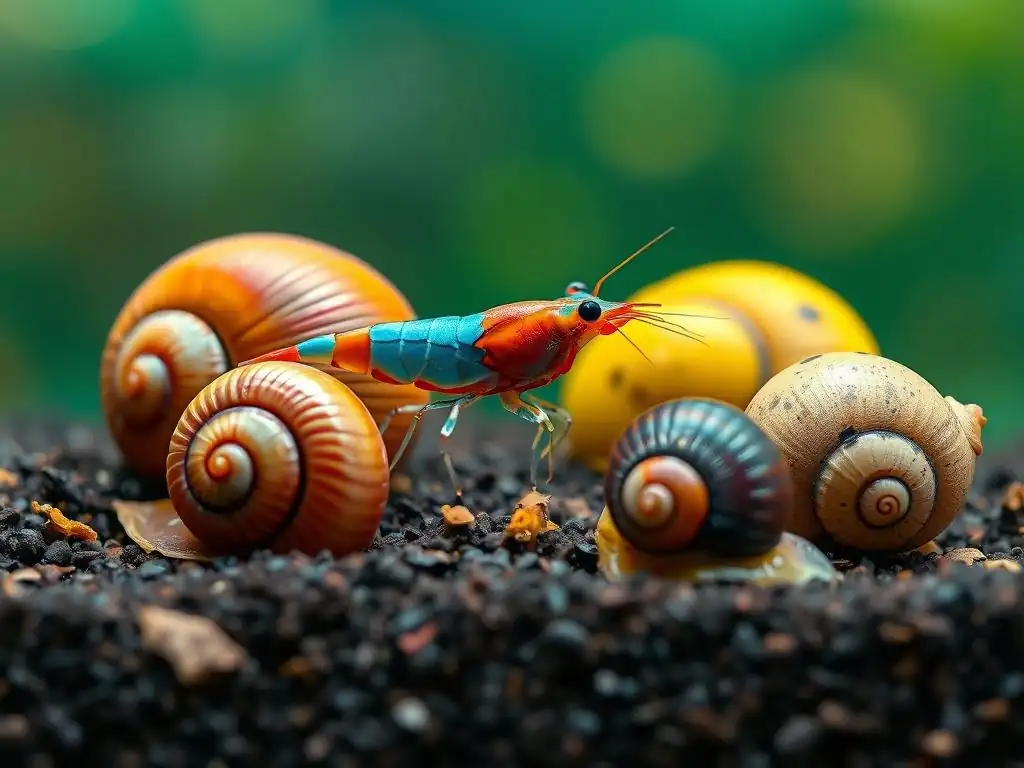
The success or failure of housing crayfish with snails and shrimp is not solely dependent on species choice but also heavily influenced by the tank environment and care routines. Several key factors can either mitigate or exacerbate the inherent risks of predation. Understanding and carefully managing these elements are crucial for any aquarist attempting a mixed invertebrate setup.
These factors include the physical dimensions of the aquarium, the way it is decorated, and how the inhabitants are fed. Each plays a significant role in determining the likelihood of positive or negative interactions between crayfish, snails, and shrimp.
Tank Size and Aquascaping
Tank size is a paramount factor in any attempt at crayfish, snail, shrimp coexistence. A larger aquarium provides more territory for each inhabitant, reducing the frequency of potentially aggressive encounters. For even dwarf crayfish, a minimum of 10-gallon tank is generally recommended for a single specimen, but for a mixed invertebrate setup, a 20-gallon long or larger is far more appropriate. This increased space allows for greater dispersion of hiding spots and reduces territorial disputes.
Aquascaping plays an equally critical role. A heavily planted tank with numerous caves, crevices, and dense foliage (e.g., Java moss, Anubias, rocks, driftwood) creates a complex environment where vulnerable snails and shrimp can find refuge. The more broken up the lines of sight and the more secure hiding spots available, the better the chances that shrimp and snails can evade a hungry crayfish. Conversely, a sparsely decorated tank with open spaces leaves nowhere for the smaller invertebrates to hide, making them easy targets in a crayfish, snail, shrimp coexistence tank.
Feeding Strategies: Reducing Predation
Proper and consistent feeding of the crayfish can significantly reduce, though not entirely eliminate, their predatory drive towards snails and shrimp. A well-fed crayfish is less likely to actively hunt, as its immediate nutritional needs are met. It is crucial to provide a varied diet rich in protein and calcium to your crayfish. This includes sinking pellets specifically formulated for crustaceans, blanched vegetables (like spinach or zucchini), and occasional protein sources such as bloodworms, brine shrimp, or high-quality fish flakes.
Feeding should be done regularly, ideally once a day, ensuring the crayfish receives enough food that it doesn't feel the need to hunt its tank mates out of hunger. However, overfeeding should be avoided as it can degrade water quality. While consistent feeding can lessen the predatory instinct, it will not erase it; an opportunistic crayfish may still strike if a vulnerable snail or shrimp wanders too close, especially during the night or during the shrimp's molting period.
Water Parameters and Their Impact on Invertebrates
Maintaining stable and appropriate water parameters is vital for the health of all invertebrates in a crayfish, snail, shrimp coexistence tank. While crayfish are generally hardy, snails and shrimp, particularly dwarf shrimp, can be more sensitive to fluctuations. Ideal parameters typically include a stable temperature between 68-78°F (20-26°C), a neutral to slightly alkaline pH (7.0-8.0), and moderate to hard water (GH 6-15 dGH, KH 3-10 dKH).
Good water quality, with low ammonia, nitrite, and nitrate levels, reduces stress on all inhabitants. Stressed snails and shrimp are weaker, slower, and thus more vulnerable to predation. Furthermore, consistent calcium and magnesium levels (reflected in GH) are essential for healthy shell and exoskeleton development for snails, shrimp, and crayfish alike, ensuring they are as robust as possible to face potential threats. Regular water changes and diligent monitoring of parameters are non-negotiable for the well-being of all species.
Coexistence Strategies: Tips for a Balanced Ecosystem
Achieving a truly balanced ecosystem where crayfish, snails, and shrimp coexist peacefully is an ambitious goal, often requiring meticulous planning and continuous monitoring. While complete safety can never be guaranteed, certain strategies can significantly increase the chances of limited success in a crayfish, snail, shrimp coexistence tank. These tips focus on careful species selection, thoughtful introduction, and ongoing vigilance to mitigate risks.
The emphasis should always be on minimizing stress and providing ample resources for all inhabitants, thereby reducing the likelihood of predatory interactions driven by hunger or territoriality. Even with the best strategies, aquarists must be prepared for potential losses.
Selecting Compatible Species
The most critical step in attempting coexistence is the careful selection of species. For crayfish, opt for the smallest and least aggressive available, such as the dwarf Mexican crayfish ( Cambarellus patzcuarensis). Avoid larger, more aggressive species like Procambarus clarkii or Procambarus alleni entirely if you intend to keep other invertebrates. For shrimp, choose larger, faster species like Amano shrimp ( Caridina multidentata) over smaller dwarf shrimp ( Neocaridina davidi). While Amano shrimp are not immune to predation, their size and speed offer a better chance of evasion.
Regarding snails, the situation is more challenging. Even robust snails can be preyed upon. If you must have snails, consider very large, fast-moving species, or those with exceptionally thick shells, but understand that even these are at significant risk. Ultimately, the best compatible species are often determined by trial and error, but starting with the least aggressive and most robust options significantly improves the odds in a crayfish, snail, shrimp coexistence tank.
Introducing Invertebrates Gradually
When setting up a crayfish, snail, shrimp coexistence tank, the order of introduction can play a role. It is often advisable to introduce the snails and shrimp first, allowing them ample time (several weeks) to establish themselves, find hiding spots, and become familiar with the tank environment. This period allows them to settle in and potentially reproduce, creating a more established population.
Once the snails and shrimp are well-established and thriving, the crayfish can then be introduced. This strategy aims to ensure that the crayfish enters an environment where hiding spots are already known and utilized by the other invertebrates, rather than being introduced to a blank slate where it immediately perceives all other movement as potential food. This gradual introduction might slightly reduce the initial shock and predatory behavior from the crayfish.
Regular Monitoring and Intervention
Consistent and diligent monitoring is paramount for the long-term success of any crayfish, snail, shrimp coexistence tank. Aquarists must regularly observe the behavior of all inhabitants, especially during feeding times and at night when crayfish are most active. Look for signs of stress, injury, or missing individuals among the snail and shrimp populations. Pay attention to any aggressive posturing or chasing from the crayfish.
- Daily checks: Count shrimp and snails, look for dead or injured individuals.
- Observe feeding: Ensure all creatures are getting enough food and the crayfish isn't monopolizing resources.
- Monitor crayfish behavior: Note any excessive aggression or hunting attempts.
- Check hiding spots: Ensure they remain viable and aren't being blocked by the crayfish.
If significant predation is observed, or if the welfare of the snails or shrimp is consistently compromised, be prepared to intervene. This may involve increasing hiding spots, adjusting feeding, or, as a last resort, separating the invertebrates into dedicated tanks to ensure their safety.
Alternatives to Coexistence: Dedicated Tanks
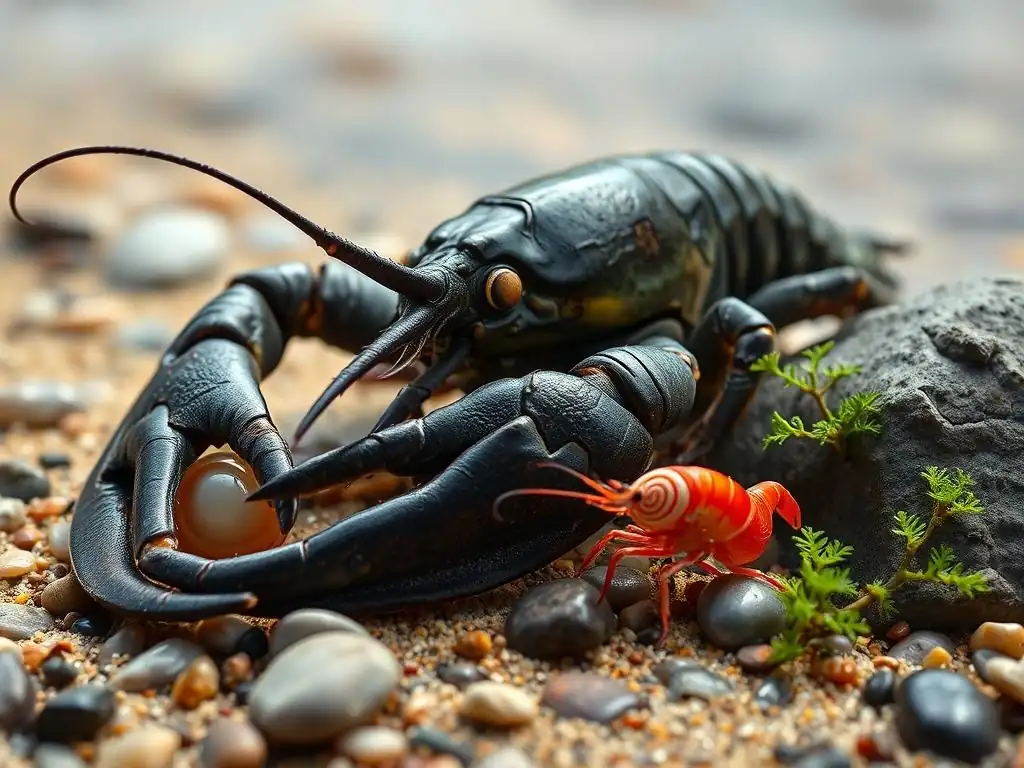
Given the inherent risks and challenges associated with establishing a harmonious crayfish, snail, shrimp coexistence tank, many experienced aquarists advocate for dedicated, species-specific aquariums. This approach eliminates the stress and potential for predation, allowing each type of invertebrate to thrive in an environment perfectly tailored to its needs. While it requires more tanks, it often leads to greater success and less heartbreak.
Dedicated tanks provide optimal conditions for breeding, natural behavior, and overall health, without the constant threat of a dominant predator. This alternative is often the most humane and rewarding path for serious invertebrate enthusiasts.
The Benefits of Species-Specific Aquariums
Dedicated, species-specific aquariums offer numerous benefits over mixed invertebrate tanks. Firstly, they completely eliminate the risk of predation, allowing vulnerable species like dwarf shrimp or delicate snails to live out their full lifespans without fear. This significantly reduces stress levels for the inhabitants, leading to healthier and more active animals. Secondly, it allows the aquarist to fine-tune water parameters, temperature, and aquascaping to the exact needs of that specific species, optimizing conditions for breeding and natural behaviors.
For example, a shrimp-only tank can be kept at slightly cooler temperatures, with specific mineral levels to encourage molting and coloration, and filled with fine-leaved plants for shrimplets. A crayfish-only tank, on the other hand, can be designed with robust hiding spots and a substrate that accommodates burrowing, without concern for delicate tank mates. This focused approach often results in thriving populations and a more enjoyable experience for the aquarist, free from the constant worry of a crayfish, snail, shrimp coexistence tank failing.
Setting Up a Dedicated Crayfish Tank
Setting up a dedicated crayfish tank is straightforward and allows the aquarist to provide an ideal environment for these fascinating crustaceans without compromising other tank inhabitants. The minimum tank size depends on the crayfish species; dwarf crayfish can thrive in a 5-10 gallon tank, while larger species require 20 gallons or more. The substrate should be soft enough for burrowing, such as sand or fine gravel, and plenty of robust hiding spots are essential. These can include PVC pipes, ceramic caves, driftwood, and sturdy rock formations.
Water parameters should be stable and within the species' preferred range (generally neutral to slightly alkaline, moderate hardness). Filtration should be adequate, but flow should not be overly strong. A dedicated crayfish tank allows for a diet specifically tailored to their needs, including sinking pellets, blanched vegetables, and occasional protein sources, ensuring they are well-fed and exhibit their natural behaviors without the temptation to hunt tank mates. This setup avoids the complexities and risks of a crayfish, snail, shrimp coexistence tank.
Creating a Thriving Snail or Shrimp-Only Aquarium
Creating a thriving snail or shrimp-only aquarium is an incredibly rewarding experience that showcases the intricate behaviors and vibrant colors of these invertebrates. For shrimp, a 10-20 gallon tank is often ideal for a colony, heavily planted with various mosses (e.g., Java moss, Christmas moss), Anubias, and other fine-leaved plants that provide shelter and grazing surfaces. Cholla wood and shrimp caves are also excellent additions. Water parameters should be precisely maintained, often requiring specific mineral supplements for optimal molting and coloration (e.g., for Caridina shrimp).
For snails, tank size can vary based on species, but a similar emphasis on stable water parameters, good filtration, and appropriate food sources (algae, blanched vegetables, calcium supplements) is crucial. A snail or shrimp-only tank allows for observation of breeding cycles, natural foraging, and community interactions without the looming threat of predation. This approach ensures the highest welfare standards and the best chance for these delicate creatures to flourish, far surpassing the potential outcomes of a risky crayfish, snail, shrimp coexistence tank.
Conclusion: Weighing the Risks and Rewards
The debate surrounding the coexistence of crayfish with snails and shrimp in an aquarium is complex, fraught with both allure and significant risks. While the idea of a diverse invertebrate tank is appealing, the fundamental predatory nature of crayfish often makes true, peaceful coexistence an elusive goal. The welfare of the more vulnerable snails and shrimp is frequently compromised, leading to stress, injury, and often, death.
Ultimately, the decision rests with the individual aquarist, but it should be made with a clear understanding of the biological realities and ethical considerations involved. Prioritizing the well-being of all aquatic inhabitants should always be the guiding principle in aquarium keeping.
Making an Informed Decision
Making an informed decision about a crayfish, snail, shrimp coexistence tank requires careful consideration of several factors. First, honestly assess the specific crayfish species you intend to keep; dwarf crayfish offer the slightest chance of limited coexistence, while larger species make it virtually impossible. Second, evaluate your tank size and aquascaping capabilities; ample space and an abundance of intricate hiding spots are non-negotiable. Third, commit to rigorous feeding schedules and consistent water parameter maintenance, as these can mitigate, but not eliminate, predatory instincts.
Finally, understand that even with the best intentions and meticulous planning, losses are highly probable. It is crucial to be prepared for this reality and to have a contingency plan, such as separate tanks, if the mixed environment proves too stressful or dangerous for the snails or shrimp. An informed decision acknowledges the high risks involved.
Prioritizing Invertebrate Welfare
Above all, the welfare of the invertebrates should be the primary concern for any aquarist. While the concept of a crayfish, snail, shrimp coexistence tank might seem exciting, the potential for chronic stress, injury, and death for the snails and shrimp often outweighs the aesthetic appeal. Crayfish are natural predators, and forcing them into a confined space with their natural prey can lead to a constant state of fear and vulnerability for the latter.
For aquarists truly committed to the health and happiness of their aquatic pets, dedicated species-specific tanks often present the most responsible and rewarding path. This approach allows each invertebrate to thrive in an environment perfectly suited to its needs, free from the constant threat of predation, ensuring a truly balanced and humane ecosystem for all.
Frequently Asked Questions
Can crayfish and snails coexist peacefully in an aquarium?
Generally, no. Crayfish are opportunistic feeders and will likely prey on snails if given the chance. While some snails might temporarily evade capture, it's a risky combination.
Are shrimp compatible with crayfish in a tank environment?
Similar to snails, shrimp are often seen as food by crayfish. While some aquarists have had success with larger, faster shrimp species, it's not recommended for beginners due to the high risk of predation.
What tank setup considerations can improve the chances of crayfish, snail, and shrimp coexistence?
Providing ample hiding places such as caves, dense plants, and rock structures can help. A well-established tank with plenty of algae growth for snails and shrimp to graze on can also reduce the temptation for the crayfish to hunt.
What types of crayfish are less likely to attack snails and shrimp?
Dwarf crayfish, like Cambarellus species, are smaller and less aggressive than larger varieties. However, even dwarf crayfish may still occasionally prey on snails or shrimp, especially smaller ones. No crayfish is entirely safe.
What are the best alternatives to crayfish for a community tank with snails and shrimp?
Consider peaceful fish species such as Otocinclus catfish, Corydoras catfish, or small schooling fish like Neon Tetras. These fish are less likely to disturb the snail and shrimp population. Careful research is always recommended.
The exploration of crayfish, snail, and shrimp coexistence within the confines of a single aquarium is more than just a practical guide; it's a microcosm reflecting the broader challenges of maintaining balance in any ecosystem, natural or artificial. Understanding the nuances of their interactions, from predation risks to shared resource competition, highlights the interconnectedness of life and the importance of informed decision-making when disrupting established ecological orders.
This delicate dance between species has profoundly influenced my perspective on responsible pet ownership and the ethical considerations surrounding aquascaping. The realization that even seemingly simple choices can have significant consequences for the well-being of these creatures underscores the need for diligent research and a commitment to creating environments that prioritize their needs. In nature, nothing exists alone.
- Rachel Carson. This quote perfectly encapsulates the intricate web of relationships that we must strive to understand and respect when creating our own miniature ecosystems.
Now, as you consider introducing crayfish, snails, or shrimp into your aquarium, I urge you to reflect on the lessons learned here. Don't just aim for a visually appealing tank; strive to create a thriving, balanced ecosystem where each inhabitant can flourish. Embrace the responsibility that comes with shaping these miniature worlds, and let your choices be guided by knowledge, empathy, and a deep respect for the delicate balance of life.
Unleash Your Aquarium's Potential!
Thanks for exploring the fascinating world of crayfish compatibility! Now that you understand the dynamics of keeping crayfish with snails and shrimp, let's put that knowledge into action.
Here's how you can make the most of what you've learned:
- Carefully consider your tank's size and hiding places. A larger tank provides more space, and plenty of caves and plants can offer snails and shrimp refuge from hungry crayfish.
- Share your experiences! Have you successfully (or unsuccessfully!) kept crayfish with snails or shrimp? Head over to our community forum and share your tips and tricks.
- Research specific species compatibility. Not all crayfish, snails, and shrimp are created equal! Dive deeper into the specific species you're interested in to understand their individual behaviors and needs.
Ready to create a thriving, diverse ecosystem in your aquarium?