
Red Claw Crabs (Perisesarma bidens): The Truth About Their "Freshwater" Needs

Welcome to Aquarium Mastery!
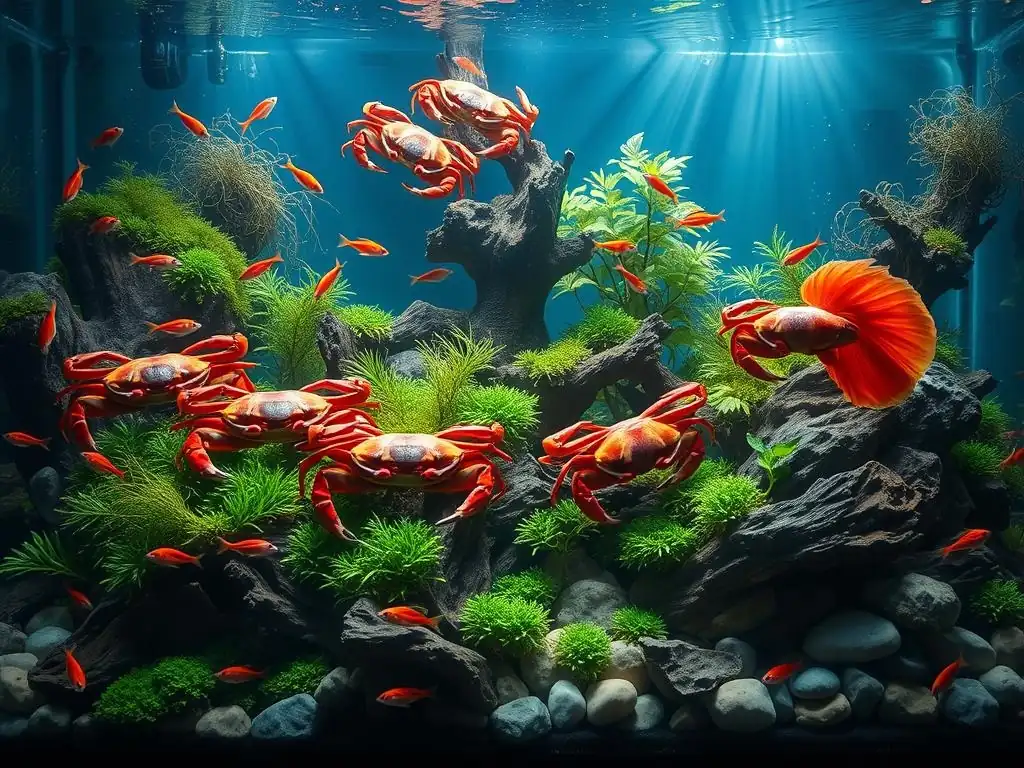
Ever wondered if those adorable Red Claw Crabs really belong in freshwater? Prepare to be surprised! Dive into our comprehensive guide on Red Claw Crab Care and uncover the often-misunderstood truth about their brackish water needs. Get ready to master the secrets to keeping these captivating crustaceans thriving in your aquarium! Intrigued? Read on to discover everything you need to know.
- Understanding Red Claw Crabs: Beyond the Freshwater Myth
- Essential Red Claw Crab Care: Creating the Ideal Habitat
- Red Claw Crab Diet and Feeding: What to Feed Your Crab
- Red Claw Crab Behavior and Compatibility: Tank Mates to Avoid
- Red Claw Crab Health and Common Issues: Prevention and Treatment
- Red Claw Crab Molting: A Natural Process
- Breeding Red Claw Crabs: Challenges and Possibilities
- Frequently Asked Questions
- Final Reflection: Understanding the Red Claw's True Home
- Unleash Your Inner Crab Keeper!
Understanding Red Claw Crabs: Beyond the Freshwater Myth
Red Claw Crab Habitat: Brackish Water is Key
Red Claw Crabs, scientifically known as Perisesarma bidens, are often mistakenly sold as true freshwater inhabitants in the aquarium trade. However, their natural habitat tells a different story. These fascinating crustaceans originate from mangrove swamps and estuaries across Southeast Asia, including countries like Thailand, Malaysia, and Indonesia. In these environments, freshwater rivers meet the ocean, creating a dynamic zone where salinity fluctuates, but is consistently brackish—a mix of fresh and saltwater.
Understanding this crucial aspect of their natural environment is paramount for effective red claw crab care. Unlike many aquarium species, Perisesarma bidens are not adapted to long-term survival in purely freshwater conditions. Providing the correct brackish environment, typically with a specific gravity ranging from 1.005 to 1.010, is fundamental to their health, longevity, and overall well-being in captivity. Without it, these crabs face significant physiological stress.
Debunking the Freshwater Misconception: Why Red Claw Crabs Need Salt
The misconception that Red Claw Crabs are freshwater creatures is a widespread and unfortunate error that leads to premature deaths in captivity. When kept in pure freshwater, these crabs struggle with osmoregulation—the process by which organisms maintain the balance of water and salts in their bodies. Their gills, designed for extracting oxygen from brackish water, are severely stressed in freshwater, leading to osmotic shock and organ damage.
Over time, this constant physiological strain weakens their immune system, makes them susceptible to shell problems, and drastically shortens their lifespan. While a red claw crab might survive for a few weeks or even months in freshwater, their natural lifespan, which can extend up to 2-3 years or more with proper red claw crab care, is severely curtailed. The presence of marine salt is not merely a preference; it's a biological necessity for their survival and thriving.
Perisesarma bidens Natural Environment: A Brackish Water Profile
The natural environment of Perisesarma bidens is a complex interplay of land and water, characterized by its brackish nature and tidal influences. These crabs inhabit the muddy shores and intricate root systems of mangrove forests, where they are semi-terrestrial, spending significant time both in and out of the water. The water itself is typically warm, between 75-82°F (24-28°C), and ranges from slightly brackish to moderately saline depending on the tide and seasonal rainfall.
Their natural habitat also features an abundance of leaf litter, decaying organic matter, and various hiding spots among roots and rocks. This provides both shelter from predators and a rich source of detritus and small invertebrates for foraging. Replicating these conditions, including the essential brackish water parameters and ample land access, is vital for successful red claw crab care, allowing them to exhibit natural behaviors and maintain optimal health.
Essential Red Claw Crab Care: Creating the Ideal Habitat
Setting Up a Red Claw Crab Tank: Brackish Water Parameters
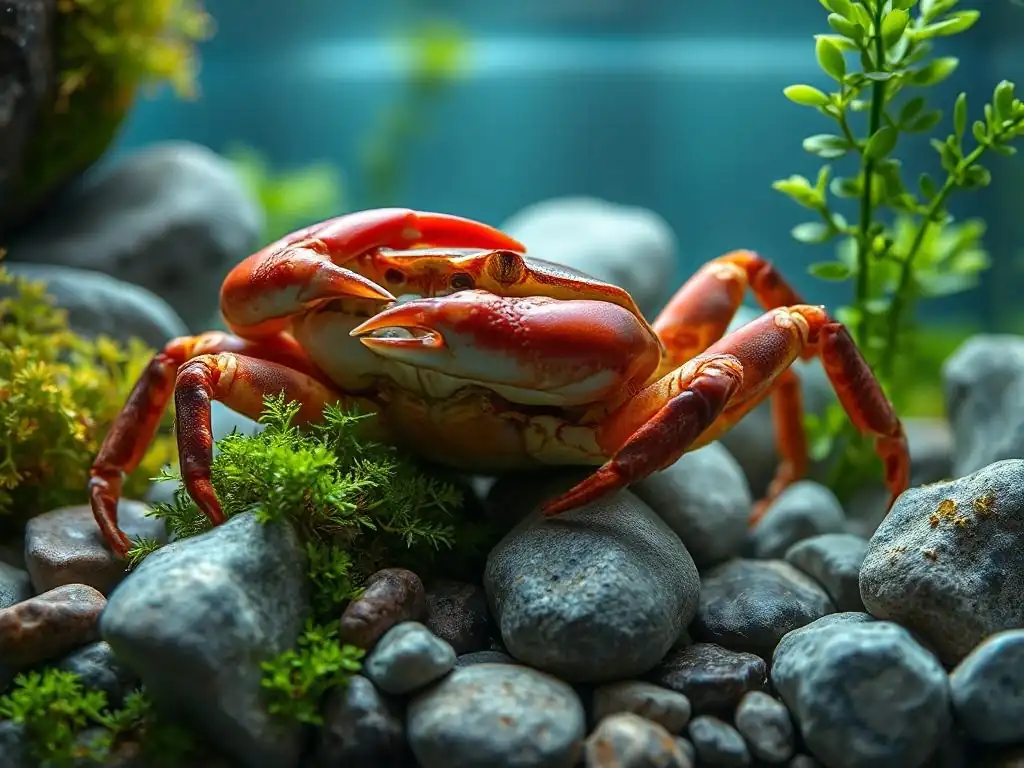
Establishing the correct water parameters is the cornerstone of effective red claw crab care. A dedicated brackish water setup is not just beneficial, but essential for their long-term health. Before introducing any crabs, the tank should be properly cycled, just like a freshwater or saltwater aquarium, to establish beneficial bacteria that process waste.
This involves monitoring ammonia, nitrite, and nitrate levels. For a single red claw crab, a 10-gallon aquarium is a minimum, but a 20-gallon long tank is significantly better, especially for a pair or trio, allowing ample space for both land and water areas. Proper red claw crab care begins with this foundational step.
Achieving the Right Salinity for Red Claw Crabs
The target specific gravity (SG) for Red Claw Crabs should be maintained consistently between 1.005 and 1.010. This is achieved by mixing marine salt – not aquarium salt or table salt – with dechlorinated freshwater. Marine salt mixes contain all the necessary trace elements found in natural seawater, which are crucial for the crabs' osmoregulation and molting process.
To measure salinity accurately, a hydrometer or, preferably, a refractometer should be used. When preparing water for changes, pre-mix the salt in a separate container and allow it to dissolve completely before adding it to the tank. Gradual adjustments are key to avoid shocking the crabs, ensuring stable conditions are maintained as part of diligent red claw crab care.
Water Chemistry Considerations: pH and Hardness for Perisesarma bidens
Beyond salinity, other water chemistry parameters play a significant role in the health of Perisesarma bidens. The ideal pH range for these crabs is slightly alkaline, typically between 7.5 and 8.5. This pH level helps prevent shell erosion and supports their overall physiological functions. Regular testing of pH is recommended to ensure stability.
Water hardness, specifically General Hardness (GH) and Carbonate Hardness (KH), is also important for shell development and successful molting. Red Claw Crabs thrive in moderately hard to hard water, with GH levels ideally between 10-20 dGH and KH between 8-15 dKH. These minerals provide the necessary building blocks for their exoskeleton. Including calcium-rich supplements in their diet further supports this aspect of red claw crab care.
Red Claw Crab Tank Setup: Land and Water Ratio
Given their semi-terrestrial nature, the land-to-water ratio is a critical component of proper red claw crab care. These crabs spend a significant portion of their time out of the water, exploring, foraging, and even molting on land. A tank that is entirely water-filled will inevitably lead to stress and premature death for Perisesarma bidens.
Ideally, at least 50% of the tank's footprint should be dedicated to a dry land area. This can be achieved through a sloped substrate, the use of large rocks or driftwood forming an island, or by utilizing a commercial turtle dock or elevated platform. Ensure that there are multiple easy access points for the crabs to move freely between the water and land.
Providing Ample Land Area for Red Claw Crabs
The land area within a red claw crab enclosure should not only be extensive but also provide hiding opportunities. Crabs are naturally shy creatures, especially when molting, and require secluded spots to feel secure. Cork bark, PVC pipes, ceramic caves, or even coconut shells can serve as excellent terrestrial hiding places.
The land portion should also be kept humid, which can be achieved by misting it occasionally with dechlorinated brackish water or by ensuring the water level is high enough to create ambient humidity without submerging the entire land mass. This humid land environment is vital for their respiratory system and overall comfort, making it a priority in red claw crab care.
Maintaining Water Quality in a Red Claw Crab Enclosure
Due to the relatively small water volume in a typical red claw crab setup, maintaining pristine water quality is paramount. Waste products can quickly accumulate, leading to dangerous ammonia and nitrite spikes, and high nitrate levels. A low-flow filter, such as a sponge filter or a small internal power filter, is generally sufficient and preferred to prevent strong currents that could stress the crabs.
Regular, small water changes are essential – typically 10-20% weekly. Always use pre-mixed, temperature-matched brackish water for changes. Gravel vacuuming the substrate in the water section will help remove uneaten food and detritus, further contributing to stable water parameters and effective red claw crab care.
Substrate Choices for Red Claw Crab Tanks: Sand, Coconut Fiber, and Gravel
The choice of substrate for a red claw crab tank is important for their comfort and natural behaviors, particularly burrowing. A combination of materials is often ideal to cater to both the aquatic and terrestrial sections of their habitat. For the land area, options like aquarium-safe coconut fiber (coco coir) or fine sand are excellent.
Coconut fiber allows for deep burrowing and retains humidity well, mimicking their natural muddy banks. Fine sand, such as play sand or aragonite sand, is also suitable for burrowing and can be used in both the land and shallow water sections. If using gravel in the water area, opt for smooth, rounded pebbles to prevent injuries to their delicate undersides and legs. A substrate depth of at least 3-4 inches on land is recommended to facilitate burrowing.
Red Claw Crab Diet and Feeding: What to Feed Your Crab
A Varied Diet for Healthy Red Claw Crabs: Food Options
Red Claw Crabs are omnivorous scavengers, meaning their diet in the wild consists of a wide variety of plant matter, detritus, and small invertebrates. To ensure optimal health and vibrant coloration in captivity, a varied diet is crucial. High-quality sinking pellets formulated for crabs or bottom feeders should form the staple of their diet. These often contain essential vitamins and minerals.
Supplement this with frozen foods such as bloodworms, brine shrimp, and mysis shrimp, offered in small portions. Fresh vegetables like blanched spinach, zucchini, peas, and carrots can also be offered, as can small pieces of protein like freeze-dried krill or earthworms. Providing this diverse range of foods is a key aspect of comprehensive red claw crab care.
Supplementing Your Red Claw Crab's Diet: Calcium and Vitamins
Calcium is an especially critical nutrient for Red Claw Crabs, vital for the development and hardening of their exoskeleton, particularly during the molting process. Without sufficient calcium, crabs can experience failed molts, which are often fatal. Sources of calcium can include small pieces of cuttlebone placed in the water or on the land area, calcium blocks, or specific calcium supplements designed for invertebrates.
Many high-quality commercial crab foods are fortified with vitamins, but occasional supplementation with liquid vitamin drops formulated for invertebrates can also be beneficial. Ensure that all supplements are safe for brackish water environments. Prioritizing calcium and vitamin intake significantly improves the success rate of molting and contributes to robust red claw crab care.
Feeding Schedule and Portion Control for Red Claw Crabs
A consistent feeding schedule and careful portion control are important for maintaining water quality and preventing obesity in Red Claw Crabs. It's generally best to feed them once a day, or every other day, offering only an amount they can consume within a few hours. Overfeeding can quickly foul the small water volume in their tank, leading to dangerous ammonia and nitrite spikes.
Observe your crabs during feeding time to gauge their appetite and adjust portions accordingly. Any uneaten food should be removed promptly, typically within 2-3 hours, to prevent decomposition and the proliferation of harmful bacteria. This diligent approach to feeding is a cornerstone of responsible red claw crab care.
Red Claw Crab Behavior and Compatibility: Tank Mates to Avoid
Understanding Red Claw Crab Temperament: Are They Aggressive?
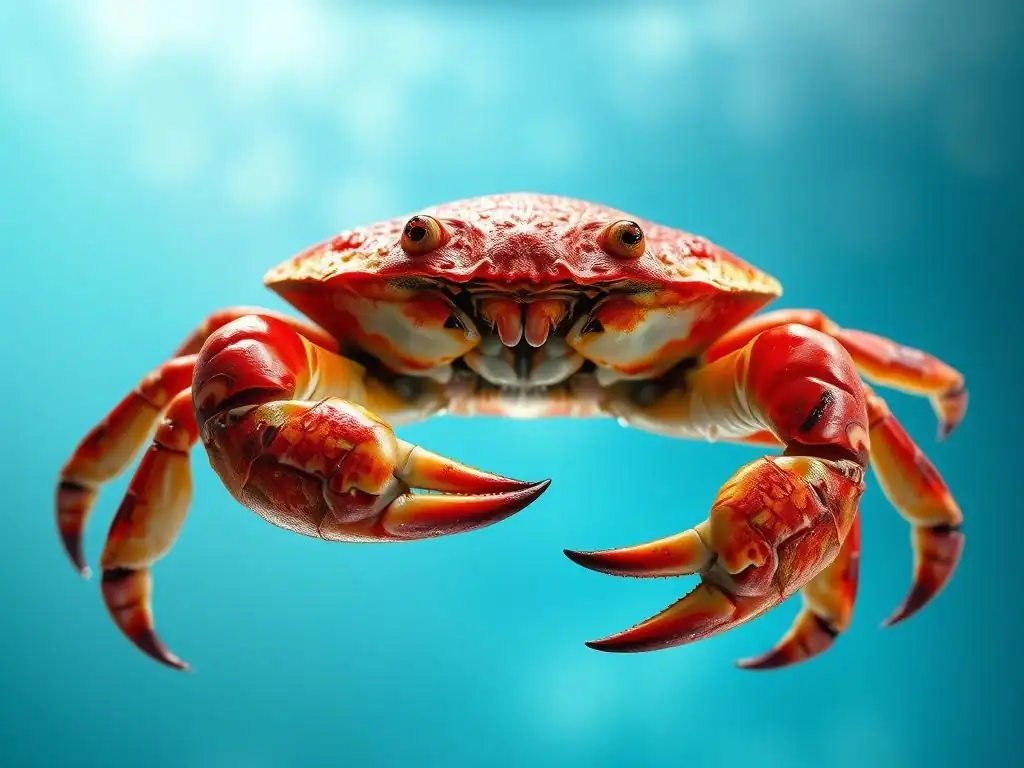
Red Claw Crabs, despite their intimidating appearance and common name, are generally considered peaceful to moderately aggressive. Males can be territorial, especially towards other males, and may engage in dominance displays or skirmishes over prime hiding spots or food. These conflicts can sometimes result in lost limbs, though crabs can regenerate these during subsequent molts.
Aggression is often exacerbated by overcrowding or a lack of sufficient hiding places. Providing ample space (at least 5-10 gallons per crab) and numerous secluded retreats on both land and water can significantly reduce territorial disputes. While they are not typically predatory towards fish much larger than themselves, their opportunistic nature means that very small, slow-moving, or sick fish could become a meal.
Choosing Compatible Tank Mates for Red Claw Crabs: Nerite Snails and Ghost Shrimp
Given their specific brackish water requirements and semi-terrestrial nature, finding truly compatible tank mates for Red Claw Crabs can be challenging. The most suitable companions are often other brackish-tolerant invertebrates. Nerite snails (e.g., Neritina natalensis) are an excellent choice, as they are hardy, tolerate brackish conditions well, and primarily graze on algae, posing no threat to the crabs (and vice versa).
Ghost shrimp ( Palaemonetes paludosus) can also be considered, though smaller individuals might occasionally be preyed upon by larger crabs. Some very specific types of mollies (e.g., Poecilia sphenops) can tolerate lower brackish salinities, but care must be taken to ensure they are fast-moving and large enough not to be seen as food. A species-only tank is often the safest and most successful approach for optimal red claw crab care.
Incompatible Species: Fish and Invertebrates to Avoid with Red Claw Crabs
Many common aquarium fish and invertebrates are entirely unsuitable as tank mates for Red Claw Crabs. Any true freshwater fish, such as bettas, guppies, or corydoras, will not survive the brackish conditions necessary for the crabs. Furthermore, slow-moving fish, bottom dwellers, or those with long, flowing fins are at high risk of being nipped or injured by the crabs, especially during foraging.
Other crabs, unless the tank is exceptionally large and provides extensive territories for each, should generally be avoided to prevent aggressive encounters. Large, aggressive fish might also pose a threat to the crabs themselves. The specialized nature of red claw crab care means that most "community tank" scenarios are ill-suited for these unique crustaceans.
Red Claw Crab Health and Common Issues: Prevention and Treatment
Recognizing Signs of Illness in Red Claw Crabs
Early detection of illness is crucial for successful red claw crab care. Healthy crabs are active, alert, and exhibit natural behaviors like burrowing, climbing, and foraging. Signs of illness can include lethargy, prolonged hiding, refusal to eat for extended periods, or dull, faded coloration.
Physical indicators of distress may involve unusual postures, difficulty moving, or a failure to properly retract limbs. Look for any visible growths, discoloration, or pitting on the shell, which could indicate bacterial or fungal infections. Any sudden changes in behavior or appearance warrant immediate investigation of water parameters and general tank conditions.
Common Red Claw Crab Health Problems: Shell Rot and Parasites
One of the most common health issues for Red Claw Crabs is shell rot, a bacterial or fungal infection that manifests as black spots, pitting, or fuzzy growths on the exoskeleton. This is often a direct result of poor water quality, inadequate calcium in the diet, or physical injury. If caught early, improving water parameters and providing a calcium-rich diet can help. In severe cases, a veterinarian experienced with aquatic invertebrates might suggest a medicated dip, but such treatments must be used with extreme caution as crabs are sensitive to many medications.
Parasites are less common but can occasionally be introduced via wild-caught specimens. Look for small, white specks (copepods) or leeches attached to the crab's body. Maintaining excellent water quality and providing a stress-free environment are the best preventative measures against most red claw crab health issues.
Preventing Health Issues Through Proper Red Claw Crab Care
Prevention is by far the most effective strategy in red claw crab care. Maintaining stable and appropriate brackish water parameters (specific gravity 1.005-1.010, pH 7.5-8.5, temperature 75-82°F) is paramount, as fluctuations cause significant stress. Regular water changes (10-20% weekly) are essential to keep nitrates low and replenish vital minerals.
A varied, calcium-rich diet supports strong shell development and successful molting. Providing ample land area, numerous hiding spots, and avoiding overcrowding reduces stress and territorial aggression. Quarantining new crabs before introducing them to an established tank can also prevent the spread of diseases. Diligent adherence to these practices significantly reduces the likelihood of health problems.
Red Claw Crab Molting: A Natural Process
Understanding the Molting Process in Perisesarma bidens
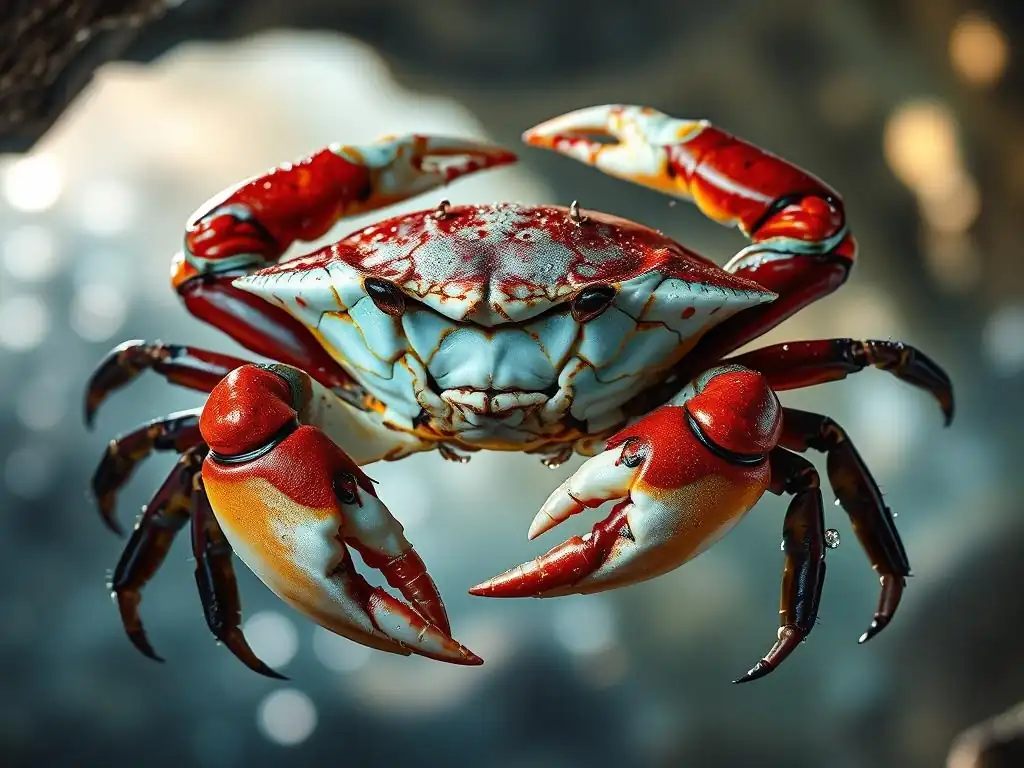
Molting is a natural and essential process for all crustaceans, including Perisesarma bidens. As crabs grow, their rigid exoskeleton cannot expand, so they must shed it to allow for new growth. Prior to a molt, a crab may become reclusive, stop eating, and appear lethargic for several days. The actual molting process can take anywhere from a few minutes to several hours, during which the crab carefully extracts itself from its old shell (exuvia).
Immediately after molting, the crab's new shell is soft and pliable. The crab will absorb water to increase its size before the new shell begins to harden, a process that can take several days. During this vulnerable period, the crab will typically hide and remain still. The old exoskeleton should be left in the tank, as the crab will often consume it to re-absorb valuable calcium and other minerals, which is crucial for the hardening of its new shell.
Creating a Safe Molting Environment for Red Claw Crabs
Creating a safe and stress-free molting environment is a critical aspect of red claw crab care. The most important factor is providing plenty of secure hiding spots, both on land and in the water. These can include small caves, PVC pipes, driftwood, or dense plant cover. The crab needs a place where it can feel completely safe from potential threats, including tank mates or even other crabs.
Stable water parameters, including appropriate salinity, pH, and calcium levels, are also vital for a successful molt. Fluctuations or deficiencies can lead to incomplete molts, which are often fatal. Ensure that the substrate allows for burrowing, as some crabs prefer to molt partially buried.
What to Do (and Not Do) During a Red Claw Crab Molt
During a Red Claw Crab's molt, patience and non-interference are key. DO: Ensure the crab has access to multiple hiding spots. Confirm that water parameters are stable and calcium is readily available in their environment or diet. Leave the old exoskeleton in the tank; the crab will typically consume it for its calcium content. Continue to offer food, but do not be alarmed if the crab does not eat immediately after molting, as its new shell needs to harden first.
DO NOT: Disturb the crab during or immediately after molting. Do not remove the old shell, as it serves as a vital source of nutrients. Avoid introducing new tank mates or making drastic changes to the tank setup during this sensitive period. A failed molt is a common cause of death for crabs in captivity, underscoring the importance of optimal red claw crab care during this vulnerable time.
Breeding Red Claw Crabs: Challenges and Possibilities
The Difficulty of Breeding Red Claw Crabs in Captivity
Breeding Red Claw Crabs ( Perisesarma bidens) in a home aquarium setting is exceptionally challenging and rarely successful for the average hobbyist. While they may mate and carry eggs, raising the larvae to adulthood requires highly specialized conditions that are difficult to replicate outside of a laboratory or dedicated breeding facility. This is primarily due to their complex larval stages, which have very specific environmental and dietary requirements.
Most Red Claw Crabs available in the pet trade are wild-caught rather than captive-bred, a testament to the inherent difficulties in their reproduction. Despite the challenges, understanding their breeding process sheds light on their natural life cycle and the intricate demands of advanced red claw crab care.
Creating Breeding Conditions: Specialized Brackish Water Setup
For breeding to even begin, a male and female pair are needed, often identifiable by the male's larger claws and narrower abdomen. Conditioning the pair with a high-protein diet can encourage breeding. Females carry their eggs, often numbering in the hundreds, under their abdomen until they are ready to hatch. When the eggs hatch, they release free-swimming larvae, known as zoea.
This is where the specialized setup becomes critical: the zoea larvae require full marine (saltwater) conditions, not just brackish, with a specific gravity typically around 1.020-1.025, and precise water quality parameters. A separate breeding tank is essential to prevent predation on the tiny larvae and to allow for the drastic change in salinity.
Raising Red Claw Crab Larvae: Zoea Stage Challenges
The zoea stage is the most formidable hurdle in raising Red Claw Crabs. These microscopic larvae are planktonic and extremely delicate, requiring a specific diet of live, microscopic organisms such as rotifers and newly hatched brine shrimp nauplii. They are highly sensitive to water quality, requiring pristine conditions and frequent water changes in their marine environment.
The larvae undergo multiple molts through several zoea stages, typically over a period of 3-4 weeks, before transforming into a megalopa stage. The megalopa resembles a tiny crab with a tail and is capable of swimming and crawling. After another molt, they finally transition into a miniature juvenile crab, at which point they can be gradually acclimated back to brackish water. This multi-stage process, with its precise demands for salinity changes and live food, highlights why successful captive breeding and advanced red claw crab care for reproduction remain largely within the realm of professional aquaculturists.
Frequently Asked Questions
How difficult is it to care for Red Claw Crabs (Perisesarma bidens) in an aquarium?
Red Claw Crabs can be moderately challenging due to their specific brackish water requirements and need for both land and water access. However, with proper setup and maintenance, they can thrive.
Do Red Claw Crabs require freshwater or saltwater?
Contrary to some beliefs, Red Claw Crabs need brackish water, a mix of freshwater and saltwater. Maintaining the correct salinity level is crucial for their health.
What size tank is recommended for Red Claw Crabs?
A minimum of 10 gallons is recommended for a few Red Claw Crabs. They need ample space for both aquatic and terrestrial zones to explore.
What do Red Claw Crabs eat?
Red Claw Crabs are omnivores and will eat a variety of foods, including algae, sinking pellets, and small frozen foods like bloodworms.
What are some common health problems that affect Red Claw Crabs?
Common issues include shell rot (due to poor water quality), molting problems (often linked to mineral deficiencies), and stress caused by improper tank conditions.
Okay, here's a final reflection tailored for your article "Red Claw Crabs (Perisesarma bidens): The Truth About Their 'Freshwater' Needs," designed to resonate with readers interested in Red Claw Crab care:
Final Reflection: Understanding the Red Claw's True Home
The information presented throughout this article underscores a crucial point: successful Red Claw Crab care hinges on understanding their brackish water needs. Misinformation perpetuates the myth of purely freshwater environments, leading to preventable suffering. This understanding is not just about keeping a pet alive; it's about respecting the intricate ecological niche this fascinating creature occupies and providing an environment that allows it to thrive.
The ongoing misrepresentation of Red Claw Crab habitats highlights a broader issue: the responsibility we bear when bringing wild creatures into our homes. We must actively challenge misinformation and prioritize accurate, species-specific care. In the end, we will conserve only what we love; we will love only what we understand; and we will understand only what we are taught.
- Baba Dioum. This quote serves as a powerful reminder that informed care is the foundation of responsible pet ownership and conservation.
Now, armed with the truth about their brackish water requirements, I encourage you to reflect on your own approach to Red Claw Crab care. Are you providing the environment they truly need? Take the initiative to reassess your setup, share this knowledge with fellow enthusiasts, and contribute to a future where these captivating crabs flourish in our care. Let's work together to ensure that every Red Claw Crab enjoys a life as vibrant and fulfilling as their natural habitat allows.
Unleash Your Inner Crab Keeper!
Thank you for diving into the world of Red Claw Crabs! We hope you found this exploration of their habitat needs insightful and empowering. Now, it's time to put that knowledge into action and create the perfect environment for these fascinating creatures.
Here are a few ways to further your understanding and involvement:
- Commit to reevaluating your crabitat! Use what you've learned to adjust humidity and land access to ensure a thriving environment for your Red Claw Crabs.
- Explore related species! Expand your knowledge by researching similar crab species and their unique care requirements, widening your understanding of brackish ecosystems.
- Share your experiences! Join online forums and communities to exchange tips, tricks, and stories with fellow crab enthusiasts.
What's the first adjustment you'll make to your crabitat based on what you've learned today?