
The Art of Separation: Key Strategies to Protect Eggs and Fry from Parental Cannibalism

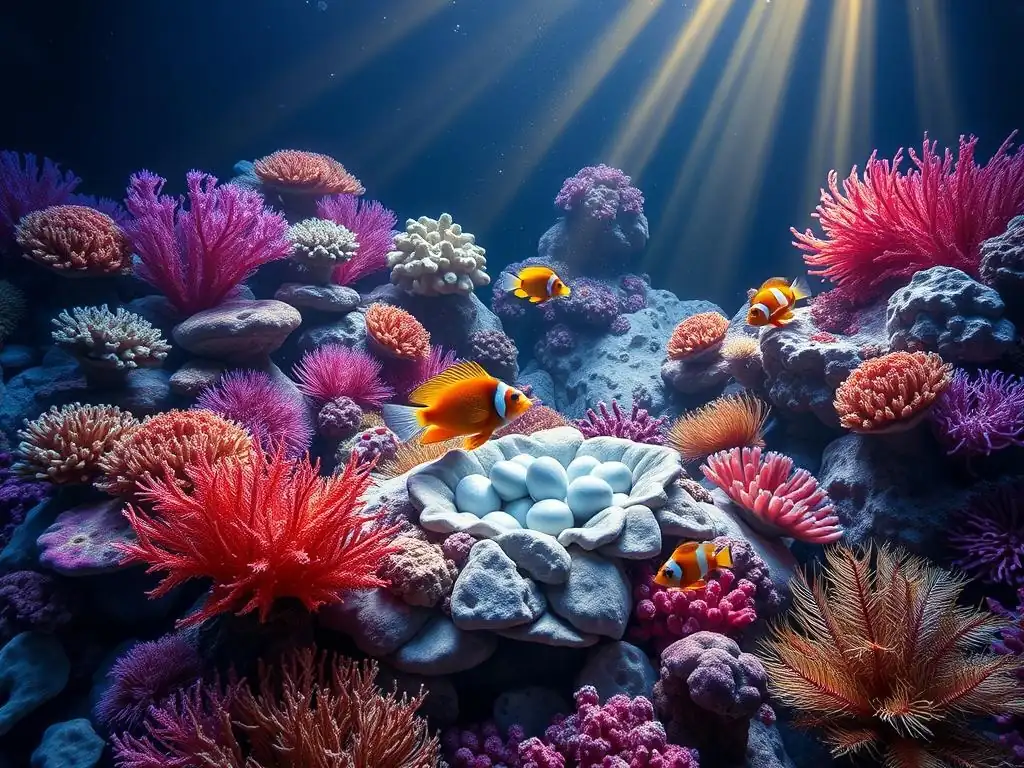
Welcome to Aquarium Mastery, your ultimate guide to thriving aquatic ecosystems!
Ever wondered how to navigate the tricky waters of saltwater fish breeding, especially when parental cannibalism threatens your precious fry? This guide dives deep into the art of separation, revealing essential strategies to safeguard your eggs and young. Discover proven techniques and expert advice to ensure your next generation flourishes. Ready to master the art of protecting your saltwater offspring? Let's begin!
- Understanding Parental Cannibalism in Saltwater Fish
- Pre-Breeding Strategies to Minimize Saltwater Fish Parental Cannibalism
- Implementing Effective Egg and Fry Separation Techniques
- Post-Hatching Strategies for Fry Survival
- Advanced Techniques to Reduce Cannibalism in Saltwater Aquariums
- Preventing Saltwater Fish Fry Loss: A Comprehensive Approach
- Conclusion: Mastering Fry Rearing and Minimizing Parental Cannibalism in Saltwater Aquariums
-
Frequently Asked Questions
- What is parental cannibalism in saltwater fish aquariums?
- Why do saltwater fish eat their own offspring?
- What are some key strategies to prevent parental cannibalism in my saltwater aquarium?
- How can I create a safe environment for saltwater fish fry in a community tank?
- What should I feed saltwater fish fry to ensure their survival and growth?
- Final Reflection: Safeguarding the Future
- Nurture Life: Safeguard Your Fry's Future!
Understanding Parental Cannibalism in Saltwater Fish
Why Saltwater Fish Eat Their Own Eggs and Fry
Parental cannibalism, the act of adult fish consuming their own eggs or fry, is a complex behavior rooted in both evolutionary pressures and environmental factors. From an evolutionary standpoint, it can be a survival mechanism, ensuring that only the strongest, most viable offspring survive, or serving as a means to reclaim valuable nutrients and energy if conditions become unfavorable for successful rearing. For instance, a stressed parent might reabsorb eggs to conserve energy for its own survival, especially if food resources are scarce or water quality deteriorates.
In the confined environment of a home aquarium, this natural instinct can be exacerbated by various stressors. Factors such as inadequate tank space, poor water quality, nutritional deficiencies, or the presence of perceived threats (including the aquarist themselves) can trigger this behavior. For example, a pair of Ocellaris Clownfish, typically good parents, might consume their clutch if the tank experiences a sudden temperature swing of more than 2°F or if aggressive tank mates constantly harass them, leading to increased stress and a perceived inability to protect their offspring.
Factors Influencing Cannibalistic Behavior in Aquarium Fish
Environmental stressors are primary drivers of saltwater fish parental cannibalism. Suboptimal water parameters, such as fluctuating salinity (e.g., drops below 1.020 or spikes above 1.026), unstable pH (outside the ideal range of 8.0-8.4 for most marine species), or elevated levels of ammonia and nitrite, can significantly stress breeding pairs. A tank that is too small for the breeding pair, perhaps a 10-gallon tank for a pair of larger gobies, can also induce stress and aggression, leading to egg consumption as a response to perceived overcrowding or lack of security.
Beyond environmental conditions, nutritional deficiencies and individual temperament play crucial roles. A diet lacking essential vitamins, minerals, and fatty acids can weaken the parents, making them less capable of guarding and more prone to consuming their progeny for immediate nutrient replenishment.
Furthermore, some fish exhibit naturally poor parental instincts, or they may be first-time breeders who are still learning. Even within the same species, individual fish can vary in their propensity for parental care, with some pairs consistently consuming eggs while others are diligent guardians, making prior research and observation vital for any aspiring breeder aiming to prevent saltwater fish parental cannibalism.
Identifying Species Prone to Parental Cannibalism
Identifying which saltwater fish species are more prone to parental cannibalism is a critical first step in successful breeding. While many marine fish species exhibit some degree of parental care, certain groups are known for higher instances of consuming their eggs or fry, especially under stress.
For example, some species of damselfish and certain gobies, if not provided with ample space and a secure breeding site, may revert to cannibalistic tendencies. Even popular species like seahorses, while generally good parents, can accidentally consume their young if stressed or if the fry are too small to navigate the water column effectively immediately after birth.
Conversely, some species are renowned for their excellent parental care, such as many clownfish species (e.g., Amphiprion ocellaris, Amphiprion percula) and certain blennies, which diligently guard their nests. However, even these species can exhibit saltwater fish parental cannibalism if conditions are severely suboptimal. Therefore, thorough research into the specific breeding habits, parental care instincts, and known challenges of your chosen species is paramount. Consulting reliable sources like the "Marine Breeding Initiative" (MBI) database can provide valuable insights into specific species' behaviors and common pitfalls in their captive breeding.
Pre-Breeding Strategies to Minimize Saltwater Fish Parental Cannibalism
Choosing Compatible Saltwater Fish Species for Breeding
Selecting the right saltwater fish species is the foundational step in minimizing parental cannibalism. Not all species are equally suited for captive breeding, and their inherent parental behaviors vary widely.
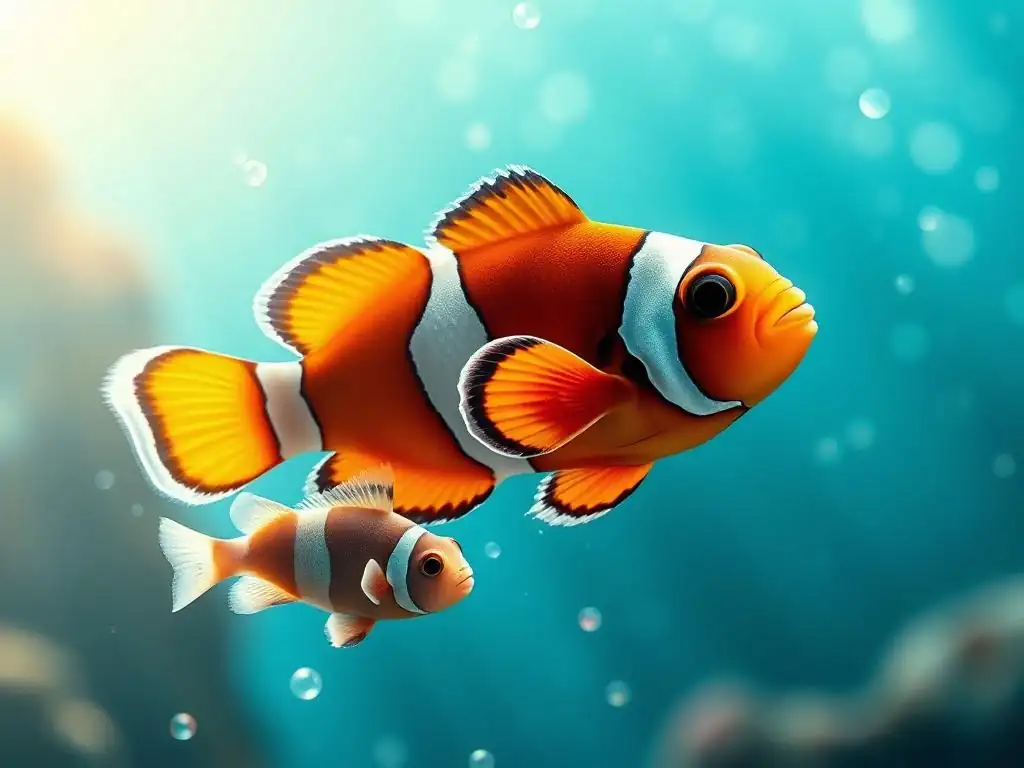
For instance, while clownfish are often cited as good candidates due to their relatively strong parental instincts and clear spawning rituals, some other species, such as certain wrasses or anthias, may scatter their eggs with little to no parental care, making them inherently more susceptible to being consumed by parents or other tank inhabitants. Focus on species known to exhibit some form of parental investment, even if it's just guarding a nest.
Beyond the species' innate parental behaviors, compatibility within the breeding pair and with other tank inhabitants is crucial. An aggressive male or a mismatched pair can lead to stress, which is a primary trigger for saltwater fish parental cannibalism. Ensure that the chosen pair has bonded well, often indicated by synchronous swimming and mutual defense of a territory.
Furthermore, any other fish in the breeding tank must be non-aggressive and ideally ignore the breeding pair and their eggs. Introducing dither fish, for example, can sometimes reduce stress by providing a sense of security, but aggressive tank mates will only exacerbate the problem.
Optimizing Tank Conditions for Breeding Success
Creating an optimal breeding environment is paramount to encourage spawning and minimize the likelihood of saltwater fish parental cannibalism. Stable and pristine water parameters are non-negotiable. This includes maintaining a consistent temperature (e.g., 78-80°F for many tropical species), stable salinity (e.g., 1.024-1.026 specific gravity), and appropriate pH (8.1-8.3), alkalinity (8-12 dKH), and calcium levels (400-450 ppm). Regular water changes (e.g., 10-20% weekly) with high-quality reverse osmosis/deionized (RO/DI) water are essential to keep nitrates low (below 10 ppm) and replenish trace elements.
Adequate space and appropriate aquascaping are also critical. A dedicated breeding tank, often 20-40 gallons for a pair of medium-sized fish like clownfish, provides a low-stress environment free from other tank inhabitants. Include suitable spawning surfaces, such as terracotta pots, flat rocks, or smooth PVC pipes for clownfish, or specific types of live rock for gobies and blennies.
Providing ample hiding spots for the parents can also reduce stress, making them feel more secure and less inclined to consume their offspring out of perceived threat or vulnerability. A gentle water flow, perhaps from a small powerhead or sponge filter, should be present but not so strong as to dislodge eggs or stress the parents.
Nutritional Considerations Before Breeding
Optimal nutrition is a cornerstone of successful breeding and a key strategy to prevent saltwater fish parental cannibalism. Prior to breeding, parents should be conditioned with a high-quality, varied diet rich in proteins, essential fatty acids (EFAs), and vitamins. Feed a diverse range of foods, including enriched frozen mysis shrimp, brine shrimp, spirulina flakes, and high-quality pellets. For instance, supplementing the diet with foods enriched with Omega-3 fatty acids, such as DHA (docosahexaenoic acid), is crucial for egg and sperm quality and overall parental vigor. Many commercial fish foods are now fortified with these essential nutrients.
Feeding frequency should also be increased during conditioning, often 2-3 times daily, to ensure parents are well-nourished and have ample energy reserves for egg production and parental care. A well-fed pair is less likely to view their eggs or fry as a food source due to hunger or nutritional deficiency.
Consider adding liquid vitamin supplements (e.g., Selcon) to frozen foods or directly to the water a few times a week, ensuring the parents receive a full spectrum of micronutrients. This comprehensive nutritional approach not only boosts fertility and egg viability but also significantly reduces the physiological stress that can lead to saltwater fish parental cannibalism.
Implementing Effective Egg and Fry Separation Techniques
Moving Eggs: Timing and Methods for Safe Transfer
The decision to move eggs is highly species-specific and requires precise timing to minimize stress to both parents and eggs. For many demersal spawners, such as clownfish, eggs are laid on a substrate and guarded by the parents. For clownfish, egg transfer is typically performed between 7 to 8 days post-spawn, when the eggs are well-developed and just a few days from hatching, often indicated by the appearance of silver eyes. Moving them too early can damage delicate embryos, while moving them too late risks parental consumption or hatching in the main tank where survival rates are minimal.
Methods for safe transfer vary. If eggs are laid on a removable tile or terracotta pot, the entire substrate can be carefully moved to a separate hatching tank. For eggs laid directly on tank glass or non-removable rock, a soft, blunt instrument like a credit card or a specialized egg-scraper can be used to gently lift the egg mass.
During transfer, it is crucial to keep the eggs submerged in water at all times to prevent desiccation and avoid air exposure, which can be fatal to developing embryos. Match the water parameters of the receiving tank precisely to those of the breeding tank to prevent osmotic shock.
Establishing Separate Hatching Tanks or Nurseries
Establishing a dedicated hatching tank or nursery is arguably the most effective strategy to prevent saltwater fish parental cannibalism and ensure high fry survival rates. This separate environment removes the eggs or newly hatched fry from the predatory instincts of the parents and other tank inhabitants, providing a controlled and safe space for development. The size of the nursery tank can vary, but a 5 to 20-gallon tank is often sufficient for a single clutch of most marine species, offering enough volume for stable parameters without being overwhelmingly large for tiny fry.
The benefits of a separate nursery are manifold: complete control over water quality, precise temperature regulation, and the ability to provide species-specific first foods without fouling the main display tank. This isolation allows the aquarist to closely monitor fry development, address any health issues promptly, and manage feeding schedules without competition from adults. While it requires an initial investment in equipment and time, the significant increase in fry survival rates makes it an indispensable step for serious marine breeders.
Setting Up a Fry Rearing Tank: Essential Equipment and Parameters
Setting up a fry rearing tank requires specific equipment tailored to the delicate nature of marine fry. Essential components include:
- Tank: A bare-bottom tank (e.g., 5-20 gallons) is ideal for easy cleaning and observation.
- Heater: A reliable submersible heater to maintain stable temperatures (e.g., 78-80°F).
- Air Stone/Sponge Filter: A small air stone connected to an air pump provides gentle aeration and circulation without creating strong currents that can harm fry. A mature sponge filter (seeded from an established tank) offers biological filtration and a safe surface for fry to graze on micro-organisms, without the risk of sucking up fry, unlike power filters.
- Thermometer: To monitor temperature accurately.
- Lighting: A low-wattage light to facilitate observation and encourage natural behaviors.
Water parameters in the fry rearing tank must precisely match those of the breeding tank to avoid shock during transfer. This includes salinity (e.g., 1.024-1.026 SG), pH (8.1-8.3), and temperature. Ammonia and nitrite must remain at zero, and nitrates kept as low as possible, ideally below 5 ppm.
Maintaining Optimal Water Quality for Fry Development
Maintaining pristine water quality is paramount for the survival and healthy development of marine fry. Due to their small size and rapid metabolism, fry are extremely sensitive to even minute fluctuations in water parameters and the buildup of waste products. Small, frequent water changes are the cornerstone of this maintenance. For instance, performing 10-20% water changes daily or every other day, using aged, pre-mixed saltwater that perfectly matches the tank's parameters, is often recommended.
Careful siphoning of uneaten food and waste from the bare bottom of the tank is also critical. A small airline tubing can be used for this purpose, allowing for precise removal of detritus without sucking up delicate fry. Overfeeding, while tempting to ensure fry are well-fed, must be avoided as it rapidly degrades water quality. Monitoring water parameters daily with reliable test kits is essential to catch any deviations early and make immediate adjustments, thereby preventing common fry losses due to poor water conditions.
Using Breeding Traps or Isolation Boxes
Breeding traps and isolation boxes offer a convenient, albeit often temporary, solution for separating eggs or fry from adult fish within the main display tank. These devices are typically made of mesh or clear plastic, designed to hang inside the aquarium, allowing water circulation while keeping the isolated inhabitants safe. They are particularly useful for livebearers, where the pregnant female can be placed inside to give birth, and the fry can then safely drop through a grate into a separate compartment, away from the mother's predatory instincts.
For egg-laying species, some traps can be used to protect a small clutch of eggs that are laid on a removable surface. Once the eggs hatch, the fry are contained within the box. While they offer the advantage of not requiring a separate dedicated tank, their limitations often outweigh their benefits for long-term marine fry rearing, especially for species that produce numerous, tiny offspring.
Advantages and Disadvantages of Breeding Traps
Advantages of Breeding Traps:
- Convenience: They eliminate the immediate need for a separate, dedicated fry rearing tank, saving space and initial setup time.
- Water Parameters: Fry remain in the main tank's water, simplifying parameter matching.
- Observation: Easy to observe parents and fry within the main tank environment.
Disadvantages of Breeding Traps:
- Limited Space: Most traps are very small, leading to cramped conditions that stress both parents (if isolated) and fry. This can stunt fry growth and increase mortality.
- Poor Water Flow: Despite perforations, water circulation within the traps is often inadequate, leading to stagnant areas and rapid buildup of waste products from fry and uneaten food. This quickly degrades water quality.
- Stress and Injury: Parents isolated in traps can become highly stressed, potentially leading to premature birth or even death. Fry can get stuck in mesh or plastic seams, leading to injury or death.
- Not Ideal for Long-Term Rearing: Due to space and water quality issues, breeding traps are generally unsuitable for raising marine fry beyond their first few days or weeks; a dedicated nursery tank is almost always required for successful long-term rearing.
Designing Effective Isolation Boxes for Fry Protection
For those who opt for a more robust in-tank isolation solution than standard breeding traps, designing or selecting effective isolation boxes is key. These are typically larger than off-the-shelf breeding traps, offering more space and better water flow. A common DIY approach involves using a clear plastic container (e.g., a food storage container) with numerous small holes drilled into its sides and bottom. These holes must be small enough to prevent fry escape but large enough to ensure excellent water exchange with the main tank.
The size of the isolation box should be proportionate to the expected number of fry and the duration of their stay. For example, an 8x8x8 inch box might suffice for a small clutch of clownfish fry for the first week, while larger clutches or longer isolation periods would require bigger dimensions.
Ensuring the box is suspended securely and that its holes are kept clear of detritus is vital for maintaining water quality within the isolated environment. While still not a substitute for a dedicated fry tank for long-term rearing, a well-designed isolation box can provide a safer temporary haven than standard breeding traps, reducing immediate saltwater fish parental cannibalism risk.
Post-Hatching Strategies for Fry Survival
Providing Appropriate First Foods for Saltwater Fish Fry
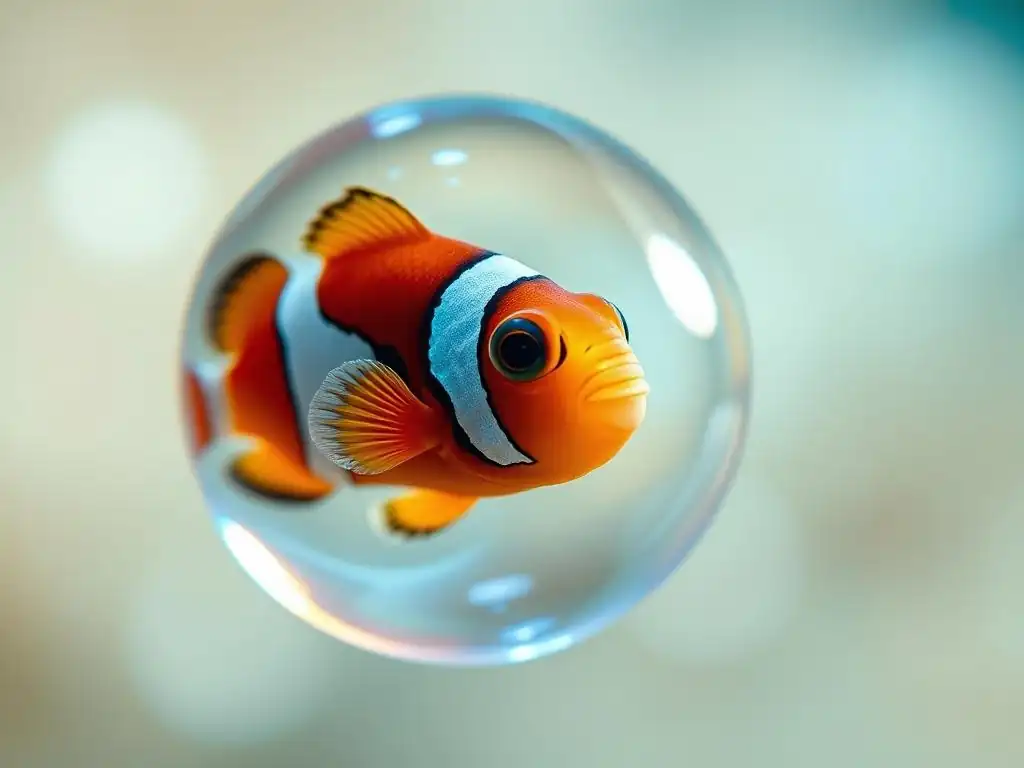
The provision of appropriate first foods is perhaps the most critical factor in the survival of newly hatched marine fry. Unlike freshwater fry, most saltwater fry are pelagic (free-swimming in the water column) and incredibly small, often less than 2-3 millimeters in length. Their mouths are microscopic, meaning they require live food that is equally tiny and highly nutritious.
For many species, especially clownfish and gobies, this necessitates the culture of rotifers (e.g., Brachionus plicatilis). Rotifers, typically 50-200 microns in size, are the perfect initial food source due to their small size, slow swimming speed, and high nutritional value when enriched.
Feeding frequency is also paramount. Marine fry have high metabolic rates and require constant access to food. This often translates to feeding them multiple times a day, sometimes every 3-4 hours, or even maintaining a continuous low concentration of food in the water column using a dosing pump. Insufficient feeding or providing food that is too large will lead to starvation, which is a leading cause of saltwater fish fry loss. As fry grow, their diet can gradually transition to larger live foods like newly hatched brine shrimp ( Artemia nauplii), copepods, and eventually finely crushed dry foods.
Live Food Cultures: A Necessity for Many Species
For the successful rearing of most marine fish fry, establishing and maintaining live food cultures is not just an option, but a necessity. The primary live food for many species, particularly clownfish, is the rotifer ( Brachionus plicatilis). These tiny organisms are cultured in separate containers using specific phytoplankton (e.g., Nannochloropsis oculata or Tetraselmis chuii) as their food source. A healthy rotifer culture ensures a continuous supply of appropriately sized, nutritious food for the delicate fry during their critical first weeks.
As fry grow, typically after 7-10 days, they can often be transitioned to larger live foods such as newly hatched brine shrimp ( Artemia nauplii), which are about 400-500 microns in size. Some species, like certain gobies or seahorse fry, may also benefit from copepods, which offer a more natural and nutritionally complete diet than brine shrimp alone. Maintaining multiple live food cultures (rotifers, brine shrimp, and potentially copepods) provides a varied and size-appropriate diet, significantly boosting fry survival rates and ensuring they receive the essential fatty acids and proteins required for rapid growth and development.
Prepared Fry Foods: Supplementing Live Food Diets
While live food cultures are often indispensable for the initial stages of marine fry development, prepared fry foods can serve as valuable supplements or, for a very limited number of species with larger mouthparts, even primary food sources. These typically include micro-encapsulated diets, finely powdered flakes, or specialized liquid fry foods. Products like Otohime or TDO (Top Dressed Otohime) are examples of high-quality, nutritionally complete dry foods that come in various particle sizes, from 50 microns up to 800 microns, making them suitable for different stages of fry growth.
However, using prepared foods for marine fry comes with significant challenges. They can quickly foul the water if not consumed immediately, leading to rapid deterioration of water quality, which is highly detrimental to sensitive fry.
Therefore, if used, they should be offered in very small quantities multiple times a day, with diligent siphoning of uneaten particles. While they offer convenience and consistent nutrition, for most marine species, especially those with very small mouths and high nutritional demands, prepared foods are best used as a supplement to live foods, especially as the fry grow larger and are less reliant on microscopic prey.
Gradual Reintroduction: A Risky but Rewarding Strategy
Gradual reintroduction of fry to the main display tank is a strategy fraught with risk and generally not recommended for most hobbyists, particularly if the goal is maximum survival. The primary challenge is the inherent predatory nature of adult fish, including the parents, and the vast difference in size between the fry and the established tank inhabitants. Even if parents have not exhibited saltwater fish parental cannibalism of eggs, they may still consume their free-swimming fry.
If reintroduction is attempted, it must be done only when the fry are large enough to avoid being seen as food by the smallest inhabitants of the main tank, typically several months old and several centimeters in length. The process involves a lengthy acclimation period, often drip acclimation over several hours, to match water parameters precisely.
Even then, success rates are low, and the risk of the fry being eaten or succumbing to stress or disease from the established bioload remains very high. For most marine breeders, the goal is to raise fry to a marketable or suitable size in dedicated grow-out tanks before considering introduction to a larger, community display.
Advanced Techniques to Reduce Cannibalism in Saltwater Aquariums
Creating Complex Aquascapes with Hiding Places
A strategically designed aquascape can significantly reduce the incidence of saltwater fish parental cannibalism and improve overall fry survival, even if eggs or fry remain in the main tank. Complex rock structures, abundant live rock with numerous crevices and caves, and dense patches of macroalgae (e.g., Chaetomorpha or Caulerpa) provide essential hiding places for newly hatched fry. These intricate environments offer refuge from both predatory parents and other tank inhabitants, increasing the chances of survival during their most vulnerable stages.
For species that lay eggs on specific surfaces, positioning these surfaces within a complex structure can also offer additional protection. For example, a clownfish breeding tile placed within a dense cluster of live rock or a large anemone provides natural barriers.
The visual breaks and physical obstacles created by a well-structured aquascape can disorient predators, making it harder for them to locate and consume small fry. While not a substitute for a dedicated fry tank, a highly complex aquascape can dramatically improve the odds of some fry surviving in a community setting, particularly for species that produce large numbers of offspring.
Employing Dither Fish to Reduce Parental Aggression
The use of dither fish is an advanced technique sometimes employed to manage aggression and stress in breeding pairs, potentially indirectly reducing saltwater fish parental cannibalism. Dither fish are typically small, peaceful, and active fish that are not preyed upon by the breeding pair. Their constant, calm movement in the water column can signal to the breeding pair that the environment is safe and free of immediate threats, thereby reducing their overall stress levels and potentially their tendency to consume eggs or fry out of anxiety.
For instance, a small school of peaceful chromis ( Chromis viridis) in a large breeding tank might provide this calming effect. However, this strategy must be approached with extreme caution in a breeding setup. The dither fish themselves could become predators of eggs or fry, or their presence could add to the bioload and stress the breeding pair further if the tank is too small. This technique is generally more applicable to reducing aggression between adult fish or preventing stress-induced egg abandonment, rather than a direct solution for preventing parental consumption of fry, which often requires physical separation.
Using Light and Dark Cycles to Manage Feeding Behavior
Manipulating light and dark cycles can be an advanced technique to influence parental behavior and potentially reduce the incidence of saltwater fish parental cannibalism, particularly during the hatching phase. For species where eggs are guarded by parents, maintaining dim lighting or even complete darkness during the expected hatching period can be beneficial. Many marine fish are less active and less likely to feed aggressively in low light conditions, which may reduce the chances of accidental or intentional consumption of newly hatched, transparent fry.
Furthermore, some breeders use specific light cycles to encourage or discourage spawning. For example, a gradual increase in daylight hours, mimicking seasonal changes, can stimulate breeding. Once eggs are laid, a consistent, subdued light cycle can help maintain a calm environment around the nest. However, this technique is highly species-specific and requires careful observation. Overly dark conditions can also stress some parents or make it difficult for them to guard their nest effectively, potentially leading to increased saltwater fish parental cannibalism out of perceived vulnerability or lack of control over their environment.
Preventing Saltwater Fish Fry Loss: A Comprehensive Approach
Monitoring Fry Development and Adjusting Strategies
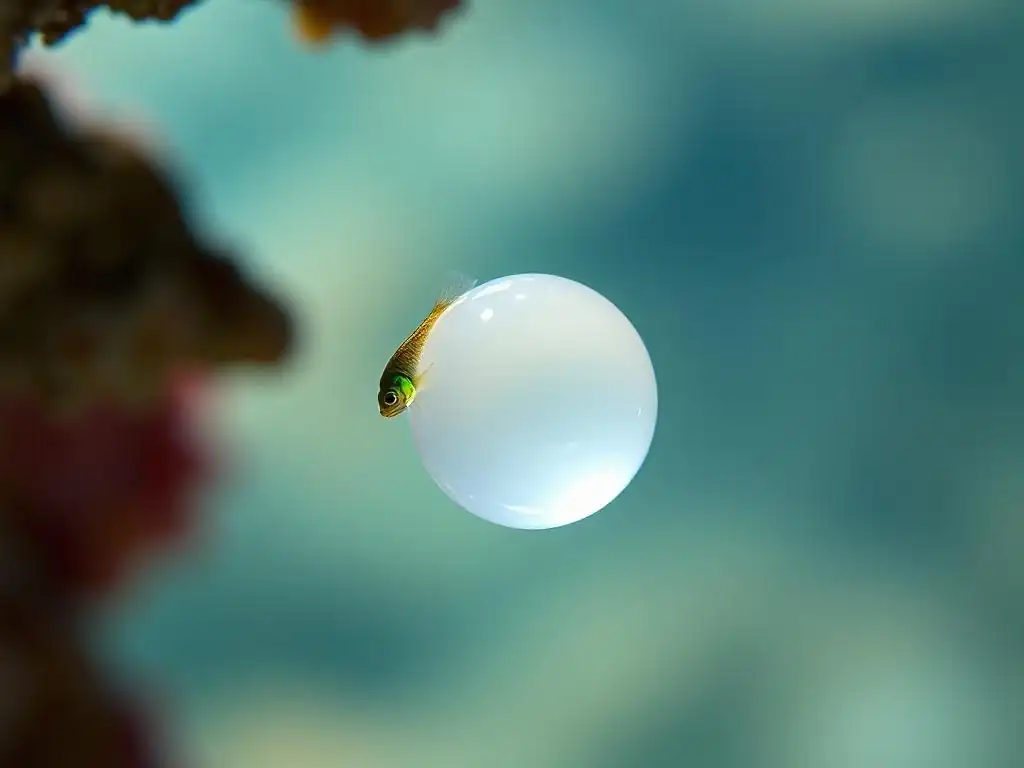
Continuous and meticulous monitoring of marine fry development is paramount for their survival and allows for timely adjustments to rearing strategies. Daily observation should include assessing fry size, activity levels, feeding response, and overall health. For example, if fry appear listless or have shrunken bellies, it indicates insufficient feeding or poor food quality, necessitating an immediate increase in feeding frequency or a change in food type. If growth rates are slower than expected, it might signal a need for larger food particles or improved water quality.
As fry grow, typically reaching 5-10 millimeters in length, their dietary needs change, and they may require larger food items like newly hatched brine shrimp or even small copepods. Their sensitivity to water parameters might also slightly decrease, allowing for larger, less frequent water changes. Regularly checking water parameters in the fry tank (ammonia, nitrite, nitrate, salinity, temperature) and responding immediately to any deviations is crucial. This proactive monitoring allows the aquarist to adapt to the dynamic needs of the growing fry, ensuring their optimal development and minimizing losses from starvation, disease, or stress.
Addressing Common Fry Health Issues
Despite best efforts, marine fry are susceptible to several common health issues that can lead to significant losses. The most frequent problems include starvation, bacterial infections, and parasitic infestations. Starvation is often a result of insufficient or inappropriate first foods, leading to lethargy and eventual death. Bacterial infections, often manifesting as fin rot, cloudy eyes, or rapid onset mortality, are typically linked to poor water quality, overfeeding, or inadequate sanitation in the rearing tank. Parasites, though less common in new setups, can be introduced with live foods or unsterilized equipment.
Prevention is the best approach, relying on meticulous husbandry: maintaining pristine water quality through frequent water changes and careful feeding, ensuring live food cultures are healthy and enriched, and sterilizing all equipment used in the fry tank. If issues arise, treatment options for marine fry are extremely limited due to their fragility. Small, targeted water changes, reduction in feeding, and very mild, short-duration treatments (e.g., a short dip in a diluted antibiotic solution under strict supervision, or the addition of beneficial bacteria) might be considered, but chemical treatments are generally discouraged due to their high toxicity to fry.
Record Keeping and Continuous Improvement
Comprehensive record keeping is an invaluable tool for any serious marine breeder aiming to minimize saltwater fish parental cannibalism and maximize fry survival. Detailed logs should include:
- Breeding Parameters: Date of spawning, egg count (approximation), water parameters at time of spawning (temperature, salinity, pH, dKH, calcium).
- Fry Rearing Data: Hatch date, initial fry count, daily feeding schedule (type and amount of food), water change schedule and volume, water parameters (daily or every other day).
- Observations: Notes on fry behavior, growth rate, appearance of any health issues, and responses to interventions.
- Survival Rates: Weekly or bi-weekly counts of surviving fry.
Reviewing these records after each breeding attempt allows the aquarist to identify patterns, pinpoint successful strategies, and understand what went wrong during instances of high fry loss or parental cannibalism. This systematic approach facilitates continuous improvement, transforming initial struggles into a refined, data-driven process that enhances future breeding successes and significantly contributes to the advancement of captive marine fish propagation.
Conclusion: Mastering Fry Rearing and Minimizing Parental Cannibalism in Saltwater Aquariums
Successfully breeding saltwater fish and minimizing the devastating impact of parental cannibalism is a multifaceted endeavor that demands patience, meticulous attention to detail, and a deep understanding of marine fish biology. From the initial stages of selecting compatible species and optimizing breeding tank conditions, to the critical steps of implementing effective egg and fry separation techniques, every phase plays a vital role in the journey from egg to thriving juvenile.
The key lies in proactively addressing the factors that trigger saltwater fish parental cannibalism, such as stress, inadequate nutrition, and environmental instability, by providing a secure, nutrient-rich, and stable environment.
Post-hatching, the focus shifts to providing the microscopic fry with appropriate first foods, often necessitating the cultivation of live food cultures like rotifers, and maintaining impeccable water quality in dedicated nursery tanks. While advanced techniques like complex aquascaping and dither fish can offer marginal benefits in specific scenarios, physical separation remains the most reliable strategy to prevent saltwater fish parental cannibalism.
Ultimately, mastering marine fry rearing is a continuous learning process, driven by diligent monitoring, prompt problem-solving, and systematic record-keeping, ensuring that each breeding attempt builds upon the last, contributing to the sustainable propagation of these magnificent creatures within the aquarium hobby.
Frequently Asked Questions
What is parental cannibalism in saltwater fish aquariums?
Parental cannibalism refers to the act of adult saltwater fish consuming their own eggs or fry. This is a common issue in aquariums, often due to stress, poor nutrition, or limited resources.
Why do saltwater fish eat their own offspring?
Several factors contribute, including nutritional deficiencies in the parents, overcrowding within the tank, and a lack of suitable hiding places for the eggs or fry. Stress from tank mates can also trigger this behavior.
What are some key strategies to prevent parental cannibalism in my saltwater aquarium?
The main strategies involve separating the parents from the eggs or fry immediately after spawning, providing adequate hiding places for the young, and ensuring optimal water parameters and nutrition.
How can I create a safe environment for saltwater fish fry in a community tank?
Utilize breeding boxes or separate nurseries within the main tank. Introduce dense vegetation or rock structures to create hiding spots that the adult fish cannot access.
What should I feed saltwater fish fry to ensure their survival and growth?
Feed them specialized fry food that is appropriately sized and nutritionally balanced. Options include rotifers, baby brine shrimp, and commercially prepared fry food. Frequency and amount should align with species specific feeding needs.
Final Reflection: Safeguarding the Future
The strategies outlined in this article, while focused on the specific challenge of saltwater fish parental cannibalism, resonate deeply with broader themes of nurturing and protecting vulnerable offspring. The delicate balance between instinct and survival, so vividly illustrated in the marine world, serves as a powerful reminder of the universal imperative to safeguard the future, whether in the form of tiny fry or the next generation of humanity.
This exploration into the art of separation has not only illuminated the complexities of saltwater fish behavior but has also underscored the profound influence of environmental factors on survival. Witnessing these intricate adaptations compels us to reflect on our own roles as stewards of the planet and protectors of its delicate ecosystems. The fate of the smallest creature is linked to the fate of us all.
This quote reminds us that understanding and preserving biodiversity is not just a scientific endeavor, but a moral one.
As you navigate the complexities of your own life, consider the lessons learned from the saltwater fish. How can you create environments that foster growth and protect vulnerability? How can you, in your own way, contribute to a future where the most vulnerable are given the chance to thrive? Let us all strive to cultivate a world where nurturing triumphs over instinct, and where every individual has the opportunity to reach their full potential.
Nurture Life: Safeguard Your Fry's Future!
Thank you for diving into the world of aquarium parenting! Now that you're equipped with the knowledge to protect your precious eggs and fry, let's put those strategies into action and ensure a thriving aquatic family.
Here's how you can start:
- Implement your newfound knowledge by creating a designated breeding setup for the vulnerable eggs or fry. This proactive step will significantly minimize the risk of parental cannibalism.
- Explore the fascinating world of live plant refuges! Research which plants offer the best hiding spots and create a lush, protective haven for your fry within the main aquarium.
- Share your experience! Join our "Aquarium Parenting" group and post a picture of your newly protected fry, along with your success story.
What innovative solution will you try first to safeguard your next generation of aquarium inhabitants?