
Breeding Serpae Tetras: Capturing Their Intense Red Hues and Raising the Fry

Welcome to Aquarium Mastery!
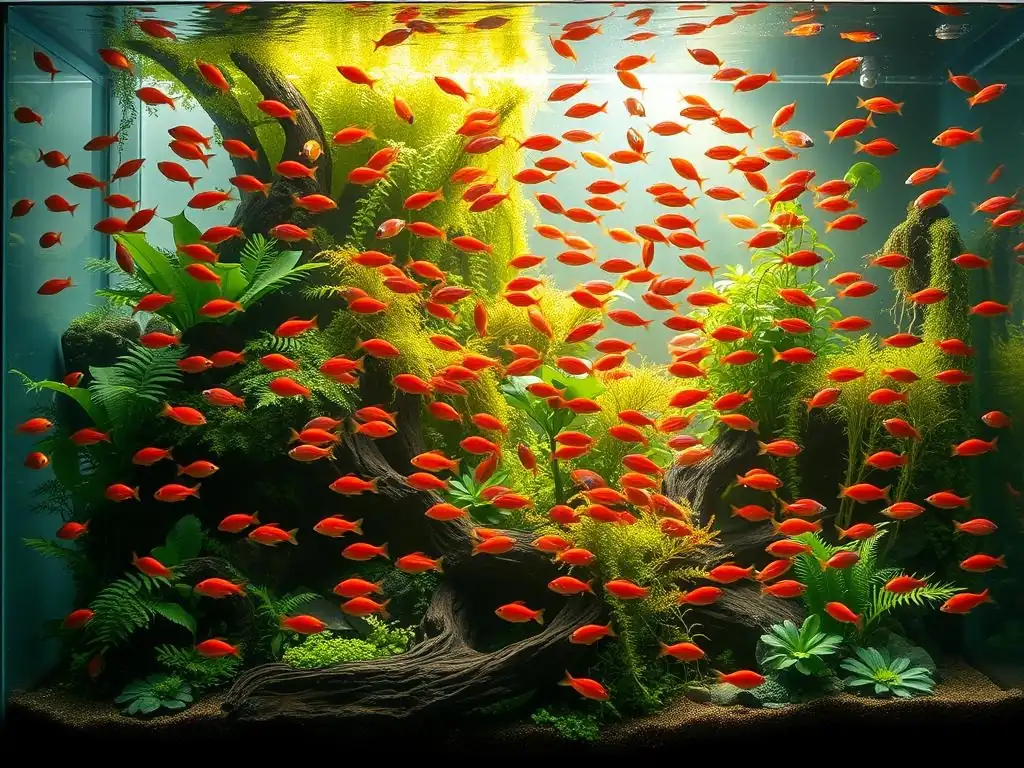
Ever been captivated by the intense red hues of Serpae Tetras and dreamed of breeding these vibrant jewels yourself? You're in the right place! Dive into our detailed guide below for proven Serpae tetra breeding tips, and unlock the secrets to successfully raising their delicate fry. What surprising challenges await you in the breeding process, and how can you overcome them to ensure a thriving school? Let's explore!
- Understanding Serpae Tetra Breeding
- Setting Up a Serpae Tetra Breeding Tank
- Conditioning Serpae Tetras for Breeding
- Spawning Serpae Tetras
- Post-Spawning Care
- Raising Serpae Tetra Fry
- Common Challenges in Serpae Tetra Breeding
- Serpae Tetra Breeding Tips
- Conclusion: The Rewards of Breeding Serpae Tetras
-
Frequently Asked Questions
- How difficult is it to breed Serpae Tetras compared to other aquarium fish?
- What specific water parameters are crucial for successful Serpae Tetra breeding?
- What type of breeding tank setup is recommended for Serpae Tetras?
- What do Serpae Tetra fry eat, and how often should they be fed?
- How long does it take for Serpae Tetra eggs to hatch, and when are the fry free-swimming?
- Final Reflection: The Enduring Allure of the Serpae Tetra
- Unleash the Vibrant Reds: Start Your Serpae Tetra Breeding Journey!
Understanding Serpae Tetra Breeding
Why Breed Serpae Tetras? The Appeal of Captive Breeding
Breeding Serpae tetras offers a profoundly rewarding experience for any aquarist, moving beyond simply keeping fish to actively participating in their life cycle. Their striking, intense red coloration and energetic schooling behavior make them a captivating species to observe from egg to adult. Beyond the aesthetic appeal, captive breeding contributes to the sustainability of the hobby by reducing reliance on wild-caught specimens, thus lessening environmental impact and promoting responsible fishkeeping.
The educational aspect of breeding these vibrant fish is immense. Witnessing the intricate spawning ritual, the delicate hatching of eggs, and the rapid growth of fry provides invaluable insights into aquatic biology and reproductive processes. For instance, successfully raising a batch of Serpae tetra fry from microscopic eggs to their vivid adult coloration can take approximately 4-6 months, a testament to the dedication involved. This journey fosters a deeper connection with the hobby and enhances understanding of fish care at every stage.
Key Factors for Successful Serpae Tetra Reproduction
Successful Serpae tetra reproduction hinges on a combination of specific environmental conditions, proper nutrition, and careful observation. The primary elements include establishing an appropriate breeding tank, meticulously controlling water parameters, and conditioning the parent fish with a high-quality diet. Patience and a keen eye for behavioral cues are also vital, as these small fish require precise conditions to trigger spawning.
Success rates for first-time breeders can vary significantly, often starting around 30-50% for egg hatching, but improving to 70-80% or higher with experience and optimized conditions. Maintaining stable water parameters, such as a pH between 6.0-7.0 and a temperature of 78-82°F (25.5-27.8°C), is paramount for triggering spawning. These critical Serpae tetra breeding tips pave the way for a higher yield of healthy fry.
Setting Up a Serpae Tetra Breeding Tank
Tank Size and Setup for Serpae Tetra Spawning
For Serpae tetra spawning, a dedicated breeding tank is essential to ensure the safety of the eggs and fry. A smaller tank, typically ranging from 5 to 10 gallons (approximately 19 to 38 liters), is ideal for a single pair or a small group of 3-5 individuals. This size provides enough space for spawning behavior while making it easier to manage water parameters and locate the eggs.
The tank should be kept relatively dim to encourage spawning and protect light-sensitive eggs. Many successful Serpae tetra breeding tips emphasize using a dark, bare-bottom tank to make eggs easier to spot and remove parents quickly. A large clump of Java Moss (approximately the size of a grapefruit) or a homemade nylon spawning mop provides an excellent substrate for egg deposition, allowing the eggs to fall through to safety from parental predation.
Water Parameters for Breeding Serpae Tetras
Achieving the correct water parameters is critical for encouraging Serpae tetras to spawn. They thrive and breed best in soft, acidic water that mimics their natural Amazonian habitat. An ideal pH range for breeding is between 6.0 and 7.0, with 6.5-6.8 often being optimal. The general hardness (GH) should be very low, ideally between 2-8 dGH (35-140 ppm), and carbonate hardness (KH) should be minimal to allow for stable pH.
Temperature also plays a crucial role in stimulating spawning. Maintaining a consistent temperature between 78-82°F (25.5-27.8°C) is recommended. Daily temperature fluctuations should be minimized, ideally staying within a 1-degree Fahrenheit range, as stability signals a safe environment for reproduction. These precise water conditions are fundamental Serpae tetra breeding tips for maximizing egg viability.
Filtration and Aeration in a Serpae Tetra Breeding Tank
In a Serpae tetra breeding tank, gentle filtration is paramount to avoid disturbing delicate eggs and newly hatched fry. A small sponge filter, powered by an air pump, is the ideal choice. It provides gentle mechanical and biological filtration without creating strong currents that could harm the minute eggs or the extremely fragile fry once they hatch. The slow bubbling also ensures adequate oxygenation, crucial for egg development.
While the sponge filter itself provides some aeration, a gentle air stone can be added if additional oxygenation is deemed necessary, especially in warmer water. However, care must be taken to ensure the air bubbles are fine and the flow is not turbulent, as strong currents can stress the breeding pair and even dislodge eggs. Aim for a dissolved oxygen level of at least 6 mg/L to support healthy egg development.
Substrate and Decorations
For a Serpae tetra breeding tank, the substrate choice is minimal, with a bare bottom often preferred. This allows for easy visibility of the scattered eggs and simplifies cleaning. If a substrate is desired, a very thin layer of fine, dark gravel or a layer of glass marbles can be used; the latter allows eggs to fall between them, protecting them from parental consumption.
Decorations should be sparse and functional, focusing primarily on providing spawning sites. The most common and effective spawning medium is a spawning mop, either commercially available or homemade from nylon yarn, or a dense clump of fine-leaved plants like Java Moss (Taxiphyllum barbieri) or Hornwort (Ceratophyllum demersum). These materials provide the necessary texture for eggs to adhere to or fall into, increasing their survival rate.
Conditioning Serpae Tetras for Breeding
Sexing Serpae Tetras
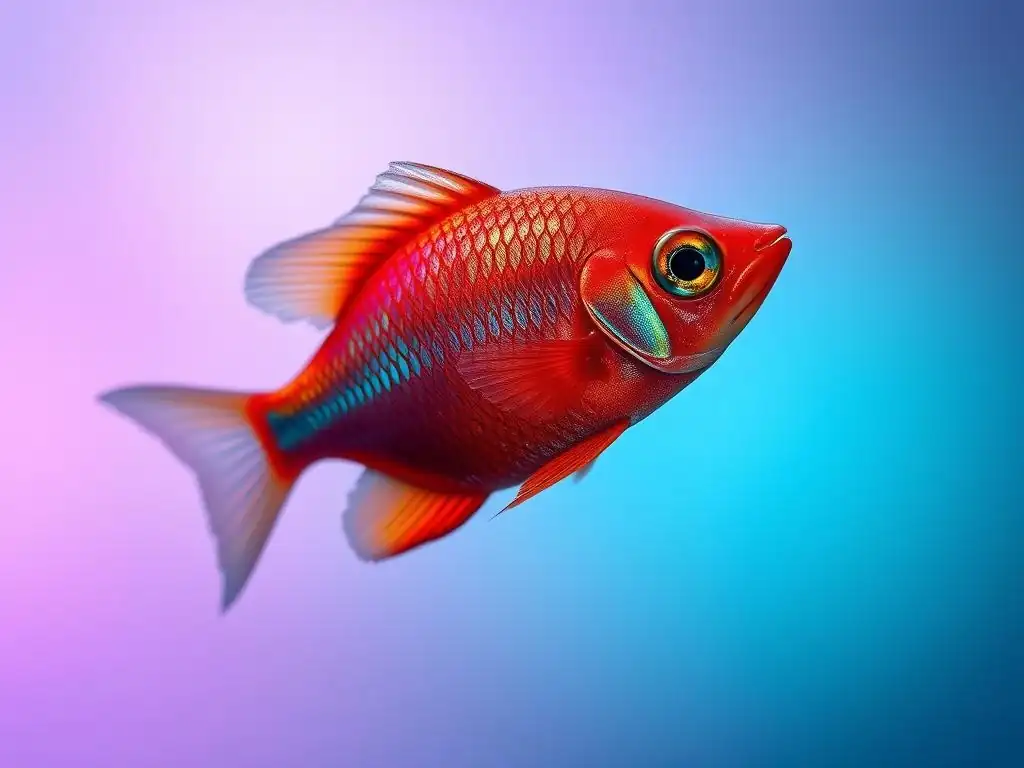
Accurately sexing Serpae tetras is a crucial step in preparing them for breeding, allowing aquarists to select healthy, mature pairs. While subtle, there are noticeable differences between males and females. Males typically exhibit a more vibrant, deeper red hue, especially when in breeding condition, and are generally slenderer in body shape. Their dorsal fin may also appear slightly more pointed.
Females, on the other hand, tend to be plumper, particularly when gravid (carrying eggs), and their coloration may be slightly less intense than that of a male. Observing them from above can make the difference in body shape more apparent, with the female's abdomen appearing distended. Selecting a healthy, well-conditioned pair, typically around 1.5 to 2 inches (3.8-5 cm) in length, significantly increases the chances of a successful spawn.
Diet and Nutrition for Breeding Serpae Tetras
A high-quality, varied diet is paramount for conditioning Serpae tetras for breeding, ensuring both males and females are in peak reproductive health. This specialized diet should be rich in protein and essential fatty acids to stimulate egg production in females and enhance male fertility. Live foods are particularly effective in this conditioning phase.
Feeding live foods such as live brine shrimp, daphnia, or small bloodworms 2-3 times daily for at least one to two weeks prior to spawning significantly improves egg production and fertility. These foods provide essential nutrients that flake or pellet foods alone may not fully supply. This enhanced nutrition helps females develop a robust clutch of eggs, potentially numbering 100-200 eggs per spawning event, and is a key Serpae tetra breeding tip.
Separating Males and Females Before Spawning
Separating male and female Serpae tetras for a period before introducing them to the breeding tank is a widely practiced and effective Serpae tetra breeding tip. This technique, often referred to as "conditioning separately," typically lasts for 5-7 days. During this time, both sexes are fed heavily with conditioning foods in their respective tanks.
This separation allows the female to become fully gravid without being constantly harassed by the male, and it also makes the male more eager to spawn once reunited. When they are finally introduced to the breeding tank, the strong urge to reproduce often leads to a more immediate and successful spawning event, sometimes within hours of introduction.
Spawning Serpae Tetras
Introducing the Pair to the Breeding Tank
Once the male and female Serpae tetras have been properly conditioned and separated, the next step is to introduce them to the prepared breeding tank. This introduction is best done in the late evening, as spawning often commences at dawn the following morning. The dim lighting and fresh, soft water conditions help reduce stress and stimulate their natural breeding instincts.
Upon introduction, observe the pair closely but without disturbing them. The male will typically begin to chase the female, nudging her towards the spawning medium such as Java Moss or a spawning mop. This courtship behavior is a strong indicator that spawning is imminent and that your Serpae tetra breeding tips have been successfully implemented.
Serpae Tetra Spawning Behavior
Serpae tetras are classic free-spawning egg scatterers, meaning they do not build nests or provide parental care for their eggs. During spawning, the male actively pursues the female, nudging and vibrating against her side, often herding her into the dense spawning medium. This courtship can be quite vigorous but is a normal part of their breeding ritual.
As they engage in this dance, the female will release small batches of eggs, typically 5-10 at a time, which are immediately fertilized by the male. This process can repeat for several hours, with a single female capable of laying anywhere from 100 to 300 eggs in a single spawning event. The eggs are then scattered among the plants or fall to the tank bottom.
Egg Deposition and Fertilization
Serpae tetra eggs are small, translucent, and slightly adhesive, typically measuring less than 1 millimeter in diameter. They are usually scattered throughout fine-leaved plants, such as Java Moss, or within the fibers of a spawning mop. Some eggs may also fall to the bare bottom of the tank if no substrate is present.
Successful fertilization rates are highly dependent on the quality of the breeding water. High levels of ammonia or nitrite can severely impact egg viability and hatching success. Maintaining pristine water conditions, with zero ammonia and nitrite, is critical for maximizing egg fertilization and ensuring the healthy development of the embryos.
Post-Spawning Care
Removing the Parent Serpae Tetras After Spawning
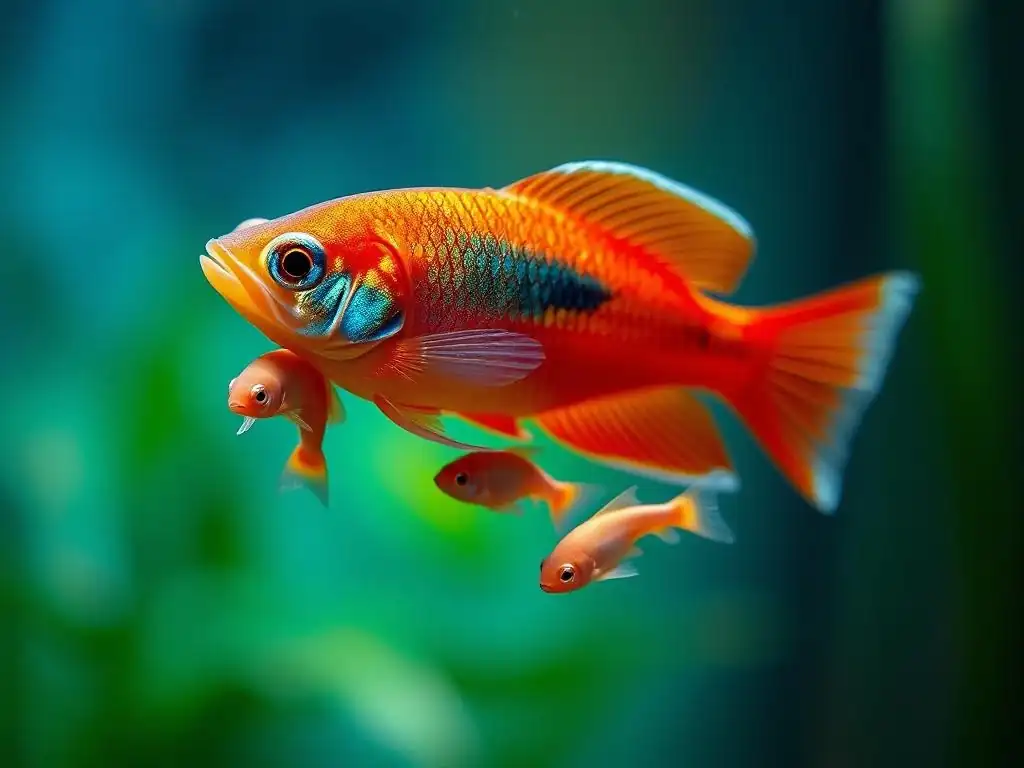
Serpae tetras, like many other egg-scattering species, are notorious egg eaters. They have no parental instinct to care for their offspring and will readily consume their own eggs once spawning is complete. Therefore, it is crucial to remove the adult fish from the breeding tank immediately after the spawning process has concluded.
Spawning is typically complete when the female's abdomen is noticeably deflated and the pair are no longer actively chasing or nudging each other. Leaving them in for even a short period can result in the loss of a significant portion of the egg clutch, potentially over 80%. Transferring the parents back to their main tank ensures the safety of the delicate eggs and aligns with vital Serpae tetra breeding tips.
Preventing Fungus
Fungal growth on Serpae tetra eggs is a common issue that can quickly spread and destroy an entire clutch. Unfertilized eggs are particularly susceptible to fungus and can then infect viable eggs. To combat this, maintaining excellent water quality in the breeding tank after the parents are removed is paramount.
A common and effective Serpae tetra breeding tip is to add a small amount of methylene blue solution to the water. A dosage of 1 drop per gallon (approximately 3.8 liters) can significantly inhibit fungal development without harming the eggs. Additionally, carefully siphoning out any unfertilized, opaque white eggs within 12-24 hours post-spawning helps prevent the spread of fungus and improves overall hatch rates.
Incubation Period of Serpae Tetra Eggs
The incubation period for Serpae tetra eggs is remarkably short, making the waiting period for hatching relatively brief. When the water temperature is maintained consistently between 78-80°F (25.5-26.7°C), the eggs typically hatch within 24 to 36 hours. This rapid development means fry will emerge quickly, ready for their next stage of growth.
Slightly cooler temperatures can extend this incubation period, while warmer temperatures might slightly accelerate it, though extreme heat can be detrimental to egg viability. During this time, the tank should remain dimly lit, and water parameters should be kept stable to ensure optimal conditions for embryonic development.
Raising Serpae Tetra Fry
First Foods for Serpae Tetra Fry
Serpae tetra fry are incredibly tiny upon hatching and require microscopic food for their initial days. For the first 2-3 days after hatching, infusoria or a high-quality liquid fry food is essential. These minute food sources are small enough for the newly emerged fry to consume, providing them with the necessary nutrients for their initial growth spurt.
After they become free-swimming, usually around day 3-5, newly hatched brine shrimp nauplii become their primary and most effective food source. Brine shrimp are highly nutritious and their jerky swimming motion attracts the fry. A single batch of brine shrimp eggs can yield millions of nauplii, providing a continuous food supply for several days. Feeding should occur 3-4 times daily to ensure constant availability.
Water Changes for Serpae Tetra Fry
Maintaining pristine water quality is absolutely paramount for the survival and healthy development of Serpae tetra fry. Due to their small size and sensitivity to waste products, daily small water changes are highly recommended. Performing 10-15% water changes daily helps prevent the buildup of nitrates, ammonia, and other harmful substances that can quickly become toxic to delicate fry.
Always use aged or perfectly matched dechlorinated water for these changes, ensuring the temperature and parameters are consistent with the fry tank. A small air line tubing can be used for gentle siphoning to avoid sucking up any fry. These frequent, small water changes are among the most critical Serpae tetra breeding tips for reducing fry mortality.
Growing Out Serpae Tetra Fry
As Serpae tetra fry grow, typically reaching 1/4 inch (6 mm) in about 3-4 weeks, their diet can be gradually diversified. Once they are large enough to consume them, finely crushed high-quality flake food, micro-pellets, and finely chopped frozen foods like bloodworms or daphnia can be introduced. This gradual transition ensures they receive a balanced diet as they mature.
Consistent feeding 3-4 times a day, combined with maintaining stable water conditions, with temperatures around 76-78°F (24.4-25.5°C), are crucial for healthy development and the full manifestation of their vibrant coloration. Providing adequate space as they grow is also important to prevent stunting and reduce aggression among siblings.
Preventing Diseases in Serpae Tetra Fry
The primary defense against disease in Serpae tetra fry is maintaining impeccable water quality. High levels of ammonia, nitrite, or nitrate are major stress factors that weaken fry and make them highly susceptible to common ailments like Ich (white spot disease) or bacterial infections. Regular water testing, along with the daily small water changes, can reduce disease incidence by over 90%.
Overfeeding should be strictly avoided, as uneaten food quickly decomposes and fouls the water, creating an environment conducive to disease. Additionally, introducing any new fish or live food cultures without proper quarantine can introduce pathogens, so always exercise caution and ensure all inputs are disease-free.
Common Challenges in Serpae Tetra Breeding
Egg Eating
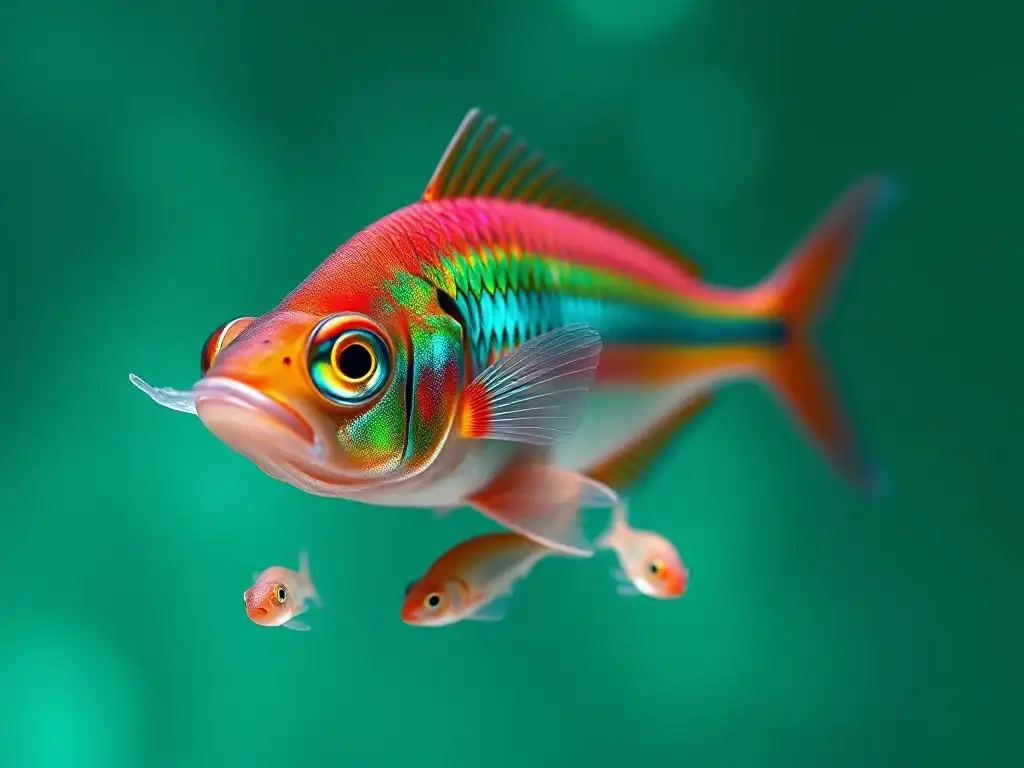
Egg eating by parent Serpae tetras is arguably the most significant hurdle in breeding them successfully. Despite their vibrant appearance, Serpae tetras exhibit no parental instinct for egg care and will readily consume their own eggs. Studies show that if parents are left in the tank for more than an hour after spawning, over 90% of the eggs can be consumed.
To mitigate this, the immediate removal of adult fish after spawning is crucial. Furthermore, using a dense spawning mop or a layer of marbles on the tank bottom allows eggs to fall out of reach of the parents, significantly increasing the number of viable eggs that can be saved.
Low Hatch Rates
Low hatch rates, sometimes below 50%, can be a frustrating challenge for Serpae tetra breeders. This issue can be attributed to several factors, including unfertilized eggs, suboptimal water quality during the incubation period, or fungal infections spreading through the clutch. Poor conditioning of the parent fish can also lead to fewer viable eggs.
Optimizing water parameters to be soft and acidic (e.g., GH 2-4 dGH, pH 6.0-6.5) and ensuring a stable temperature are critical for boosting fertilization and hatch rates, often to above 70%. Additionally, the prompt removal of unfertilized, fungused eggs and the use of anti-fungal treatments like methylene blue can prevent widespread egg loss.
Fry Mortality
High fry mortality is a common challenge, especially in the first week after hatching. Starvation due to insufficient or inappropriate first foods accounts for a large percentage of early losses, as the fry are incredibly tiny and have specific dietary needs. Poor water quality, including sudden parameter shifts or high waste levels, also contributes significantly to fry death.
To combat this, providing infusoria or equivalent for the first 2-3 days, followed by newly hatched brine shrimp every 3-4 hours, can reduce mortality rates by as much as 40-50% compared to irregular feeding. Consistent small water changes and vigilant monitoring of water parameters are also essential Serpae tetra breeding tips to ensure the fry's survival and healthy growth.
Serpae Tetra Breeding Tips
Provide Ample Hiding Places for Fry
As Serpae tetra fry grow, some individuals will grow faster than others, leading to size differences within the same batch. Larger fry may exhibit cannibalistic tendencies towards their smaller or weaker siblings. A crucial Serpae tetra breeding tip is to furnish the grow-out tank with ample hiding places, such as dense clumps of Java Moss or artificial plant decor.
These hiding spots provide refuge for smaller fry, allowing them to escape aggression and find food without constant harassment. Providing sufficient cover can reduce cannibalism rates by an estimated 15-20% and distribute feeding opportunities more evenly among the growing fry, leading to a higher overall survival rate.
Maintain Consistent Water Temperature
Consistency in water temperature is paramount for successful Serpae tetra breeding, from egg incubation through the early fry stages. Fluctuations greater than 2°F (approximately 1°C) during the egg incubation period or early fry stages can stress the delicate fry, leading to deformities or increased mortality. Eggs are particularly sensitive to temperature swings, which can affect their development.
Maintaining a stable 78-80°F (25.5-26.7°C) for eggs and 76-78°F (24.4-25.5°C) for fry is a key Serpae tetra breeding tip that significantly impacts overall success. Using a reliable and accurate aquarium heater, along with a thermometer to monitor the temperature regularly, is essential to prevent these detrimental fluctuations.
Use a Sponge Filter
For any Serpae tetra breeding setup, a sponge filter is indispensable. Its gentle flow prevents eggs and newly hatched fry from being sucked up into the filtration system or buffeted by strong currents, which can cause significant loss. Unlike power filters or hang-on-back filters, a sponge filter creates minimal disturbance, making it incredibly safe for the most fragile stages of life.
Furthermore, sponge filters provide excellent biological filtration, hosting beneficial bacteria that break down harmful ammonia and nitrite, contributing to the stable water conditions vital for fry development. A single small sponge filter can effectively manage the biological filtration for a 10-gallon breeding tank, making it a top Serpae tetra breeding tip for ensuring fry survival and overall water quality.
Conclusion: The Rewards of Breeding Serpae Tetras
Breeding Serpae tetras is a journey that demands patience, precision, and dedication, but the rewards are truly magnificent. From the initial meticulous setup of the breeding tank to the delicate process of raising microscopic fry, each step offers a unique educational experience and a deeper appreciation for aquatic life. The vibrant red hues of these fish, intensified through successful captive breeding, are a testament to the aquarist's skill and care.
By applying these Serpae tetra breeding tips, including careful conditioning, precise water parameter management, and diligent post-spawning care, hobbyists can successfully propagate these beautiful fish. The satisfaction of observing a new generation of healthy, captive-bred Serpae tetras thrive is an unparalleled achievement, enriching the aquarium experience and contributing to responsible fishkeeping practices.
Frequently Asked Questions
How difficult is it to breed Serpae Tetras compared to other aquarium fish?
Serpae Tetra breeding is considered moderately difficult. It requires specific water parameters and a separate breeding tank to protect the eggs from being eaten by the parent fish.
What specific water parameters are crucial for successful Serpae Tetra breeding?
Optimal water parameters include soft, acidic water with a pH around 6.0-6.5 and a temperature between 78-82°F. Maintaining pristine water quality is also essential for egg and fry survival.
What type of breeding tank setup is recommended for Serpae Tetras?
A bare-bottom tank with a spawning mop or fine-leaved plants is ideal. This provides a safe place for the eggs to fall and avoids them being consumed by the adults.
What do Serpae Tetra fry eat, and how often should they be fed?
Serpae Tetra fry require tiny food, such as infusoria or commercially available liquid fry food, multiple times a day. Gradually transition to baby brine shrimp as they grow.
How long does it take for Serpae Tetra eggs to hatch, and when are the fry free-swimming?
Serpae Tetra eggs typically hatch within 24-36 hours. The fry become free-swimming after a few days, relying on their yolk sac for initial nourishment.
Final Reflection: The Enduring Allure of the Serpae Tetra
The journey of breeding Serpae Tetras, as we've explored, is more than just a technical exercise; it's a testament to the enduring power of nature's artistry. The vibrant red hues of these fish, so captivating in the aquarium, represent a living canvas that we, as aquarists, have the privilege to nurture and perpetuate. Understanding and applying these breeding tips allows us to not only expand our own aquatic worlds but also contribute to the continued appreciation of this remarkable species.
The dedication required to successfully breed Serpae Tetras reflects a deeper connection to the natural world. It's a reminder that even within the confines of our homes, we can participate in the cycle of life and contribute to the preservation of biodiversity. The satisfaction derived from witnessing tiny fry develop into vibrant adults is a profound reward, echoing the sentiment expressed by the renowned aquarist, The best thing one can do when it's raining is to let it rain.
This quote, while seemingly unrelated, speaks to the acceptance and appreciation of natural processes, a core principle in responsible fishkeeping.
Now, armed with these Serpae tetra breeding tips, I invite you to embark on your own aquatic adventure. Consider the responsibility and the joy that comes with nurturing life, and allow the vibrant red of the Serpae Tetra to inspire a deeper appreciation for the beauty and complexity of the natural world. Let's continue to learn, share, and contribute to the well-being of these captivating creatures, ensuring their vibrant presence continues to grace our aquariums for generations to come.
Unleash the Vibrant Reds: Start Your Serpae Tetra Breeding Journey!
Thank you for diving into the world of Serpae Tetra breeding! We hope this article has provided you with the knowledge and inspiration to successfully raise these stunning fish. Now, let’s translate that knowledge into action!
- Set up a dedicated breeding tank and prepare it for your Serpae Tetras. This is your first step to witnessing the magic of their spawning.
- Delve deeper:Research specific live food cultures you can cultivate to provide the best nutrition for your growing fry.
- Share your experiences! Join our Aquarium Mastery community and post photos and updates of your Serpae Tetra breeding attempts.
What unique setup or feeding strategy will you try to maximize the vibrant red coloration of your Serpae Tetra fry?