
Understanding Moray Eel Behavior: From Shy Hiding to Active Hunting

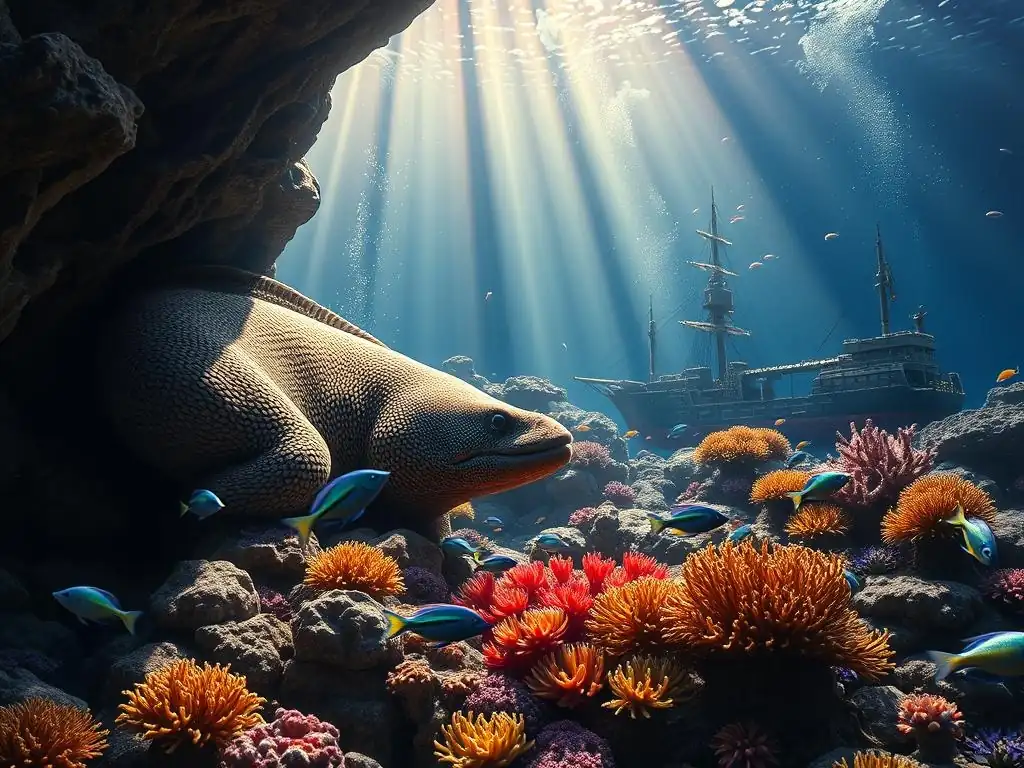
Welcome to Aquarium Mastery, your ultimate guide to creating thriving aquatic ecosystems!
Ever wondered why your Moray eel's temperament changes? Discover the fascinating reasons behind their behavior, from subtle shifts to dramatic transformations. Dive into this article to unravel the mysteries of these captivating creatures and learn how to ensure a happy and healthy life for your scaled companion. Ready to understand your Moray eel like never before? Let's explore!
- Introduction to Moray Eel Temperament and Behavior in Aquariums
- Decoding Moray Eel Temperament: Shy Hiding vs. Active Hunting
- Exploring the Hunting Behavior of Moray Eels
- Moray Eel Aggression and Tank Mate Compatibility
- Factors Influencing Moray Eel Temperament Changes
- Recognizing and Addressing Problematic Moray Eel Behavior
- Advanced Moray Eel Behavior: Social Interactions and Learning
- Conclusion: Mastering Moray Eel Care Through Understanding Behavior
-
Frequently Asked Questions
- How can I tell if my moray eel is stressed in its aquarium?
- What are some common causes of aggressive behavior in moray eels?
- How much does the size of the aquarium affect a moray eel's temperament?
- Can diet affect a moray eel's behavior and temperament?
- What are some signs that my moray eel is adapting well to its aquarium environment?
- Final Reflection: Unveiling the Mysteries of Moray Eel Temperament
- Unleash Your Inner Eel Expert!
Introduction to Moray Eel Temperament and Behavior in Aquariums
Why Understanding Moray Eel Behavior is Crucial for Aquarists
Understanding the unique behavior and Moray eel temperament changes is paramount for any aquarist considering these captivating predators. Their well-being, the safety of other tank inhabitants, and the overall stability of the aquarium ecosystem hinge on the aquarist's ability to interpret their subtle cues. Moray eels, by nature, are ambush predators with powerful jaws and a keen sense of smell, making them a significant consideration for any community tank. Misinterpreting their actions can lead to stress for the eel, aggression towards tank mates, or even accidental injury to the aquarist during maintenance.
Furthermore, a deep comprehension of Moray eel behavior allows for proactive management of their environment. By recognizing early signs of distress, illness, or escalating aggression, aquarists can intervene swiftly, preventing minor issues from escalating into major problems. This informed approach is fundamental to ensuring a long, healthy, and enriching life for the Moray eel, contributing significantly to the success and enjoyment of keeping these fascinating creatures.
Overview of Moray Eel Habitats and Natural Behaviors
In their natural marine habitats, Moray eels predominantly inhabit rocky crevices, coral reefs, and submerged wrecks across tropical and subtropical waters. They are largely nocturnal, emerging from their shelters under the cloak of darkness to hunt. Their primary hunting strategy is that of an ambush predator, where they lie concealed, waiting for unsuspecting prey to pass by before striking with surprising speed. This natural inclination for hiding and sudden bursts of activity is a fundamental aspect of their Moray eel temperament.
Most Moray eel species are solitary creatures, establishing and defending a defined territory. This territoriality, combined with their predatory instincts, directly influences their behavior in an aquarium setting. They seek out secure hiding spots, exhibit a strong sense of smell for detecting food, and can be highly protective of their chosen den. Understanding these innate behaviors is crucial for replicating a suitable environment and managing potential interactions within a captive ecosystem.
Decoding Moray Eel Temperament: Shy Hiding vs. Active Hunting
The Initial Shy Phase: Acclimation and Hiding Behavior in New Aquariums
Upon introduction to a new aquarium, Moray eels typically undergo an initial shy phase, characterized by extensive hiding behavior. This is a natural Moray eel temperament change driven by the stress of relocation and the need to feel secure in an unfamiliar environment. During this period, which can last anywhere from several days to a few weeks, the eel will instinctively seek out the darkest, most secluded crevices and remain largely out of sight. It's not uncommon for new eels to go for extended periods without emerging, sometimes even for over a week, as they acclimate.
During this crucial acclimation phase, aquarists should resist the urge to disturb the eel. Providing ample, secure hiding spots is paramount. These can include tightly stacked rockwork, PVC pipes, or ceramic caves that offer a snug fit. For instance, a Snowflake Moray ( Echidna nebulosa ) might spend its first two weeks almost exclusively within a single rock cave, only venturing out briefly under the cover of darkness. This initial reclusiveness is a normal, healthy response and a vital step in their adjustment process.
Factors Influencing Shy Behavior: Tank Size, Lighting, and Hiding Spots
Several environmental factors significantly influence the duration and intensity of a Moray eel's shy behavior. Inadequate tank size is a primary stressor; for example, a smaller species like a Golden Dwarf Moray ( Gymnothorax melatremus ), while only reaching 12 inches, still benefits from a 50-gallon tank minimum to feel secure and have adequate territory. A cramped environment can lead to chronic stress, perpetuating a shy and withdrawn Moray eel temperament.
Lighting also plays a critical role. Given their nocturnal nature, bright, constant illumination can make Moray eels uncomfortable and reluctant to emerge. Providing subdued lighting, especially during the initial acclimation, or implementing a dawn-to-dusk lighting cycle that includes periods of low light, encourages them to explore. Most importantly, the availability of multiple, secure hiding spots is non-negotiable. An eel that lacks sufficient bolt-holes will remain perpetually stressed and hidden. Aim for at least 2-3 well-constructed, tight-fitting caves or tunnels for each eel, ensuring they feel safe and have choices for retreat.
Transition to Active Hunting: Recognizing the Signs of Adaptation
The transition from a shy, reclusive state to one of active hunting and confident exploration is a clear indicator of a positive Moray eel temperament change and successful adaptation to the aquarium. This shift is gradual but marked by observable behaviors. Signs include the eel venturing out of its hiding spot more frequently, even during daylight hours (especially around feeding time), showing increased curiosity towards its surroundings, and investigating tank décor. A well-acclimated eel will often be seen with its head protruding from a crevice, observing the tank activity, or actively swimming along the substrate.
Furthermore, a readily accepting approach to food is a strong sign of adaptation. An eel that quickly responds to the presence of food, even approaching the aquarist's tongs, demonstrates a significant increase in comfort and confidence. This transition signifies that the eel feels secure within its environment, is well-fed, and is ready to exhibit its natural predatory behaviors more openly. It represents a successful journey from initial stress to a thriving, integrated tank inhabitant.
Exploring the Hunting Behavior of Moray Eels
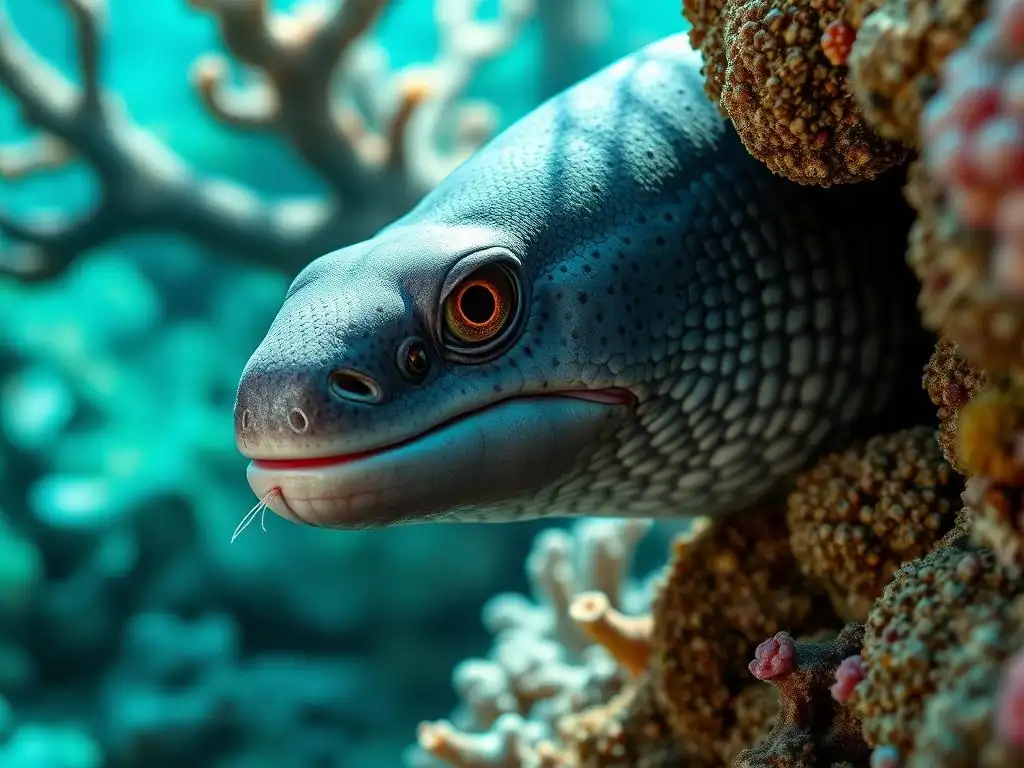
Moray Eel Hunting Strategies: Ambush Predator Tactics Explained
Moray eels are quintessential ambush predators, a strategy deeply ingrained in their behavior. Their primary tactic involves concealing themselves within rockwork, crevices, or even buried in the sand, patiently waiting for unsuspecting prey to come within striking distance. Unlike active pursuit predators, Morays rely heavily on their acute sense of smell to detect prey, as their eyesight is relatively poor, especially in low light conditions. Once prey is detected and approaches their hiding spot, the eel executes a lightning-fast lunge, often engulfing the prey whole.
Their powerful, muscular bodies and unique dentition are perfectly adapted for this method. Moray eels possess sharp, backward-pointing teeth designed for grasping and holding slippery prey, preventing escape. Some species, like the Green Moray ( Gymnothorax funebris ), also employ a secondary pharyngeal jaw, which extends forward to grasp prey and pull it down the throat, an extraordinary adaptation for securing and swallowing large meals. This specialized anatomy allows them to effectively capture and consume fish, crustaceans, and cephalopods that wander too close.
Identifying Hunting Triggers: Food Availability, Scent, and Water Flow
The primary trigger for a Moray eel's hunting behavior is the availability of food. In an aquarium, this translates to the introduction of meaty foods like squid, shrimp, silversides, or krill into the water column. However, their hunting is not solely visual. Scent plays a far more critical role. Morays possess highly developed olfactory pits, enabling them to detect the presence of prey or food from a significant distance. For example, a small piece of defrosted shrimp introduced upstream of an eel's hiding spot will often elicit a rapid response as the scent travels through the water.
Water flow also acts as a subtle but important hunting trigger. Currents can carry the scent of food more effectively, guiding the eel towards its source. Morays often orient themselves into the flow, using their sensory organs to pinpoint the origin of a promising scent. Irregular or infrequent feeding schedules in captivity can also heighten their hunting drive, leading to more opportunistic predatory behavior towards smaller tank mates as their natural hunger instincts are amplified, influencing their Moray eel temperament.
Understanding Nocturnal Hunting Patterns in Moray Eels
Consistent with their natural behaviors, most Moray eels exhibit pronounced nocturnal hunting patterns in the aquarium. While they may become more active during the day once fully acclimated and at feeding times, their peak hunting activity typically occurs after the main tank lights have been turned off and other fish are less active. This is when their natural instincts to forage under the cover of darkness are most pronounced, and their superior sense of smell gives them an advantage over visually-oriented prey.
This nocturnal activity has significant implications for tank mate compatibility. Small, sleeping fish or those that rest on the substrate are particularly vulnerable during these hours. Many aquarists report "disappearing" small fish, and in tanks housing Morays, the eel is often the primary suspect. Understanding these patterns is crucial for selecting appropriate tank mates and for observing the full spectrum of a Moray eel's natural Moray eel temperament.
Moray Eel Aggression and Tank Mate Compatibility
Assessing Moray Eel Temperament Changes: Identifying Potential Aggression
Assessing Moray eel temperament changes that indicate potential aggression is vital for maintaining a harmonious aquarium. Early signs can be subtle and might include increased territoriality, where the eel consistently blocks access to certain areas of the tank, or rapid, agitated swimming patterns when other fish approach its preferred hiding spot. While not an outright attack, these behaviors signal discomfort or a perceived threat to its territory. It's important to differentiate between natural predatory instincts and genuine aggression driven by stress or competition.
A sudden increase in aggressive displays, particularly if the eel was previously calm, warrants immediate investigation. This could be triggered by hunger, inadequate space, the introduction of new tank mates, or even deteriorating water quality. For instance, a well-fed Snowflake Moray might tolerate certain tank mates, but if underfed, its Moray eel temperament can shift dramatically, leading to increased predatory actions or direct aggression towards fish it previously ignored.
Recognizing Signs of Aggression: Open Mouth Displays, Body Posturing, and Increased Agitation
When a Moray eel feels threatened or is asserting dominance, it will exhibit distinct aggressive behaviors. One of the most common is the open mouth display, where the eel holds its mouth wide open, exposing its formidable teeth. This is typically a warning signal, a clear message to back off, rather than an immediate attack. It's a sign of discomfort or territorial assertion, much like a dog growling.
Body posturing also serves as an aggressive cue. The eel might curve its body into an S-shape, stiffen its posture, or flick its tail vigorously. These actions are meant to make the eel appear larger and more intimidating. Increased agitation, characterized by erratic swimming, rapid breathing, or constantly attempting to enter another fish's perceived territory, are further indicators of escalating aggression. For example, a Tessalata Moray ( Gymnothorax favagineus ) in a tank too small might constantly patrol its boundaries, displaying open mouth threats to any fish nearing its rockwork, clearly demonstrating a negative Moray eel temperament change.
Choosing Compatible Tank Mates: Considerations for Peaceful Coexistence
Selecting compatible tank mates is perhaps the most critical aspect of preventing aggression and ensuring peaceful coexistence with Moray eels. The golden rule is to avoid any fish that can fit into the eel's mouth, as they will inevitably be viewed as prey. This typically means avoiding small, slender, or slow-moving fish. Furthermore, fish that occupy the same bottom-dwelling or crevice-dwelling niches as the eel can lead to territorial disputes.
Ideal tank mates are generally larger, fast-moving fish that inhabit the upper or middle water columns, or those with robust, aggressive temperaments that can hold their own. Examples include larger tangs (e.g., Yellow Tangs, Blue Tangs), some larger triggerfish (with caution, as triggers can also be aggressive), and robust angelfish (e.g., Emperor Angelfish).
It's crucial to avoid small gobies, blennies, damselfish, or any ornamental crustaceans, as they are almost certainly destined to become a meal. Introducing tank mates before the eel, or simultaneously, can sometimes help establish territories, but even then, Moray eel temperament changes can occur over time, requiring constant vigilance.
Factors Influencing Moray Eel Temperament Changes
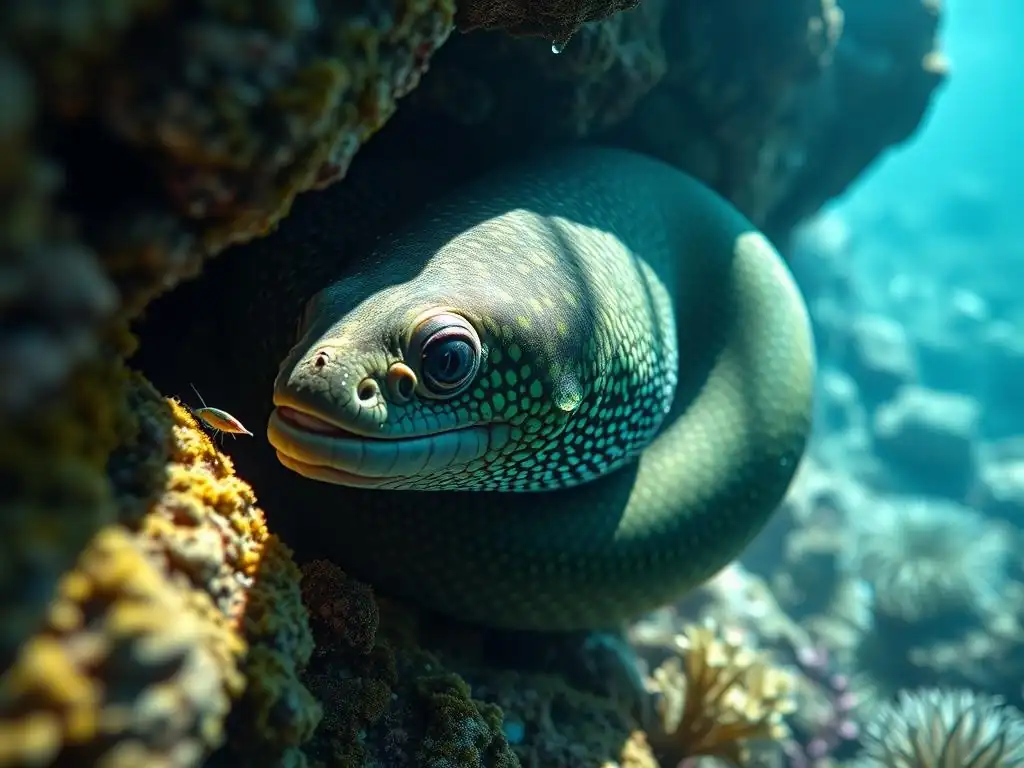
Diet and Feeding Schedules: Impact on Moray Eel Behavior
The diet and feeding schedule are pivotal in influencing Moray eel temperament changes. Underfeeding is a primary cause of increased predatory behavior and aggression. A hungry eel is more likely to view tank mates as potential food, even those it previously ignored. For adult Morays, a varied diet of meaty foods such as squid, shrimp, silversides, and krill, offered 2-3 times per week, is generally sufficient. Overfeeding, while seemingly harmless, can lead to poor water quality, which in turn stresses the eel and can manifest as behavioral issues.
Consistency in feeding schedules can also help regulate their behavior. Morays are intelligent and quickly learn to associate specific times or actions with food. Establishing a routine can reduce their opportunistic hunting drive and make them less prone to sudden Moray eel temperament changes driven by hunger. For instance, an eel fed reliably every three days might exhibit less aggressive foraging than one fed erratically, leading to a more predictable and stable disposition.
Water Quality and Tank Maintenance: Maintaining a Stress-Free Environment
Immaculate water quality and consistent tank maintenance are non-negotiable for maintaining a stable Moray eel temperament and overall health. Poor water parameters, such as elevated ammonia, nitrite, or nitrate levels, are significant stressors for any marine inhabitant, and Morays are no exception. Stress can manifest in various behavioral issues, including lethargy, refusal to eat, excessive hiding, or, conversely, increased aggression as the eel becomes uncomfortable and irritable.
Regular partial water changes (e.g., 20% bi-weekly) are essential to dilute nitrates and replenish trace elements. Robust filtration, including mechanical, biological, and chemical media, is crucial for processing waste. Maintaining stable temperature (typically 72-78°F), salinity (1.020-1.025 specific gravity), and pH (8.1-8.4) is equally important. Fluctuations in these parameters can lead to physiological stress, which directly impacts the eel's behavior and can trigger negative Moray eel temperament changes.
The Role of Tank Enrichment: Providing Stimulation and Reducing Boredom
Tank enrichment plays a significant, though often underestimated, role in promoting a healthy Moray eel temperament. Morays are intelligent and curious creatures, and a barren or unchanging environment can lead to boredom, stress, and undesirable behaviors such as excessive hiding or lethargy. Providing a complex and stimulating environment encourages natural behaviors and mental engagement.
This enrichment can include intricate rockwork with multiple tunnels, caves, and overhangs for exploration and hiding. PVC pipes of varying diameters, securely placed within the aquascape, can also serve as excellent temporary or permanent dens. Occasionally rearranging non-essential décor (without disturbing the eel's primary den) can offer new exploration opportunities. A stimulated and engaged eel is less likely to exhibit stress-induced Moray eel temperament changes and is more likely to be active and curious, showcasing its natural behaviors.
Recognizing and Addressing Problematic Moray Eel Behavior
Common Behavioral Issues: Refusal to Eat, Excessive Hiding, and Nipping at Tank Mates
Several common behavioral issues signal potential problems with a Moray eel's health or environment. Refusal to eat is a significant concern and a clear Moray eel temperament change from a healthy, active predator. This can indicate severe stress, illness, internal parasites, or critically poor water quality. If an eel, particularly a new one, goes more than a week or two without eating, immediate investigation into water parameters, temperature, and potential signs of disease is warranted.
Excessive hiding, beyond the initial acclimation period, also points to chronic stress. If an established eel suddenly becomes reclusive, it suggests that something in its environment is causing discomfort or fear, such as inappropriate lighting, lack of secure dens, or harassment from aggressive tank mates. Lastly, nipping at tank mates is a direct sign of either hunger-driven predation or territorial aggression. This indicates the eel views other fish as either food or intruders, necessitating a review of feeding schedules and tank mate compatibility.
Troubleshooting Aggression: Strategies for Re-establishing Tank Harmony
Troubleshooting aggression in a Moray eel requires a systematic approach to re-establish tank harmony. The first steps involve ensuring the eel is adequately fed on a consistent schedule and that all water parameters are optimal. Hunger is a common driver of aggression. If aggression persists, consider adding more secure hiding spots or rearranging the rockwork to break up established territories and create new visual barriers. This can sometimes diffuse territorial disputes by altering the eel's perceived boundaries.
In cases where aggression is severe and persistent, particularly towards specific tank mates, more drastic measures might be necessary. This could involve the temporary removal of the aggressive Moray to a separate quarantine or "time-out" tank to allow the main display's hierarchy to reset. Alternatively, if certain tank mates are consistently targeted, their permanent removal to a different system might be the only way to ensure their safety and maintain a peaceful environment, addressing the root cause of negative Moray eel temperament changes.
Addressing Feeding Problems: Encouraging a Healthy Appetite
When a Moray eel refuses to eat, several strategies can be employed to encourage a healthy appetite. First, try offering a variety of meaty foods. While some eels prefer squid, others might favor silversides, shrimp, or krill. Scenting the food with a garlic extract product (designed for aquarium use) can also make it more appealing. Ensure the food is defrosted and offered at an appropriate temperature.
Target feeding with tongs is highly effective. This ensures the food is presented directly to the eel, reducing competition from other tank inhabitants and allowing the aquarist to observe if the eel is indeed eating. Offering food during dusk or dawn, when the eel is naturally more active and inclined to forage, can also yield better results. Patience is key; a healthy Moray eel can go for several weeks without food, so avoid panicking and overfeeding, which can foul the water. Persistence with varied, targeted offerings will often resolve feeding issues and stabilize Moray eel temperament.
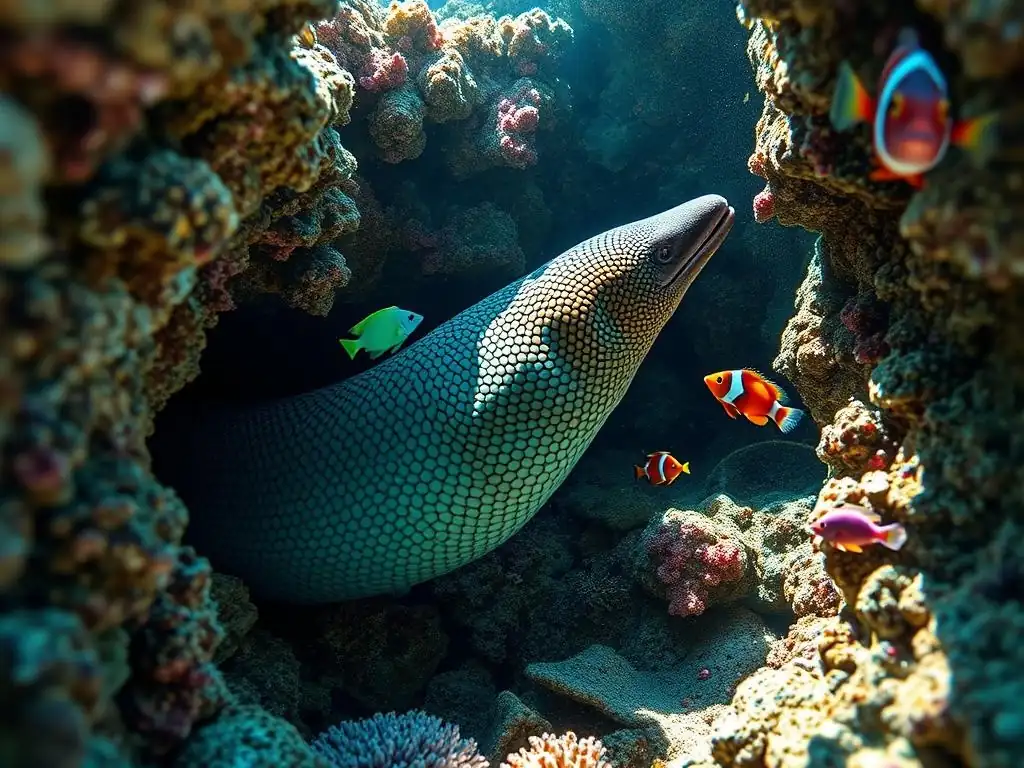
For the vast majority of species, Moray eels are predominantly solitary creatures. In their natural habitats, they typically establish individual territories and rarely interact with conspecifics outside of breeding. This inherent solitary nature means that their social behavior in captivity is largely limited. Attempting to keep multiple Moray eels of the same or even different species in an average home aquarium is generally not recommended due to the high risk of aggression and territorial disputes, which can escalate to fatal combat.
While there are rare exceptions for extremely large, species-specific display tanks with ample, widely dispersed hiding spots, the general rule is one Moray eel per tank. Even in communal reef systems, instances of multiple eels cohabiting peacefully are often anecdotal or temporary. Their Moray eel temperament leans heavily towards individualistic behavior, making true socialization a rarity beyond basic recognition of other tank inhabitants.
Learning Capabilities: Recognizing Feeding Times and Responding to Target Feeding
Despite their primitive appearance, Moray eels possess surprising learning capabilities. They are quite intelligent and can quickly learn to associate specific cues with feeding time. Many aquarists report their eels emerging from their hiding spots as soon as they approach the tank, or when a specific action, such as turning off a pump or opening the aquarium canopy, signals an impending meal. This demonstrates a form of associative learning, where the eel links certain stimuli with the positive reinforcement of food.
Target feeding with tongs further highlights their learning abilities. Eels can be trained to take food directly from the tongs, often with remarkable precision and gentleness once accustomed to the process. This not only ensures the eel receives adequate nutrition but also creates a unique interactive experience. This positive interaction can subtly influence their Moray eel temperament, making them more comfortable and less reclusive around the aquarist.
The Impact of Training and Interaction on Moray Eel Temperament
Consistent and positive interaction, particularly through target feeding, can have a noticeable impact on a Moray eel's temperament. Regular, non-threatening encounters can reduce shyness and make the eel more comfortable with the aquarist's presence. An eel that is routinely hand-fed (with tongs, for safety) often becomes bolder, more curious, and less prone to hiding, exhibiting a more confident and predictable Moray eel temperament. They may even come to the front of the tank when they see the aquarist, anticipating food.
However, it is crucial to remember that Moray eels are still wild animals with powerful predatory instincts. While they can become accustomed to human presence, over-familiarity can lead to accidental bites if fingers are mistaken for food. Always use tongs or feeding sticks for safety. The goal of training and interaction is to foster a more relaxed and engaged eel, not to tame it into a pet. Respecting their natural instincts while providing positive reinforcement leads to a more stable and observable Moray eel temperament.
Conclusion: Mastering Moray Eel Care Through Understanding Behavior
Key Takeaways: Understanding Moray Eel Temperament Changes for Successful Keeping
Mastering the care of Moray eels hinges entirely on a comprehensive understanding of their dynamic behavior and the subtle Moray eel temperament changes they exhibit. From the initial shy acclimation phase to their transition into active, confident hunters, and the potential for aggression, every aspect of their behavior provides crucial insights into their well-being and environmental needs. Recognizing these shifts allows aquarists to proactively address stressors, prevent health issues, and ensure a harmonious tank environment. Their behavior is a direct reflection of their comfort, health, and whether their fundamental needs for security, nutrition, and space are being met.
Ultimately, successful Moray eel keeping is about providing an environment that caters to their inherent predatory and reclusive nature. This includes meticulous attention to tank size, ample secure hiding spots, consistent and appropriate feeding schedules, and impeccable water quality. By observing their unique behaviors, interpreting their cues, and understanding the factors that influence their Moray eel temperament, aquarists can cultivate thriving, captivating creatures that will be a rewarding addition to any dedicated marine aquarium.
Further Resources for Moray Eel Care and Behavior
For aquarists seeking to deepen their knowledge of these fascinating creatures, AquariumMastery.com offers a wealth of additional resources. Explore our detailed species profiles for specific Moray eel types, which provide in-depth care requirements, ideal tank parameters, and species-specific behavioral nuances, as Moray eel temperament can vary between species.
Our comprehensive troubleshooting guides for common tank issues and maintenance schedules are invaluable tools for proactively addressing any problems that might impact your eel's health or behavior. By leveraging these resources, you can ensure your Moray eel continues to thrive, exhibiting its natural behaviors in a healthy and enriching environment.
Frequently Asked Questions
How can I tell if my moray eel is stressed in its aquarium?
A stressed moray eel may exhibit several behaviors, including excessive hiding, loss of appetite, and erratic swimming. Monitor water parameters and ensure a suitable environment.
What are some common causes of aggressive behavior in moray eels?
Aggression in moray eels can stem from territorial disputes, inadequate tank size, or incompatible tank mates. Ensuring enough space and proper pairings is crucial.
How much does the size of the aquarium affect a moray eel's temperament?
A too-small tank can induce stress and aggression. Moray eels require ample space to swim and explore, directly impacting their well-being.
Can diet affect a moray eel's behavior and temperament?
An inadequate or improper diet can lead to nutritional deficiencies and irritability. Feed your eel a varied diet consisting of appropriate sized, meaty foods.
What are some signs that my moray eel is adapting well to its aquarium environment?
A well-adjusted moray eel will display natural hunting behaviors, regular feeding, and exploratory swimming. They will also exhibit a relaxed posture when not actively hunting.
Final Reflection: Unveiling the Mysteries of Moray Eel Temperament
The exploration of moray eel behavior, as we've seen, reveals a creature far more complex than its often-misunderstood reputation suggests. Understanding the nuances of their temperament changes is not just an academic exercise; it's crucial for responsible interaction and conservation efforts in our increasingly interconnected world. The shift from shy hiding to active hunting underscores the adaptability and intelligence of these fascinating marine predators, demanding a deeper appreciation for their role in the ecosystem.
This journey into the moray eel's world has profoundly highlighted the importance of challenging preconceived notions and embracing a more nuanced understanding of the natural world. Their seemingly sudden shifts in behavior, once viewed with fear, are now understood as responses to environmental cues and individual needs. In the end, we will conserve only what we love; we will love only what we understand; and we will understand only what we are taught.
- Baba Dioum. This quote resonates deeply, reminding us that education and empathy are the cornerstones of conservation.
Now, as you reflect on the insights shared in this article, consider how you can apply this newfound understanding to your own interactions with the natural world. Whether you're a diver, a researcher, or simply a curious observer, let the moray eel's story inspire you to look beyond surface appearances and appreciate the intricate beauty and complexity of all living creatures. Embrace a spirit of inquiry, challenge your assumptions, and strive to be a more informed and compassionate steward of our planet.
Unleash Your Inner Eel Expert!
Thank you for diving deep into the fascinating world of moray eel behavior! We hope this article has shed light on these often-misunderstood creatures and given you a new appreciation for their complex lives. Ready to take your knowledge to the next level?
Here are a few ways to continue your journey:
- Transform your understanding into action: Delve deeper into the ecological role of moray eels by researching their impact on coral reef ecosystems. This research will give you a better understanding of how you can do your part to keep them safe.
- Share your newfound eel expertise! Discuss your favorite moray eel fact with a friend, family member, or online aquarium enthusiast group. Start a conversation and spread the eel love!
- Consider observing moray eels in a safe, controlled environment like a reputable public aquarium. Pay close attention to their hunting techniques and interaction with other species. You might even spot behaviors not commonly discussed!
What surprising eel behavior will you be on the lookout for next time you visit an aquarium or dive site?