
Sunburst Anthias (Fathead): A Radiant Addition for Large, Impressive Reef Tanks

Welcome to Aquarium Mastery!
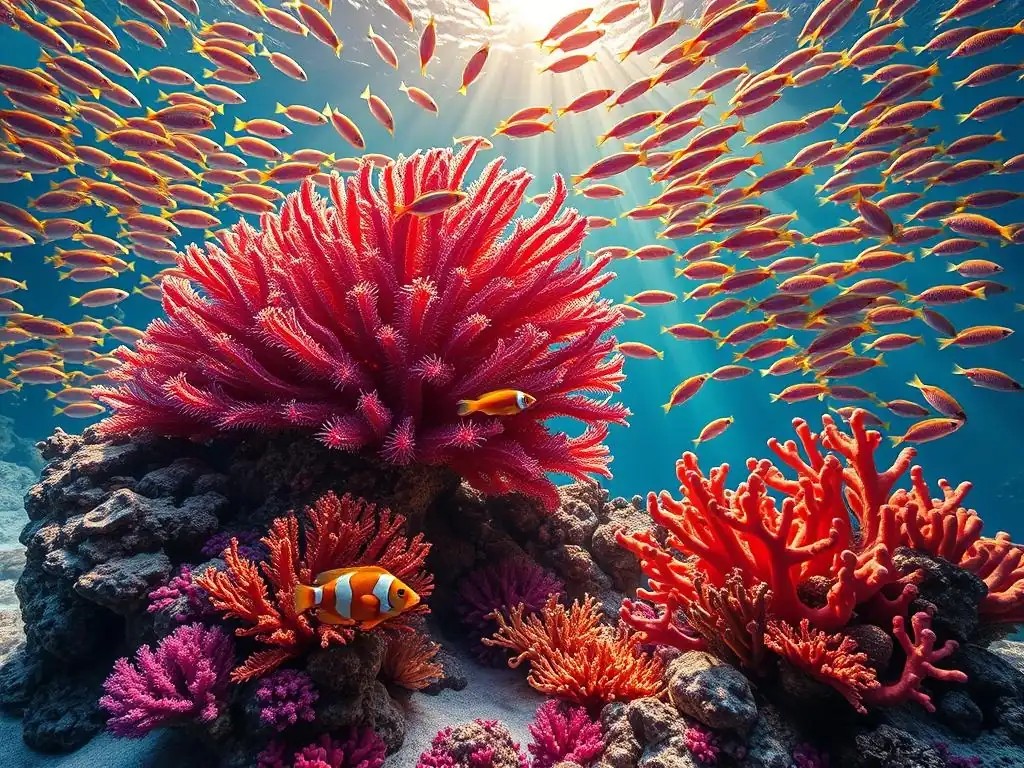
Intrigued by the vibrant beauty of reef tanks? Ever dreamt of adding a splash of fiery color to your underwater world? Then dive in! Our comprehensive Sunburst Anthias care guide unlocks the secrets to successfully keeping this stunning species, also known as Fathead Anthias. Discover the unique challenges and rewards of caring for these radiant fish, and learn if they're the perfect addition to your large reef tank. Keep reading to uncover everything you need to know!
- Lyretail Anthias (Squamipinnis): A Vibrant Addition for Reef Tanks
- Lyretail Anthias Care Guide: Introduction to a Reef Beauty
- Understanding Lyretail Anthias: Essential Care Parameters
- Setting Up the Perfect Reef Tank for Lyretail Anthias
- Lyretail Anthias Behavior and Social Dynamics
- Lyretail Anthias Health and Disease Prevention
- Purchasing and Acclimation of Lyretail Anthias
- Lyretail Anthias: Advanced Care Considerations
- The Beauty and Benefits of Keeping Lyretail Anthias in Your Reef Aquarium
- Troubleshooting Common Lyretail Anthias Problems
- Conclusion: Mastering Lyretail Anthias Care for a Vibrant Reef
-
Frequently Asked Questions
- What are the essential requirements for keeping Sunburst Anthias in a reef tank?
- How often should I feed my Sunburst Anthias, and what should their diet consist of?
- Are Sunburst Anthias compatible with other fish in a reef tank setting?
- What are some common health issues to watch out for when keeping Sunburst Anthias?
- What makes the Sunburst Anthias (Fathead) a desirable addition to a reef tank?
- Final Reflection: Embracing the Sunburst's Legacy
- Ignite Your Reef: Embrace the Sunburst Anthias!
Lyretail Anthias (Squamipinnis): A Vibrant Addition for Reef Tanks
Lyretail Anthias Care Guide: Introduction to a Reef Beauty
What is a Lyretail Anthias (Pseudanthias squamipinnis)?
The Lyretail Anthias, scientifically known as Pseudanthias squamipinnis, is a strikingly beautiful and popular marine fish often referred to as the Sea Goldie or Scalefin Anthias. Originating from the Indo-Pacific region, these captivating fish inhabit coral reefs at depths typically ranging from 3 to 60 meters, though they can be found deeper. They are renowned for their vibrant coloration and distinctive sexual dimorphism: males display more intense hues of orange, pink, or purple, often with an elongated dorsal fin ray and a more pronounced lyre-shaped tail, while females are typically a more uniform orange or yellow.
These active, schooling fish are a staple in many large reef aquariums due to their constant movement and brilliant display. Lyretail Anthias are planktivores in their natural habitat, constantly sifting the water column for microscopic food. Their graceful swimming patterns and the way they congregate in groups add a dynamic and natural feel to any well-maintained saltwater setup. Understanding their specific needs is crucial for a successful Lyretail Anthias care guide.
Why Choose a Lyretail Anthias for Your Saltwater Aquarium?
Choosing Lyretail Anthias for your saltwater aquarium brings a unique blend of aesthetic appeal and engaging behavior. Their dazzling array of colors—from fiery oranges and deep purples to soft pinks and yellows—provides an immediate visual spectacle, making them one of the most eye-catching additions to a reef tank. As they gracefully dart through the water column, often in synchronized schools, they infuse the aquarium with a sense of vibrant life and continuous motion, creating a truly captivating display for any aquarist.
Beyond their undeniable beauty, Lyretail Anthias contribute significantly to the overall health and dynamism of a reef ecosystem. Their relatively peaceful temperament makes them excellent community fish, capable of coexisting with a wide range of other non-aggressive reef inhabitants. They help simulate a natural reef environment, and their active feeding habits can even help consume small suspended particles in the water. Mastering Lyretail Anthias care allows aquarists to enjoy these rewarding fish for many years, enhancing the beauty and vitality of their aquatic masterpiece.
Understanding Lyretail Anthias: Essential Care Parameters
Optimal Tank Size for Lyretail Anthias: Creating a Thriving Habitat
Providing an adequately sized aquarium is paramount for the health and well-being of Lyretail Anthias, especially given their schooling nature and active swimming habits. For a small group of 6-8 individuals, a minimum tank size of 75 gallons (approximately 280 liters) is generally recommended.
This volume provides sufficient swimming space, allows for the establishment of a stable social hierarchy, and helps dilute waste products more effectively than smaller tanks. Larger tanks, upwards of 120 gallons (around 450 liters) or more, are ideal for housing larger schools or integrating them into a diverse mixed-reef environment, offering ample room for natural behaviors to flourish.
The generous tank volume not only accommodates their need for open swimming areas but also plays a critical role in maintaining stable water parameters, which is a cornerstone of effective Lyretail Anthias care. Larger water volumes are inherently more forgiving of minor fluctuations in temperature or chemistry, reducing stress on the fish. Furthermore, a spacious environment allows for more complex aquascaping with numerous hiding spots, which are essential for these fish to feel secure and to mitigate potential intra-species aggression, particularly when establishing dominance within the school.
Water Parameters for Lyretail Anthias: Maintaining a Stable Reef Environment
Temperature and Salinity Recommendations
Maintaining stable and appropriate water parameters is fundamental to the long-term health and vibrancy of Lyretail Anthias. The optimal temperature range for these fish is typically between 74-82°F (23-28°C). Consistency within this range is more important than hitting an exact number; sudden temperature swings can induce significant stress, making them susceptible to disease. Similarly, salinity should be maintained within a specific gravity range of 1.023-1.026, mimicking their natural oceanic environment. Regular monitoring with a reliable thermometer and refractometer is crucial to ensure these parameters remain stable.
Fluctuations in temperature or salinity can severely compromise the immune system of Lyretail Anthias, leading to increased susceptibility to common marine ailments. Implementing a quality heater with a thermostat and performing consistent, small water changes are key strategies to maintain stability. For instance, a 10% bi-weekly water change with properly mixed saltwater can help replenish trace elements and remove accumulated nitrates, contributing significantly to their overall well-being and making your Lyretail Anthias care guide truly effective.
Ideal pH and Water Chemistry for Anthias Health
Beyond temperature and salinity, precise control over pH and other water chemistry parameters is vital for the optimal health of Lyretail Anthias and the entire reef ecosystem. An ideal pH range for these fish, consistent with most reef inhabitants, is 8.1-8.4. In addition, maintaining proper alkalinity (8-12 dKH), calcium (400-450 ppm), and magnesium (1200-1350 ppm) levels is essential, as these contribute to overall water stability and are critical for the health of any corals you may keep alongside them. These parameters support healthy skeletal growth in fish and invertebrates, and their stability prevents osmotic stress.
Achieving and maintaining these precise water chemistry levels often requires consistent testing using accurate test kits. Regular water changes are the primary method for replenishing trace elements and buffering capacity. For heavily stocked tanks or those with significant coral growth, supplemental dosing of alkalinity, calcium, and magnesium might be necessary to keep levels within the desired range. Consistent monitoring and proactive adjustments are cornerstones of successful Lyretail Anthias care, ensuring a robust and thriving environment for these delicate fish.
Lyretail Anthias Diet and Feeding: Ensuring Proper Nutrition
What to Feed Your Lyretail Anthias: A Varied Diet is Key
Lyretail Anthias are primarily planktivorous, meaning they feed on zooplankton in the wild. In the aquarium, their diet should mimic this by consisting of small, meaty, and highly nutritious foods. A varied diet is crucial for their long-term health and vibrant coloration. Excellent food choices include enriched frozen mysis shrimp, cyclop-eeze, finely chopped krill, and enriched brine shrimp. It is also beneficial to offer high-quality, spirulina-enriched flake or pellet foods specifically designed for marine carnivores, as these can provide essential vitamins and minerals often lacking in a purely frozen diet.
To ensure comprehensive nutrition, consider rotating different types of food and even gut-loading live or frozen foods with vitamin supplements. For instance, soaking frozen mysis shrimp in a vitamin supplement like Selcon before feeding can significantly boost their nutritional value. Observing their natural feeding behavior—constantly picking at the water column—reinforces the need for small, frequent feedings throughout the day rather than one large meal. This varied feeding strategy is a cornerstone of effective Lyretail Anthias care, promoting robust health and brilliant coloration.
Feeding Frequency and Techniques for Schooling Anthias
Due to their high metabolism and active nature, Lyretail Anthias require frequent feedings throughout the day. In their natural habitat, they constantly graze on zooplankton, and this behavior should ideally be replicated in the aquarium. Feeding them 2-3 times daily is a good starting point, but some aquarists find even more frequent, smaller feedings (e.g., 4-5 times a day) beneficial, especially for newly introduced or shyer specimens. This approach ensures all individuals, including less dominant ones, have ample opportunity to feed without being outcompeted.
When feeding a school of Lyretail Anthias, broadcast feeding is often the most effective technique. This involves distributing the food over a wider area of the tank, allowing all fish to access it simultaneously and reducing competition. Auto-feeders can be incredibly useful for delivering small, consistent portions throughout the day, particularly for aquarists with busy schedules. Careful observation during feeding times is essential to ensure that every fish in the school is actively eating and maintaining a healthy body weight, which is a vital aspect of comprehensive Lyretail Anthias care.
Setting Up the Perfect Reef Tank for Lyretail Anthias
Tank Setup for Lyretail Anthias: Creating a Natural Environment
Rockwork and Aquascaping for Anthias
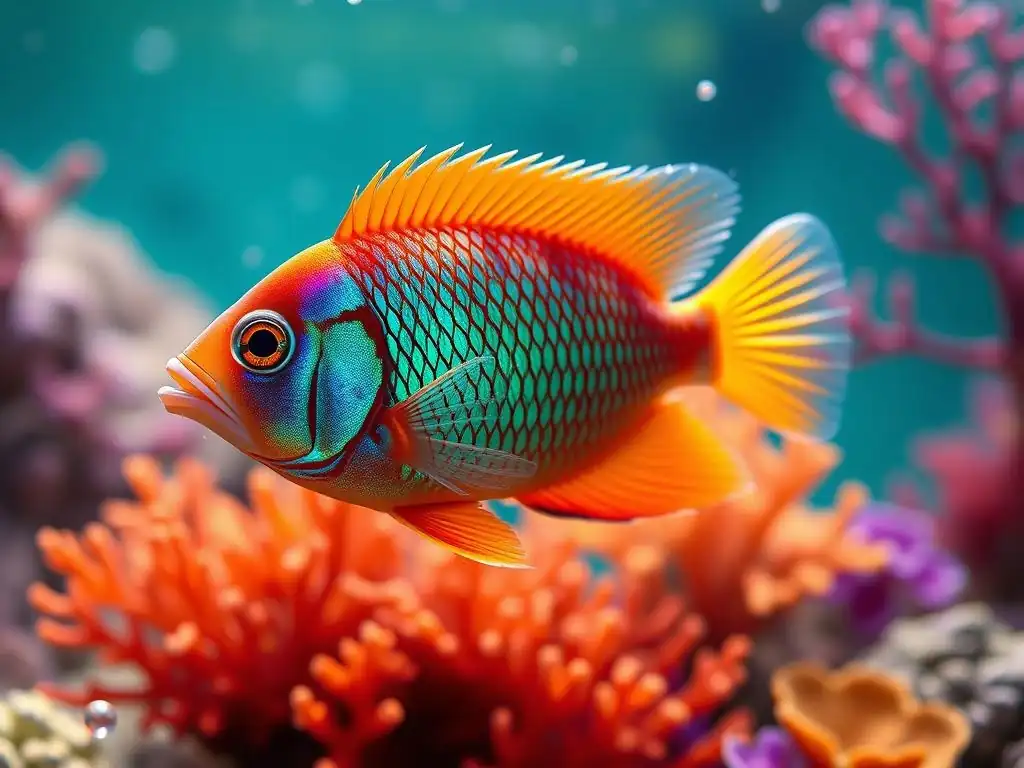
The aquascaping of a Lyretail Anthias tank should prioritize both open swimming areas and ample hiding spots. Lyretail Anthias are active swimmers that appreciate open water to school and display their natural behaviors. Therefore, design your rockwork to provide plenty of clear space in the mid-water column. However, equally important are the numerous caves, overhangs, and crevices created by the live rock. These sheltered areas serve as crucial retreats for the fish, offering security during periods of stress, at night, or when establishing a social hierarchy.
A well-structured live rock environment also fosters the growth of beneficial bacteria, contributing to the biological filtration necessary for stable water parameters. Consider creating multiple distinct hiding zones, as this can help diffuse aggression within the school and provide individual fish with a sense of security. The balance between open space and complex rockwork is key to a thriving Lyretail Anthias care setup, mimicking their natural reef habitat and promoting their overall well-being.
Lighting Requirements for Lyretail Anthias
Lyretail Anthias do not have stringent or specialized lighting requirements themselves, as they are not photosynthetic. They thrive under standard reef tank lighting setups that are typically designed to support corals. Moderate to high intensity LED or T5 fluorescent lighting systems commonly used in reef aquariums will be perfectly adequate for their visual needs and for observing their vibrant colors. The key is to ensure that the lighting is consistent and follows a natural day-night cycle, which helps regulate their circadian rhythms and reduces stress.
While they are adaptable to various lighting conditions, extremely intense, direct lighting can sometimes make them appear shy or cause them to seek more sheltered areas. Therefore, providing areas of both brighter and slightly shaded regions within the aquascape can cater to their preferences. The primary consideration for lighting in a Lyretail Anthias tank will often revolve around the needs of any corals or other photosynthetic invertebrates you choose to house, rather than the anthias themselves.
Choosing the Right Tank Mates for Lyretail Anthias
Compatible Fish for a Lyretail Anthias Tank
Selecting appropriate tank mates is crucial for a harmonious Lyretail Anthias care environment. Lyretail Anthias are generally peaceful fish, but they can be outcompeted for food by overly aggressive or fast-moving species. Ideal tank mates include other peaceful, non-aggressive reef inhabitants that occupy different niches within the aquarium. Good choices often include clownfish, various species of gobies (like watchman gobies or pistol shrimp gobies), blennies (such as the lawnmower blenny), smaller wrasses (e.g., Halichoeres wrasses), and tangs (provided the tank size is sufficient for the tang's adult size).
When considering other anthias species, caution is advised, as inter-species aggression can occur, especially if they are very similar in appearance or size. However, some aquarists successfully keep multiple anthias species in very large tanks. The most important factor is to choose fish that will not harass the Lyretail Anthias, nor outcompete them for the frequent feedings they require. Ensuring all inhabitants receive adequate nutrition is a key aspect of successful Lyretail Anthias care.
Fish to Avoid: Aggressive Tank Mates and Anthias
To ensure the peaceful coexistence and well-being of your Lyretail Anthias, it is imperative to avoid certain types of aggressive or predatory fish. Large, predatory species such as lionfish, large groupers, and some triggerfish will view Lyretail Anthias as potential prey, leading to their demise. Similarly, overly aggressive or territorial fish, including some angelfish (particularly larger species like Emperor or Queen Angels) and certain butterflyfish, can harass or nip at the more delicate anthias, causing stress, fin damage, and preventing them from feeding properly.
Fish that are notoriously boisterous or highly competitive eaters should also be avoided, as they can easily outcompete the Lyretail Anthias for food, leading to malnutrition and weakened immunity. Even seemingly benign fish can become problematic if the tank is too small, leading to increased territoriality. Thorough research into the compatibility of any potential tank mate is a critical step in providing optimal Lyretail Anthias care and maintaining a stress-free environment.
Schooling Behavior of Lyretail Anthias: Creating a Harmonious Environment
Lyretail Anthias are renowned for their captivating schooling behavior, which is a fundamental aspect of their social structure in the wild. In an aquarium setting, to truly observe and promote this natural schooling behavior, it is highly recommended to introduce them in groups, ideally of 6-8 individuals or more.
This group size helps to dilute aggression, particularly among males, and allows for the establishment of a stable social hierarchy. Typically, a school will consist of one dominant male (distinguished by his more vibrant colors and elongated fins) and several females, with the largest female often transitioning to male if the dominant male is removed or dies (a phenomenon known as protogynous hermaphroditism).
Maintaining a proper male-to-female ratio, usually one male to several females, is crucial for minimizing stress and aggression within the school. When kept singly or in pairs, Lyretail Anthias can become shy, stressed, or exhibit increased aggression towards each other. A well-established school provides a sense of security and allows their natural social interactions to unfold, creating a mesmerizing display of synchronized movement and color that is a hallmark of excellent Lyretail Anthias care.
Observing Your Lyretail Anthias: Recognizing Signs of Health and Stress
Regular observation of your Lyretail Anthias is a critical component of proactive Lyretail Anthias care, allowing you to quickly identify signs of health or stress. Healthy Lyretail Anthias will exhibit vibrant coloration, active and graceful swimming throughout the water column, clear eyes, and intact fins. They should be eager to feed and show robust appetites. While slight color changes can occur during spawning or minor stress, sustained dullness or faded colors are often indicators of underlying issues.
Conversely, signs of stress or illness include clamped fins (held close to the body), rapid or labored breathing, excessive hiding (especially during feeding times), scratching against rocks or substrate (flashing), refusing food, or visible spots, lesions, or growths on their bodies. Any of these symptoms warrant immediate attention, as early detection and intervention significantly improve the chances of successful recovery. Consistent monitoring allows you to address problems promptly and maintain optimal conditions for your Lyretail Anthias.
Lyretail Anthias Health and Disease Prevention
Common Diseases Affecting Lyretail Anthias
Lyretail Anthias, like many marine fish, can be susceptible to common saltwater diseases, particularly when stressed by poor water quality, inadequate nutrition, or improper acclimation. The most prevalent diseases include marine ich ( Cryptocaryon irritans) and marine velvet ( Amyloodinium ocellatum). These parasitic infections manifest as white spots or a dusting on the fish's body and fins, leading to irritation, flashing, and eventually respiratory distress. Bacterial infections, often secondary to stress or parasitic infestations, can also occur, leading to fin rot, cloudy eyes, or internal issues.
Prevention is always the best approach when it comes to Lyretail Anthias health. A robust immune system, supported by stable water parameters and a nutritious diet, is their primary defense. However, if disease does strike, early detection is key. Knowing the symptoms of these common ailments allows for prompt intervention, which can involve transferring the affected fish to a hospital tank for treatment with appropriate medications, such as copper-based solutions for parasites or antibiotics for bacterial infections.
Quarantine Procedures for New Lyretail Anthias
Implementing a strict quarantine procedure for all new Lyretail Anthias before introducing them to your main display tank is arguably the most crucial step in disease prevention. A separate quarantine tank (QT) should be set up with basic filtration, a heater, and PVC pipes or other simple hiding spots. New fish should remain in this QT for a minimum of 4-6 weeks, allowing ample time to observe for any signs of disease. This period also allows them to acclimate to captive foods without competition from established tank mates.
During quarantine, you can proactively treat for common parasites like marine ich and velvet, even if no symptoms are visible, using methods like prophylactic copper treatment or the tank transfer method. This prevents the introduction of pathogens into your main reef system, protecting your existing fish and valuable corals. This meticulous approach to Lyretail Anthias care significantly reduces the risk of devastating outbreaks in your primary aquarium, saving both fish and frustration.
Maintaining a Healthy Environment to Prevent Disease
The foundation of disease prevention in Lyretail Anthias lies in maintaining a consistently healthy and stable aquarium environment. This encompasses several key pillars. Firstly, meticulous adherence to stable water parameters—temperature, salinity, pH, alkalinity, calcium, and magnesium—minimizes physiological stress on the fish, bolstering their natural immune defenses. Regular water changes (e.g., 10-20% bi-weekly) are essential for replenishing vital trace elements and removing accumulated nitrates and other pollutants.
Secondly, providing a varied and nutritious diet, fed frequently throughout the day, ensures that Lyretail Anthias receive all the necessary vitamins and minerals to thrive. A well-fed fish is a resilient fish. Lastly, an appropriately sized tank with ample hiding spots and compatible tank mates reduces social stress and aggression, which can otherwise weaken their immune system. By diligently managing these environmental factors, aquarists can create a robust and disease-resistant habitat, making Lyretail Anthias care a rewarding experience.
Purchasing and Acclimation of Lyretail Anthias
Finding Healthy Lyretail Anthias for Sale
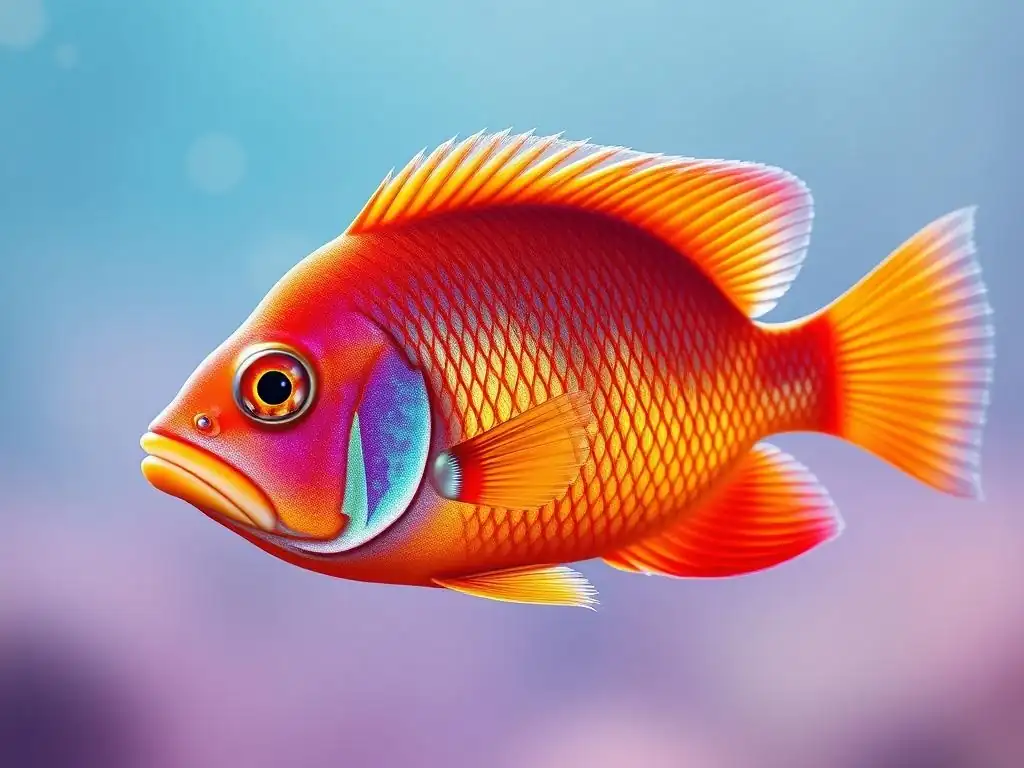
When acquiring Lyretail Anthias, the first step towards successful Lyretail Anthias care is to source healthy specimens from reputable fish stores or online vendors. Take time to carefully observe the fish before purchase. Look for active, alert individuals that are swimming freely and confidently, not hiding excessively or gasping at the surface. Their coloration should be vibrant, their fins intact and not clamped, and their eyes clear. Avoid fish with visible white spots (ich), velvet-like dusting, frayed fins, or sunken bellies, as these are signs of illness or emaciation.
Inquire about the fish's feeding habits at the store; a healthy anthias should be eager to eat. If possible, choose a group of Lyretail Anthias rather than a single specimen, as they thrive in schools and this can help alleviate stress. While aquacultured Lyretail Anthias are less common than wild-caught ones, they are often hardier and more accustomed to aquarium life. Asking about the fish's origin and how long it has been at the store can provide valuable insights into its overall health and adaptability.
Acclimating Your New Lyretail Anthias to Your Reef Tank
Proper acclimation is a critical step in ensuring the survival and long-term health of your new Lyretail Anthias. Upon bringing them home, dim the lights in your main display tank to reduce stress. The preferred method for acclimation is drip acclimation, which slowly equalizes the temperature and water chemistry (pH, salinity) between the shipping bag water and your aquarium water over a period of 30-60 minutes. This gradual change minimizes shock to the fish's delicate system.
During the acclimation process, avoid exposing the fish directly to air as much as possible, as this can damage their gills. Once acclimated, gently net the fish and release them into your quarantine tank (highly recommended) or directly into your main display tank. Provide immediate hiding spots, such as PVC pipes or live rock caves, to help them feel secure. Monitor them closely for the first few hours and days, ensuring they settle in, begin to explore, and eventually accept food. This careful acclimation process sets the stage for successful Lyretail Anthias care.
Lyretail Anthias: Advanced Care Considerations
Long-Term Care of Lyretail Anthias: Ensuring a Long and Healthy Life
Beyond the fundamental aspects of Lyretail Anthias care, long-term success hinges on consistent attention to detail and proactive management of your reef system. This involves regular, meticulous observation of your fish for any subtle changes in behavior, coloration, or feeding patterns, allowing for prompt intervention at the earliest sign of trouble. As Lyretail Anthias mature, their needs may subtly shift; for instance, a dominant male might become more assertive, requiring adjustments to the social dynamics of the school or the aquascape to provide more retreats.
Ensuring a mature, stable reef system is paramount. Lyretail Anthias thrive in established tanks where the biological filtration is robust and water parameters are consistently met without drastic fluctuations. Consider supplementing their diet with high-quality, gut-loaded live foods or specialized vitamin supplements to ensure optimal nutritional intake over their lifespan, which can be several years in a well-maintained aquarium. Proactive maintenance, including consistent water testing, regular water changes, and filter upkeep, forms the backbone of a thriving Lyretail Anthias population for years to come.
The Beauty and Benefits of Keeping Lyretail Anthias in Your Reef Aquarium
Lyretail Anthias: A Stunning Display of Color and Activity
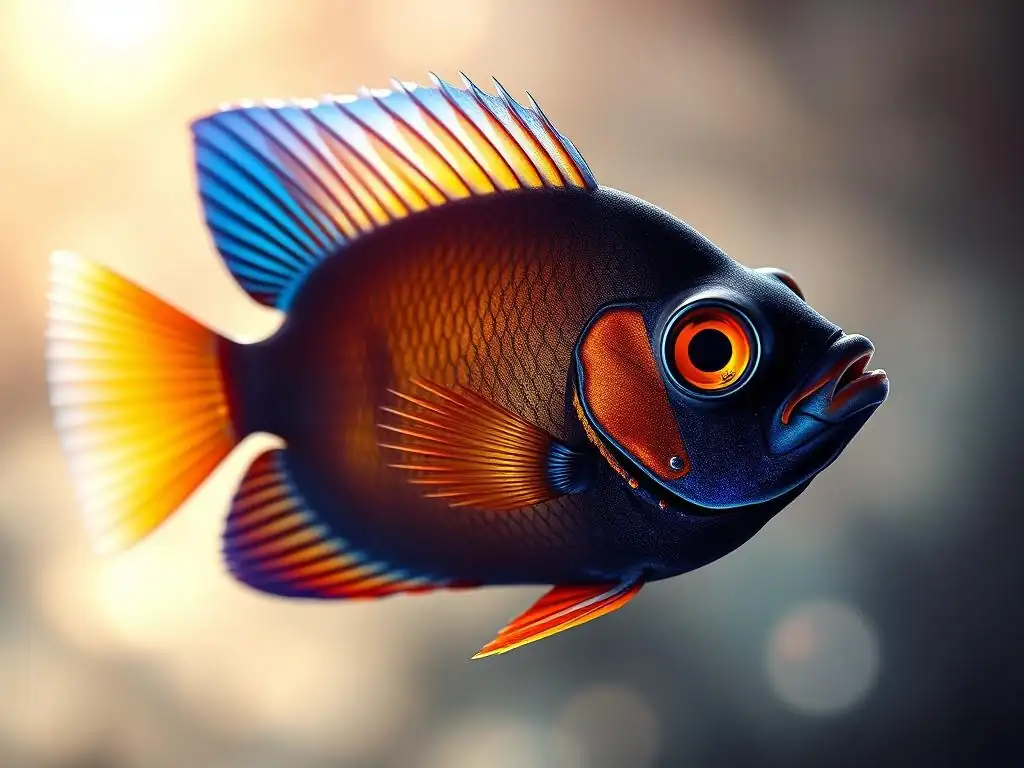
Lyretail Anthias are undeniably one of the most visually captivating additions to any reef aquarium, offering a stunning display of color and perpetual activity. The males, with their brilliant orange, pink, or purple bodies and elongated dorsal fins, are particularly striking, while the females provide a softer, yet equally elegant, orange-yellow hue. When kept in a proper school, their synchronized movements create a dynamic focal point, bringing a vibrant, living energy to the tank that few other fish can match.
Their constant activity and graceful swimming patterns contrast beautifully with the more stationary corals and rockwork, adding depth and dimension to the aquascape. The way they dart in and out of crevices, or hover in the mid-water column, truly embodies the "living art" aspect of reef aquariums. For aquarists dedicated to providing excellent Lyretail Anthias care, the reward is a breathtaking panorama of color and motion that enhances the aesthetic appeal of their entire setup.
Lyretail Anthias: Contributing to a Thriving Reef Ecosystem
Beyond their aesthetic appeal, Lyretail Anthias contribute subtly yet significantly to the overall health and natural balance of a thriving reef ecosystem within the confines of an aquarium. As zooplankton grazers, they play a role in consuming small suspended particles in the water column, acting as natural "cleaners" of the water. While their impact on water clarity might be minimal in a large system, their natural feeding behavior mimics that found on wild reefs, contributing to the authenticity of the simulated environment.
Furthermore, their schooling behavior can have a positive influence on other, shyer fish in the tank. The constant, confident movement of a healthy anthias school can encourage more reclusive species to venture out into the open, making the entire aquarium appear more lively and active. By integrating Lyretail Anthias into a well-planned community, aquarists not only enhance the visual appeal but also foster a more dynamic and naturally behaving miniature reef, a testament to comprehensive Lyretail Anthias care.
Troubleshooting Common Lyretail Anthias Problems
Identifying and Addressing Feeding Issues in Lyretail Anthias
One of the most common challenges in Lyretail Anthias care is ensuring they receive adequate nutrition, especially when newly introduced. If new anthias are not eating, it could be due to stress from shipping or tank mates. To address this, offer a variety of small, highly palatable foods such as live brine shrimp (which can act as a "starter food"), gradually transitioning to enriched frozen mysis shrimp or cyclop-eeze.
Feed very frequently, in small amounts, throughout the day to entice them. Ensure less aggressive tank mates are not outcompeting them for food by distracting more boisterous fish at one end of the tank while feeding the anthias at the other.
For long-term anthias that appear to be losing weight despite seemingly eating, review their diet for nutritional completeness. They might be getting enough volume but lacking essential nutrients. Consider supplementing their food with vitamins or offering different types of protein-rich frozen foods. Underlying stress from poor water quality, inadequate tank size, or persistent bullying from other fish can also suppress appetite and lead to emaciation, requiring those issues to be resolved first.
Dealing with Aggression or Bullying in Lyretail Anthias Schools
While Lyretail Anthias are generally peaceful, aggression can occur, particularly among males or between females competing for dominance. If a dominant male is overly aggressive towards other males or females, it could indicate an insufficient tank size or too small a group. Ensuring a minimum group size of 6-8 individuals in an appropriately sized tank (75+ gallons) helps to dilute aggression, as the male's attention is spread across more fish. Providing ample hiding spots and visual barriers within the rockwork can also help break lines of sight and reduce confrontations.
If the aggression is from non-anthias tank mates, re-evaluate their compatibility. Highly aggressive or territorial fish that persistently harass the Lyretail Anthias will need to be rehomed to ensure the anthias' well-being. Sometimes, even seemingly peaceful fish can become problematic if the tank is too crowded or if feeding competition is high. Adhering to the Lyretail Anthias care guide recommendations for tank mates and aquascaping is crucial to prevent and manage bullying.
Preventing and Treating Common Anthias Diseases
Lyretail Anthias are susceptible to common marine diseases, with marine ich ( Cryptocaryon irritans) and velvet ( Amyloodinium ocellatum) being particularly prevalent. Prevention is paramount: always quarantine new fish for at least 4-6 weeks in a separate tank, allowing for observation and prophylactic treatment if necessary. Maintaining pristine, stable water quality is the best long-term defense against disease, as it strengthens the fish's immune system.
If an outbreak occurs in the display tank, treatment options depend on the severity and the presence of corals or invertebrates. For ich, methods like hyposalinity (reducing salinity to 1.008-1.009 for several weeks) or tank transfer method can be effective, though they require careful execution. Copper-based medications are highly effective against these parasites but must be used in a hospital tank, as copper is toxic to invertebrates and can be harsh on sensitive fish.
For bacterial infections (e.g., fin rot), antibiotics (administered in a hospital tank) alongside addressing underlying stress factors are typically required. Prompt identification and isolation of affected fish significantly improve treatment outcomes.
Conclusion: Mastering Lyretail Anthias Care for a Vibrant Reef
Frequently Asked Questions
What are the essential requirements for keeping Sunburst Anthias in a reef tank?
Sunburst Anthias require a large tank (at least 125 gallons), excellent water quality, and a stable reef environment. They also need consistent feeding multiple times a day.
How often should I feed my Sunburst Anthias, and what should their diet consist of?
They should be fed multiple times a day (3-4 times is ideal) with a varied diet. This includes high-quality frozen foods, such as mysis shrimp and copepods.
Are Sunburst Anthias compatible with other fish in a reef tank setting?
They are generally peaceful, but it's best to keep them with non-aggressive tank mates. Avoid pairing them with larger, boisterous fish that may outcompete them for food.
What are some common health issues to watch out for when keeping Sunburst Anthias?
Sunburst Anthias are prone to stress-related diseases and parasitic infections, particularly when first introduced. Maintaining pristine water quality is crucial for their health.
What makes the Sunburst Anthias (Fathead) a desirable addition to a reef tank?
Their vibrant colors and unique body shape make them a visually stunning addition. When properly cared for, they can bring activity and beauty to a large reef system.
Final Reflection: Embracing the Sunburst's Legacy
The vibrant hues and captivating behavior of the Sunburst Anthias, as explored throughout this guide, underscore its enduring appeal as a centerpiece for established reef aquariums. Understanding the nuances of Sunburst Anthias care is not merely about maintaining a fish; it's about cultivating a thriving ecosystem and appreciating the delicate balance of marine life. The knowledge shared here empowers aquarists to not only keep these radiant creatures alive but to allow them to flourish, bringing a slice of the sun-drenched coral reefs into our homes.
The impact of responsible aquarists on the conservation of marine species cannot be overstated. By prioritizing ethical sourcing and meticulous care, we contribute to a future where these magnificent fish continue to grace our oceans and aquariums. The Sunburst Anthias, with its demanding needs, serves as a powerful reminder of the responsibility we bear as stewards of the marine environment. In the end, we will conserve only what we love; we will love only what we understand; and we will understand only what we are taught.
- Baba Dioum. This quote encapsulates the essence of our journey with the Sunburst Anthias: understanding its needs fosters a deeper appreciation and, ultimately, a commitment to its well-being.
Now, as you embark on your journey with the Sunburst Anthias, or perhaps simply reflect on the beauty and complexity of reef ecosystems, consider the impact of your choices. Let this guide serve as a stepping stone towards a more informed and compassionate approach to reef keeping. Embrace the challenge, celebrate the successes, and always strive to learn more. The future of our reefs, and the vibrant creatures that call them home, depends on our collective dedication and informed action.
Ignite Your Reef: Embrace the Sunburst Anthias!
Thank you for diving into the vibrant world of Sunburst Anthias! We hope you've gleaned valuable insights into the beauty and requirements of these radiant fish. Now, let's take that knowledge and turn it into action.
Here's how you can take the next step:
- Plan Your Perfect Habitat: Carefully assess your tank's size and conditions to ensure it can sustain a school of Sunburst Anthias. This commitment is crucial for their well-being and vibrant display.
- Delve deeper! Explore related species that can complement your Sunburst Anthias, expanding the biodiversity of your reef.
- Share the brilliance! Spread the word about these stunning fish by sharing this article with fellow reef enthusiasts.
What captivating fish will you consider next to further enhance the dynamism of your reef aquarium?