
From Larva to Juvenile: The Incredible Metamorphosis of a Baby Clownfish

Welcome to Aquarium Mastery!
Ever wondered how a tiny, almost transparent larva transforms into the vibrant, recognizable clownfish we all adore? Prepare to be amazed! Dive into our comprehensive guide and unravel the secrets of Clownfish metamorphosis growth stages. Discover the incredible journey from their earliest days as free-floating larvae to their emergence as captivating juvenile fish. We'll explore each critical stage, offering insights and tips to help you understand – and perhaps even witness – this fascinating transformation firsthand. Ready to unlock the mysteries of this saltwater marvel?
- From Larva to Juvenile: The Incredible Metamorphosis of the Ocellaris Clownfish
- Understanding Ocellaris Clownfish Development: An Introduction to Metamorphosis
- Ocellaris Clownfish Larval Stage: The Beginning of a Colorful Life
- Triggering Metamorphosis: Environmental Cues and Internal Factors
- The Metamorphosis Process: From Larva to Juvenile
- Post-Metamorphosis: The Juvenile Ocellaris Clownfish Stage
- Challenges and Mortality During Ocellaris Clownfish Metamorphosis
- Supporting Ocellaris Clownfish Metamorphosis in Captivity: Aquarium Considerations
- The Future of Ocellaris Clownfish Research: Understanding Metamorphosis and Conservation
-
Frequently Asked Questions
- What are the main stages of clownfish metamorphosis?
- How long does it take for a clownfish larva to transition into a juvenile?
- What factors influence the success of clownfish metamorphosis?
- What color changes occur during clownfish metamorphosis?
- How can I support clownfish metamorphosis in a home aquarium?
- Final Reflection: Witnessing Nature's Transformation
- Dive Deeper: Start Your Clownfish Adventure!
From Larva to Juvenile: The Incredible Metamorphosis of the Ocellaris Clownfish
Understanding Ocellaris Clownfish Development: An Introduction to Metamorphosis
The Unique Life Cycle of Ocellaris Clownfish
The Ocellaris Clownfish ( Amphiprion ocellaris), iconic for its vibrant orange and white stripes, undergoes a truly remarkable life cycle that culminates in a dramatic transformation known as metamorphosis. Unlike many fish species that hatch as miniature versions of their parents, Ocellaris Clownfish begin their lives as tiny, transparent larvae. This intricate process involves distinct stages: from carefully guarded eggs to free-swimming larvae, followed by a critical metamorphic phase that leads to the familiar juvenile form, and finally, maturation into reproductive adults.
This complex developmental journey is crucial for the species' survival, enabling dispersal to new habitats during the pelagic larval phase before settling into a symbiotic relationship with a host anemone. The transition from a drifting planktonic existence to a benthic, reef-dwelling life requires profound physiological and behavioral changes, making the Clownfish metamorphosis growth stages a fascinating subject for both scientists and aquarists.
Why Study Ocellaris Clownfish Metamorphosis? [Relevance to Aquarium Keeping]
Understanding the intricate Clownfish metamorphosis growth stages is not merely an academic exercise; it holds immense practical relevance for the aquarium hobby, particularly for those involved in captive breeding. Successful aquaculture of Ocellaris Clownfish relies heavily on the ability to guide larvae through this delicate period. Knowledge of their specific environmental requirements, nutritional needs, and the cues that trigger transformation directly impacts survival rates, which can often be challenging in early larval rearing.
For aquarists, appreciating the nuances of this development fosters a deeper connection to their aquatic inhabitants and provides insights into optimal care. By comprehending how the Ocellaris Clownfish develops from a vulnerable larva to a resilient juvenile, breeders can fine-tune their protocols, leading to healthier, more robust fish for the trade and reducing the pressure on wild populations. This detailed understanding is essential for advancing sustainable practices within the hobby.
Ocellaris Clownfish Larval Stage: The Beginning of a Colorful Life
Hatching and Early Development of Ocellaris Clownfish Larvae
Ocellaris Clownfish eggs typically hatch after 7 to 10 days, often occurring during the night, a strategy believed to minimize predation risks for the newly emerged larvae. These neonates are incredibly small, usually measuring a mere 3-4 millimeters in total length. At this initial stage, they are largely transparent, with large, prominent eyes and a visible yolk sac that provides their initial energy reserves. Their fins are undeveloped, resembling small paddles, which limits their swimming ability to rudimentary vertical movements.
The first 24-48 hours post-hatch are critical as the larvae rapidly absorb their yolk sac and must develop functional mouthparts to begin exogenous feeding. Their digestive systems are also rudimentary, necessitating very small, highly digestible food particles. This early period is characterized by extreme vulnerability, with high mortality rates if conditions are not precisely met, highlighting the delicate nature of these initial Clownfish metamorphosis growth stages.
Ocellaris Clownfish Larval Diet and Nutritional Needs
The diet of Ocellaris Clownfish larvae is highly specialized and demanding. For the first 5-10 days, their primary food source consists of microscopic live prey, most commonly rotifers such as Brachionus plicatilis. These rotifers are typically cultured and enriched with nutritional supplements, often high-quality algae like Nannochloropsis or Chlorella, to provide essential fatty acids (e.g., DHA and EPA) and vitamins crucial for proper development. The larvae's tiny mouth gape, often less than 100 microns, dictates the necessity of these minuscule food items.
As the larvae grow, usually around day 5-7, they can transition to larger live feeds like newly hatched brine shrimp ( Artemia nauplii). These too must be nutritionally enriched, as Artemia alone are not a complete diet. Consistent availability of appropriately sized and highly nutritious live food is paramount throughout the larval phase, as any nutritional deficiency can lead to deformities, delayed Clownfish metamorphosis growth stages, or outright mortality.
The Pelagic Larval Phase: Drifting in the Ocean
Upon hatching, Ocellaris Clownfish larvae enter a pelagic phase, meaning they drift in the open water column, carried by ocean currents. This phase typically lasts for approximately 8 to 14 days, though it can vary based on water temperature, food availability, and other environmental factors. The primary purpose of this drifting stage is dispersal, allowing the young clownfish to spread to new reef systems and reduce competition with their parents.
During this period, the larvae are highly vulnerable to predation from a wide array of marine organisms, including larger zooplankton, jellyfish, and various filter-feeding fish. In the wild, mortality rates during the pelagic phase can be astronomically high, often exceeding 95% for a given spawn. This inherent risk underscores the importance of the rapid growth and development that occurs during these initial Clownfish metamorphosis growth stages, preparing them for settlement and a more protected life.
Triggering Metamorphosis: Environmental Cues and Internal Factors
The Role of Anemones in Ocellaris Clownfish Metamorphosis
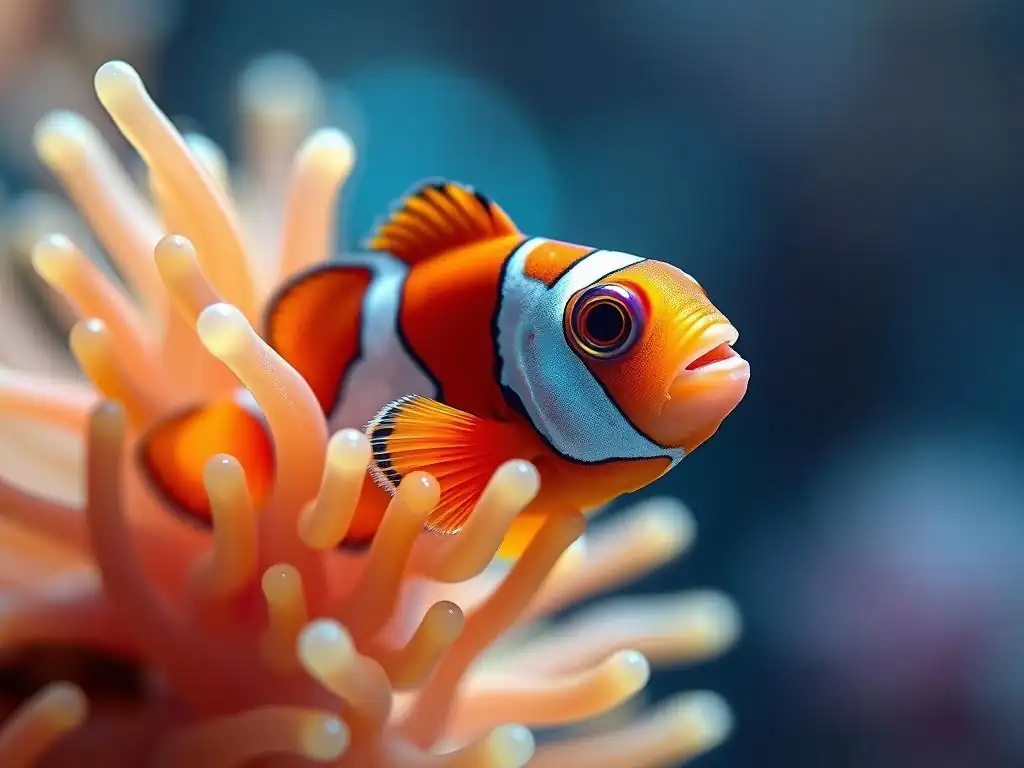
The presence of a suitable host anemone is arguably the most critical external cue for triggering metamorphosis in Ocellaris Clownfish larvae. After their pelagic phase, larvae actively seek out specific anemone species, such as the Magnificent Sea Anemone ( Heteractis magnifica), Bubble-Tip Anemone ( Entacmaea quadricolor), or Giant Carpet Anemone ( Stichodactyla gigantea). Studies have shown that larvae can detect and orient towards these anemones from a distance, initiating the final stages of their transformation.
Upon encountering an appropriate host, the larvae exhibit a rapid change in behavior and physiology. Research indicates that the physical and chemical interactions with the anemone trigger a cascade of internal hormonal changes, primarily involving thyroid hormones, which drive the rapid developmental shifts. This host-seeking and settlement behavior is a definitive marker of the onset of the most dramatic Clownfish metamorphosis growth stages.
Chemical Signals and the Onset of Transformation
Beyond physical presence, chemical signals released by host anemones play a pivotal role in initiating Ocellaris Clownfish metamorphosis. Anemones emit specific volatile compounds and waterborne cues, such as certain fatty acids or amino acids, that are detected by the larvae's highly developed olfactory system. These chemical signatures act as a powerful "settlement cue," signaling that a suitable and safe habitat is available.
Upon detecting these chemosensory signals, the larvae's internal machinery is activated, prompting the rapid physiological changes required for metamorphosis. This chemical communication ensures that the transformation occurs only when the larva is in the immediate vicinity of its future home, maximizing its chances of survival and successful integration into the symbiotic relationship. Understanding these cues is vital for replicating successful Clownfish metamorphosis growth stages in captive breeding programs.
Light and Temperature's Influence on Ocellaris Clownfish Development
While anemone cues are paramount, environmental factors such as light and temperature also significantly influence the timing and success of Ocellaris Clownfish development and metamorphosis. Optimal water temperatures, typically ranging from 26-28°C (79-82°F), generally accelerate larval development and can shorten the pelagic phase, bringing about metamorphosis more quickly. Deviations from this optimal range can lead to slower growth, increased stress, and potentially higher mortality rates.
Photoperiod, or the duration of light and dark cycles, also plays a role, albeit less directly than chemical cues. Consistent light-dark cycles help regulate larval activity, feeding patterns, and overall physiological rhythms, contributing to their readiness for metamorphosis. Maintaining stable and appropriate light and temperature conditions is therefore crucial in aquaculture settings to ensure healthy and timely Clownfish metamorphosis growth stages.
The Metamorphosis Process: From Larva to Juvenile
Physical Changes During Ocellaris Clownfish Metamorphosis
Pigmentation Development: Acquiring the Iconic Colors
One of the most striking physical changes during Ocellaris Clownfish metamorphosis is the rapid development of their characteristic orange body coloration and distinct white bands. Initially, larvae are largely transparent, with minimal pigmentation. As metamorphosis progresses, typically between days 10-14 post-hatch, specialized pigment cells called chromatophores (melanophores for black, xanthophores for yellow/orange, and iridophores for iridescence) proliferate and organize. The white bands, formed by guanine crystals, usually appear first, starting with the anterior band behind the head, followed by the mid-body and caudal bands.
This dramatic acquisition of color is not merely aesthetic; it is vital for camouflage within the anemone and for species recognition among other clownfish. The transformation from a translucent, planktonic larva to a brightly colored, reef-dwelling juvenile is a defining feature of the Clownfish metamorphosis growth stages.
Fin Development and Body Shape Transformation
Concurrently with pigmentation changes, the Ocellaris Clownfish undergoes significant alterations in its fin structure and overall body shape. Larval fins are typically simple and rounded, optimized for buoyancy and basic propulsion in the water column. During metamorphosis, the fins develop into their adult forms: the caudal (tail) fin becomes more rounded or slightly forked, and the dorsal, anal, and pectoral fins become more defined and robust. These changes enhance maneuverability and allow for precise swimming within the intricate structure of an anemone.
The slender, elongated body of the larva also morphs into the more compressed, oval, and deeper-bodied shape characteristic of juvenile and adult clownfish. This streamlined yet compact form is perfectly adapted for navigating through the dense tentacles of their host anemone, providing better protection and agility. These morphological shifts are crucial for their transition to a benthic lifestyle and are integral to the Clownfish metamorphosis growth stages.
Sensory System Development: Adapting to Reef Life
The metamorphosis of Ocellaris Clownfish also involves the maturation and refinement of their sensory systems, essential for their survival in the complex reef environment. The lateral line system, which detects water movement and vibrations, becomes fully developed, enabling the juvenile to perceive nearby predators or prey more effectively. Concurrently, their eyes undergo refinement, improving visual acuity for navigating the reef, recognizing their host anemone, and locating food sources.
Crucially, their olfactory (smell) system, already capable of detecting anemone cues, becomes further honed, allowing for more precise identification and discrimination of suitable host species. This heightened sense of smell is vital for establishing and maintaining their symbiotic relationship. These sensory adaptations ensure the young clownfish can effectively locate, settle into, and thrive within their chosen anemone, marking a successful completion of the most critical Clownfish metamorphosis growth stages.
Transition from Pelagic to Benthic Lifestyle
One of the most profound behavioral shifts during Ocellaris Clownfish metamorphosis is the transition from a pelagic (open-water) existence to a benthic (bottom-dwelling, reef-associated) lifestyle. Larvae, having spent their early lives drifting with currents, begin to exhibit active searching behaviors for suitable substrate and shelter. This involves a change from horizontal, aimless swimming to more directed, exploratory movements, often involving vertical dives and hovering near potential settlement sites.
This behavioral change is directly linked to the physical and sensory developments occurring simultaneously. The improved fins allow for more controlled swimming, and the enhanced sensory organs enable them to detect the cues indicating a safe and suitable reef habitat. This deliberate shift from a passive, drifting existence to an active search for a home is a hallmark of the Clownfish metamorphosis growth stages.
Host Anemone Recognition and Settlement
The culmination of the behavioral changes during metamorphosis is the recognition and settlement within a host anemone. Once a larva locates a potential host, it exhibits specific "testing" behaviors, gently brushing against the anemone's tentacles to assess its compatibility and tolerance to the stinging nematocysts. This process helps the clownfish develop its protective mucus layer, which prevents it from being stung.
Upon successful identification of a suitable host, the larva will actively swim into the anemone and take up permanent residence, often within a few hours to a day. This act of settlement marks the completion of the major metamorphic changes and the beginning of the iconic symbiotic relationship, signifying a successful navigation through the most challenging of the Clownfish metamorphosis growth stages.
Development of Social Hierarchy
Following successful settlement, especially if multiple juvenile Ocellaris Clownfish settle together or integrate into an existing group, the development of a social hierarchy begins. Clownfish are protandrous hermaphrodites, meaning they are born male and can later change sex to female. Within a group inhabiting a single anemone, the largest and most dominant individual will typically become the breeding female, while the second largest will become the breeding male.
The remaining individuals will remain non-reproductive males, often significantly smaller, and their growth is suppressed by the dominant pair. While the full hierarchy solidifies in adulthood, the initial pecking order and size differences that dictate future roles start to manifest during the early juvenile stage as they establish their positions within the anemone, influencing their subsequent Clownfish metamorphosis growth stages and overall development.
Post-Metamorphosis: The Juvenile Ocellaris Clownfish Stage
Growth and Development of Juvenile Ocellaris Clownfish
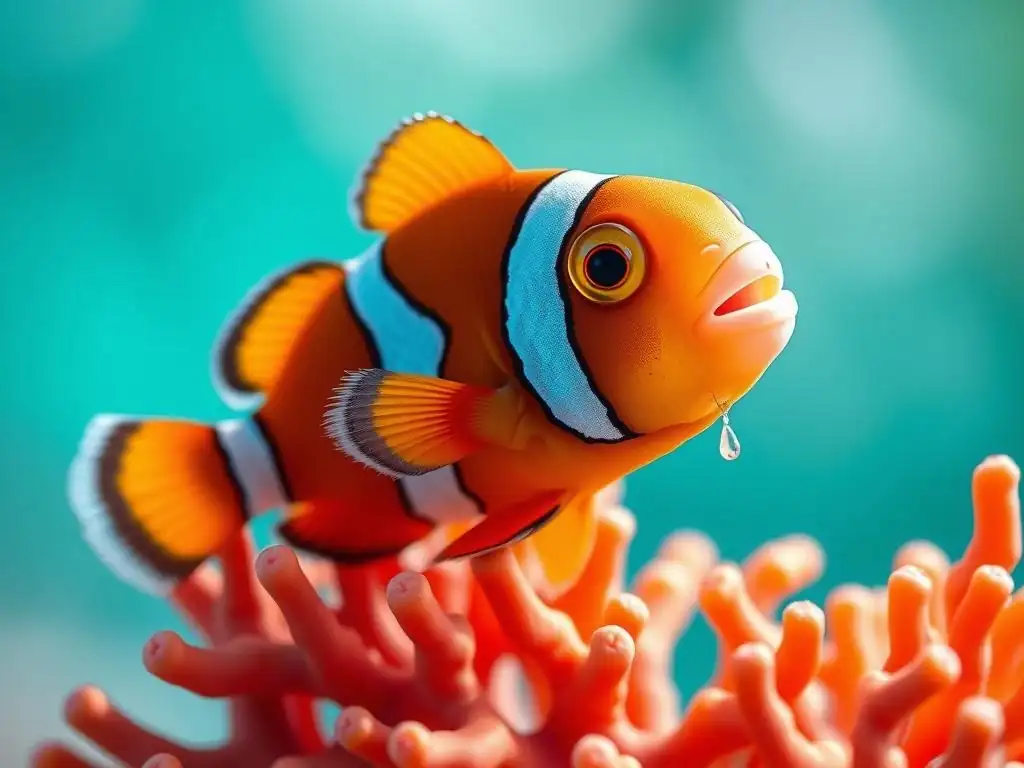
After successfully completing metamorphosis, the Ocellaris Clownfish officially enters its juvenile stage, a period characterized by rapid growth and continued development. Typically, a newly metamorphosed juvenile measures about 8-12 millimeters in total length. With consistent feeding and optimal water conditions, these juveniles can grow significantly, often reaching 2-3 centimeters within the first 2-3 months. Their colors deepen, and their fin structures become fully robust.
This phase is critical for strengthening their immune system and building up energy reserves. The growth rate is highly dependent on the quality and quantity of food provided, as well as the stability of their environment. Unlike the larval stage where survival is the primary challenge, the juvenile stage focuses on gaining size and resilience, solidifying the gains made during the Clownfish metamorphosis growth stages.
Establishing Symbiosis with Host Anemones
The symbiotic relationship with a host anemone, initiated during metamorphosis, continues to strengthen throughout the juvenile stage. The young clownfish's protective mucus coating, which prevents it from being stung by the anemone's nematocysts, becomes more robust with repeated contact. This mutualistic relationship is vital for the clownfish's survival in the wild, providing unparalleled protection from predators like triggerfish or moray eels.
In return, the clownfish provides benefits to the anemone, such as cleaning its tentacles of detritus and parasites, deterring certain anemone predators, and potentially improving water circulation. This intricate dance of cohabitation is fully established during the juvenile period, becoming a defining characteristic of the Ocellaris Clownfish's life and the ultimate outcome of the Clownfish metamorphosis growth stages.
Diet and Feeding Habits of Juvenile Ocellaris Clownfish
The diet of juvenile Ocellaris Clownfish is far less restrictive than that of their larval counterparts. Once past metamorphosis, their mouthparts are sufficiently developed to consume a wider range of food items. In the wild, they primarily feed on zooplankton, small crustaceans, algae, and detritus found within and around their host anemone. This opportunistic feeding behavior ensures they receive a varied nutritional intake.
In captivity, a diverse diet is crucial for promoting healthy growth and vibrant coloration. High-quality flake foods, small pellets, and frozen foods such as mysis shrimp, brine shrimp, and finely chopped seafood are all suitable. Frequent, small feedings (2-3 times per day) are recommended for juveniles to support their rapid growth rate. Providing a varied diet ensures they receive all necessary vitamins and minerals for optimal development post-metamorphosis.
Challenges and Mortality During Ocellaris Clownfish Metamorphosis
Predation Risks for Ocellaris Clownfish Larvae and Juveniles
The Clownfish metamorphosis growth stages are periods of immense vulnerability, particularly to predation. In the wild, Ocellaris Clownfish larvae, being pelagic, are a prime food source for a vast array of planktivorous fish and invertebrates. Once they settle as newly metamorphosed juveniles, they remain susceptible to larger reef predators until their symbiotic relationship with the anemone is fully established and their protective mucus layer is robust.
In aquaculture settings, while wild predators are absent, challenges arise from filter-feeding organisms in the system, or larger tank mates if larvae are not isolated. Even minor disturbances can stress delicate larvae, making them more prone to succumbing to environmental factors. Dedicated larval rearing tanks and strict biosecurity measures are essential to minimize predation and maximize survival during these critical developmental phases.
Environmental Stressors Affecting Development
Developing Ocellaris Clownfish are highly sensitive to environmental stressors, which can significantly impact the success of their metamorphosis. Fluctuations in water quality parameters such as temperature, salinity, pH, and elevated levels of ammonia, nitrite, or nitrate can induce severe stress, leading to deformities, delayed metamorphosis, or even mass mortality. For instance, ammonia levels as low as 0.25 ppm can be lethal to larvae.
Even subtle deviations from optimal conditions can disrupt the delicate hormonal balance required for the precise timing of metamorphosis, potentially causing incomplete transformations or reducing the overall fitness of the resulting juveniles. Maintaining stable, pristine water parameters within narrow ranges is paramount for increasing the survival rate and ensuring healthy Clownfish metamorphosis growth stages in captive breeding.
Disease Susceptibility in Young Ocellaris Clownfish
Young Ocellaris Clownfish, especially during and immediately after metamorphosis, possess underdeveloped immune systems, making them particularly susceptible to a range of diseases. Common marine pathogens such as marine ich ( Cryptocaryon irritans), velvet ( Amyloodinium ocellatum), and various bacterial infections can rapidly decimate a batch of larvae or newly settled juveniles. Stressors like poor water quality or inadequate nutrition further compromise their defenses.
Prophylactic measures, such as strict hygiene protocols, proper nutrition, and maintaining stable, pristine water conditions, are vital for preventing disease outbreaks. Regular observation for any signs of illness and prompt intervention are crucial to ensure the survival of these delicate Clownfish metamorphosis growth stages. Quarantine procedures for any new additions to the breeding system are also highly recommended.
Supporting Ocellaris Clownfish Metamorphosis in Captivity: Aquarium Considerations
Creating an Optimal Environment for Ocellaris Clownfish Larvae
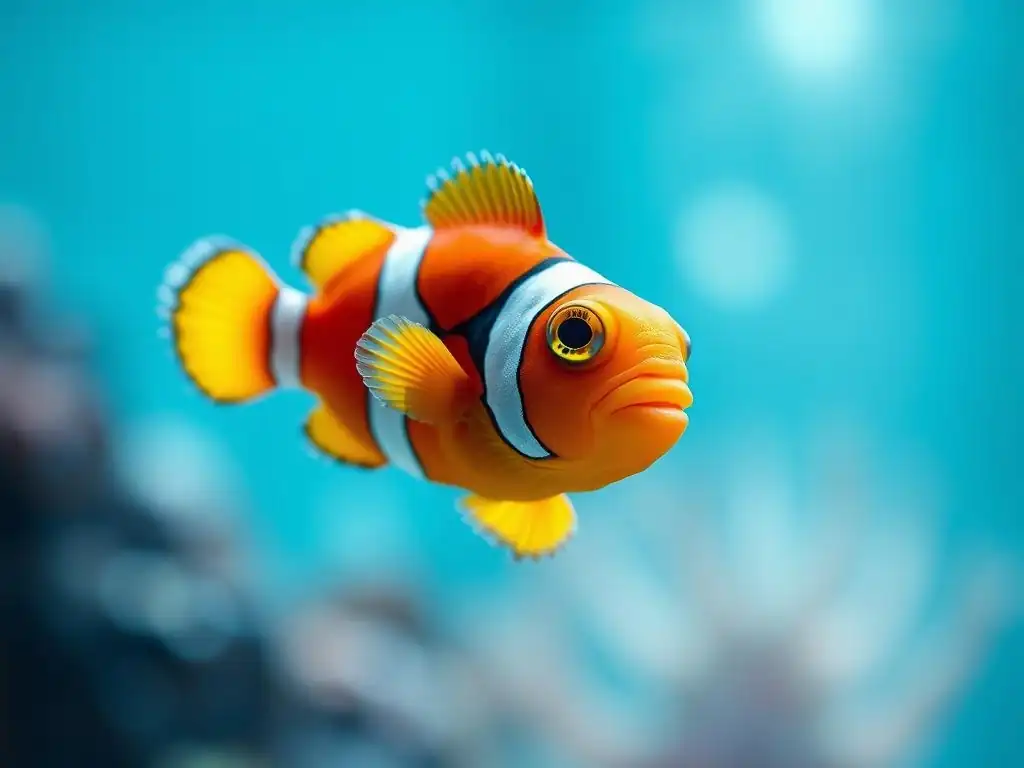
Successfully rearing Ocellaris Clownfish larvae through metamorphosis in captivity requires a highly controlled and specialized environment. Dedicated larval rearing tanks, often small (e.g., 5-10 gallons) and black-sided to reduce stress and improve feeding success, are commonly used. Gentle aeration, typically from an air stone placed in a corner or a gentle sponge filter, is necessary to provide oxygen without creating strong currents that could harm the delicate larvae.
Maintaining stable water parameters is paramount; temperature should be consistent at 26-28°C (79-82°F), and salinity at 1.023-1.025 specific gravity. Ammonia and nitrite must be undetectable, with nitrates kept as low as possible. These precise conditions are vital to ensure the smooth progression of the Clownfish metamorphosis growth stages.
Providing Proper Nutrition for Successful Metamorphosis
The nutritional requirements for Ocellaris Clownfish larvae are exacting and critical for successful metamorphosis. For the first 5-7 days post-hatch, larvae require a high density of enriched rotifers ( Brachionus plicatilis), typically maintained at concentrations of 10-15 rotifers per milliliter. These rotifers must be continuously cultured and enriched with algae to provide essential fatty acids and vitamins.
After this initial period, a gradual transition to enriched Artemia nauplii (newly hatched brine shrimp) is introduced, usually around day 5-7, with a complete switch by day 10-12. The Artemia should also be enriched for 12-24 hours prior to feeding. Consistent, small, and frequent feedings throughout the day are necessary to meet the high metabolic demands of the rapidly developing larvae and support their Clownfish metamorphosis growth stages.
Monitoring Water Quality and Tank Parameters
Diligent and consistent monitoring of water quality is perhaps the single most important factor for supporting Ocellaris Clownfish metamorphosis in captivity. Daily testing for ammonia, nitrite, and nitrate levels is essential, as even trace amounts of ammonia or nitrite can be lethal to developing larvae. Temperature and salinity should also be checked daily to ensure stability.
Regular small water changes, typically 10-20% daily or every other day, using aged and properly mixed saltwater, are crucial for removing waste products and maintaining pristine conditions. Siphoning detritus from the bottom of the larval tank is also important to prevent the buildup of organic matter. Maintaining impeccable water quality directly correlates with high survival rates through the delicate Clownfish metamorphosis growth stages.
The Future of Ocellaris Clownfish Research: Understanding Metamorphosis and Conservation
Studying the Genetic Basis of Ocellaris Clownfish Development
Future research on Ocellaris Clownfish metamorphosis is increasingly focusing on the genetic underpinnings of this incredible transformation. Scientists are employing advanced genomic techniques to identify the specific genes and regulatory pathways that control pigment development, fin formation, body shape changes, and the physiological adaptations necessary for life within an anemone. Understanding these genetic mechanisms could provide insights into how environmental cues trigger the metamorphic cascade.
This research not only deepens our fundamental understanding of fish development but also has practical implications for aquaculture. Identifying genetic markers for traits like faster growth, disease resistance, or more efficient metamorphosis could lead to selective breeding programs, further improving the success rates and robustness of captive-bred clownfish and refining our control over the Clownfish metamorphosis growth stages.
Conservation Efforts to Protect Ocellaris Clownfish Populations
A thorough understanding of Ocellaris Clownfish metamorphosis is vital for effective conservation efforts. Knowledge of their larval dispersal patterns, the duration of their pelagic phase, and the specific cues that trigger settlement can inform the design of marine protected areas (MPAs) and help assess the connectivity between different clownfish populations. This information is crucial for ensuring the long-term health and resilience of wild populations.
Furthermore, successful captive breeding, directly aided by a deep understanding of their Clownfish metamorphosis growth stages, reduces the demand for wild-caught specimens. By providing a sustainable source of Ocellaris Clownfish for the aquarium trade, aquaculture helps alleviate pressure on natural reef ecosystems, contributing to the broader goal of marine conservation and biodiversity protection.
The Importance of Understanding Ocellaris Clownfish Metamorphosis for Aquarium Breeders
For aquarium breeders, a comprehensive understanding of Ocellaris Clownfish metamorphosis is the cornerstone of success. It empowers them to move beyond trial-and-error methods to implement scientifically informed protocols that significantly increase larval survival rates, often from less than 10% to over 70-80% in well-managed systems. This knowledge enables precise control over environmental parameters, nutritional regimes, and the timing of developmental transitions.
Mastering the Clownfish metamorphosis growth stages allows breeders to produce healthier, more vibrant, and more resilient fish, benefiting both the hobbyist and the species itself. It fosters responsible aquaculture, contributes to the scientific community's understanding of marine life cycles, and ultimately supports a sustainable and thriving aquarium industry that values the well-being of its aquatic inhabitants.
Frequently Asked Questions
What are the main stages of clownfish metamorphosis?
The main stages include the larval stage, a settlement stage where they find an anemone, and the juvenile stage where they develop adult coloration. The process is quite rapid, usually taking only a few weeks.
How long does it take for a clownfish larva to transition into a juvenile?
The transition from larva to juvenile typically takes between 6 to 12 days, depending on environmental conditions and species. This period is crucial for their survival.
What factors influence the success of clownfish metamorphosis?
Key factors include water quality, availability of a suitable anemone host, and access to appropriate food during the larval and settlement phases. Stress can significantly impact their development.
What color changes occur during clownfish metamorphosis?
Clownfish larvae are often transparent. As they metamorphose, they develop their characteristic orange or red coloration and white stripes. The exact pattern varies by species.
How can I support clownfish metamorphosis in a home aquarium?
Maintaining pristine water conditions, providing a healthy anemone, and offering a varied diet of small, high-quality food are essential. Careful observation is also key to identifying and addressing any issues early.
Final Reflection: Witnessing Nature's Transformation
The journey from a microscopic larva to a vibrant juvenile clownfish, as explored in this article, highlights the astonishing power of metamorphosis and its profound relevance in understanding the complexities of marine life. The intricate growth stages, meticulously detailed, serve as a reminder of the delicate balance within our ecosystems and the remarkable adaptability of creatures like the clownfish. This understanding is crucial, especially now, as our oceans face unprecedented environmental challenges.
The clownfish's transformation, a process both beautiful and vulnerable, has deeply influenced my perspective on the interconnectedness of life. Observing this incredible journey underscores the importance of conservation efforts and the need to protect the habitats that nurture these fascinating creatures. In the end, we will conserve only what we love; we will love only what we understand; and we will understand only what we are taught.
- Baba Dioum. This quote resonates deeply, reminding us that education and awareness are the cornerstones of environmental stewardship.
Now, consider the lessons learned from the clownfish's metamorphosis. Just as the larva adapts and evolves to thrive in its environment, so too can we embrace change and growth in our own lives. Let us all be inspired by the resilience and adaptability of the clownfish, and commit to fostering a world where these incredible creatures, and the ecosystems they inhabit, can continue to flourish for generations to come.
Dive Deeper: Start Your Clownfish Adventure!
Thanks for exploring the fascinating world of clownfish metamorphosis with us! Now that you've seen the incredible journey from larva to juvenile, it's time to take your newfound knowledge and turn it into action.
Here are a few ways to continue your clownfish adventure:
- Start Planning Your Clownfish Tank: Delve into the research and design of the perfect habitat for these captivating creatures. Consider factors like tank size, water parameters, and compatible tank mates.
- Share your favorite clownfish fact from this article with a fellow aquarium enthusiast.
- Explore other fish species with similar metamorphosis or nurturing behaviors.
What unique feature of the clownfish metamorphosis surprised you the most, and how might that change the way you approach aquarium keeping?