
Managing Aggression in Established Reef Tanks: Tips and Tricks

Welcome to Aquarium Mastery!
Ever wonder why your once-peaceful reef tank suddenly resembles a battleground? Unraveling the mysteries of reef tank aggression can be tricky, but understanding the underlying causes is the first step to restoring harmony. Dive into our latest article, " Managing Aggression in Established Reef Tanks: Tips and Tricks," and discover proven reef tank aggression solutions to keep your aquatic community thriving. Ready to create a more peaceful underwater paradise? Let's explore!
- Understanding Reef Tank Aggression: Identifying the Root Causes
- Reef Tank Aggression Solutions: Proven Strategies for a Peaceful Ecosystem
- Mitigating Existing Aggression in Reef Tanks: Immediate Action Steps
- Preventing Future Aggression: Proactive Reef Tank Management
- Advanced Techniques for Reef Tank Aggression Control
- Long-Term Reef Tank Aggression Prevention: Sustainable Practices
- Reef Tank Aggression Solutions: A Summary of Key Takeaways
-
Frequently Asked Questions
- How do I identify aggression in my reef tank?
- What are some common causes of aggression in reef tanks?
- What are some immediate steps I can take to reduce aggression in my reef tank?
- When should I consider removing a fish from my reef tank due to aggression?
- Can adding new fish to an established reef tank trigger aggression issues?
- Final Reflection: Navigating the Reef's Delicate Balance
- Ignite Your Reef: Take Action for a More Peaceful Aquarium!
Understanding Reef Tank Aggression: Identifying the Root Causes
Common Aggressors in Reef Aquariums: Fish and Invertebrates
Aggression in reef tanks often stems from the natural instincts of certain species. Among fish, some of the most common culprits include various species of Dottybacks, such as the Orchid Dottyback ( Pseudochromis fridmani) or the Springeri Dottyback ( Pseudochromis springeri), known for their territorial behavior and tendency to harass smaller, shyer fish.
Damselfish, particularly species like the Blue Devil Damselfish ( Chrysiptera cyanea) or the Yellowtail Damselfish ( Chrysiptera parasema), are also notorious for their tenacious territoriality, often claiming a significant portion of the tank as their own and relentlessly chasing intruders. Larger, more robust species like Triggerfish (e.g., the Niger Trigger, Odonus niger, or the Picasso Trigger, Rhinecanthus aculeatus) can be highly aggressive predators, often targeting smaller fish or even invertebrates.
Beyond fish, certain invertebrates can also exhibit aggressive tendencies. While less common, some crabs, especially predatory species like the Gorilla Crab, can prey on smaller fish or corals. Certain types of shrimp, particularly hitchhikers like Mantis Shrimp ( Stomatopoda), are powerful predators that can decimate a tank's inhabitants. Even some corals can display aggression; for example, Euphyllia corals (like Frogspawn or Hammer corals) possess long sweeper tentacles that can sting and damage neighboring corals, asserting their territory through chemical warfare. Understanding these inherent aggressive traits is the first step in formulating effective reef tank aggression solutions.
Recognizing Signs of Aggression: Stress, Injury, and Territorial Disputes
Identifying aggression early is crucial for maintaining a healthy reef ecosystem. Common signs of stress and aggression in fish include torn or frayed fins, especially the caudal (tail) fin, which indicates nipping. Fish may also exhibit faded or dulled coloration, indicating chronic stress. Excessive hiding, rapid breathing, or a complete refusal to eat are also strong indicators that a fish is being bullied. Observe the fish during feeding times; if certain individuals are consistently pushed away from food or appear emaciated despite regular feeding, it suggests they are being outcompeted or harassed.
More overt signs of aggression include constant chasing, body slamming, or mouth fighting between fish. Territorial disputes often manifest as one fish repeatedly driving another away from a specific area, such as a prime hiding spot, a preferred feeding zone, or a particularly desirable piece of live rock. For instance, a dominant Yellow Tang ( Zebrasoma flavescens) might relentlessly chase a newly introduced fish around the tank, preventing it from settling.
If left unaddressed, these behaviors can lead to chronic stress, weakened immune systems, and ultimately, disease outbreaks like Marine Ich ( Cryptocaryon irritans) or Marine Velvet ( Amyloodinium ocellatum), or even direct mortality of the targeted fish. Effective reef tank aggression solutions require keen observation and timely intervention.
Factors Contributing to Aggression: Tank Size, Stocking Levels, and Compatibility Issues
Several environmental and biological factors significantly contribute to aggression in reef tanks. Tank size is paramount; a smaller aquarium inherently offers less space for fish to establish territories and escape pursuit.
For instance, attempting to house a highly active fish like a Yellow Tang, which can reach 8 inches, in a 50-gallon tank will almost certainly lead to aggression, whereas it might coexist peacefully in a 180-gallon system where it has ample swimming room and space to establish a large territory without constant conflict. A general guideline is that fish aggression often escalates when the tank size provides less than 20-30 gallons per medium-sized fish (e.g., 3-5 inches).
Stocking levels and species compatibility are equally critical. Overstocking a tank, even with generally peaceful species, reduces available space and resources, leading to competition and stress, which can trigger aggressive behaviors. For example, adding 15 small fish to a 75-gallon tank might seem acceptable, but if several are territorial or grow large, conflicts are inevitable. Compatibility issues arise when species with inherently different temperaments or ecological niches are housed together.
Introducing a predatory Lionfish ( Pterois volitans) with small gobies is a clear recipe for disaster, as the Lionfish will view the gobies as food. Similarly, two male Wrasses of the same species in a confined space will often fight to the death. Understanding these underlying factors is key to implementing effective reef tank aggression solutions.
Reef Tank Aggression Solutions: Proven Strategies for a Peaceful Ecosystem
Addressing Overcrowding: Re-evaluating Stocking Density
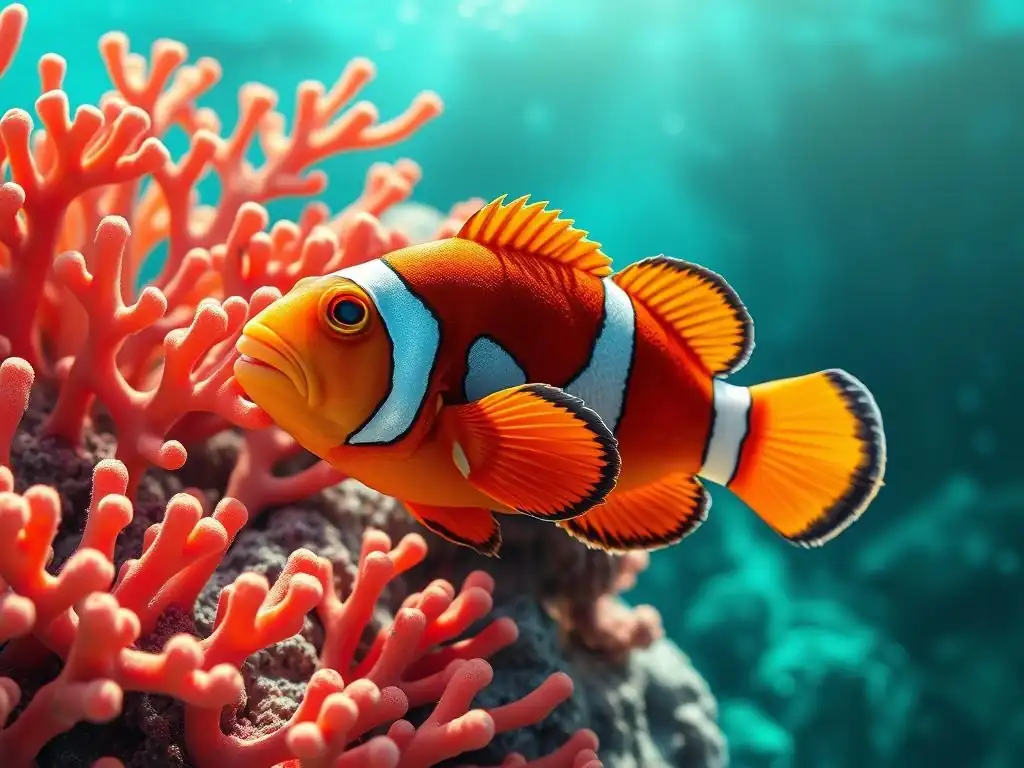
Overcrowding is a primary catalyst for aggression in an established reef tank, as limited space intensifies competition for territory, food, and hiding spots. When fish feel confined, their stress levels rise, often leading to territorial disputes and bullying. A common strategy to mitigate this is to re-evaluate the current stocking density and, if necessary, reduce the bioload by relocating or rehoming certain fish.
For instance, if a 90-gallon tank houses a mature Clownfish pair, a Royal Gramma, a Yellow Tang, and a Coral Beauty Angelfish, and aggression among the Tang and Angelfish is observed, the tank might be at its capacity limit for those specific species, especially given their adult sizes. Rehoming one of the larger, more active species can significantly alleviate stress and reduce territorial conflicts.
When planning your tank's inhabitants, always consider the adult size and territorial requirements of each species. A rule of thumb often cited for reef tanks is to aim for no more than one inch of adult fish per 5 gallons of water for smaller, less active species, but this can be misleading for larger or highly active fish.
For example, while a small Chromis might thrive in a 20-gallon space, a fully grown Blue Tang, reaching up to 12 inches, requires a minimum of 180 gallons to reduce stress and aggression. Proactively addressing potential overcrowding by carefully selecting species and managing their numbers is one of the most fundamental reef tank aggression solutions.
Improving Tank Layout: Creating Territories and Breaking Lines of Sight
The physical arrangement of live rock and corals within a reef tank plays a pivotal role in managing and preventing aggression. A well-designed aquascape can provide numerous hiding spots, caves, and distinct territories, allowing fish to establish their own spaces and retreat when threatened. For instance, creating multiple rock structures with overhangs and tunnels can offer refuge for shyer fish, preventing them from being constantly exposed to dominant individuals. This strategic placement helps distribute aggression by giving targeted fish places to escape and reduces the likelihood of direct confrontations.
Furthermore, breaking lines of sight is a highly effective technique. If an aggressive fish can see its target across the entire tank, it will relentlessly pursue it. By arranging live rock, tall corals (like branching Acropora or long-polyp Euphyllia), or even strategically placed macroalgae, you can create visual barriers that disrupt the aggressor's field of view.
This forces the aggressor to lose sight of its target, giving the bullied fish a much-needed reprieve and reducing the overall stress in the tank. For example, a central rock structure that divides the tank into distinct zones can significantly reduce the ability of a territorial Dottyback to dominate the entire aquascape. Thoughtful aquascaping is a cornerstone of effective reef tank aggression solutions.
Introducing New Tank Mates Carefully: Acclimation and Quarantine Protocols
The introduction of new tank mates is a critical period when aggression can escalate significantly. Proper acclimation and quarantine protocols are essential reef tank aggression solutions that minimize stress and prevent new additions from becoming immediate targets. All new fish should undergo a mandatory quarantine period, ideally for 3-4 weeks, in a separate, dedicated quarantine tank.
This not only prevents the introduction of diseases like Ich or Marine Velvet but also allows the new fish to de-stress and regain strength in a calm environment before facing the established hierarchy of the main display tank. A healthy, robust fish is far less likely to be bullied than one stressed from transport or illness.
When introducing a new fish to the main display, several techniques can help smooth the transition. Turning off the tank lights for a few hours (or even overnight) after introduction can help the new fish settle in without immediate scrutiny from existing inhabitants. For potentially aggressive species, it's often advisable to introduce them last to an established tank, as they are less likely to claim dominance if others are already settled.
Conversely, for a particularly shy or timid species, introducing it simultaneously with a few other peaceful fish can sometimes dilute the aggression from existing tank inhabitants. Even placing the new fish in an in-tank isolation box for a day or two allows existing fish to get used to its presence without direct interaction, further reducing potential conflicts.
Mitigating Existing Aggression in Reef Tanks: Immediate Action Steps
Temporarily Separating Aggressors: Using Isolation Boxes or Refugiums
When aggression escalates to the point of injury or severe stress for a particular fish, immediate intervention is necessary. One effective short-term reef tank aggression solution is to temporarily separate the aggressor. This can be done using an in-tank isolation box, which is typically a clear, perforated acrylic container that floats or suctions inside the main tank.
Placing the aggressive fish in this "time-out" box for a few days to a week allows it to cool off and breaks its established territorial dominance. Simultaneously, the bullied fish gets a much-needed reprieve to recover from stress and injuries without constant harassment.
Alternatively, if you have a sump with a dedicated refugium section, the aggressor can be moved there for a similar "time-out" period. The key is to remove the aggressor from the main display, disrupting its routine and allowing the pecking order to potentially reset. Upon reintroduction, the aggressor may no longer feel the same intense need to dominate, or the previously bullied fish may have gained confidence. However, if the aggression persists after a few attempts, rehoming the aggressive fish might be the only viable long-term reef tank aggression solution for the health of your overall aquarium.
Re-Arranging the Aquascape: Disrupting Established Territories
A highly effective and often immediate reef tank aggression solution for territorial fish is to significantly rearrange the aquascape. Fish, especially territorial species like damselfish, dottybacks, or certain wrasses, establish specific territories within the live rock structure. When this structure is altered, their established "home" is disrupted, forcing them to re-evaluate their surroundings and re-establish new territories. This temporary confusion can be enough to break the cycle of aggression.
For instance, if a specific rock arch is the focal point of a territorial dispute, moving that arch or adding new structures can change the dynamics. This provides new hiding spots for targeted fish and can dilute the aggressor's dominance. It's advisable to make substantial changes rather than minor tweaks to truly disrupt the aggressor's established boundaries.
While this can be a bit disruptive to the tank in the short term, the benefits of reduced aggression and stress for all inhabitants often outweigh the temporary inconvenience. This hands-on approach is a powerful tool in the arsenal of reef tank aggression solutions.
Implementing "Darkness Therapy": Reducing Stress and Aggressive Behavior
"Darkness therapy" is a simple yet surprisingly effective immediate reef tank aggression solution, particularly for acute aggression issues. This technique involves turning off all aquarium lights for a period of 24 to 48 hours. Many aggressive behaviors, such as chasing and nipping, are visually driven. By plunging the tank into complete darkness (you might even cover the tank with a blanket or towel to ensure no ambient light enters), you effectively limit the aggressor's ability to see and pursue its target.
During this period of darkness, fish tend to become less active and more subdued, reducing opportunities for confrontation. It provides a much-needed break for all inhabitants, allowing stressed or bullied fish to calm down and recover. It can also help reset the overall mood of the tank.
During darkness therapy, avoid feeding to prevent food from decaying in the absence of light and observation. Upon reintroducing light, often after 24-48 hours, many aquarists report a noticeable reduction in aggression, with fish behaving more calmly. This method is a non-invasive way to de-escalate immediate conflicts and promote a more peaceful environment.
Preventing Future Aggression: Proactive Reef Tank Management
Researching Fish Compatibility Before Introduction
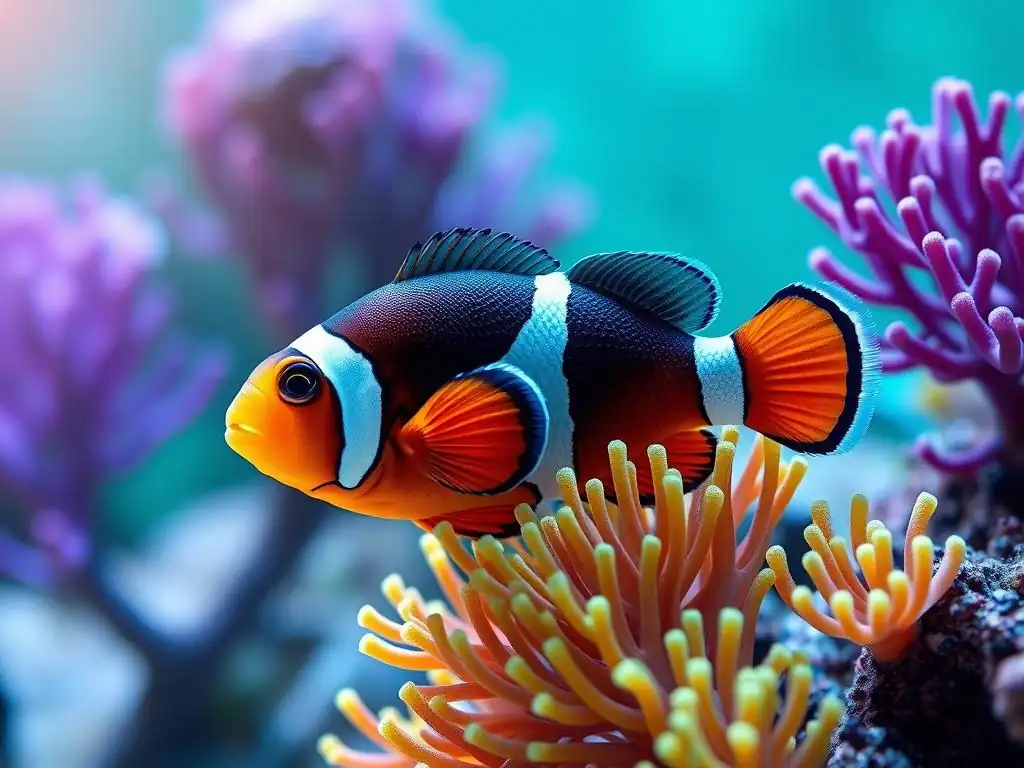
One of the most crucial proactive reef tank aggression solutions is thorough research into fish compatibility before any new inhabitant is introduced to the aquarium. Simply liking a fish's appearance is not enough; aquarists must understand its adult size, temperament, specific dietary needs, and how it interacts with other species commonly found in reef tanks.
For example, a beautiful Harlequin Tuskfish ( Choerodon fasciatus) might be tempting, but its predatory nature makes it unsuitable for tanks with small invertebrates or tiny fish. Similarly, while a single Yellow Tang is generally peaceful in a large tank, introducing a second Tang (even of a different species) into a tank under 180 gallons often leads to relentless fighting.
Reliable sources, such as detailed species profiles on reputable aquarium websites, should be consulted to ascertain whether a prospective fish is "reef-safe" (meaning it won't harm corals or invertebrates) and compatible with your existing fish population in terms of aggression levels and spatial requirements. Understanding the natural behaviors, such as whether a fish is solitary, schooling, or highly territorial, is paramount.
For instance, most Angelfish (Pomacanthidae family) are best kept as the sole angelfish in a tank, especially larger species like the Emperor Angelfish ( Pomacanthus imperator), as they can be highly territorial towards similar-looking fish. Proactive compatibility research significantly reduces the likelihood of future aggressive encounters.
Choosing Peaceful Tank Mates: Selecting Reef-Safe Species
A cornerstone of preventing future aggression is the deliberate selection of peaceful and generally reef-safe tank mates. Prioritizing species known for their calm demeanor and ability to coexist harmoniously dramatically reduces the potential for conflict.
Good choices for community reef tanks often include many species of gobies (e.g., the Yellow Watchman Goby, Cryptocentrus cinctus, or the Diamond Watchman Goby, Valenciennea puellaris), blennies (e.g., the Lawnmower Blenny, Salarias fasciatus, or the Starry Blenny, Salarias ramosus), and cardinalfish (e.g., the Banggai Cardinalfish, Pterapogon kauderni). These fish typically occupy specific niches and exhibit minimal aggression towards other species, making them excellent choices for a tranquil reef environment.
Conversely, it's wise to avoid or exercise extreme caution with species notorious for their aggressive tendencies, especially in tanks under 150 gallons. This list often includes most species of Damselfish, many Triggerfish, and larger Wrasse species like the Lunar Wrasse ( Thalassoma lunare), which can become very boisterous and predatory as they mature.
Even certain Clownfish species, particularly the Maroon Clownfish ( Premnas biaculeatus), can become highly territorial and aggressive once established, especially if they host an anemone. By consciously selecting fish with a proven track record of peaceful coexistence, aquarists can establish a foundation for a harmonious reef tank, thereby proactively implementing effective reef tank aggression solutions.
Maintaining Optimal Water Parameters: Reducing Stress and Promoting Health
Stable and pristine water quality is a fundamental, yet often overlooked, proactive reef tank aggression solution. Poor or fluctuating water parameters directly contribute to stress in fish, making them more susceptible to disease, less resilient to bullying, and potentially more prone to exhibiting aggressive behaviors themselves. For instance, elevated nitrate levels (above 20 ppm), unstable pH (outside the 8.0-8.4 range), or inconsistent salinity (e.g., fluctuating between 1.023 and 1.026 specific gravity) can all put fish under physiological stress, leading to weakened immune systems and increased irritability.
Regular and consistent water testing (at least weekly for parameters like ammonia, nitrite, nitrate, pH, alkalinity, calcium, and magnesium) allows aquarists to identify and correct deviations promptly. Maintaining consistent temperature (typically between 76-78°F or 24.4-25.5°C) and salinity (1.025-1.026 specific gravity) is also critical. When fish are healthy and comfortable in their environment, they are less likely to act out aggressively or fall victim to bullying. Consistent partial water changes, proper filtration, and diligent husbandry practices are essential for creating a low-stress environment where fish can thrive peacefully, thereby preventing many common triggers of aggression.
Advanced Techniques for Reef Tank Aggression Control
Using a "Dither Fish": Creating a Sense of Security
The concept of a "dither fish" is an advanced reef tank aggression solution that can significantly improve the confidence and well-being of shyer or more timid tank inhabitants. A dither fish is typically a very active, peaceful, and relatively bold species that swims openly in the water column without fear. Examples often include groups of Green Chromis ( Chromis viridis) or certain species of Anthias. Their constant, calm presence signals to more reclusive or stressed fish that the environment is safe and free from immediate danger.
When shy fish observe the dither fish swimming freely and feeding confidently, it often encourages them to venture out of hiding more frequently. This increased visibility can sometimes reduce the focus of an aggressor, as the bully no longer has a constantly hiding, easily targeted individual.
While not a direct solution for a highly aggressive fish, dither fish create a more relaxed atmosphere overall, reducing the stress that can sometimes trigger or exacerbate aggression. For instance, in a tank with a timid Basslet, adding a small school of 3-5 Green Chromis can significantly reduce the Basslet's hiding behavior within a few weeks.
Employing a "Target Fish": Distracting Aggressors
Employing a "target fish" is a more aggressive, and often last-resort, reef tank aggression solution. This technique involves introducing a very hardy, fast-swimming, and relatively inexpensive fish that can withstand occasional nipping or chasing from a persistent aggressor without suffering severe harm.
The idea is that the aggressor will focus its bullying behavior primarily on this "target fish," thereby leaving other more vulnerable or valuable inhabitants alone. Examples of potential target fish might include certain robust types of Damsels (used with extreme caution due to their own aggression) or very fast-swimming wrasses like the Six-Line Wrasse ( Pseudocheilinops hexataenia), though the latter can sometimes become aggressive themselves.
It is crucial to understand that this method is not ideal, as it still involves one fish being subjected to bullying. It should only be considered when other, more humane reef tank aggression solutions have failed, and the alternative is the loss of multiple valuable fish. The target fish must be able to escape quickly, tolerate stress well, and recover from minor injuries. Careful observation is paramount to ensure the target fish is not being unduly harmed. If the target fish shows signs of severe stress or injury, this method should be discontinued immediately.
Considering a Larger Tank: Providing Ample Space for All Inhabitants
Perhaps the most definitive, albeit often impractical, advanced reef tank aggression solution for persistent and severe aggression issues is to provide a larger tank. More space directly translates to larger territories for individual fish, more hiding spots, and greater dispersion of aggressive behaviors. In a significantly larger aquarium, fish that might clash in a smaller setting often have enough room to avoid constant confrontations and establish separate domains.
For example, a species like a Blue Tang ( Paracanthurus hepatus), which can reach 10-12 inches in length, requires a tank of at least 180 gallons to truly thrive and exhibit natural, less aggressive behavior. Attempting to house such a fish in a 75-gallon tank almost guarantees it will become stressed and highly territorial, often bullying smaller or less active tank mates.
Similarly, for aquarists wishing to keep multiple large angelfish or tangs, a tank exceeding 300 gallons might be necessary to ensure long-term peace. While a significant investment, upgrading to a larger tank often resolves aggression issues that are fundamentally rooted in insufficient space, offering the ultimate long-term reef tank aggression solution.
Long-Term Reef Tank Aggression Prevention: Sustainable Practices
Regularly Monitoring Fish Behavior: Early Detection and Intervention
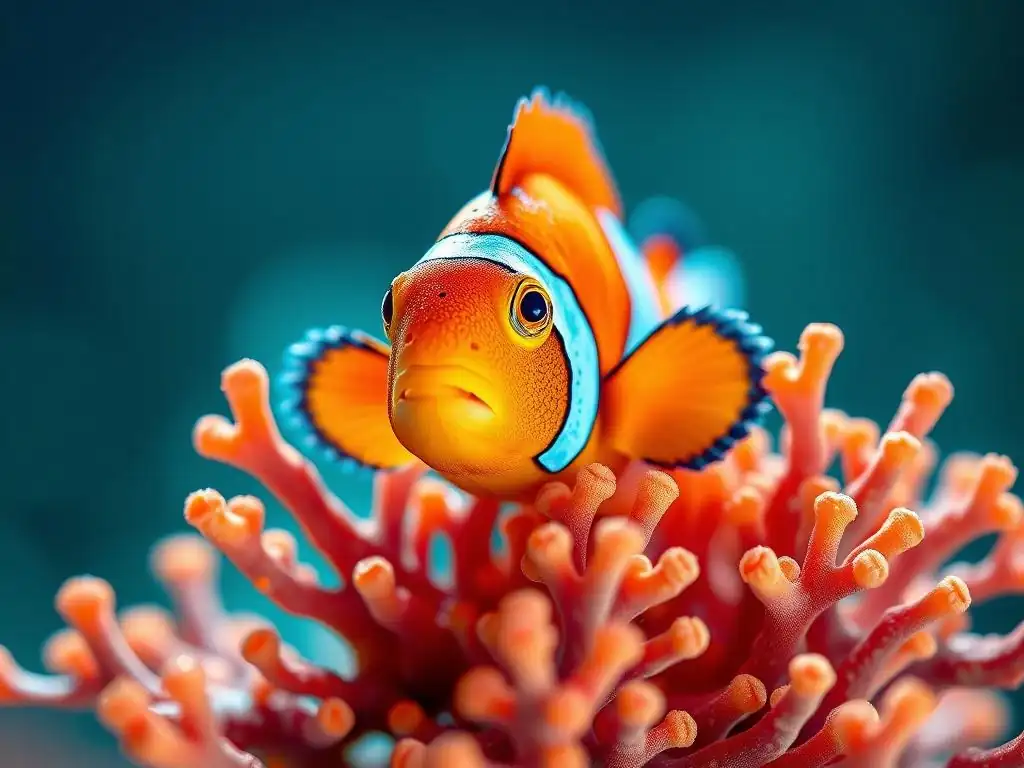
Consistent and diligent monitoring of fish behavior is a cornerstone of long-term reef tank aggression prevention and a vital reef tank aggression solution. Aquarists should dedicate time daily, beyond just feeding, to observe their fish. Look for subtle changes in behavior: a fish that was once active now hides constantly, one that always ate eagerly now shies away from food, or a new pattern of chasing emerges between two individuals. Early detection of these signs allows for prompt intervention before aggression escalates to physical injury or chronic stress-related illness.
Maintaining a mental or even physical log of fish interactions can be incredibly useful. Note which fish are interacting, the nature of those interactions (e.g., mild chasing, fin nipping, outright fighting), and the duration. For instance, if you notice a Clownfish consistently nudging a new Goby away from its anemone, it's a minor territorial dispute. However, if the nudging turns into aggressive chasing and fin nipping over several days, it signals a problem requiring intervention. Regular observation helps identify developing pecking order issues or new dominant behaviors, enabling aquarists to implement appropriate reef tank aggression solutions proactively.
Maintaining a Consistent Feeding Schedule: Reducing Competition for Food
A consistent and appropriate feeding schedule is a simple yet highly effective long-term reef tank aggression solution. Irregular or insufficient feeding can create competition for food resources, leading to increased stress and aggression among tank inhabitants. When fish are hungry, their natural instincts for survival can override their peaceful behaviors, causing them to fight over available food.
Instead of one large meal, feeding smaller amounts multiple times a day (e.g., 2-3 times) ensures that all fish, including shyer or less dominant individuals, have ample opportunity to eat. This reduces the frantic competition often seen during single, large feedings. Additionally, for particularly timid fish or those consistently outcompeted, target feeding with a turkey baster can ensure they receive adequate nutrition.
Delivering food directly to their hiding spots reduces their need to venture into contested open water, thereby reducing their vulnerability to aggression. A well-fed tank is generally a more peaceful tank, as the primary drive for competition is mitigated.
Case Study: Managing Dottyback Aggression with Aquascape Modification
A common challenge in reef tanks involves the territorial aggression of Dottybacks. Consider a 75-gallon established reef tank housing a pair of Ocellaris Clownfish, a Royal Gramma Basslet, and an Orchid Dottyback ( Pseudochromis fridmani). Initially, the tank was peaceful, but after a year, the Dottyback, having matured and fully claimed its territory, began relentlessly harassing the Royal Gramma, preventing it from accessing prime feeding areas and forcing it into constant hiding. The Gramma's fins showed signs of nipping, and it appeared emaciated despite regular feedings. This escalating aggression called for immediate reef tank aggression solutions.
The aquarist decided to implement a significant aquascape modification. Over the course of an afternoon, the majority of the live rock was carefully rearranged. A large central rock structure that the Dottyback had claimed as its primary territory was shifted, and several new, smaller rock formations were introduced around the perimeter, creating numerous new caves and breaking the long lines of sight across the tank. This disruption forced the Dottyback to re-establish its territory, which took several days.
During this period, the Royal Gramma found new, less contested hiding spots and was observed feeding more confidently from different areas of the tank. While the Dottyback still occasionally asserted itself, the constant, severe harassment ceased. This case demonstrates how a strategic aquascape modification can effectively disrupt established aggressive behaviors, providing a lasting reef tank aggression solution by redistributing territorial claims and offering more refuge.
Reef Tank Aggression Solutions: A Summary of Key Takeaways
Successfully managing aggression in an established reef tank requires a multi-faceted approach, combining proactive planning with responsive intervention. The core principles revolve around understanding fish behavior, optimizing the tank environment, and making informed stocking decisions.
- Understanding Aggression:
- Recognize common aggressive species (e.g., Damselfish, Dottybacks, Triggerfish) and their natural tendencies.
- Identify signs of stress and aggression early, such as fin nipping, faded colors, excessive hiding, or constant chasing.
- Acknowledge that tank size, stocking density, and species incompatibility are primary drivers of conflict.
- Proactive Prevention:
- Thoroughly research fish compatibility before any purchase, considering adult size and temperament.
- Choose peaceful tank mates known for harmonious coexistence in community reef setups.
- Maintain optimal and stable water parameters to reduce fish stress and promote overall health.
- Mitigating Existing Aggression:
- Address overcrowding by re-evaluating stocking levels and considering rehoming if necessary.
- Improve tank layout by creating diverse territories and breaking lines of sight with live rock and corals.
- Introduce new tank mates carefully using quarantine protocols and strategic acclimation techniques.
- Temporarily separate aggressors using isolation boxes or refugiums for a "time-out" period.
- Re-arrange the aquascape to disrupt established territories and create new hiding spots.
- Implement "darkness therapy" for acute aggression to reduce stress and visually-driven conflicts.
- Advanced & Long-Term Strategies:
- Consider using a "dither fish" to create a sense of security for shyer inhabitants.
- In extreme cases, cautiously employ a "target fish" to redirect aggression, with careful monitoring.
- Recognize that a "larger tank" is often the ultimate solution for persistent aggression, providing ample space.
- Regularly monitor fish behavior for early detection and timely intervention.
- Maintain a consistent feeding schedule to reduce competition for food resources.
By integrating these reef tank aggression solutions into your aquarium management practices, you can foster a more peaceful, healthy, and thriving reef ecosystem for all its inhabitants.
Frequently Asked Questions
How do I identify aggression in my reef tank?
Look for signs of physical harm, such as torn fins or missing scales, and behavioral changes, like excessive chasing or hiding. Observe your fish closely to determine the aggressor and the victim.
What are some common causes of aggression in reef tanks?
Overcrowding is a major factor, as is inadequate tank size for the species being housed. Poor water quality and a lack of hiding places can also contribute to increased stress and aggression.
What are some immediate steps I can take to reduce aggression in my reef tank?
Consider rearranging the rockscape to disrupt established territories. You can also introduce more hiding places using additional rocks or artificial caves to provide refuge for stressed fish.
When should I consider removing a fish from my reef tank due to aggression?
If a fish is consistently being bullied and shows signs of severe stress (refusal to eat, constant hiding, physical injuries), or if the aggression is escalating despite other interventions, removal is necessary to ensure the victim's survival.
Can adding new fish to an established reef tank trigger aggression issues?
Yes, introducing new fish can disrupt the existing hierarchy and trigger territorial disputes. Quarantining new arrivals and introducing them carefully can help minimize this risk.
The intricacies of reef tank ecosystems, as we've explored, are a microcosm of the natural world, where harmony and conflict constantly intertwine. Understanding and mitigating reef tank aggression is not merely about maintaining a visually appealing display; it's about fostering a thriving, balanced environment where each creature can flourish. The solutions we've discussed are not just techniques, but a commitment to responsible reef keeping, ensuring the long-term health and stability of our underwater worlds.
The ongoing challenge of managing aggression in reef tanks mirrors the broader challenges we face in creating harmonious communities. The delicate balance within these glass boxes reminds us of the importance of understanding individual needs, providing adequate resources, and intervening thoughtfully to prevent conflict. In the end, we will conserve only what we love; we will love only what we understand; and we will understand only what we are taught.
- Baba Dioum. This quote resonates deeply, highlighting the crucial role of education and observation in fostering a deeper appreciation for the complex lives within our reef tanks.
As you consider the tips and tricks shared in this article, I encourage you to reflect on your own role as a reef keeper. Are you truly observing your tank, understanding the individual personalities and needs of your inhabitants? Are you proactively addressing potential conflicts before they escalate? Let this knowledge empower you to create not just a beautiful reef tank, but a thriving ecosystem where every creature can live in peace and contribute to the stunning tapestry of life beneath the waves.
Ignite Your Reef: Take Action for a More Peaceful Aquarium!
Thank you for diving into the world of reef tank aggression with us! We hope you've gained valuable insights to foster a harmonious environment for your corals and fish. Now, let's turn that knowledge into action!
Here are a few steps you can take to improve the peace in your reef tank, starting today:
- Implement a 'Time Out' Box: If a particular fish is excessively aggressive, temporarily isolate it in a clear, perforated container within the tank. This can often reset the pecking order.
- Document fish interactions. Keep a log for a week of who does what, and when. This can highlight issues you may not be aware of.
- Share this article with fellow reef keepers. Help them navigate the complexities of reef tank aggression and create thriving ecosystems.
Ready to create a more peaceful and vibrant reef aquarium? What specific observation about your fish behavior has surprised you the most, and what step will you take first?