
Can You Keep Zoanthids with Aggressive Fish? Compatibility Insights

Welcome to Aquarium Mastery!
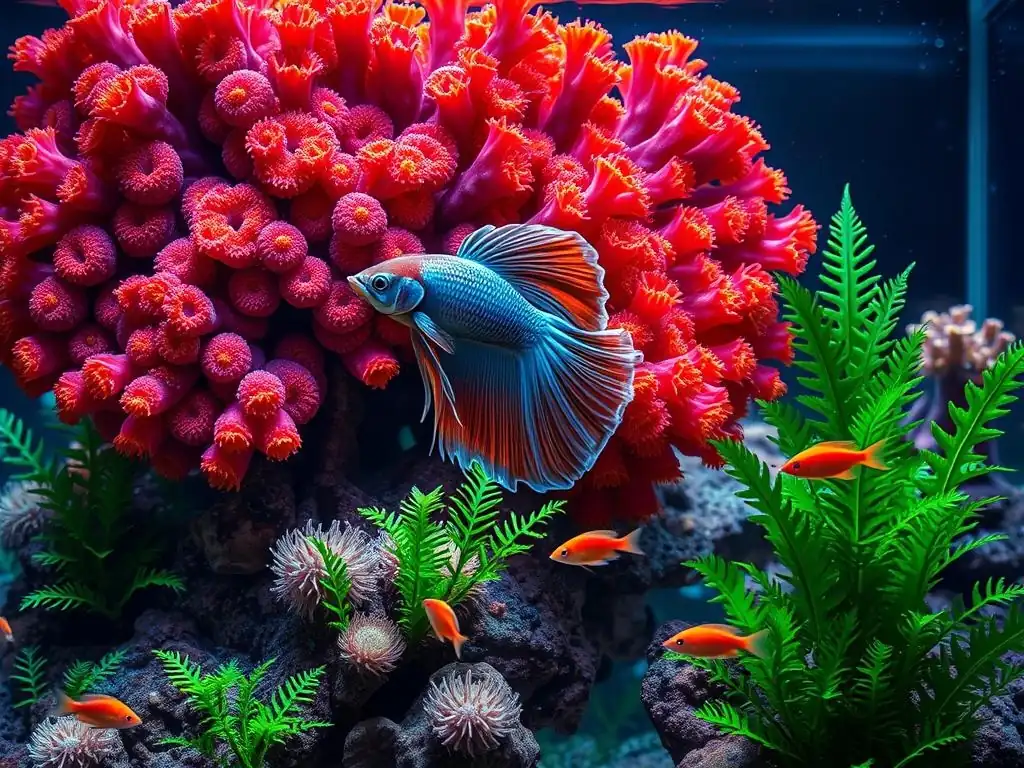
Ever wondered if those vibrant, eye-catching Zoanthids can truly thrive alongside your more assertive aquatic companions? Dive deep into our comprehensive guide to Zoanthid fish aggressive compatibility and uncover the secrets to creating a harmonious reef environment. Are you ready to discover which finned friends play nice and which ones spell trouble? Let's unlock the potential of your reef tank together and explore the delicate balance of life within!
- Can You Keep Zoanthids with Aggressive Fish? Compatibility Insights for Reef Tank Success
- Understanding Zoanthid Compatibility in Reef Aquariums
- Identifying Aggressive Fish Species Unsuitable for Zoanthid Reefs
- Safe Fish Choices for a Zoanthid-Dominated Reef Tank
- Managing Aggression in Existing Reef Tanks with Zoanthids
- The Role of Tank Size and Water Parameters in Zoanthid and Fish Harmony
- Zoanthid Placement Techniques to Minimize Fish Interference
- Alternative Coral Options for Aggressive Fish Tanks
- Case Studies: Successful Zoanthid Reefs with Select Fish Species
- Troubleshooting Common Problems: Fish Biting Zoanthids
- Zoanthid Care Tips for Tanks with Fish
- Conclusion: Achieving a Balanced Reef Ecosystem with Zoanthids and Fish
-
Frequently Asked Questions
- Can Zoanthids be kept safely with all types of fish?
- What types of fish are most likely to be aggressive towards Zoanthids?
- How can I determine if a fish is likely to be aggressive towards Zoanthids before introducing it to the tank?
- What can I do if I observe a fish harassing my Zoanthids?
- Are there any fish that can help protect Zoanthids from pests or algae?
- Final Reflection: Navigating the Delicate Balance of Reef Harmony
- Ignite Your Reef: Start Thriving Now!
Can You Keep Zoanthids with Aggressive Fish? Compatibility Insights for Reef Tank Success
Understanding Zoanthid Compatibility in Reef Aquariums
Why Zoanthid Placement Matters in a Mixed Reef Tank
The strategic placement of Zoanthids is paramount for their long-term survival and prosperity within a mixed reef aquarium. These soft corals, known for their vibrant colors and colonial growth, are sessile invertebrates, meaning they cannot move to escape unfavorable conditions or aggressive tank mates.
Poor placement can expose them directly to fish that nip at corals, leading to retracted polyps, tissue damage, and in severe cases, the complete loss of the colony. For instance, placing a Zoanthid colony directly in the path of a known coral nipper's territory significantly increases its risk of being harassed, potentially causing it to remain closed for extended periods, inhibiting its ability to photosynthesize and feed.
Furthermore, correct placement ensures Zoanthids receive optimal light and flow, which are crucial for their health and growth. When considering Zoanthid fish aggressive compatibility, placing Zoanthids in areas less frequented by potentially aggressive fish, such as higher on the rockwork or in protected crevices, can act as a natural defense. This proactive approach minimizes stress on the Zoanthids, allowing them to thrive and contribute to the aesthetic beauty of the reef tank, rather than constantly battling for survival against persistent nipping.
Factors Influencing Zoanthid and Aggressive Fish Compatibility
Several key factors dictate the compatibility between Zoanthids and aggressive fish species in a reef aquarium. Tank size is a primary consideration; larger tanks, such as those 100 gallons or more, provide more space for fish to establish territories, reducing the likelihood of direct conflicts with corals out of boredom or territorial disputes. For example, a 120-gallon tank offers significantly more swimming room and potential hiding spots than a 40-gallon breeder, which can mitigate aggression by allowing fish to avoid each other and the corals.
Water parameters also play a critical role. Stable water quality, with parameters such as alkalinity (8-12 dKH), calcium (400-450 ppm), and magnesium (1250-1350 ppm) maintained consistently, reduces stress for both fish and corals. Stressed fish are more prone to exhibiting undesirable behaviors, including coral nipping. Additionally, the specific fish species and their individual temperament are crucial; while some species are universally known as coral nippers, others may only nip if underfed or stressed. Observing fish behavior closely and understanding their natural diets and habits are essential for evaluating Zoanthid fish aggressive compatibility before introducing them into a shared habitat.
Identifying Aggressive Fish Species Unsuitable for Zoanthid Reefs
Common Reef Fish Known to Harass Corals, Including Zoanthids
When considering Zoanthid fish aggressive compatibility, certain reef fish species are notoriously problematic due to their natural feeding habits or unpredictable behavior. Angelfish, particularly larger species like the Queen Angelfish (Holacanthus ciliaris), which can reach up to 18 inches, or even smaller dwarf angelfish such as the Flame Angelfish (Centropyge loricula), growing up to 4 inches, are often known to nip at soft corals, including Zoanthids. While some aquarists report success with dwarf angelfish in mixed reefs, their propensity for nipping makes them a significant risk.
Similarly, many species of Butterflyfish (e.g., Copperband Butterflyfish, Chaetodon rostratus) are natural coralivores, meaning their diet in the wild consists largely of coral polyps. Although a Copperband Butterflyfish is often introduced to control Aiptasia anemones, it can develop a taste for Zoanthids and other soft corals, especially if its primary food source diminishes or it becomes bored.
Triggerfish and some Pufferfish species also pose a high risk; their powerful jaws and natural inclination to chew on invertebrates make them unsuitable for any reef tank housing Zoanthids. For example, a Picasso Triggerfish (Rhinecanthus aculeatus), growing up to 10 inches, will almost certainly decimate a Zoanthid colony due to its predatory nature.
Recognizing Signs of Fish Aggression Towards Zoanthids
Identifying early signs of fish aggression toward Zoanthids is crucial for intervention and preventing irreversible damage. The most common and direct sign is observing a fish repeatedly pecking or nipping at the Zoanthid polyps. This behavior is often accompanied by the polyps retracting or staying closed for extended periods, even when lighting and water parameters are optimal. For instance, if a Zoanthid colony that typically displays full polyp extension during the day suddenly remains closed for several hours, and a particular fish is frequently seen hovering or darting towards it, aggression is a strong possibility.
Beyond direct observation, physical damage to the Zoanthid colony serves as a clear indicator. This can manifest as missing polyps, torn tissue, or a general decline in the colony's overall health and vibrancy. Unlike damage from pests or poor water quality, which often affects all corals similarly, fish aggression typically targets specific colonies or areas.
If only one or two Zoanthid colonies are showing signs of distress, while others in the tank remain healthy, and a potential culprit fish is present, it strongly suggests a Zoanthid fish aggressive compatibility issue. Close monitoring during feeding times can also reveal aggression, as hungry fish may be more inclined to nip at corals.
Safe Fish Choices for a Zoanthid-Dominated Reef Tank
Peaceful Reef Inhabitants Compatible with Zoanthids
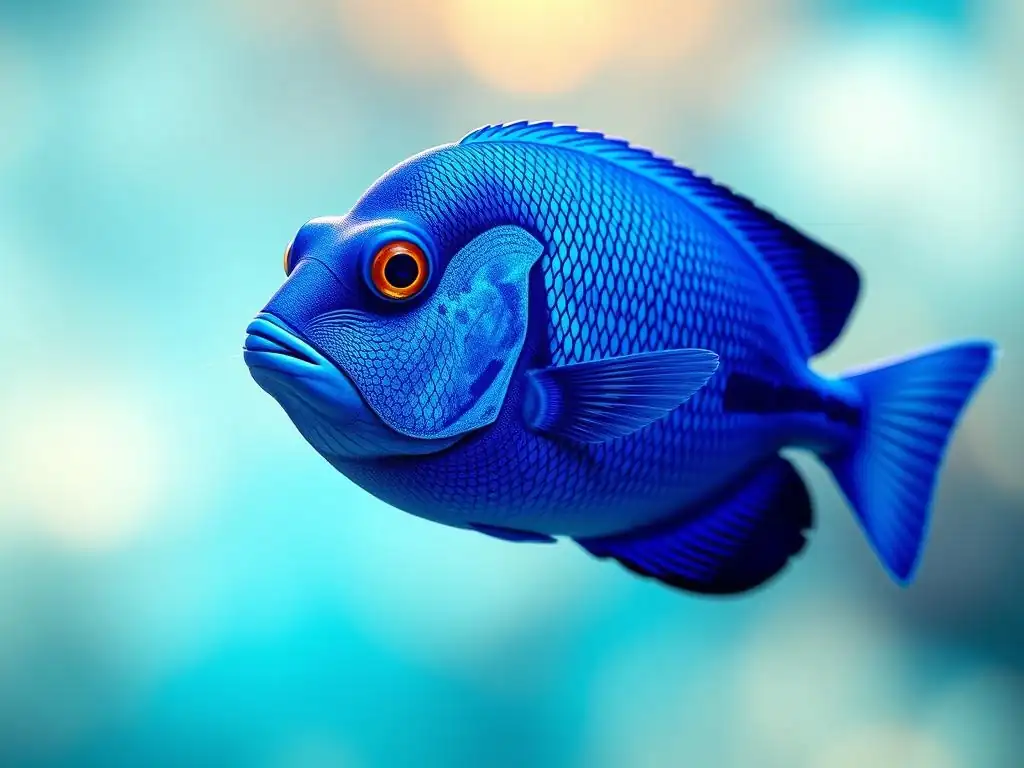
For aquarists aiming to establish a thriving Zoanthid-dominated reef tank, selecting peaceful reef inhabitants is paramount to ensure Zoanthid fish aggressive compatibility. The best choices are generally fish species that primarily feed on algae, detritus, or small planktonic organisms, rather than sessile invertebrates. Most species of Gobies, Blennies, and Firefish fall into this category, making them excellent candidates. For example, a large majority of Goby species, such as the Yellow Watchman Goby (Cryptocentrus cinctus) or Diamond Watchman Goby (Valenciennea puellaris), are known for their sand-sifting or bottom-dwelling habits and show no interest in coral polyps.
Similarly, many Blennies, particularly the herbivorous types like the Lawnmower Blenny (Salarias fasciatus), are primarily algae grazers and will actively help control nuisance algae without posing a threat to Zoanthids. Firefish (e.g., Purple Firefish, Nemateleotris decora) are small, shy, and planktivorous, gracefully swimming in the water column and rarely interacting with corals. Even common Ocellaris Clownfish (Amphiprion ocellaris), while territorial towards other clownfish, are generally considered reef-safe and compatible with Zoanthids, provided they are well-fed and have sufficient space.
Safe Fish Species for Zoanthid Tanks: Gobies, Blennies, and Firefish
Delving deeper into specific examples, Gobies are standout choices for their peaceful demeanor and beneficial tank roles. The Yellow Watchman Goby (Cryptocentrus cinctus), growing up to 5 inches, is a popular choice due to its calm nature and often forms a symbiotic relationship with pistol shrimp, constantly sifting the sand bed and leaving Zoanthids undisturbed. The Diamond Watchman Goby (Valenciennea puellaris), typically 6 inches, is another excellent sand-sifter that helps maintain substrate cleanliness and ignores corals completely.
Blennies offer both utility and personality. The Lawnmower Blenny (Salarias fasciatus), reaching about 5 inches, is an invaluable algae eater that will spend its day grazing on rockwork, leaving Zoanthids untouched. The Tailspot Blenny (Salarias segmentatus), a smaller species at around 2.5 inches, is also a dedicated herbivore and adds charm without risk.
For mid-water activity, Firefish are ideal. The Purple Firefish (Nemateleotris decora) and Red Firefish (Nemateleotris magnifica), both reaching about 3 inches, are peaceful, elegant, and strictly planktivores, making them perfectly safe companions for any Zoanthid collection. Their small size and non-aggressive feeding habits ensure high Zoanthid fish aggressive compatibility.
Managing Aggression in Existing Reef Tanks with Zoanthids
Strategies for Introducing New Fish to Minimize Aggression Towards Zoanthids
Introducing new fish into an established reef tank with Zoanthids requires careful planning to minimize potential aggression and ensure Zoanthid fish aggressive compatibility. A crucial first step is to quarantine all new arrivals for at least 2-4 weeks in a separate tank. This not only allows for health monitoring and disease treatment but also provides an opportunity to observe the fish's temperament and feeding habits before it enters the main display. During quarantine, ensure the fish is readily accepting prepared foods, as a well-fed fish is less likely to nip at corals out of hunger.
When it's time for introduction, consider adding the new fish after the main lights have been off for a few hours, ideally right before the lights come on in the morning. This allows the new fish to explore and find hiding spots without the immediate stress of established tank mates.
Feeding the existing fish heavily just before introduction can also reduce their territorial aggression, as they will be less inclined to view the newcomer as competition. For some species, adding a small group (e.g., 3-5 Chromis) simultaneously can dilute aggression, as the aggression of existing fish may be spread across multiple targets rather than focused on a single new fish.
Re-Arranging Rockwork to Reduce Territorial Disputes
Re-arranging the rockwork in an existing reef tank can be an effective strategy to mitigate territorial disputes and reduce fish aggression, thereby improving Zoanthid fish aggressive compatibility. Fish establish territories based on the existing aquascape, and a significant change to the rock structure can disrupt these established boundaries. When the rockwork is re-arranged, existing fish are forced to re-evaluate their territories, often leading to a temporary reduction in aggression as they explore and re-establish their hierarchy.
During the re-arrangement, focus on creating new hiding spots, caves, and visual barriers. These elements provide escape routes and break up sightlines, preventing dominant fish from constantly seeing and harassing subordinate tank mates or nipping at corals. For example, creating multiple overhangs or arches can effectively segment the tank space, offering distinct zones where fish can retreat. This not only reduces stress for the fish but also indirectly benefits Zoanthids by reducing the likelihood of them being caught in the crossfire of territorial skirmishes or becoming targets of boredom-induced nipping.
Using Acclimation Boxes to Monitor Fish Behavior
Acclimation boxes are invaluable tools for managing aggression in existing reef tanks and assessing Zoanthid fish aggressive compatibility before full introduction. These clear, perforated containers temporarily house new fish within the display tank, allowing existing inhabitants to see and interact with the newcomer without direct physical contact. This "introduction period" typically lasts for 3 to 7 days, providing a crucial window to observe how the established fish react to the new addition.
By using an acclimation box, aquarists can monitor aggression levels without risking injury to the new fish or stress to the Zoanthids. If the existing fish show excessive aggression (e.g., constantly flaring, ramming the box), it indicates a high likelihood of conflict upon release, suggesting the new fish might not be suitable for the tank or that further intervention (like re-arranging rockwork) is needed. Conversely, if the established fish show only mild curiosity or indifference, it's a good sign for a smooth transition, ensuring the new fish is less likely to bother the Zoanthid colonies.
The Role of Tank Size and Water Parameters in Zoanthid and Fish Harmony
How Larger Tanks Can Mitigate Aggression
The size of a reef tank significantly influences the potential for fish aggression and, consequently, Zoanthid fish aggressive compatibility. Larger tanks offer more expansive territory, which can dilute aggression among fish. In a smaller tank, fish are forced into close proximity, leading to increased territorial disputes and stress, which can manifest as nipping at corals due to boredom or frustration. For example, a 120-gallon tank (approximately 48x24x24 inches) provides significantly more swimming space and potential hiding spots compared to a 40-gallon breeder (approximately 36x18x16 inches).
This increased space allows fish to establish distinct territories without constant interaction, reducing the likelihood of confrontations. It also provides ample room for subordinate fish to escape the notice of dominant ones. Furthermore, larger water volumes are inherently more stable in terms of temperature and water chemistry, which contributes to a less stressful environment for all inhabitants. A less stressed fish is generally less prone to exhibiting undesirable behaviors like coral nipping, contributing to a more harmonious environment for Zoanthids.
Maintaining Optimal Water Quality for Zoanthid Health and Fish Well-being
Maintaining optimal and stable water quality is paramount for both Zoanthid health and fish well-being, directly impacting Zoanthid fish aggressive compatibility. Fluctuating or poor water parameters can stress both corals and fish, making the latter more susceptible to disease or aggressive behaviors. For Zoanthids to thrive, key parameters should be maintained within specific ranges: alkalinity at 7-10 dKH, calcium at 400-450 ppm, and magnesium at 1250-1350 ppm. Salinity should be stable at 1.025-1.026. Nitrates should be kept below 10 ppm and phosphates below 0.05 ppm.
For fish, stable parameters reduce physiological stress, which can suppress their immune systems or trigger aggression. For instance, sudden swings in pH or temperature can cause fish to become agitated. Regular water changes, typically 10-20% bi-weekly, are crucial for replenishing essential trace elements and removing accumulated nitrates and other pollutants. A consistent temperature, ideally 76-78°F (24.4-25.5°C), is also vital for the metabolic processes of both corals and fish. A healthy, stress-free environment, facilitated by impeccable water quality, is less likely to see fish nipping at Zoanthids out of distress or discomfort.
Zoanthid Placement Techniques to Minimize Fish Interference
Using Rockwork to Create Protective Zones for Zoanthids
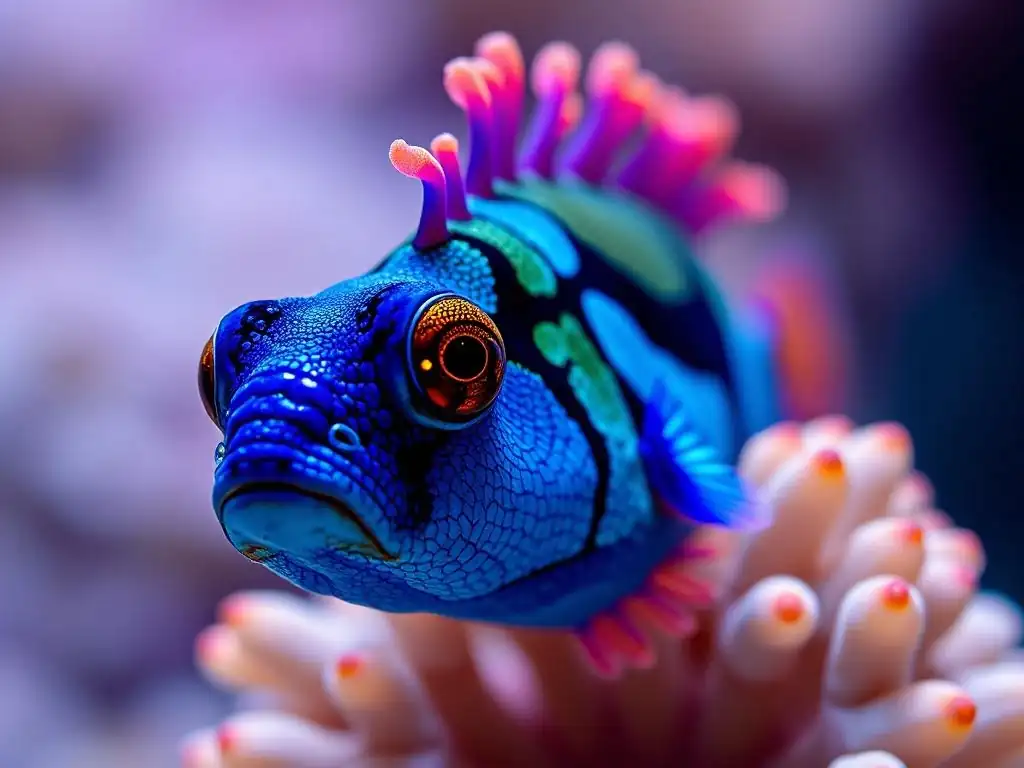
Strategic placement of Zoanthids using existing rockwork is a highly effective technique to minimize interference from fish, enhancing Zoanthid fish aggressive compatibility. By creating protective zones, you can shield these vulnerable corals from curious or nipping fish. One method is to place Zoanthid colonies on higher ledges or elevated sections of the rockwork, away from the main swimming paths of bottom-dwelling or mid-water fish. This elevated position makes them less accessible for casual nipping or accidental bumps.
Alternatively, Zoanthid frags can be securely placed within crevices, small caves, or under overhangs in the aquascape. These recessed areas provide a natural barrier, making it more difficult for fish to reach and harass the polyps.
For example, a small colony of "Rasta" Zoanthids glued deep within a rock crevice will be significantly safer than one exposed on a flat, open surface. Using larger, more robust corals (e.g., a leather coral) as a physical buffer between a known nipping fish's territory and a Zoanthid garden can also deter unwanted attention, forcing the fish to navigate around the less appealing coral.
Fragging and Attaching Zoanthids Securely
The method of fragging and attaching Zoanthids securely plays a crucial role in their resilience against fish interference, directly impacting Zoanthid fish aggressive compatibility. Loose or unstable Zoanthid frags are particularly vulnerable; they can easily be dislodged by curious fish, strong currents, or even accidental bumps, leading to damage or loss. Therefore, it is imperative to securely glue or epoxy Zoanthid polyps onto frag plugs or directly onto the rockwork. Using cyanoacrylate gel glue, specifically designed for aquariums, provides a strong and rapid bond.
Once attached, allow sufficient time for the glue to cure and the Zoanthids to fully adhere before exposing them to potentially active areas of the tank. Furthermore, aim to establish mature colonies rather than relying solely on small, newly introduced frags. Larger, well-established Zoanthid colonies are generally more robust and resilient to occasional nipping or minor disturbances than small, delicate frags. While a small frag might be completely consumed, a larger colony can often recover from minor damage, demonstrating the importance of secure attachment and encouraging growth for long-term survival.
Alternative Coral Options for Aggressive Fish Tanks
Hardy Corals More Resistant to Fish Nipping: Leathers, Mushrooms, and GSP
When Zoanthid fish aggressive compatibility is a significant concern due to the presence of known coral-nipping fish, exploring hardier coral alternatives is a practical solution. Several types of soft corals are considerably more resistant to fish nipping due to their texture, growth patterns, or protective mechanisms. Leather Corals (Sarcophyton, Lobophytum, Sinularia species) are excellent choices. Their tough, leathery texture and often large, robust polyps make them less appealing to most nipping fish.
Many species also produce a protective mucus layer that deters grazing. For instance, a large Toadstool Leather (Sarcophyton sp.) can grow substantially and is rarely bothered by even moderately aggressive fish.
Mushroom Corals (Rhodactis, Discosoma, Ricordea species) are another resilient option. Their fleshy, often bulbous polyps and ability to reproduce rapidly make them quite forgiving. Even if a fish occasionally nips a mushroom, the coral often recovers quickly, and new polyps can emerge.
Green Star Polyps (GSP - Briareum violacea) are perhaps the most resilient. Known for their fast growth and ability to form dense mats over rockwork, GSP has small polyps and a tough, encrusting base that makes it highly resistant to fish damage. Minor nipping rarely impacts the overall health of a GSP colony, as it quickly regrows any lost polyps.
Balancing Aesthetics and Compatibility in a Reef Aquarium
Achieving a harmonious reef aquarium often involves a delicate balance between desired aesthetics and the practicalities of coral and fish compatibility. When Zoanthid fish aggressive compatibility is a primary challenge, aquarists must prioritize the well-being of their livestock by selecting corals that can coexist with their chosen fish species. This might mean accepting that certain highly sought-after Zoanthid varieties may not be suitable for a tank housing a known coral nipper, such as certain angelfish or butterflyfish.
Instead, focus on the diverse range of hardy corals like leathers, mushrooms, and GSP that can still create a vibrant and captivating display. Researching the specific dietary needs and behavioral tendencies of any fish before purchase is crucial.
For example, while a majestic Angelfish might be visually appealing, its high risk of nipping makes it a poor choice for a tank where Zoanthids are a main feature. By making informed decisions about fish selection and being open to alternative coral species, aquarists can build a beautiful, thriving reef ecosystem that is stable and sustainable in the long term, avoiding the frustration of constant coral damage.
Case Studies: Successful Zoanthid Reefs with Select Fish Species
Case Study 1: A Reef Tank with Ocellaris Clownfish and Zoanthids
A successful reef tank demonstrating excellent Zoanthid fish aggressive compatibility features a 75-gallon mixed reef system, established for three years. This tank, measuring approximately 48x18x21 inches, houses a diverse collection of Zoanthid colonies, including popular varieties like "Rastas," "Utter Chaos," and "God of War" Zoanthids, alongside a carefully selected fish population. The primary fish inhabitants include two Ocellaris Clownfish (Amphiprion ocellaris), a single Banggai Cardinalfish (Pterapogon kauderni), and a small school of five Green Chromis (Chromis viridis).
The Ocellaris Clownfish, known for their generally peaceful nature and reliance on prepared foods (flake, pellet, frozen mysis shrimp), have shown no interest in nipping at any of the Zoanthid colonies. The Cardinalfish and Chromis, being planktivores, also completely ignore the corals. All Zoanthid colonies in this tank exhibit full polyp extension, vibrant coloration, and consistent growth, with some established colonies adding 10-20 polyps per month. This case study highlights that with proper fish selection, Zoanthids can thrive unmolested, proving that even with active fish, a vibrant Zoanthid garden is achievable.
Case Study 2: A Reef Tank with Yellow Watchman Goby and Zoanthids
Another compelling example of successful Zoanthid fish aggressive compatibility is observed in a 40-gallon breeder tank (36x18x16 inches) specifically designed as a Zoanthid garden, operating for 18 months. This tank features extensive Zoanthid coverage, including "Blue Hornets," "Candy Apple Reds," and "Vampire in the Sun" Zoanthids. The sole fish inhabitant is a single Yellow Watchman Goby (Cryptocentrus cinctus), approximately 4 inches in length, which shares a symbiotic relationship with a Tiger Pistol Shrimp (Alpheus bellulus).
The Yellow Watchman Goby is a bottom-dwelling fish that primarily feeds on detritus and small invertebrates found in the sand bed, often sifting sand to maintain its burrow. It exhibits absolutely no aggressive behavior or nipping towards any of the Zoanthid colonies, which are predominantly placed on the upper and mid-sections of the rockwork.
The Zoanthids in this setup have shown exceptional growth rates, with some colonies doubling in size within six months, maintaining pristine health and consistent polyp extension. This case demonstrates that pairing Zoanthids with specialized, non-coral-eating fish can lead to an incredibly harmonious and thriving reef environment.
Troubleshooting Common Problems: Fish Biting Zoanthids
Identifying the Culprit and Implementing Corrective Measures
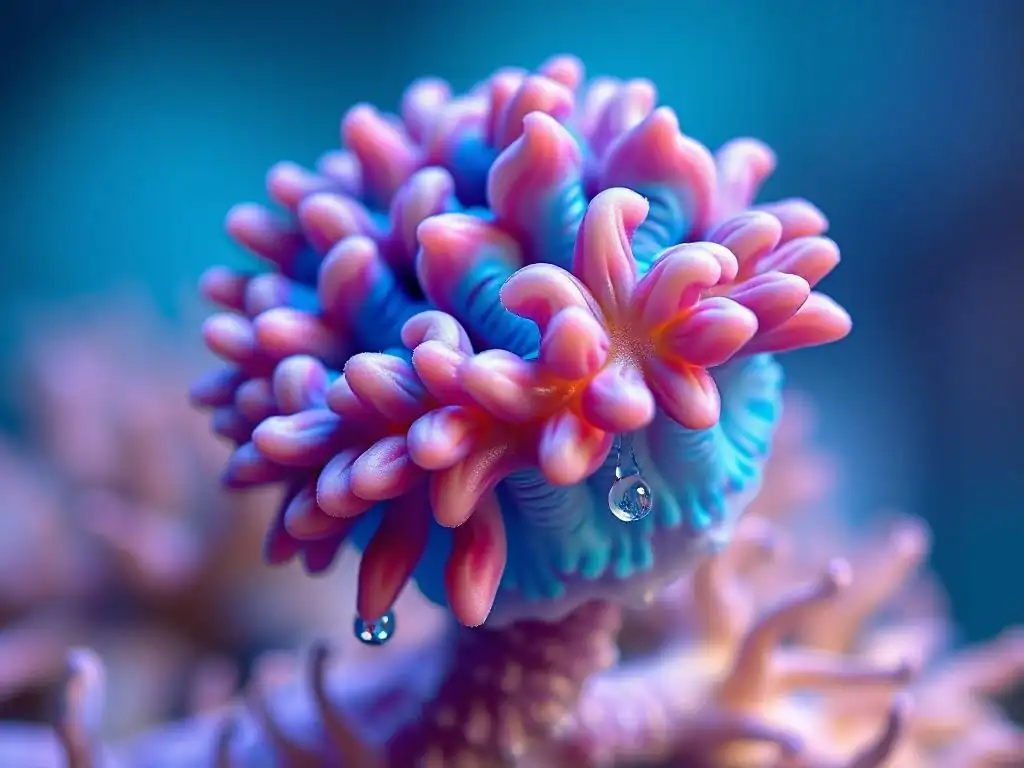
When Zoanthids show signs of nipping, identifying the specific fish culprit is the first critical step in troubleshooting, essential for maintaining Zoanthid fish aggressive compatibility. Spend extended periods observing the tank, especially during feeding times or when the Zoanthids are typically open. Look for any fish repeatedly pecking at or hovering suspiciously near the affected colonies. Sometimes, using a small camera or even a phone to record tank activity can help catch elusive nippers, particularly if the behavior occurs when you're not directly present.
Once a suspect is identified, corrective measures can be implemented. If the fish is generally considered reef-safe but is nipping (perhaps due to boredom or hunger), try increasing feeding frequency or offering a more varied diet, such as high-quality frozen mysis shrimp or spirulina-enriched brine shrimp.
If the fish is a known coral nipper or continues to harass the Zoanthids despite increased feeding, temporary isolation in an acclimation box within the display tank for a few days can confirm if it's the problem. If the Zoanthids recover during isolation, the fish should be rehomed to a more appropriate setup or traded to a local fish store to prevent further damage.
Treating Damaged Zoanthids After Fish Aggression
After a Zoanthid colony has been damaged by fish aggression, prompt treatment and optimal conditions are necessary to promote recovery and prevent secondary issues. The first priority is to ensure pristine water quality, as stressed corals are more susceptible to infection. Maintain stable alkalinity (8-9 dKH), calcium (420-440 ppm), and magnesium (1300 ppm), with nitrates ideally below 5 ppm and phosphates undetectable. Regular water changes (e.g., 10% weekly) will help remove any pollutants and replenish vital trace elements.
If the damage is extensive or the Zoanthids show signs of infection (e.g., white film, melting tissue), a coral dip can be beneficial. Follow product instructions carefully for commercially available iodine-based or prophylactic coral dips, typically a 5-10 minute immersion. This can help cleanse the tissue and prevent bacterial infections.
Additionally, ensure the damaged colony receives optimal, but not excessive, lighting (moderate PAR, 50-150) and moderate, indirect flow. Moving the colony to a slightly lower flow area temporarily can also aid recovery by reducing physical stress. With proper care, damaged Zoanthids can often regenerate new polyps from the remaining healthy tissue within a few weeks.
Zoanthid Care Tips for Tanks with Fish
Feeding Strategies to Reduce Fish Interest in Zoanthids
Effective feeding strategies are crucial not only for fish health but also for reducing their potential interest in Zoanthids, thereby improving Zoanthid fish aggressive compatibility. Fish that are consistently well-fed and offered a varied diet are far less likely to nip at corals out of hunger or boredom. Instead of one large feeding per day, consider offering smaller amounts of food two to three times daily. This keeps fish satiated throughout the day, diminishing their motivation to seek alternative food sources like Zoanthid polyps.
Furthermore, diversifying the fish's diet is key. Relying solely on dry flakes or pellets might not provide all necessary nutrients or mental stimulation. Incorporate high-quality frozen foods such as mysis shrimp, brine shrimp (enriched), and krill. For herbivorous fish, offering sheets of dried nori (seaweed) on a clip can provide a healthy grazing activity that distracts them from corals. For example, feeding frozen mysis shrimp, which are highly nutritious and appealing, can significantly reduce scavenging behavior towards Zoanthids. A well-nourished fish is a happy fish, less likely to become a coral nipper.
Maintaining Proper Lighting and Flow for Zoanthid Health
Beyond managing fish behavior, providing optimal lighting and flow is fundamental for Zoanthid health in a tank with fish, directly supporting Zoanthid fish aggressive compatibility by making them more resilient. Zoanthids are photosynthetic corals and require adequate light for their symbiotic zooxanthellae to thrive. Moderate lighting, typically within a PAR (Photosynthetically Active Radiation) range of 50-150, is generally ideal. Too little light can cause them to stretch and lose color, while excessive light can bleach them. A stable photoperiod, usually 8-10 hours per day, is also important.
Proper water flow is equally critical. Zoanthids prefer moderate, indirect flow. This helps to deliver nutrients and remove waste products from around the polyps, preventing detritus from settling on them, which can lead to tissue necrosis. Avoid direct, strong flow, which can cause the polyps to retract constantly or even detach from their substrate. A flow rate of 10-20 times the tank volume per hour, distributed evenly throughout the tank, is a good general guideline. Regularly observing the Zoanthid polyps for full extension indicates good health and proper flow/lighting conditions, making them more robust against any minor fish interference.
Conclusion: Achieving a Balanced Reef Ecosystem with Zoanthids and Fish
Achieving a thriving reef ecosystem where Zoanthids and fish coexist harmoniously is entirely possible with diligent planning and ongoing care. The core principle lies in understanding and proactively managing Zoanthid fish aggressive compatibility. This involves making informed decisions about fish selection, prioritizing species known for their peaceful nature and reef-safe feeding habits. As demonstrated, gobies, blennies, firefish, and most clownfish are excellent candidates that pose minimal threat to vibrant Zoanthid colonies.
Beyond initial selection, success hinges on meticulous tank management. This includes providing ample tank space to mitigate territorial disputes, maintaining pristine and stable water parameters to reduce stress for all inhabitants, and employing strategic Zoanthid placement techniques to create protective zones. Proactive troubleshooting, such as observing fish behavior and implementing corrective measures like increased feeding or temporary isolation, is also vital for addressing any emerging aggression. By combining careful fish choices with optimal environmental conditions and vigilant observation, aquarists can cultivate a balanced and visually stunning reef aquarium where Zoanthids flourish alongside their finned companions.
Frequently Asked Questions
Can Zoanthids be kept safely with all types of fish?
No, Zoanthids are generally not compatible with all fish species. Many aggressive fish may nip at or even consume Zoanthids, causing them stress or death.
What types of fish are most likely to be aggressive towards Zoanthids?
Fish known for nipping at corals, such as certain types of butterflyfish, angelfish, and triggerfish, are generally not good tank mates for Zoanthids. Always research specific species.
How can I determine if a fish is likely to be aggressive towards Zoanthids before introducing it to the tank?
Thorough research on fish compatibility is crucial. Look for information on their diet and behavior, specifically whether they are known to be reef-safe or coral-nipping.
What can I do if I observe a fish harassing my Zoanthids?
If a fish is nipping at Zoanthids, the best solution is to remove the offending fish from the aquarium. Consider transferring it to a separate tank or rehoming it.
Are there any fish that can help protect Zoanthids from pests or algae?
Some fish, like certain blennies or gobies, might graze on algae that can compete with Zoanthids. However, ensure they are reef-safe and won't disturb the Zoanthids themselves.
The exploration of Zoanthid and aggressive fish compatibility reveals more than just the practicalities of reef tank maintenance; it underscores the intricate web of life within these miniature ecosystems. Understanding these delicate relationships is crucial, not just for the survival of our coral, but for fostering a deeper appreciation of the responsibility we bear as custodians of these vibrant underwater worlds.
This journey into the compatibility of Zoanthids and aggressive fish has highlighted the importance of careful observation and informed decision-making in reef keeping. It's a reminder that our actions have consequences, and that a thriving reef is built not just on technical expertise, but on empathy and understanding for the needs of each inhabitant. In the end, we will conserve only what we love; we will love only what we understand; and we will understand only what we are taught.
- Baba Dioum. This quote resonates deeply, urging us to continually learn and adapt our practices to ensure the well-being of our aquatic charges.
As you consider the information presented, I encourage you to reflect on your own role in maintaining a balanced and harmonious reef environment. Are you truly considering the needs of all your inhabitants? Are you willing to make the necessary adjustments to ensure their long-term health and happiness? The beauty of a thriving reef is a testament to our dedication and understanding. Let us strive to create underwater paradises where all creatures, from the most delicate Zoanthid to the most assertive fish, can flourish together.
Ignite Your Reef: Start Thriving Now!
Thank you for diving into the world of Zoanthids and their compatibility with aggressive fish! We hope this article provided valuable insights to enhance your reef aquarium journey. Now, let's transform that knowledge into action.
Here are some steps you can take:
- Carefully observe your tank for any initial signs of coral stress.
- Delve deeper by researching specific species within the Zoanthid and fish families you keep to pinpoint the best tank mates for your unique reef environment.
- Share this article with fellow reef-keeping enthusiasts to spark a discussion and exchange valuable experiences and knowledge.
What subtle changes have you observed in your reef that might indicate compatibility issues, and what steps are you considering to address them?