
SPS Corals Unveiled: The Ultimate Challenge for Discerning Reef Aquarists?

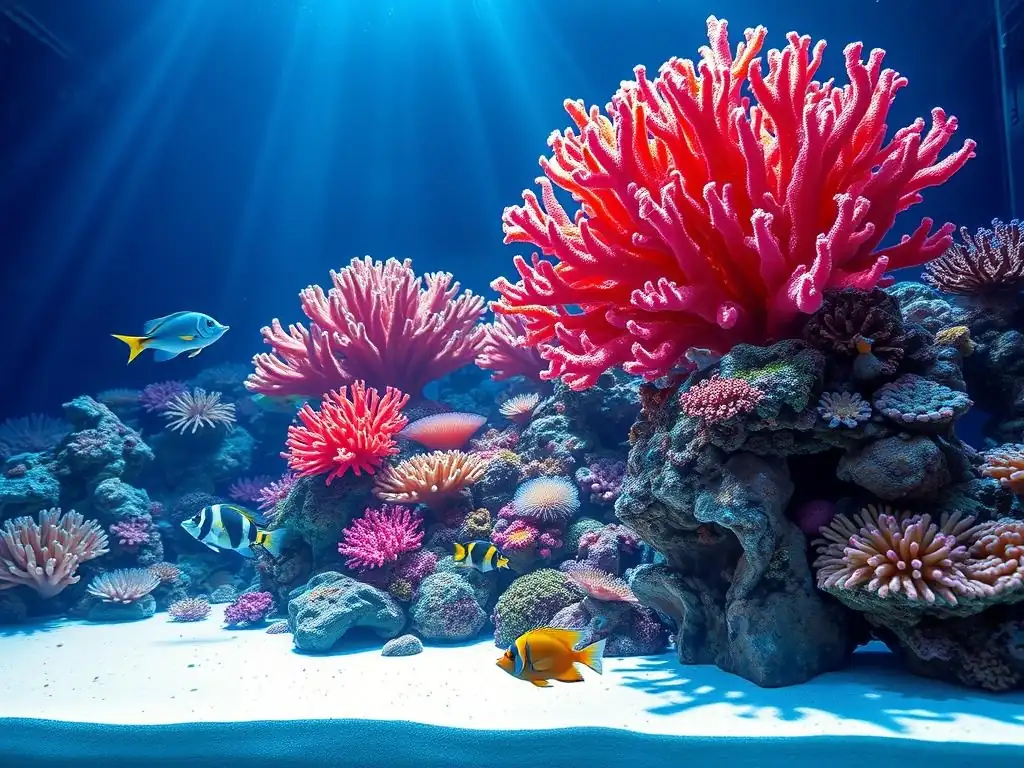
Welcome to Aquarium Mastery!
Are you ready to unlock the secrets to vibrant, thriving SPS corals? Dive into our SPS Coral Care Guide and discover the techniques and knowledge you need to master these stunning, yet demanding, reef inhabitants. From water parameters to lighting nuances, we'll guide you through the intricacies of SPS coral care. Intrigued? Let's embark on this journey together and transform your reef tank into a breathtaking masterpiece!
- SPS Corals: Advanced Reefkeeping
- Introduction to SPS Corals
-
Frequently Asked Questions
- What exactly are SPS corals, and why are they considered challenging to keep?
- What are the most crucial aspects of water chemistry for successful SPS coral care?
- What type of lighting is recommended for SPS corals, and why is it so important?
- How important is water flow for SPS corals, and what type of flow is best?
- Where can I find more detailed information about SPS coral care, including specific species requirements and troubleshooting tips?
- Final Reflection: Embracing the Art of Reef Keeping
- Ignite Your Reef Tank Dreams!
SPS Corals: Advanced Reefkeeping
Introduction to SPS Corals
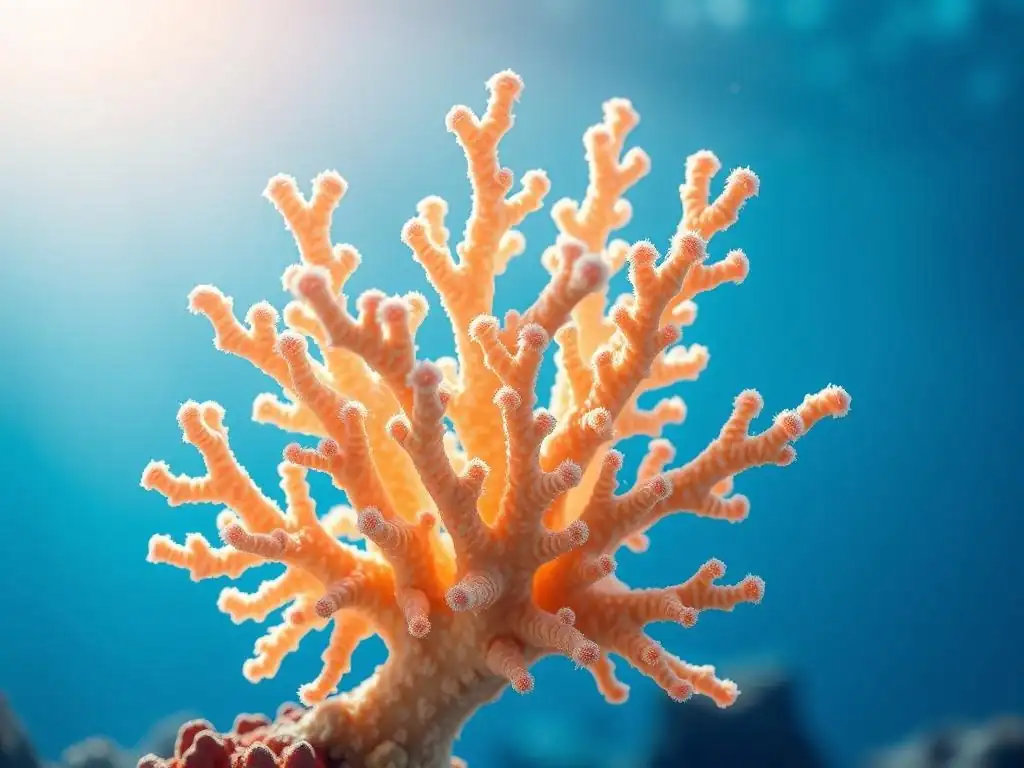
What are SPS Corals?
SPS stands for Small Polyp Stony corals, a classification that encompasses a diverse group of reef-building corals characterized by their diminutive polyps and hard, calcified skeletons. Unlike their Large Polyp Stony (LPS) or soft coral counterparts, SPS corals typically feature polyps that are only a few millimeters in size, often retracted into the coral's skeleton during the day, revealing intricate skeletal structures.
These corals are fundamental architects of natural coral reefs, contributing significantly to the complex three-dimensional framework that supports vast marine ecosystems. Their rigid calcium carbonate skeletons provide protection and structural integrity, allowing them to thrive in high-energy environments with strong water movement.
Genera such as Acropora, Montipora, Seriatopora, and Stylophora are prime examples of SPS corals, each exhibiting unique growth forms and vibrant coloration. Acropora alone boasts over 150 recognized species, displaying morphologies ranging from delicate branching structures to broad, plating tables and encrusting mats. The striking beauty and intricate shapes of SPS corals make them highly sought after by advanced reef aquarists, transforming home aquariums into miniature versions of bustling natural reefs. Mastering the nuances of an SPS coral care guide is crucial for anyone aspiring to cultivate these magnificent organisms successfully.
Challenges of Keeping SPS Corals
Keeping SPS corals is widely regarded as one of the most demanding aspects of reef aquariculture, requiring an elevated level of precision and dedication compared to maintaining other coral types. Their sensitivity stems from their reliance on highly stable and specific environmental parameters. For instance, maintaining consistent water chemistry is paramount, with alkalinity levels ideally held within a tight range of 7-9 dKH, calcium at 400-450 ppm, and magnesium between 1250-1350 ppm.
Fluctuations, even minor ones, can induce stress, leading to diminished growth or even tissue loss. Furthermore, SPS corals demand intense lighting, often requiring PAR (Photosynthetically Active Radiation) levels exceeding 250-350 µmol·m⁻²·s⁻¹ at the coral's surface, necessitating powerful and appropriately spectrum-tuned lighting systems.
Beyond exacting water parameters and lighting, SPS corals are particularly vulnerable to inconsistencies in water flow, nutrient levels, and the presence of pests or diseases. Unlike many soft corals that can tolerate some variation, SPS corals thrive only when conditions are meticulously maintained.
Their relatively slow growth rates, with some Acropora species growing just a few centimeters per year, mean that recovery from adverse conditions can be a prolonged process. This inherent fragility and strict requirement for a pristine, stable environment underscore why a comprehensive SPS coral care guide is not merely helpful but absolutely essential for aquarists aiming to overcome the significant challenges associated with these captivating, yet delicate, reef inhabitants.
Frequently Asked Questions
What exactly are SPS corals, and why are they considered challenging to keep?
SPS stands for Small Polyp Stony corals. They are notoriously challenging due to their demanding requirements for water chemistry, lighting, and flow.
What are the most crucial aspects of water chemistry for successful SPS coral care?
Maintaining stable and optimal levels of alkalinity, calcium, and magnesium is crucial. Regular testing and adjustments are essential to prevent coral bleaching and ensure healthy growth.
What type of lighting is recommended for SPS corals, and why is it so important?
SPS corals require intense lighting, often provided by metal halides or high-output LEDs. Adequate lighting fuels photosynthesis within the coral tissue, providing essential nutrients.
How important is water flow for SPS corals, and what type of flow is best?
High and turbulent water flow is vital for SPS corals. It delivers nutrients, removes waste, and prevents the build-up of detritus, promoting healthy coral tissue.
Where can I find more detailed information about SPS coral care, including specific species requirements and troubleshooting tips?
AquariumMastery.com provides a comprehensive SPS Coral Care Guide with detailed information on species profiles, maintenance schedules, and troubleshooting common issues, offering a complete resource for aquarists.
Final Reflection: Embracing the Art of Reef Keeping
The journey into the world of SPS corals, as we've explored, is not merely a hobby, but a dedication to recreating a slice of the ocean within our homes. The meticulous care and unwavering attention detailed throughout this SPS coral care guide underscores the commitment required to nurture these delicate ecosystems, highlighting the profound responsibility we undertake as reef aquarists.
This pursuit, demanding as it is, has profoundly influenced the cultural landscape of aquascaping, elevating it from a simple pastime to a sophisticated art form. Witnessing the vibrant colors and intricate structures of thriving SPS colonies is a testament to the power of dedication and understanding. In the end, we will conserve only what we love; we will love only what we understand; and we will understand only what we are taught.
- Baba Dioum. This quote resonates deeply, reminding us that our efforts in mastering SPS coral care are, in essence, a contribution to the broader conservation of our planet's precious coral reefs.
Now, armed with this knowledge and a deeper appreciation for the complexities of SPS coral care, I invite you to reflect on your own role in this vibrant ecosystem. Consider how you can apply these principles not only to your aquarium, but also to your understanding of the natural world. Let the dedication required for SPS corals inspire a commitment to sustainable practices and a lifelong pursuit of knowledge, ensuring that future generations can marvel at the beauty of thriving coral reefs, both in our tanks and in the ocean.
Ignite Your Reef Tank Dreams!
Thank you for diving into the world of SPS corals with us! We hope you've found inspiration and valuable insights to elevate your reef keeping journey. Now, let's turn that knowledge into action!
Here are some ways to continue your exploration:
- Dare to Start Small: Begin with a hardy, beginner-friendly SPS coral like a Montipora digitata to build your confidence and refine your skills.
- Explore the artistry: Share your best SPS coral photography on Instagram using #AquariumMasterySPS to connect with fellow reef enthusiasts.
- Dive Deeper: Research advanced water chemistry parameters specific to SPS corals to unlock the secrets of thriving acropora.
Ready to take the plunge and witness the breathtaking beauty of SPS corals in your own aquarium?