
Budgeting Your Dream Aquarium: Smart Tank Choices That Won't Break the Bank

Welcome to Aquarium Mastery!
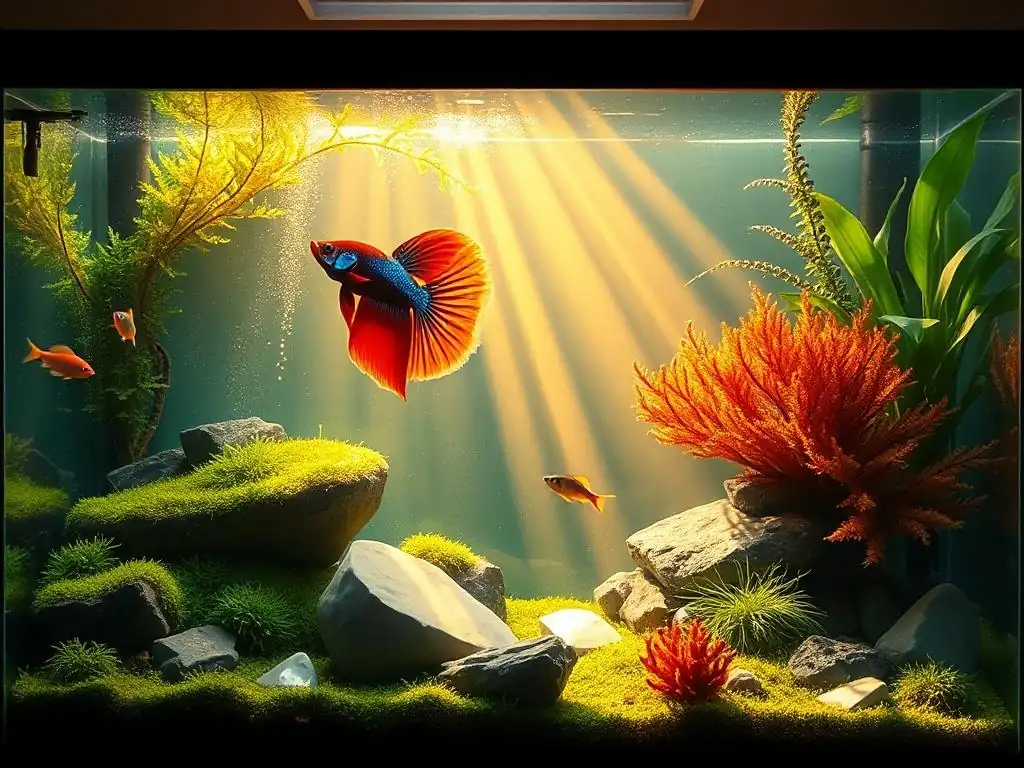
Ever dreamed of diving into the mesmerizing world of aquariums, but worried about the cost? You're in the right place! We're thrilled to guide you through the essentials, and in our main article today, we're demystifying how to achieve your dream aquarium with our affordable aquarium setup guide. Intrigued? Let's explore how you can create a stunning underwater paradise without emptying your wallet... Keep reading to discover smart tank choices that won't break the bank!
Essential Equipment for a Low-Cost Aquarium
Filtration Systems: Choosing an Efficient and Affordable Filter
Effective filtration is the backbone of any healthy aquarium, and it doesn't have to be a major expense. An efficient filter is crucial for breaking down waste products, removing physical debris, and maintaining crystal-clear water, thereby reducing the need for excessive water changes and preventing fish illness. This proactive approach saves money in the long run on medications and replacement fish, making smart filter selection a cornerstone of any affordable aquarium setup guide.
When selecting a filter, it's important to consider both the initial purchase price and the ongoing cost of filter media replacement. Some cheaper filters might use proprietary cartridges that can be surprisingly expensive over time, negating any initial savings. Prioritize filters that allow for the use of bulk filter media, such as cut-to-size filter floss or ceramic rings, which are much more economical than pre-packaged cartridges.
Sponge Filters: A Budget-Friendly Biological Filtration Option
Sponge filters are perhaps the most budget-friendly and effective filtration option, especially for smaller tanks, breeding setups, or as supplementary biological filtration. They operate by using an air pump to draw water through a porous sponge, which provides an enormous surface area for beneficial bacteria to colonize. A basic sponge filter for a 10-20 gallon tank, along with a small air pump and airline tubing, can often be purchased for a combined total of under $15-$20, making it an incredibly accessible choice for an affordable aquarium setup guide.
The main advantages of sponge filters include their low initial cost, minimal running expenses (only the electricity for the air pump), and their exceptional biological filtration capabilities. They are also incredibly safe for fry and delicate fish, as they create a gentle flow. While they excel at biological filtration, their mechanical filtration (removing large debris) is less robust than other types, and they do require an air pump, which adds another component to the setup.
Hang-On-Back (HOB) Filters: Balancing Cost and Performance
Hang-On-Back (HOB) filters are a popular choice for many aquarists seeking a balance between affordability, ease of use, and multi-stage filtration. These filters hang on the rim of the aquarium, drawing water from the tank into a chamber where it passes through various media (mechanical, chemical, and biological) before being returned. Reputable HOB filters for a 20-40 gallon tank, such as models from AquaClear or Tetra Whisper, typically range from $20 to $50, offering a solid investment for an affordable aquarium setup guide.
HOB filters provide good mechanical filtration (removing particles), chemical filtration (using activated carbon to remove odors and discoloration), and a decent amount of biological filtration. They are easy to install and maintain, with readily accessible filter media compartments. However, some models use proprietary cartridges that can become expensive over time. To maintain an affordable aquarium setup, look for HOB filters that allow you to customize filter media, replacing expensive cartridges with bulk filter floss, ceramic rings, or activated carbon purchased in larger quantities.
Lighting: Selecting Energy-Efficient LED Aquarium Lights
Aquarium lighting is essential for showcasing your fish and plants, and for supporting photosynthetic life. While traditional fluorescent lights might appear cheaper upfront, modern LED lights are by far the most energy-efficient and cost-effective long-term solution. A basic LED light strip suitable for a 10-gallon fish-only tank can be found for as little as $15-$25, consuming a mere 5-10 watts of power. In contrast, an equivalent fluorescent fixture might draw 15-20 watts and require bulb replacements every 6-12 months.
The long-term benefits of LED lighting for an affordable aquarium setup guide are significant: dramatically lower electricity bills, an extended lifespan (often rated for 50,000 hours or more, meaning years of use without replacement), and minimal heat production, which can also reduce the need for cooling in warmer climates. For fish-only tanks, simple white LEDs are perfectly adequate. If you plan to keep live plants, investing slightly more in a full-spectrum LED light (e.g., $40-$80 for a 20-gallon planted tank light) will ensure healthy plant growth and still provide substantial energy savings over traditional plant growth bulbs.
Heaters: Finding a Reliable and Inexpensive Aquarium Heater
For most tropical freshwater fish, a consistent water temperature is critical for their health and well-being, making an aquarium heater a necessary piece of equipment. While aiming for an affordable aquarium setup guide, it is paramount not to compromise on the reliability of your heater, as a malfunctioning unit can quickly lead to fish loss. A dependable, submersible heater for a 10-20 gallon tank can typically be acquired for $15-$30 from reputable brands.
When selecting a heater, consider the wattage appropriate for your tank size (a general rule of thumb is 3-5 watts per gallon; so, a 50-watt heater for a 10-gallon tank or a 100-watt for a 20-gallon tank). Look for heaters with an adjustable thermostat to set the precise temperature, and ideally, those with shatter-resistant glass or a protective casing. While the absolute cheapest heaters might be tempting, investing a few extra dollars in a well-reviewed model with a proven track record can prevent costly fish losses and the need for frequent replacements.
Substrate and Decor: Economical Options for a Beautiful Aquascape
The substrate (the material at the bottom of the tank) and decorations play a vital role in both the aesthetics of your aquarium and the well-being of its inhabitants, providing surfaces for beneficial bacteria, hiding spots, and visual interest. Fortunately, creating a beautiful and functional aquascape does not require expensive, elaborate pieces. Many economical options exist that can transform your tank into a stunning display, aligning perfectly with an affordable aquarium setup guide.
To save money on substrate and decor, consider purchasing materials in bulk, repurposing safe household items, or even responsibly foraging for natural elements. For example, a 50-pound bag of play sand from a hardware store might cost around $5-$10, significantly less than aquarium-specific sands. Similarly, inert rocks or properly prepared driftwood can be found for free or at very low prices. Always ensure any items introduced into the tank are non-toxic, thoroughly cleaned, and will not alter water chemistry in undesirable ways.
Gravel vs. Sand: Cost Comparison and Suitability
When choosing substrate for your affordable aquarium setup guide, the two most common options are gravel and sand, both offering distinct advantages and cost profiles. Aquarium gravel is generally sold in bags ranging from $15-$25 for 20 pounds. It's relatively easy to clean with a gravel vacuum and allows detritus to settle between the pieces, making it a good choice for beginners. However, it can trap waste if not cleaned regularly.
Aquarium sand, while sometimes slightly cheaper per pound (e.g., $10-$20 for 20 pounds), is denser, meaning you might need more by weight for the same depth. Its fine texture is excellent for bottom-dwelling fish like corydoras, and it provides a great base for planted tanks. For ultimate savings, a 50-pound bag of play sand from a hardware store can be purchased for around $5-$10, but it requires extensive washing to remove fine dust before use. A general guideline for substrate depth is 1-2 inches, which translates to roughly 1-2 pounds of substrate per gallon of tank volume.
Natural Decorations: Using Rocks and Wood Responsibly
Utilizing natural decorations like rocks and driftwood is an excellent way to create an authentic and beautiful aquascape without spending a fortune. Inert rocks such as slate, lava rock, granite, or river rocks can often be collected from local landscapes for free, or purchased at garden supply stores for a fraction of the cost of aquarium-specific decor. Similarly, responsibly sourced driftwood can add a unique, natural feel to your tank. These natural elements are key components of an affordable aquarium setup guide.
When collecting natural materials, it is crucial to ensure they are safe for your aquarium. Always perform a vinegar test on rocks: if they fizz, they contain calcium carbonate and will raise your water's pH and hardness, making them unsuitable for soft-water fish. All wild-collected items, whether rocks or wood, must be thoroughly cleaned and sterilized.
Rocks should be scrubbed and boiled for at least 15-20 minutes to kill any bacteria or parasites. Driftwood requires prolonged soaking (weeks to months, with regular water changes) to leach out tannins and become waterlogged, preventing it from floating and staining your water excessively.
Frequently Asked Questions
How can I create an affordable aquarium setup?
Focus on essential equipment first, like a basic tank, filter, and heater. Consider buying used equipment where possible and prioritize durable, but not necessarily the most expensive, options.
What are some budget-friendly fish species for a beginner aquarium?
Many smaller freshwater fish are relatively inexpensive and hardy, such as Neon Tetras, White Cloud Mountain Minnows, or certain types of Danios. Research their compatibility and care requirements before purchasing.
Can I save money on aquarium decor?
Absolutely! Use natural elements like cleaned rocks and driftwood you find (after proper sanitation, of course). Avoid overly elaborate decorations and consider propagating live plants to fill your tank.
What are the most crucial things not to skimp on when setting up a budget aquarium?
The filter and heater are critical for maintaining a healthy environment. Don't sacrifice quality in these areas, as poor filtration or temperature control can lead to costly fish illnesses and losses.
How can I reduce the ongoing costs of maintaining an aquarium?
Establish a consistent maintenance schedule to prevent problems before they arise. Perform regular water changes, properly clean the filter, and avoid overfeeding to minimize the need for expensive medications and treatments.
Final Reflection: Cultivating Underwater Dreams Responsibly
The journey of creating a captivating aquarium, as we've explored, doesn't have to be a financial burden. The key lies in informed choices and strategic planning, transforming what might seem like an expensive hobby into an accessible and rewarding experience for anyone. By prioritizing needs over wants and embracing resourceful solutions, the dream of owning a thriving underwater ecosystem becomes a tangible reality, not just a distant aspiration.
This pursuit of affordable aquascaping reflects a broader desire for mindful consumption and sustainable hobbies. It reminds us that beauty and fulfillment can be found not in extravagance, but in creativity and resourcefulness. The best things in life aren't things.
This simple truth resonates deeply when we consider the profound joy and tranquility an aquarium can bring, especially when achieved through careful budgeting and thoughtful design.
Now, armed with this affordable aquarium setup guide, I encourage you to embark on your own underwater adventure. Don't let perceived costs deter you from creating a mesmerizing aquatic world within your home. Embrace the challenge, explore the possibilities, and discover the immense satisfaction of nurturing life, all while staying true to your budget. Your affordable aquarium dream awaits!
Dive Deeper: Start Building Your Budget-Friendly Aquarium Today!
Thanks for exploring these smart strategies for building an amazing aquarium without emptying your wallet! You've now got the knowledge to make informed choices and bring your aquatic dreams to life. Ready to take the plunge?
Here are a few ways to get started:
- Create a detailed budget spreadsheet outlining all potential aquarium costs, from the tank itself to livestock and ongoing maintenance.
- Share your budget and tank ideas on social media using #AquariumMasteryBudget to get feedback and inspire others.
- Visit local aquarium societies or online forums to ask about secondhand equipment deals – you might be surprised what hidden gems you find!
What's the first step you'll take to bring your budget aquarium to life this week? Share your plans in the comments below!