
The Vital Role of Phytoplankton and Zooplankton in a Balanced SPS Reef Diet

Welcome to Aquarium Mastery!
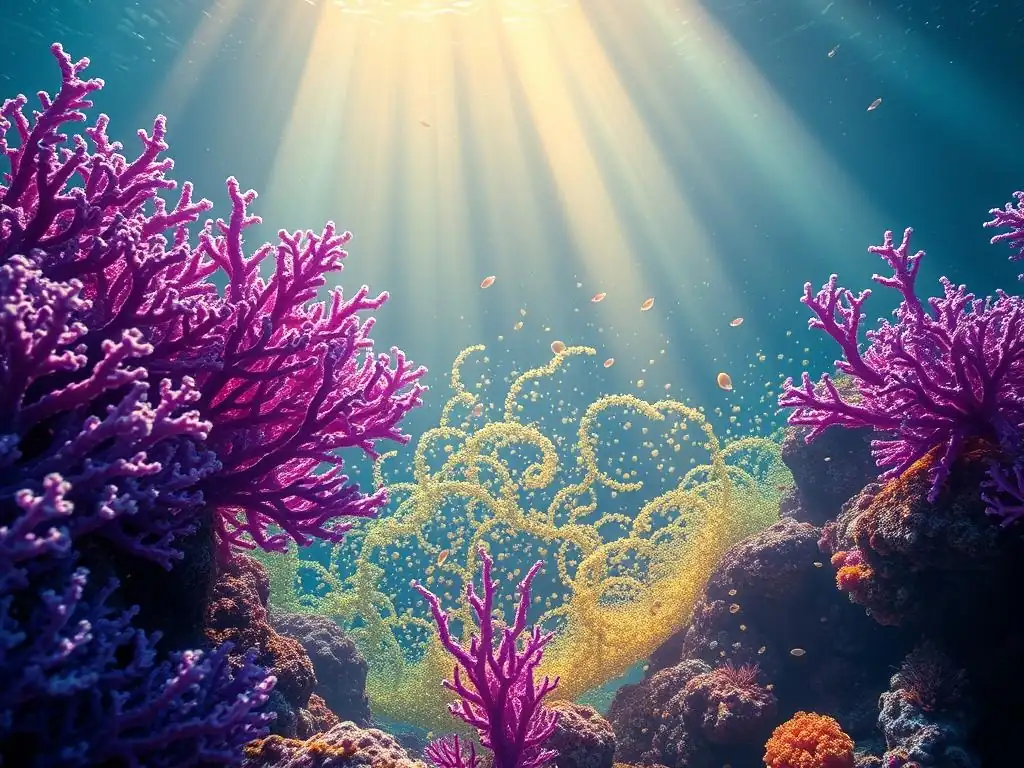
Ever wondered how to unlock the secret to vibrant, thriving SPS corals in your reef tank? Dive in with us as we explore the vital role of phytoplankton and zooplankton in a balanced SPS reef diet. Understanding this intricate relationship is key to achieving spectacular growth and coloration. Are you ready to learn how to feed your SPS corals like a pro? Let's begin!
- Understanding the Nutritional Needs of SPS Corals
-
Phytoplankton in the SPS Reef Aquarium: A Cornerstone of Nutrition
- What is Phytoplankton and Its Composition?
- Different Types of Phytoplankton for SPS Coral Feeding
- Benefits of Phytoplankton for SPS Coral Coloration and Growth
- How to Introduce and Dose Phytoplankton in Your SPS Reef Tank
- Selecting the Right Phytoplankton Strain for Your SPS Corals
- Potential Issues with Phytoplankton Overdosing in SPS Reefs
-
Zooplankton: Essential Protein and Nutrients for SPS Corals
- What is Zooplankton and Its Role in the Marine Ecosystem?
- Different Types of Zooplankton Suitable for SPS Coral Feeding (Rotifers, Copepods, Amphipods)
- The Protein and Lipid Content of Zooplankton and its Impact on SPS Health
- Culturing and Introducing Zooplankton to Your SPS Reef Aquarium
- Live vs. Frozen Zooplankton: Pros and Cons for SPS Feeding
- The Synergistic Relationship Between Phytoplankton and Zooplankton in SPS Nutrition
- Beyond Phytoplankton and Zooplankton: Other Dietary Considerations for SPS Corals
- Maintaining Water Quality for Optimal SPS Coral Feeding
- Troubleshooting Common SPS Coral Feeding Problems
- Optimizing Your SPS Reef Diet for Vibrant Colors and Healthy Growth: A Summary
-
Frequently Asked Questions
- What exactly are phytoplankton and zooplankton, and why are they important for SPS reefs?
- How does an SPS reef aquarium benefit from introducing phytoplankton and zooplankton?
- What are the best methods for introducing phytoplankton and zooplankton into an SPS reef aquarium?
- Are there any potential downsides or risks associated with adding phytoplankton and zooplankton to an SPS reef tank?
- What types of phytoplankton and zooplankton are most beneficial for SPS corals, and where can I source them?
- Final Reflection: The Foundation of Reef Life
- Ignite Your SPS Reef's Vibrance!
Understanding the Nutritional Needs of SPS Corals
What are SPS Corals and Why is Diet Important?
Small Polyp Stony (SPS) corals, encompassing popular genera such as Acropora, Montipora, and Seriatopora, are renowned for their intricate branching structures and vibrant coloration. These corals form a symbiotic relationship with microscopic algae called zooxanthellae, residing within their tissues. Through photosynthesis, zooxanthellae provide the coral host with a significant portion of their energetic needs, primarily in the form of sugars and glycerol. This photosynthetic capability is why strong lighting is paramount for SPS health.
However, relying solely on photosynthesis in a captive SPS reef environment is often insufficient for achieving optimal growth rates, robust health, and the most vibrant coloration. While zooxanthellae can supply up to 90% of a coral's energy in ideal conditions, the remaining 10-40% (depending on species and environmental factors) must come from heterotrophic feeding – the consumption of external food sources. SPS corals have a high metabolic rate due to their rapid calcification and tissue growth, making a consistent and diverse SPS reef phytoplankton zooplankton diet absolutely crucial.
The Importance of a Balanced Diet for SPS Coral Health and Growth
A truly balanced SPS reef phytoplankton zooplankton diet extends beyond just providing light; it involves supplying a rich array of organic nutrients that photosynthesis cannot provide. These include proteins, lipids, carbohydrates, and various micronutrients essential for cellular function, tissue repair, and skeletal deposition. Studies have indicated that supplemental feeding can increase SPS coral growth rates significantly, with some observations showing a 15-30% increase in calcification and overall biomass when corals receive a consistent, diverse food source.
Without a proper diet, SPS corals can exhibit signs of nutrient deficiency, such as pale colors (lack of chromoproteins and pigments), slow or stunted growth, and even tissue recession, commonly known as RTN (Rapid Tissue Necrosis) or STN (Slow Tissue Necrosis). A comprehensive SPS reef phytoplankton zooplankton diet not only fuels growth but also enhances the coral's immune response, making it more resilient to environmental stressors and disease. This holistic approach to nutrition is fundamental for the long-term success and aesthetic appeal of a thriving SPS reef aquarium.
Phytoplankton in the SPS Reef Aquarium: A Cornerstone of Nutrition
What is Phytoplankton and Its Composition?
Phytoplankton refers to microscopic marine algae that drift in the water column, forming the base of the marine food web as primary producers. In a natural reef ecosystem, they convert sunlight into organic matter, which is then consumed by zooplankton and various filter feeders, including corals. For the SPS reef phytoplankton zooplankton diet, phytoplankton serves as a direct food source for many SPS corals and also nourishes zooplankton, which are then consumed by the corals.
The nutritional composition of phytoplankton is remarkably rich, making it an invaluable component of an SPS reef phytoplankton zooplankton diet. They are packed with essential fatty acids, particularly Omega-3s like Eicosapentaenoic Acid (EPA) and Docosahexaenoic Acid (DHA), which are critical for cell membrane integrity and energy storage. Furthermore, phytoplankton contains a broad spectrum of amino acids (the building blocks of protein), various vitamins (such as B12, C, and E), carotenoids, and other pigments that contribute to both coral health and vibrant coloration.
Different Types of Phytoplankton for SPS Coral Feeding
Commercially available phytoplankton products for the SPS reef phytoplankton zooplankton diet typically consist of specific cultured strains, each offering a unique nutritional profile and cell size. Common strains include Nannochloropsis oculata, Isochrysis galbana, Tetraselmis chuii, Chlorella vulgaris, and Pavlova lutheri. For instance, Nannochloropsis is known for its high EPA content, while Isochrysis is rich in DHA. The cell size of these strains varies, typically ranging from 2 to 20 micrometers, which is crucial for efficient capture by the small polyps of SPS corals.
Because no single strain provides all essential nutrients in optimal ratios for a complete SPS reef phytoplankton zooplankton diet, many aquarists and manufacturers opt for phytoplankton blends. A diverse blend ensures that corals receive a wider spectrum of fatty acids, amino acids, and vitamins, mimicking the varied diet they would encounter in a natural reef environment. This multi-strain approach supports more robust growth, enhanced coloration, and overall resilience across different SPS species.
Benefits of Phytoplankton for SPS Coral Coloration and Growth
The inclusion of phytoplankton in an SPS reef phytoplankton zooplankton diet directly contributes to the stunning coloration observed in healthy corals. Phytoplankton provides precursors for chromoproteins and other pigments that corals synthesize, enhancing their blues, greens, reds, and purples. For example, the carotenoids found in phytoplankton can be metabolized by corals or their zooxanthellae to produce or enhance these vibrant hues. Furthermore, a well-fed coral maintains healthier zooxanthellae populations, which in turn leads to more efficient photosynthesis and better overall pigmentation.
Beyond aesthetics, phytoplankton directly fuels tissue growth and calcification in SPS corals. The essential fatty acids and amino acids provided by phytoplankton are critical building blocks for new coral tissue and energy reserves. This direct nutritional input supports the rapid skeletal deposition characteristic of SPS corals like Acropora, leading to faster growth rates and more robust colonies. Anecdotal evidence from experienced aquarists often points to a noticeable improvement in overall coral vitality and resistance to stress when a consistent phytoplankton feeding regimen is implemented.
How to Introduce and Dose Phytoplankton in Your SPS Reef Tank
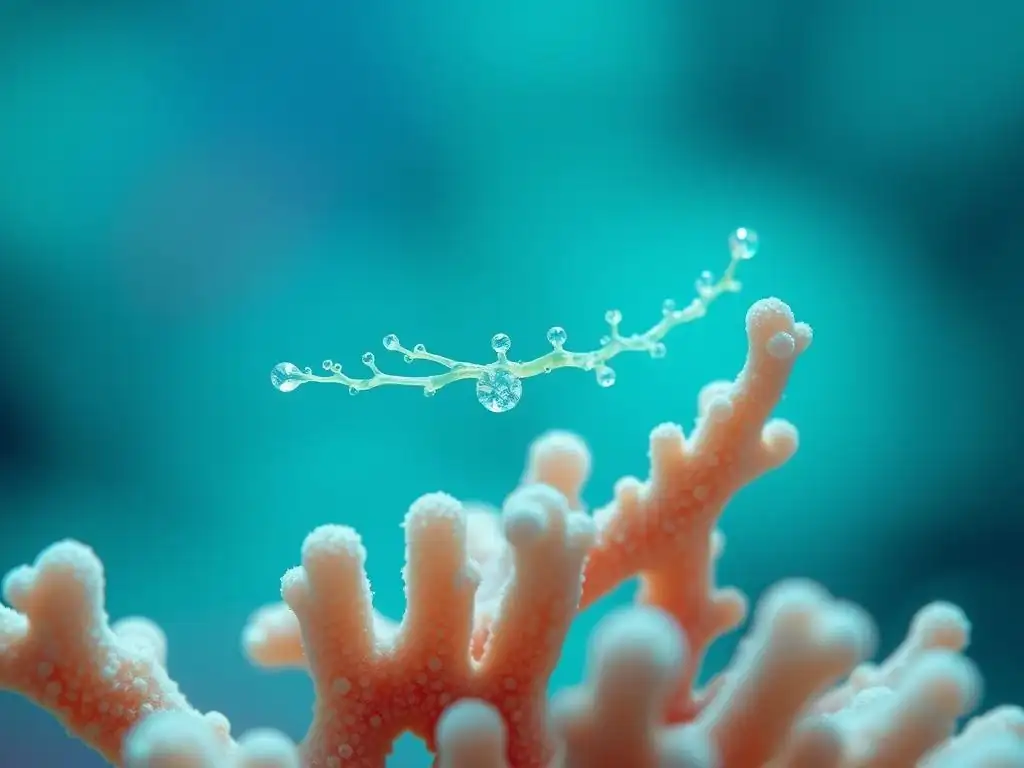
Introducing phytoplankton as part of your SPS reef phytoplankton zooplankton diet can be done through direct dosing into the water column or via targeted feeding. For general tank wide distribution, simply pour the recommended dose into a high-flow area of your sump or display tank. This allows the plankton to disperse evenly. For more direct consumption by specific colonies, you can use a pipette or turkey baster to gently release a small cloud of phytoplankton near the extended polyps of your SPS corals.
Regarding dosing frequency and quantity, it's generally recommended to start conservatively and observe your tank's response. A common starting point for liquid phytoplankton products is around 5-10 ml per 100 gallons of tank volume daily, or every other day. Smaller, more frequent doses are often preferred over large, infrequent ones, as this minimizes nutrient spikes and allows corals continuous access to food.
The ideal time to dose is often when tank lights are dimming or off, as many SPS corals extend their feeding polyps more readily in lower light conditions. Adjust the dosage based on your coral density, nutrient export capabilities (skimmer, refugium), and water quality parameters.
Selecting the Right Phytoplankton Strain for Your SPS Corals
When selecting phytoplankton for your SPS reef phytoplankton zooplankton diet, the primary consideration should be the diversity of nutritional content and cell size. While single strains like Nannochloropsis are beneficial, a multi-strain blend is often superior as it offers a broader spectrum of essential fatty acids, amino acids, and vitamins that different coral species or even individual colonies might prefer or require. Look for products that clearly state the strains included and their viability (live vs. preserved).
The source of your phytoplankton is also critical. Choose reputable suppliers to ensure the product is free from contaminants and that live cultures are truly viable. For instance, some premium blends combine strains like Nannochloropsis, Isochrysis, and Tetraselmis to provide a balanced profile of EPA, DHA, and other essential compounds. The cell size should ideally be between 2 and 20 microns to be efficiently captured by the small polyps of most SPS corals, including Acropora and Montipora species.
Potential Issues with Phytoplankton Overdosing in SPS Reefs
While beneficial, overdoing the phytoplankton component of your SPS reef phytoplankton zooplankton diet can lead to several undesirable outcomes. The most common issue is an increase in dissolved organic compounds (DOCs), which can elevate nitrate and phosphate levels. For example, consistently dosing excessive amounts of phytoplankton can push nitrates above 5 ppm and phosphates above 0.05 ppm, creating an environment ripe for nuisance algae blooms (e.g., diatoms, dinoflagellates) that compete with corals for light and space.
Another consequence of overfeeding phytoplankton is cloudy water, which reduces light penetration to your corals and can be aesthetically unpleasing. More critically, a significant increase in organic load can lead to oxygen depletion, especially at night, as bacteria consume oxygen to break down the excess organic matter. This stresses not only your corals but also fish and other invertebrates. Therefore, moderation and careful monitoring of water parameters are essential to ensure the benefits of phytoplankton feeding outweigh the risks in your SPS reef system.
Zooplankton: Essential Protein and Nutrients for SPS Corals
What is Zooplankton and Its Role in the Marine Ecosystem?
Zooplankton are microscopic animals that drift in the water column, playing a crucial role as secondary consumers in the marine food web. They primarily feed on phytoplankton, effectively converting the energy stored in these primary producers into a more concentrated, protein-rich food source. For the SPS reef phytoplankton zooplankton diet, zooplankton represents a highly bioavailable and energetically dense meal that directly fuels coral growth and metabolic processes.
In a natural reef environment, SPS corals actively capture zooplankton from the water column using their nematocyst-laden polyps. This heterotrophic feeding provides them with essential proteins, lipids, and other complex nutrients that are often less abundant or in different forms in phytoplankton. The diverse array of zooplankton species, from tiny rotifers to larger copepods and amphipods, offers a varied nutritional profile and caters to the varying feeding capabilities of different SPS coral species and their polyp sizes.
Different Types of Zooplankton Suitable for SPS Coral Feeding (Rotifers, Copepods, Amphipods)
For a comprehensive SPS reef phytoplankton zooplankton diet, several types of zooplankton are commonly utilized, each offering distinct advantages. Rotifers, particularly Brachionus plicatilis, are very small (typically 50-200 microns) and are an excellent starter food for many SPS corals, providing a good source of protein and some fatty acids. They are relatively easy to culture.
Copepods are arguably the most valuable zooplankton for SPS corals due to their exceptional nutritional profile and ability to establish reproducing populations in the reef tank. Genera like Tisbe, Tigriopus, and Apocyclops are popular. Tisbe copepods (around 500-1000 microns) are benthic and excellent for cleaning detritus, while Tigriopus (up to 2000 microns) are pelagic and packed with high levels of Omega-3 fatty acids like DHA.
These larger copepods are eagerly consumed by many SPS, including Acropora and Montipora species. Amphipods are generally larger (several millimeters) and are often found naturally in refugiums or live rock; they provide a substantial meal for larger polyp SPS corals and fish.
The Protein and Lipid Content of Zooplankton and its Impact on SPS Health
Zooplankton are exceptionally rich in protein, often comprising 50-60% of their dry weight, and significant amounts of lipids, typically ranging from 10-20% of their dry weight. These lipids include crucial Omega-3 polyunsaturated fatty acids (PUFAs) such as DHA (Docosahexaenoic Acid) and EPA (Eicosapentaenoic Acid), which are vital for cellular membrane integrity, energy storage, and the synthesis of complex organic molecules. For an SPS reef phytoplankton zooplankton diet, this high protein and lipid content is paramount.
The direct intake of these macro-nutrients from zooplankton fuels rapid tissue growth, enhances calcification rates, and provides the energy reserves necessary for corals to withstand environmental fluctuations. For example, a study showed that corals fed a diet rich in copepods exhibited significantly faster linear growth and skeletal density compared to unfed corals. Furthermore, the high-quality protein and lipids contribute directly to the vibrant coloration of SPS corals, as these nutrients are essential for the production and maintenance of chromoproteins and other pigments within the coral tissue.
Culturing and Introducing Zooplankton to Your SPS Reef Aquarium
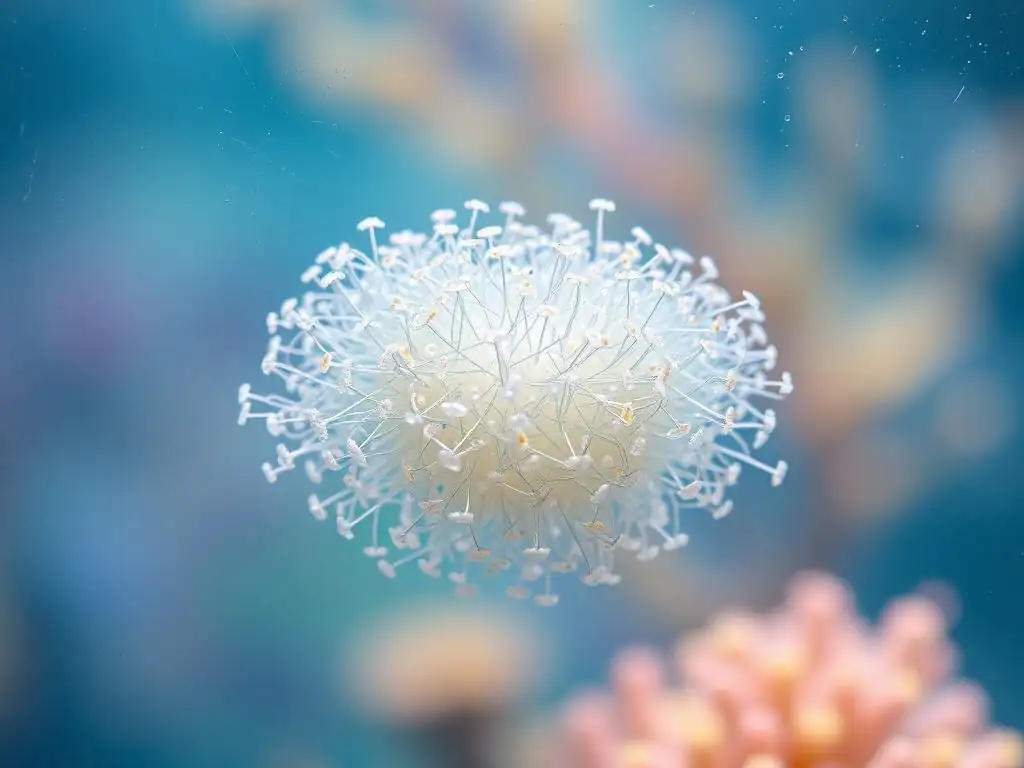
For a continuous supply of live zooplankton as part of your SPS reef phytoplankton zooplankton diet, many aquarists opt for home culturing. Rotifers are relatively easy to culture in a dedicated container using phytoplankton as their food source, yielding millions of individuals within a week. Copepods are slightly more challenging but can also be cultured successfully, providing a diverse and nutritious food source. Culturing allows for a consistent and fresh supply, ensuring maximum nutritional value.
When introducing zooplankton to your SPS reef aquarium, the timing is crucial. Many SPS corals extend their polyps for feeding more actively during periods of low light or darkness, mimicking natural nocturnal feeding patterns. Turn off your pumps for 15-30 minutes to allow the zooplankton to disperse and settle, increasing the chances of capture by your corals.
You can either pour the zooplankton directly into the water column or use a pipette for targeted feeding of specific colonies. For live cultures, consider adding them to a refugium first, allowing them to establish a population that can then naturally seed your main display tank.
Live vs. Frozen Zooplankton: Pros and Cons for SPS Feeding
When supplementing an SPS reef phytoplankton zooplankton diet, aquarists often choose between live and frozen forms. Live zooplankton offers several distinct advantages: they retain their full nutritional profile, including all essential fatty acids and vitamins that can degrade during freezing or thawing. Their natural motility stimulates the coral's feeding response, leading to more efficient capture and consumption. Furthermore, live copepods can establish reproducing populations within the tank or refugium, providing a continuous, self-sustaining food source. The main drawbacks are the effort and space required for culturing, and often a higher cost.
Frozen zooplankton, on the other hand, provides unparalleled convenience and is readily available. High-quality flash-frozen products, such as frozen rotifers or copepods, retain a significant portion of their nutritional value, especially if kept properly frozen until use. They are easy to dose and eliminate the need for culturing.
However, frozen foods can leach nutrients into the water more quickly upon thawing, potentially impacting water quality if overfed. They also do not stimulate the same natural feeding response as live prey, nor do they contribute to a self-sustaining population. For the most comprehensive SPS reef phytoplankton zooplankton diet, a combination of both live and frozen zooplankton is often recommended to leverage the benefits of each.
The Synergistic Relationship Between Phytoplankton and Zooplankton in SPS Nutrition
The most effective SPS reef phytoplankton zooplankton diet for corals hinges on the synergistic relationship between these two microscopic organisms. Phytoplankton forms the foundational food source, acting as primary producers, converting light energy into organic matter. Zooplankton then consume this phytoplankton, effectively concentrating and transforming these nutrients into a more complex, protein- and lipid-rich package. When SPS corals consume zooplankton, they are indirectly benefiting from the phytoplankton that the zooplankton consumed, but in a more concentrated and digestible form.
This natural food chain provides a broader and more complete spectrum of nutrients than either phytoplankton or zooplankton could provide alone. Phytoplankton offers essential fatty acids and pigments directly, while zooplankton delivers a higher concentration of proteins and complex lipids crucial for rapid growth and robust health. By feeding both, aquarists effectively mimic the intricate feeding opportunities found on natural reefs, ensuring that their SPS corals receive a truly comprehensive and balanced SPS reef phytoplankton zooplankton diet that supports vibrant coloration, accelerated growth, and enhanced resilience.
Beyond Phytoplankton and Zooplankton: Other Dietary Considerations for SPS Corals
Amino Acids: An Important Supplement for SPS Coral Growth
While phytoplankton and zooplankton form the core of a robust SPS reef phytoplankton zooplankton diet, other supplements play a crucial supporting role. Amino acids, the fundamental building blocks of proteins, are particularly important. SPS corals can absorb dissolved amino acids directly from the water column through their tissues. This direct uptake provides a readily available source of these vital compounds without the need for digestion, making them highly efficient for coral metabolism.
Supplementing with amino acids can significantly enhance coral growth rates, intensify coloration, and aid in tissue repair, especially after fragging or environmental stress. Common amino acids found in coral supplements include alanine, aspartic acid, glycine, and proline, among others. For instance, glycine and proline are key components of the coral skeleton's organic matrix, directly influencing calcification. Many aquarists report noticeable improvements in polyp extension and overall coral vigor within days of initiating an amino acid dosing regimen, making them a valuable addition to a comprehensive SPS reef phytoplankton zooplankton diet.
Trace Elements and Vitamins: Supporting SPS Coral Metabolism
Beyond organic foods, various trace elements and vitamins are indispensable for supporting the intricate metabolic processes within SPS corals. Trace elements like iodine, strontium, potassium, and iron, though required in minute quantities, play critical roles in calcification, enzymatic reactions, and overall physiological function. For example, strontium is directly incorporated into the aragonite skeleton, while iodine is involved in various metabolic pathways and can enhance coral coloration.
Vitamins, such as the B complex vitamins (B1, B2, B12), Vitamin C, and Vitamin E, act as co-factors in numerous biochemical reactions essential for coral health, energy production, and stress response. While some of these nutrients may be introduced through high-quality salt mixes and water changes, targeted supplementation can ensure consistent availability, especially in heavily stocked or rapidly growing SPS reef systems. Integrating these micronutrients complements the primary SPS reef phytoplankton zooplankton diet, ensuring all nutritional bases are covered for optimal health.
The Role of Dissolved Organic Matter (DOM) in SPS Nutrition
Dissolved Organic Matter (DOM) refers to a diverse mixture of organic compounds dissolved in the water column, including organic acids, carbohydrates, proteins, and lipids. These compounds originate from various sources, such as the excretion of marine organisms, the decomposition of dead organic material (like dead phytoplankton or zooplankton), and the exudates from live corals and algae. SPS corals are capable of directly absorbing a wide range of these dissolved organic compounds from the water column, a process known as osmotrophy.
This absorption of DOM serves as a supplementary energy source and provides building blocks for growth, complementing the particulate feeding of an SPS reef phytoplankton zooplankton diet. While often overlooked, DOM plays a significant role in the overall nutrient cycling of a reef tank and contributes to the holistic nutrition of corals. A healthy, balanced reef system with good water circulation and appropriate biological activity will naturally generate some DOM, further contributing to the nutritional well-being of SPS corals.
Targeted Feeding Techniques for Specific SPS Coral Species
While broadcast feeding of phytoplankton and zooplankton benefits the entire SPS reef phytoplankton zooplankton diet, some SPS coral species, particularly those with slightly larger polyps or more robust feeding responses, can benefit significantly from targeted feeding techniques. Species like certain Montipora species or larger polyp Acropora may show a more pronounced feeding response to concentrated food sources.
Using a turkey baster or a specialized coral feeder (pipette) allows for precise delivery of zooplankton (live or frozen) directly to individual coral colonies. This ensures that the food reaches the intended recipient rather than being consumed by fish or other invertebrates. Observe your corals' polyp extension and feeding behavior to determine which species respond best to targeted feeding. This approach can be particularly beneficial for boosting growth in specific colonies or aiding in the recovery of stressed corals, making the SPS reef phytoplankton zooplankton diet even more effective.
Maintaining Water Quality for Optimal SPS Coral Feeding
The Importance of Proper Filtration and Nutrient Control
While an enriched SPS reef phytoplankton zooplankton diet is crucial for coral health, it simultaneously increases the bioload in the aquarium. Therefore, robust filtration and effective nutrient control are paramount to prevent water quality degradation. Mechanical filtration, such as filter socks or roller mats, physically removes particulate matter, including uneaten food and coral waste, before it breaks down and contributes to nitrates and phosphates.
Biological filtration, primarily facilitated by live rock and various bio-media, converts harmful ammonia and nitrite into less toxic nitrate. Chemical filtration, utilizing activated carbon to remove dissolved organic compounds and GFO (Granular Ferric Oxide) to bind phosphates, further aids in maintaining pristine water parameters. A well-designed filtration system ensures that the benefits of feeding an SPS reef phytoplankton zooplankton diet are realized without compromising the delicate balance of the reef ecosystem.
Monitoring Water Parameters: Nitrate, Phosphate, and Alkalinity
Consistent monitoring of key water parameters is non-negotiable when implementing an SPS reef phytoplankton zooplankton diet. Nitrate and Phosphate levels must be kept low (e.g., nitrates below 5 ppm, phosphates below 0.05 ppm) to prevent nuisance algae growth, which competes with corals for light and space. However, it's important not to aim for absolute zero, as corals themselves utilize some nitrate and phosphate for metabolic processes. Finding the "sweet spot" where corals thrive but algae are suppressed is key.
Alkalinity (typically maintained between 7-9 dKH) is critical for SPS coral calcification, the process by which they build their skeletons. Stable alkalinity ensures that corals have the necessary carbonate ions to grow, especially when they are well-fed and growing rapidly from an optimized SPS reef phytoplankton zooplankton diet. Regular testing (daily to weekly depending on tank maturity and stability) allows for timely adjustments to dosing regimens and feeding schedules, ensuring a stable and healthy environment for your SPS corals.
Water Changes and Their Impact on Phytoplankton and Zooplankton Levels
Regular water changes are an essential component of overall water quality management in an SPS reef aquarium, indirectly impacting the effectiveness of an SPS reef phytoplankton zooplankton diet. Water changes replenish essential trace elements that are consumed by corals and other inhabitants, and they dilute accumulated nitrates, phosphates, and other undesirable dissolved organic compounds that can result from feeding. A typical schedule might involve replacing 10-20% of the tank volume every one to two weeks, depending on bioload and nutrient levels.
While beneficial for water quality, water changes can also dilute the concentration of introduced phytoplankton and zooplankton in the water column. Aquarists who maintain a consistent plankton dosing schedule should factor this dilution into their post-water change feeding. For example, if you perform a 20% water change, you might need to adjust your plankton dosing slightly upward for the next day or two to compensate for the reduced concentration, ensuring your corals continue to receive their vital SPS reef phytoplankton zooplankton diet.
Troubleshooting Common SPS Coral Feeding Problems
Identifying Signs of Nutrient Deficiency in SPS Corals
Despite efforts to provide a comprehensive SPS reef phytoplankton zooplankton diet, corals can still exhibit signs of nutrient deficiency if the diet is insufficient or if other environmental factors are hindering nutrient uptake. One of the most common indicators is pale coloration or "bleaching" where corals lose their vivid hues and appear washed out. This can be due to a reduction in zooxanthellae density or a lack of precursors for chromoprotein synthesis.
Other signs include significantly slowed or stunted growth, where colonies fail to expand at expected rates. Tissue recession, often starting from the base of the coral (STN – Slow Tissue Necrosis) or occurring rapidly (RTN – Rapid Tissue Necrosis), can also be a severe symptom of prolonged nutrient starvation. Furthermore, a lack of consistent polyp extension, especially during periods when polyps are typically extended for feeding, can indicate that the coral is not receiving adequate nutrition from its SPS reef phytoplankton zooplankton diet. Observing these signs prompts an evaluation of feeding regimen, water parameters, and overall tank health.
Addressing Algae Blooms and Competition for Nutrients
One of the most common challenges associated with an enriched SPS reef phytoplankton zooplankton diet is the potential for nuisance algae blooms. If excess nutrients (nitrates and phosphates) accumulate due to overfeeding or insufficient nutrient export, algae like diatoms, dinoflagellates, or hair algae can proliferate rapidly. These algae compete directly with SPS corals for light and space, potentially shading corals and even overgrowing them, leading to coral stress and recession.
Addressing algae blooms requires a multi-pronged approach: first, reduce the amount or frequency of your SPS reef phytoplankton zooplankton diet if overfeeding is suspected. Second, enhance nutrient export by increasing water change frequency or volume, optimizing protein skimming, and utilizing chemical filtration media like GFO. Introducing an effective cleanup crew (e.g., snails, hermit crabs) can also help. Finally, identifying and addressing the root cause of the nutrient imbalance is crucial for long-term control and to ensure that the introduced food benefits the corals, not the algae.
Dealing with Pests and Predators that Consume Phytoplankton and Zooplankton
While less common than algae issues, certain pests and unwanted organisms in the reef tank can compete for or consume the valuable phytoplankton and zooplankton intended for your SPS corals. For instance, some filter-feeding invertebrates, such as certain types of sponges or tunicates, can proliferate and outcompete corals for the introduced planktonic food. While not direct predators of corals, their rapid growth can divert a significant portion of your SPS reef phytoplankton zooplankton diet.
More concerning are actual coral pests like Acropora Eating Flatworms (AEFW) or Montipora Eating Nudibranchs. While these do not directly consume plankton, their presence severely stresses and damages the coral, rendering it unable to effectively feed on the introduced plankton. Regular inspection of your SPS corals for signs of pests, quarantine of new arrivals, and prompt removal of any identified pests are essential to ensure that your corals are healthy enough to utilize their SPS reef phytoplankton zooplankton diet efficiently and thrive in your aquarium.
Optimizing Your SPS Reef Diet for Vibrant Colors and Healthy Growth: A Summary
Key Takeaways for Successful SPS Coral Nutrition
Achieving vibrant colors and healthy growth in SPS corals hinges on understanding that light alone is not enough; a comprehensive and balanced SPS reef phytoplankton zooplankton diet is indispensable. Phytoplankton provides foundational nutrients, including essential fatty acids and pigments, crucial for cellular health and coloration. Zooplankton, on the other hand, delivers a concentrated source of high-quality proteins and lipids, directly fueling rapid tissue growth and calcification.
Consistency and moderation are key in feeding. Overfeeding can lead to detrimental water quality issues, while underfeeding starves your corals. Regular observation of your corals' polyp extension, coloration, and growth rates will provide the best feedback for fine-tuning your feeding regimen. Ultimately, a successful SPS reef phytoplankton zooplankton diet integrates diverse food sources with meticulous water quality management, creating an environment where SPS corals can truly flourish.
A Recommended Feeding Schedule for SPS Corals
An effective SPS reef phytoplankton zooplankton diet often follows a structured, yet flexible, feeding schedule tailored to the specific needs of your tank. A commonly recommended approach includes:
- Daily: Small, consistent doses of liquid phytoplankton. This provides a steady supply of essential fatty acids and keeps zooplankton populations (if present) nourished. Consider also daily dosing of amino acids for enhanced growth and coloration.
- 2-3 times per week: Supplement with zooplankton (live or high-quality frozen). This delivers the concentrated protein and lipid punch vital for robust growth. Dosing at night or when lights are dim encourages polyp extension and efficient capture.
- Weekly: Perform routine water changes (10-20% of tank volume) to replenish trace elements and dilute accumulated nutrients. Adjust plankton dosing slightly after large water changes to compensate for dilution.
- Ongoing: Continuously monitor key water parameters (nitrate, phosphate, alkalinity, calcium, magnesium) and adjust supplementation (calcium, alkalinity, magnesium, trace elements) as needed to maintain stability, which is crucial for corals to utilize their SPS reef phytoplankton zooplankton diet effectively.
The Future of SPS Coral Nutrition Research and Development
The field of SPS coral nutrition is continually evolving, with ongoing research striving to unlock even deeper insights into their complex dietary needs. Scientists are investigating the specific nutritional requirements of different SPS species, recognizing that a Montipora might have slightly different needs than an Acropora. This research aims to develop more targeted and bioavailable food products, potentially leading to species-specific or growth-stage-specific coral foods.
Advancements are also being made in understanding the coral microbiome – the community of bacteria and other microorganisms associated with coral tissues – and its role in nutrient assimilation and overall coral health. As our knowledge expands, the SPS reef phytoplankton zooplankton diet will likely become even more refined, incorporating new insights into coral physiology and optimizing the delivery of essential nutrients. These developments promise an exciting future for aquarists, enabling even greater success in cultivating vibrant and healthy SPS reef aquariums.
Frequently Asked Questions
What exactly are phytoplankton and zooplankton, and why are they important for SPS reefs?
Phytoplankton are microscopic algae, the base of the food chain. Zooplankton are tiny animals that feed on phytoplankton. They are crucial because SPS corals benefit from both directly and indirectly, enhancing color and growth.
How does an SPS reef aquarium benefit from introducing phytoplankton and zooplankton?
These organisms provide essential nutrients and trace elements. Phytoplankton improves water quality and feeds zooplankton. Zooplankton becomes a direct food source for SPS corals, improving their health and coloration.
What are the best methods for introducing phytoplankton and zooplankton into an SPS reef aquarium?
There are various methods, including live cultures and commercially available products. Careful dosing and monitoring of water parameters are essential for success. Consider using a dosing pump for consistent addition.
Are there any potential downsides or risks associated with adding phytoplankton and zooplankton to an SPS reef tank?
Overdosing can lead to nutrient imbalances and algae blooms. Monitoring water parameters and adjusting dosage based on tank needs is crucial. Always start with a small dose and observe the tank's response.
What types of phytoplankton and zooplankton are most beneficial for SPS corals, and where can I source them?
Nannochloropsis and Tisbe copepods are popular and beneficial choices. You can source them from reputable online vendors or local aquarium stores specializing in reef aquariums. Always ensure the source is reliable and the cultures are healthy.
Final Reflection: The Foundation of Reef Life
The intricate dance between phytoplankton and zooplankton, as explored throughout this article, underscores the fundamental importance of a balanced diet for the vibrant health of SPS reefs. Understanding their role is not merely an academic exercise; it's a crucial step towards responsible reef keeping in a world where coral ecosystems face unprecedented challenges. The success of our SPS corals, and indeed the future of our reef aquariums, hinges on our ability to replicate the natural, nutrient-rich environment these microscopic organisms provide.
This exploration has highlighted the profound interconnectedness within reef ecosystems. It's a humbling reminder that even the smallest organisms play a vital role in the grand scheme of life, influencing everything from coral coloration to overall reef stability. In nature, nothing exists alone.
- Rachel Carson. This quote perfectly encapsulates the symbiotic relationship between phytoplankton, zooplankton, and the SPS corals that depend on them, urging us to consider the holistic impact of our actions within the aquarium environment.
As you consider the information presented, I encourage you to reflect on your own approach to reef keeping. Are you providing your SPS corals with the foundational dietary elements they need to thrive? By embracing a deeper understanding of the SPS reef phytoplankton zooplankton diet, and actively seeking to replicate the natural balance within your own aquariums, you can contribute to the long-term health and beauty of these delicate ecosystems. Let's strive to be informed and responsible stewards of the reef, ensuring its vibrant future for generations to come.
Ignite Your SPS Reef's Vibrance!
Thank you for diving into the world of plankton and its crucial role in SPS reef health. We hope you've gained valuable insights into optimizing your reef's diet for unparalleled vitality. Ready to take the next step?
Here are a few actions you can take right now:
- Start researching live phytoplankton cultures suited for your SPS corals – discover the perfect blend for optimal growth and coloration.
- Share this article with fellow reef keepers to spread awareness about the importance of a plankton-rich SPS diet.
- Consider setting up a small-scale rotifer culture to provide live zooplankton directly to your reef ecosystem.
What specific type of phytoplankton are you most excited to experiment with to boost your SPS coral's health?