
Japanese Trapdoor Snails: Gentle Giants for a Peaceful Aquarium Ecosystem

Welcome to Aquarium Mastery!
Ever wondered if there's a peaceful, algae-eating powerhouse you could add to your freshwater aquarium? Japanese Trapdoor Snails might just be the answer! These gentle giants offer more than just beauty; they play a vital role in maintaining a healthy ecosystem. Curious about their unique care requirements and how they can benefit your tank? Dive into our comprehensive guide on Japanese Trapdoor Snail Care and unlock the secrets to a thriving, balanced aquarium!
- Japanese Trapdoor Snails: Peaceful Cleaners for Freshwater Aquariums
- Introduction to Japanese Trapdoor Snails
- Optimal Japanese Trapdoor Snail Care: Creating the Ideal Habitat
- Feeding Japanese Trapdoor Snails: A Balanced Approach
- Japanese Trapdoor Snail Tank Mates: Compatibility
- Japanese Trapdoor Snail Breeding and Reproduction
- Common Health Issues and Troubleshooting
- Benefits of Keeping Japanese Trapdoor Snails
- Purchasing and Acclimating Japanese Trapdoor Snails
- Japanese Trapdoor Snail vs. Mystery Snails: A Comparison
- Conclusion: Enjoying Japanese Trapdoor Snails
-
Frequently Asked Questions
- How big do Japanese Trapdoor Snails get, and are they suitable for smaller aquariums?
- What are the ideal water parameters for Japanese Trapdoor Snails?
- What do Japanese Trapdoor Snails eat, and how often should I feed them?
- Are Japanese Trapdoor Snails compatible with all types of fish and invertebrates?
- How do Japanese Trapdoor Snails reproduce, and will they overpopulate my aquarium?
- Final Reflection: Cultivating Harmony in Miniature Worlds
- Dive Deeper into a Thriving Aquarium!
Japanese Trapdoor Snails: Peaceful Cleaners for Freshwater Aquariums
Introduction to Japanese Trapdoor Snails
Why Choose Japanese Trapdoor Snails for Your Freshwater Aquarium?
Japanese Trapdoor Snails, known for their diligent scavenging habits, are an excellent addition to any freshwater aquarium seeking a natural clean-up crew. These peaceful invertebrates excel at consuming various types of algae, biofilm, and decaying organic matter, significantly contributing to the overall cleanliness and health of the aquatic environment. Their continuous grazing on surfaces like glass, plants, and decor helps manage nuisance algae, reducing the need for manual scrubbing and promoting a more pristine tank aesthetic.
Beyond their cleaning prowess, Japanese Trapdoor Snails are remarkably hardy and adaptable, making them an ideal choice for aquarists of all experience levels. They are less sensitive to minor water fluctuations compared to some fish species and can thrive in a wide range of freshwater conditions. Their relatively long lifespan, often reaching 1 to 3 years and occasionally up to 5 years under optimal Japanese trapdoor snail care, ensures they provide long-term benefits to the aquarium ecosystem without requiring intensive intervention.
Scientific Classification and Origins of Viviparus malleatus
The Japanese Trapdoor Snail is scientifically classified primarily as Viviparus malleatus, though it is also sometimes referred to by the synonym Cipangopaludina malleata. Belonging to the family Viviparidae, which is characterized by live-bearing snails, this species originates from East Asia. Their native range spans across Japan, Korea, and parts of China, where they naturally inhabit slow-moving rivers, ponds, and lakes with silty or muddy bottoms.
Historically, Viviparus malleatus was introduced to various parts of the world, including North America and Europe, primarily in the late 19th and early 20th centuries. This introduction was often for purposes such as food consumption, pond stocking, or accidental release. In these new environments, they have established self-sustaining populations, demonstrating their robust adaptability. Understanding their natural habitat provides valuable insights into optimal Japanese trapdoor snail care within an aquarium setting.
Japanese Trapdoor Snail Appearance: Size, Shell Shape, and Color
Japanese Trapdoor Snails are notable for their impressive size relative to other common aquarium snails. Adult specimens typically reach a shell length of 1.5 to 2 inches (approximately 3.8 to 5 cm), with some individuals growing even larger, occasionally exceeding 2.5 inches (6.3 cm). Their shells are distinctly conical, spiraling upwards to a somewhat pointed apex, giving them a sturdy and robust appearance. A defining characteristic is their "trapdoor" or operculum, a hard, protective plate that can completely seal the shell opening when the snail retracts, offering defense against predators and adverse conditions.
The coloration of the Japanese Trapdoor Snail's shell generally ranges from a dark olive green to various shades of brown, often exhibiting a smooth, glossy surface. Some snails may display subtle banding or lighter streaks on their shells. Their bodies are typically dark grey or black, providing a contrast to their shells. This combination of size, distinctive shell shape, and muted coloration makes them an aesthetically pleasing and substantial addition to the freshwater aquarium, contributing to the overall visual appeal of the aquatic landscape.
Optimal Japanese Trapdoor Snail Care: Creating the Ideal Habitat
Aquarium Size and Tank Setup
For successful Japanese trapdoor snail care, providing an appropriately sized aquarium is crucial, even for these relatively hardy invertebrates. While a minimum of a 10-gallon (38-liter) tank can suffice for a small group of 2-3 snails, a larger tank of 20 gallons (75 liters) or more is highly recommended. Larger tanks offer greater water stability and more surface area for the snails to graze upon, which is vital for their natural feeding habits. The emphasis should be on providing ample bottom surface area rather than just vertical space.
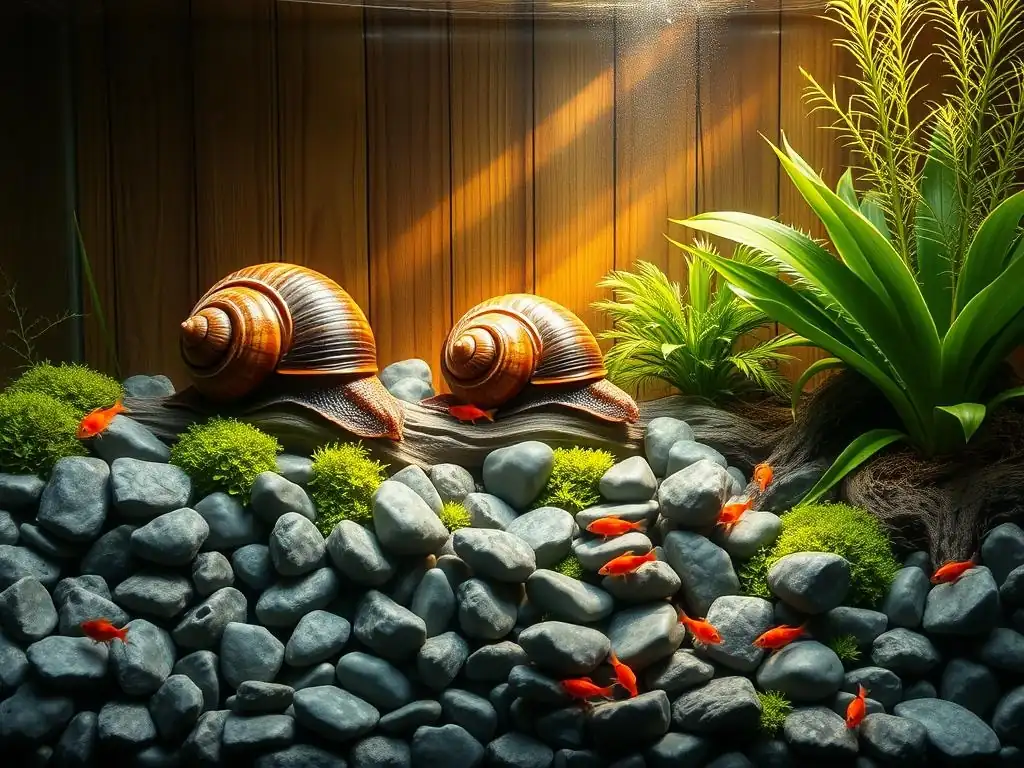
When setting up the tank, ensure it is well-established, ideally running for several weeks to allow for the growth of natural algae and biofilm, which constitute a significant portion of their diet. Incorporate various smooth surfaces such as river rocks, driftwood, and live plants. These elements not only provide additional grazing opportunities but also offer shelter and contribute to a natural, enriching environment for the snails. Avoid overly sterile setups, as a thriving micro-ecosystem supports better Japanese trapdoor snail care.
Ideal Water Parameters: Temperature, pH, and Hardness
Maintaining precise water parameters is a cornerstone of effective Japanese trapdoor snail care, directly impacting their health and longevity. These snails prefer cooler to moderate water temperatures, ideally ranging from 65-78°F (18-26°C). While they can tolerate slightly warmer conditions for short periods, prolonged exposure to temperatures above 80°F (27°C) can cause significant stress, reduce their lifespan, and make them more susceptible to disease. Therefore, a consistent temperature within their preferred range is essential.
Regarding pH and hardness, Japanese Trapdoor Snails thrive in slightly alkaline to neutral water, with an ideal pH range of 7.0-8.0. Crucially, they require moderately hard to very hard water to support healthy shell growth. A general hardness (GH) of 8-18 dGH (140-320 ppm) and a carbonate hardness (KH) of 4-12 dKH (70-210 ppm) are recommended. Water that is too soft or acidic can lead to shell erosion and other calcium-deficiency issues, highlighting the importance of monitoring and adjusting these parameters for optimal Japanese trapdoor snail care.
Substrate and Decor Considerations
The choice of substrate plays a significant role in the comfort and well-being of Japanese Trapdoor Snails. A fine gravel or sand substrate is ideal for these bottom-dwelling invertebrates. They spend a considerable amount of time foraging along the tank floor and may even partially burrow into the substrate, especially when resting or feeling threatened. Coarse or sharp substrates, such as crushed coral with jagged edges, should be avoided as they can potentially injure the snails' soft bodies or delicate operculum as they move.
Beyond the substrate, thoughtful decor selection contributes to a stimulating and functional environment. Incorporate smooth rocks, pieces of driftwood, and a variety of live plants into the tank layout. These elements not only offer additional surfaces for algae and biofilm growth, serving as natural food sources, but also provide crucial hiding spots and areas of refuge for the snails. Ensuring the decor is free of sharp edges or rough textures is paramount to prevent accidental damage to their shells or bodies, reinforcing good Japanese trapdoor snail care practices.
Ensuring Proper Filtration and Water Quality
Proper filtration is indispensable for maintaining the pristine water quality that Japanese Trapdoor Snails, like all aquarium inhabitants, require. A reliable filter, such as a hang-on-back (HOB) filter, canister filter, or even a simple sponge filter, is essential for mechanical, chemical, and biological filtration. While providing robust filtration, it is equally important to ensure that the water flow within the tank is gentle. Strong currents can stress snails and make it difficult for them to move around and feed efficiently.
Regular partial water changes are a cornerstone of maintaining optimal water quality and are vital for effective Japanese trapdoor snail care. Performing weekly or bi-weekly water changes of 20-30% helps to remove accumulated nitrates, phosphates, and other pollutants, while also replenishing essential minerals. Consistent monitoring of water parameters, including ammonia, nitrite, nitrate, pH, and hardness, using a reliable test kit allows aquarists to detect and address any imbalances promptly, ensuring a stable and healthy environment for the snails.
Feeding Japanese Trapdoor Snails: A Balanced Approach
Natural Diet and Scavenging
In their natural habitats and within the aquarium, Japanese Trapdoor Snails primarily subsist on a diet of algae and biofilm that grows on various surfaces. They are highly efficient grazers, constantly moving across glass, rocks, driftwood, and plant leaves, meticulously scraping off microscopic layers of green algae and diatoms. This continuous grazing activity makes them an invaluable part of the aquarium's clean-up crew, helping to keep surfaces clear and prevent excessive algae growth.
Beyond algae, these snails are exceptional scavengers, playing a crucial role in breaking down organic detritus within the tank. Their diet naturally includes uneaten fish food, decaying plant matter, and other organic debris that settles on the substrate. By consuming these materials, they help to prevent the build-up of waste, which can otherwise decompose and lead to harmful ammonia and nitrite spikes. Their natural foraging behavior contributes significantly to maintaining a balanced and healthy aquarium ecosystem, making them a low-maintenance yet effective cleaner.
Supplementing Their Diet: What to Feed and How Often
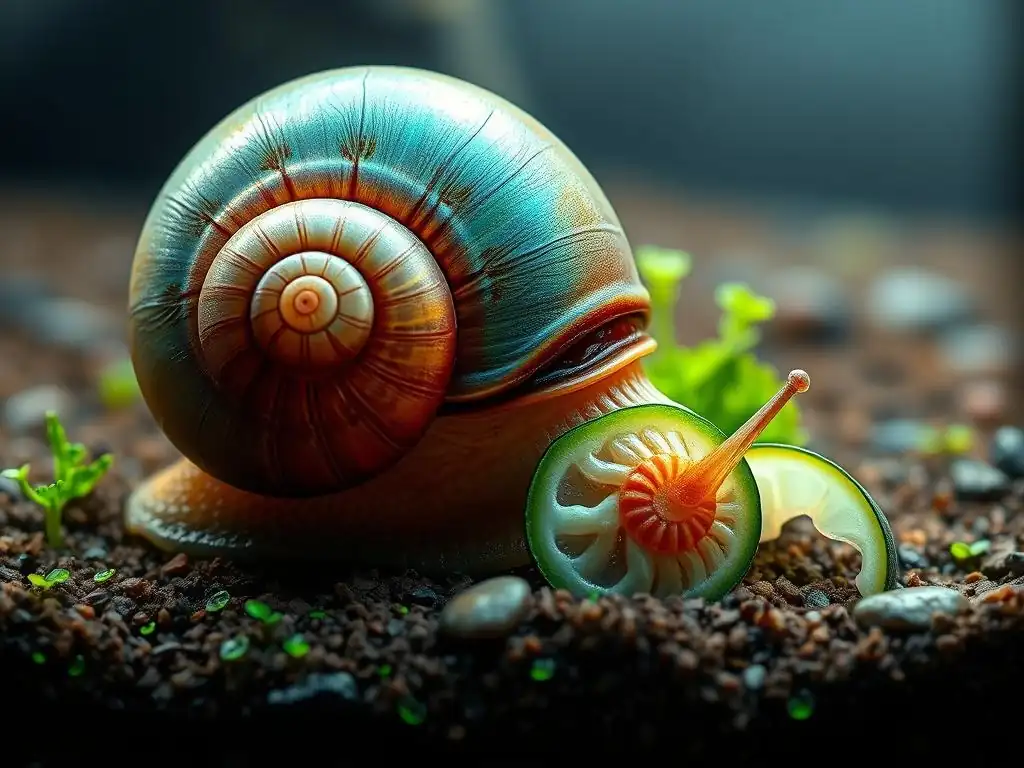
While Japanese Trapdoor Snails are proficient scavengers, their diet may need supplementation, especially in newer or very clean tanks where natural algae and detritus are scarce. High-quality algae wafers and spirulina tabs are excellent supplemental foods, providing essential plant-based nutrients. Blanched vegetables such as zucchini slices, cucumber, spinach, or romaine lettuce can also be offered; ensure they are weighted down to sink to the bottom. Additionally, high-quality sinking pellets formulated for omnivorous bottom-dwellers can be a good source of protein and other nutrients.
The frequency of feeding supplemental foods depends largely on the amount of natural food available in the tank and the number of snails present. As a general guideline for Japanese trapdoor snail care, offer small amounts of supplemental food 2-3 times per week. It is crucial to observe how quickly the food is consumed; if it remains uneaten for more than a few hours, reduce the quantity or frequency to prevent water fouling. A varied diet ensures they receive all necessary nutrients for robust shell growth and overall health.
Avoiding Overfeeding
Overfeeding is a common pitfall in aquarium husbandry that can lead to a cascade of negative consequences, particularly when it comes to Japanese trapdoor snail care. When too much food is introduced into the tank, the snails may not consume it all, leaving excess organic matter to decay. This decomposition process rapidly releases ammonia and nitrites, which are highly toxic to all aquatic life, including the snails themselves. Even if the nitrogen cycle is established, an overload of decaying food can overwhelm the beneficial bacteria, leading to dangerous spikes in these compounds.
Furthermore, excessive uneaten food can fuel unsightly nuisance algae blooms, such as green water or hair algae, which can quickly take over the tank and detract from its aesthetic appeal. It also creates a breeding ground for harmful bacteria. The best practice for Japanese trapdoor snail care is to feed sparingly and observe. If the snails appear active and their shells are healthy, they are likely finding sufficient food. If you do supplement, ensure that all food is consumed within a few hours, removing any leftovers promptly to maintain pristine water quality and a balanced ecosystem.
Japanese Trapdoor Snail Tank Mates: Compatibility
Choosing Compatible Fish and Invertebrates
Selecting appropriate tank mates is paramount for successful Japanese trapdoor snail care and the overall harmony of your aquarium. These snails are incredibly peaceful and slow-moving, making them vulnerable to aggressive or predatory species. Ideal tank mates include small, peaceful community fish such as Neon Tetras, Cardinal Tetras, Rasboras (e.g., Harlequin Rasboras), Guppies, Platies, Mollies, and peaceful bottom-dwellers like Corydoras catfish. Small, herbivorous plecos, such as Bristlenose Plecos, can also coexist peacefully.
Beyond fish, Japanese Trapdoor Snails are generally compatible with other non-aggressive invertebrates. Amano Shrimp, Cherry Shrimp, and various species of Nerite Snails make excellent companions, as they share similar dietary needs and peaceful temperaments. The key is to choose tank mates that will not view the snails as a food source or harass them, ensuring a stress-free environment where the snails can thrive and contribute to the tank's ecosystem.
Avoiding Predatory Tank Mates
To ensure the safety and longevity of your Japanese Trapdoor Snails, it is critical to avoid housing them with known snail predators. Certain fish species have a natural inclination to consume snails, and even the robust operculum of a trapdoor snail may not offer sufficient protection against determined predators. Examples of fish to avoid include most species of Loaches, particularly Clown Loaches and Yoyo Loaches, which are notorious snail eaters. Pufferfish, certain Cichlids (especially larger or more aggressive varieties like many African Cichlids), and Assassin Snails are also definite no-gos, as they actively hunt and consume snails.
Even some seemingly peaceful fish, if not adequately fed or if they are naturally curious, might nip at a snail's antennae or attempt to pick at its soft body. Therefore, thorough research into the dietary habits and temperament of any potential tank mate is essential for comprehensive Japanese trapdoor snail care. Prioritizing species known for their peaceful demeanor and non-predatory habits towards invertebrates will prevent unnecessary stress and potential harm to your snails.
Creating a Peaceful Community Aquarium
Establishing a peaceful community aquarium for Japanese Trapdoor Snails involves more than just selecting compatible tank mates; it requires thoughtful planning of the tank environment itself. A well-designed tank with appropriate stocking levels and plenty of hiding spots minimizes stress for all inhabitants. Dense planting, strategically placed driftwood, and smooth rock formations provide areas where snails can retreat if they feel threatened or simply wish to rest undisturbed. Overstocking the tank should be avoided, as it can lead to increased aggression, poor water quality, and heightened competition for resources.
Regular observation of the interactions between your Japanese Trapdoor Snails and their tank mates is a crucial aspect of long-term Japanese trapdoor snail care. Pay close attention to any signs of aggression, such as nipped antennae, prolonged retraction, or snails constantly hiding. If an aggressive tank mate is identified, it is best to remove and rehome the problematic fish to ensure the well-being of your snails and maintain the overall harmony of the community aquarium. A balanced and stress-free environment is key to a thriving snail population.
Japanese Trapdoor Snail Breeding and Reproduction
Understanding Live Birth Reproduction
A distinguishing characteristic of Japanese Trapdoor Snails, setting them apart from many other common aquarium snails like Nerites or Mystery Snails, is their viviparous mode of reproduction. Unlike species that lay clutches of eggs, Viviparus malleatus gives birth to live, fully formed miniature snails. This unique reproductive strategy means that the female carries the developing young internally until they are ready to emerge, bypassing the egg-laying phase entirely.
Female Japanese Trapdoor Snails possess the remarkable ability to store sperm for extended periods after a single mating event. This allows them to produce multiple clutches of offspring over several months without needing to re-mate. Each clutch typically consists of 10 to 30, though sometimes up to 50, tiny, independent snails that are immediate replicas of the adults. This live birth process, while fascinating, generally results in a slower population growth rate compared to prolific egg-laying snails, making their population more manageable in a home aquarium.
Creating Breeding Conditions
For Japanese Trapdoor Snails, creating specific "breeding conditions" is often unnecessary, as reproduction occurs quite readily in a healthy, stable aquarium environment. If you have both male and female snails present, and the water parameters are within their ideal range, with consistent feeding and good Japanese trapdoor snail care, breeding will usually happen spontaneously. There are no special triggers or environmental manipulations required to encourage them to reproduce, unlike some other snail species.
Identifying the sexes can be subtle but is possible: males typically have one tentacle (the right one) that is noticeably thicker and blunter, modified into a copulatory organ, while both of the female's tentacles are slender and pointed. As long as the snails are well-fed, comfortable, and experiencing stable water quality, they will likely reproduce at their own pace. The simplicity of their breeding process further adds to their appeal as a low-maintenance aquarium inhabitant.
Caring for Juvenile Snails
Once born, juvenile Japanese Trapdoor Snails are immediately independent and capable of fending for themselves. They emerge as miniature versions of the adults, complete with their own operculum, and begin grazing on microalgae and detritus found throughout the tank. Unlike some fry that require specialized feeding, these young snails will consume the same types of food as their parents, including biofilm, algae, and any supplemental foods provided.
While generally robust, it is important to ensure their safety, especially in tanks with strong filtration. Filter intakes should be covered with a sponge pre-filter to prevent tiny snails from being sucked in. Providing plenty of surfaces for grazing, such as live plants and smooth decor, will ensure they have ample food sources as they grow. Their independent nature makes caring for juvenile Japanese Trapdoor Snails relatively straightforward, aligning with the overall ease of Japanese trapdoor snail care.
Managing Population Growth
Despite giving live birth, Japanese Trapdoor Snails typically have a slower reproduction rate compared to highly prolific egg-laying snails like bladder snails or ramshorn snails. This characteristic often prevents them from rapidly overpopulating an aquarium, making their numbers more manageable for the average aquarist. A single female might give birth to a clutch every few months, rather than daily or weekly.
If, however, the population does become larger than desired, there are several gentle methods for management. Reducing the amount of supplemental food offered can naturally slow down reproduction, as food availability directly impacts their breeding drive. Introducing peaceful, snail-eating fish, such as certain Dwarf Gouramis (though caution is advised as some may nip antennae), can help control numbers. Alternatively, excess snails can often be safely rehomed to other aquarists or local fish stores, providing a humane solution to population control without resorting to harsh chemical treatments.
Common Health Issues and Troubleshooting
Identifying Signs of Illness
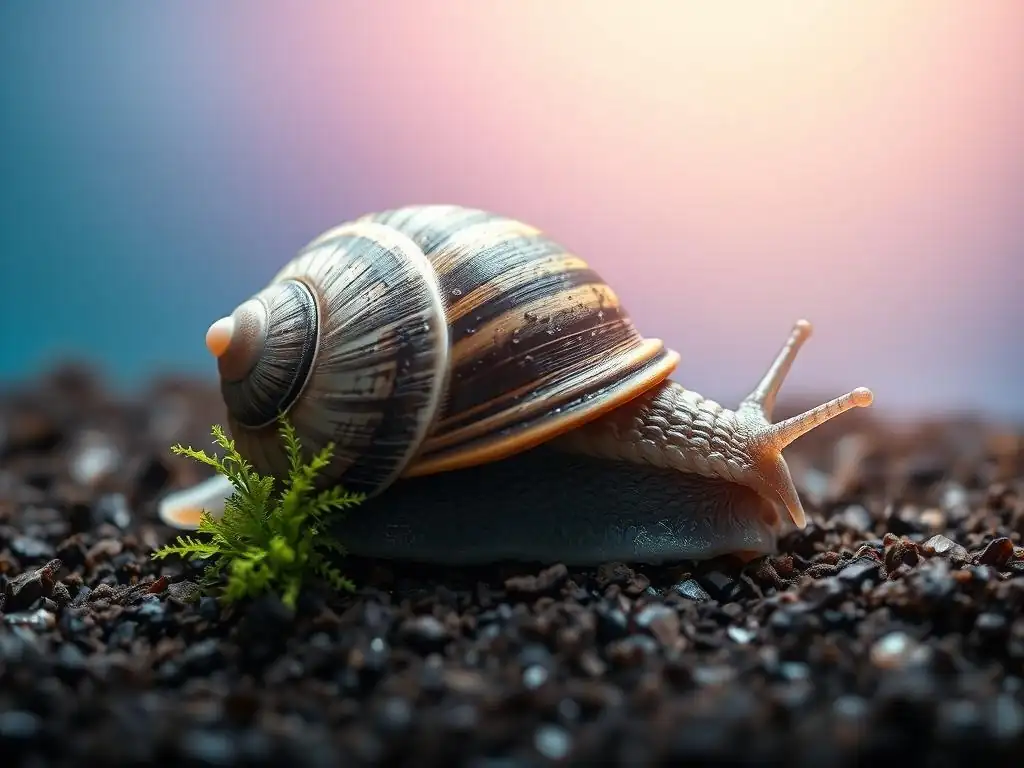
Vigilant observation is key to effective Japanese trapdoor snail care and promptly identifying signs of illness. A healthy Japanese Trapdoor Snail is typically active, constantly moving and grazing, and will quickly retract fully into its shell, closing its operculum tightly when disturbed. Signs of distress or illness include prolonged inactivity, where the snail remains motionless for more than 24-48 hours, or an inability to retract completely into its shell.
Other indicators of poor health can be excessive slime production, which may suggest irritation or infection, or a strong, foul odor emanating from the snail. A snail that smells distinctly rotten, even faintly, is likely dead and should be removed from the tank immediately to prevent a harmful ammonia spike. Regular monitoring of your snails' behavior and physical condition is crucial for early detection and intervention, safeguarding the health of your entire aquarium.
Addressing Shell Problems and Damage
Shell problems are among the most common health issues encountered in Japanese trapdoor snail care, often manifesting as pitting, erosion, or a dull, brittle appearance. These issues are almost always indicative of insufficient calcium in the water or an overly acidic environment. Snails require calcium and other minerals to build and maintain their shells, and soft, acidic water can literally dissolve their protective outer layer over time.
To address shell problems, the primary action is to ensure adequate calcium and alkalinity in the aquarium water. This can be achieved by maintaining a general hardness (GH) of 8-18 dGH and a pH between 7.0-8.0. Adding calcium-rich supplements, such as crushed coral or aragonite in the filter or substrate, can slowly release minerals. Supplementing their diet with calcium-rich foods like blanched kale, spinach, or specialized snail foods fortified with calcium can also significantly improve shell health. Regular monitoring of water parameters is essential to prevent recurrence.
Preventing Parasites and Diseases
Preventing the introduction of parasites and diseases is a critical aspect of responsible Japanese trapdoor snail care. The most effective method is to implement a strict quarantine procedure for all new snails, plants, or fish before introducing them to your main display tank. A separate quarantine tank, maintained with the same water parameters as your main tank, should be used for at least 2-4 weeks. During this period, observe the new additions closely for any signs of illness, unusual behavior, or the presence of unwanted pests like planaria or hydra.
Beyond quarantine, maintaining excellent overall tank hygiene and stable water quality significantly reduces the risk of bacterial or fungal infections. Regular partial water changes, proper filtration, and avoiding overfeeding contribute to a clean and low-stress environment where snails are less susceptible to pathogens. Avoid introducing wild-caught snails or plants without proper disinfection, as they can carry a multitude of unseen risks to your established aquarium.
Impact of Medications
It is extremely important to exercise caution when using aquarium medications in a tank containing Japanese Trapdoor Snails, as many common treatments are highly toxic to invertebrates. Medications containing copper are particularly lethal to snails and shrimp, even at low concentrations. Similarly, high levels of salt, often used for treating certain fish diseases, can be detrimental to freshwater snails. Other ingredients, such as certain dyes or antiparasitics, can also pose significant risks.
Before administering any medication to your main aquarium, always read the product label carefully to determine its safety for invertebrates. If a medication is not explicitly stated as "invert safe," or if it contains known harmful ingredients, it is imperative to remove all Japanese Trapdoor Snails (and any other invertebrates) to a separate, untreated hospital tank. This proactive measure ensures their survival and is a fundamental component of responsible Japanese trapdoor snail care, preventing accidental harm during disease treatment.
Benefits of Keeping Japanese Trapdoor Snails
Natural Algae Control and Detritus Removal
One of the most compelling reasons to include Japanese Trapdoor Snails in a freshwater aquarium is their exceptional ability to provide natural algae control and detritus removal. These diligent grazers tirelessly clean various surfaces within the tank, including the glass, live plants, and decorative elements like rocks and driftwood. They are highly efficient at consuming different types of algae, such as green algae and diatoms, significantly reducing the build-up that often plagues aquarists and minimizing the need for manual cleaning.
Beyond algae, Japanese Trapdoor Snails are superb scavengers. They play a vital role in consuming uneaten fish food, decaying plant matter, and other organic debris that accumulates on the substrate. By actively breaking down and ingesting this detritus, they prevent its decomposition, which in turn reduces the release of harmful ammonia and nitrites into the water. This continuous cleaning action contributes profoundly to a cleaner, healthier, and more stable aquarium environment, making them an invaluable asset for comprehensive Japanese trapdoor snail care.
Improving Water Quality
The continuous scavenging activity of Japanese Trapdoor Snails extends beyond mere tank aesthetics; it significantly contributes to the improvement of overall water quality. By consuming organic waste such as uneaten food and decaying plant material, they actively participate in the nutrient cycling process within the aquarium. This action helps to break down detritus, reducing the biological load on the filtration system. Less organic matter decomposing means less ammonia is produced, which directly aids in maintaining the efficiency of the nitrogen cycle.
Their role in processing waste helps to keep nitrate levels in check and minimizes the accumulation of phosphates, both of which can contribute to nuisance algae growth and poor water health. A tank with a healthy population of Japanese Trapdoor Snails often experiences greater water clarity and stability, as these invertebrates are constantly working to prevent the build-up of pollutants. This natural contribution to water health underscores their importance in a balanced aquarium ecosystem, making them a cornerstone of effective Japanese trapdoor snail care.
Adding Visual Appeal
Beyond their functional benefits, Japanese Trapdoor Snails contribute a unique and appealing visual element to the freshwater aquarium. Their relatively large size and distinctive conical shells, often in shades of olive green or brown, make them noticeable and attractive inhabitants. Unlike some nocturnal species, Japanese Trapdoor Snails are typically active during the day, providing constant, graceful movement as they glide across the glass, plants, and substrate.
Their deliberate, methodical foraging patterns add a dynamic and engaging aspect to the tank's ecosystem. Observing them slowly and meticulously cleaning surfaces can be quite mesmerizing. Their presence introduces a sense of natural activity and balance, enhancing the overall aesthetic appeal of the aquarium. For aquarists looking to add both functionality and subtle beauty to their tank, incorporating these gentle giants is a rewarding aspect of Japanese trapdoor snail care.
Purchasing and Acclimating Japanese Trapdoor Snails
Selecting Healthy Snails
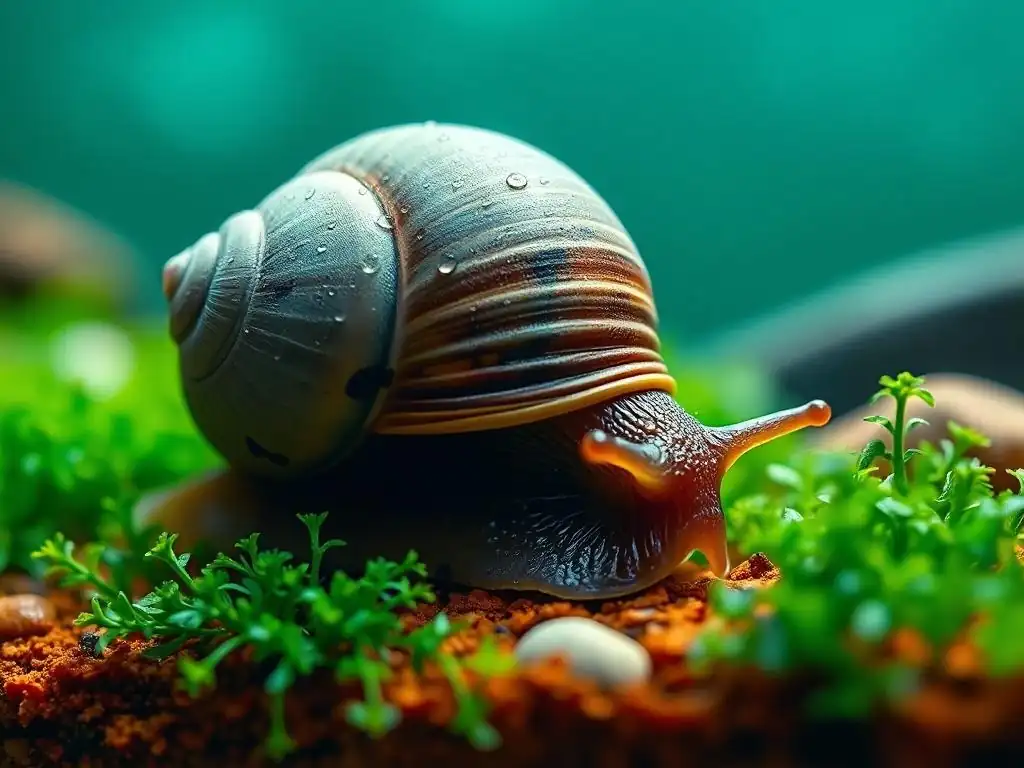
When purchasing Japanese Trapdoor Snails, selecting healthy specimens is the first crucial step in ensuring their long-term well-being in your aquarium. Look for snails that are active and moving around the tank or container. If disturbed, a healthy snail should quickly retract fully into its shell, sealing itself off with its operculum. Their shells should appear intact, smooth, and free from any noticeable pitting, cracks, or erosion, which can indicate calcium deficiencies or poor health.
Avoid purchasing snails that are inactive, lying upside down with their operculum open and not responding to gentle nudges, as this can be a sign of distress or even death. Similarly, steer clear of any snails that emit a foul odor, as this is a definitive indicator of mortality. Opt for reputable fish stores or online breeders who maintain clean tanks and demonstrate good husbandry practices, as this significantly increases the likelihood of acquiring robust and disease-free Japanese Trapdoor Snails.
Safely Acclimating New Snails
Proper acclimation is critical for the survival of new Japanese Trapdoor Snails and minimizes the shock they experience when transitioning from their transport water to your aquarium. The drip acclimation method is highly recommended as the safest approach. Begin by floating the sealed bag containing the snails in your aquarium for 15-20 minutes to equalize the water temperature. This prevents temperature shock, which can be fatal.
After temperature equalization, open the bag and carefully pour the snails and their water into a clean container. Using airline tubing with a knot or airline valve, set up a slow drip from your main aquarium into the container. Aim for a drip rate of about 1-2 drops per second.
Allow this process to continue for 1-2 hours, gradually mixing your tank water with the snail's transport water. Once the water volume in the container has roughly tripled, you can gently net the snails and introduce them to your aquarium, discarding the old water. This meticulous process is key for successful Japanese trapdoor snail care.
Quarantine Procedures
Implementing a quarantine procedure for new Japanese Trapdoor Snails is a highly recommended practice to safeguard your established aquarium from potential diseases, parasites, or unwanted pests. Set up a separate, small quarantine tank (e.g., a 5-10 gallon tank) with appropriate filtration and heating. Maintain water parameters in the quarantine tank that are consistent with your main display tank.
House the new snails in this quarantine tank for a minimum of 2-4 weeks. During this period, observe them closely for any signs of illness, unusual behavior, or the emergence of problematic organisms such as planaria, hydra, or external parasites. If any issues arise, they can be treated in the isolated environment without risking the health of your existing tank inhabitants. Only after a successful quarantine period, with no signs of problems, should the snails be introduced to your main aquarium. This diligent approach is an essential part of responsible Japanese trapdoor snail care.
Japanese Trapdoor Snail vs. Mystery Snails: A Comparison
Key Differences in Appearance and Behavior
While both Japanese Trapdoor Snails and Mystery Snails ( Pomacea bridgesii) are popular freshwater aquarium inhabitants, they possess distinct differences in appearance and behavior. Japanese Trapdoor Snails typically have a more conical, pointed shell, often olive green to dark brown, and can grow larger, reaching up to 2.5 inches. They are primarily bottom-dwellers and scavengers, often burrowing slightly into the substrate, and are viviparous, giving birth to live young.
In contrast, Mystery Snails exhibit a more globular, rounded shell shape and come in a much wider array of vibrant colors, including yellow, blue, purple, and ivory, typically growing up to 2 inches. Behaviorally, Mystery Snails are more active climbers, frequently venturing to the water surface to extend their siphon for air. They are oviparous, laying distinctive clutches of gelatinous eggs above the waterline, which is a key differentiator in their reproductive strategy. Understanding these differences aids in proper Japanese trapdoor snail care and selection.
Pros and Cons for Algae Control
Both Japanese Trapdoor Snails and Mystery Snails are valued for their contributions to algae control, but they excel in different areas. Japanese Trapdoor Snails are exceptional detritus eaters, making them highly efficient at cleaning the substrate and lower tank surfaces. Their continuous scavenging on uneaten food and decaying plant matter helps to maintain water quality by reducing organic waste accumulation. A significant advantage is their slower live birth reproduction, which leads to a more manageable population that rarely becomes an overpopulation issue.
Mystery Snails are also very good algae eaters, particularly effective at cleaning algae from glass and plant leaves. Their egg clutches, laid above the waterline, are easily removed, offering simple population control if desired. However, a potential con is that if not sufficiently fed, Mystery Snails might occasionally nibble on softer-leaved plants, a behavior rarely observed in Japanese Trapdoor Snails. Both species contribute to a cleaner tank, but their specific niches and reproductive habits dictate their suitability for different aquarium setups and Japanese trapdoor snail care preferences.
Conclusion: Enjoying Japanese Trapdoor Snails
Recap of Care Best Practices
Japanese Trapdoor Snails are truly gentle giants that offer immense benefits to a freshwater aquarium. Achieving optimal Japanese trapdoor snail care hinges on a few key best practices: maintaining stable water parameters, specifically preferring cooler temperatures (65-78°F or 18-26°C) and moderately hard to hard water (pH 7.0-8.0, GH 8-18 dGH) to support strong shell health. Providing a varied diet, supplementing natural algae with algae wafers or blanched vegetables, ensures they receive all necessary nutrients.
Equally important is selecting peaceful tank mates and avoiding known snail predators to ensure their safety and reduce stress. Regular tank maintenance, including partial water changes and proper filtration, guarantees pristine water quality. Adhering to these guidelines will not only ensure the longevity and health of your Japanese Trapdoor Snails but also allow them to thrive and contribute positively to your aquatic environment.
Promoting a Healthy Aquarium
By incorporating Japanese Trapdoor Snails into your freshwater setup, you are actively promoting a healthier, more balanced aquarium ecosystem. Their diligent scavenging habits make them highly efficient natural algae controllers and detritus removers, significantly reducing the build-up of organic waste that can lead to water quality issues. This continuous cleaning action alleviates the biological load on your filtration system and helps to maintain stable water parameters, contributing to overall tank stability and clarity.
Beyond their functional benefits, these hardy and peaceful invertebrates add a unique visual appeal with their graceful movement and distinctive shells. They require relatively low maintenance, making them an excellent choice for both novice and experienced aquarists seeking a reliable and beneficial addition. Embrace the unique advantages that Japanese Trapdoor Snails bring, and enjoy the cleaner, more vibrant, and harmonious aquarium they help to create through their constant contribution to a thriving aquatic world.
Frequently Asked Questions
How big do Japanese Trapdoor Snails get, and are they suitable for smaller aquariums?
Japanese Trapdoor Snails can grow up to 2-3 inches in diameter, making them gentle giants in the aquarium world. While they are peaceful, a larger tank is preferable, with at least 10 gallons recommended per snail to ensure proper space and water quality. A smaller tank can quickly become overwhelmed with waste.
What are the ideal water parameters for Japanese Trapdoor Snails?
These snails thrive in stable conditions. Aim for a temperature between 68-78°F (20-26°C) and a pH level of 7.0-8.0. Maintaining good water quality through regular water changes is crucial for their health, and avoiding sudden shifts in parameters.
What do Japanese Trapdoor Snails eat, and how often should I feed them?
They are primarily detritivores and algae eaters, consuming decaying matter and algae in the tank. Supplement their diet with algae wafers or blanched vegetables a few times a week. Overfeeding can lead to poor water quality, so feed sparingly.
Are Japanese Trapdoor Snails compatible with all types of fish and invertebrates?
Generally, yes, they are peaceful and get along well with most tank mates. Avoid housing them with aggressive fish that might nip at their antennae or shell. Always research the temperament of your fish before adding them to the tank to ensure compatibility is key.
How do Japanese Trapdoor Snails reproduce, and will they overpopulate my aquarium?
Unlike many other snails, Japanese Trapdoor Snails are livebearers. They give birth to fully formed, miniature snails. However, they reproduce slowly and are unlikely to overpopulate your aquarium under normal conditions.
Final Reflection: Cultivating Harmony in Miniature Worlds
The insights shared throughout this article on Japanese Trapdoor Snail care are not merely about maintaining an aquarium; they are about fostering a balanced and thriving ecosystem within the confines of glass. In a world increasingly disconnected from nature, the act of creating and nurturing a miniature aquatic environment offers a tangible connection to the natural world, reminding us of the delicate interdependence of all living things.
This connection extends beyond the aesthetic pleasure of a clean and vibrant tank. The responsibility of caring for these gentle giants encourages patience, observation, and a deeper understanding of ecological principles. It's a reminder that even the smallest creatures play a vital role in the larger web of life. The greatness of a nation and its moral progress can be judged by the way its animals are treated.
- Mahatma Gandhi. This quote, while often applied to larger animals, resonates deeply with the care we extend to even the humble Japanese Trapdoor Snail.
As you embark on, or continue, your journey of caring for these fascinating creatures, I invite you to reflect on the broader implications of your actions. Consider how your dedication to creating a healthy aquarium ecosystem mirrors the dedication needed to protect our planet's larger ecosystems. Let the gentle rhythm of your tank serve as a constant reminder of the beauty and fragility of life, and inspire you to cultivate harmony not only within your aquarium, but within the world around you.
Dive Deeper into a Thriving Aquarium!
Thank you for exploring the fascinating world of Japanese Trapdoor Snails and their role in a balanced aquarium. Now that you understand their benefits, let's turn that knowledge into action!
Here are some ways to further enhance your aquarium's ecosystem:
- Introduce a Japanese Trapdoor Snail to your tank and observe its impact on algae and detritus – and document your observations over the first week!
- Share this article with fellow aquarium enthusiasts who could benefit from these peaceful snails.
- Explore complementary species that thrive alongside Japanese Trapdoor Snails for a truly diverse and harmonious aquatic environment.
What small change will you make to your aquarium ecosystem this week based on what you've learned?