
Blue Moon Crayfish (Cherax gherardii): Unveiling a Celestial Crustacean

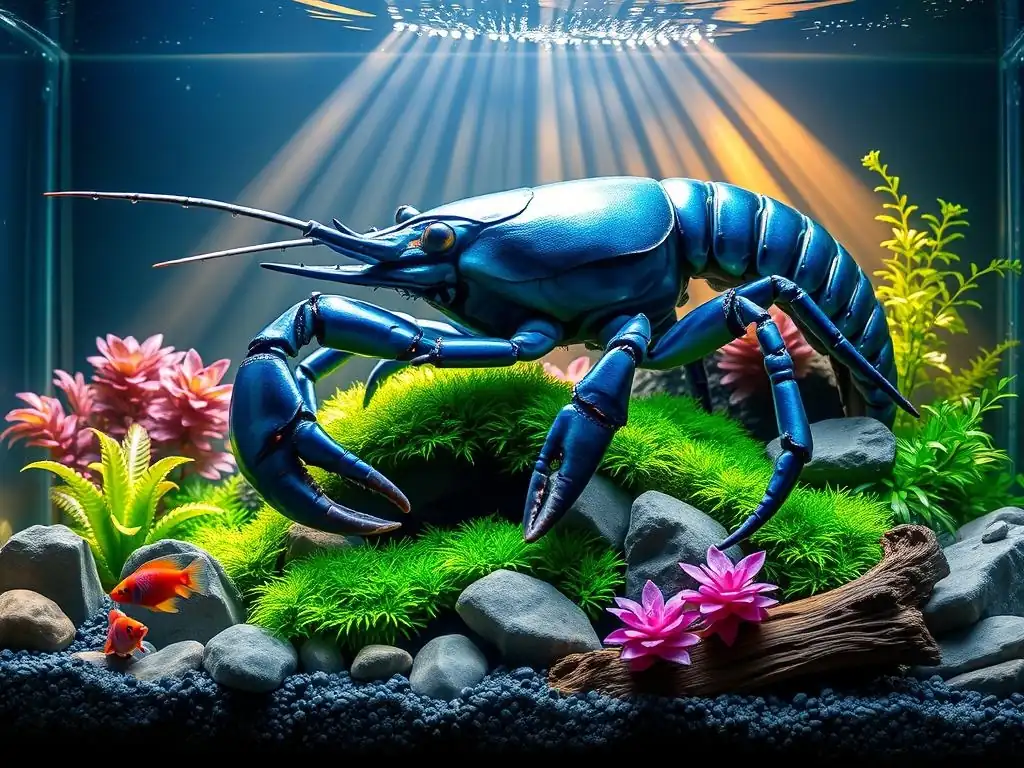
Welcome to Aquarium Mastery!
Ever dreamt of adding a touch of the cosmos to your aquarium? Prepare to be captivated! Dive into our Blue Moon Crayfish Care Guide and discover the secrets to successfully keeping these stunning Cherax gherardii. From their shimmering blue hues to their unique needs, we'll equip you with everything you need to know. Ready to unlock the magic of this celestial crustacean? Let's explore!
- Introduction to the Blue Moon Crayfish: A Captivating Aquarium Addition
- Blue Moon Crayfish Care Guide: Ensuring a Thriving Environment
- Understanding Blue Moon Crayfish Behavior and Characteristics
- Blue Moon Crayfish Breeding: A Challenging but Rewarding Endeavor
- Common Blue Moon Crayfish Health Issues and Prevention
- Where to Buy Blue Moon Crayfish: Selecting a Reputable Source
- Conclusion: The Allure of the Blue Moon Crayfish in Aquarium Keeping
- Frequently Asked Questions
- Final Reflection: Embracing the Azure Enigma
- Dive Deeper: Start Your Blue Moon Crayfish Adventure!
Introduction to the Blue Moon Crayfish: A Captivating Aquarium Addition
Discovering the Cherax gherardii: Origin and Natural Habitat
The Blue Moon Crayfish, scientifically known as Cherax gherardii, originates from the freshwater systems of West Papua, particularly in regions like Sorong and Manokwari, on the island of New Guinea. These captivating crustaceans are typically found in slow-moving rivers, streams, and swamps, where the water is often clear and rich in oxygen. Their natural habitat provides ample hiding spots among submerged roots, leaf litter, and rock crevices, which are crucial for their survival and well-being.
In their native environment, Cherax gherardii are opportunistic omnivores, feeding on a variety of organic matter including detritus, algae, small invertebrates, and decaying plant material. They are primarily benthic creatures, spending most of their time on the substrate, scavenging and occasionally burrowing. This natural inclination for hiding and foraging underscores the importance of a well-structured aquarium environment for successful Blue moon crayfish care.
Why Choose a Blue Moon Crayfish for Your Freshwater Aquarium?
Choosing a Blue Moon Crayfish for your freshwater aquarium introduces a truly unique and visually stunning element to your aquatic display. Their striking, iridescent blue coloration, which can vary from deep sapphire to electric blue depending on diet and water parameters, makes them a focal point in any tank. Beyond their aesthetic appeal, these crayfish exhibit fascinating behaviors, from their diligent scavenging to their intriguing molting process, providing continuous entertainment for the observant aquarist.
Furthermore, Cherax gherardii can be a rewarding species for aquarists who are prepared to meet their specific needs, making them an excellent choice for those seeking to expand their invertebrate keeping experience. While they require careful consideration regarding tank mates and habitat setup, following a detailed Blue moon crayfish care guide can ensure they thrive. Their active bottom-dwelling nature can also contribute to tank cleanliness by consuming uneaten food and detritus, albeit in a limited capacity.
Blue Moon Crayfish Care Guide: Ensuring a Thriving Environment
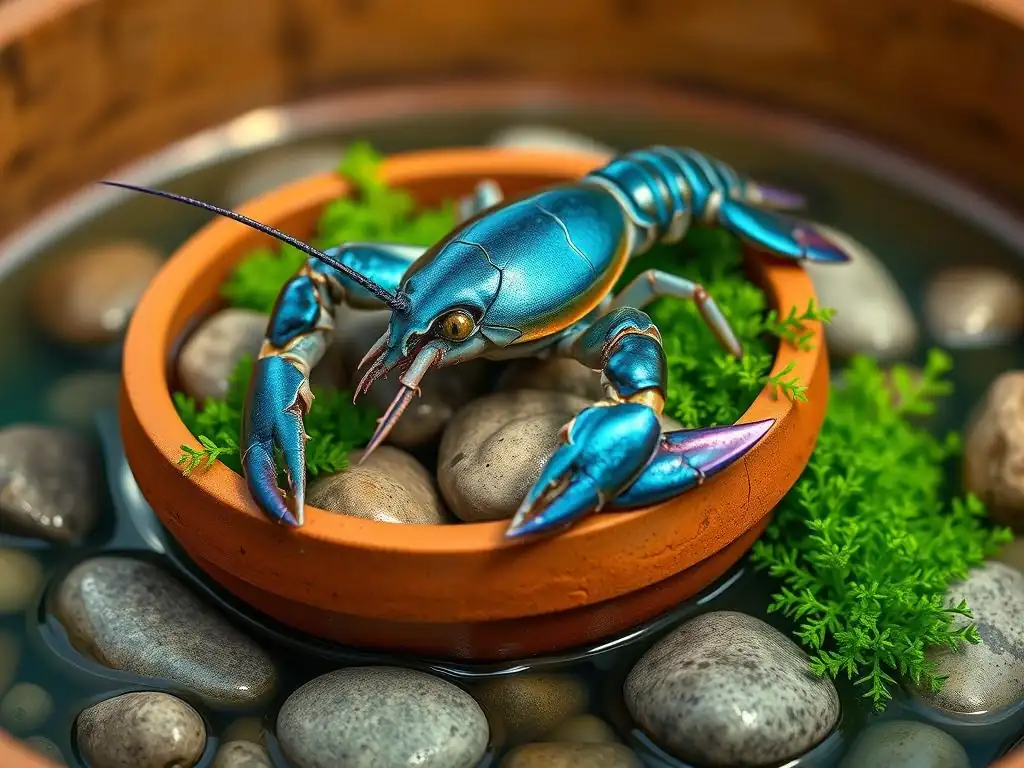
Aquarium Setup for Blue Moon Crayfish: Creating the Ideal Habitat
Setting up the ideal aquarium for Blue Moon Crayfish is foundational to their health and longevity. These crustaceans require a meticulously planned environment that mimics their natural habitat, focusing on ample hiding spaces, stable water conditions, and appropriate substrate. A well-designed setup reduces stress, encourages natural behaviors, and significantly contributes to the overall success of your Blue moon crayfish care efforts.
Beyond physical decor, effective filtration and aeration are paramount. A robust filtration system, such as a hang-on-back filter or canister filter, is essential to maintain pristine water quality, which is critical for species sensitive to ammonia and nitrite spikes. Adequate aeration, provided by an air stone or proper filter outflow, ensures high dissolved oxygen levels, mimicking their natural, oxygen-rich stream environments and supporting their respiratory needs.
Tank Size Requirements for Cherax gherardii
For a single adult Blue Moon Crayfish, a minimum tank size of 20 gallons (approximately 75 liters) is recommended. This provides sufficient space for the crayfish to establish a territory, forage, and move freely without feeling confined. If you plan to keep a pair, or if considering a community setup with very specific, compatible fish, a tank of 30 gallons (approximately 114 liters) or larger is advisable to mitigate potential aggression and provide ample personal space.
It is crucial to prioritize tank footprint over height; a longer and wider tank offers more floor space, which is far more valuable to a bottom-dwelling species like Cherax gherardii than vertical height. For instance, a 20-gallon long tank (30" L x 12" W x 12" H) is generally preferable to a 20-gallon high tank (24" L x 12" W x 16" H) for a single specimen, providing more usable area for exploration and hiding.
Essential Substrate and Decor for Blue Moon Crayfish
The substrate for Blue Moon Crayfish should consist of fine gravel or sand, ideally with a grain size of 1-3 mm. This type of substrate allows them to easily dig and burrow, a natural behavior that provides security and aids in molting. Coarse or sharp gravel should be avoided, as it can injure their delicate walking legs and antennae, potentially leading to infections or complications during molting.
Decor is vital, providing the numerous hiding spots that Blue Moon Crayfish crave. Include a variety of caves, rock formations, driftwood, and PVC pipes. Aim for at least two to three hiding spots per crayfish, ensuring each offers a dark, secure retreat. Live or artificial plants can also be incorporated, though real plants may be pruned or uprooted by the crayfish. Ceramic caves or overturned terracotta pots make excellent, durable hiding places, contributing significantly to a successful Blue moon crayfish care guide.
Water Parameters: Maintaining Optimal Conditions for Blue Moon Crayfish
Maintaining stable and optimal water parameters is non-negotiable for the health of Blue Moon Crayfish. The ideal temperature range for Cherax gherardii is between 72-82°F (22-28°C), with a consistent temperature being more important than the exact value within this range. Sudden temperature fluctuations can cause significant stress and compromise their immune system.
Regarding water chemistry, Blue Moon Crayfish thrive in slightly alkaline to neutral water with a pH between 7.0 and 8.5. They also require moderately hard to hard water, with a General Hardness (GH) of 10-20 dGH and Carbonate Hardness (KH) of 5-15 dKH. This hardness is crucial for proper shell development and successful molting, as it provides the necessary calcium and other minerals. Regular water changes of 25% weekly or bi-weekly are essential to keep nitrates below 20 ppm and ensure ammonia and nitrites remain at 0 ppm.
Blue Moon Crayfish Diet and Feeding Habits: What to Feed Your Celestial Crustacean
Blue Moon Crayfish are omnivorous scavengers, and providing a varied and balanced diet is key to their vibrant coloration, robust health, and successful molting. Their natural diet in the wild consists of a mix of plant matter, detritus, and small invertebrates, which should be replicated in the aquarium. A well-rounded diet is a cornerstone of any effective Blue moon crayfish care guide.
A diverse feeding regimen not only ensures they receive all necessary nutrients but also prevents boredom and promotes natural foraging behaviors. A diet rich in calcium is particularly important, as this mineral is crucial for the development and hardening of their exoskeleton. Without adequate calcium, crayfish can experience molting difficulties, leading to injury or even death.
Recommended Food for Cherax gherardii: A Balanced Diet
The primary diet for Cherax gherardii should consist of high-quality sinking pellets or wafers specifically designed for crustaceans or bottom-dwelling omnivores. Examples include shrimp pellets, algae wafers, and specialized invertebrate foods. These provide a good base of protein, fiber, and essential vitamins.
Supplement this staple with blanched vegetables such as zucchini slices, spinach, peas, or small pieces of carrot, offered a few times a week. For protein, occasional servings of frozen or live bloodworms, brine shrimp, or chopped earthworms can be provided. To ensure sufficient calcium intake, consider adding a small piece of cuttlebone (used for birds) to the tank, or offering calcium-fortified foods. This comprehensive approach is vital for the long-term health of your Blue Moon Crayfish.
Feeding Schedule and Quantity for Blue Moon Crayfish
Blue Moon Crayfish should be fed once daily, or every other day, depending on their size and activity level. The quantity of food provided should be small enough to be consumed within a few minutes, typically within 5-10 minutes. Overfeeding can quickly lead to deteriorated water quality, which is detrimental to all aquarium inhabitants, especially invertebrates like crayfish.
It is better to underfeed slightly than to overfeed. Uneaten food left on the substrate will decompose, contributing to elevated ammonia and nitrite levels. Observe your crayfish's feeding habits; if food is consistently left over, reduce the portion size. For a single adult, a couple of sinking pellets or a small piece of vegetable about the size of a dime is often sufficient. Adjust as needed based on observation, ensuring their diet is an integral part of your Blue moon crayfish care guide.
Blue Moon Crayfish Tank Mates: Choosing Compatible Species
Choosing appropriate tank mates for Blue Moon Crayfish requires careful consideration due to their opportunistic and sometimes territorial nature. While they are not inherently aggressive, they will attempt to catch and consume any fish or invertebrate small enough or slow enough to be apprehended. Success in a community tank relies heavily on providing ample space and selecting species that can coexist without becoming prey.
The key to successful cohabitation with Cherax gherardii is understanding their limitations and predatory instincts. They are primarily bottom dwellers and relatively slow-moving compared to many fish. This means that fast-moving, mid to top-dwelling fish are generally safer choices. A comprehensive Blue moon crayfish care guide emphasizes that even with careful selection, occasional predation cannot be entirely ruled out.
Suitable Tank Companions for Cherax gherardii
Suitable tank companions for Blue Moon Crayfish are typically fast-moving, surface or mid-water dwelling fish that are too large to be easily caught. Examples include various species of Danios (e.g., Giant Danios), larger Tetras like Congo Tetras or Lemon Tetras, and some robust Gouramis (e.g., Pearl Gouramis). These fish generally stay out of the crayfish's immediate reach and are agile enough to evade capture.
In some larger setups, certain larger, peaceful cichlids that are not bottom-dwelling or aggressive towards invertebrates might coexist, but this requires careful monitoring. Snails, while often preyed upon, can sometimes coexist if the tank is very large with abundant hiding spots, though smaller or slower snails are at higher risk. Always introduce tank mates with caution and observe interactions closely.
Avoiding Aggressive Tank Mates: Protecting Your Blue Moon Crayfish
It is crucial to avoid tank mates that are slow-moving, bottom-dwelling, or have long, flowing fins, as these are easy targets for the opportunistic Blue Moon Crayfish. Species like Corydoras catfish, many Plecos (especially smaller ones), and even fancy Guppies or Bettas are highly susceptible to being injured or eaten. Their slow movement or resting on the substrate makes them vulnerable to the crayfish's powerful claws.
Furthermore, do not house Cherax gherardii with other aggressive invertebrates, particularly other species of crayfish, unless the tank is exceptionally large and divided, as severe territorial disputes leading to injury or death are common. Small, delicate fish like Neon Tetras or Endler's Livebearers are also generally not recommended, as they can easily become a snack for a hungry or territorial Blue Moon Crayfish, undermining the best Blue moon crayfish care guide intentions.
Understanding Blue Moon Crayfish Behavior and Characteristics
Identifying a Healthy Blue Moon Crayfish: Signs of a Vibrant Specimen
Identifying a healthy Blue Moon Crayfish involves observing several key indicators of vitality. A vibrant specimen will exhibit active and alert behavior, often exploring its environment, foraging, or resting in its chosen hiding spots. Its coloration should be deep and consistent, displaying the characteristic iridescent blue without dull patches, discoloration, or any signs of fungal growth or lesions on its exoskeleton.
Furthermore, a healthy Cherax gherardii should have all its appendages intact – including all eight walking legs, two large claws (chelipeds), and both antennae. While occasional loss of a limb can occur during molting or territorial disputes, a crayfish missing multiple limbs or showing signs of damage not related to a recent molt may indicate underlying health issues or poor conditions. A good appetite and responsiveness to food are also strong indicators of a healthy and thriving Blue Moon Crayfish.
Molting Process in Blue Moon Crayfish: What to Expect
Molting is a critical and natural process for Blue Moon Crayfish, allowing them to grow by shedding their old, restrictive exoskeleton. Prior to a molt, a crayfish may become reclusive, hide more frequently, and show a reduced appetite for a few days. The actual molting process can take anywhere from a few minutes to several hours, during which the crayfish will carefully back out of its old shell, leaving behind a perfect, translucent replica.
Immediately after molting, the Blue Moon Crayfish is extremely vulnerable. Its new shell is soft and pliable, making it susceptible to injury from tank mates or even its own movements. During this period, which can last from a few hours to several days depending on the crayfish's size and water parameters, it will typically remain hidden. It is crucial not to remove the shed exoskeleton from the tank, as the crayfish will often consume parts of it to reabsorb vital calcium and other minerals needed to harden its new shell, a crucial aspect of Blue moon crayfish care.
Blue Moon Crayfish are generally solitary and territorial creatures, particularly adult males. While they can be kept in pairs or groups in very large aquariums with abundant hiding spots, aggression towards conspecifics is common, especially during breeding or if space is limited. They will establish individual territories and defend them vigorously, often leading to clashes where claws or limbs can be lost.
Their opportunistic nature extends to other tank inhabitants. While not overtly aggressive hunters, they will certainly attempt to catch any fish or invertebrate that comes within their grasp, particularly if it is slow, sick, or resting on the substrate. They are primarily nocturnal, becoming more active during the evening and night hours, which is when most of their foraging and exploratory behaviors occur. Understanding this temperament is key to successful long-term Blue moon crayfish care.
Blue Moon Crayfish Breeding: A Challenging but Rewarding Endeavor
Creating a Breeding Environment for Cherax gherardii
Successful breeding of Blue Moon Crayfish, Cherax gherardii, requires a dedicated setup that maximizes comfort and security for the pair. A larger tank, ideally 30-40 gallons (114-151 liters) or more, is recommended for a breeding pair to minimize aggression and provide ample space for the female to retreat after mating. The environment must be rich in hiding spots, including caves, PVC pipes, and dense plant cover, to offer security for both the female during gestation and for the emerging fry.
Water parameters must be pristine and stable, mirroring the optimal conditions for general Blue moon crayfish care, with a temperature between 75-80°F (24-27°C), a pH of 7.5-8.5, and moderate to hard water. A protein-rich diet for both male and female prior to and during the breeding period is crucial for conditioning and successful egg development. Ensuring abundant calcium is also vital for the female's egg production and the fry's subsequent shell development.
Identifying Male and Female Blue Moon Crayfish
Identifying the sex of Blue Moon Crayfish can be done by observing their underside, specifically the location of their reproductive organs (gonopores) and the size of their claws. Male Cherax gherardii typically have larger, more robust claws compared to females of similar size. More definitively, males possess two small, raised gonopores located at the base of their fifth pair of walking legs (the last pair).
Female Blue Moon Crayfish, conversely, have gonopores located at the base of their third pair of walking legs. These are generally less prominent than the male's. While claw size can be a general indicator, inspecting the gonopores is the most reliable method for sexing these crustaceans, a critical step when attempting to establish a breeding pair for your Blue moon crayfish care guide.
Caring for Blue Moon Crayfish Fry: Ensuring Their Survival
Once mating occurs, the female Blue Moon Crayfish will carry the fertilized eggs under her tail (pleopods), a state known as being "berried." The incubation period typically lasts between 3 to 6 weeks, depending on water temperature. During this time, the female will meticulously fan the eggs to provide oxygen and keep them clean. She should be provided with extra hiding spots and minimal disturbance.
Upon hatching, the fry emerge as miniature versions of the adults, immediately independent and capable of foraging. They are highly vulnerable to predation, even from their parents, so a separate rearing tank or extremely dense cover in the main tank is essential for their survival. Fry require finely crushed foods, such as spirulina powder, specialized fry food, or newly hatched brine shrimp nauplii, fed multiple times a day. While challenging, successfully raising Blue Moon Crayfish fry is a rewarding aspect of advanced Blue moon crayfish care.
Common Blue Moon Crayfish Health Issues and Prevention
Recognizing Signs of Illness in Cherax gherardii
Recognizing signs of illness in your Blue Moon Crayfish is crucial for early intervention and successful treatment. A healthy Cherax gherardii is typically active, has clear eyes, and displays vibrant coloration. Signs of distress or illness include lethargy, prolonged hiding without prior signs of molting, loss of appetite, or an overall dulling or patchy discoloration of their blue shell.
Physical indicators of illness can also be observed. Look for white spots, fungal growths (often fuzzy white patches), bacterial infections (reddened areas, lesions, or a slimy appearance), or missing limbs not attributable to a recent molt. Erratic swimming or walking, difficulty righting themselves, or a failed molt where the old shell is only partially shed are also serious red flags requiring immediate attention within any Blue moon crayfish care guide.
Preventing Common Diseases in Blue Moon Crayfish
Prevention is the most effective approach to maintaining the health of your Blue Moon Crayfish. The cornerstone of disease prevention is maintaining pristine water quality. Regular water changes (e.g., 25% weekly or bi-weekly), efficient filtration, and routine testing of ammonia, nitrite, and nitrate levels are non-negotiable. Stable parameters and low levels of pollutants significantly reduce stress and bolster the crayfish's immune system.
A balanced and nutritious diet, rich in calcium, is also vital for preventing molting complications and ensuring overall vitality. Avoid overfeeding, which can foul the water. Providing ample hiding spots reduces stress from tank mates or perceived threats. Additionally, always quarantine new aquatic additions for at least two weeks before introducing them to your main tank to prevent the spread of potential diseases, a fundamental practice in comprehensive Blue moon crayfish care.
Treating Ailments Affecting Your Blue Moon Crayfish
Treating ailments in Blue Moon Crayfish requires careful diagnosis and the use of invert-safe medications. If you notice signs of illness, the first step is to isolate the affected crayfish in a separate hospital tank to prevent the spread of disease and allow for targeted treatment. Often, simply improving water quality and providing a stress-free environment can resolve minor issues.
For bacterial infections, broad-spectrum antibiotics may be necessary, but these must be used with extreme caution as many common aquarium medications are toxic to invertebrates. Fungal infections can sometimes be treated with specific anti-fungal agents designed for sensitive species. External parasites might respond to salt baths, but again, research specific dosages for crayfish carefully. Always consult with a knowledgeable aquarist or aquatic veterinarian before administering any medication to your Blue Moon Crayfish, ensuring their safety and effective Blue moon crayfish care.
Where to Buy Blue Moon Crayfish: Selecting a Reputable Source
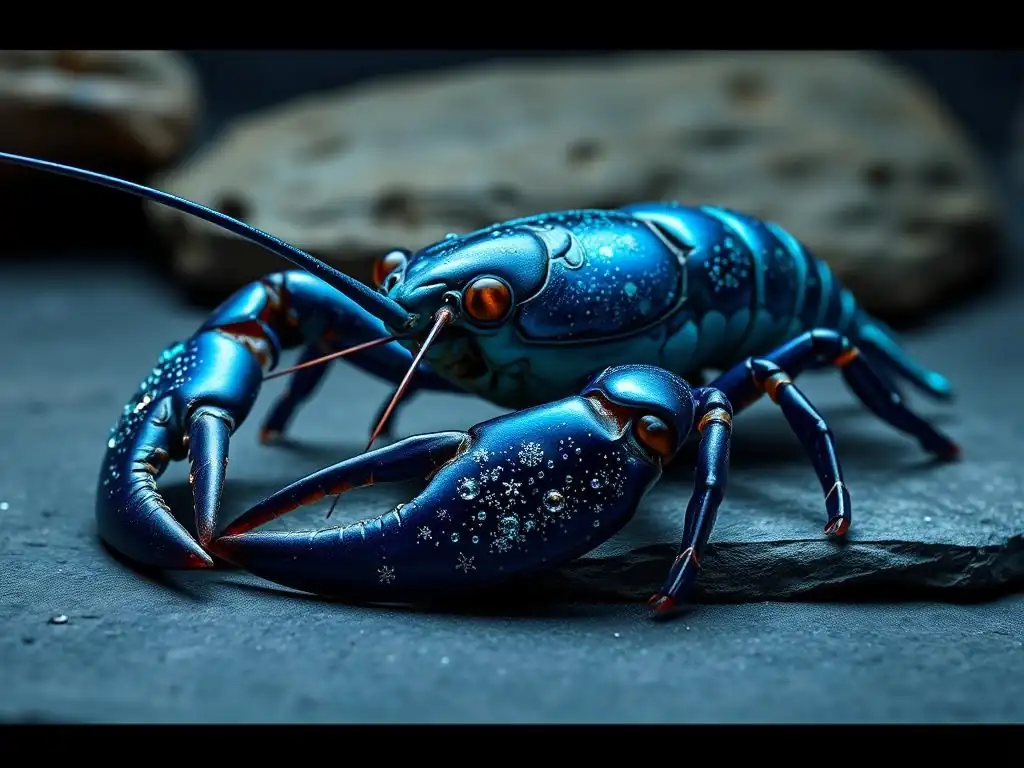
Choosing a Healthy Blue Moon Crayfish from a Vendor
When purchasing a Blue Moon Crayfish, selecting a healthy specimen from a reputable vendor is paramount to its long-term well-being in your aquarium. Observe the crayfish carefully in the vendor's tank: a healthy Cherax gherardii should be active and alert, moving purposefully around its enclosure. Its coloration should be vibrant and consistent, without any dull patches, discoloration, or visible lesions on its shell.
Ensure that the crayfish has all its appendages intact—eight walking legs, two claws, and both antennae. While occasional limb loss can occur, multiple missing limbs or signs of physical damage may indicate poor conditions or aggression from tank mates. A reputable vendor's tanks should also appear clean and well-maintained, with healthy-looking inhabitants, reflecting their commitment to proper animal husbandry and providing a good start to your Blue moon crayfish care journey.
Considerations Before Purchasing Cherax gherardii
Before making a purchase, ensure your aquarium is fully cycled, stable, and prepared to meet all the specific needs outlined in this Blue moon crayfish care guide. This includes having the correct tank size, appropriate substrate, ample hiding spots, and stable water parameters (temperature, pH, GH, KH). Rushing the setup process can lead to stress and health issues for your new inhabitant.
Additionally, consider the long-term commitment. Blue Moon Crayfish can live for 2 to 5 years with proper care and can grow to a substantial size, with a body length of up to 6 inches and a total span of 10-12 inches including claws. Understand their territorial nature and the challenges of tank mate selection. A truly informed purchase ensures a successful and rewarding experience for both you and your celestial crustacean.
Conclusion: The Allure of the Blue Moon Crayfish in Aquarium Keeping
The Beauty and Benefits of Keeping Cherax gherardii
The Blue Moon Crayfish, Cherax gherardii, stands out as a truly captivating and visually stunning addition to any freshwater aquarium. Its striking iridescent blue coloration provides an unparalleled aesthetic appeal, transforming a typical tank into a dynamic and vibrant display. Beyond their undeniable beauty, these crustaceans offer aquarists a unique opportunity to observe fascinating natural behaviors, from their diligent scavenging to their intricate molting process, enriching the aquarium experience.
Furthermore, with proper adherence to a comprehensive Blue moon crayfish care guide, these invertebrates can contribute to the overall health of the tank by consuming detritus and uneaten food, acting as efficient bottom-dwelling clean-up crew members. The satisfaction derived from successfully maintaining such a distinctive and active species makes the Blue Moon Crayfish a rewarding choice for both novice and experienced aquarists looking to expand their aquatic horizons.
Resources for Further Learning About Blue Moon Crayfish
For those committed to providing the best possible care for their Blue Moon Crayfish, continuous learning is key. Beyond this detailed Blue moon crayfish care guide, numerous specialized resources are available to deepen your understanding. Consulting dedicated aquatic forums and online communities can provide insights from other experienced Cherax gherardii keepers, offering practical advice and troubleshooting tips.
Additionally, exploring scientific articles and specialized books on freshwater invertebrates and crustacean biology can offer a more profound understanding of their needs, behavior, and potential challenges. Staying informed about the latest advancements in invertebrate husbandry and applying this knowledge will ensure the long-term health and vitality of your Blue Moon Crayfish, allowing you to fully appreciate these celestial crustaceans.
Frequently Asked Questions
How difficult is it to care for a Blue Moon Crayfish?
Blue Moon Crayfish care is generally considered moderately easy, making them suitable for aquarists with some experience. However, understanding their specific needs regarding water parameters and tank setup is crucial for success.
What size tank is required for a Blue Moon Crayfish?
A minimum tank size of 20 gallons is recommended for a single Blue Moon Crayfish. They require ample space to explore and establish their territory, which helps reduce stress.
What do Blue Moon Crayfish eat?
Blue Moon Crayfish are omnivores and will accept a variety of foods. Offer them a diet consisting of sinking pellets, algae wafers, and occasional frozen or live foods like bloodworms or brine shrimp.
What water parameters are ideal for Blue Moon Crayfish?
Maintain a water temperature between 68-78°F (20-26°C), a pH of 6.5-8.0, and a general hardness (GH) between 5-15 dGH. Regular water changes are essential for maintaining water quality.
Are Blue Moon Crayfish aggressive towards other tank inhabitants?
Blue Moon Crayfish can be territorial and aggressive, especially towards smaller or slower-moving fish and invertebrates. It's best to house them with larger, more robust fish that can defend themselves, or keep them in a species-only tank.
Final Reflection: Embracing the Azure Enigma
The journey into understanding the Cherax gherardii, or Blue Moon Crayfish, reveals more than just the intricacies of crustacean care; it highlights our enduring fascination with the rare and beautiful in the natural world. This exploration of its unique needs and captivating appearance underscores the importance of responsible pet ownership and the preservation of biodiversity in an increasingly interconnected world. The Blue Moon Crayfish, a miniature celestial wonder, serves as a potent reminder of the delicate balance within our ecosystems and the role we play in maintaining it.
The allure of the Blue Moon Crayfish extends beyond its aesthetic appeal; it represents a deeper connection to the wonders of nature and the joy of nurturing life. My own fascination with these creatures stems from a belief that even the smallest beings can teach us profound lessons about resilience, adaptation, and the beauty of diversity. In every walk with nature one receives far more than he seeks.
- John Muir. This quote perfectly encapsulates the rewarding experience of caring for these unique crustaceans, fostering a sense of responsibility and appreciation for the delicate ecosystems they inhabit.
Now, as you embark on your own journey of caring for a Blue Moon Crayfish, remember that you are not just keeping a pet, but becoming a steward of a small piece of the planet's biodiversity. Let the shimmering azure of this celestial crustacean inspire you to learn more, to protect more, and to appreciate the intricate web of life that surrounds us. Embrace the challenge, celebrate the beauty, and contribute to a future where these magnificent creatures continue to thrive.
Dive Deeper: Start Your Blue Moon Crayfish Adventure!
Thank you for exploring the fascinating world of the Blue Moon Crayfish with us! We hope you've gained valuable insights into caring for these celestial crustaceans. Now, let's translate that knowledge into action and bring a touch of lunar magic to your aquarium.
- Embark on your Blue Moon Crayfish journey: Research reputable breeders and take the plunge to bring one (or a pair!) home.: This is the best way to see if this species is a good fit for your experience.
- Share your newfound knowledge! Spread the word about the captivating Blue Moon Crayfish on social media. Tag us @AquariumMastery on X!
- Consider starting a photo journal of your Blue Moon Crayfish!
What unique setup will you create to showcase the lunar beauty of your Blue Moon Crayfish? Share your plans in the comments below!