
Are Your Snails Sick? Recognizing Common Freshwater Snail Diseases

Welcome to Aquarium Mastery!
Ever wondered if that unusual behavior from your freshwater snails is more than just a quirk? In this article, "Are Your Snails Sick? Recognizing Common Freshwater Snail Diseases," we dive deep into the often-overlooked world of freshwater snail diseases symptoms. Discover how to spot the subtle signs, understand potential causes, and learn what you can do to keep your shelled friends healthy and thriving. Ready to unlock the secrets to a thriving snail population? Let's get started!
- Is Your Freshwater Snail Sick? Recognizing Common Issues
- Introduction: Understanding Freshwater Snail Health in Aquariums
- Identifying Potential Problems: Key Symptoms
- Common Issues and Their Symptoms
- Diagnosing Potential Issues: A Step-by-Step Guide
- Addressing Common Ailments
- Preventing Freshwater Snail Problems: Maintaining a Healthy Aquarium
- Conclusion: Proactive Snail Care for a Thriving Aquarium
- Frequently Asked Questions
- Final Reflection: The Silent World of Snail Health
- Unveil the Secrets to a Thriving Snail Haven!
Is Your Freshwater Snail Sick? Recognizing Common Issues
Introduction: Understanding Freshwater Snail Health in Aquariums
Why Monitor Your Freshwater Snails?
Freshwater snails play a crucial role in maintaining a balanced aquarium ecosystem. Species like Mystery Snails ( Pomacea bridgesii), Nerite Snails ( Neritina natalensis), and Ramshorn Snails ( Planorbella spp.) act as diligent scavengers, consuming uneaten food, decaying plant matter, and various types of algae. They contribute significantly to nutrient cycling, helping to break down organic waste and prevent the buildup of harmful substances, thus supporting the overall health and stability of the aquatic environment.
Beyond their cleaning duties, healthy snails are indicators of good water quality. Their well-being often reflects the general conditions of the aquarium, making them valuable bio-indicators. A sudden decline in snail health can signal underlying issues within the tank, such as fluctuating water parameters or the presence of toxins, prompting aquarists to investigate and rectify problems before they affect more sensitive inhabitants like fish or shrimp.
The Importance of Early Detection
Early detection of health issues in freshwater snails is paramount for effective intervention and preventing broader tank problems. Just as with fish, observing the initial freshwater snail diseases symptoms can allow an aquarist to address the root cause swiftly, potentially saving the snail's life and preventing the spread of illness to other invertebrates or fish. Ignoring subtle changes can lead to rapid deterioration, especially for conditions like bacterial infections or severe shell degradation.
Prompt action based on early signs can also save time and resources in the long run. For instance, addressing a slight calcium deficiency that causes early shell pitting is far simpler than treating advanced shell erosion that has exposed the snail's mantle. Similarly, identifying a single ailing snail due to poor water quality can prompt immediate water changes and parameter checks, averting a tank-wide crisis that could impact the entire aquatic community.
Identifying Potential Problems: Key Symptoms
Observing Snail Behavior: First Signs of Trouble
Healthy freshwater snails are typically active and engaged with their environment. They can be seen continuously grazing on surfaces, moving across substrate, or scaling tank walls and decor. Normal behavior includes extending their foot fully, maintaining a firm grip, and retracting quickly into their shell when disturbed. A snail that spends an unusual amount of time inactive, remains withdrawn into its shell for extended periods (e.g., over 24-48 hours without emerging), or constantly floats at the surface without purposeful movement may be exhibiting early freshwater snail diseases symptoms.
Beyond lethargy, changes in feeding habits are a significant indicator. A healthy snail will readily consume algae wafers, blanched vegetables, or detritus. If a snail loses its appetite entirely or shows a marked decrease in feeding, it suggests distress. Furthermore, unusual movements, such as a snail struggling to right itself if flipped over, repeatedly falling off tank surfaces, or exhibiting erratic, jerky motions, can all point to underlying health issues requiring immediate attention.
Physical Symptoms of Unhealthy Snails
Physical examination of a freshwater snail can reveal many common freshwater snail diseases symptoms. A healthy snail's shell should be smooth, firm, and free of significant cracks, pits, or discolored patches. The snail's body should appear plump, well-hydrated, and consistent in color, extending fully from the shell when active. The operculum (the "trapdoor" that seals the shell opening) should be intact and fit snugly.
In contrast, an unhealthy snail may display various alarming physical freshwater snail diseases symptoms. These can include visible shell damage like erosion, pitting, or cracks, which often indicate mineral deficiencies or improper water chemistry. The body might appear shrunken, discolored, or swollen. The mantle, which secretes the shell, might show signs of retraction or detachment, a severe condition known as mantle collapse. Other signs include unusual growths, white spots, or a persistent, cloudy slime coat, all of which warrant careful investigation.
Common Issues and Their Symptoms
Shell Degradation and Erosion: Causes and Signs
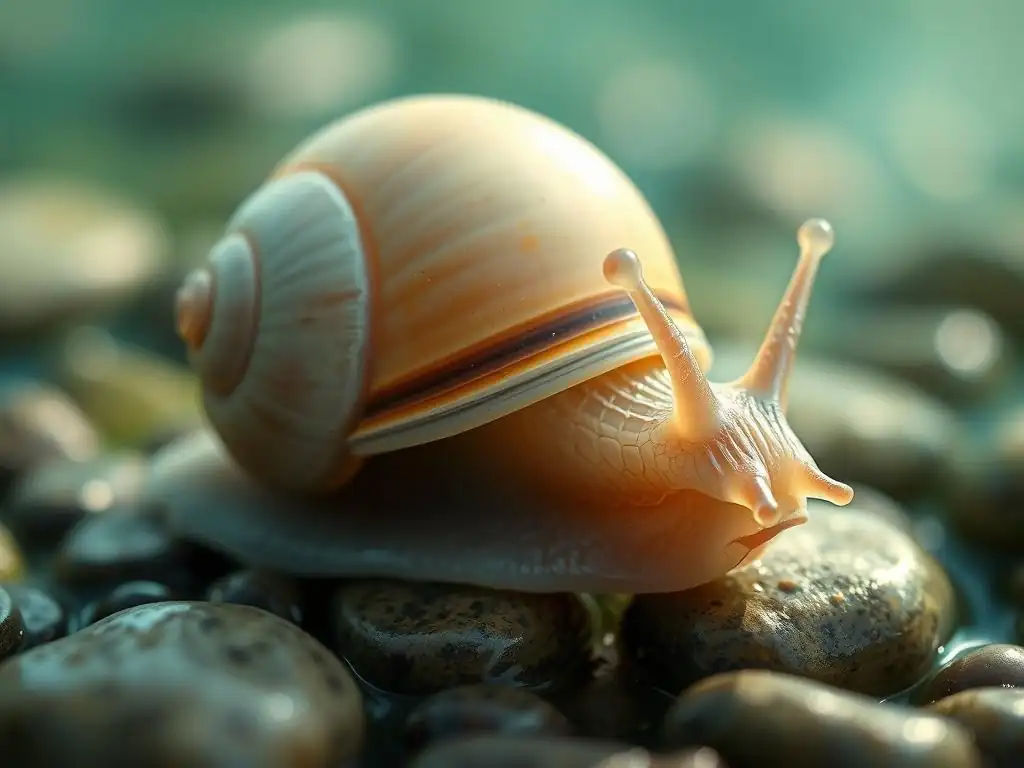
Shell degradation and erosion in freshwater snails are primarily caused by a lack of essential minerals, particularly calcium, or by acidic water conditions. Snails require calcium carbonate to build and maintain their shells; if the water is too soft (low GH and KH) or too acidic (pH consistently below 7.0), the calcium can leach from their shells, leading to weakening. For instance, a pH below 6.5 for several weeks can cause noticeable pitting on the shells of Mystery Snails. Poor diet lacking in calcium-rich foods also contributes significantly to this problem.
The impact of these factors can range from minor cosmetic damage to severe structural compromise. A snail that is not receiving adequate calcium or is exposed to acidic water may develop a thin, brittle shell that is prone to chipping or cracking. Shell erosion often appears as rough patches, small holes, or a general dullness on the shell's surface, particularly around the apex or older growth. These freshwater snail diseases symptoms indicate a critical need for water parameter adjustment and dietary supplementation.
Recognizing Shell Cracks and Pitting
Shell cracks and pitting are distinctive freshwater snail diseases symptoms indicating a compromised shell structure. Pitting typically manifests as small, irregular depressions or holes on the shell's surface, often resembling a textured, pockmarked appearance. These are usually the result of long-term exposure to acidic water or severe calcium deficiency, gradually dissolving the shell material. For example, consistent exposure to water with a KH below 3 dKH can lead to widespread pitting over a period of months.
Cracks, on the other hand, appear as distinct lines or fractures in the shell. While some minor cracks can result from physical trauma (e.g., dropping the snail), widespread or progressive cracking often points to a shell that has become too brittle due to lack of calcium or poor water quality. These cracks can expose the delicate mantle tissue beneath, making the snail vulnerable to infections. Observing these freshwater snail diseases symptoms should prompt an immediate review of water hardness and calcium levels in the aquarium.
Identifying Shell Thinning and Softening
Shell thinning and softening are critical freshwater snail diseases symptoms that signal severe calcium deficiency or prolonged exposure to highly acidic water. A healthy snail's shell should be rigid and hard to the touch, providing robust protection. When the shell begins to thin, it might feel noticeably lighter than expected, and the edges, particularly around the opening (aperture), may appear translucent or almost paper-thin.
Softening is an even more advanced stage, where the shell loses its rigidity and becomes pliable or rubbery. This can be tested gently by applying slight pressure; a healthy shell will resist, while a soft one will yield. For instance, the lip of a Mystery Snail's shell might feel noticeably soft and bendable if it has been calcium-deficient for an extended period, perhaps several weeks without proper supplementation. This condition leaves the snail extremely vulnerable to injury and often indicates a life-threatening calcium imbalance.
Parasites: Spotting the Signs
While less common than shell issues, freshwater snails can host various parasites, including trematodes (flukes) or protozoans. These parasites often enter the aquarium via new plants, fish, or other invertebrates that have not been properly quarantined. Once established, they can latch onto the snail's body or infest its internal organs, drawing nutrients and causing distress. Some parasites, like certain species of flatworms, may even be visible to the naked eye, appearing as small, white, or translucent specks on the snail's foot or antennae.
The freshwater snail diseases symptoms associated with parasitic infestations often include behavioral and physical changes. Infected snails may exhibit unusual movements, such as frantic crawling, or become excessively withdrawn. Physical signs can include visible external parasites, unusual white spots (distinct from ich on fish), or a general wasting away despite consistent feeding. In some cases, the snail may produce an abnormal amount of slime, or its feces might appear stringy or discolored.
Identifying Potential Parasitic Issues
Identifying potential parasitic issues in freshwater snails requires close observation and, at times, a magnifying glass. One of the most direct freshwater snail diseases symptoms is the visible presence of external parasites. These can manifest as tiny, white, or yellowish dots that don't move (like some protozoans or fungal spores), or small, mobile, worm-like creatures that cling to the snail's foot, mantle, or antennae. For example, a small, flat worm might be seen gliding across the snail's shell or foot.
Behavioral changes are also key indicators. A snail infested with parasites might become unusually reclusive, spending excessive time withdrawn into its shell, or it might exhibit agitated movements, attempting to dislodge something unseen. Excessive slime production is another common sign, as the snail tries to encapsulate or shed the irritant. Furthermore, unexplained weight loss or a general decline in vigor, even when water parameters are optimal, can point towards an internal parasitic burden.
Bacterial Issues: What to Look For
Bacterial issues in freshwater snails often arise from poor water quality, especially high organic waste, or from injuries that provide an entry point for opportunistic bacteria. Common culprits include bacteria from the Aeromonas or Pseudomonas genera, which are ubiquitous in aquatic environments but become pathogenic when a snail's immune system is compromised. A snail suffering from a bacterial infection may develop localized lesions, general body swelling, or a rapid deterioration in its overall health.
The freshwater snail diseases symptoms of bacterial infections can progress quickly if not addressed. Early signs might include subtle discoloration of the snail's foot or mantle, often appearing as reddish patches or cloudy areas. As the infection advances, these areas can develop into open sores or ulcers. The snail's operculum might also appear damaged or fail to close properly. It's crucial to distinguish these from physical injuries, as bacterial infections often spread and worsen without intervention.
Signs of Potential Bacterial Problems
Specific freshwater snail diseases symptoms point towards potential bacterial problems. Look for any visible lesions, open sores, or areas of redness or inflammation on the snail's foot, head, or mantle. These might start as small, discolored spots and enlarge over time. For example, a patch of red, angry-looking tissue on the snail's foot that wasn't present previously is a strong indicator. Sometimes, the snail's body might appear abnormally swollen, particularly around the head or siphon, due to internal fluid accumulation.
Another significant sign is a foul odor emanating from the snail, especially if it's exhibiting other symptoms of distress and has been inactive. While a dead snail will certainly smell, a live but infected snail might also carry a faint, unpleasant smell. The operculum might appear damaged or partially detached, and the snail might struggle to close it fully, leaving its vulnerable body exposed. These signs warrant immediate investigation into water quality and potential isolation of the affected snail.
Observing for Lethargy and Unusual Behavior
Lethargy and unusual behavior are critical freshwater snail diseases symptoms that often accompany bacterial infections and other severe ailments. A healthy snail is typically active, moving around the tank and grazing for a significant portion of the day. If a snail becomes noticeably inactive, remaining in one spot for prolonged periods (e.g., more than 24-48 hours) or showing a complete lack of interest in food, it's a strong indicator of distress.
Beyond simple inactivity, an infected snail might exhibit abnormal movements or a loss of coordination. It might struggle to adhere to surfaces, frequently falling off glass or decorations, or be unable to right itself if flipped onto its back. Its foot might appear shrunken or unable to extend fully. This profound lethargy and inability to perform basic functions suggest a systemic problem, often due to the toxins released by bacterial pathogens or the body's overwhelming response to infection.
Algae Growth: Recognizing the Symptoms
While snails are often introduced to aquariums to control algae, excessive or unusual algae growth on the snail's shell can sometimes be a freshwater snail diseases symptom itself, indicating underlying issues or becoming problematic. Common types of algae like green spot algae, brown diatom algae, or even black beard algae can colonize a snail's shell. While a thin layer might be normal, particularly on older snails, thick or rapidly growing algae can signal an imbalance in the tank.
When algae growth becomes excessive, it can interfere with the snail's normal functions and indicate high nutrient levels (nitrates, phosphates) or excessive lighting in the aquarium. A snail heavily encrusted with algae may struggle to move efficiently, its operculum might be partially obstructed, or the algae could irritate its mantle tissue. These freshwater snail diseases symptoms, though often benign initially, can progress to more serious issues if the underlying cause of the algae bloom is not addressed.
Identifying Algae Growth on Shells
Identifying algae growth on snail shells is relatively straightforward. It typically appears as a green, brown, or sometimes black fuzzy or slimy layer covering parts or all of the shell. Green spot algae might manifest as small, hard, circular green dots, while brown diatoms appear as a dusty, brownish film. Black beard algae, if present, will look like small, dark tufts. It's important to distinguish this from the snail's natural shell coloration or biofilm, which is usually clear or very thin.
Excessive algae growth on a snail's shell can sometimes be a freshwater snail diseases symptom in itself, particularly if it's very thick or rapidly accumulating. A thick layer can impede the snail's ability to grow its shell properly, especially around the aperture. It can also make the snail heavier, potentially hindering its movement or causing it to fall more frequently. While not directly a disease, it indicates an imbalanced environment that could lead to other issues.
Observing for Changes in Snail Activity and Feeding Habits
Excessive algae growth on a snail's shell, while often a sign of tank imbalances rather than a direct disease, can lead to changes in the snail's activity and feeding habits. A snail whose shell is heavily encrusted with thick algae may become noticeably less active. The added weight and bulk can make it more difficult for the snail to move across surfaces or climb tank walls, leading to prolonged periods of inactivity or struggling to maintain grip.
Furthermore, the presence of dense algae on the shell can indirectly affect the snail's feeding. If the algae is thick around the snail's head or foot, it might interfere with its ability to extend its mouthparts to graze effectively on other surfaces. Consequently, the snail might show a reduced appetite or spend less time actively foraging. Observing these freshwater snail diseases symptoms related to activity and feeding, alongside visible algae, should prompt an investigation into lighting and nutrient levels in the aquarium.
Mantle Collapse: A Serious Condition
Mantle collapse is one of the most severe and often fatal freshwater snail diseases symptoms, indicating extreme distress or internal damage. The mantle is the delicate tissue that lines the inside of the snail's shell and is responsible for secreting new shell material. Mantle collapse occurs when this tissue detaches or pulls away from the inside of the shell, creating a visible gap between the snail's body and its shell. This condition is usually irreversible and signifies a profound physiological crisis.
The causes of mantle collapse are typically severe and sudden environmental stressors or internal trauma. This can include rapid and drastic fluctuations in water parameters, such as a sudden pH crash (e.g., from 7.5 to 6.0 in a few hours) or extreme temperature swings (e.g., a 5-degree Fahrenheit change in less than an hour). High levels of ammonia (e.g., above 0.25 ppm) or nitrite (above 0.25 ppm) for even a short period can also induce this condition, as can physical injury or severe shock.
Understanding the Causes and Progression
Mantle collapse in freshwater snails is typically triggered by acute and severe environmental stressors that overwhelm the snail's physiological resilience. The primary causes include sudden, drastic shifts in water parameters such as rapid changes in pH (e.g., a drop from 7.5 to 6.0 within a day), significant temperature fluctuations (e.g., a swing of 5°F or more in a short period), or exposure to high levels of toxins like ammonia (e.g., exceeding 0.25 ppm) or nitrite (exceeding 0.25 ppm). These sudden shocks can cause the snail's body to retract violently, tearing the delicate mantle tissue from the shell.
Once triggered, the progression of mantle collapse is usually rapid and grim. The initial tear or detachment of the mantle tissue quickly leads to further retraction as the snail tries to protect itself, exacerbating the damage. This leaves a visible gap between the snail's body and its shell, often exposing internal organs. The snail will typically become completely inactive, unable to move or feed, and its operculum may not close properly. Without the mantle's function, the snail cannot repair its shell or maintain its internal equilibrium, leading to organ failure and death, often within a few days.
Recognizing the Initial Signs
Recognizing the initial freshwater snail diseases symptoms of mantle collapse is crucial, although intervention is often difficult once it begins. One of the earliest signs is a snail withdrawing unusually deep into its shell, appearing "shrunken" or "loose" inside compared to its normal, snug fit. The snail may also struggle to extend its foot fully, or its body might appear to be slightly discolored or pale within the shell opening.
As the condition progresses, a visible gap will form between the snail's body and the inner wall of its shell, particularly around the operculum. You might be able to see the mantle tissue pulling away, sometimes appearing as a white or discolored line. The snail will become completely unresponsive, unable to right itself or move, and its operculum may remain partially open, unable to seal the shell. Any snail exhibiting these severe freshwater snail diseases symptoms should be immediately isolated to prevent further stress or potential harm to other tank inhabitants.
Diagnosing Potential Issues: A Step-by-Step Guide
Visual Inspection: A Detailed Examination
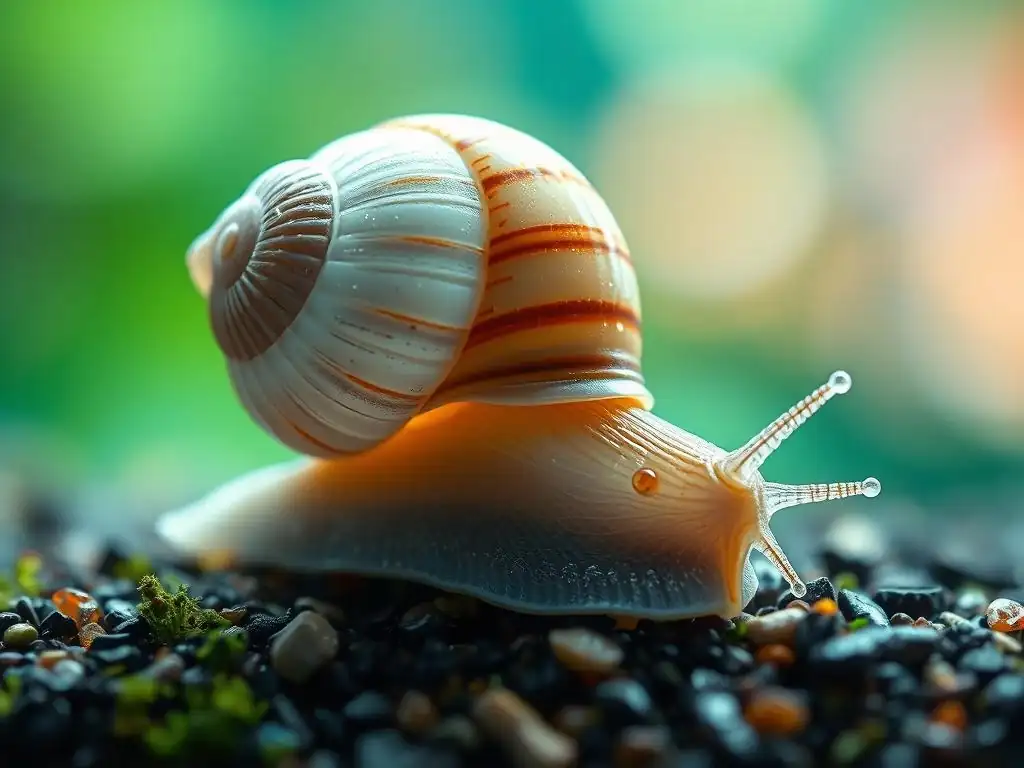
A thorough visual inspection is the first crucial step in diagnosing potential freshwater snail diseases symptoms. Gently remove the snail from the aquarium and place it in a shallow container of tank water. Observe its behavior: does it try to right itself? Does it extend its foot? Carefully examine the shell for any cracks, pitting, discoloration, or unusual growths. Pay close attention to the operculum – is it intact and does it close properly?
Next, gently turn the snail to inspect its soft body parts. Look for any lesions, sores, swelling, or unusual spots on the foot, head, and antennae. Note any changes in color or texture. For instance, a healthy snail's foot should be plump and firm, while a sick one might appear shrunken or discolored. A magnifying glass can be incredibly useful for spotting tiny parasites or subtle signs of infection that are otherwise invisible to the naked eye. Documenting these freshwater snail diseases symptoms can help track the progression of the ailment.
Water Parameter Testing: Assessing the Aquarium Environment
Water parameter testing is indispensable for accurately diagnosing freshwater snail diseases symptoms, as many ailments are directly linked to suboptimal water conditions. Utilize a reliable liquid test kit to measure pH, ammonia, nitrite, nitrate, general hardness (GH), and carbonate hardness (KH). For most freshwater snails, ideal parameters include: ammonia and nitrite at 0 ppm; nitrates below 20 ppm (preferably lower); pH between 7.0 and 8.0; GH between 8-18 dGH (140-320 ppm); and KH between 4-12 dKH (70-210 ppm).
Any deviation from these ranges can stress snails, making them susceptible to disease. For example, consistently low pH (below 6.5) and low GH/KH (below 4 dKH) are primary culprits for shell erosion and softening. Elevated ammonia (even 0.25 ppm) or nitrite (even 0.25 ppm) can cause immediate stress, lethargy, and potentially lead to severe conditions like mantle collapse. High nitrates (over 40 ppm) can contribute to general decline and susceptibility to bacterial infections. Understanding these parameters is key to addressing the root cause of freshwater snail diseases symptoms.
Isolating Affected Snails: Preventing Spread
Once freshwater snail diseases symptoms are identified, isolating the affected snail is a critical step to prevent the potential spread of disease to other inhabitants and to facilitate focused treatment. Set up a small quarantine tank, ideally 1-2 gallons, with a gentle filter (like a sponge filter) that has cycled media from the main tank to maintain beneficial bacteria. Ensure the quarantine tank has a heater to maintain stable temperatures and appropriate substrate or decor for the snail's comfort.
Transfer the sick snail carefully to the quarantine tank. This isolation allows you to closely monitor the snail's condition without interference from other tank mates. It also enables the administration of specific medications without impacting the main display tank's inhabitants, some of whom might be sensitive to certain treatments (e.g., copper-based medications are lethal to most invertebrates). Furthermore, by observing the isolated snail, you can confirm if the freshwater snail diseases symptoms are unique to that individual or if they hint at a broader issue within the main aquarium.
Addressing Common Ailments
Addressing Shell Problems: Calcium and Water Chemistry
Addressing shell problems, which are common freshwater snail diseases symptoms, primarily involves correcting calcium deficiencies and optimizing water chemistry. For calcium, incorporate calcium-rich foods into the snail's diet, such as specialized snail pellets, blanched dark leafy greens (like spinach or kale), or calcium-fortified algae wafers. Additionally, provide direct calcium sources like cuttlebone, crushed coral, or calcium carbonate supplements directly in the aquarium water. A small piece of cuttlebone (used for birds) can be placed directly in the tank to slowly dissolve and release calcium.
Water chemistry adjustments are equally vital. If your water's pH is consistently below 7.0, or your GH/KH levels are too low (e.g., GH below 8 dGH or KH below 4 dKH), you'll need to buffer the water. Products like crushed coral or aragonite substrate can naturally raise KH and GH over time. For quicker adjustments, consider using commercial buffering agents specifically designed to raise carbonate hardness. Regular partial water changes using appropriately conditioned water are also essential to maintain stable parameters and prevent calcium leaching from the snail's shell.
Addressing Parasites: Medications and Natural Remedies
Addressing parasitic freshwater snail diseases symptoms requires careful consideration, as many common fish medications can be harmful to invertebrates. For known parasitic infections like trematodes (flukes), medications containing praziquantel are often effective and generally safer for snails than copper-based treatments. Always research the specific medication's safety for snails before use and follow dosage instructions precisely, often in a separate quarantine tank.
Natural remedies can also play a role, especially for mild infestations or as a preventative measure. Indian almond leaves (catappa leaves) release tannins into the water, which have mild antibacterial and antifungal properties and can boost a snail's immune system, potentially helping it fight off minor parasitic burdens. Maintaining pristine water quality and a stable environment also naturally strengthens a snail's immune response. For visible external parasites, manual removal might be an option, though often impractical for widespread issues. Avoid using copper-based fish medications in a snail tank, as even trace amounts can be lethal.
Managing Bacterial Issues: Antibiotics and Water Quality
Managing bacterial freshwater snail diseases symptoms primarily hinges on immediate and significant improvements to water quality, coupled with cautious use of antibiotics if necessary. The first and most crucial step is to perform daily partial water changes, typically 10-15% of the tank volume, for several days. This helps to reduce the bacterial load in the water and eliminate toxins that are stressing the snail. Ensure parameters like ammonia and nitrite are at 0 ppm, and nitrates are below 20 ppm.
If water quality improvements alone do not resolve the bacterial freshwater snail diseases symptoms, broad-spectrum antibiotics like those containing erythromycin or nitrofurazone (e.g., Maracyn, Furan-2) may be considered. However, these should be used with extreme caution, preferably in a quarantine tank, as they can harm the beneficial bacteria in your main filter. Always consult an aquatic veterinarian or experienced aquarist for specific dosage and application advice, as snails can be sensitive to medications. The primary focus remains on maintaining a clean, stable environment to prevent recurrence.
Addressing Excessive Algae: Algae Control Methods
Addressing excessive algae that might contribute to freshwater snail diseases symptoms involves tackling the root causes in the aquarium. The most common reasons for algae overgrowth are too much light and high nutrient levels (nitrates and phosphates). Start by reducing the duration of your aquarium lighting to 8-10 hours per day. If natural sunlight reaches the tank, consider relocating it or blocking the light.
Secondly, manage nutrient levels through regular partial water changes (e.g., 20-30% weekly) to dilute nitrates and phosphates. Avoid overfeeding your fish, as uneaten food breaks down into nutrients. Manual removal of algae from tank surfaces and decor is also effective. Introducing other algae-eating tank mates, such as Otocinclus catfish or Amano shrimp, can help control algae naturally. Chemical algaecides should be a last resort, as they can be harmful to snails and other invertebrates, and they only treat the symptom, not the underlying cause.
Preventing Freshwater Snail Problems: Maintaining a Healthy Aquarium
Maintaining Optimal Water Parameters
Maintaining optimal water parameters is the cornerstone of preventing freshwater snail diseases symptoms and ensuring the long-term health of your snails. Regular and consistent testing of your aquarium water is essential; aim to test for pH, ammonia, nitrite, and nitrate at least once a week, and GH/KH monthly. For most freshwater snails, strive for stable parameters: pH between 7.0-8.0, 0 ppm ammonia, 0 ppm nitrite, nitrates below 20 ppm, GH 8-18 dGH, and KH 4-12 dKH.
Consistency is key; avoid sudden fluctuations in any parameter, as rapid changes can cause immense stress, leading to mantle collapse or weakened immunity. Use a reliable water conditioner that neutralizes chlorine and chloramines during water changes. By providing a stable, well-balanced environment within these recommended ranges, you significantly reduce the physiological stress on your snails, making them far more resilient to potential freshwater snail diseases symptoms.
Proper Feeding Practices
Proper feeding practices are crucial for preventing freshwater snail diseases symptoms, particularly those related to shell health and overall vitality. While snails are excellent scavengers, relying solely on tank detritus is often insufficient. Supplement their diet with high-quality, calcium-rich foods such as specialized snail pellets, algae wafers, or blanched vegetables like spinach, kale, or zucchini. Calcium is vital for strong shell development; without it, shells can become thin, pitted, or soft.
Avoid overfeeding, as excess food will decompose and contribute to poor water quality, which in turn can lead to bacterial infections or general decline. Feed only what your snails can consume within a few hours. A balanced diet ensures your snails receive all necessary nutrients and minerals, strengthening their immune systems and their shells, thereby actively preventing many common freshwater snail diseases symptoms before they even begin.
Quarantine New Snails
Quarantining new snails before introducing them to your main aquarium is a non-negotiable preventative measure against freshwater snail diseases symptoms and the spread of pathogens. Set up a separate, small quarantine tank (e.g., 1-2 gallons) with an appropriate filter and heater. New snails should be kept in this tank for a minimum of 2-4 weeks. This isolation period allows you to observe them closely for any signs of illness, parasites, or unusual behavior without risking your established tank.
During quarantine, carefully inspect the snails daily for any freshwater snail diseases symptoms such as shell damage, unusual growths, visible parasites, lethargy, or loss of appetite. If any issues arise, they can be treated in the quarantine tank without exposing your main display. This practice significantly reduces the risk of introducing diseases like trematodes, planaria, or harmful bacteria that could devastate your existing aquatic community, saving you significant time and effort in the long run.
Regular Aquarium Maintenance: Preventing Problems
Regular aquarium maintenance is the most effective proactive strategy for preventing freshwater snail diseases symptoms and ensuring a thriving aquatic environment. Consistent maintenance routines directly contribute to stable water parameters, which are paramount for snail health. This includes performing weekly partial water changes, typically 20-30% of the tank volume, to dilute nitrates, remove accumulated organic waste, and replenish essential minerals.
Alongside water changes, regular gravel vacuuming helps remove uneaten food, snail waste, and decaying plant matter from the substrate, preventing the buildup of ammonia and nitrites. Cleaning filter media as needed, without completely replacing it (to preserve beneficial bacteria), also contributes to water clarity and quality. By adhering to a consistent maintenance schedule, aquarists minimize stress on their snails, bolster their natural immunity, and significantly reduce the likelihood of encountering common freshwater snail diseases symptoms.
Conclusion: Proactive Snail Care for a Thriving Aquarium
The Importance of Continued Observation
Continued, diligent observation of your freshwater snails is arguably the most powerful tool in maintaining their health and preventing serious freshwater snail diseases symptoms. Snails, much like other aquarium inhabitants, communicate their well-being through their behavior and physical appearance. Making it a daily habit to briefly observe how your snails are moving, eating, and interacting with their environment allows you to catch subtle changes early.
Even seemingly minor deviations, such as a snail being less active for a day or a slight dullness in its shell, can be the initial whispers of a developing problem. Early detection through consistent observation provides the critical window for intervention, often allowing for simple adjustments to water parameters or diet before a minor issue escalates into a life-threatening condition for your beloved snails or impacts the entire aquarium ecosystem.
When to Seek Expert Advice
While this guide provides comprehensive information on recognizing and addressing common freshwater snail diseases symptoms, there comes a point when seeking expert advice becomes crucial. If, despite your best efforts in maintaining optimal water parameters and implementing suggested remedies, your snails continue to show severe or worsening symptoms, it's time to reach out. This is particularly true if multiple snails are affected, or if the symptoms are unusual and don't align with common ailments.
Experienced aquarists, online aquatic forums with knowledgeable communities, or even local fish store specialists can offer valuable insights. For complex or persistent freshwater snail diseases symptoms, especially those involving widespread outbreaks or conditions that seem to defy typical treatments, consulting an aquatic veterinarian is the most definitive step. These professionals possess specialized knowledge and diagnostic tools to accurately identify the underlying issue and prescribe targeted treatments that ensure the best possible outcome for your freshwater snails.
Frequently Asked Questions
How can I tell if my freshwater snails are sick?
Look for unusual behavior, such as lethargy, lack of appetite, or staying out of their shells. Also, check for physical signs like shell damage, discoloration, or abnormal growths.
What are some common diseases that affect freshwater snails?
Common ailments include shell erosion caused by poor water quality, parasitic infections, and bacterial infections. Identifying the specific cause is key to effective treatment.
What water parameters are crucial for preventing snail diseases?
Maintaining stable water parameters is vital. Pay close attention to pH levels, water hardness, and ammonia/nitrite/nitrate levels. Regular water changes are also essential.
How can I treat a sick freshwater snail?
Treatment depends on the disease. Quarantine sick snails and adjust water parameters. Some ailments require medications, available at aquarium supply stores.
Can snail diseases spread to my fish or other aquarium inhabitants?
Some snail diseases are contagious. Therefore, isolation of the infected snail is paramount to preventing further spread within your aquarium ecosystem.
Final Reflection: The Silent World of Snail Health
The detailed exploration of freshwater snail diseases and their symptoms, as outlined in this article, is more than just an academic exercise; it's a crucial step towards responsible aquarium keeping and the preservation of aquatic ecosystems. Recognizing these ailments allows hobbyists to proactively address issues, preventing widespread outbreaks and ensuring the well-being of their shelled companions. The ability to identify early warning signs is paramount to maintaining a thriving and balanced aquatic environment.
This seemingly niche topic has a profound impact on the broader landscape of aquatic conservation. Our understanding of snail health directly influences the health of our aquariums and, by extension, the natural habitats these creatures often originate from. The interconnectedness of these systems is undeniable. The fate of the smallest creature is linked to the fate of the largest, and the health of the individual reflects the health of the whole.
This quote underscores the importance of paying attention to the subtle signals of distress in even the smallest inhabitants of our aquariums.
As you close this article, consider the role you play in the lives of these fascinating creatures. Are you equipped to recognize the signs of illness? Will you commit to providing the optimal environment for your snails to thrive? Let this knowledge empower you to become a more informed and compassionate aquarist, ensuring the health and happiness of your freshwater snails for years to come.
Unveil the Secrets to a Thriving Snail Haven!
Thanks for diving into the world of freshwater snail health! We hope this article equipped you with the knowledge to identify and address common snail ailments. Now, let's put that knowledge into action.
- Diagnose your snails like a pro! Immediately inspect your snail population for any signs you've learned about. Early detection is key!
- Share your newfound expertise! Help other snail keepers by sharing this article on your favorite aquarium forums or social media groups.
- Contribute to our community! Share your own experiences with snail diseases in the comments below. What treatments worked for you?
What's one thing you'll change today in your tank to improve your snails' health?