
Snails, Crayfish & Crabs: A Guide to Peaceful Coexistence (or Conflict Avoidance)

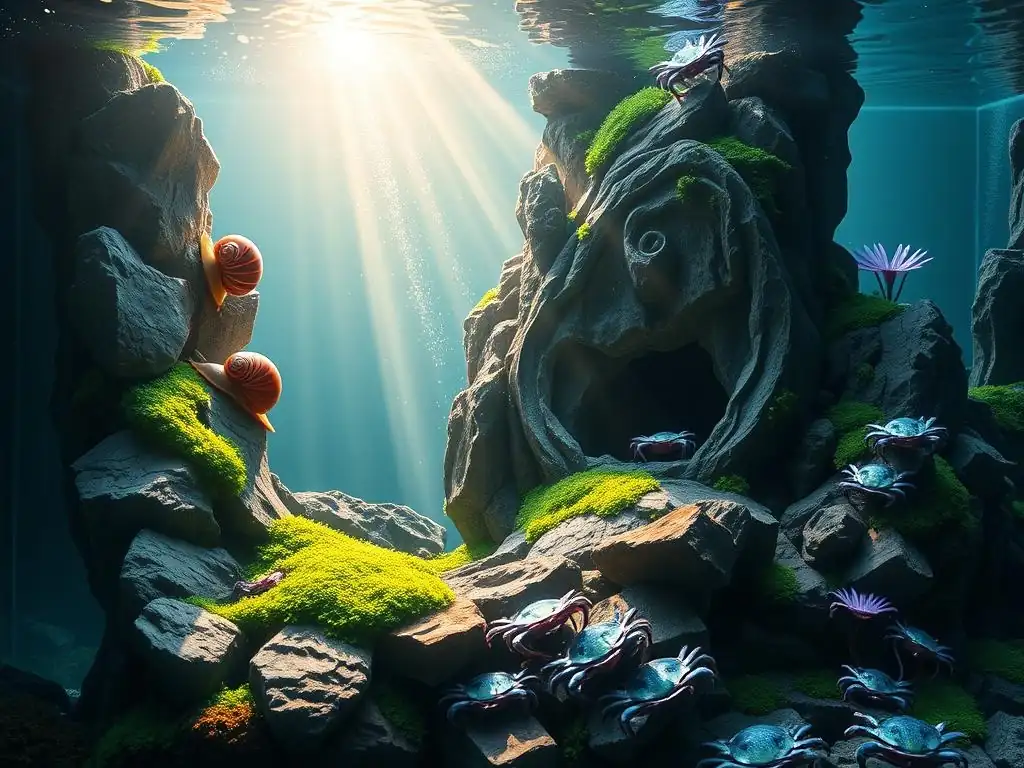
Welcome to Aquarium Mastery, where we dive deep into the captivating world of aquariums! Ever wondered if your snails, crayfish, and crabs can actually live together in harmony? This guide, " Snails, Crayfish & Crabs: A Guide to Peaceful Coexistence (or Conflict Avoidance)," explores the delicate balance required for peaceful aquarium invertebrates coexistence. Discover the secrets to creating a thriving invertebrate community… and learn how to avoid potential underwater squabbles. Ready to unravel the mysteries? Let's get started!
- Invertebrate Harmony: A Guide to Coexistence in Freshwater Aquariums
- Understanding Invertebrate Compatibility in Freshwater Aquariums
- Snails in the Freshwater Aquarium: Peaceful Tank Cleaners?
- Shrimp in the Freshwater Aquarium: Are They Safe?
- Fish in the Freshwater Aquarium: A Potential Threat or Companion?
- Strategies for Promoting Peaceful Aquarium Invertebrate Coexistence
- Potential Conflicts and Solutions: When Things Go Wrong
- Choosing the Right Invertebrates for a Community Aquarium
- Maintaining a Peaceful Invertebrate Aquarium: Best Practices
- Conclusion: Achieving Harmony in Your Invertebrate Aquarium
-
Frequently Asked Questions
- How can I ensure peaceful coexistence between snails, crayfish, and crabs in my aquarium?
- What are the most common causes of conflict between invertebrates in an aquarium?
- Are there any specific snail species that are known to be compatible with crayfish and crabs?
- What role does aquarium size play in promoting peaceful coexistence?
- How important is water quality in maintaining a peaceful invertebrate aquarium?
- Final Reflection: Harmony Beneath the Surface
- Dive Deeper: Transform Your Tank Today!
Invertebrate Harmony: A Guide to Coexistence in Freshwater Aquariums
Understanding Invertebrate Compatibility in Freshwater Aquariums
Why Peaceful Coexistence Matters for Aquarium Invertebrates
Achieving peaceful aquarium invertebrates coexistence is paramount for the health and longevity of your aquatic residents. When invertebrates, such as snails, crayfish, and crabs, are housed together without proper consideration for their compatibility, stress levels can skyrocket. Chronic stress can lead to weakened immune systems, making them more susceptible to diseases and significantly reducing their lifespan. For instance, a stressed shrimp may stop molting correctly, leading to fatal complications, or a snail might constantly retract into its shell, unable to feed effectively.
Furthermore, a lack of peaceful aquarium invertebrates coexistence can disrupt the entire aquarium ecosystem. Aggression or predation among tank mates can result in injuries, fatalities, and an unstable environment. This not only causes distress to the animals but also creates more work for the aquarist in terms of increased water quality issues from uneaten food or deceased inhabitants. A harmonious environment ensures that all species can thrive, exhibit natural behaviors, and contribute positively to the tank's ecological balance, such as algae control or substrate aeration.
Key Considerations for Invertebrate Tank Mates
When planning for peaceful aquarium invertebrates coexistence, several critical factors must be meticulously considered. Size is often a primary determinant; a large crayfish, for example, could easily prey on smaller snails or dwarf shrimp, regardless of its typical temperament. Temperament itself varies widely among species; while most nerite snails are entirely docile, some species of freshwater crabs can be highly territorial and aggressive, especially towards slower-moving tank mates.
Beyond size and temperament, dietary needs play a significant role in fostering peaceful aquarium invertebrates coexistence. Ensuring that all inhabitants receive adequate nutrition without direct competition is vital. Overlapping diets can lead to aggressive encounters over food sources, particularly if food is scarce. Additionally, compatible water parameters (pH, GH, KH, temperature) are non-negotiable. Different species have varying requirements, and forcing them into unsuitable conditions will inevitably lead to stress, poor health, and a breakdown in peaceful coexistence, even if they are otherwise compatible.
Snails in the Freshwater Aquarium: Peaceful Tank Cleaners?
Popular Aquarium Snail Species and Their Temperaments
Freshwater snails are often celebrated for their role as efficient tank cleaners, consuming algae and detritus. Their temperaments generally lean towards peaceful, making them excellent candidates for peaceful aquarium invertebrates coexistence in community tanks. However, understanding species-specific behaviors is key to avoiding unforeseen issues.
Nerite Snails: Algae Eaters with a Peaceful Nature
Nerite snails (e.g., Vittina natalensis, Clithon sp.) are arguably one of the most peaceful and beneficial snail species for a community aquarium, making them ideal for peaceful aquarium invertebrates coexistence. These small mollusks typically grow to about 0.5 to 1 inch (1.3 to 2.5 cm) and are renowned for their insatiable appetite for various types of algae, including stubborn green spot algae and diatoms. Their rasping mouthparts are highly effective at cleaning tank glass, décor, and plant leaves without damaging the plants themselves.
Their temperament is exceptionally docile; nerite snails are not known to bother any other tank inhabitants, including the smallest dwarf shrimp or slow-moving fish. They spend their days grazing, moving slowly across surfaces. A significant advantage is that they cannot reproduce in freshwater, meaning you won't face an overpopulation issue, although they may lay small, white, non-hatching eggs on hard surfaces. This combination of effective algae control and non-aggressive behavior firmly establishes them as a cornerstone for peaceful aquarium invertebrates coexistence.
Mystery Snails: Large and Generally Docile
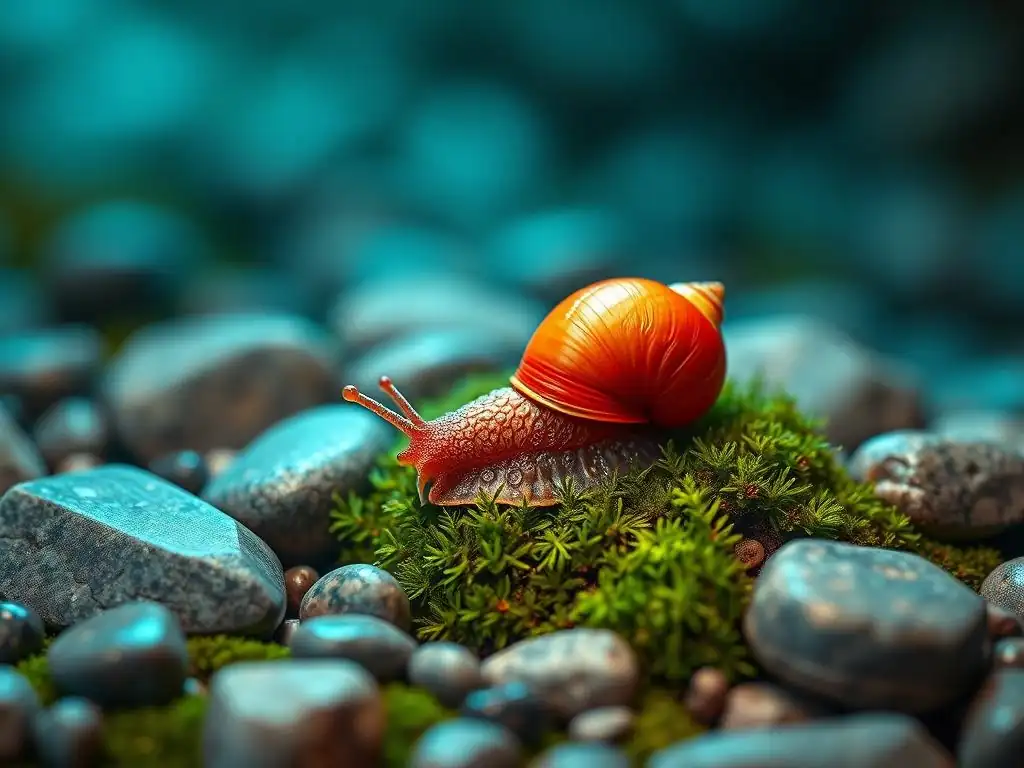
Mystery snails ( Pomacea bridgesii), often reaching a size of 1.5 to 2 inches (3.8 to 5 cm) in diameter, are another popular choice for freshwater aquariums. Despite their larger size compared to nerites, they are generally considered docile and can contribute significantly to peaceful aquarium invertebrates coexistence. They are omnivores, primarily consuming algae, detritus, and leftover fish food, and occasionally nibble on decaying plant matter. Their active nature, often seen gliding across the substrate or climbing tank walls, adds an interesting dynamic to the tank.
While largely peaceful, their size means they can inadvertently knock over small décor items or dislodge delicate plants. They are not known to prey on fish or shrimp, though very small, newly hatched shrimp might be at minimal risk if they happen to wander directly into a snail's path while it's feeding. Providing a varied diet, including algae wafers and blanched vegetables, helps ensure they don't resort to healthier plant leaves. Their relatively calm demeanor and scavenging habits make them a good fit for a well-maintained community tank aiming for peaceful aquarium invertebrates coexistence.
Trumpet Snails: Beneficial Sand Stirrers
Malaysian Trumpet Snails (MTS, Melanoides tuberculata) are small, conical-shelled snails typically growing up to 1 inch (2.5 cm) in length. While they are prolific breeders and can quickly multiply if overfed, their primary benefit lies in their burrowing behavior, which is highly advantageous for peaceful aquarium invertebrates coexistence, especially in planted tanks with sand or fine gravel substrates. These snails spend much of their time buried in the substrate, emerging mainly at night or when food is present.
Their constant burrowing aerates the substrate, preventing the buildup of anaerobic pockets that can release harmful gases like hydrogen sulfide. This natural "tilling" activity helps distribute nutrients to plant roots and prevents compaction. From a temperament perspective, MTS are entirely peaceful and pose no threat to fish, shrimp, or other snails. Their presence indicates a healthy substrate and contributes to overall water quality, making them valuable, albeit sometimes abundant, members of a community aiming for peaceful aquarium invertebrates coexistence.
Snail Compatibility with Shrimp and Fish: Potential Issues
While many snails are excellent for peaceful aquarium invertebrates coexistence, their compatibility with shrimp and fish isn't entirely without nuance. Generally, most common aquarium snails like nerites, mystery snails, and trumpet snails are perfectly safe with dwarf shrimp and peaceful fish. They do not actively hunt or harm these tankmates. However, potential issues can arise from indirect factors or specific species choices.
One potential issue is competition for food, particularly in tanks with limited biofilm or algae. While snails primarily graze, an abundance of snails can reduce available food for shrimp, which also rely on biofilm. This can be mitigated by target feeding shrimp with specialized foods.
A more significant concern is predation on snails by certain fish species. Large, aggressive fish like puffers, loaches (especially Yoyo and Clown Loaches), and some larger cichlids view snails as a food source and will actively prey on them, disrupting any chance of peaceful aquarium invertebrates coexistence. Therefore, careful fish selection is crucial to ensure snail safety.
Shrimp in the Freshwater Aquarium: Are They Safe?
Shrimp Species and Their Vulnerability
Freshwater aquarium shrimp are fascinating invertebrates that add color, activity, and utility to a tank. However, their small size and delicate nature make them inherently vulnerable to predation by larger or more aggressive tankmates, emphasizing the need for careful planning for peaceful aquarium invertebrates coexistence.
Cherry Shrimp: A Popular and Peaceful Option
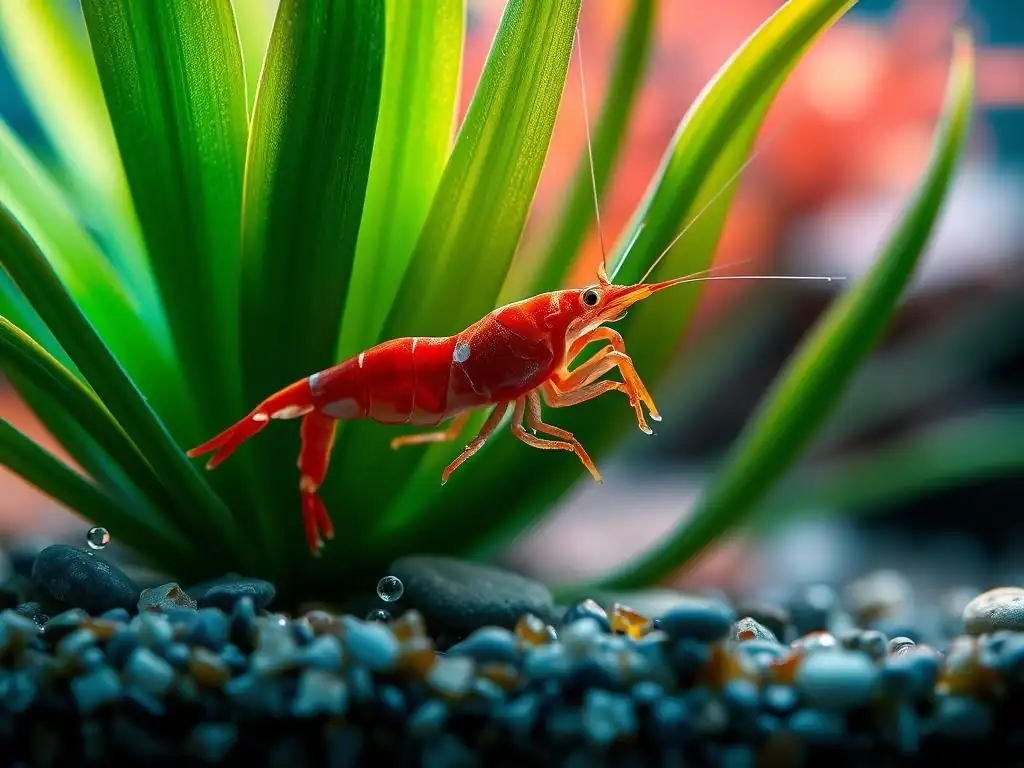
Cherry shrimp ( Neocaridina davidi) are one of the most popular dwarf shrimp species in the aquarium hobby, celebrated for their vibrant red coloration and ease of care. These small crustaceans typically grow to about 0.5 to 1 inch (1.3 to 2.5 cm) in length and are incredibly peaceful, making them an ideal choice for peaceful aquarium invertebrates coexistence in dedicated shrimp tanks or carefully selected community setups. They spend their days grazing on algae, biofilm, and detritus, contributing to the tank's cleanliness.
Their docile nature means they pose no threat to any fish or other invertebrates. However, their small size makes them highly susceptible to predation by almost any fish with a mouth large enough to consume them. Even seemingly peaceful fish like guppies or tetras might opportunistically prey on shrimplets or even adult shrimp if hungry. For successful breeding and survival, Cherry shrimp require dense plant cover and tankmates that are demonstrably non-aggressive and have very small mouths, ensuring true peaceful aquarium invertebrates coexistence.
Amano Shrimp: Known for Algae Eating
Amano shrimp ( Caridina multidentata) are larger than cherry shrimp, growing up to 2 inches (5 cm) in length, and are highly prized for their exceptional algae-eating capabilities. They are particularly effective against hair algae and other filamentous types that many snails and fish ignore. Despite their larger size, Amano shrimp are very peaceful and non-aggressive, making them excellent candidates for peaceful aquarium invertebrates coexistence. They spend their time tirelessly scavenging for food, often seen meticulously cleaning plant leaves and hard surfaces.
Unlike Cherry shrimp, Amano shrimp require brackish water for their larvae to develop, meaning they will not successfully breed in a typical freshwater aquarium. This prevents overpopulation, which can be a benefit for some aquarists. Their peaceful disposition ensures they will not harass or harm fish or other invertebrates. However, like all shrimp, they can become prey for larger, predatory fish. Their larger size does offer them a slight advantage over smaller dwarf shrimp against mild threats, but careful selection of tankmates is still essential to ensure their safety and contribute to peaceful aquarium invertebrates coexistence.
Shrimp Tank Requirements and Shelter
Ensuring the safety and well-being of shrimp, and thus promoting peaceful aquarium invertebrates coexistence, heavily relies on providing appropriate tank requirements and ample shelter. Shrimp are naturally shy and vulnerable, requiring places to retreat, especially during molting when their new exoskeleton is soft and they are most defenseless. Without adequate hiding spots, shrimp will be under constant stress, leading to poor health, reluctance to breed, and eventual demise.
Dense live plant cover, such as Java Moss, Christmas Moss, or Anubias plants, is crucial. Mosses provide intricate structures where shrimplets can hide and adults can graze on biofilm. Additionally, the inclusion of driftwood, rock caves, or ceramic shrimp shelters offers secure, enclosed spaces for refuge.
For example, a 10-gallon tank housing 10-15 Cherry shrimp should ideally have at least 50% of its footprint covered by plants or decor that offer hiding opportunities. This abundance of shelter not only protects shrimp from potential threats but also reduces overall stress, allowing them to exhibit natural behaviors and thrive within the framework of peaceful aquarium invertebrates coexistence.
Fish in the Freshwater Aquarium: A Potential Threat or Companion?
Common Peaceful Fish Species
The inclusion of fish in a freshwater invertebrate aquarium can either enhance the ecosystem or lead to conflict, depending entirely on the species chosen. For true peaceful aquarium invertebrates coexistence, selecting fish that are demonstrably non-aggressive and have small mouths is paramount.
Otocinclus Catfish: Algae Eaters and Peaceful Tankmates
Otocinclus catfish, often simply called "Otos," are small, peaceful algae-eaters that typically reach a size of 1.5 to 2 inches (3.8 to 5 cm). These schooling fish are excellent for peaceful aquarium invertebrates coexistence due to their docile nature and specialized diet. They primarily graze on soft green algae and diatoms found on tank surfaces, making them highly beneficial for tank cleanliness without disturbing other inhabitants. Otos are not known to bother shrimp or snails, even the smallest shrimplets, due to their small, sucker-like mouths designed for scraping algae.
They thrive in well-established tanks with plenty of biofilm and require stable water parameters. It's recommended to keep them in groups of at least six individuals to ensure their comfort and natural schooling behavior. Their non-aggressive behavior and dedicated algae-eating habits make them one of the safest and most effective fish choices for a community tank focused on peaceful aquarium invertebrates coexistence, particularly with dwarf shrimp and various snail species.
Corydoras Catfish: Scavengers and Community Fish
Corydoras catfish, often referred to as "Corys," encompass a wide variety of species, ranging in size from the dwarf Corydoras hastatus at under an inch to larger species like Corydoras aeneus at around 3 inches (7.6 cm). Regardless of size, all Corydoras species share a reputation for being extremely peaceful bottom-dwellers, making them ideal for promoting peaceful aquarium invertebrates coexistence. They are scavengers, sifting through the substrate with their barbels to find leftover food, detritus, and small invertebrates like tubifex worms.
Corys are social fish and should always be kept in groups of at least six of their own kind to reduce stress and encourage natural schooling behavior. Their mouths are downward-facing and relatively small, meaning they pose no threat to healthy adult shrimp or snails. While they might occasionally stir up the substrate where shrimplets are hiding, they do not actively hunt invertebrates. Their peaceful nature, scavenging habits, and charming antics make them a perfect addition to a community tank designed for peaceful aquarium invertebrates coexistence.
Fish Tank Setup Considerations to Minimize Conflict
Beyond choosing the right fish species, the physical setup of the aquarium plays a critical role in minimizing conflict and fostering peaceful aquarium invertebrates coexistence. A well-designed environment can reduce stress, provide escape routes, and delineate territories, even for otherwise peaceful species.
Firstly, tank size is paramount. Overcrowding is a leading cause of stress and aggression in any aquarium. Providing ample swimming space and individual territories for fish, especially bottom-dwellers like Corydoras, reduces competition for resources. For instance, a 20-gallon long tank, with its larger footprint, offers more floor space for bottom-dwelling invertebrates and fish than a standard 20-gallon high.
Secondly, strategically placed decor, such as driftwood, rocks, and dense plant groupings, can break up lines of sight. This is crucial for shy invertebrates like shrimp, providing them with immediate refuge from perceived threats. Even peaceful fish can sometimes startle shrimp, and having readily available hiding spots prevents prolonged stress, ensuring a more peaceful aquarium invertebrates coexistence.
Strategies for Promoting Peaceful Aquarium Invertebrate Coexistence
Tank Size and Overcrowding: A Major Factor
One of the most fundamental strategies for promoting peaceful aquarium invertebrates coexistence is to ensure adequate tank size and avoid overcrowding. An undersized tank creates a confined environment where competition for space, food, and hiding spots becomes inevitable, leading to heightened stress and aggression among inhabitants. For example, housing a group of 10-15 dwarf shrimp and a few peaceful snails in a 5-gallon tank might seem feasible, but adding even a small school of fish to the same tank would quickly lead to resource scarcity and stress, undermining peaceful coexistence.
A general guideline for peaceful aquarium invertebrates coexistence is to aim for a minimum of 10 gallons for a small community of dwarf shrimp and snails, with larger tanks (20 gallons or more) being ideal for incorporating peaceful fish. This provides sufficient space for each individual to establish its territory or retreat when needed. Overcrowding also rapidly degrades water quality, as the biological filter becomes overwhelmed by the increased waste load. Poor water quality directly impacts invertebrate health, weakening their immune systems and making them more susceptible to disease, thereby actively hindering peaceful coexistence.
Providing Adequate Hiding Places and Retreats
Providing ample hiding places and retreats is a cornerstone strategy for achieving peaceful aquarium invertebrates coexistence, especially when housing vulnerable species like dwarf shrimp or shy snails. Invertebrates, by nature, are often prey animals and instinctively seek shelter when feeling threatened or stressed. Without readily available safe zones, they remain exposed, leading to chronic stress, reduced activity, and a reluctance to breed.
Consider a tank housing a small school of Otocinclus catfish and a colony of Cherry shrimp. While Otos are peaceful, their active swimming might occasionally startle the shrimp. Dense plantings of Java Moss, Anubias on driftwood, or small ceramic caves offer immediate, tangible safe havens. For example, a 10-gallon shrimp tank could benefit from at least 30-40% of its volume being filled with such structures. These retreats allow shrimp to safely molt, recover, and forage without constant fear, significantly contributing to their well-being and the overall peaceful aquarium invertebrates coexistence within the tank.
Feeding Strategies to Reduce Competition
Effective feeding strategies are crucial to minimize competition and foster peaceful aquarium invertebrates coexistence. In a mixed-species tank, different inhabitants have varying dietary needs and foraging behaviors. Simply dumping food into the tank can lead to faster, more aggressive feeders monopolizing the sustenance, leaving slower or shyer invertebrates underfed. This can lead to starvation or, conversely, increased aggression as animals compete for scarce resources.
One effective technique is to distribute food widely across the tank's surface and substrate. For example, instead of dropping all fish flakes in one spot, sprinkle them over a wider area. Similarly, sinking pellets or wafers for bottom-dwellers like shrimp and snails can be placed in multiple locations.
Another strategy is to feed at different times. If fish are active daytime feeders, consider offering shrimp-specific pellets or algae wafers after the lights are out, when nocturnal invertebrates like some snails are more active, and fish are less competitive. This ensures all inhabitants receive adequate nutrition, significantly reducing stress and promoting peaceful aquarium invertebrates coexistence.
Supplement Feeding for Shrimp
Supplement feeding for shrimp is a targeted strategy essential for ensuring their nutritional needs are met and for promoting peaceful aquarium invertebrates coexistence. While shrimp are excellent scavengers and will graze on algae and biofilm, these natural food sources may not always be sufficient, especially in heavily stocked tanks or those with minimal algae growth. Inadequate nutrition can lead to poor molting, stunted growth, and weakened immune systems, making them more susceptible to health issues.
Specialized shrimp pellets or wafers, rich in plant matter, calcium, and essential minerals, are designed to provide a balanced diet. For instance, a small 10-gallon tank with 20 Cherry shrimp might benefit from a half-pellet fed every other day, ensuring all individuals get a share. This dedicated feeding reduces their reliance on naturally occurring biofilm, which can be limited, and prevents them from competing directly with snails or fish for other food sources. By ensuring shrimp are well-fed and healthy, you actively contribute to their overall vitality and the harmonious environment necessary for peaceful aquarium invertebrates coexistence.
Monitoring Invertebrate Behavior for Signs of Aggression
Vigilant monitoring of invertebrate behavior is a proactive and critical strategy for maintaining peaceful aquarium invertebrates coexistence. Subtle changes in behavior can be early indicators of stress, aggression, or illness, allowing the aquarist to intervene before serious problems arise. Regular observation, ideally for 10-15 minutes daily, helps establish a baseline for normal behavior.
Look for specific signs that might indicate a breakdown in peaceful coexistence. For example, shrimp constantly hiding, showing faded colors, or exhibiting rapid, jerky movements could indicate stress from aggressive tankmates or poor water quality. Snails that remain retracted into their shells for extended periods or show signs of shell erosion might be under attack or suffering from calcium deficiency.
Observing a specific fish repeatedly nipping at a snail's antennae or chasing shrimp is a clear sign of conflict. Documenting these observations, even mentally, can help identify patterns. Early detection of these behavioral cues allows for prompt intervention, such as adjusting tank parameters, adding more hiding spots, or, if necessary, rehoming an incompatible species, thereby preserving the peaceful aquarium invertebrates coexistence.
Potential Conflicts and Solutions: When Things Go Wrong
Shrimp Predation by Fish: How to Prevent It
Shrimp predation by fish is one of the most common conflicts that can arise in a community aquarium, directly undermining peaceful aquarium invertebrates coexistence. This usually occurs when fish species with mouths large enough to consume adult or juvenile shrimp are introduced, or when otherwise peaceful fish opportunistically prey on vulnerable shrimplets. For instance, a Betta fish, while generally peaceful towards larger tankmates, will almost certainly view dwarf shrimp as a food source.
Prevention is the most effective solution. This starts with thorough research of any potential fish tankmate's adult size, natural diet, and known temperament towards invertebrates. Avoid fish known to be predatory or aggressive, such as most cichlids (e.g., Convict Cichlids), larger Gouramis, and many Barb species (e.g., Tiger Barbs).
If you already have a tank with shrimp, and observe fish actively hunting them, consider increasing dense plant cover and hiding spots significantly, such as adding large clumps of Java Moss. However, the most definitive solution for persistent predation is to rehome the offending fish to a separate tank or find them a suitable new home, ensuring the continued peaceful aquarium invertebrates coexistence for your shrimp.
Bullying Behavior Amongst Tankmates: Mitigation Techniques
Bullying behavior, even among species generally considered peaceful, can occasionally disrupt peaceful aquarium invertebrates coexistence. This often manifests as one individual consistently harassing another, preventing it from accessing food or prime hiding spots, leading to chronic stress and poor health for the victim. For instance, a larger Mystery Snail might inadvertently "plow over" a smaller Nerite Snail during feeding, or a particularly dominant Amano Shrimp might chase away a weaker one from an algae wafer.
Mitigation techniques focus on alleviating the underlying causes of bullying. If it's resource competition, increase the amount and distribution of food, ensuring all individuals have access. For example, instead of one algae wafer, break it into two or three pieces and place them far apart.
Adding more hiding spots and breaking up lines of sight with decor can also help, as it allows bullied individuals to escape and reduces opportunities for confrontation. Rearranging the tank layout can sometimes reset territorial disputes. If the bullying persists and causes visible stress or injury, such as a shrimp losing antennae or a snail remaining perpetually withdrawn, the most effective solution is often to separate the incompatible individuals, ensuring the overall peaceful aquarium invertebrates coexistence.
Separating Incompatible Species: Setting Up a Quarantine Tank
When all other mitigation techniques fail, and persistent aggression or predation threatens the well-being of your tank inhabitants, separating incompatible species becomes a necessary step to re-establish peaceful aquarium invertebrates coexistence. This is not a failure, but rather a responsible action to ensure the health and safety of all animals involved. A dedicated quarantine tank or a temporary holding container can serve this purpose.
A quarantine tank doesn't need to be elaborate; a simple 5 or 10-gallon tank with a filter, heater, and some basic decor (like a PVC pipe or a small plant) is sufficient for temporary housing. If a fish is consistently preying on shrimp, or a crayfish is aggressively targeting snails, removing the aggressor to this separate tank prevents further harm. This allows the remaining inhabitants to de-stress and recover, restoring the peaceful aquarium invertebrates coexistence.
In some cases, the separation may need to be permanent, requiring rehoming the incompatible species. This ensures that all animals can thrive in an environment suited to their specific needs and temperament.
Choosing the Right Invertebrates for a Community Aquarium
Researching Species-Specific Needs and Behaviors
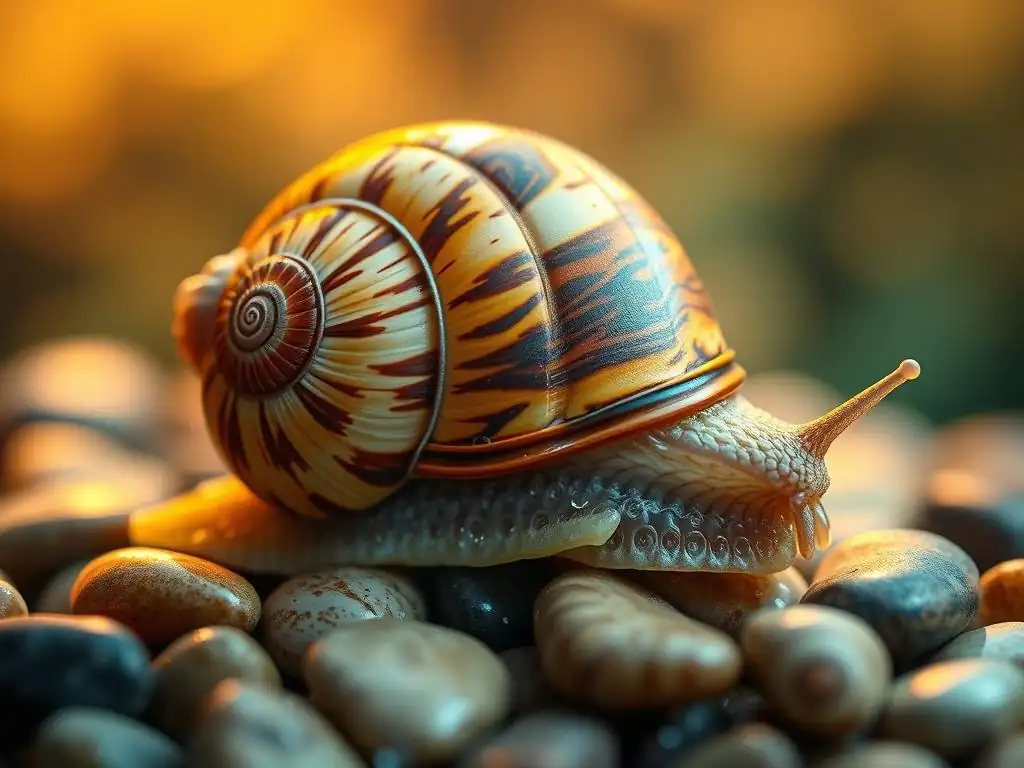
Choosing the right invertebrates for a community aquarium is the foundational step towards achieving peaceful aquarium invertebrates coexistence. This process begins with thorough and diligent research into the species-specific needs and behaviors of every potential inhabitant. Blindly adding animals based on appearance alone often leads to compatibility issues, stress, and eventual losses.
For instance, before purchasing a freshwater crab, researching its adult size, dietary preferences, and known aggression levels is crucial. Many freshwater crabs, such as Thai Micro Crabs, are peaceful, while others, like the Red Claw Crab, are semi-aquatic and can be highly territorial and predatory towards small fish and shrimp.
Understanding that Amano shrimp require stable, mature tanks with established biofilm, or that Mystery snails need calcium-rich water for healthy shells, prevents common pitfalls. This detailed pre-purchase research allows you to select species whose environmental requirements, temperament, and feeding habits align, thereby laying a solid groundwork for peaceful aquarium invertebrates coexistence from day one.
Creating a Balanced Ecosystem for Invertebrates
Creating a balanced ecosystem is an overarching principle for achieving peaceful aquarium invertebrates coexistence in a community aquarium. This involves more than just selecting compatible species; it means designing an environment where all inhabitants can naturally coexist, contribute to the tank's health, and have their needs met without excessive competition. A balanced ecosystem minimizes stress and maximizes the chances of long-term invertebrate harmony.
Consider the roles each invertebrate plays. Nerite snails are excellent algae eaters, contributing to cleanliness. Malaysian Trumpet Snails aerate the substrate, preventing harmful gas pockets. Dwarf shrimp like Cherry shrimp graze on biofilm and detritus, acting as a clean-up crew.
By integrating these different roles, you create a self-sustaining miniature ecosystem. Ensuring adequate plant growth provides both food sources (biofilm, decaying leaves) and crucial hiding spots. A proper balance of bioload (the amount of waste produced by inhabitants) and filtration capacity is also vital to maintain pristine water quality, which is fundamental for invertebrate health and, consequently, for fostering peaceful aquarium invertebrates coexistence.
Maintaining a Peaceful Invertebrate Aquarium: Best Practices
Regular Water Changes and Tank Maintenance
Regular water changes and consistent tank maintenance are arguably the most critical best practices for sustaining peaceful aquarium invertebrates coexistence. Invertebrates, particularly shrimp and snails, are highly sensitive to fluctuations in water parameters and the accumulation of toxins. Poor water quality is a primary stressor that can lead to weakened immune systems, molting issues in shrimp, and general lethargy, making them more susceptible to disease and aggression from tankmates.
Performing weekly or bi-weekly water changes of 20-30% (depending on tank size and stocking levels) dilutes nitrates, replenishes essential minerals, and removes accumulated organic waste. For instance, in a 20-gallon tank with a healthy population of shrimp and snails, a 25% weekly water change helps maintain stable parameters. Concurrently, routine tasks like cleaning filter media, vacuuming the substrate to remove detritus, and wiping down tank glass prevent the buildup of unsightly algae and harmful substances. These consistent maintenance practices reduce environmental stress, ensure optimal health for all inhabitants, and are foundational to long-term peaceful aquarium invertebrates coexistence.
Monitoring Water Parameters for Invertebrate Health
Beyond regular water changes, vigilant monitoring of water parameters is absolutely essential for maintaining the delicate balance required for peaceful aquarium invertebrates coexistence. Invertebrates are often more sensitive to changes in water chemistry than fish. Fluctuations or unsuitable parameters can lead to immediate stress, illness, or even death. Key parameters to consistently monitor include ammonia, nitrite, nitrate, pH, general hardness (GH), and carbonate hardness (KH), as well as temperature.
For most freshwater invertebrates suitable for peaceful aquarium invertebrates coexistence, ideal parameters typically fall within a narrow range: ammonia and nitrite should always be 0 ppm, nitrates below 20 ppm, pH between 6.5 and 7.5, GH between 4-8 dGH, and KH between 3-6 dKH. For example, low GH can lead to molting problems in shrimp and soft shells in snails due to insufficient calcium and magnesium.
High nitrates, while less immediately toxic than ammonia, cause chronic stress. Regular testing, ideally weekly with a liquid test kit, allows aquarists to detect issues early and make necessary adjustments, such as adding mineral supplements or performing extra water changes, thereby actively preserving invertebrate health and peaceful coexistence.
Observing and Addressing Any Signs of Stress or Illness
Continuous observation and prompt addressing of any signs of stress or illness are paramount for maintaining peaceful aquarium invertebrates coexistence. Even in a well-managed tank, individual animals can become stressed or fall ill, and early detection is key to successful intervention. Ignoring subtle cues can lead to rapid deterioration of an individual's health and potentially spread issues to other tank inhabitants.
Specific signs to look for include lethargy, unusual swimming or crawling patterns (e.g., shrimp twitching erratically or snails remaining motionless for extended periods), loss of color or transparency, visible lesions, or abnormal molting in shrimp. For instance, a shrimp failing to fully shed its exoskeleton during a molt, often referred to as a "molt death," is a severe sign of stress or mineral deficiency. If a snail's operculum (trapdoor) appears damaged or it constantly closes it, it could indicate harassment or poor water quality.
Promptly identifying these signs allows the aquarist to investigate the cause – whether it's poor water quality, aggression from a tankmate, or a specific pathogen – and implement appropriate solutions, such as targeted treatment, parameter adjustment, or temporary isolation. This proactive approach ensures the well-being of all invertebrates and upholds the principles of peaceful aquarium invertebrates coexistence.
Conclusion: Achieving Harmony in Your Invertebrate Aquarium
Achieving peaceful aquarium invertebrates coexistence is a rewarding endeavor that transforms a simple tank into a thriving, harmonious ecosystem. It requires more than just assembling a collection of creatures; it demands a deep understanding of their individual needs, behaviors, and potential interactions.
By meticulously researching species compatibility, providing ample space and essential hiding places, implementing thoughtful feeding strategies, and vigilantly monitoring water parameters and animal behavior, aquarists can cultivate an environment where snails, crayfish, and shrimp not only survive but truly flourish alongside their fish tankmates. This dedicated approach ensures the health and longevity of your invertebrates, creating a captivating and tranquil aquatic display that exemplifies the beauty of invertebrate harmony.
Frequently Asked Questions
How can I ensure peaceful coexistence between snails, crayfish, and crabs in my aquarium?
Careful species selection is crucial. Avoid aggressive crayfish species and choose snails and crabs that are too large to be easy prey. Provide ample hiding places and a well-structured environment.
What are the most common causes of conflict between invertebrates in an aquarium?
Overcrowding and inadequate resources (food, space, hiding spots) are the primary drivers of conflict. Territorial aggression, especially in crayfish, can also lead to problems.
Are there any specific snail species that are known to be compatible with crayfish and crabs?
Larger snail species like Mystery Snails or Nerite Snails are generally more resilient to potential harassment from crayfish and crabs due to their size and hard shells.
What role does aquarium size play in promoting peaceful coexistence?
A larger aquarium offers more space, reducing the likelihood of territorial disputes and providing more escape routes. This is especially important when keeping crayfish, which can be territorial.
How important is water quality in maintaining a peaceful invertebrate aquarium?
Maintaining optimal water parameters is essential for the health and well-being of all invertebrates. Poor water quality can stress animals, making them more prone to aggression and susceptible to disease.
Final Reflection: Harmony Beneath the Surface
The insights shared throughout this guide highlight the delicate balance required for peaceful aquarium invertebrate coexistence, a concept that resonates far beyond the glass walls of a tank. Understanding the specific needs and potential conflicts between snails, crayfish, and crabs is not just about creating a thriving aquatic ecosystem; it's a microcosm of the broader challenges we face in fostering harmonious relationships within any community. The principles of careful planning, thoughtful observation, and proactive intervention are universally applicable, reminding us that even seemingly small creatures can teach us valuable lessons about empathy and understanding.
This journey into the world of aquarium invertebrates has underscored the profound impact of our choices on the lives of others, even those seemingly distant from our own. Witnessing the intricate dance of predator and prey, the subtle cues of territoriality, and the surprising instances of cooperation has been a humbling experience, reinforcing the interconnectedness of all living things. Until one has loved an animal, a part of one's soul remains unawakened,
as Anatole France wisely stated. This sentiment extends to the often-overlooked invertebrates, whose well-being is directly tied to our understanding and responsible stewardship.
Now, as you consider the lessons learned from these fascinating creatures, I invite you to reflect on the principles of peaceful coexistence in your own life. How can you apply the same careful observation, proactive planning, and empathetic understanding to foster more harmonious relationships in your community, your workplace, or even within yourself? Embrace the challenge of creating a more balanced and thriving environment, remembering that even the smallest actions can ripple outwards, creating a world where all can flourish.
Dive Deeper: Transform Your Tank Today!
Thank you for exploring the fascinating world of aquatic invertebrates with us! Now that you're equipped with the knowledge to create a thriving ecosystem, let's put that learning into action.
- Choose one invertebrate species discussed and thoroughly research its specific needs before introducing it to your aquarium.
- Share this guide with a fellow aquarium enthusiast and discuss strategies for creating a balanced invertebrate community.
- Document your experiences! Start an aquarium journal to track your invertebrates' behavior and growth, noting any challenges or successes.
What unexpected compatibility challenges have you encountered in your aquarium? Share your experiences in the comments below!