
The Vicious Cycle: How Nutrient Imbalances Trigger Algae & How to Break Free for a Pristine Aquarium


Welcome to Aquarium Mastery, where we unravel the secrets to thriving aquatic ecosystems!
Ever wondered why your beautiful aquarium is battling a persistent algae bloom? Dive in as we explore the intricate world of nutrient imbalance algae control. Discover how to break the vicious cycle and finally achieve that pristine, crystal-clear tank you've always dreamed of. Let's unlock the secrets to a healthier, happier aquarium, together!
- Understanding the Nutrient Imbalance - Algae Connection in Aquariums
-
Frequently Asked Questions
- How do nutrient imbalances contribute to algae growth in aquariums?
- What are the key nutrients that should be monitored to prevent algae outbreaks?
- What are some practical methods for controlling phosphates in an aquarium?
- Can plant selection help with nutrient imbalance algae control in an aquarium?
- What role does water chemistry play in preventing nutrient imbalance algae control?
- Final Reflection: Reclaiming Aquatic Harmony
- Unveil Your Crystal-Clear Aquarium: Say Goodbye to Algae!
Understanding the Nutrient Imbalance - Algae Connection in Aquariums
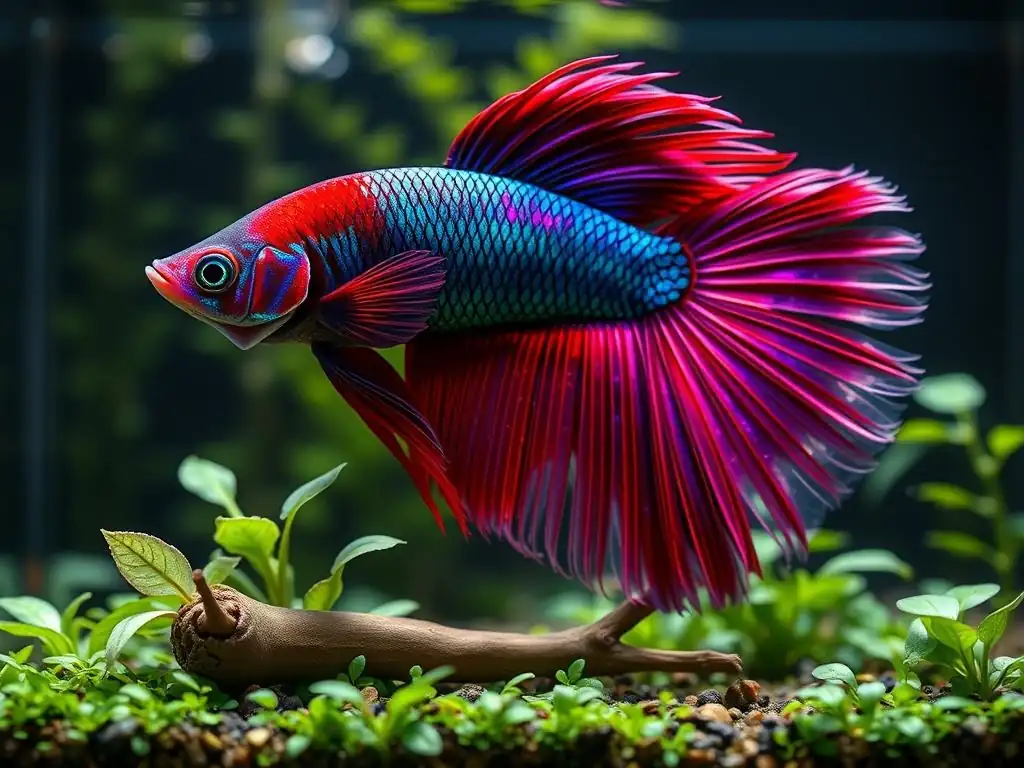
The Role of Nutrients in a Healthy Aquarium Ecosystem
A thriving aquarium ecosystem, particularly one with live plants, relies on a delicate balance of essential nutrients. Just like terrestrial plants, aquatic plants require macronutrients such as nitrogen, phosphorus, and potassium, along with a suite of micronutrients like iron, magnesium, calcium, and various trace elements. These nutrients are the fundamental building blocks for photosynthesis, cell growth, and overall plant vitality.
For instance, nitrogen is crucial for protein synthesis and chlorophyll production, while phosphorus is vital for energy transfer and root development. A well-nourished plant population actively absorbs these compounds from the water column, effectively competing with and starving out opportunistic algae.
When aquatic plants are healthy and robust, they serve as the primary consumers of available nutrients, creating a stable and balanced environment. In a typical planted aquarium, ideal nitrate levels might range from 5 to 20 parts per million (ppm), and phosphate levels often kept below 0.5 ppm, ensuring plants have what they need without excessive surplus.
This active nutrient uptake by plants is a cornerstone of effective nutrient imbalance algae control, as it prevents the accumulation of compounds that would otherwise fuel unwanted algal blooms. The goal is to foster a lush plant mass that naturally outcompetes algae for resources.
Why Nutrient Excess or Deficiency Leads to Algae Blooms
The common misconception is that algae only appear when there's an excess of nutrients. While true in many cases, a deficiency of certain nutrients can be equally detrimental, leading to a nutrient imbalance that triggers algae growth. When aquatic plants lack a critical nutrient—be it carbon dioxide (CO2), iron, or potassium—their growth slows down or halts entirely. This impaired growth means they cannot efficiently utilize other abundant nutrients present in the water, such as nitrates or phosphates. These unused nutrients then become readily available for algae, which are less demanding and can thrive in conditions where higher plants struggle.
For example, if a planted tank has ample nitrates (e.g., 20 ppm) and phosphates (e.g., 0.5 ppm) but insufficient CO2 (below 15 ppm for many plants), the plants cannot photosynthesize effectively and thus cannot absorb the available nitrogen and phosphorus. This excess nitrogen and phosphorus then become a feast for algae, leading to rapid proliferation.
Conversely, a direct excess of nutrients, like phosphates consistently above 1.0 ppm from overfeeding or decaying organic matter, can directly fuel explosive algae growth, such as green spot algae or hair algae, regardless of plant health. This highlights the complex nature of nutrient imbalance algae control, requiring a holistic approach.
Key Nutrients That Impact Algae Growth: Nitrogen, Phosphorus, and Potassium
Nitrogen (N), primarily in the form of nitrates ( NO3-), is a vital macronutrient for all plant life. While essential for healthy plant growth (often targeted at 5-20 ppm for planted tanks), excessively high nitrate levels, particularly above 30-40 ppm without sufficient plant mass or other limiting factors, can directly contribute to outbreaks of green water algae (phytoplankton blooms) or various forms of hair algae. However, it's also important to note that very low nitrate levels can stunt plant growth, making plants less competitive and indirectly allowing algae to take hold if other nutrients are abundant.
Phosphorus (P), typically measured as phosphates ( PO4^3-), is another critical macronutrient involved in energy transfer and cellular processes. Even in small quantities (e.g., 0.1-0.2 ppm), phosphates are sufficient for healthy plant growth. However, phosphates are notorious for being a primary trigger for many common algae types. Levels consistently above 0.5 ppm are frequently linked to severe outbreaks of black brush algae (BBA) and green spot algae (GSA). Common sources include fish food, decaying plant matter, and tap water, making diligent management of phosphate levels a cornerstone of effective nutrient imbalance algae control.
Potassium (K) is a crucial macronutrient that supports enzyme activation, nutrient transport, and overall plant vigor. While potassium excess is rarely a direct cause of algae blooms, a deficiency can severely weaken aquatic plants. Symptoms like yellowing leaves, pinholes, or stunted growth in plants indicate a lack of potassium.
When plants are weakened by a potassium deficiency, they are less able to compete for other available nutrients like nitrates and phosphates. This reduced competitive ability leaves an opening for algae to exploit the unutilized nutrients, underscoring how even a deficiency in one nutrient can lead to a broader nutrient imbalance that promotes algae growth.
Frequently Asked Questions
How do nutrient imbalances contribute to algae growth in aquariums?
Nutrient imbalances, especially an excess of nitrates and phosphates, provide the fuel that algae needs to thrive. This is because algae, like plants, use these nutrients for growth, and an abundance of them leads to an algae bloom.
What are the key nutrients that should be monitored to prevent algae outbreaks?
The most crucial nutrients to monitor are nitrates (NO3) and phosphates (PO4). Maintaining a proper balance of these elements is essential, as excessive levels are a primary cause of uncontrolled algae growth.
What are some practical methods for controlling phosphates in an aquarium?
Several methods can help control phosphates, including using phosphate-absorbing media in your filter, performing regular water changes, and reducing the amount of food added to the tank, as uneaten food contributes to phosphate buildup.
Can plant selection help with nutrient imbalance algae control in an aquarium?
Yes, certain aquatic plants can effectively absorb excess nutrients like nitrates and phosphates. Choosing plants that are fast-growing and nutrient-hungry can naturally help to balance the aquarium ecosystem and reduce algae growth.
What role does water chemistry play in preventing nutrient imbalance algae control?
Maintaining proper water parameters (pH, alkalinity, temperature) is crucial for the health of your aquarium and the effectiveness of algae control methods. Stable water chemistry ensures that filtration and nutrient uptake by plants function optimally.
Final Reflection: Reclaiming Aquatic Harmony
The intricate dance between nutrients and algae in our aquariums, as we've explored, is a microcosm of the larger ecological balances we strive for in the world. Understanding the delicate interplay of these elements is not just about achieving a visually appealing tank; it's about fostering a healthy, thriving ecosystem that reflects our commitment to responsible stewardship.
The struggle with algae blooms, driven by nutrient imbalances, underscores the importance of mindful intervention and proactive management. My own journey in aquarium keeping has taught me that patience and observation are just as crucial as scientific understanding. The best way to predict the future is to create it.
This quote, often attributed to Peter Drucker, resonates deeply with the proactive approach needed to maintain a balanced aquarium and prevent the vicious cycle of nutrient imbalance and algae overgrowth.
Now, armed with the knowledge and strategies discussed, I invite you to reflect on your own aquariums and the ecosystems you influence. Consider how you can apply these principles of balance and mindful management to other aspects of your life, striving for harmony and sustainability in all that you do. Let's work together to create not just pristine aquariums, but a world where balance and beauty thrive.
Unveil Your Crystal-Clear Aquarium: Say Goodbye to Algae!
Thank you for diving into the world of balanced aquarium ecosystems! We hope you've gained valuable insights on how nutrient imbalances fuel algae growth. Now, it's time to take control and create the pristine aquarium you've always dreamed of. Here’s how you can start:
- Implement a new testing schedule to accurately track your aquarium's NO3 and PO4 levels weekly. Consistent monitoring is the key to preventing future imbalances.
- Explore the fascinating world of aquatic plants! Introduce a new, fast-growing species to your tank. Observe their growth, and see how they compete with algae for resources.
- Share your experiences! Post a photo of your aquarium (before and after your algae-busting efforts) on social media using #AquariumMastery – inspire others and learn from their journeys.
What's the first, small step you'll take this week to balance your aquarium's nutrients and banish that unsightly algae?