
Aquarium Plant ICU: Diagnosing Sick Plants – From Nutrient Lack to Algae Overgrowth

Welcome to Aquarium Mastery!
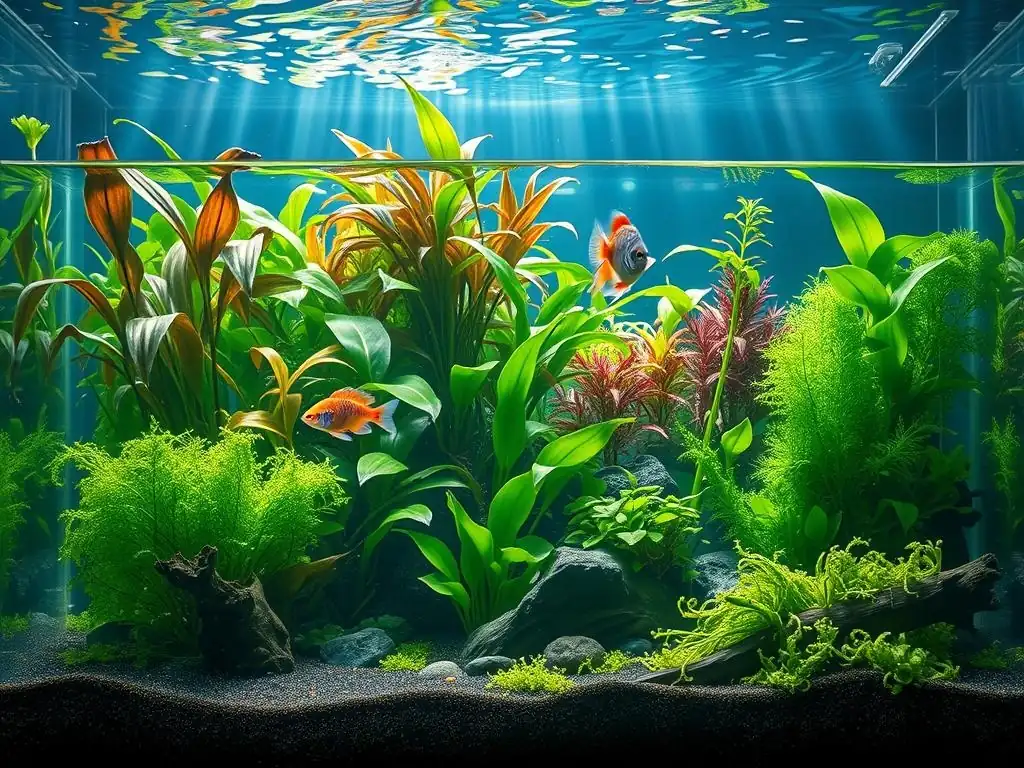
Is your once vibrant aquarium plant looking a little… under the weather? Don't worry, you're not alone! Dive into our comprehensive guide on Sick Aquarium Plant Diagnosis and learn how to identify and treat common plant ailments, from nutrient deficiencies to unwelcome algae blooms. Discover the secrets to reviving your aquatic flora and creating a thriving underwater ecosystem. Ready to bring your plants back to life? Let's get started!
- Identifying Sick Aquarium Plants: A Comprehensive Guide
- Common Causes of Plant Illness
- Diagnosing Nutrient Deficiencies
- Diagnosing Algae Problems
- Treating Nutrient Deficiencies
- Controlling Algae Overgrowth
- Preventing Plant Illness: Long-Term Health Strategies
- Advanced Plant Care and Troubleshooting
- Frequently Asked Questions
- Final Reflection: Cultivating Underwater Harmony
- Revitalize Your Aquarium: Breathe Life Back Into Your Aquatic Plants!
Identifying Sick Aquarium Plants: A Comprehensive Guide
Recognizing Early Signs of Plant Distress
Recognizing the early signs of plant distress is crucial for effective intervention and successful recovery. Subtle changes often precede severe issues. Common visual cues include discoloration such as yellowing (chlorosis), browning, or a pale appearance.
For instance, new leaves turning yellow, while older leaves remain green, can indicate an iron deficiency, whereas older leaves yellowing first might point to a nitrogen or potassium deficiency. Stunted growth, where plants fail to reach their expected size or grow at a significantly slower rate, is another key indicator. Holes appearing in leaves, often starting small and expanding, or translucent patches, are also clear signs that something is amiss, frequently pointing to nutrient deficiencies or even pest damage.
Beyond color and growth, changes in leaf texture and shedding are important indicators. Leaves might become brittle and easily break, or conversely, turn mushy and disintegrate, which is typical of potassium deficiency or even root rot. Excessive shedding of leaves, especially from the lower parts of the stem, suggests stress, often due to insufficient light or nutrient availability.
Observing unusual growth patterns, such as twisted or deformed new leaves, or a general lack of vigor, provides further clues. For example, Cryptocoryne species are known to "melt" (rapidly shed leaves) when environmental conditions change abruptly, but this can also be a symptom of severe nutrient stress, making a prompt sick aquarium plant diagnosis essential.
Why Early Diagnosis Matters
Early diagnosis of ailing aquarium plants is paramount for the health and stability of the entire aquatic ecosystem. Addressing plant issues promptly prevents them from escalating into widespread problems that can impact other plants, increase the likelihood of algae outbreaks, and even affect fish health due to poor water quality.
For instance, a plant struggling with a nutrient deficiency might release more organic waste as it decays, contributing to higher nitrate levels and potentially stressing fish. Catching these problems when they are minor means less drastic intervention is required, often involving simple adjustments to fertilization or lighting rather than a complete overhaul.
Furthermore, proactive sick aquarium plant diagnosis saves both time and financial resources in the long run. Replacing an entire collection of plants due to neglect can be costly, with some specialized plants retailing for over $15-20 per stem or cluster. Dealing with severe algae infestations, which often stem from unhealthy plants, also demands significant time for manual removal and the purchase of algaecides. By identifying and correcting imbalances early, aquarists can maintain a thriving, visually appealing planted tank with minimal effort, ensuring the long-term success and enjoyment of their aquatic hobby.
Common Causes of Plant Illness
Nutrient Deficiencies
Aquatic plants, much like terrestrial ones, require a balanced array of macro and micronutrients to thrive. A deficiency in any one of these essential elements can lead to visible symptoms of illness. Macronutrients—Nitrogen (N), Phosphorus (P), and Potassium (K)—are needed in larger quantities, while micronutrients like Iron (Fe), Magnesium (Mg), and various trace elements are required in smaller, yet equally critical, amounts. Understanding the role of each nutrient helps in the precise sick aquarium plant diagnosis.
Identifying Nitrogen Deficiency
Nitrogen is a vital component of chlorophyll, amino acids, and proteins, making it essential for overall plant growth and green coloration. A nitrogen deficiency typically manifests as a general yellowing or paling of the entire plant, particularly noticeable on older leaves. These older leaves, located at the bottom of the plant, often turn uniformly yellow before eventually decaying, as the plant reallocates its limited nitrogen supply to new growth. Stunted growth and smaller leaf size are also common symptoms.
This deficiency often occurs in tanks with very low fish loads, insufficient fish food, or aggressive nitrate removal methods (e.g., excessive water changes, very strong denitrification filters). While many planted tank enthusiasts aim for low nitrates to control algae, a healthy planted tank typically benefits from nitrate levels in the range of 5-20 parts per million (ppm). If nitrate levels consistently test below 5 ppm, a nitrogen deficiency is a strong possibility, indicating the need for a nitrogen-specific fertilizer.
Spotting Potassium Deficiency
Potassium plays a crucial role in enzyme activation, photosynthesis, and water regulation within plant cells. A potassium deficiency often presents with symptoms on older leaves, similar to nitrogen, but with distinct characteristics. Common signs include yellowing along the leaf margins or edges, followed by necrosis (tissue death) that appears as small holes, black spots, or browning on the leaf edges. The affected leaves may also develop a crinkled or curled appearance.
Potassium deficiency is surprisingly common in planted aquariums, especially in soft water environments where tap water naturally lacks sufficient potassium, or in heavily planted tanks where plants rapidly consume the available supply. Unlike nitrates and phosphates, potassium is not typically produced by fish waste in significant amounts. Therefore, even in tanks with a decent fish load, potassium levels might be insufficient. Maintaining potassium levels around 10-20 ppm is generally recommended for optimal plant health.
Iron Deficiency: Chlorosis Explained
Iron is a crucial micronutrient involved in chlorophyll synthesis and various enzymatic processes. Its deficiency is most commonly recognized by a condition known as interveinal chlorosis, where the areas between the leaf veins turn yellow or white, while the veins themselves remain green. This symptom typically appears first and most prominently on new growth and the youngest leaves, as iron is immobile within the plant and cannot be easily redistributed from older tissues. In severe cases, new leaves may emerge completely white or translucent.
Iron deficiency often occurs in tanks with high pH (above 7.5), as iron becomes less bioavailable in alkaline conditions, or in tanks with excessive phosphate levels, which can bind with iron and make it unusable by plants. Insufficient iron dosing in a heavily planted tank is also a direct cause. For optimal iron uptake, many aquarists aim for chelated iron levels around 0.05-0.1 ppm. Regular dosing of a high-quality chelated iron supplement is often necessary to prevent this common issue and ensure a successful sick aquarium plant diagnosis.
Recognizing Phosphate Deficiency
Phosphate is essential for energy transfer (ATP), DNA synthesis, and cell division, making it critical for overall plant growth and root development. While high phosphate levels are often associated with algae outbreaks, a deficiency can also lead to plant health issues. Symptoms of phosphate deficiency include stunted growth, unusually dark green leaves, and sometimes a purplish tint, especially on the undersides of leaves. This purplish coloration is due to the accumulation of anthocyanin pigments, which plants produce under stress.
Phosphate deficiency is less common than nitrogen or potassium deficiency in tanks with a moderate to high fish load, as fish food and waste are primary sources of phosphates. However, it can occur in very lightly stocked tanks or those using aggressive phosphate-removing filter media.
While maintaining very low phosphate levels (e.g., <0.05 ppm) is often recommended to prevent algae, plants generally thrive with some level of phosphate, typically in the range of 0.1-0.5 ppm. Finding the right balance is key for a healthy planted aquarium, and a sick aquarium plant diagnosis might reveal that "too clean" water is the culprit.
Algae Overgrowth: A Symptom and a Cause
Algae overgrowth is a common frustration for aquarists, but it's important to understand that algae is almost always a symptom of an underlying imbalance in the aquarium, rather than the root problem itself. It acts as a bio-indicator, signaling issues with nutrient levels, lighting, or CO2 availability. However, once established, algae can also become a cause of further plant distress, creating a vicious cycle that requires careful sick aquarium plant diagnosis and intervention.
Understanding Different Types of Algae
Identifying the specific type of algae can provide valuable clues about the underlying imbalance. For example, Green Spot Algae (GSA) often appears as tiny, hard green dots on glass and slow-growing plant leaves, frequently indicating low phosphate levels or insufficient CO2. Green Hair Algae (GHA) grows in long, stringy strands and typically points to an excess of nutrients (nitrates/phosphates) combined with too much light.
Black Brush Algae (BBA), a fuzzy, dark grey to black growth, is commonly linked to fluctuating CO2 levels or inconsistent nutrient dosing. Diatoms, or brown algae, are usually a sign of new tank syndrome or high silicates, presenting as a dusty brown film on surfaces.
Each type of algae thrives under specific conditions, and their presence helps narrow down the potential causes of plant stress. For instance, the sudden appearance of BBA on filter outlets or decor can quickly guide an aquarist to check their CO2 system for leaks or inconsistencies. Conversely, a tank covered in GHA might prompt a review of lighting intensity and duration, alongside a check of nutrient levels. This precise identification is a critical step in effective sick aquarium plant diagnosis and subsequent treatment.
How Algae Impacts Plant Health
Once algae establishes itself, it directly competes with aquatic plants for essential resources like light, CO2, and nutrients. Fast-growing algae can quickly outcompete slower-growing plants for available nutrients in the water column, effectively starving the plants. Furthermore, dense mats of algae can physically smother plant leaves, blocking light from reaching the plant's photosynthetic cells. This reduces the plant's ability to produce energy, leading to stunted growth, discoloration, and eventual decay.
The physical presence of algae also adds stress to plants. Algae on leaves can prevent proper gas exchange, hindering the plant's ability to absorb CO2 and release oxygen. As plants weaken from nutrient competition and light deprivation, they become more susceptible to further issues, including increased susceptibility to pests or even complete melt. This creates a challenging environment where plants struggle to recover, making the eradication of algae and the correction of underlying imbalances a priority for any sick aquarium plant diagnosis and recovery plan.
Diagnosing Nutrient Deficiencies
Visual Inspection Techniques
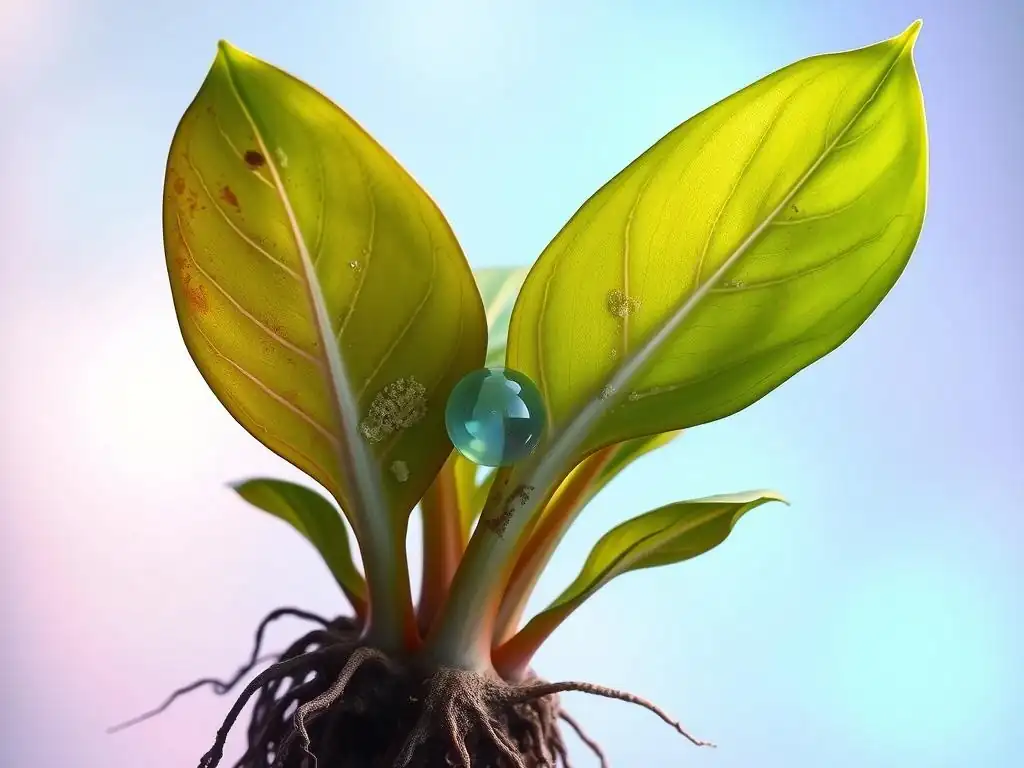
Visual inspection is the first and often most informative step in diagnosing nutrient deficiencies in aquarium plants. A systematic approach is crucial. Begin by observing the entire plant, then focus on specific areas: new growth (leaf tips, young shoots) versus old growth (lower, mature leaves). Use a magnifying glass for closer examination of leaf surfaces, edges, and veins. Look for patterns: is the yellowing uniform, or is it interveinal? Are holes present, and if so, where are they located? For example, nitrogen deficiency typically causes overall yellowing of older leaves, while iron deficiency causes interveinal chlorosis on new leaves.
Comparing symptoms to known nutrient deficiency charts is highly effective. These charts often provide visual examples of various deficiencies, allowing aquarists to cross-reference their observations. For instance, a chart might show that small holes and yellowing edges on older leaves are classic signs of potassium deficiency, while stunted growth with dark green or purplish leaves points to a phosphate deficiency. It's also important to observe if the symptoms are affecting multiple plant species or just one, as this can indicate a general tank imbalance or a specific plant's unique needs, aiding in a more accurate sick aquarium plant diagnosis.
Water Testing for Accurate Nutrient Levels
While visual inspection provides strong clues, water testing is indispensable for confirming nutrient deficiencies and pinpointing the exact imbalance. A comprehensive water testing regimen should include parameters directly related to plant health: Nitrate (NO3), Phosphate (PO4), Potassium (K), and Iron (Fe). Additionally, general hardness (GH), carbonate hardness (KH), and pH are crucial, as they influence nutrient availability and CO2 levels. For example, high pH can render iron less available to plants, even if it's present in the water.
Consistent water testing, ideally weekly or bi-weekly, provides a baseline and allows aquarists to track trends. While liquid test kits are readily available and generally reliable for macro-nutrients like nitrates and phosphates, dedicated potassium and iron test kits may be less common or precise. It's important to understand the limitations of home test kits and to perform tests accurately according to manufacturer instructions. For instance, aiming for nitrate levels between 5-20 ppm, phosphate levels between 0.1-0.5 ppm, and potassium levels around 10-20 ppm can guide your sick aquarium plant diagnosis and intervention strategies.
Using a Nutrient Deficiency Chart
A nutrient deficiency chart is an invaluable diagnostic tool for any aquarist dealing with ailing plants. These charts typically list essential macro and micronutrients and provide a description of the specific symptoms associated with a deficiency of each, often accompanied by illustrative images. By systematically comparing the visual symptoms observed on your plants with the descriptions in the chart, you can narrow down the potential causes of distress. For example, if your Ludwigia repens shows yellowing of older leaves and stunted growth, cross-referencing this with a chart might quickly point to a nitrogen deficiency.
The utility of such a chart lies in its ability to differentiate between similar-looking symptoms caused by different deficiencies. For instance, both nitrogen and potassium deficiencies can cause yellowing of older leaves, but potassium often presents with specific holes or edge necrosis. A good chart will highlight these subtle differences. Many reputable online forums, aquatic plant care websites, and even some aquarium product manufacturers provide detailed nutrient deficiency charts. Regularly consulting these resources can significantly improve the accuracy of your sick aquarium plant diagnosis, leading to more targeted and effective treatment plans.
Diagnosing Algae Problems
Identifying the Type of Algae Infestation
Accurately identifying the type of algae infesting your aquarium is a critical first step in addressing the problem, as different algae types signal different underlying imbalances. For instance, if you observe a slimy, bright green film that easily rubs off glass and leaves, it's likely Green Slime Algae (Cyanobacteria), often indicative of low nitrates and poor circulation, or even excessive organics. Conversely, if you see small, hard, dark green spots on glass and slow-growing plant leaves like Anubias, this is typically Green Spot Algae (GSA), which often suggests low phosphate or insufficient CO2.
Other common types include Green Hair Algae (GHA), which appears as long, stringy, often vibrant green strands, usually signaling excess nutrients (nitrates and phosphates) and/or too much light. Black Brush Algae (BBA), characterized by its dark, fuzzy, tuft-like appearance, commonly forms on decor, equipment, and plant edges, and is frequently linked to fluctuating CO2 levels or inconsistent nutrient dosing. Brown Diatom Algae, a dusty brown film, is prevalent in new tanks or those with high silicates. Each visual cue provides a vital piece of the puzzle for a comprehensive sick aquarium plant diagnosis.
Assessing the Severity of the Problem
Assessing the severity of an algae problem is crucial for determining the urgency and intensity of your intervention. A minor presence of algae, such as a few scattered GSA spots on the glass or a small patch of GHA on a piece of driftwood, might indicate a slight imbalance that can be corrected with minor adjustments, like a small increase in CO2 or a slight reduction in photoperiod. This level of algae is often considered normal in a balanced ecosystem.
However, if algae is rapidly spreading, covering large portions of leaves, substrate, or decor, and visibly hindering plant growth, the problem is severe. For example, if Green Hair Algae forms dense mats that physically smother delicate stem plants like Rotala, or if Black Brush Algae coats every surface, immediate and significant action is warranted. Severe infestations indicate a significant underlying imbalance that is actively stressing your plants. A thorough assessment of severity helps prioritize steps in your sick aquarium plant diagnosis, from manual removal to parameter adjustments, guiding the treatment plan.
Testing Water Parameters to Understand Algae Blooms
Water testing is a non-negotiable step in understanding and diagnosing algae blooms, as algae are direct indicators of imbalances in nutrient levels, light, and CO2. Key parameters to test include nitrates (NO3), phosphates (PO4), pH, and carbonate hardness (KH), which indirectly indicates CO2 levels via a drop checker. For instance, consistently high nitrate and phosphate levels, especially when combined with intense lighting, are a common recipe for outbreaks of Green Hair Algae or green water. Many aquarists aim for a nitrate-to-phosphate ratio of approximately 10:1 to minimize algae while supporting plants.
Fluctuating CO2 levels, often indicated by an inconsistent pH in high-tech setups or a pale yellow drop checker, are a primary trigger for Black Brush Algae. If your CO2 levels are unstable, plants struggle to photosynthesize effectively, giving algae an advantage. Conversely, very low nitrates and phosphates can sometimes lead to Cyanobacteria (Green Slime Algae). By meticulously testing and recording these parameters, aquarists can identify the specific imbalances fueling the algae, moving beyond merely treating the symptom to addressing the root cause, which is essential for a complete sick aquarium plant diagnosis.
Treating Nutrient Deficiencies
Selecting the Right Fertilizers
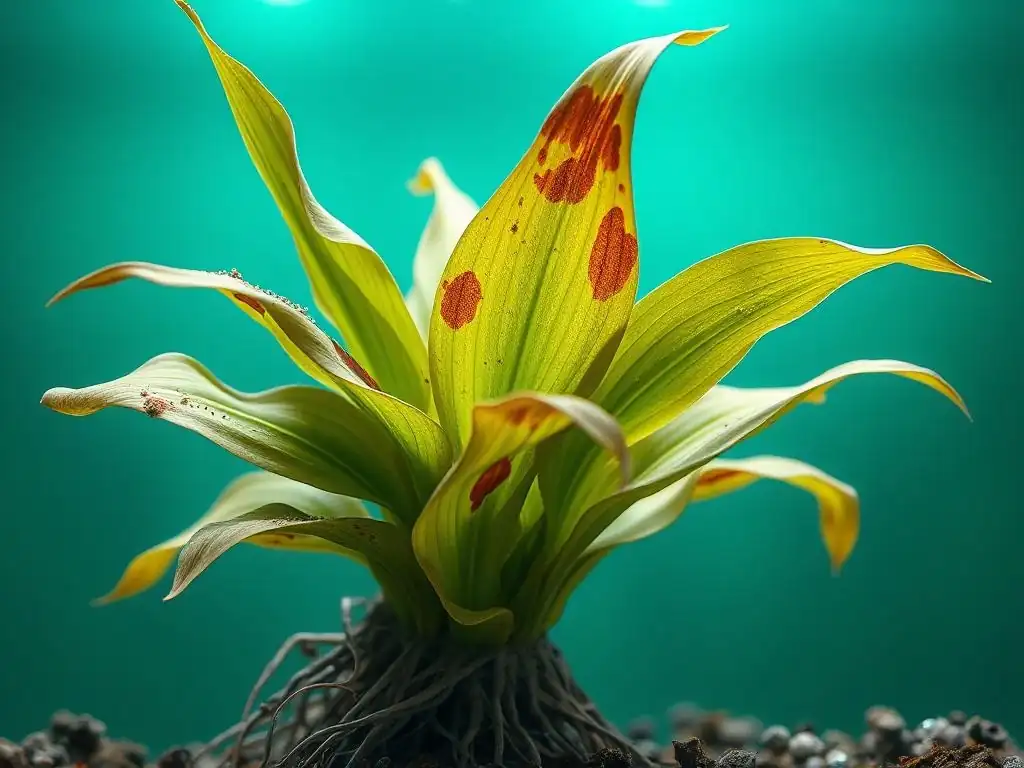
When treating nutrient deficiencies, selecting the correct type of fertilizer is paramount. Fertilizers are broadly categorized into macronutrient (Nitrogen, Phosphorus, Potassium) and micronutrient (Iron, Magnesium, trace elements) supplements. For general plant health and to address minor deficiencies, an "all-in-one" liquid fertilizer, such as Seachem Flourish or Aquarium Co-Op Easy Green, can be effective, providing a balanced blend of all necessary elements. However, for specific, confirmed deficiencies, single-element fertilizers are more precise. For example, if a sick aquarium plant diagnosis reveals a clear nitrogen deficiency, a product like Seachem Flourish Nitrogen would be appropriate.
Additionally, consider the form of the fertilizer. Liquid fertilizers are absorbed through the water column and are ideal for stem plants, mosses, and epiphytes like Anubias. Root tabs, which are slow-release capsules inserted into the substrate, are excellent for heavy root feeders such as Amazon Swords ( Echinodorus amazonicus) and Cryptocoryne species, providing nutrients directly where they are most utilized. Dry salts (e.g., Potassium Sulfate, Potassium Nitrate) offer the most economical and customizable dosing for advanced users, allowing precise control over individual nutrient levels.
Dosing Fertilizers Correctly
Correctly dosing fertilizers is crucial to avoid both under-dosing (leading to continued deficiencies) and over-dosing (leading to algae outbreaks). Always start with the manufacturer's recommended dose for your tank volume, or even a slightly reduced dose, and observe plant response. For example, a common recommendation for liquid all-in-one fertilizers might be 5 ml per 10 gallons weekly, but this can vary based on plant density and lighting. Consistency is key: if using a daily micro-nutrient dose, ensure it's applied at the same time each day. For macro-nutrients, weekly dosing after a water change is a common practice.
It's also important to consider the plant mass and lighting intensity of your aquarium. Heavily planted tanks with high light and CO2 injection will consume nutrients much faster than a sparsely planted, low-tech setup. Therefore, a tank with dense Rotala and Ludwigia species under strong LED lighting might require 2-3 times the standard dose compared to a tank primarily featuring Java Fern and Anubias. Always monitor water parameters (nitrates, phosphates, potassium) after dosing to ensure levels are within desired ranges, fine-tuning your dosing schedule as needed to perfect your sick aquarium plant diagnosis and treatment.
Monitoring Plant Response to Treatment
After initiating fertilizer treatment, diligent monitoring of plant response is essential to gauge the effectiveness of your approach and make further adjustments. Recovery is not instantaneous; visible improvements often take several weeks, typically 2-4 weeks for new, healthy growth to emerge. Focus on new growth: are the new leaves appearing with vibrant color, proper size, and healthy texture?
For instance, if you're treating an iron deficiency, look for new leaves to emerge green rather than pale or white. Old, severely damaged leaves may not fully recover and might eventually decay, but the health of new growth is the key indicator of success.
It's also beneficial to keep a log of your dosing schedule, water parameters, and observed plant changes. This detailed record will help you identify what works and what doesn't, allowing for more precise adjustments. For example, if after two weeks of dosing potassium, older leaves still show pinholes, you might consider slightly increasing the dose. Conversely, if algae begins to appear, you might be over-dosing certain nutrients. Patience and consistent observation are vital components of successful sick aquarium plant diagnosis and recovery.
Fertilizer Recommendations for Common Plant Types
Different aquatic plant types have varying nutrient uptake strategies and requirements, necessitating tailored fertilizer approaches. For instance, heavy root feeders like Amazon Swords ( Echinodorus bleheri), Cryptocorynes ( Cryptocoryne wendtii), and Water Wisteria ( Hygrophila difformis) primarily absorb nutrients through their root systems. For these species, supplementing with nutrient-rich root tabs inserted into the substrate every 2-3 months is highly recommended. These tabs provide a steady supply of iron, potassium, and other trace elements directly to the roots, preventing common deficiencies like yellowing and stunted growth.
Conversely, water column feeders such as most stem plants ( Rotala rotundifolia, Ludwigia arcuata), mosses ( Java Moss), and epiphytes ( Anubias barteri, Java Fern) absorb nutrients directly from the water. These plants benefit significantly from regular liquid fertilizer dosing that provides a full spectrum of macro and micronutrients.
For example, a tank dominated by stem plants will require consistent water column dosing of nitrogen, phosphorus, and potassium, often supplemented with iron, to maintain vigorous growth and prevent the yellowing or melting often seen in a sick aquarium plant diagnosis. Tailoring your fertilization to your specific plant collection ensures optimal health.
Controlling Algae Overgrowth
Manual Algae Removal Techniques
Manual algae removal is the immediate and most direct way to reduce algae biomass in your aquarium, providing temporary relief while you address the underlying causes. For algae on glass, a magnetic algae scraper or a razor blade (for glass tanks) is highly effective.
For algae on plant leaves, gently wipe or brush the affected leaves with your fingers, a soft toothbrush, or a cotton swab. For instance, removing Black Brush Algae (BBA) from Anubias leaves can be done by gently rubbing the affected area, or for stubborn patches, a quick dip in a diluted hydrogen peroxide solution (e.g., 1-2 ml of 3% hydrogen peroxide per gallon of tank water, dipped for 30-60 seconds, then rinsed) can be effective.
When dealing with stringy algae like Green Hair Algae (GHA), use a toothbrush or a skewer to "twirl" and pull out the strands, similar to twirling spaghetti. Large clumps of algae on the substrate can be siphoned out during water changes. While manual removal won't solve the root problem, it significantly reduces the existing algae load, preventing it from further competing with your plants for light and nutrients, and making your sick aquarium plant diagnosis clearer by allowing you to observe plant health without significant algal obstruction.
Introducing Algae-Eating Creatures
Introducing appropriate algae-eating creatures can be a highly effective and natural method to control algae overgrowth, complementing manual removal and parameter adjustments. Amano shrimp ( Caridina multidentata) are renowned for their voracious appetite for various types of algae, including stubborn Green Hair Algae. A group of 5-10 Amano shrimp can significantly clean a 20-gallon tank, consuming several centimeters of hair algae per day. Otocinclus catfish ( Otocinclus affinis) are excellent for consuming diatoms (brown algae) and soft green algae on leaves and glass, typically thriving in groups of 3-5.
Nerite snails ( Neritina natalensis) are also highly effective, particularly against diatoms and Green Spot Algae on hard surfaces like glass and decor, leaving behind clean trails. However, it's crucial to select algae eaters compatible with your tank's size and other inhabitants.
Some fish, like Siamese Algae Eaters ( Crossocheilus oblongus), can be very effective but may grow large or become aggressive. Always research compatibility and ensure the tank conditions are suitable for these creatures, as their health directly impacts their ability to contribute to algae control and aid in the overall health of your plants, reducing the need for a sick aquarium plant diagnosis due to algae.
Adjusting Lighting
Lighting is one of the most critical factors influencing algae growth, and adjusting it is often a primary step in controlling outbreaks. Excessive light intensity, an overly long photoperiod, or an incorrect spectrum can all fuel algae. For many planted tanks, a photoperiod of 6-8 hours per day is sufficient. If you are experiencing algae issues, try reducing your light duration by 1-2 hours initially. For instance, if you currently run your lights for 10 hours, reduce it to 8 hours for a week or two and observe the change.
Furthermore, ensure your light intensity is appropriate for your plant selection. High-light plants require more intense illumination (e.g., PAR levels above 50-70 µmol/m²/s), but if your tank has mostly low-light plants (like Anubias or Java Fern) and you're using a strong light, algae will thrive on the excess energy. Consider raising your light fixture, dimming it if possible, or even using a light-blocking mesh. A consistent photoperiod, maintained by a timer, is also vital, as erratic lighting can stress plants and favor algae, making a sick aquarium plant diagnosis more challenging.
Chemical Algae Treatments: When and How to Use Them
Chemical algae treatments should generally be considered a last resort for severe and persistent algae outbreaks, as they only address the symptom, not the underlying cause. Products containing glutaraldehyde (often marketed as liquid carbon supplements, e.g., Seachem Flourish Excel) can effectively kill many types of algae, particularly Black Brush Algae (BBA) and Green Hair Algae, when dosed directly onto the algae or into the water column.
For instance, a common approach for BBA is to spot-treat affected areas with a syringe, applying a small amount of glutaraldehyde directly to the algae, turning off the filter for 15-30 minutes to allow contact.
Another option is hydrogen peroxide (H2O2). A 3% solution can be used for spot treatments or dipping affected plants (e.g., 1-2 ml per gallon of tank water, dipped for 30-60 seconds, then rinsed). However, both glutaraldehyde and hydrogen peroxide can be harmful to sensitive fish (like Otocinclus), shrimp (especially Amano and Neocaridina shrimp), and some delicate plants if overdosed. Always follow product instructions meticulously, ensure good aeration, and address the root cause of the algae problem through water parameter adjustments and maintenance, as chemicals provide only a temporary solution to a sick aquarium plant diagnosis related to algae.
Algae Control Product Recommendations
For managing algae, several products are widely used, though their application should always be paired with addressing the root cause. Seachem Flourish Excel is a popular choice, primarily marketed as a liquid carbon source, but it also has algaecidal properties, particularly effective against Black Brush Algae and Green Hair Algae. For a 50-gallon tank, a typical daily dose might be 5ml, but this can be increased for targeted algae control (e.g., 10-15ml for a few days, with caution). It's generally safe for most fish and plants when dosed correctly, but sensitive shrimp may react negatively.
API Algaefix is another common chemical algaecide designed for general algae control. It is potent and can clear green water and stringy algae quickly. However, it should be used with extreme caution as it can be harmful to sensitive invertebrates and certain plant species if overdosed or used in low-oxygen environments.
Always ensure strong aeration during its use. For brown diatom algae, a product like Seachem PhosGuard can help by removing silicates and phosphates from the water column, effectively starving the diatoms. Remember, while these products can provide quick relief, the long-term solution to a sick aquarium plant diagnosis related to algae lies in maintaining a balanced ecosystem.
Preventing Plant Illness: Long-Term Health Strategies
Maintaining Optimal Water Parameters
Maintaining optimal and stable water parameters is the cornerstone of preventing plant illness and ensuring a thriving aquarium. Consistent pH levels (typically 6.5-7.5 for most planted tanks), appropriate general hardness (GH, 3-8 dGH), and carbonate hardness (KH, 3-6 dKH) are crucial. Fluctuations in these parameters can stress plants, making them susceptible to deficiencies and algae. For instance, unstable pH, often caused by inconsistent CO2 injection, is a major trigger for Black Brush Algae and can hinder nutrient uptake.
Regular testing of nitrates (5-20 ppm), phosphates (0.1-0.5 ppm), and potassium (10-20 ppm) is also essential to ensure a consistent supply of macronutrients without excess that would fuel algae. Investing in reliable test kits and performing weekly checks allows aquarists to catch minor deviations before they become major problems. By providing a stable chemical environment, plants can efficiently photosynthesize and absorb nutrients, significantly reducing the chances of a sick aquarium plant diagnosis.
Regular Aquarium Maintenance
Regular aquarium maintenance is fundamental to long-term plant health and the prevention of illness. This includes consistent weekly water changes, typically 25-30% of the tank volume, which replenishes essential trace elements and removes accumulated nitrates and phosphates, preventing nutrient imbalances. During water changes, light gravel vacuuming of the substrate (especially in non-root-feeding areas) helps remove detritus and excess organic matter that can contribute to algae and nutrient spikes.
Furthermore, routine cleaning of filter media prevents the buildup of sludge that can restrict flow and release unwanted nutrients back into the water. Trimming overgrown plants not only maintains aesthetics but also promotes new, healthy growth and prevents plants from shading each other out. Pruning also removes decaying or unhealthy plant material that could pollute the water. Consistent maintenance ensures a clean, stable environment where plants can flourish, significantly reducing the likelihood of a sick aquarium plant diagnosis.
Proper Lighting
Proper lighting is paramount for healthy plant growth and a key factor in preventing plant illness and algae outbreaks. It's not just about intensity but also duration and spectrum. Most planted aquariums thrive with a photoperiod of 6-8 hours per day; longer durations often lead to algae, especially if nutrient levels or CO2 are not perfectly balanced. Using a timer ensures consistency, which is vital for plants' metabolic processes.
The light spectrum and intensity (measured in PAR, Photosynthetically Active Radiation) should match the needs of your plant species. Low-light plants like Anubias and Java Fern require only 10-20 PAR, while high-light stem plants might need 50+ PAR. Providing too much light for low-light plants, or insufficient light for high-light plants, will stress them, making them susceptible to illness and algae. Investing in a quality LED light with adjustable intensity and spectrum allows for fine-tuning to create the optimal environment, minimizing issues that lead to a sick aquarium plant diagnosis.
Choosing Compatible Plants
Choosing compatible plants that match your aquarium's specific conditions and each other is a crucial long-term strategy for preventing plant illness. Consider your tank's lighting, CO2 injection (or lack thereof), substrate type, and maintenance schedule. For a low-tech, low-light tank, select hardy species like Anubias, Java Fern, Cryptocorynes, and various mosses. Attempting to grow high-light, CO2-dependent plants like Rotala macrandra in such a setup will inevitably lead to stunted growth, deficiencies, and a constant sick aquarium plant diagnosis.
Furthermore, consider the growth rate and nutrient demands of different species. Grouping plants with similar needs simplifies care and ensures they all receive adequate resources. For example, a tank filled with fast-growing stem plants will require more frequent and higher nutrient dosing than a tank with predominantly slow-growing epiphytes. Researching each plant's specific requirements before purchase ensures they will thrive in your existing setup, minimizing stress and preventing the common problems that lead to ailing aquarium plants.
Advanced Plant Care and Troubleshooting
Dealing with Stubborn Plant Problems
When faced with stubborn plant problems that persist despite initial troubleshooting, a systematic and patient approach is required. First, meticulously review all aspects of your setup: re-test all water parameters (Nitrates, Phosphates, Potassium, Iron, GH, KH, pH, CO2), check light intensity and photoperiod, and inspect your filter for clogs or inefficiencies. Often, a slight deviation in one parameter, like fluctuating CO2 levels or a depleted root tab, can be the root cause of chronic issues. Consider making only one change at a time and observing the results for at least 1-2 weeks before making another adjustment.
Maintain a detailed logbook. Record all water test results, fertilizer doses, lighting schedules, and any changes observed in your plants. This log can reveal patterns or correlations that might not be obvious otherwise.
For instance, you might discover that a specific plant consistently shows signs of distress two days after a water change, suggesting a need to adjust your post-water change dosing. For extremely persistent issues, a "reset" of the tank's fertilization, or even a complete breakdown and restart, might be considered as a last resort, especially if the substrate is old and depleted, providing a fresh start for a sick aquarium plant diagnosis.
Consulting with Experts
When advanced plant problems become overwhelming, consulting with experienced aquarists or experts can provide invaluable insights and solutions. Online forums dedicated to planted tanks (e.g., Barr Report, various Reddit communities like r/PlantedTank) are excellent resources where you can post detailed descriptions of your symptoms, water parameters, and tank setup, often receiving advice from seasoned hobbyists who have encountered similar issues. Many local fish stores also have knowledgeable staff or even dedicated aquatic plant specialists who can offer personalized guidance.
The benefit of consulting experts is access to diverse perspectives and troubleshooting experiences. What might seem like a unique problem to you could be a common issue with a known solution to someone who has maintained planted tanks for decades. They can help you interpret complex symptoms, identify subtle imbalances, and suggest advanced techniques or products you might not be aware of. This external perspective can be crucial for an accurate sick aquarium plant diagnosis and implementing effective solutions for complex plant health challenges.
Troubleshooting Common Plant Species Problems
Certain plant species are prone to specific issues, and understanding these can significantly aid in targeted troubleshooting. For instance, Cryptocoryne species are notorious for "Crypt melt," a phenomenon where their leaves rapidly dissolve when environmental conditions (like light, water parameters, or even just moving them) change abruptly. While alarming, new leaves often regrow once the plant adapts.
The solution isn't always a sick aquarium plant diagnosis related to nutrients but often stability. For Anubias species, rhizome rot (a soft, mushy rhizome) is a common problem, usually caused by burying the rhizome in the substrate; these plants are epiphytes and their rhizome must be exposed to water flow.
Similarly, many stem plants, like Rotala or Ludwigia, can show stunted growth or pale coloration at their tips if CO2 is insufficient or if micronutrients like iron are lacking. Brown or black spots on the leaves of Swords or Crypts can often indicate a potassium deficiency, while yellowing of older leaves might signal a nitrogen deficiency. Researching the specific common ailments of your particular plant species can provide a shortcut to an accurate sick aquarium plant diagnosis and a more efficient path to recovery.
Frequently Asked Questions
How can I tell if my aquarium plant is sick?
Sick aquarium plants often exhibit visible symptoms such as discoloration, holes in leaves, or stunted growth. These signs can indicate underlying problems that need addressing to restore the plant's health.
What are the most common causes of sick aquarium plants?
The most common causes include nutrient deficiencies, inadequate lighting, and algae overgrowth. Identifying the root cause is crucial for effective treatment.
How can I diagnose nutrient deficiencies in my aquarium plants?
Look for specific symptoms like yellowing leaves (chlorosis), which can indicate a lack of iron or other essential nutrients. Testing your water is also helpful.
What can I do about algae overgrowth on my aquarium plants?
Reducing excess nutrients and increasing water circulation are key strategies. You can also introduce algae-eating creatures and manually remove algae.
How important is proper lighting for aquarium plant health?
Proper lighting is absolutely critical for photosynthesis and plant growth. Ensure your plants receive the appropriate light spectrum and intensity for their specific needs.
Final Reflection: Cultivating Underwater Harmony
The journey through diagnosing sick aquarium plants reveals more than just deficiencies and overgrowths; it underscores the delicate balance required to sustain life within a closed ecosystem. Understanding the nuances of nutrient levels, lighting, and algae control isn't merely about aesthetics; it's about fostering a thriving environment where aquatic life can flourish. The principles outlined here are not just applicable to aquariums, but echo the broader challenges of maintaining ecological health on a larger scale.
This exploration into the intricacies of aquarium plant care has profoundly influenced our understanding of interconnectedness. It reminds us that even the smallest imbalances can have cascading effects, demanding careful observation and proactive intervention. The health of the soil is the health of the plant is the health of the animal is the health of the people.
This quote, though often applied to terrestrial ecosystems, resonates deeply with the aquarium environment, highlighting the fundamental link between each component and the overall well-being of the system.
As you observe your own underwater gardens, remember that each plant, each leaf, each subtle change is a message waiting to be deciphered. Let this knowledge empower you to not only diagnose and treat sick aquarium plants, but to cultivate a deeper appreciation for the delicate dance of life within your glass world. Embrace the challenge, observe with intention, and contribute to the vibrant tapestry of life that thrives under your care.
Revitalize Your Aquarium: Breathe Life Back Into Your Aquatic Plants!
Thank you for diving deep into the world of aquarium plant health! We hope this guide has empowered you with the knowledge to identify and address common plant ailments. Now, let's put that knowledge into action and create a thriving underwater garden.
Here are a few steps you can take to further cultivate your aquatic expertise:
- Immediately implement a diagnostic plan for any struggling plants in your aquarium. Start with a water test and visual inspection, meticulously noting any deficiencies or excesses.
- Consider experimenting with alternative lighting solutions to find the optimal spectrum for your plants' needs. Could a different Kelvin temperature or photoperiod make a difference?
- Share your plant revival journey with fellow aquarists on social media using #AquariumMastery. Let's learn and grow together!
What specific deficiency are you most excited to tackle in your aquarium, and how will you measure your success?