
From Refugium to Fish Food: The Dual Benefits of Growing Gracilaria

Welcome to Aquarium Mastery!
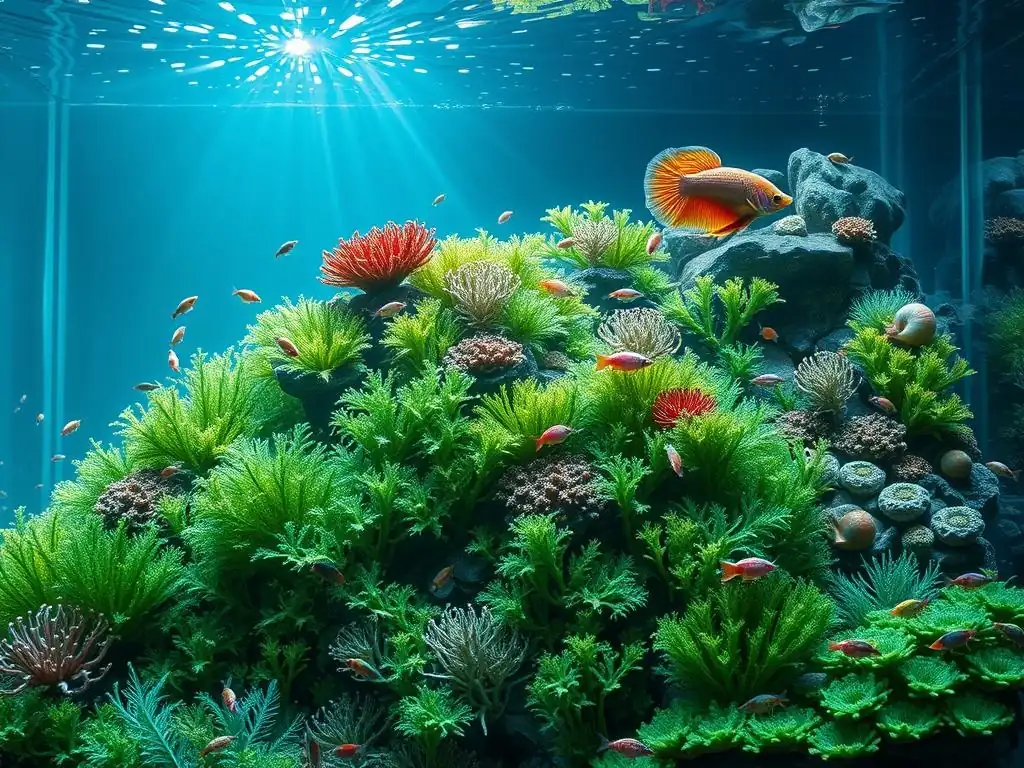
Ever wondered if that vibrant algae in your refugium could be more than just a nitrate buster? Dive into the fascinating world of Gracilaria algae and discover its dual role as both a powerful water purifier and a delicious, nutritious food source for your finned friends. Intrigued? Let's explore how to cultivate this amazing macroalgae and unlock its full potential in your aquarium!
- From Refugium to Reef Feast: The Dual Benefits of Growing Gracilaria
- Understanding Gracilaria Algae: A Saltwater Aquarium Asset
- The Refugium Advantage: Gracilaria as a Natural Filter
- Gracilaria as a Nutritious Food Source for Aquarium Inhabitants
- Cultivating Gracilaria: A Practical Guide
- Harvesting and Propagating Gracilaria Algae
- Maximizing Benefits: Integrating Refugium Filtration and Natural Feeding
- Troubleshooting Gracilaria Growth Problems
- Gracilaria Algae vs. Alternatives for Aquarium Use
- Frequently Asked Questions
- Final Reflection: Embracing the Cycle of Life in Aquariums
- Ignite Your Aquarium's Ecosystem!
From Refugium to Reef Feast: The Dual Benefits of Growing Gracilaria
Understanding Gracilaria Algae: A Saltwater Aquarium Asset
What is Gracilaria and Why is it Favored in Reef Tanks?
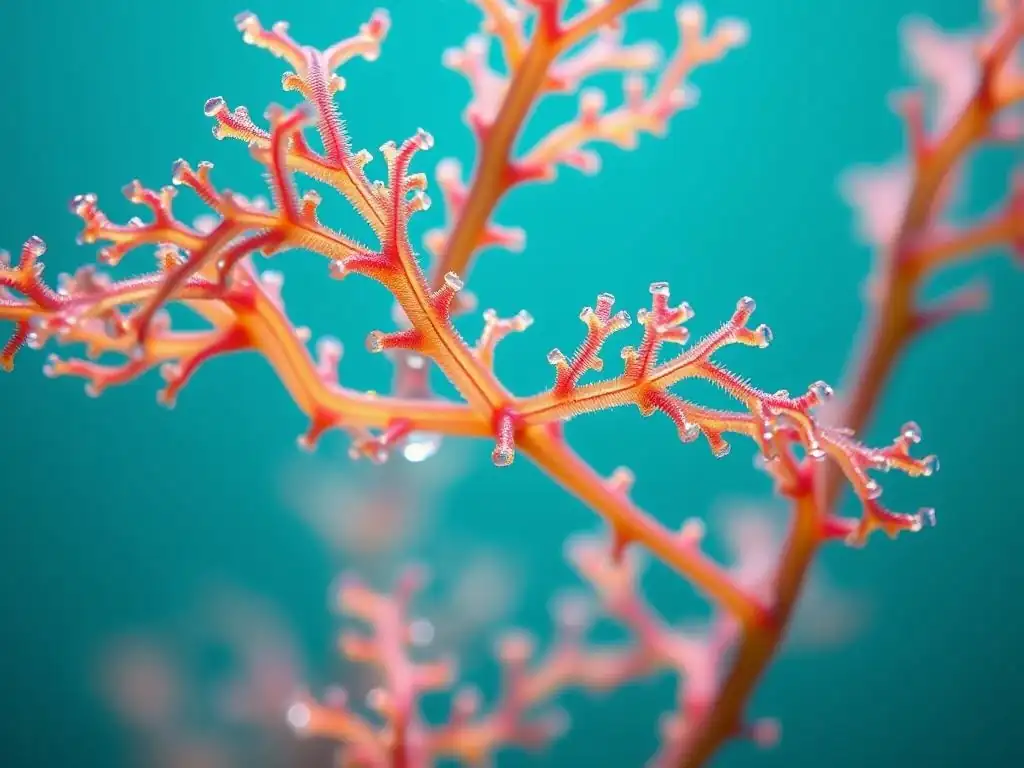
Gracilaria is a genus of red macroalgae, characterized by its often bushy, branching, or stringy structures that can range in color from vibrant red to deep maroon, and sometimes even greenish-brown depending on light exposure. Unlike nuisance algae that can rapidly overtake a display tank, Gracilaria is a desirable form of marine plant life that serves multiple beneficial roles in a saltwater aquarium ecosystem. Its rapid growth rate under optimal conditions makes it an excellent candidate for nutrient export, effectively stripping excess nitrates and phosphates from the water column.
Beyond its filtration capabilities, Gracilaria algae is highly favored due to its exceptional palatability to a wide range of herbivorous fish and invertebrates. Many aquarists actively cultivate Gracilaria not only for its nutrient-scrubbing power in a refugium but also specifically as a wholesome, natural supplement to their aquatic pets' diets. Its robust nature and ability to thrive in various aquarium conditions make it a forgiving and highly effective asset for both beginners and seasoned reef keepers aiming for a healthier, more stable environment.
Gracilaria's Global Distribution and Aquarium Resilience
In its natural habitat, Gracilaria boasts an impressive global distribution, thriving in diverse marine environments from tropical reefs to temperate coastal waters across the Pacific, Atlantic, and Indian Oceans. This widespread presence underscores its remarkable adaptability to varying conditions, including fluctuating salinity levels (though stability is preferred in aquariums) and a broad range of temperatures. Species of Gracilaria are commonly found attached to rocky substrates or free-floating in shallow, sun-drenched lagoons and tide pools.
This inherent resilience translates directly to its success in a home aquarium setting. Gracilaria algae can tolerate a relatively wide range of water parameters, making it a forgiving macroalga to cultivate compared to some more sensitive species. While optimal conditions will ensure the most vigorous growth and nutrient uptake, its hardiness means it can withstand minor fluctuations, providing a stable and reliable biological filter and a consistent supply of Gracilaria algae for aquarium food. Its natural ability to thrive in dynamic environments contributes to its strong performance in a controlled aquarium.
Common Gracilaria Species for Saltwater Aquariums: Gracilaria parvispora, Gracilaria hayi
Among the numerous species within the Gracilaria genus, two stand out as particularly popular and effective choices for saltwater aquariums: Gracilaria parvispora and Gracilaria hayi. Gracilaria parvispora, often referred to as "Bushy Gracilaria" or "Ogo," is highly prized for its dense, branching structure, which provides ample surface area for nutrient absorption and creates excellent microhabitats for beneficial copepods and amphipods. This species exhibits a vigorous growth rate, making it an ideal candidate for rapid nutrient export in a well-lit refugium.
Gracilaria hayi, commonly known as "Red Gracilaria," is another excellent choice, distinguished by its vibrant red coloration and more leaf-like, somewhat flattened fronds. While its growth might be slightly less aggressive than Gracilaria parvispora in some setups, it is equally effective at nutrient removal and is often considered even more palatable by herbivorous fish due to its softer texture. Both species are readily available through the aquarium trade and contribute significantly to the health and stability of reef tanks, offering a reliable source of Gracilaria algae for aquarium food and a natural filtration method.
The Refugium Advantage: Gracilaria as a Natural Filter
Establishing a Refugium for Vigorous Gracilaria Growth
Establishing a dedicated refugium is paramount for cultivating Gracilaria algae efficiently, transforming it into a powerful natural filtration system. A refugium is typically a separate chamber within or plumbed to the main display tank, designed to provide a safe haven for beneficial organisms and macroalgae without predation.
For optimal Gracilaria growth, the refugium should be equipped with specific lighting, ideally a full-spectrum LED light with a color temperature between 6500K and 10000K, set on a reverse daylight photoperiod (e.g., 12-18 hours of light during the main tank's dark cycle). This reverse cycle helps stabilize pH by offsetting the main tank's nighttime pH drop.
Moderate water flow is also crucial, ensuring the Gracilaria tumbles gently without becoming stagnant. A flow rate equivalent to 20-40 times the refugium's volume per hour (e.g., 200-400 GPH for a 10-gallon refugium) is often sufficient to deliver nutrients and prevent detritus accumulation. Starting with a healthy fist-sized inoculum of Gracilaria and providing these consistent conditions will encourage rapid proliferation, allowing the macroalgae to efficiently absorb excess nutrients from the system.
How Gracilaria Algae Mitigates Nitrates and Phosphates in Aquariums
The primary function of Gracilaria algae in a refugium is its exceptional ability to mitigate harmful nitrates and phosphates from the aquarium's water column. As Gracilaria photosynthesizes and grows, it actively absorbs these compounds, which are byproducts of fish waste, uneaten food, and decaying organic matter. In a well-established system with a robust Gracilaria population, aquarists often observe significant reductions in these undesirable nutrients. For instance, a 20-gallon refugium densely packed with Gracilaria can effectively reduce nitrate levels from 20-50 ppm down to less than 5 ppm within a week in a moderately stocked 100-gallon display tank.
Similarly, phosphate levels, which can fuel nuisance algae blooms, can be drawn down from problematic ranges (e.g., 0.2-0.5 ppm) to undetectable levels (below 0.03 ppm) over several weeks of consistent Gracilaria growth and regular harvesting. This continuous nutrient uptake acts as a natural scrubber, preventing the buildup of toxins and maintaining pristine water quality. The regular harvesting of Gracilaria biomass then physically removes these bound nutrients from the system, completing the export cycle and making Gracilaria algae for aquarium food a direct benefit of this process.
The Impact of Gracilaria on a Balanced Reef Environment
Beyond its direct role in nutrient export, Gracilaria algae contributes significantly to the overall balance and stability of a reef environment. During its photosynthetic cycle, Gracilaria releases oxygen into the water, particularly during the nighttime hours of the main display tank due to the reverse photoperiod in the refugium. This oxygenation helps to stabilize pH levels and provides a healthier environment for fish and corals, especially when the main tank's lights are off and CO2 levels naturally rise.
Furthermore, a thriving Gracilaria bed in a refugium creates an ideal microhabitat for the proliferation of beneficial microfauna, such as copepods and amphipods. These tiny crustaceans graze on the macroalgae and detritus, reproducing rapidly within the protected refugium. Periodically, they are flushed into the main display tank, providing a continuous, natural live food source for corals, mandarinfish, and other small inverts and fish. This enhances the biodiversity and natural food web within the aquarium, reducing stress on inhabitants and fostering a more resilient and self-sustaining reef ecosystem.
Gracilaria as a Nutritious Food Source for Aquarium Inhabitants
Nutritional Advantages of Gracilaria for Herbivorous Fish and Invertebrates
Gracilaria algae offers a compelling nutritional profile, making it an excellent supplemental food source for a wide array of herbivorous fish and invertebrates. This macroalga is rich in dietary fiber, which is crucial for the digestive health of grazing species, aiding in gut motility and nutrient absorption.
It is also packed with essential vitamins, including notable levels of Vitamin C, which supports immune function, and various B vitamins vital for metabolic processes. Furthermore, Gracilaria provides a spectrum of important minerals such as iodine, iron, calcium, and magnesium, all of which are critical for the overall health, coloration, and skeletal development of marine life.
Unlike many processed fish foods, Gracilaria delivers these nutrients in their natural, bioavailable forms. It also contains beneficial carbohydrates and a good balance of essential amino acids, contributing to robust growth and vitality. Its low-fat content ensures that it provides healthy roughage without contributing to issues like fatty liver disease, making it a superior choice for a regular part of the diet compared to some terrestrial vegetables that lack the specific marine nutrient profile. Offering Gracilaria algae for aquarium food provides a fresh, live, and highly beneficial addition to any herbivore's diet.
Fish and Invertebrate Species that Thrive on a Gracilaria Diet
Many popular herbivorous and omnivorous marine aquarium inhabitants readily graze on Gracilaria algae, benefiting from its nutritional value and the natural foraging behavior it encourages. Tangs, in particular, are enthusiastic consumers; species like Yellow Tangs ( Zebrasoma flavescens), Naso Tangs ( Naso lituratus), and Sailfin Tangs ( Zebrasoma veliferum) will often eagerly devour Gracilaria, whether offered directly in the display tank or by grazing on it within the refugium. Rabbitfish and certain species of Angelfish (e.g., Flame Angels) also relish this macroalga.
Among blennies, the Lawnmower Blenny ( Salarias fasciatus) is known to pick at Gracilaria, although its primary diet is often hair algae. Invertebrates such as Turbo Snails, Turban Snails, Emerald Crabs, and various species of Sea Urchins (e.g., Tuxedo Urchins) also actively graze on Gracilaria, helping to keep it trimmed while benefiting from its nutritional content. Offering Gracilaria algae for aquarium food promotes natural behaviors, reduces aggression often associated with food scarcity, and contributes to the vibrant health of these grazing species.
Preparing Gracilaria Algae as Fish Food: Methods and Considerations
Preparing Gracilaria algae for aquarium food is a straightforward process that maximizes its benefits for your tank inhabitants. Once harvested from the refugium or grow-out tank, the Gracilaria should be thoroughly rinsed in clean saltwater from the display tank to remove any detritus or unwanted organisms. For direct feeding, a small clump can be secured in the display tank using a veggie clip or by wedging it between rocks. This allows fish to graze naturally, mimicking their wild behaviors.
Alternatively, for smaller fish or those less inclined to graze on larger pieces, the Gracilaria can be finely chopped using clean scissors or a food processor. This minced Gracilaria can then be mixed with other prepared foods, such as mysis shrimp or spirulina flakes, to create a more comprehensive meal.
Some aquarists also briefly blanch the Gracilaria in hot (not boiling) freshwater for about 30 seconds to soften its texture, making it even more palatable. Any uneaten Gracilaria should be removed from the display tank within a few hours to prevent water quality degradation, ensuring the ongoing health of your aquarium.
Cultivating Gracilaria: A Practical Guide
Required Equipment for Growing Gracilaria in a Refugium or Separate Tank
Successful cultivation of Gracilaria algae hinges on providing the right equipment and environment. The primary setup involves either a dedicated refugium chamber integrated into your sump or a separate, isolated grow-out tank. For lighting, a full-spectrum LED light designed for refugiums (e.g., Kessil H380, AI Prime Fuge, or similar grow lights) is essential, providing the necessary red and blue spectrums for robust macroalgae growth. A consistent photoperiod of 12-18 hours, ideally on a reverse schedule to the main tank, is recommended.
Adequate water flow is also crucial to ensure the Gracilaria tumbles gently, preventing detritus buildup and ensuring even light exposure. This can be achieved with a small powerhead or by directing the return flow from the sump into the refugium, aiming for a gentle, rolling motion rather than strong, direct current. Depending on your system's stability, a small heater might be necessary to maintain a consistent temperature between 72-78°F (22-26°C). Regular water testing kits for nitrates and phosphates will help monitor the effectiveness of your Gracilaria.
Maintaining Ideal Water Chemistry for Gracilaria Growth
Maintaining stable and appropriate water chemistry is vital for vigorous Gracilaria algae growth. The salinity should be kept consistent within the typical reef tank range of 1.023 to 1.026 specific gravity. Temperature stability, ideally between 72-78°F (22-26°C), prevents stress and promotes consistent metabolic activity. While Gracilaria is robust, it thrives in water parameters conducive to a healthy reef, including alkalinity levels of 7-11 dKH, calcium between 400-450 ppm, and magnesium in the range of 1250-1350 ppm.
Although Gracilaria primarily consumes nitrates and phosphates, it also benefits from the presence of trace elements. Regular water changes (e.g., 10-20% monthly) help replenish these essential micronutrients, such as iron and iodine, which are crucial for coloration and growth. If your system is ultra-low nutrient (ULNS), or if you observe pale or stunted growth, a targeted trace element supplement might be beneficial, but this should be approached cautiously to avoid over-dosing. Consistent parameters ensure a thriving Gracilaria algae for aquarium food supply and effective nutrient export.
Preventing Algae Blooms and Addressing Nutrient Deficiencies
A well-managed Gracilaria culture is a powerful tool against nuisance algae blooms in the main display tank. To prevent undesirable algae from outcompeting your Gracilaria, ensure its growth is vigorous by providing optimal lighting and flow, and maintain the reverse photoperiod. If Gracilaria growth slows or the algae turns pale (e.g., yellowish or white), it often indicates a nutrient deficiency, particularly if your reef tank is already running at ultra-low nutrient levels (nitrate < 1 ppm, phosphate < 0.01 ppm).
In such cases, the Gracilaria may be "starving." Solutions include slightly increasing feeding in the main tank to provide more nutrients, or, in extreme cases, carefully dosing a small amount of a balanced nitrate/phosphate solution or a targeted iron supplement. Conversely, if nuisance algae appears alongside healthy Gracilaria, it might indicate an imbalance, such as very high phosphates with limited nitrates. Regular testing and observation are key to diagnosing these issues, allowing you to adjust feeding, harvest frequency, or supplementation to maintain a healthy balance.
Harvesting and Propagating Gracilaria Algae
Determining When and How to Harvest Gracilaria for Refugium Management
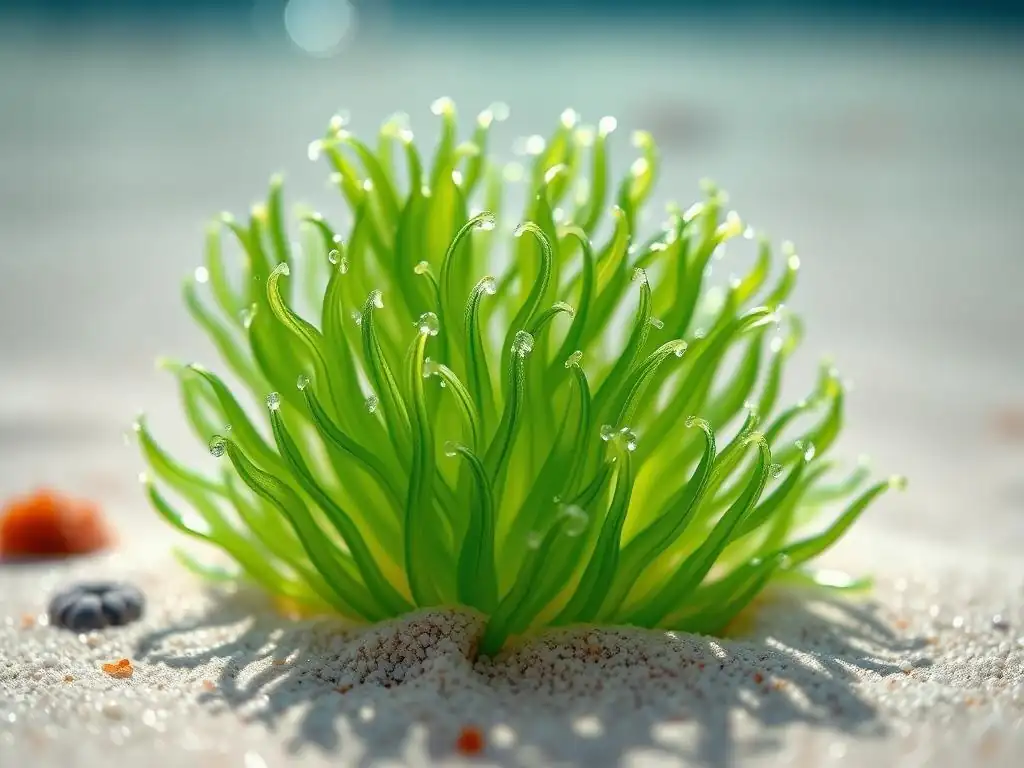
Strategic harvesting is crucial for effective refugium management and sustained Gracilaria algae growth. The ideal time to harvest is when the Gracilaria biomass fills approximately 50-70% of the refugium's volume, or when your nitrate and phosphate test results indicate a slight increase, signaling that the existing Gracilaria is nearing its maximum absorption capacity. Regular harvesting prevents the algae from becoming too dense, which can lead to stagnant areas and potential die-off, releasing absorbed nutrients back into the system.
To harvest, simply reach into the refugium and gently remove a portion of the Gracilaria by hand. Aim to remove about 25-50% of the current mass at each harvest. Avoid removing too much at once, as this can cause a sudden nutrient spike in the main display tank. Using clean scissors can help if the algae is tangled. Place the harvested Gracilaria in a clean bucket filled with tank water. This process not only exports accumulated nutrients but also rejuvenates the remaining Gracilaria, encouraging new, vigorous growth, and provides a fresh supply of Gracilaria algae for aquarium food.
Propagating Gracilaria: Techniques for Expanding Algae Cultures
Propagating Gracilaria is remarkably simple, primarily relying on fragmentation, which allows aquarists to easily expand their cultures or share with others. To propagate, simply take healthy, vibrant pieces of Gracilaria, typically 1-2 inches in length or larger, from your existing culture. These fragments can then be placed into a new grow-out area, such as another section of the refugium, a separate propagation tank, or even given to fellow aquarists.
Unlike some macroalgae that attach to rock, Gracilaria species commonly used in aquariums generally thrive free-floating or gently tumbling in the water column, making them easy to manage. Ensuring adequate light and flow for these new fragments will encourage them to grow rapidly into larger colonies. This simple propagation method ensures a continuous and self-sustaining supply of Gracilaria algae, serving both as a nutrient export mechanism and a renewable source of Gracilaria algae for aquarium food.
Preserving Harvested Gracilaria for Later Use as Fish Food
Preserving harvested Gracilaria algae ensures a consistent supply of nutritious fish food, even when not actively harvesting. After removing Gracilaria from the refugium, it's essential to thoroughly rinse it in clean saltwater from the display tank to remove any lingering detritus or unwanted microfauna. For short-term storage, the rinsed Gracilaria can be placed in a sealed container with a small amount of damp paper towel or a splash of tank water and refrigerated for up to 3-5 days.
For longer-term preservation, freezing is an excellent option. Chop the Gracilaria into small, manageable pieces suitable for your fish. These pieces can then be spread thinly on a baking sheet lined with parchment paper and flash-frozen for a few hours. Once frozen solid, transfer the individual pieces to a freezer-safe bag or container. Alternatively, you can place the chopped Gracilaria into ice cube trays with a small amount of tank water and freeze them. Properly frozen Gracilaria can last for several months, providing a convenient and ready-to-use supply of Gracilaria algae for aquarium food.
Maximizing Benefits: Integrating Refugium Filtration and Natural Feeding
Incorporating Gracilaria into Your Aquarium's Comprehensive Health Plan
Integrating Gracilaria algae into your aquarium's comprehensive health plan transcends simple nutrient export; it represents a holistic approach to reef keeping. While Gracilaria is a powerful biological filter, it is not a standalone solution but rather a vital component that works synergistically with other essential practices, such as regular water changes, responsible feeding habits, and appropriate mechanical and chemical filtration. By cultivating Gracilaria, aquarists can significantly reduce their reliance on synthetic additives and disposable filter media, fostering a more natural, stable, and resilient ecosystem.
Consider Gracilaria as a "living filter" that actively contributes to water purification while simultaneously producing a natural, live food source. Its presence helps to stabilize pH, reduce the frequency of nuisance algae outbreaks in the main display, and provide a continuous supply of beneficial microfauna. This integration promotes a balanced nitrogen cycle and supports the overall well-being of all aquarium inhabitants, making Gracilaria algae a cornerstone of a truly healthy saltwater environment.
Tracking Nutrient Concentrations and Regulating Gracilaria Growth
Effective management of Gracilaria algae involves vigilant tracking of nutrient concentrations in your aquarium water. Regular testing for nitrates (NO3) and phosphates (PO4), ideally weekly or bi-weekly, provides crucial data on the effectiveness of your Gracilaria's nutrient export capabilities. If nitrate levels consistently remain below 1 ppm and phosphate below 0.03 ppm, it indicates robust nutrient absorption, suggesting you might need to harvest less frequently to ensure Gracilaria doesn't starve.
Conversely, if nutrient levels begin to creep upwards, it signals that your Gracilaria biomass might be insufficient for your system's bioload or that harvesting needs to be more frequent. Visual cues also play a role: healthy, vibrant, and rapidly growing Gracilaria indicates optimal conditions and effective nutrient export. Pale or deteriorating Gracilaria, however, suggests underlying issues such as nutrient starvation (in ultra-low nutrient systems) or insufficient light. By actively monitoring and adjusting, you can fine-tune your Gracilaria culture to maintain ideal water parameters and ensure a continuous supply of Gracilaria algae for aquarium food.
The Sustainable Advantages of Using Gracilaria in Your Saltwater Aquarium
The cultivation and use of Gracilaria algae offer significant sustainable advantages for the saltwater aquarium hobby. Firstly, it substantially reduces waste by lessening the reliance on disposable filter media such as carbon, GFO (granular ferric oxide), or nitrate-absorbing resins. Instead of discarding spent media, you are harvesting and either using or composting organic biomass.
Secondly, Gracilaria provides a self-sustaining, renewable food source, diminishing the need for commercially manufactured herbivore foods, which often incur significant environmental costs in production and transportation. For example, a 100-gallon reef tank with active Tangs could easily consume $10-$20 worth of commercial dried seaweed sheets monthly; growing Gracilaria eliminates this recurring expense.
Furthermore, by fostering a more natural and balanced ecosystem, Gracilaria reduces the overall carbon footprint associated with maintaining a reef tank. It promotes biodiversity within the system by supporting microfauna populations and contributes to a healthier, more stable environment that requires fewer interventions and chemical additions. A one-time investment in a starter culture of Gracilaria, typically costing $15-$30, can provide an endless supply of Gracilaria algae for aquarium food and filtration, offering a remarkable return on investment over the lifespan of an aquarium.
Troubleshooting Gracilaria Growth Problems
Diagnosing and Correcting Slow or Limited Growth
Slow or limited growth in Gracilaria algae is a common concern for aquarists, often indicated by the algae appearing pale (yellowish or white), brittle, or showing no significant increase in mass over several weeks. One primary cause is insufficient lighting; the light might not be intense enough, or its spectrum may be unsuitable for macroalgae (e.g., lacking enough red or blue wavelengths). Correcting this involves upgrading to a dedicated refugium LED light or extending the photoperiod from, for instance, 12 hours to 18 hours.
Another frequent culprit is nutrient deficiency. In ultra-low nutrient systems, nitrate levels consistently below 1 ppm or phosphate levels below 0.01 ppm can starve Gracilaria. In such cases, a slight increase in fish feeding in the main tank can provide the necessary nutrients. Alternatively, if other trace elements are depleted, a comprehensive trace element supplement, carefully dosed, can help. Poor water flow, leading to stagnant areas, can also hinder growth by limiting nutrient delivery to the algae, which can be remedied by adding a small powerhead or adjusting existing flow.
Managing Competing Algae Species
The presence of competing nuisance algae species (e.g., Bryopsis, hair algae, diatoms) growing alongside or over your Gracilaria algae is a clear sign of an imbalance in the refugium or main tank. This often indicates that the nuisance algae are outcompeting the Gracilaria for available nutrients, possibly due to an incorrect light spectrum, insufficient Gracilaria biomass, or an underlying nutrient imbalance (e.g., very high phosphates with limited nitrates, or vice versa).
Effective management involves several steps. Firstly, manually remove as much of the nuisance algae as possible from both the refugium and the main display. Secondly, optimize conditions for your Gracilaria: ensure it has robust light, adequate flow, and sufficient initial biomass to establish dominance. Maintaining a strict reverse photoperiod for the refugium can also give Gracilaria a competitive edge by allowing it to absorb nutrients when the main display is dark. Addressing any underlying nutrient imbalances in the main tank through water changes or reduced feeding will also starve out the nuisance algae, allowing your Gracilaria to thrive.
Identifying and Addressing Gracilaria Degradation
Gracilaria degradation, characterized by the algae turning black, becoming mushy, or visibly dissolving, is a serious issue that requires immediate attention as it can release absorbed nutrients back into the system. One potential cause is excessive nutrients, leading to a rapid die-off if the system is suddenly overloaded, though this is less common than nutrient deficiency. More frequently, degradation results from poor circulation within the refugium, creating stagnant areas where parts of the algae can rot due to lack of oxygen and nutrient delivery.
Exposure to contaminants, such as copper-based medications used in the main tank, can also be highly toxic to macroalgae and lead to rapid degradation. Sudden and drastic changes in water parameters, including salinity, temperature, or pH, can stress and kill the algae. To address degradation, immediately remove any black or mushy portions to prevent further nutrient release. Then, meticulously check all water parameters, ensure adequate flow throughout the Gracilaria bed, and review any recent additions, treatments, or significant changes to your aquarium system.
Gracilaria Algae vs. Alternatives for Aquarium Use
Comparing Gracilaria to Other Macroalgae for Nutrient Export
When considering macroalgae for nutrient export, Gracilaria algae stands out for its dual benefits compared to other popular choices like Chaetomorpha linum (Chaeto) and Caulerpa species. Chaeto is highly favored for its spaghetti-like structure, which resists tangling and effectively traps detritus while absorbing nitrates and phosphates. However, Chaeto is generally not palatable to most aquarium inhabitants, limiting its use primarily to nutrient export.
Caulerpa species, while fast-growing and efficient at nutrient uptake, carry the risk of going "sexual" or "crashing," where they release spores and nutrients back into the water, potentially causing a dangerous nutrient spike and an oxygen depletion event. Gracilaria, in contrast, is generally more stable and less prone to such catastrophic crashes. It offers an excellent balance: its robust growth provides effective nutrient export, comparable to or even surpassing Chaeto in some setups, while simultaneously serving as a highly nutritious and sought-after Gracilaria algae for aquarium food, a significant advantage over both Chaeto and the volatile Caulerpa.
Assessing Gracilaria as a Food Source Against Commercial Feeds
As a food source, Gracilaria algae offers distinct advantages over many commercial feeds, particularly for herbivorous marine fish and invertebrates. While commercial Nori sheets (dried seaweed) are convenient and widely used, they can be expensive, and the processing involved may reduce the bioavailability of certain vitamins and enzymes present in live algae. Similarly, commercial pellets and flakes, while essential for a balanced diet, often lack the fresh roughage and natural grazing experience that live Gracilaria provides.
Live Gracilaria algae delivers a full spectrum of fresh, bioavailable vitamins, minerals, and fiber that are often diminished in processed foods. For instance, a 100-gram serving of fresh Gracilaria can contain significantly higher levels of Vitamin C and iodine compared to an equivalent dry weight of processed seaweed. Moreover, offering live Gracilaria encourages natural foraging behaviors, which can reduce stress, promote better digestion, and enhance the overall vitality and coloration of fish. The act of grazing on Gracilaria algae for aquarium food mimics the natural diet of many marine herbivores, leading to healthier and more active tank inhabitants.
The Economic Value of Cultivating Your Own Gracilaria
Cultivating your own Gracilaria algae offers substantial economic value to the long-term maintenance of a saltwater aquarium. The initial investment for a starter culture of Gracilaria is relatively low, typically ranging from $15 to $30. From this small initial purchase, aquarists can establish a self-sustaining, renewable resource. This eliminates the recurring cost of purchasing commercial herbivore foods, such as dried seaweed sheets, which can easily amount to $5-$15 per pack per month for a tank with active grazers like Tangs.
Furthermore, a thriving Gracilaria refugium significantly reduces the need for expensive chemical filtration media like GFO or nitrate-absorbing resins, which can cost an additional $10-$30 monthly for a medium to large system. Over the lifespan of an aquarium, these savings accumulate, leading to a considerable return on the initial investment. The continuous supply of Gracilaria algae for aquarium food and nutrient export makes it one of the most cost-effective and sustainable solutions for maintaining a healthy and vibrant reef tank.
Frequently Asked Questions
How can Gracilaria algae benefit my aquarium?
Gracilaria offers dual benefits by acting as a natural water purifier within a refugium and providing a nutritious food source for certain fish species. It reduces nitrates and phosphates, improving water quality.
Is Gracilaria algae suitable for all types of aquariums?
While beneficial, Gracilaria is best suited for saltwater aquariums, especially those with a refugium. Some freshwater setups might tolerate it, but it's primarily a marine algae.
What fish species readily consume Gracilaria algae?
Many herbivorous marine fish, such as tangs, rabbitfish, and certain angelfish, enjoy grazing on Gracilaria. It's a natural and healthy food supplement for them.
How do I cultivate Gracilaria algae effectively in a refugium?
Optimal growth requires moderate lighting, good water flow, and stable water parameters. Regularly prune the algae to encourage new growth and prevent it from shading other organisms.
Can Gracilaria algae help control nuisance algae in my main display tank?
While Gracilaria in a refugium can help reduce nutrient levels that fuel nuisance algae, it won't directly eliminate existing algae in your main display tank. It's a preventative measure.
Final Reflection: Embracing the Cycle of Life in Aquariums
The journey of Gracilaria, from a safe haven for tiny creatures to a nourishing food source for larger inhabitants, highlights the remarkable interconnectedness within aquarium ecosystems. Understanding this duality is not merely about cultivating algae; it's about fostering a deeper appreciation for the delicate balance that sustains life within our glass worlds, a balance that mirrors the larger ecosystems of our planet.
The realization that we can actively participate in this cycle, providing both shelter and sustenance, is profoundly empowering. It transforms the aquarium from a static display into a dynamic, self-sustaining environment. In nature, nothing exists alone.
- Rachel Carson. This quote resonates deeply when considering the role of Gracilaria; it underscores the importance of understanding the relationships between organisms and their environment, a principle that extends far beyond the confines of our aquariums.
So, as you consider adding Gracilaria to your aquarium, remember that you're not just introducing a plant; you're contributing to a miniature ecosystem, a microcosm of the natural world. Embrace the opportunity to learn, experiment, and observe the fascinating interplay of life that unfolds before your eyes. Let the cycle of Gracilaria inspire you to cultivate not only a thriving aquarium but also a greater understanding of the interconnectedness of all living things.
Ignite Your Aquarium's Ecosystem!
Thanks for diving into the world of Gracilaria! You've now unlocked the secrets to a healthier refugium and a sustainable food source for your finned friends. Ready to put that knowledge into action?
Here's how to get started:
- Start growing your own Gracilaria! Set up a small refugium or dedicated grow-out tank using the tips we've covered.
- Share your Gracilaria growing successes (or challenges!) with fellow aquarists on online forums. Let's learn together!
- Experiment with different feeding methods for your fish using Gracilaria – try it fresh, dried, or even as part of a homemade food mix.
What's one innovative way you plan to use Gracilaria in your aquarium this week?