
Maximizing Chaeto Efficiency: Tips & Tricks for Superior Phosphate Removal

Welcome to Aquarium Mastery, fellow aquarist!
Struggling with pesky phosphates in your aquarium? You're not alone! Discover how to unlock the full potential of Chaetomorpha with our guide: Chaeto phosphate removal tips. We'll reveal expert strategies for maximizing its efficiency, leading to a healthier, more vibrant aquatic ecosystem. Ready to dive in and see the difference? Let's get started!
- Optimizing Macroalgae for Nutrient Control in Reef Aquariums
- Understanding Macroalgae and its Role in Nutrient Management
- Optimizing Macroalgae Growth for Enhanced Nutrient Absorption
- Macroalgae Placement and Reactor Design for Superior Nutrient Reduction
- Advanced Techniques for Maximizing Macroalgae Nutrient Removal
- Troubleshooting Common Macroalgae Problems and Solutions
- Macroalgae Maintenance and Harvesting for Continued Nutrient Control
- Case Studies: Successful Macroalgae Nutrient Removal in Reef Tanks
- Conclusion: Mastering Macroalgae for a Healthy and Balanced Reef Aquarium
-
Frequently Asked Questions
- How does Chaetomorpha (Chaeto) help remove phosphate from my aquarium?
- What are the ideal conditions for Chaeto to thrive and maximize phosphate removal?
- How often should I harvest my Chaeto to maintain optimal phosphate control?
- What are some signs that my Chaeto isn't effectively removing phosphate?
- Can I use Chaeto in both freshwater and saltwater aquariums for phosphate removal?
- Final Reflection: Cultivating Clarity in Reef Aquariums
- Transform Your Reef Tank: Dive Deeper into Nutrient Control!
Optimizing Macroalgae for Nutrient Control in Reef Aquariums
Understanding Macroalgae and its Role in Nutrient Management
What is Macroalgae and How Does it Work in Nutrient Export?
Macroalgae, often referred to as marine plants, are a diverse group of photosynthetic organisms that play a crucial role in marine ecosystems, including closed reef aquarium systems. Among the most popular and effective types for nutrient export in reef tanks is Chaetomorpha linum, commonly known as Chaeto.
This filamentous green alga is highly regarded for its ability to rapidly absorb dissolved nitrates and phosphates from the water column, effectively locking these undesirable nutrients into its biomass. Through photosynthesis, Chaeto utilizes light energy to convert carbon dioxide and inorganic nutrients into organic compounds, growing quickly and thus removing excess nutrients that could otherwise fuel nuisance algae outbreaks.
The mechanism of nutrient export with Chaeto is straightforward yet powerful. As Chaeto grows, it continuously draws in nitrates (NO₃⁻) and phosphates (PO₄³⁻) from the surrounding water. These are the primary culprits behind poor water quality and inhibited coral health in many reef aquariums.
By culturing a dense mat of Chaeto in a dedicated refugium or reactor, aquarists can create a biological filter that actively strips these nutrients from the system. Regular harvesting of the grown Chaeto then physically removes these absorbed nutrients from the aquarium, preventing their release back into the water should the macroalgae die off. This process makes Chaeto an invaluable tool for maintaining pristine water parameters and a stable, healthy reef environment.
Why is Nutrient Control Crucial in Reef Aquariums?
Effective nutrient control is paramount for the long-term health and stability of a reef aquarium. High levels of dissolved nutrients, primarily nitrates and phosphates, can lead to a cascade of detrimental effects. For instance, elevated phosphates, even at concentrations as low as 0.05-0.1 ppm, can inhibit the calcification process in corals, stunting their growth and potentially leading to tissue recession. Nitrates, while less directly toxic to corals than phosphates, can still contribute to overall poor water quality, leading to stress, reduced vitality, and an increased susceptibility to disease in corals and fish.
Beyond direct impacts on inhabitants, unchecked nutrient levels are the leading cause of nuisance algae outbreaks. Hair algae, diatoms, and cyanobacteria thrive on excess nitrates and phosphates, quickly overgrowing corals, diminishing the aesthetic appeal of the tank, and competing with corals for light and space. These unsightly blooms can smother corals, reduce water flow, and indicate an imbalanced ecosystem. Therefore, meticulous nutrient control, often targeting phosphates below 0.03 ppm and nitrates below 5 ppm, is not just about aesthetics but is fundamental to fostering a thriving, vibrant reef aquarium where corals can flourish and fish remain healthy.
Macroalgae as a Natural Nutrient Reducer: A Sustainable Solution
Macroalgae, particularly species like Chaeto, offer a highly sustainable and natural approach to nutrient reduction in reef aquariums, presenting a compelling alternative or complement to chemical filtration methods. Unlike chemical media such as GFO (granular ferric oxide) or carbon dosing, which require periodic replacement and can sometimes lead to rapid, potentially stressful, parameter shifts, macroalgae provide a continuous and gentle nutrient export mechanism. They operate as living filters, absorbing nutrients as part of their natural metabolic processes, without introducing foreign chemicals or creating byproducts beyond their own biomass.
The sustainability of using macroalgae like Chaeto lies in its renewable nature. As the macroalgae grows, it sequesters nutrients, and then a portion of it is simply harvested and disposed of, directly removing the problematic compounds from the system. This cyclical process avoids the need for chemical regeneration or the disposal of spent chemical media, which can contain absorbed pollutants.
Furthermore, a thriving macroalgae refugium can also provide a stable environment for beneficial microfauna, such as copepods and amphipods, which serve as a natural food source for corals and fish, enhancing the overall biodiversity and resilience of the reef aquarium ecosystem. This holistic approach makes macroalgae a cornerstone of many successful, eco-conscious reef tank maintenance strategies, offering excellent Chaeto phosphate removal tips and general nutrient management.
Optimizing Macroalgae Growth for Enhanced Nutrient Absorption
The Importance of Proper Lighting for Macroalgae Nutrient Removal
Adequate and appropriate lighting is arguably the most critical factor for maximizing the nutrient absorption capabilities of macroalgae like Chaeto. Just as corals require specific light conditions for photosynthesis, so too does macroalgae. Insufficient or incorrect spectrum lighting will lead to slow growth, nutrient stagnation in the water column, and ultimately, a failure to effectively export phosphates and nitrates. For Chaeto, the goal is to provide light that stimulates vigorous growth, enabling it to efficiently draw down dissolved inorganic compounds. This means focusing on both the quality (spectrum) and quantity (intensity and photoperiod) of light provided to the macroalgae.
When considering Chaeto phosphate removal tips, remember that light directly fuels the photosynthetic process that drives nutrient uptake. If the macroalgae is not growing robustly, its ability to act as a nutrient sink is severely compromised. A well-lit Chaeto reactor or refugium can dramatically reduce phosphate levels, often from problematic highs (e.g., 0.1 ppm) to undetectable levels (e.g., 0.01 ppm or less) over several weeks, provided other conditions are met. Therefore, investing in and properly setting up the lighting for your macroalgae is not an afterthought but a fundamental step in designing an efficient nutrient export system.
Selecting the Right Light Spectrum for Macroalgae Growth
For optimal growth of Chaetomorpha and other nutrient-exporting macroalgae, selecting the correct light spectrum is crucial. While macroalgae are generally less demanding than corals, they still benefit significantly from specific wavelengths of light. Research and practical experience indicate that a spectrum rich in red (around 660 nm) and blue (around 450 nm) light is most effective for stimulating macroalgae photosynthesis. Many aquarists opt for full-spectrum LED lights with a high proportion of red and blue diodes, often appearing purple or pink, as these wavelengths are efficiently absorbed by the photosynthetic pigments present in macroalgae.
Avoid using standard white aquarium lights designed for display tanks, as their spectrum is often tailored for coral coloration and visual appeal rather than macroalgae growth. Dedicated refugium lights, or simple LED grow lights, are typically more suitable.
For instance, a common choice is a "grow light" LED with a balanced mix of red and blue, often specified as having a color temperature in the warm white range (e.g., 3000K) or a specific combination of deep red and royal blue LEDs. This targeted spectrum ensures that the light energy is efficiently converted into biomass, maximizing the Chaeto's ability to absorb excess phosphates and nitrates from the water column.
Light Intensity and Photoperiod for Optimal Nutrient Uptake
Beyond spectrum, the intensity and duration of lighting—the photoperiod—are critical for encouraging robust macroalgae growth and subsequent nutrient removal. For Chaetomorpha, a moderate to high light intensity is generally recommended. While precise PAR (Photosynthetically Active Radiation) values can vary, a range of 50 to 150 PAR at the surface of the macroalgae mat is often effective. Too little light will result in slow or no growth, while excessive intensity can sometimes lead to burning or nutrient starvation if other parameters aren't balanced. It's often better to start with moderate intensity and gradually increase it if growth is sluggish.
The photoperiod for macroalgae is also a key factor in maximizing nutrient export. Many aquarists employ a "reverse photoperiod," meaning the refugium light is on during the main display tank's dark hours. This strategy helps to stabilize pH fluctuations in the aquarium by performing photosynthesis (which consumes CO2 and raises pH) when the main display is not.
A common photoperiod is 12 to 18 hours per day. For example, running the refugium light for 14 hours overnight can provide continuous nutrient export, ensuring that Chaeto consistently draws down phosphates and nitrates, preventing their accumulation during the main tank's "off-gassing" period.
Nutrient Balance: Maintaining Optimal Nutrient Levels for Macroalgae Growth
While the primary goal of using macroalgae is to remove excess nutrients, it's a common misconception that macroalgae thrive in extremely nutrient-depleted water. In fact, for optimal growth and efficient nutrient absorption, macroalgae like Chaeto still require a baseline level of essential nutrients. A system that is too "clean" can actually hinder macroalgae growth, as they will lack the fundamental building blocks for biomass production. The challenge lies in striking a balance: maintaining levels low enough to prevent nuisance algae in the display tank, yet high enough to sustain vigorous macroalgae growth in the refugium.
This delicate balance ensures that the Chaeto remains healthy and actively consumes nutrients rather than stagnating or dying off, which would release stored nutrients back into the water. Successful Chaeto phosphate removal tips often involve monitoring not just the target nutrients but also other trace elements. Regular testing and strategic supplementation, if necessary, are key to preventing deficiencies that could limit the macroalgae's growth potential and, consequently, its ability to export undesirable compounds.
Iron Supplementation for Enhanced Macroalgae Growth and Nutrient Removal
Iron is a vital micronutrient for all photosynthetic organisms, including macroalgae like Chaetomorpha. It plays a crucial role in chlorophyll production and various enzymatic reactions involved in photosynthesis and nutrient uptake. In many reef aquariums, iron can become depleted due to uptake by corals, other algae, or precipitation. When iron levels are insufficient, macroalgae growth can slow significantly, directly impacting its ability to absorb nitrates and phosphates. For example, if Chaeto growth is noticeably sluggish despite adequate lighting and detectable levels of nitrates and phosphates, an iron deficiency might be the underlying cause.
To optimize Chaeto's nutrient absorption, supplementing iron can be highly beneficial. Many reef aquarists aim for an iron concentration of approximately 0.05 to 0.1 ppm, though some commercial supplements recommend slightly higher or lower targets. It's important to use a chelated iron supplement designed for marine aquariums to ensure stability and bioavailability in saltwater.
Dosing should be done cautiously and consistently, often daily or every few days, depending on consumption rates. Regular monitoring of growth response and potentially ICP-OES (Inductively Coupled Plasma Optical Emission Spectrometry) testing can help fine-tune iron supplementation, ensuring the Chaeto is thriving and performing its best in Chaeto phosphate removal.
Nitrate and Phosphate Levels and Their Impact on Macroalgae's Absorption Capabilities
The very nutrients we aim to remove—nitrates and phosphates—are also essential for macroalgae growth. Chaeto performs best when there's a detectable, albeit low, level of these nutrients present in the water. If nitrates drop consistently below 0.5 ppm or phosphates fall below 0.01-0.02 ppm, Chaeto's growth can slow, and it may even begin to "starve," turning pale or stringy. This paradoxical situation means that while we want to export these nutrients, we also need to ensure they are not completely absent from the system where the macroalgae resides.
An ideal scenario for maximizing Chaeto phosphate removal and nitrate export involves maintaining nitrates in the range of 0.5-5 ppm and phosphates between 0.02-0.05 ppm. These levels are generally low enough to prevent nuisance algae blooms in the display tank but high enough to fuel robust Chaeto growth.
If nutrient levels drop too low due to aggressive nutrient export, some aquarists may even resort to light feeding of the system or targeted dosing of nitrate and phosphate solutions (e.g., potassium nitrate or monopotassium phosphate) in small, controlled amounts to keep the Chaeto thriving. Regularly testing water parameters is crucial to ensure this delicate balance is maintained.
Maintaining Ideal Water Parameters for Macroalgae Success
Beyond specific nutrient levels, overall water parameters play a significant role in the health and growth of macroalgae. Just like corals and fish, macroalgae thrive within a stable environment. Fluctuations in temperature, salinity, and pH can stress the macroalgae, reducing its photosynthetic efficiency and, consequently, its ability to absorb unwanted nutrients. While Chaeto is relatively hardy compared to some corals, providing stable and optimal conditions will undoubtedly lead to more vigorous growth and more effective nutrient export.
Ensuring these fundamental parameters are consistently within the recommended ranges for a reef aquarium contributes directly to the success of your macroalgae filtration system. A healthy, unstressed Chaeto culture is a productive one, capable of keeping phosphates and nitrates in check, thereby supporting a cleaner and more stable display tank. Overlooking these basic water chemistry principles can undermine even the best-laid plans for macroalgae nutrient control.
Temperature, Salinity, and pH Considerations for Macroalgae Health
Maintaining stable temperature, salinity, and pH is crucial for the overall health and metabolic efficiency of Chaetomorpha. For most reef aquariums, a stable temperature range of 76-80°F (24.4-26.7°C) is ideal. While Chaeto can tolerate slight variations, extreme or rapid temperature swings can stress the alga, leading to reduced growth or even die-off. Similarly, salinity should be kept consistent within the typical reef tank range of 1.024-1.026 specific gravity (35 ppt). Deviations outside this range can impair cellular functions and nutrient uptake.
pH stability is also important, although macroalgae can help buffer pH fluctuations due to their photosynthetic activity. A pH range of 7.8-8.4 is generally acceptable for Chaeto. The reverse photoperiod strategy, where the refugium light is on during the display tank's dark hours, is particularly beneficial for pH stability.
During the day, the main display's inhabitants and lighting contribute to photosynthesis and CO2 consumption, raising pH. At night, without photosynthesis in the display, pH tends to drop due to respiration. By running the refugium light at night, the Chaeto continues to consume CO2, helping to counteract this nocturnal pH dip, thereby providing a more stable environment for the entire system and enhancing Chaeto phosphate removal efficiency.
Water Flow and its Role in Nutrient Delivery to Macroalgae
Optimal water flow through the macroalgae reactor or refugium is essential for maximizing nutrient delivery to the Chaeto. While Chaeto does not require strong, turbulent flow like some corals, a gentle, consistent tumbling motion is highly beneficial. This gentle tumbling ensures that all parts of the Chaeto mass are exposed to light and, more importantly, to the nutrient-rich water passing through the system. Stagnant areas within the macroalgae mass can lead to nutrient depletion in those specific spots, reducing the overall efficiency of the filter.
A flow rate that provides a complete turnover of the refugium's water volume several times per hour is usually adequate. For example, a 10-gallon refugium might benefit from a flow rate of 100-200 gallons per hour, allowing the Chaeto to gently tumble without being violently tossed around. This constant movement prevents detritus from settling within the macroalgae, which could lead to anaerobic spots and nutrient release, rather than absorption. Proper water flow ensures that the Chaeto is continuously bathed in fresh, nutrient-laden water, maximizing its contact with nitrates and phosphates and enhancing its capacity for Chaeto phosphate removal.
Macroalgae Placement and Reactor Design for Superior Nutrient Reduction
Choosing the Right Macroalgae Reactor or Refugium for Your Aquarium
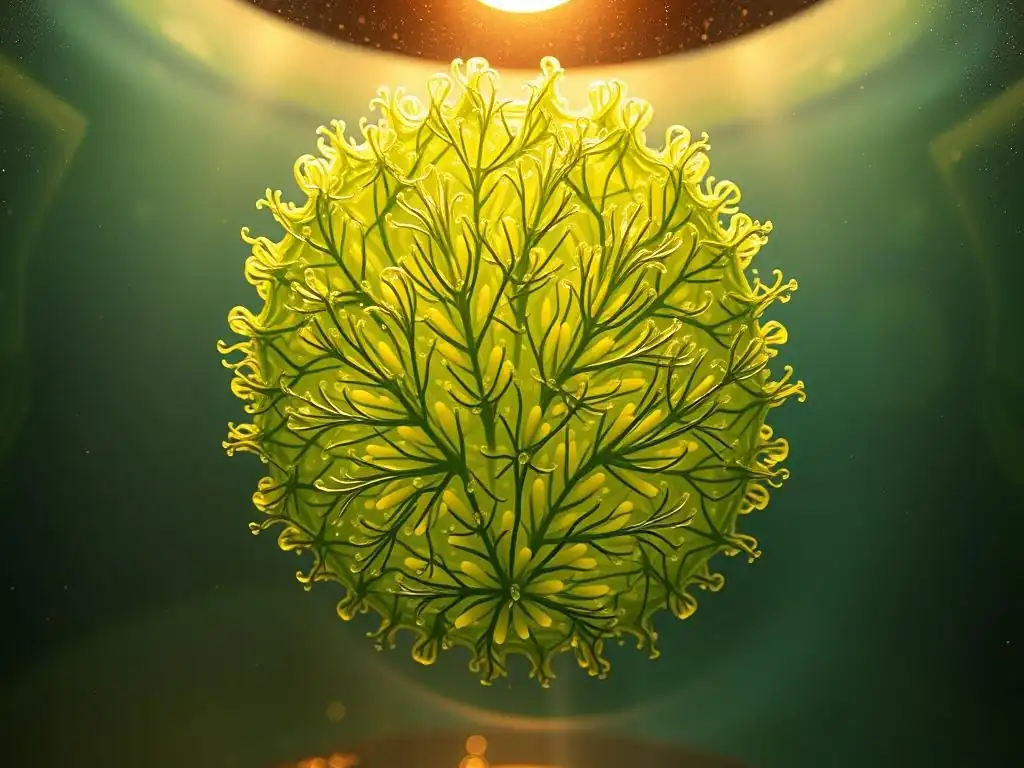
The choice between a dedicated macroalgae reactor and an in-sump refugium largely depends on the specific needs of your aquarium, available space, and budget. Both options are effective for culturing Chaeto and other macroalgae for nutrient export, but they offer different advantages. A refugium is typically a section of the sump separated by baffles, providing a calm, separate area where macroalgae can grow without disturbance from main tank inhabitants.
It also offers space for beneficial microfauna to proliferate, providing a natural food source for corals and fish. Refugiums are often preferred for their simplicity and the additional ecological benefits they provide.
Macroalgae reactors, on the other hand, are self-contained units designed to optimize water flow and light exposure for concentrated macroalgae growth. They are often cylindrical and use a pump to create a tumbling motion for the Chaeto, ensuring even exposure to light from internal or external LEDs. Reactors are ideal for smaller setups where sump space is limited, or for aquarists who want a highly efficient, compact nutrient export solution.
While they may not offer the same microfauna benefits as a larger refugium, they excel at maximizing Chaeto phosphate removal in a confined space. The best choice depends on integrating the system seamlessly into your existing setup while meeting your nutrient export goals.
Optimizing Water Flow Through the Macroalgae Reactor or Refugium
Optimizing water flow is paramount for maximizing the efficiency of any macroalgae-based nutrient export system. In a refugium, the goal is to have a steady, moderate flow that allows the Chaeto to gently tumble and prevents detritus from settling within the macroalgae mass. An ideal flow rate typically involves routing water from the main display's overflow into the refugium section, then back to the return pump chamber.
A flow rate that allows for several water turnovers per hour within the refugium itself (e.g., 5-10 times the refugium volume per hour) is often effective. Too little flow can lead to stagnant zones and nutrient depletion directly around the Chaeto, while too much can cause the macroalgae to clump or get torn apart.
For a macroalgae reactor, flow optimization is even more critical. The internal design of most reactors aims to create a "tumbling" effect, where the Chaeto is constantly agitated and exposed to the internal light source. The pump feeding the reactor should be adequately sized to achieve this gentle tumbling without compacting the Chaeto.
If the Chaeto is packed too tightly or the flow is insufficient, parts of the biomass will not receive adequate light or fresh, nutrient-laden water, significantly reducing its efficiency in Chaeto phosphate removal. Experimenting with different flow rates by adjusting the feed pump or a valve can help achieve the perfect tumbling action for maximum nutrient absorption.
Best Practices for Macroalgae Placement within the Reactor or Refugium
Proper placement and management of the macroalgae within its dedicated space are crucial for its success. In a refugium, Chaeto is typically placed as a loose, tangled ball or mat. It should not be packed too densely, as this can impede water flow and light penetration to the inner parts of the mass, leading to die-off and nutrient release. Instead, allow for ample space for the Chaeto to expand and tumble. If the refugium is large, distributing the Chaeto evenly across the bottom or in a designated area with good flow and light coverage is beneficial.
For macroalgae reactors, the Chaeto should be added in a quantity that allows it to tumble freely without clogging the inlet or outlet. Overfilling a reactor will prevent proper tumbling, leading to stagnant zones and reduced effectiveness. Many reactor designs include a mesh screen or basket to keep the Chaeto contained while allowing water to flow freely around it.
Regular monitoring of the Chaeto's density and harvesting excess biomass is essential to maintain optimal flow and light penetration, directly impacting the reactor's efficiency for Chaeto phosphate removal. A general guideline is to fill the reactor roughly 50-75% full, leaving room for expansion and proper tumbling.
Advanced Techniques for Maximizing Macroalgae Nutrient Removal
Implementing a Refugium for Enhanced Macroalgae Growth
Implementing a dedicated refugium within the sump is one of the most effective and widely adopted advanced techniques for maximizing macroalgae growth and, consequently, nutrient removal. A well-designed refugium provides a stable, low-flow environment that allows macroalgae like Chaeto to thrive without competition from corals or predation from fish or invertebrates. This dedicated space ensures that the macroalgae receives consistent lighting and ample exposure to the nutrient-rich water flowing through the sump, making it an ideal environment for robust growth.
Beyond nutrient export, a refugium offers several additional benefits to a reef aquarium. It serves as a safe haven for beneficial microfauna, such as copepods and amphipods, which reproduce rapidly in the calm conditions. These organisms then contribute to the overall biodiversity of the system and serve as a natural, continuous food source for corals and fish in the display tank.
Furthermore, the constant photosynthesis performed by the macroalgae in the refugium helps to stabilize pH levels, especially during the night when the main display tank's pH naturally dips due to respiration. This multi-faceted approach makes a refugium a cornerstone for advanced Chaeto phosphate removal tips and overall reef tank stability.
Combining Macroalgae with Other Nutrient Reduction Methods
While macroalgae are powerful nutrient exporters, combining them with other nutrient reduction methods can create a highly robust and resilient system, especially for tanks with a high bioload or persistent nutrient issues. This integrated approach ensures multiple layers of protection against rising nitrates and phosphates. Common complementary methods include protein skimming, granular ferric oxide (GFO), and carbon dosing. Protein skimmers physically remove organic waste before it breaks down into nitrates and phosphates, acting as a crucial first line of defense.
GFO, a chemical media, excels at rapidly adsorbing phosphates from the water column, making it an excellent tool for initial phosphate reduction or for quickly addressing spikes. Using GFO in conjunction with Chaeto allows the GFO to handle the bulk of acute phosphate removal while the Chaeto provides continuous, sustainable long-term maintenance.
Carbon dosing (e.g., using vinegar, vodka, or commercial products) promotes the growth of beneficial bacteria that consume nitrates and phosphates, converting them into bacterial biomass that can then be removed by protein skimming. By strategically employing these methods alongside a thriving Chaeto culture, aquarists can achieve unparalleled water quality and nutrient control, ensuring optimal conditions for sensitive corals and fish.
Monitoring Nutrient Levels and Adjusting Macroalgae Care Accordingly
Consistent monitoring of key nutrient levels is not merely a good practice; it's an essential advanced technique for optimizing macroalgae performance and achieving superior Chaeto phosphate removal. Regular testing for nitrates and phosphates, ideally weekly or bi-weekly, provides critical feedback on the effectiveness of your nutrient export strategy.
If nutrient levels remain persistently high despite a seemingly healthy Chaeto culture, it indicates that the macroalgae is not keeping pace with the nutrient input, and adjustments are necessary. Conversely, if nutrient levels become undetectable for extended periods, it might signal that the Chaeto is starving, requiring a reduction in lighting or a slight increase in nutrient input to sustain its growth.
Advanced aquarists often utilize highly accurate test kits or even consider professional ICP-OES (Inductively Coupled Plasma Optical Emission Spectrometry) testing for a comprehensive analysis of water parameters, including trace elements crucial for macroalgae health like iron. Based on these readings, adjustments can be made to lighting intensity, photoperiod, flow, or harvesting frequency. For example, if phosphates are consistently high, increasing the light intensity on the Chaeto or harvesting more frequently might be beneficial. This data-driven approach allows for precise fine-tuning of your macroalgae system, ensuring it operates at peak efficiency for long-term nutrient control.
Troubleshooting Common Macroalgae Problems and Solutions
Identifying and Addressing Macroalgae Die-Off or Slow Growth
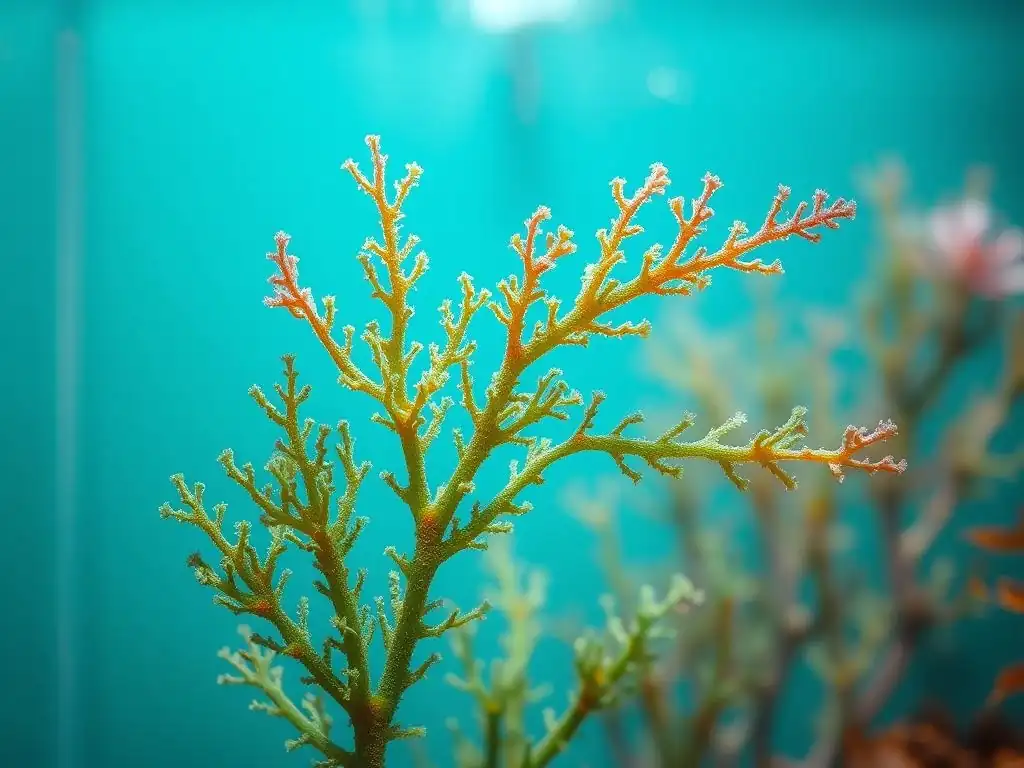
Macroalgae die-off or significantly slowed growth can be a frustrating issue for aquarists relying on Chaeto for nutrient export. The first step in troubleshooting is to systematically evaluate common causes. One primary reason for poor growth is insufficient or incorrect lighting. If the Chaeto is not receiving adequate PAR or the proper spectrum, it will simply not photosynthesize efficiently.
Check that your refugium light is functioning correctly, is positioned optimally, and has the right spectrum for macroalgae. Another common culprit is nutrient starvation; while Chaeto removes nutrients, it still needs a baseline level to grow. If nitrates and phosphates are consistently undetectable, the Chaeto may be starving, leading to pale coloration or stringy textures.
Other factors to consider include inadequate water flow, which can lead to stagnant areas and nutrient depletion within the Chaeto mass, or excessive flow that damages the alga. Pests, such as nudibranchs or certain types of snails, can also graze on macroalgae, though this is less common with Chaeto.
Finally, sudden changes in water parameters like temperature, salinity, or pH can stress the macroalgae. Addressing these issues systematically—for example, by increasing light intensity, ensuring detectable nutrient levels (e.g., 0.02 ppm phosphate), optimizing flow for gentle tumbling, and maintaining stable parameters—will typically resolve most growth issues and restore efficient Chaeto phosphate removal.
Preventing Algae Outbreaks in the Macroalgae Reactor or Refugium
Paradoxically, a macroalgae reactor or refugium, designed to combat nuisance algae in the display tank, can sometimes experience its own outbreaks of undesirable algae. This typically occurs when conditions within the refugium become favorable for fast-growing, opportunistic algae like diatoms, hair algae, or cyanobacteria, often due to imbalances in light, nutrients, or flow. For instance, if the refugium light is too strong or has an incorrect spectrum that favors nuisance algae over Chaeto, or if detritus accumulates within the Chaeto mass, it can create localized nutrient pockets that fuel unwanted growth.
To prevent such outbreaks, several best practices should be followed. Firstly, ensure your refugium light is specifically designed for macroalgae and provides the optimal red/blue spectrum rather than broad-spectrum white light. Secondly, maintain consistent, gentle flow through the refugium to prevent detritus accumulation; periodic siphoning of any settled detritus can also help.
Thirdly, regularly inspect your Chaeto and harvest it before it becomes too dense, which can create stagnant areas. Finally, ensure that the main display tank's nutrient levels are being managed effectively, as high overall nutrient input can overwhelm even a well-functioning refugium and lead to issues throughout the system. Consistent maintenance and monitoring are key to keeping the refugium clean and effective for Chaeto phosphate removal.
Dealing with Nutrient Deficiencies in Macroalgae
While the primary goal of macroalgae is nutrient removal, it's possible for the macroalgae itself to suffer from nutrient deficiencies if the aquarium water becomes too "clean" or lacks essential trace elements. Symptoms of nutrient deficiency in Chaeto often include pale coloration (loss of vibrant green), slowed or stunted growth, and a stringy or brittle texture. The most common deficiencies are typically related to nitrates, phosphates (if levels drop to zero for extended periods), or trace elements like iron.
If you suspect nutrient deficiency, the first step is to accurately test your water parameters. If nitrates are consistently below 0.5 ppm and phosphates are below 0.01 ppm, consider slightly increasing feeding or, in extreme cases, carefully dosing a small amount of nitrate or phosphate solution to raise levels just enough to fuel the Chaeto.
For iron deficiency, supplementing with a high-quality chelated iron product designed for marine aquariums can resolve the issue, often resulting in a rapid improvement in Chaeto coloration and growth. Monitoring the macroalgae's appearance and growth rate, alongside regular water testing, allows for timely intervention to prevent severe deficiencies and maintain optimal Chaeto phosphate removal.
Macroalgae Maintenance and Harvesting for Continued Nutrient Control
Regular Macroalgae Harvesting: Why and How
Regular harvesting is the cornerstone of effective macroalgae-based nutrient export, including excellent Chaeto phosphate removal. The principle is simple: as the Chaeto grows, it absorbs nitrates and phosphates from the water, locking them into its biomass.
By physically removing a portion of this grown macroalgae, you are directly exporting these undesirable nutrients from your aquarium system, preventing their release back into the water if the macroalgae were to die off. Without regular harvesting, the macroalgae will eventually reach its maximum growth capacity, cease active nutrient absorption, and potentially begin to rot, re-releasing the very nutrients it was intended to remove.
The frequency and amount of harvesting depend on your tank's bioload, nutrient input, and the growth rate of your Chaeto. A common practice is to harvest approximately 25-50% of the Chaeto mass every 1 to 4 weeks. To harvest, simply remove a clump of Chaeto from your refugium or reactor, gently squeeze out excess water, and discard it. Avoid removing too much at once, as this can shock the remaining culture and temporarily reduce its nutrient-absorbing capacity. Consistent, routine harvesting ensures that your Chaeto culture remains vigorous, actively growing, and continuously exporting nutrients, effectively maintaining low nitrates and phosphates.
Proper Disposal of Harvested Macroalgae
Proper disposal of harvested macroalgae, such as Chaeto, is an important, though often overlooked, aspect of responsible aquarium husbandry. Since the macroalgae has absorbed nitrates, phosphates, and potentially other trace elements and pollutants from your aquarium water, it should not be simply flushed down a drain or discarded into natural waterways. Doing so could introduce excess nutrients or non-native species into local ecosystems, potentially causing environmental harm, such as contributing to eutrophication in freshwater bodies or disrupting marine habitats.
The most environmentally responsible method for disposing of harvested Chaeto is to treat it as organic waste. This typically means placing it in your regular household trash for landfill disposal. Alternatively, if you have a compost pile or a garden, small amounts of harvested macroalgae can be added to compost, where the nutrients will be naturally broken down and repurposed. This method ensures that the absorbed nutrients are safely contained and do not negatively impact natural environments, aligning with the sustainable principles of using macroalgae for nutrient control.
Maintaining a Healthy Macroalgae Culture for Long-Term Nutrient Removal
Maintaining a healthy and robust macroalgae culture is fundamental to its long-term effectiveness in nutrient control and Chaeto phosphate removal. This isn't a "set it and forget it" solution; it requires ongoing attention to ensure optimal conditions for continuous growth and nutrient absorption. Key aspects of long-term maintenance include consistent lighting, stable water parameters, and adequate nutrient availability for the macroalgae itself. Regularly checking the color, texture, and growth rate of your Chaeto can provide early indicators of any underlying issues.
Beyond the daily parameters, periodic cleaning of the refugium or reactor is also beneficial. Siphoning out any detritus that accumulates around or within the Chaeto mass prevents anaerobic spots and ensures that the macroalgae is exposed to fresh, nutrient-rich water.
Over time, some aquarists might find that their Chaeto culture becomes less effective; this could be due to a buildup of undesirable algae within the Chaeto, or simply a need to replace the initial culture with fresh, vigorous stock. By diligently observing, testing, and performing routine maintenance and harvesting, you can ensure your macroalgae system remains a powerful and sustainable asset for a healthy reef aquarium for years to come.
Case Studies: Successful Macroalgae Nutrient Removal in Reef Tanks
Real-World Examples of Effective Macroalgae Use
Numerous real-world reef tank setups demonstrate the profound effectiveness of macroalgae, particularly Chaeto, in maintaining ultra-low nutrient levels and promoting vibrant coral health. For instance, consider a 120-gallon mixed-reef aquarium in a home setting that struggled with persistent hair algae outbreaks and elevated phosphates (around 0.1 ppm). After installing a 20-gallon in-sump refugium lit by a dedicated 30W LED grow light on a reverse 14-hour photoperiod and packed with Chaeto, the aquarist observed a dramatic improvement.
Within six weeks, phosphates dropped to undetectable levels (<0.03 ppm), and nitrates fell from 15 ppm to below 2 ppm. The nuisance hair algae receded, and corals began to show improved polyp extension and coloration, directly attributable to the effective Chaeto phosphate removal and nitrate export.
Another example involves a 60-gallon frag tank experiencing inhibited coral growth due to high nitrates (20+ ppm) from heavy feeding. Instead of relying solely on water changes, the owner implemented a compact macroalgae reactor with tumbling Chaeto, illuminated by a 15W internal LED on a 16-hour cycle. Despite the smaller volume of Chaeto, the concentrated growth and optimized flow within the reactor allowed for highly efficient nutrient uptake.
Within a month, nitrates consistently stayed below 5 ppm, and phosphates were maintained at around 0.02 ppm. These cases highlight that whether in a large refugium or a compact reactor, when properly managed, Chaeto provides exceptional nutrient control, paving the way for thriving reef ecosystems.
Analyzing the Impact of Macroalgae on Aquarium Water Quality
The impact of a well-managed macroalgae system on aquarium water quality extends far beyond simply reducing nitrates and phosphates; it contributes to overall system stability and resilience. Data from successful reef tanks consistently show that the introduction of a thriving Chaeto refugium or reactor leads to more stable pH levels, especially when employing a reverse photoperiod.
This is because the Chaeto consumes CO2 during its photosynthetic cycle, helping to buffer the natural nocturnal pH dip caused by respiration in the main display tank. For example, a tank that previously saw pH swings from 8.2 during the day to 7.7 at night might experience a narrower range of 8.1 to 7.9 with an active refugium, reducing stress on sensitive corals.
Furthermore, the continuous nutrient export facilitated by Chaeto also reduces the frequency and volume of water changes required to maintain pristine conditions, saving time and resources for the aquarist. By acting as a biological filter, macroalgae also reduce the reliance on chemical filtration methods, which can sometimes strip beneficial trace elements or cause sudden parameter shifts.
The sustained removal of dissolved organic compounds before they break down into nutrients also contributes to clearer water and reduced dissolved yellowing compounds. In essence, macroalgae like Chaeto act as a natural water purification system, fostering a healthier, more balanced, and aesthetically pleasing reef environment.
Conclusion: Mastering Macroalgae for a Healthy and Balanced Reef Aquarium
Key Takeaways for Maximizing Macroalgae's Nutrient Removal Potential
Mastering the use of macroalgae, particularly Chaetomorpha linum, is a highly effective and sustainable strategy for achieving superior nutrient control in reef aquariums. The core principle lies in providing optimal conditions for vigorous macroalgae growth, thereby maximizing its capacity to absorb and export unwanted nitrates and phosphates.
Key takeaways for successful implementation include selecting the right lighting spectrum (red and blue) and maintaining an appropriate intensity (e.g., 50-150 PAR) and photoperiod (e.g., 12-18 hours, often reversed from the display tank). Ensuring a delicate balance of nutrients for the macroalgae itself, including trace elements like iron (targeting 0.05-0.1 ppm), is crucial; too clean water can hinder growth.
Furthermore, proper water flow that gently tumbles the Chaeto, preventing stagnation and ensuring even nutrient delivery, is essential. Whether utilizing a dedicated macroalgae reactor or an in-sump refugium, optimizing its design and the placement of the Chaeto within it will significantly enhance efficiency. Regular monitoring of water parameters, particularly nitrates and phosphates, guides adjustments to care, while consistent harvesting (25-50% every 1-4 weeks) physically removes sequestered nutrients. By integrating these Chaeto phosphate removal tips and best practices, aquarists can leverage macroalgae as a powerful, natural, and continuous solution for maintaining a stable, low-nutrient, and thriving reef aquarium.
Frequently Asked Questions
How does Chaetomorpha (Chaeto) help remove phosphate from my aquarium?
Chaeto absorbs phosphate as it grows, utilizing it for photosynthesis and cellular development. Harvesting the Chaeto then physically removes the absorbed phosphate from the aquarium system. It's a natural and effective method.
What are the ideal conditions for Chaeto to thrive and maximize phosphate removal?
Chaeto requires sufficient light intensity and flow to grow optimally. Maintaining appropriate nutrient levels, including nitrates and trace elements, is also crucial for its health and efficient phosphate uptake.
How often should I harvest my Chaeto to maintain optimal phosphate control?
Harvesting frequency depends on the growth rate of your Chaeto and the phosphate levels in your tank. Generally, harvesting one-third to one-half of the mass every 1-2 weeks is a good starting point.
What are some signs that my Chaeto isn't effectively removing phosphate?
Signs include slow or no growth, a dark or brown color, and consistently high phosphate levels despite the presence of Chaeto. This could indicate insufficient light, flow, or nutrient imbalances.
Can I use Chaeto in both freshwater and saltwater aquariums for phosphate removal?
While Chaeto is primarily used in saltwater aquariums and refugiums, some aquarists have experimented with it in freshwater setups. However, its effectiveness in freshwater is not as well-documented or reliable as in saltwater environments.
Final Reflection: Cultivating Clarity in Reef Aquariums
The journey to a thriving reef aquarium is often paved with challenges, and as we've explored in this article, mastering phosphate control through efficient Chaeto cultivation is paramount. The ability to maintain a delicate balance within a closed ecosystem hinges on understanding and optimizing natural processes, making the insights shared here not just helpful tips, but essential tools for any reef keeper striving for long-term success.
This pursuit of balance extends beyond the technical aspects of aquarium maintenance. It reflects a deeper appreciation for the interconnectedness of life and the responsibility we bear as stewards of these miniature ecosystems. The dedication required to nurture Chaeto and harness its phosphate-removing power mirrors the patience and commitment needed to foster any meaningful relationship, be it with nature or each other. The best time to plant a tree was 20 years ago. The second best time is now.
This ancient proverb resonates deeply, reminding us that consistent effort, even in small increments, yields significant results over time.
Now, armed with these Chaeto phosphate removal tips, I invite you to reflect on your own approach to reef keeping. Consider how you can further refine your techniques, embrace sustainable practices, and contribute to the health and beauty of your aquatic world. Let the lessons learned here inspire you to not only create a visually stunning aquarium, but also to cultivate a deeper understanding and respect for the delicate balance of life it contains.
Transform Your Reef Tank: Dive Deeper into Nutrient Control!
Thanks for exploring how to supercharge your chaeto reactor for ultimate phosphate removal! Now that you’re armed with the knowledge, it’s time to put those insights into action and witness a healthier, more vibrant reef. What's next?
- Implement one new chaeto optimization technique this week and monitor your phosphate levels closely – even small adjustments can make a big difference!
- Share your before-and-after photos and results in our Aquarium Mastery community forum. Let’s learn and troubleshoot together!
- Try cultivating a second refugium algae, like Ulva lactuca for added nutrient export, compare growth and effectiveness.
Ready to share your success stories and ask your burning chaeto questions?