
Understanding Rosette Plant Anatomy for Better Care & Placement

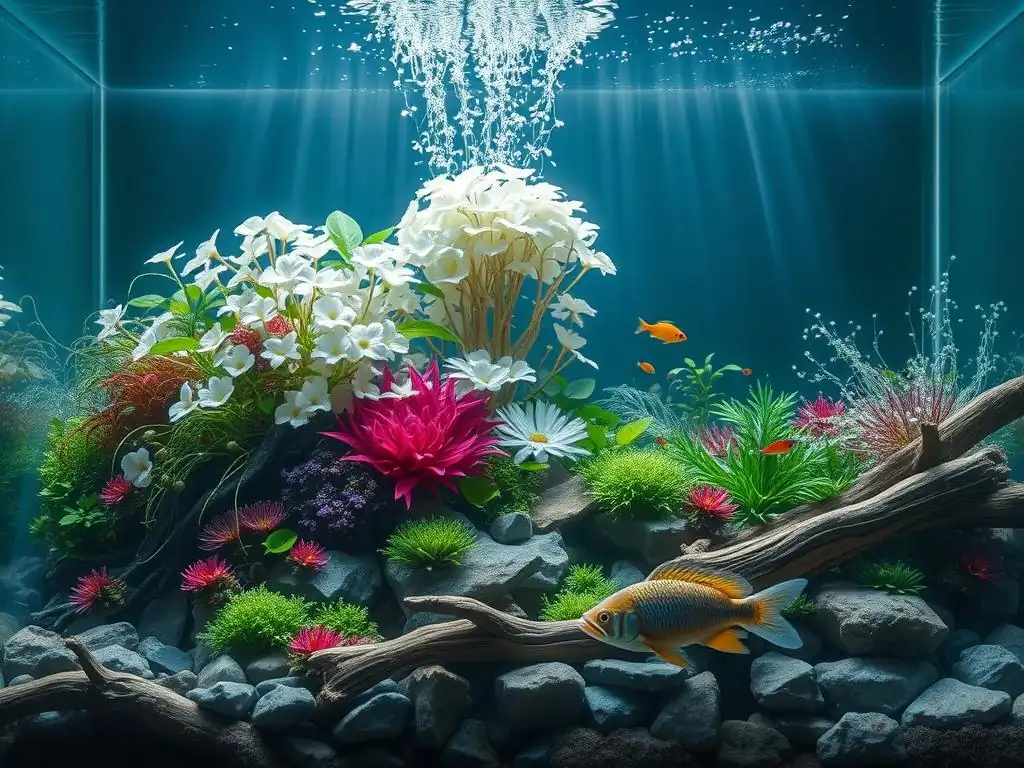
Welcome to Aquarium Mastery, fellow aquarist!
Ever wondered how the perfect rosette plant can transform your underwater world? Dive in and unlock the secrets to vibrant growth and stunning displays with our guide to understanding rosette plant anatomy. We'll explore essential Rosette plant care tips that will help you cultivate these beauties and elevate your aquarium to the next level. Ready to learn more?
- Introduction to Rosette Aquatic Plants
- Key Anatomical Features of Rosette Plants
- Rosette Plant Care Tips Based on Anatomy
- Common Rosette Plant Species and Their Anatomical Variations
- Troubleshooting Common Rosette Plant Problems
- Placement Strategies for Rosette Plants in Your Aquarium
- Propagating Rosette Plants
- Advanced Rosette Plant Care Techniques
- Conclusion: Mastering Rosette Plant Care Through Understanding Anatomy
-
Frequently Asked Questions
- What are rosette plants and why are they popular in aquariums?
- What are some key factors to consider for successful rosette plant care in a freshwater aquarium?
- How does the anatomy of a rosette plant influence its placement within an aquarium?
- What are some common issues that aquarists face when caring for rosette plants, and how can they be resolved?
- How often should I trim or prune my rosette plants, and what is the best way to do so?
- Final Reflection: Cultivating Growth, Rooted in Understanding
- Unleash the Beauty: Cultivate Your Rosette Plant Expertise!
Introduction to Rosette Aquatic Plants
What are Rosette Plants in Aquariums?
Rosette plants are a distinct group of aquatic flora characterized by their leaves growing in a circular pattern from a central point, often referred to as the crown. Unlike stem plants that grow vertically with leaves emerging along a stalk, rosette plants form a compact cluster of foliage directly from their root structure.
This growth habit makes them popular choices for aquascaping, as they provide a strong visual anchor and can range significantly in size, from small foreground species like Cryptocoryne parva (often only 2-3 inches tall) to towering background giants like Echinodorus bleheri (Amazon Sword), which can reach heights of 20 inches or more in a well-established aquarium.
Common examples of rosette plants in the aquarium hobby include members of the Echinodorus (Sword plants), Cryptocoryne (Crypts), and Vallisneria genera. Their unique structure often positions them as focal points or mid-ground accents in an aquascape. Understanding their specific anatomy is crucial for providing effective rosette plant care tips, ensuring they thrive and contribute to a vibrant aquatic environment rather than merely surviving.
Why Rosette Plant Anatomy Matters for Aquarium Care
A deep understanding of rosette plant anatomy is fundamental to their successful cultivation and longevity in an aquarium. Each part of the plant—the crown, leaves, and roots—plays a critical role, and neglecting the specific needs of any component can lead to stunted growth, nutrient deficiencies, or even plant death. For instance, the crown, being the plant's growth hub, is highly sensitive to being buried in the substrate, which can quickly lead to rot and plant decline.
Knowing how rosette leaves absorb light and nutrients, and how their root systems function, directly informs optimal placement, fertilization strategies, and overall rosette plant care tips. For example, recognizing that most rosette plants are heavy root feeders means that root tab fertilization is often more critical than liquid fertilizers alone. This anatomical insight allows aquarists to proactively address potential issues, leading to healthier, more robust plants that enhance the beauty and ecological balance of the aquarium.
Key Anatomical Features of Rosette Plants
The Crown: Center of Growth
The crown is arguably the most vital anatomical feature of a rosette plant, serving as the central point from which all new leaves emerge and the entire plant's growth originates. Located just above the root system, at the base of the leaves, the crown is typically a compact, fleshy structure. Its position is critical when planting: it must remain exposed to the water column and not be buried beneath the substrate. Burying the crown, even partially, can suffocate the delicate tissues, leading to rot, nutrient uptake inhibition, and ultimately, the demise of the plant.
In a healthy rosette plant, the crown is consistently producing new growth, often at a rate of one to two new leaves per week under optimal conditions. This continuous production is a key indicator of the plant's well-being. Proper rosette plant care tips emphasize ensuring the crown has adequate water flow and is free from detritus accumulation, allowing it to function effectively as the plant's primary engine for growth and regeneration.
Leaves: Shape, Size, and Light Absorption
The leaves of rosette plants exhibit an incredible diversity in shape, size, and color, which significantly impacts their light absorption capabilities and aesthetic appeal. From the broad, sword-like leaves of Echinodorus species to the crinkled, narrow blades of certain Cryptocoryne varieties or the long, ribbon-like foliage of Vallisneria, each offers unique visual textures. Leaf size can vary dramatically, with some Cryptocoryne species having leaves only an inch or two long, while mature Echinodorus can produce leaves over 20 inches in length, effectively dominating a substantial portion of the water column.
The surface area and orientation of the leaves are crucial for photosynthesis, the process by which plants convert light energy into chemical energy. Broader leaves generally offer more surface area for light capture, while narrower leaves may be more efficient in dense plantings where light penetration is limited.
The color of the leaves, often varying shades of green, can also display reddish or bronze hues, particularly in species like Echinodorus 'Red Flame', which often indicates the presence of specific pigments that can be enhanced by sufficient iron and light. Understanding these leaf characteristics is a vital component of effective rosette plant care tips, as it guides decisions on lighting intensity and placement within the aquarium to maximize photosynthetic efficiency.
Roots: Anchoring and Nutrient Uptake in Rosette Plants
The root system of rosette plants is primarily responsible for anchoring the plant firmly into the substrate and, more importantly, for absorbing essential nutrients directly from the substrate. Unlike many stem plants that derive a significant portion of their nutrients from the water column, most rosette plants are heavy root feeders. Their root systems can be extensive and robust, spreading several inches horizontally and vertically to access nutrient-rich zones within the substrate. For instance, a mature Cryptocoryne wendtii can develop a root network spanning 4-6 inches in diameter, demonstrating its reliance on substrate-bound nutrients.
This anatomical feature underscores the critical importance of a nutrient-rich substrate and targeted root fertilization for optimal rosette plant health. Inert substrates like plain gravel or sand, while suitable for anchoring, provide minimal nutritional value, necessitating the addition of root tabs or nutrient-rich aquasoils. Ensuring the roots have access to a steady supply of macronutrients (nitrogen, phosphorus, potassium) and micronutrients (iron, manganese, etc.) directly influences the plant's growth rate, leaf coloration, and overall vitality, making root health a cornerstone of successful rosette plant care tips.
Rosette Plant Care Tips Based on Anatomy
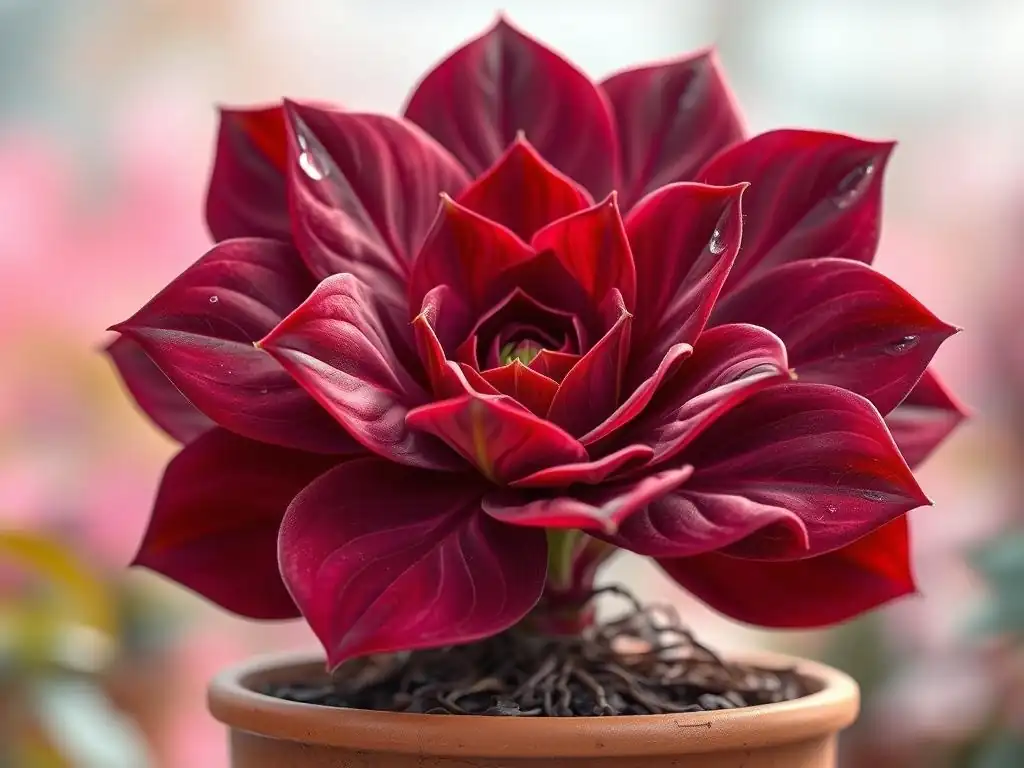
Optimizing Light Exposure for Rosette Leaves
Understanding Light Intensity Needs
Rosette plants, like all aquatic plants, require adequate light for photosynthesis, but their specific intensity needs vary significantly based on species and leaf structure. For instance, Cryptocoryne species are generally considered low-light plants, thriving under PAR (Photosynthetically Active Radiation) values typically ranging from 20-40 µmol/m²/s.
In contrast, larger Echinodorus species, such as the Amazon Sword, prefer moderate to high light, requiring PAR values in the range of 40-70 µmol/m²/s to reach their full potential and exhibit robust growth. Providing insufficient light will lead to stunted growth, pale leaves, and eventual decline, while excessive light can trigger aggressive algae growth on the leaves, especially if CO2 and nutrient levels are not balanced.
Beyond intensity, the duration of light exposure, or photoperiod, is also crucial. Most aquarium plants, including rosette varieties, benefit from a consistent photoperiod of 8-10 hours per day. A longer photoperiod often contributes to algae issues without significantly benefiting plant growth beyond a certain point. Understanding these light requirements is a fundamental aspect of effective rosette plant care tips, allowing aquarists to select appropriate lighting fixtures and schedules that cater to the specific needs of their chosen species.
Placement Strategies for Optimal Light Absorption
Strategic placement within the aquarium is essential to ensure that rosette plant leaves receive optimal light exposure, directly impacting their photosynthetic efficiency and overall health. Due to their central growth point and often broad leaves, rosette plants can easily overshadow smaller plants or be overshadowed themselves if not positioned thoughtfully.
Taller species, such as many Echinodorus varieties, should be placed in the mid to background of the aquarium to prevent them from shading foreground plants. It's advisable to allow ample space around larger rosette plants, often a radius of 6-8 inches, to ensure their leaves can fully expand and capture light without impediment.
For smaller rosette plants like Cryptocorynes, placement in the foreground or mid-ground is ideal, where they can receive moderate light without being overwhelmed by more demanding species. When planning your aquascape, consider the light penetration depth; light intensity diminishes with water depth. Therefore, placing light-demanding rosette plants in shallower areas or directly under the light source can significantly improve their growth. These careful placement strategies are vital rosette plant care tips that contribute to a balanced and thriving planted aquarium.
Substrate and Root Health for Rosette Plants
Choosing the Right Substrate
The substrate is arguably the most critical component for the long-term health and vitality of most rosette plants, given their reliance on root nutrient uptake. An inert substrate like plain gravel or sand, while suitable for fish, offers minimal nutritional value for heavy root feeders. For optimal rosette plant care tips, it is highly recommended to use a nutrient-rich substrate specifically designed for planted aquariums. These substrates, often composed of baked clays, laterite, or specialized soil mixtures (like aquasoil), provide a slow-release source of essential macro and micronutrients directly to the roots.
A substrate depth of at least 2-3 inches is generally ideal to allow for robust root development and to provide a sufficient reservoir of nutrients. Deeper substrates, up to 4 inches, can be beneficial for very large rosette species like mature Amazon Swords, enabling their extensive root systems to fully establish. Layering can also be effective, with a base layer of nutrient-rich substrate topped with a finer inert cap to prevent nutrient leaching into the water column. This thoughtful selection of substrate lays the foundation for healthy root growth and nutrient absorption, crucial for thriving rosette plants.
Fertilization for Rosette Plant Root Systems
Given that most rosette plants are heavy root feeders, direct fertilization of their root systems is a cornerstone of effective rosette plant care tips. While liquid fertilizers provide nutrients to the water column, they are often insufficient for species that primarily absorb nutrients through their roots. Root tabs, which are small capsules or tablets containing concentrated nutrients, are the most effective method for delivering localized fertilization. These tabs are typically inserted into the substrate directly beneath or adjacent to the plant's root zone, releasing nutrients slowly over several months.
The frequency of root tab application varies depending on the product, plant density, and plant growth rate, but a general guideline is to replace them every 3-6 months. Root tabs provide essential macronutrients such as nitrogen, phosphorus, and potassium, as well as vital micronutrients like iron, manganese, and boron, which are crucial for vibrant leaf coloration and robust growth.
For instance, iron deficiency often manifests as yellowing between the veins of new leaves, a common issue in heavily planted tanks without adequate root fertilization. Regular and targeted root fertilization ensures that rosette plants have a consistent supply of the specific nutrients they need to flourish.
Water Circulation and Rosette Plant Health
Preventing Algae Growth on Rosette Leaves
Adequate water circulation plays a surprisingly significant role in preventing algae growth on the broad leaves of rosette plants, which can otherwise become unsightly and inhibit photosynthesis. Stagnant water around plant leaves allows detritus, uneaten food, and suspended organic matter to settle on the leaf surface. This accumulated organic material provides an ideal substrate for opportunistic algae to colonize and proliferate. Gentle, consistent water flow helps to keep the leaf surfaces clean by sweeping away these particles before they can settle, thereby reducing the available food source for algae.
Furthermore, good water movement ensures that CO2 and other water column nutrients are evenly distributed throughout the aquarium, reaching all plant surfaces, including those of rosette plants. This consistent supply of vital elements helps the plants outcompete algae for available resources. Aim for a flow rate that creates a gentle sway in the plant leaves without excessively bending or damaging them. Implementing proper water circulation is a simple yet highly effective addition to rosette plant care tips, contributing significantly to a clean and healthy planted aquarium.
Ensuring Adequate Nutrient Distribution
Beyond preventing algae, effective water circulation is crucial for ensuring the even distribution of nutrients, both those dosed into the water column and those released from the substrate, to all parts of rosette plants. While rosette plants are primarily root feeders, they still absorb some nutrients, particularly trace elements and CO2, from the water column through their leaves. Good flow ensures that these vital components are not depleted in localized areas around the plants and are consistently delivered to the leaf surfaces where absorption can occur.
In aquariums utilizing CO2 injection, proper circulation is paramount. It helps dissolve the CO2 gas efficiently and distributes it uniformly throughout the tank, ensuring that all plants, including rosette species, have access to this critical carbon source for photosynthesis. Without adequate flow, CO2 can stratify, leading to inconsistent growth rates and potential deficiencies. Therefore, optimizing water circulation is an integral part of comprehensive rosette plant care tips, supporting both nutrient uptake and overall plant vitality.
Common Rosette Plant Species and Their Anatomical Variations
Echinodorus (Amazon Sword) Anatomy and Care
Echinodorus, commonly known as Amazon Swords, are archetypal rosette plants characterized by their typically large, broad, sword-shaped leaves that emerge from a robust central crown. Their anatomical structure includes an extensive and powerful root system, which is their primary means of nutrient uptake. These roots can spread widely and deeply within the substrate, making them heavy root feeders. A mature Echinodorus bleheri can have a root ball spanning 8-10 inches in diameter, clearly indicating its reliance on substrate nutrients.
Caring for Echinodorus involves providing a nutrient-rich substrate, preferably aquasoil or a gravel substrate enriched with root tabs, which should be replaced every 3-4 months. They generally prefer moderate to high lighting, typically requiring PAR values between 40-70 µmol/m²/s for optimal growth and vibrant green coloration. Insufficient iron can lead to chlorosis (yellowing between leaf veins) in new growth, highlighting the need for iron-rich root tabs. Echinodorus can grow quite large, often reaching 12-24 inches in height, making them excellent background or mid-ground focal points in larger aquariums.
Cryptocoryne Anatomy and Care
Cryptocoryne species, often referred to as "Crypts," display a remarkable anatomical diversity within the rosette plant family, ranging from small, compact species like Cryptocoryne parva (2-3 inches tall) to larger ones such as Cryptocoryne wendtii (6-12 inches tall). Their leaves can vary widely in shape—from narrow and linear to broad and ovate—and color, including shades of green, brown, and reddish hues. Anatomically, Crypts possess a delicate yet extensive root system and are strong root feeders, making substrate nutrition paramount for their health.
A distinctive aspect of Cryptocoryne care is their sensitivity to sudden environmental changes, often leading to a phenomenon known as "Crypt melt," where leaves rapidly decay. This can be triggered by significant shifts in water parameters, lighting, or even relocation. To prevent this, stable water conditions and consistent lighting (low to moderate, 20-40 µmol/m²/s PAR) are crucial. Like Echinodorus, they greatly benefit from nutrient-rich substrates and regular root tab fertilization every 4-6 months. Their adaptability to lower light conditions and varied sizes make them versatile choices for foreground, mid-ground, or even background planting depending on the species.
Vallisneria Anatomy and Care
Vallisneria, commonly known as "Vals," are unique among rosette plants due to their long, ribbon-like leaves that grow vertically from a central crown, often reaching the water surface. Anatomically, they possess a relatively simple but effective root system primarily focused on anchoring the plant in the substrate. Unlike the dense root balls of Sword plants, Vallisneria roots are more fibrous and less extensive, though still benefiting from substrate nutrients for their initial establishment and robust growth.
Their most distinctive anatomical feature, however, is their propagation method: they readily send out runners horizontally through the substrate, producing new plantlets at intervals. A single Vallisneria spiralis plant can produce 3-5 new plantlets via runners within a month under good conditions.
Caring for Vallisneria is relatively straightforward, making them excellent choices for beginners. They are adaptable to a wide range of water parameters and can thrive under low to moderate lighting conditions (20-50 µmol/m²/s PAR). While they can draw some nutrients from the water column, a nutrient-rich substrate or occasional root tabs can significantly boost their growth rate and leaf coloration. Their ability to propagate rapidly via runners makes them ideal for quickly filling in the background of an aquarium, creating a dense, natural wall of foliage.
Troubleshooting Common Rosette Plant Problems
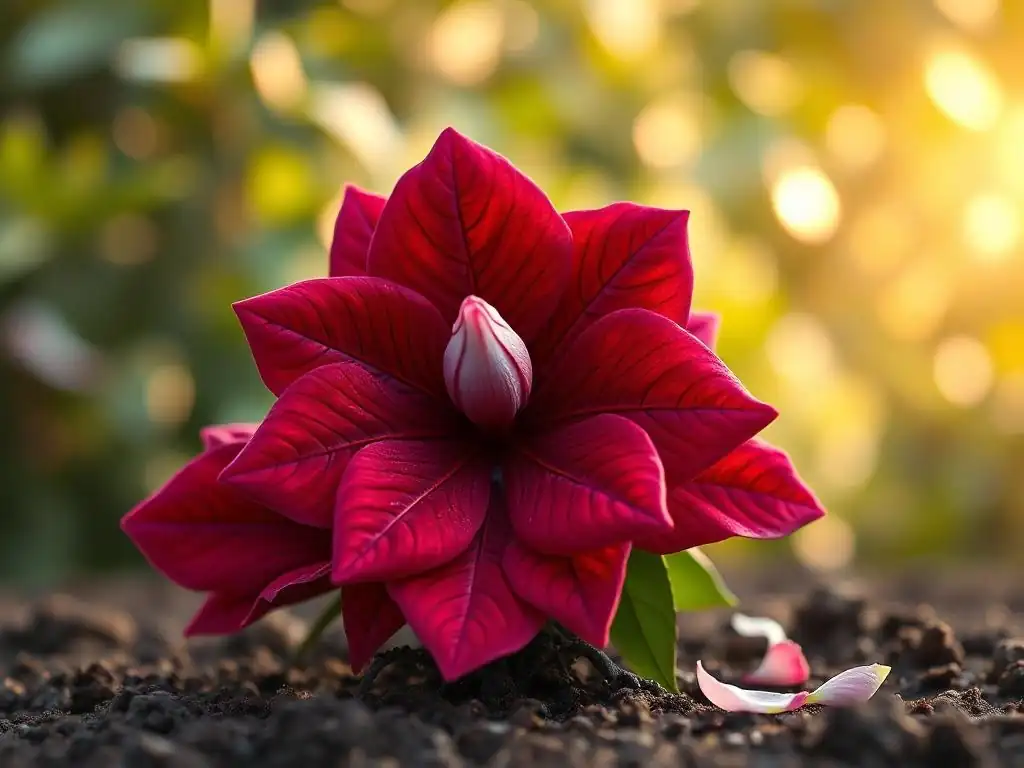
Identifying Nutrient Deficiencies Based on Leaf Appearance
Understanding the visual cues of nutrient deficiencies in rosette plants is a critical aspect of effective rosette plant care tips. Different deficiencies manifest in specific ways, primarily on the leaves. For instance, a general yellowing or fading of older leaves, especially at the tips, often indicates a nitrogen (N) deficiency, as nitrogen is mobile within the plant and is reallocated to new growth. Conversely, stunted growth with unusually dark green leaves can point to a phosphorus (P) deficiency.
One of the most common deficiencies observed in rosette plants, particularly Echinodorus species, is iron (Fe) deficiency, which presents as chlorosis—yellowing between the veins of new leaves, while the veins themselves remain green. Potassium (K) deficiency typically results in yellowing, holes, or decaying spots on older leaves, often starting at the margins.
Distorted new growth or brown spots can sometimes signal a calcium (Ca) or boron (B) deficiency, though these are less common in well-maintained tanks. Observing these specific symptoms allows aquarists to accurately diagnose the problem and adjust their fertilization regimen, usually by adding specific liquid fertilizers or targeted root tabs.
Addressing Root Rot in Rosette Plants
Root rot is a common and serious problem for rosette plants, often leading to rapid decline if not addressed promptly. This condition occurs when the plant's roots become soft, mushy, and often discolored (brown or black), losing their firm texture and ability to absorb nutrients. The primary cause of root rot in rosette plants is the improper planting of the crown—specifically, burying it too deeply in the substrate.
When the crown is submerged, it is deprived of oxygen and becomes susceptible to anaerobic bacteria, leading to decay. Poor substrate circulation, overly fine substrate that compacts easily, or excessive organic buildup in the substrate can also contribute by creating anaerobic pockets.
Symptoms of root rot extend beyond the roots themselves; affected plants may appear stunted, develop yellowing or melting leaves, and become easily dislodged from the substrate. To address root rot, first carefully remove the plant from the aquarium. Gently rinse the roots and trim away any visibly rotted, mushy sections using clean scissors, leaving only healthy, firm root tissue.
Replant the rosette plant ensuring the crown is fully exposed above the substrate line, with only the roots buried. Improving substrate health by adding a coarser layer, ensuring adequate water flow through the substrate, or periodically cleaning the substrate can prevent recurrence. These measures are vital rosette plant care tips for maintaining healthy root systems.
Dealing with Algae on Rosette Plant Leaves
Algae growth on the broad leaves of rosette plants is a common nuisance that can hinder photosynthesis, make the plants unsightly, and indicate an imbalance in the aquarium environment. Common culprits include excessive light intensity or duration, an imbalance of nutrients (often too much nitrate or phosphate relative to CO2), insufficient CO2 levels, or poor water circulation leading to detritus accumulation on the leaves. Different types of algae, such as green spot algae, green dust algae, or even black beard algae, can colonize rosette leaves.
To address algae, a multi-pronged approach is necessary. First, evaluate and adjust your lighting: reduce intensity or photoperiod (e.g., from 12 hours to 8-9 hours). Second, ensure CO2 levels are adequate (20-30 ppm in a high-tech tank) and stable, as CO2 deficiency can favor algae growth. Third, perform regular and sufficient water changes (25-50% weekly) to control nutrient levels.
Fourth, improve water circulation to prevent dead spots and keep leaves clean. For immediate relief, gently wipe the algae off the leaves with a soft cloth or toothbrush during water changes. Introducing algae-eating invertebrates like Amano shrimp (e.g., 5-10 shrimp for a 20-gallon tank) or Nerite snails can also help manage surface algae. These comprehensive rosette plant care tips are essential for maintaining clean, healthy foliage.
Placement Strategies for Rosette Plants in Your Aquarium
Rosette Plants as Focal Points
Rosette plants, particularly larger species like Echinodorus (Amazon Swords) or sizable Cryptocoryne varieties, are inherently suited to serve as striking focal points in an aquarium aquascape. Their distinctive growth pattern, with leaves radiating from a central crown, naturally draws the eye and creates a strong visual anchor.
To maximize their impact as a focal point, position a single, healthy specimen in the mid-ground or slightly off-center in the background, adhering to principles of aquascaping design such as the rule of thirds. This placement allows the plant ample space to grow to its full potential, often requiring a clear radius of 10-12 inches around a mature Amazon Sword to prevent overcrowding and ensure optimal light exposure.
When using rosette plants as focal points, ensure they are surrounded by contrasting textures or heights of other plants to enhance their prominence. For example, pairing a broad-leafed Echinodorus with fine-leafed stem plants or a carpeting foreground can create a dynamic and appealing visual composition. The vibrant green or reddish hues of a well-maintained rosette plant can serve as the central piece around which the rest of your aquascape flows, embodying key rosette plant care tips for aesthetic appeal.
Combining Rosette Plants with Other Aquarium Plants
Effective aquascaping often involves combining different plant types to create depth, contrast, and visual interest. Rosette plants integrate beautifully with stem plants, carpeting plants, and even epiphytes. For instance, placing tall stem plants like Rotala rotundifolia or Ludwigia repens behind larger Echinodorus species can create a lush, layered background, with the stem plants providing verticality and the rosette plants offering a robust mid-ground presence. This combination is a classic rosette plant care tips strategy for creating a natural, dense look.
In the foreground, smaller rosette plants such as Cryptocoryne parva or Cryptocoryne lucens can be used to transition smoothly from carpeting plants like Hemianthus callitrichoides 'Cuba' to taller mid-ground elements. When combining plants, always consider their individual light requirements to avoid one species overshadowing another. Ensure that the light-demanding rosette plants are not shaded by taller, denser stem plants. Additionally, account for the root systems; avoid planting stem plants too close to the roots of heavy-feeding rosette plants, which could compete for substrate nutrients.
Considering Fish and Invertebrate Compatibility
When selecting and placing rosette plants, it's crucial to consider the compatibility with your aquarium's fish and invertebrate inhabitants. Some fish species are notorious for uprooting plants, particularly those with extensive root systems like many rosette varieties. Larger cichlids, such as Oscars or African cichlids, are known for their digging behaviors, which can easily dislodge newly planted or even established rosette plants. Similarly, certain plant-eating fish like Silver Dollars or some larger gouramis may nibble on or consume the leaves of softer-leafed rosette plants.
For tanks housing such species, choosing more robust rosette plants like mature Anubias (though not strictly rosette, they share similar care) or those with tougher leaves can be beneficial. Alternatively, ensuring the fish are well-fed with appropriate plant-based foods can reduce their inclination to graze on aquarium plants.
Invertebrates like snails (e.g., Nerite snails) and shrimp (e.g., Amano shrimp) are generally plant-safe and can even be beneficial by consuming algae on rosette leaves, contributing to their overall health. Always research the specific habits of your chosen aquatic livestock to ensure a harmonious environment for both plants and animals, a key aspect of holistic rosette plant care tips.
Propagating Rosette Plants
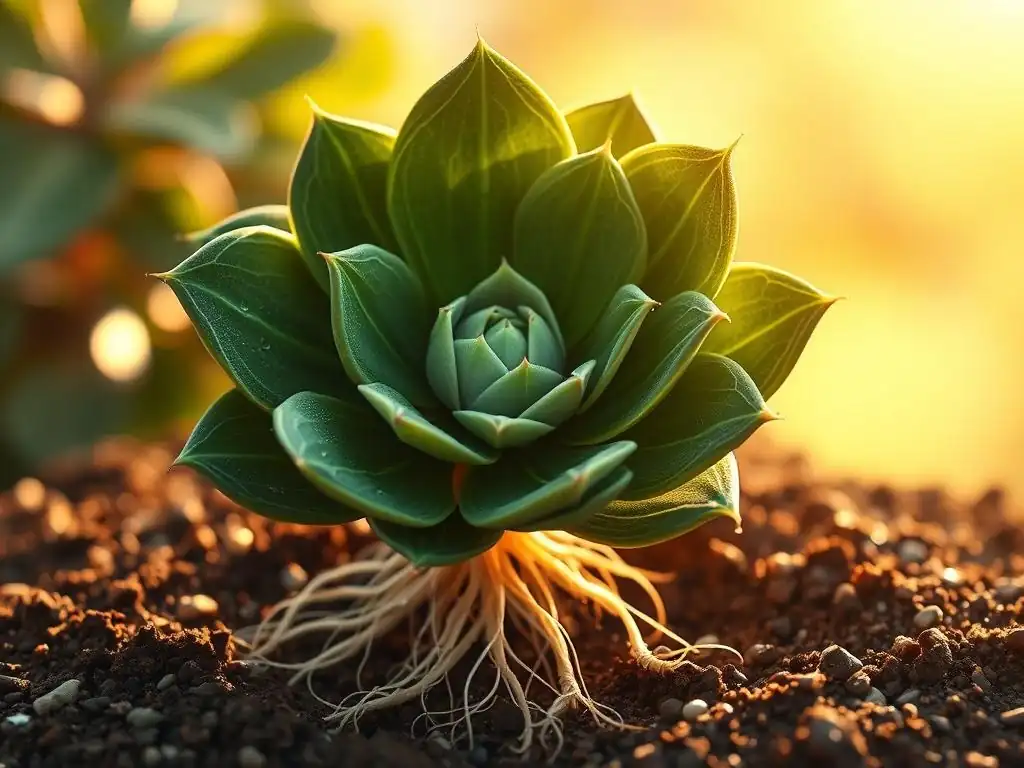
Dividing Rosette Plants at the Crown
Propagating rosette plants often involves methods that leverage their unique anatomical structure, with division at the crown being a primary technique for many species, particularly Cryptocorynes and some Echinodorus that produce multiple crowns. As a mature rosette plant grows, it may develop secondary crowns or offsets directly adjacent to the main plant. When these offsets have developed a few leaves and a small independent root system (typically 2-3 inches of root growth), they can be carefully separated.
To divide, gently remove the entire plant from the substrate. Using a sharp, clean pair of aquascaping scissors or a razor blade, carefully cut the rhizome or connecting tissue that links the offset to the mother plant, ensuring each division has its own crown, a minimum of 3-4 healthy leaves, and a sufficient root system. Replant the separated divisions into the substrate, making sure the crown of each new plant is exposed. This method not only propagates the plant but can also help rejuvenate an older, overgrown specimen by encouraging new, vigorous growth.
Root Tab Fertilization After Propagation
After propagating rosette plants by division or separating plantlets (e.g., from Vallisneria runners or Echinodorus flower stalks), providing immediate and localized nutrition to the newly planted specimens is crucial for their successful establishment and rapid growth. New plantlets, having smaller or newly disturbed root systems, greatly benefit from a readily available source of nutrients directly in their root zone. This is where root tab fertilization becomes particularly important.
Once the newly separated rosette plantlet is replanted in the substrate, insert a fresh root tab approximately 1-2 inches away from its base, ensuring it is fully buried. The slow-release nutrients from the root tab, including vital macronutrients and micronutrients, will encourage strong root development, accelerate new leaf growth, and help the plant acclimate more quickly to its new location. This targeted fertilization significantly increases the success rate of propagation and is a highly recommended step in comprehensive rosette plant care tips for new plantings.
Advanced Rosette Plant Care Techniques
CO2 Injection and Rosette Plant Growth
For aquarists aiming for the most robust growth and vibrant coloration from their rosette plants, particularly demanding species or in high-light setups, CO2 injection is an advanced yet highly effective technique. Carbon dioxide is a fundamental raw material for photosynthesis, and its consistent supply at optimal levels (typically 20-30 ppm) can dramatically accelerate plant growth rates, often by 3-5 times compared to tanks without CO2. This increased growth leads to larger, denser foliage and helps plants outcompete algae for available nutrients.
Implementing CO2 injection involves a pressurized CO2 system with a regulator, diffuser, and often a solenoid valve linked to the lighting schedule. While not strictly necessary for all rosette plants (many Cryptocorynes and Vallisneria can thrive without it), species like larger Echinodorus will exhibit significantly improved health and growth with supplemental CO2. It's crucial to balance CO2 levels with light intensity and nutrient dosing to prevent algae outbreaks or harm to livestock. Integrating CO2 injection is a pinnacle of advanced rosette plant care tips, unlocking their full genetic potential.
Trimming and Pruning for Optimal Shape and Health
Proper trimming and pruning are essential advanced rosette plant care tips for maintaining the aesthetic appeal, size, and overall health of your rosette plants. Unlike stem plants that are trimmed by cutting the stem, rosette plants are pruned by removing older, outer leaves at their base, close to the crown. This practice serves several purposes: it removes decaying or yellowing foliage that can otherwise contribute to detritus and nutrient spikes, redirects the plant's energy towards producing new, healthy growth from the crown, and helps manage the plant's overall size and shape in the aquascape.
When trimming, use sharp, clean aquascaping scissors to make a precise cut as close to the crown as possible without damaging the central growth point or surrounding new leaves. Avoid removing too many healthy leaves at once, as this can shock the plant and hinder its ability to photosynthesize. For very large Echinodorus species, strategic removal of a few of the largest outer leaves can help keep their size manageable without compromising their health. Regular pruning, perhaps every 2-4 weeks depending on growth rate, ensures that your rosette plants remain vigorous and attractive.
Conclusion: Mastering Rosette Plant Care Through Understanding Anatomy
Mastering rosette plant care tips hinges on a comprehensive understanding of their unique anatomy. From the vulnerable yet vital crown, the plant's central engine for growth, to the diverse leaves that capture light and absorb nutrients, and the robust root systems that anchor them and draw sustenance from the substrate—each component plays a critical role in the plant's overall health and vitality. Recognizing how these parts function and interact allows aquarists to move beyond generic plant care to tailored solutions that address the specific needs of these fascinating aquatic plants.
By applying knowledge of rosette plant anatomy, aquarists can make informed decisions regarding optimal light exposure, select the most appropriate nutrient-rich substrates, implement targeted root fertilization, and ensure adequate water circulation. This anatomical insight also empowers them to troubleshoot common problems effectively, from identifying nutrient deficiencies by leaf appearance to addressing root rot or managing algae growth. Ultimately, a deep appreciation for the structure of rosette plants transforms the aquarist from a mere caretaker into a true cultivator, fostering a thriving, visually stunning, and biologically balanced aquatic ecosystem for these captivating specimens.
Frequently Asked Questions
What are rosette plants and why are they popular in aquariums?
Rosette plants are aquatic plants characterized by a circular arrangement of leaves radiating from a central point, resembling a rose. They are popular because of their aesthetic appeal and ability to provide shelter for fish.
What are some key factors to consider for successful rosette plant care in a freshwater aquarium?
Successful rosette plant care hinges on adequate lighting, proper nutrient levels in the water column (often requiring fertilizers), and maintaining stable water parameters suitable for the specific species.
How does the anatomy of a rosette plant influence its placement within an aquarium?
The compact, low-growing nature of rosette plants makes them ideal for foreground or midground placement. Their root systems need sufficient space, so avoid overcrowding.
What are some common issues that aquarists face when caring for rosette plants, and how can they be resolved?
Common issues include algae growth on leaves, nutrient deficiencies indicated by yellowing leaves, and root rot from poor substrate aeration. These can be resolved with proper algae control, fertilization, and substrate maintenance.
How often should I trim or prune my rosette plants, and what is the best way to do so?
Rosette plants generally require minimal trimming. Remove dead or damaged leaves as needed using clean, sharp scissors to prevent the spread of disease and maintain a healthy appearance.
Final Reflection: Cultivating Growth, Rooted in Understanding
The journey through the anatomy of rosette plants, as we've explored, isn't just an academic exercise; it's a practical key to unlocking their vibrant potential in our homes and gardens. Understanding how these unique structures function, from their water-conserving leaf arrangements to their light-capturing strategies, directly translates into providing the optimal conditions for their flourishing. This knowledge empowers us to move beyond generic plant care and embrace a more nuanced, informed approach.
This deeper understanding resonates far beyond simply keeping a plant alive. It fosters a connection, a sense of responsibility, and an appreciation for the intricate beauty of the natural world. It reminds us that even the smallest details, like the angle of a leaf or the texture of its surface, play a crucial role in the plant's survival and well-being. Look deep into nature, and then you will understand everything better.
- Albert Einstein. This quote perfectly encapsulates the essence of our exploration: by understanding the 'why' behind the 'what,' we become better caretakers, better observers, and better inhabitants of this planet.
Now, armed with this knowledge of rosette plant anatomy and its implications for care, I invite you to reflect on your own relationship with the natural world. Consider how you can apply these principles to not only your rosette plants, but to all the living things you encounter. Embrace the opportunity to observe, to learn, and to cultivate a deeper understanding. By doing so, you'll not only nurture thriving plants, but also nurture a more profound connection to the beauty and complexity that surrounds us.
Unleash the Beauty: Cultivate Your Rosette Plant Expertise!
Thank you for diving deep into the fascinating world of rosette plant anatomy! We hope you now have a clearer understanding of how these unique plants thrive. Now, let's put that knowledge to work!
Here are some actions you can take today:
- Immediately assess your current rosette plants. Check their leaf structure, root system, and overall health using the knowledge you've gained.
- Share this article with a fellow plant enthusiast and discuss the unique adaptations of rosette plants.
- Experiment with different light levels for your rosette plants and document the changes in their growth patterns over the next few weeks.
What surprising adaptation did you discover in your rosette plant analysis today?