
The Impact of Water Flow on Rosette Plant Health

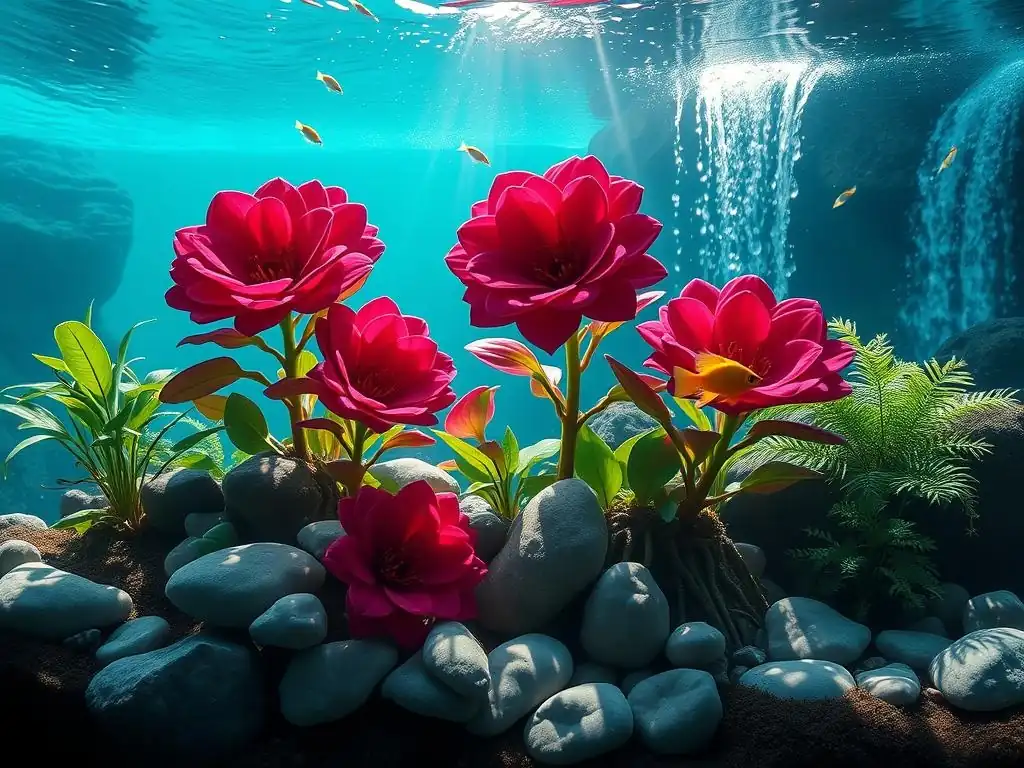
Welcome to Aquarium Mastery, your comprehensive guide to the fascinating world of aquariums!
Ever wondered if your delicate rosette plants are getting the perfect water flow they need to thrive? This article dives deep into the often-overlooked impact of water flow on rosette plant health, exploring how proper circulation can be the key to unlocking their full potential. Discover the secrets to optimizing your aquarium's ecosystem and watch your aquatic plants flourish! Ready to learn more about achieving the ideal rosette plant water flow? Let's get started!
- The Impact of Water Flow on Rosette Plant Health in Freshwater Aquariums
- Understanding Rosette Plants and Their Unique Needs
- Optimizing Water Flow for Thriving Rosette Plants
- Achieving Optimal Water Flow: Practical Solutions for Aquarium Keepers
- Troubleshooting Water Flow Issues in Rosette Plant Aquariums
- Rosette Plant Species and Their Specific Water Flow Preferences
- Maintaining Long-Term Rosette Plant Health Through Proper Water Flow
-
Frequently Asked Questions
- How does water flow specifically affect rosette plants in an aquarium?
- What are the signs of insufficient water flow around my rosette plants?
- What is the ideal water flow rate for a tank containing rosette plants?
- How can I improve water flow around my rosette plants in an existing aquarium?
- Can excessive water flow harm rosette plants?
- Final Reflection: The Lifeblood of Rosette Health
- Cultivate Thriving Rosettes: Take the Plunge!
The Impact of Water Flow on Rosette Plant Health in Freshwater Aquariums
Understanding Rosette Plants and Their Unique Needs
What are Rosette Plants? Identifying Key Characteristics
Rosette plants are a distinct category of aquatic flora characterized by their growth habit: leaves that emerge from a central crown or rhizome, typically rooted in the substrate, and spread outwards in a circular pattern. Unlike stem plants that grow upwards with leaves along an elongated stalk, rosette plants maintain a compact, basal structure.
Common examples found in freshwater aquariums include the diverse Echinodorus (Sword Plants), Cryptocoryne species, and rhizome-based plants like Anubias and Bucephalandra. Their root systems are often robust, designed to absorb a significant portion of their nutrients directly from the substrate, which differentiates their primary feeding strategy from many water-column feeders.
The unique growth form of rosette plants dictates specific requirements for their environment, particularly concerning nutrient delivery and waste removal. While they absorb nutrients from the substrate, their broad leaves also play a crucial role in absorbing dissolved nutrients and carbon dioxide from the water column.
The size of these plants can vary dramatically, from the tiny Cryptocoryne parva reaching only 2-5 cm in height, to a large Echinodorus bleheri that can grow up to 50 cm or more. This range in size and leaf surface area directly influences how they interact with and require optimal rosette plant water flow to thrive.
Why Water Flow Matters for Rosette Plant Health
Optimal water flow is paramount for the health and vitality of rosette plants in a freshwater aquarium. Firstly, it ensures the efficient delivery of essential nutrients and carbon dioxide (CO2) to the plant's leaf surfaces. In stagnant water, nutrients can become depleted in the immediate vicinity of the plant, creating a "nutrient desert" despite adequate overall levels in the tank.
Consistent rosette plant water flow continuously replenishes these vital compounds, allowing for robust photosynthesis and healthy growth. Without proper circulation, a large Echinodorus might show signs of nutrient deficiency even if the water column is rich, simply because the nutrients aren't reaching its leaves effectively.
Secondly, effective water flow plays a critical role in preventing the accumulation of waste products and detritus around the plant's base and on its leaves. Decaying organic matter, fish waste, and uneaten food can settle in stagnant areas, leading to anaerobic conditions in the substrate, which are detrimental to root health.
Furthermore, a buildup of detritus on leaf surfaces can block light, inhibit photosynthesis, and create prime conditions for nuisance algae growth. A gentle, sweeping rosette plant water flow helps to keep these surfaces clean, promoting better light penetration and reducing the risk of algal outbreaks that can smother delicate leaves.
Rosette Plants vs. Stem Plants: Water Flow Considerations
The architectural differences between rosette plants and stem plants necessitate distinct considerations for water flow management. Stem plants, characterized by elongated stems with leaves growing along their length (e.g., Rotala, Ludwigia), are generally more tolerant of, and often benefit from, stronger water currents. This is because robust flow helps distribute nutrients evenly along their entire length and prevents detritus from settling on their numerous, smaller leaves. They often sway gracefully with the current, which can also help prevent physical compression in dense groupings.
Conversely, rosette plants, with their broad leaves radiating from a central crown, interact with water flow in a different manner. While they require good rosette plant water flow for nutrient delivery and detritus removal, excessive or direct flow can be detrimental. Their broad leaves can act like sails, catching strong currents and leading to physical damage such as tearing or constant fluttering, which stresses the plant.
Insufficient flow, on the other hand, can lead to localized nutrient depletion around their compact bases and significant detritus accumulation. Therefore, the goal for rosette plants is typically a moderate, consistent, and gently sweeping current that circulates around the plant without causing undue physical stress or uprooting.
Optimizing Water Flow for Thriving Rosette Plants
The Ideal Water Flow Rate for Different Rosette Plant Species
Determining the ideal water flow rate for rosette plants is crucial for their health, as it balances nutrient delivery with physical integrity. Generally, most common rosette plants, including popular Echinodorus and Cryptocoryne species, thrive in moderate to gentle water flow.
Too strong a current can physically damage their leaves or dislodge them from the substrate, while insufficient flow can lead to nutrient deficiencies and detritus accumulation. A common guideline for overall tank turnover in a planted aquarium is 5-10 times the tank volume per hour, but this flow needs to be diffused and distributed appropriately to suit individual plant needs.
Specific rosette plant species have nuanced preferences regarding water flow. For instance, large Echinodorus (Sword Plants) generally prefer moderate flow, benefiting from good circulation to prevent detritus buildup on their broad leaves; a turnover rate equivalent to 5-7 times the tank volume per hour, distributed evenly, is often beneficial. Cryptocoryne species, however, typically prefer gentler, less direct flow, often thriving in areas of the tank with more subdued currents, perhaps requiring only 3-5 times tank volume turnover.
Strong, direct currents can sometimes trigger "Crypt melt," a condition where leaves rapidly decay. Understanding these species-specific needs is vital for optimizing rosette plant water flow.
Measuring Water Flow in Your Aquarium: Tools and Techniques
Accurately measuring water flow in an aquarium is less about precise instrumentation for the average hobbyist and more about practical observation and understanding your equipment. The most accessible technique is visual observation: watch how your plants gently sway, how detritus moves (or doesn't move) across the substrate, and how surface agitation occurs. Introducing a small, neutral floating object, such as a piece of fish food or a tiny air bubble, can help visualize current patterns and identify stagnant areas or overly turbulent zones. This qualitative assessment is often sufficient for making initial adjustments to your rosette plant water flow.
For a more quantitative approach, understanding your filter's stated GPH (gallons per hour) output is a starting point, but remember this is often measured at zero head pressure. In a real-world aquarium setup with tubing, media, and elevation differences, the actual flow rate can be significantly lower—sometimes as much as 30-50% less than the advertised rate. For example, a filter rated at 300 GPH might only provide 150-200 GPH of effective flow in a 20-gallon tank.
While dedicated flow meters exist, they are typically for advanced setups. Instead, focus on adjusting your filter's output or adding circulation pumps based on observed plant health and detritus distribution, fine-tuning your rosette plant water flow until the entire tank exhibits gentle, consistent movement.
Identifying Signs of Inadequate Water Flow in Rosette Plants
Inadequate water flow can manifest in several detrimental ways for rosette plants, often hindering their growth and overall health. Recognizing these signs early allows for timely intervention to optimize rosette plant water flow. Common indicators include visible debris accumulation, specific types of algae growth on leaves, and symptoms of nutrient deficiency despite adequate dosing.
Algae Growth on Leaves: A Common Indicator
One of the most common and visible signs of insufficient water flow around rosette plants is the proliferation of algae directly on their leaf surfaces. Stagnant water allows dissolved nutrients to concentrate locally around the plant, creating an ideal micro-environment for various types of algae, particularly green spot algae (GSA) or hair algae.
Without adequate water movement, these nutrients are not efficiently carried away, and beneficial organisms that might graze on initial algal spores are not effectively distributed. For example, if you consistently observe green spot algae forming dense patches on the broad, flat leaves of your Anubias barteri or Echinodorus species, especially in areas where water movement is visibly sluggish, it is a strong indicator of poor localized rosette plant water flow.
Debris Accumulation Around the Plant Base
Another clear sign of inadequate water flow is the noticeable accumulation of detritus around the base and lower leaves of rosette plants. Fish waste, uneaten food particles, and decaying plant matter are not effectively swept away by the current and settle in these stagnant areas. This buildup not only creates an unsightly appearance but also poses significant risks to the plant and the overall aquarium ecosystem.
This organic debris can decompose, leading to localized anaerobic pockets in the substrate, which produce harmful compounds like hydrogen sulfide that can damage roots. Regularly observing a layer of brown or black detritus around the crown of your Cryptocoryne wendtii or at the base of your Echinodorus signals a need to improve rosette plant water flow.
Stunted Growth and Leaf Discoloration
Insufficient water flow directly impacts a rosette plant's ability to absorb essential nutrients and carbon dioxide, leading to stunted growth and various forms of leaf discoloration. When nutrients and CO2 are not consistently delivered to the leaf surface, the plant cannot photosynthesize effectively, hindering its ability to produce energy and build new tissues. This can result in new leaves being noticeably smaller than mature ones, or an overall lack of growth progression.
Furthermore, specific nutrient deficiencies can manifest as discoloration: yellowing (chlorosis) often indicates a lack of nitrogen or iron, while holes or melting can point to potassium deficiency. For instance, if your Echinodorus 'Red Flame' consistently produces small, pale red leaves despite regular fertilization, it might be suffering from inadequate rosette plant water flow preventing nutrient uptake.
Identifying Signs of Excessive Water Flow in Rosette Plants
While insufficient flow can be detrimental, excessive water flow can be equally, if not more, damaging to rosette plants. Strong, direct currents can cause physical stress and inhibit their natural growth patterns. Recognizing these signs is crucial for protecting your plants from mechanical damage and stress.
Leaf Damage and Tearing
One of the most obvious signs of excessive water flow is physical damage to the leaves of your rosette plants. Broad-leaved species, such as Anubias or larger Echinodorus varieties, act like sails in strong currents, catching the full force of the water. This constant buffeting can lead to frayed edges, small tears, or even significant rips in the leaves.
The continuous mechanical stress compromises the plant's structural integrity and its ability to photosynthesize efficiently. For example, if you notice the normally sturdy leaves of your Anubias nana developing tattered edges or small holes, especially if it's positioned directly in the path of a filter output or powerhead, it's a clear indication of overly strong rosette plant water flow.
Uprooting of Plants
Excessive water flow, particularly near the substrate level, can exert enough force to dislodge or uproot rosette plants, especially newly planted or those with less established root systems. While rosette plants generally develop robust roots to anchor themselves, an overly powerful current can overcome this anchorage, causing the plant to float freely or become partially dislodged.
This is particularly problematic for species like Cryptocoryne, which are sensitive to disturbance and can experience "Crypt melt" if frequently uprooted. If you consistently find your recently planted Cryptocoryne beckettii floating or leaning precariously, despite being properly buried, it signals that the rosette plant water flow at the substrate level is too strong.
Inhibited Growth
Paradoxically, while some water flow is essential for nutrient delivery, excessive flow can lead to inhibited growth in rosette plants. The constant physical exertion required for the plant to resist the strong current diverts energy away from metabolic processes crucial for growth and photosynthesis. Instead of investing energy in developing new leaves or roots, the plant is perpetually "fighting" its environment.
This chronic stress can result in an overall stunting of growth, even if all other parameters like light, CO2, and nutrients are optimal. For instance, a Bucephalandra species, known for its slow growth rate, might show even more minimal development or smaller, more compact leaves if subjected to a continuous, strong current, indicating that the rosette plant water flow is creating a stressful environment.
Achieving Optimal Water Flow: Practical Solutions for Aquarium Keepers
Choosing the Right Aquarium Filter for Rosette Plants
The choice of aquarium filter is foundational to establishing and maintaining optimal water flow for your rosette plants. Different filter types offer varying flow characteristics, and understanding these can guide your selection. Canister filters often provide higher flow rates and the advantage of adjustable output, making them versatile for planted tanks. Hang-on-back (HOB) filters are convenient but can sometimes have a strong, direct output that needs modification. Sponge filters offer very gentle flow, ideal for nano tanks or as supplementary filtration in larger setups.
When selecting a filter, pay close attention to its GPH (gallons per hour) rating. For a planted tank with rosette plants, a general guideline is to aim for a total tank turnover rate of 5 to 10 times the tank volume per hour, but this should be considered as a starting point, recognizing that actual flow will be less than advertised. Crucially, prioritize filters with adjustable flow settings.
This allows you to fine-tune the water movement, reducing stress on delicate rosette plants while still ensuring adequate circulation throughout the tank. For example, in a 40-gallon tank, a canister filter rated at 200-400 GPH with adjustable flow would offer excellent control over rosette plant water flow.
Considering Flow Rate and Adjustable Settings
The ability to adjust the flow rate of your aquarium filter is a significant advantage when maintaining rosette plants. Many advanced canister filters, such as those from Eheim or Fluval, come equipped with built-in flow control valves, allowing you to easily increase or decrease the water output. Some hang-on-back filters also offer adjustable flow sliders or multiple intake/output options. This feature is invaluable because it enables you to precisely tailor the water movement to the specific needs of your rosette plants, which can vary by species and even by their stage of growth.
For a tank predominantly featuring delicate rosette plants like Cryptocoryne or Bucephalandra, starting with a lower flow setting and gradually increasing it while observing plant response is a recommended strategy. This prevents initial shock and allows plants to acclimatize. If your filter's maximum output is 300 GPH, but your Anubias leaves are fluttering excessively, being able to dial it down to 150-200 GPH can make a significant difference in preventing leaf damage. Adjustable flow ensures that you can provide optimal rosette plant water flow without overwhelming your aquatic garden.
Filter Placement for Optimal Circulation
Strategic placement of your aquarium filter's intake and output is as important as the filter's capabilities in creating beneficial water flow patterns for rosette plants. The goal is to establish a gentle, sweeping current that circulates throughout the entire tank, reaching all plants without creating direct, high-velocity blasts onto delicate foliage. A common and effective strategy is to place the filter intake at one end of the aquarium and the output at the opposite end, often angled slightly towards the front or back glass. This setup promotes a broad, sweeping current that minimizes dead spots.
To further diffuse and direct the flow, especially from powerful filter outputs, consider utilizing accessories like spray bars or flow diffusers. A spray bar, which is a perforated tube attached to the filter output, distributes the water over a wider area, significantly reducing the intensity of the current at any single point.
This is particularly beneficial for tanks with numerous rosette plants, as it ensures even distribution of nutrients and CO2 without causing physical stress. By carefully positioning the spray bar to gently sweep over your Echinodorus leaves, you can achieve optimal rosette plant water flow, preventing both stagnation and excessive turbulence.
Using Powerheads and Circulation Pumps to Enhance Water Movement
While your main filter provides essential filtration and general circulation, powerheads or dedicated circulation pumps can be invaluable tools for fine-tuning water movement, especially in larger tanks or those with complex aquascapes. Their primary purpose is to enhance water movement in specific areas, break up dead spots, or provide additional current where the main filter's flow is insufficient. They can be particularly useful for ensuring good rosette plant water flow in densely planted sections.
However, caution is advised when incorporating powerheads, as they can generate very strong, localized currents. The key is to select the appropriate size and to position them strategically to avoid creating excessive flow that could harm delicate rosette plants.
Unlike filters, powerheads are solely for circulation, offering a focused stream of water. For example, in a 75-gallon aquarium, a single canister filter might not be enough to reach all corners, and a small, adjustable powerhead can be used to augment the flow in a specific area populated by Anubias or Bucephalandra, ensuring adequate rosette plant water flow without causing stress.
Selecting the Appropriate Powerhead for Your Tank Size
Choosing the right powerhead involves considering your tank size and the specific flow needs of your rosette plants. Powerheads are rated in GPH (gallons per hour), and it's easy to overdo it. For most planted aquariums, particularly those with delicate rosette plants, a small, adjustable powerhead is typically sufficient. Instead of aiming for high GPH, look for models that offer wide, diffused flow patterns rather than narrow, focused streams, and critically, those with adjustable flow settings.
For a smaller tank (e.g., 20-30 gallons), a powerhead rated between 50-100 GPH might be enough to address a single dead spot. In larger tanks (e.g., 50-75 gallons), a powerhead in the 200-500 GPH range might be considered, but again, adjustability is paramount. Some modern powerheads even offer oscillating features or multiple flow modes to mimic natural currents, providing a less direct and more beneficial rosette plant water flow. Always err on the side of caution and choose a lower GPH model that can be easily adjusted upwards if needed.
Powerhead Placement Strategies for Rosette Plant Health
Strategic placement of powerheads is critical to ensure they enhance, rather than harm, your rosette plants. The primary goal is to create gentle, sweeping currents that benefit plant health without directly blasting sensitive foliage. Avoid aiming a powerhead directly at any cluster of rosette plants, especially delicate species like Cryptocoryne or Bucephalandra, as this can lead to leaf damage or uprooting.
Instead, consider positioning powerheads to:
- Bounce off tank walls: Angling the powerhead to direct its flow against the side or back glass can soften the current and create a more diffused, indirect flow pattern that gently sweeps over plants.
- Create surface agitation: Pointing the powerhead towards the water surface enhances gas exchange, benefiting both plants (CO2 uptake) and fish (oxygenation), while also generating a gentle current throughout the tank.
- Target dead spots indirectly: If a specific corner or dense area consistently accumulates detritus, position the powerhead a reasonable distance away, aiming it to create a current that gently sweeps through that area without direct impact on the plants. For instance, placing a small powerhead behind a large piece of driftwood, aimed to create an eddy current around a cluster of Anubias, can provide ideal rosette plant water flow.
The Role of Substrate and Hardscape in Water Flow Management
Beyond filtration and circulation equipment, the physical layout of your aquarium—including the type of substrate and the arrangement of hardscape elements like rocks and driftwood—plays a significant, often overlooked, role in managing water flow. Thoughtful aquascaping is not just about aesthetics; it's a functional aspect that directly influences how water moves around your rosette plants.
The density and depth of your substrate, as well as the strategic placement of hardscape, can either facilitate or impede water movement. For example, a deep, fine sand bed can create anaerobic pockets if surface flow is poor, while a well-placed rock can deflect a strong current to create a gentle eddy. Understanding these interactions allows you to design an aquarium environment where rosette plant water flow is naturally optimized, contributing to a healthier and more stable ecosystem.
Substrate Choice and Its Impact on Water Circulation
The type and depth of your aquarium substrate can significantly influence both surface water circulation and the flow of water within the substrate itself, which is crucial for root-feeding rosette plants. Coarser substrates, such as larger gravel or specialized planted tank substrates with granular particles, generally allow for better water penetration and gas exchange within the substrate bed. This can benefit the roots of rosette plants by ensuring better oxygenation and nutrient availability in the root zone.
Conversely, very fine sand, while aesthetically pleasing, can compact over time and impede water flow through the substrate, potentially leading to anaerobic conditions and harmful gas pockets. If using fine sand, ensure excellent surface water flow to prevent detritus from settling deeply and to encourage beneficial microbial activity. For rosette plants that primarily absorb nutrients through their roots, such as many Echinodorus species, a substrate depth of at least 2-3 inches allows for robust root development, but adequate rosette plant water flow at the surface is still essential to prevent nutrient depletion and detritus buildup around the crown.
Arranging Hardscape to Promote Water Movement Around Plants
Hardscape elements like rocks, driftwood, and decorative structures are not just for visual appeal; they can be strategically arranged to either direct or diffuse water flow, significantly impacting the environment for your rosette plants. Properly placed hardscape can create beneficial eddies and gentle currents that sweep around plants, ensuring nutrient delivery and detritus removal without causing physical stress.
For instance, a large piece of driftwood positioned to gently deflect the output from a filter can transform a strong, direct current into a more diffused, sweeping flow, creating an ideal zone for sensitive Cryptocoryne species. Similarly, arranging rocks to create natural channels can guide water flow through specific areas, preventing dead spots. Conversely, poorly placed or excessively dense hardscape can block water flow, creating stagnant areas where detritus accumulates and plants suffer. Always consider how your hardscape choices will influence rosette plant water flow, aiming to create a dynamic yet gentle environment throughout your aquatic landscape.
Troubleshooting Water Flow Issues in Rosette Plant Aquariums
Even with careful planning, water flow issues can arise in an aquarium. Recognizing and addressing these problems promptly is essential for maintaining the health of your rosette plants. Common issues include dead spots where water stagnates, excessive flow causing plant stress, and challenges in managing flow during routine maintenance like water changes.
Addressing Dead Spots in the Tank
Dead spots are areas within the aquarium where water flow is minimal or non-existent, leading to stagnation, detritus accumulation, and poor gas exchange. For rosette plants, dead spots mean nutrient depletion in their immediate vicinity and an increased risk of algae growth and root rot. Identifying dead spots often involves observing where detritus consistently settles, or where plants appear to be struggling despite good overall tank parameters.
Solutions for dead spots involve either redirecting existing flow or introducing additional circulation. Start by re-angling your filter output or spray bar to ensure a more comprehensive sweep of the tank. If the main filter cannot reach a specific area, consider adding a small, low-GPH powerhead (e.g., 50-100 GPH for a localized spot in a 20-gallon tank) positioned to gently push water into the stagnant zone.
Strategic pruning of dense plant growth can also open up pathways for better circulation. For example, if you notice a persistent buildup of brown detritus in a back corner behind a large Echinodorus, repositioning your filter output to create a slight current towards that area, or adding a mini powerhead, will significantly improve rosette plant water flow.
Dealing with Excessive Water Flow
Excessive water flow can stress and damage rosette plants, leading to torn leaves, uprooting, and inhibited growth. If you observe your Anubias leaves constantly flapping violently, or your Cryptocoryne species repeatedly becoming dislodged, it's a clear sign that the current is too strong.
The primary solutions for excessive flow involve reducing its intensity or diffusing its impact. If your filter has adjustable flow settings, reduce the output. If not, consider adding a spray bar or a flow diffuser to the filter's output nozzle, which will spread the current over a wider area and reduce its direct force.
Another effective strategy is to direct the filter output towards a tank wall or a large piece of hardscape, allowing the water to bounce off and dissipate its energy before reaching your rosette plants. For instance, if your Echinodorus leaves are showing signs of physical damage from a powerful canister filter, installing a spray bar along the back of the tank will convert the concentrated jet into a gentle, distributed rosette plant water flow.
Managing Water Flow During Water Changes
Water changes, while essential for aquarium health, can temporarily disrupt water flow and create stressful conditions for rosette plants if not managed properly. The dropping water level can expose filter intakes, causing them to suck air, and the refilling process can create strong, localized currents that disturb substrate and plants.
To mitigate these issues, always turn off your filters and any powerheads before initiating a water change. This prevents equipment damage from running dry or sucking air, and also ensures that no powerful currents are generated during the refilling process. When refilling the tank, do so slowly and gently.
Ideally, use a siphon or hose that directs the incoming water against a piece of hardscape (like a rock or driftwood) or the aquarium glass. This diffuses the force of the water, preventing it from blasting directly onto your rosette plants, dislodging them, or stirring up the substrate. Once the water level is restored, you can carefully restart your filters and powerheads, ensuring a smooth transition back to optimal rosette plant water flow.
Rosette Plant Species and Their Specific Water Flow Preferences
While general principles apply, different rosette plant species exhibit unique preferences regarding water flow, often influenced by their natural habitats. Understanding these nuances allows aquarists to provide species-specific conditions that promote optimal growth and health.
Echinodorus (Sword Plants): Water Flow Recommendations
Echinodorus species, commonly known as Sword Plants, are among the most popular rosette plants in freshwater aquariums due to their striking appearance and relatively robust nature. These plants, which can range from medium to very large, generally prefer moderate to strong water flow. Their broad leaves benefit from consistent water movement, which ensures efficient delivery of dissolved nutrients and CO2, and helps to prevent detritus from settling on their large surfaces, which could otherwise lead to algae growth.
Despite their tolerance for stronger currents compared to more delicate species, direct, high-velocity blasts should still be avoided to prevent physical damage to their leaves. For a thriving Echinodorus bleheri or Echinodorus amazonicus, a consistent, sweeping current with a tank turnover rate in the range of 5-7 times per hour is often ideal. This level of rosette plant water flow ensures that the plant receives ample nutrients across its entire leaf surface, supporting its often rapid growth and large size without causing stress or tearing.
Cryptocoryne Species: Balancing Flow and Shade
Cryptocoryne species, often simply called "Crypts," are beloved for their diverse leaf shapes, colors, and their ability to thrive in a wide range of conditions. Unlike Sword Plants, most Cryptocoryne species generally prefer gentle to moderate water flow. In their natural habitats, they are often found in slower-moving or shaded areas of streams and rivers. They are particularly sensitive to sudden changes in environmental conditions, and excessive or fluctuating water flow can be a significant stressor, sometimes leading to the dreaded "Crypt melt," where leaves rapidly disintegrate.
For species like Cryptocoryne wendtii, Cryptocoryne beckettii, or Cryptocoryne parva, aiming for a gentle, indirect current is crucial. A tank turnover rate of 3-5 times per hour, diffused and non-turbulent, is typically well-suited. Placing them in areas where hardscape or other plants can break the direct current, providing a slightly more sheltered environment, can greatly benefit their health. The key is to ensure good rosette plant water flow around their base for nutrient delivery and waste removal, without subjecting their delicate leaves to constant buffeting.
Anubias Species: Gentle Water Movement for Optimal Growth
Anubias species, including popular varieties like Anubias barteri and Anubias nana, are rhizome plants often attached to driftwood or rocks rather than planted in the substrate. They are renowned for their hardiness and low light requirements. Anubias species thrive in gentle to moderate water flow. While their tough, leathery leaves are less prone to tearing than more delicate plants, they are highly susceptible to algae growth, particularly green spot algae, if water flow is too low. Stagnant conditions allow nutrients to concentrate on their leaf surfaces, providing an ideal breeding ground for algae.
Conversely, overly strong or direct currents can still cause stress and lead to issues. The broad leaves can catch strong currents, leading to constant fluttering that expends energy and can eventually cause wear and tear. An ideal rosette plant water flow for Anubias is a gentle, consistent current, perhaps equivalent to 2-4 times the tank volume turnover, that washes over their leaves without causing them to constantly flap.
This ensures nutrient delivery and helps keep the leaf surfaces clean, promoting optimal growth and preventing unsightly algae buildup. For instance, an Anubias nana attached to a piece of driftwood should be positioned where it receives a soft, sweeping current, not a direct blast from a filter output.
Bucephalandra Species: Low to Moderate Flow for Optimal Growth
Bucephalandra species are another group of rhizome plants, often smaller and slower-growing than Anubias, prized for their intricate leaf patterns and iridescent coloration. Originating from fast-flowing Borneo streams, they are often found clinging to rocks and driftwood in sheltered spots where the current is present but not direct. Consequently, Bucephalandra species prefer low to moderate water flow in the aquarium environment. While they need consistent water movement to deliver nutrients and CO2, strong, direct currents can be highly detrimental.
Excessive flow can stress Bucephalandra, leading to leaf loss, melting, or severely stunted growth. Their compact size and often delicate leaves are not well-suited for battling powerful currents. The ideal rosette plant water flow for Bucephalandra is a very gentle, consistent current, typically in the range of 2-3 times the tank volume turnover, that provides good circulation without causing any physical disturbance.
Placing them in slightly shaded areas with good, but not turbulent, water movement will encourage their optimal development and showcase their unique beauty. Observing constant movement or fluttering of Bucephalandra leaves is a strong sign that the water flow is too intense.
Maintaining Long-Term Rosette Plant Health Through Proper Water Flow
Achieving optimal rosette plant water flow is not a one-time setup; it's an ongoing process that requires regular monitoring and adjustments to ensure long-term plant health and vitality. The aquarium ecosystem is dynamic, and what works perfectly today might need slight modifications as your plants grow, fish populations change, or equipment performance fluctuates.
Regular Monitoring and Adjustments
Consistent observation of your rosette plants is the most effective tool for long-term water flow management. Pay close attention to how your plants are behaving: are their leaves gently swaying, or are they constantly fluttering violently? Is detritus accumulating around their bases, or are their leaves showing signs of algae growth despite good nutrient levels? These visual cues are invaluable indicators of whether your rosette plant water flow is optimal.
As your plants grow larger and denser, they can sometimes impede existing flow pathways, creating new dead spots. Similarly, filter media can become clogged over time, reducing the actual flow rate from your filter.
Be prepared to make minor adjustments to your filter output, reposition powerheads, or even prune dense plant growth to re-establish proper circulation. For example, after an Echinodorus has doubled in size over a few months, you might need to slightly increase the filter's output or re-angle a powerhead to ensure its newly expanded foliage still receives adequate rosette plant water flow and remains free of detritus.
The Importance of Consistent Water Parameters
While water flow is a critical component of rosette plant health, it operates within a complex ecosystem where consistent water parameters are equally vital. Optimal rosette plant water flow ensures the efficient delivery of essential nutrients (like nitrates, phosphates, potassium, iron) and carbon dioxide (CO2) to the plant's leaf surfaces, but it cannot compensate for deficiencies in these parameters themselves. A perfectly flowing tank with insufficient CO2 or depleted macronutrients will still result in struggling plants.
Therefore, maintaining stable and appropriate water parameters—including temperature, pH, general hardness (GH), carbonate hardness (KH), and consistent nutrient dosing—is synergistic with good water flow. For instance, if you're injecting CO2, effective water flow ensures that the dissolved CO2 is evenly distributed throughout the tank, reaching all your rosette plants efficiently. Similarly, when dosing liquid fertilizers, proper rosette plant water flow guarantees that these vital nutrients are dispersed and made available to every plant, preventing localized nutrient depletion and promoting uniform, vibrant growth across your aquatic garden.
Integrating Water Flow Management into Your Aquarium Maintenance Routine
Proactive water flow management should be an integral part of your regular aquarium maintenance routine, not just a reactive measure when problems arise. By incorporating simple checks and adjustments into your routine, you can prevent most flow-related issues before they impact your rosette plants.
During your weekly or bi-weekly water change, take a few minutes to:
- Observe current patterns: Watch how the water moves around your rosette plants and throughout the tank. Are there any new stagnant areas or overly turbulent zones?
- Check for detritus: Inspect the substrate around the base of your plants for any accumulation of debris.
- Clean filter media: Regularly clean or replace clogged filter media to ensure your filter maintains its intended flow rate.
- Prune strategically: Trim overgrown plants that might be blocking water pathways or creating dense, flow-inhibiting thickets.
By consistently monitoring and making minor adjustments to your rosette plant water flow, you contribute significantly to the long-term health, vibrancy, and resilience of your entire freshwater aquarium ecosystem. This proactive approach ensures that your beautiful rosette plants receive the ideal conditions they need to flourish.
Frequently Asked Questions
How does water flow specifically affect rosette plants in an aquarium?
Rosette plants need adequate water flow to deliver essential nutrients and carbon dioxide directly to their leaves. Insufficient flow can lead to nutrient deficiencies and algae growth on the leaves.
What are the signs of insufficient water flow around my rosette plants?
Common signs include slowed growth, algae buildup on leaves, and discoloration or melting of the plant tissue. The plant may also look generally unhealthy and struggle to thrive.
What is the ideal water flow rate for a tank containing rosette plants?
The ideal flow rate is moderately strong, enough to gently sway the leaves without uprooting the plant. Aim for a turnover rate of 5-10 times the tank volume per hour, adjusting based on plant species.
How can I improve water flow around my rosette plants in an existing aquarium?
Several options exist, including adding a powerhead or wave maker, repositioning existing filters or outlets, and trimming overgrown plants that may be obstructing water movement.
Can excessive water flow harm rosette plants?
Yes, too much water flow can damage delicate leaves and uproot the plant, preventing it from properly anchoring. It can also exhaust the plant from constantly battling the current, hindering growth.
Final Reflection: The Lifeblood of Rosette Health
The preceding analysis has demonstrated the critical link between water flow and the vitality of rosette plants, highlighting how optimized hydration directly translates to robust growth and resilience. Understanding these nuances is not merely academic; it's a practical imperative for anyone seeking to cultivate thriving rosette specimens, especially in controlled environments or regions with fluctuating water availability.
This intricate dance between water and plant health has profoundly shaped, and continues to shape, our approach to horticulture. My own experiences observing the subtle shifts in rosette health based on watering techniques have underscored the importance of attentive observation and adaptive strategies. Water is the driving force of all nature,
as Leonardo da Vinci so eloquently stated, and this holds especially true for the delicate balance within a rosette plant's ecosystem.
Now, as you consider the insights shared, I encourage you to reflect on your own relationship with the natural world. How can you apply these principles of optimized water flow to nurture not only your rosette plants, but also your understanding of the interconnectedness of life? Let this knowledge empower you to become a more conscious and effective steward of the environment, one rosette at a time.
Cultivate Thriving Rosettes: Take the Plunge!
Thank you for exploring the vital role of water flow in your rosette plants' health! Now that you understand its impact, it's time to put that knowledge into action and watch your aquatic plants flourish.
Here are some actionable steps you can take right now:
- Optimize your aquarium's flow: Experiment with different pump placements or wave makers to achieve a gentle, consistent current around your rosette plants. This is the most crucial step for immediate improvement.
- Join the Aquarium Mastery Community: Share photos of your rosette plants and discuss your water flow setup with fellow aquarists.
- Research companion plants: Explore other species that benefit from similar water flow conditions and can create a balanced ecosystem in your aquarium.
Ready to fine-tune your aquarium's flow for vibrant rosette growth? What specific water flow challenges are you facing in your aquarium, and how do you plan to address them?