
Danios, Rasboras, & White Clouds: Aquarium Mastery's Top Picks for Vibrant Schools

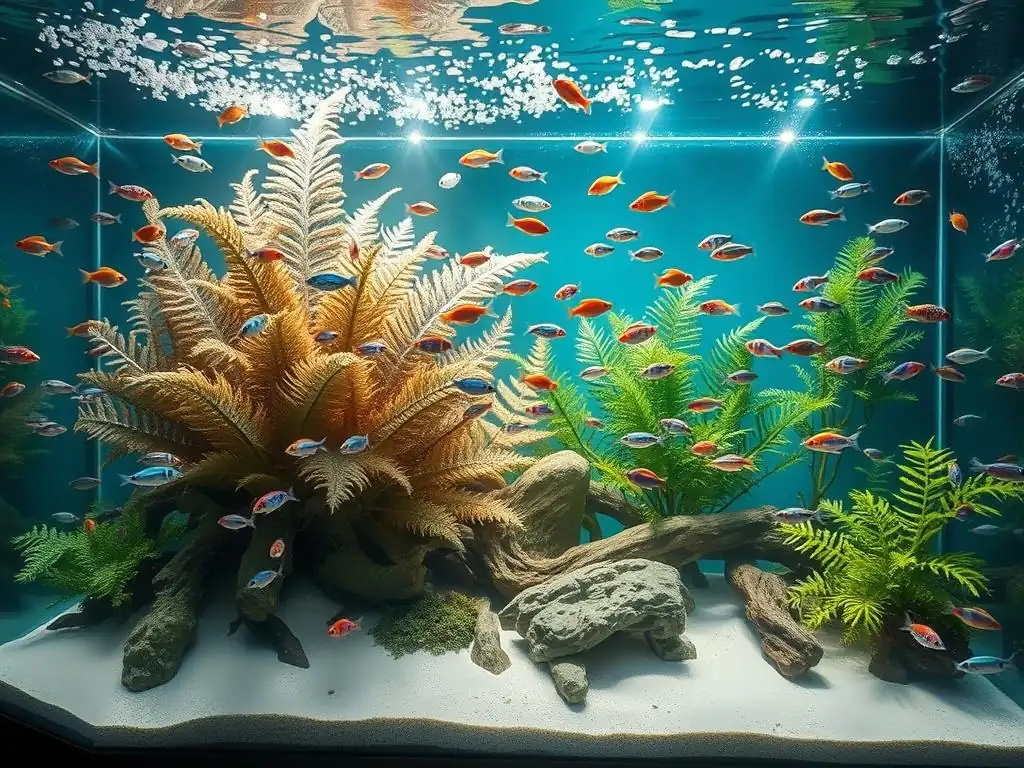
Welcome to Aquarium Mastery, where we unlock the secrets to thriving underwater worlds! Ever wondered how to create a mesmerizing display of shimmering scales and captivating movement in your freshwater aquarium?
Dive into our latest guide, where we explore the art of vibrant schooling fish care, focusing on our top picks: Danios, Rasboras, and White Clouds. Discover the secrets to keeping these active beauties happy and healthy, and learn how to create a stunning, dynamic centerpiece for your aquatic haven. Ready to witness the magic of a perfectly balanced school? Let's get started!
- Introduction to Small Schooling Cyprinids: Danios, Rasboras, and White Clouds
- Danios: Care Guide for Active and Colorful Schools
- Rasboras: Creating a Stunning Display with These Schooling Fish
- White Cloud Mountain Minnows: Coldwater Schooling Fish for Beginners
- Optimizing Your Aquarium for Vibrant Schooling Fish Care
- Feeding Your Schooling Fish: Nutritional Needs and Diet Variety
- Troubleshooting Common Issues in Schooling Fish Aquariums
- Breeding Danios, Rasboras, and White Clouds: A Rewarding Experience
- Conclusion: Achieving Aquarium Mastery with Vibrant Schooling Fish
-
Frequently Asked Questions
- What makes danios, rasboras, and white cloud mountain minnows good choices for vibrant schooling fish?
- What are the ideal water parameters for keeping these schooling fish healthy and vibrant?
- How many of these schooling fish should I keep together to ensure proper social interaction and vibrant schooling?
- What type of aquarium setup is best suited for danios, rasboras, and white cloud mountain minnows?
- What should I feed danios, rasboras, and white cloud mountain minnows to maintain their health and vibrant colors?
- Final Reflection: The Living Symphony of the Aquarium
- Unleash the Schooling Spectacle!
Introduction to Small Schooling Cyprinids: Danios, Rasboras, and White Clouds
Why Choose Danios, Rasboras, and White Clouds for Your Aquarium?
Choosing Danios, Rasboras, and White Clouds for your freshwater aquarium offers a multitude of benefits, making them perennial favorites among aquarists. These small schooling cyprinids are renowned for their captivating group behaviors, often moving in synchronized patterns that create a dynamic and visually stimulating display. Their relatively small adult sizes, typically ranging from 0.8 to 2.5 inches (2-6 cm), mean that even modest aquarium setups, such as a 10-gallon tank, can comfortably host a vibrant school of six to ten individuals, allowing for a significant visual impact without overcrowding.
Beyond their mesmerizing schooling antics, these species are generally hardy and adaptable, making them suitable for aquarists of varying experience levels. They contribute positively to the aquarium ecosystem, often acting as dither fish that help shy species feel more secure, and their peaceful nature makes them excellent candidates for a community tank. The ease of "vibrant schooling fish care" associated with these particular species allows hobbyists to focus on the aesthetic and behavioral rewards of maintaining a thriving aquatic environment.
Understanding the Appeal of Vibrant Schooling Fish
The inherent appeal of vibrant schooling fish lies in their ability to transform a static aquarium into a living, breathing piece of art. A well-established school of Danios, Rasboras, or White Clouds creates a mesmerizing spectacle as dozens of fish move as one, their colors shimmering under the aquarium lights. This synchronized movement is not only aesthetically pleasing but also a natural behavior that provides a fascinating insight into fish social dynamics and instincts, such as safety in numbers and efficient foraging.
Observing a healthy, active school provides immense satisfaction and a sense of connection to the aquatic world. The continuous motion and coordinated patterns add a sense of life and energy to the tank that individual fish cannot replicate. Furthermore, the successful provision of optimal "vibrant schooling fish care" results in fish that display their brightest colors and most natural behaviors, enhancing the overall beauty and educational value of the aquarium.
Danios: Care Guide for Active and Colorful Schools
Popular Danio Species for Freshwater Aquariums
Danios are a diverse group of active, torpedo-shaped fish, primarily found in the mid to upper levels of the water column. Known for their energetic swimming and robust nature, they are often among the first choices for new aquarists. Most Danio species typically reach an adult size of 1.5 to 2.5 inches (4-6 cm) and are characterized by their distinctive stripes or spots, which vary widely between species.
Their hardiness and adaptability to a range of water conditions make them excellent candidates for community tanks. When kept in sufficient numbers, usually a school of at least six individuals, Danios exhibit strong schooling behaviors, creating a lively and visually engaging display. Understanding the specific nuances of "vibrant schooling fish care" for different Danio varieties ensures they thrive and display their full color potential.
Zebra Danios: A Beginner-Friendly Schooling Fish
Zebra Danios ( Danio rerio) are arguably the most recognizable and widely available Danio species, celebrated for their distinctive horizontal blue and silver stripes. Reaching an adult size of approximately 1.5 to 2 inches (4-5 cm), they are exceptionally hardy, tolerating a wide temperature range from 64-74°F (18-23°C), though they can adapt to slightly warmer conditions. This adaptability, coupled with their active and peaceful nature, makes them an ideal choice for novice aquarists.
Zebra Danios are constant swimmers and thrive in tanks with open swimming space. A minimum 10-gallon aquarium is recommended for a school of 6-8 individuals, allowing them ample room to display their energetic schooling behavior. Their consistent activity and vibrant patterns make them a cornerstone for any community tank aiming for a lively and visually appealing "vibrant schooling fish care" setup.
Leopard Danios: Adding Spots to Your Aquarium
Leopard Danios are a popular genetic variant of the Zebra Danio, distinguished by their charming spotted pattern rather than stripes. Despite their different appearance, they share the exact same robust nature, adult size (around 1.5-2 inches or 4-5 cm), and care requirements as their striped counterparts. This makes them an excellent alternative for aquarists looking for a unique visual texture while benefiting from the well-documented hardiness of the Danio rerio species.
Their spotted coloration adds an intriguing visual element to a schooling group, and they blend seamlessly into a community tank with other peaceful fish. Like Zebra Danios, they are highly active and will utilize all levels of the aquarium, contributing to the overall dynamism and appeal. Providing the same diligent "vibrant schooling fish care" as for Zebra Danios will ensure these spotted beauties flourish.
Glowlight Danios: Illuminating Your School
Glowlight Danios ( Danio choprae) are a smaller, yet equally captivating, Danio species, typically reaching about 1.2 inches (3 cm) in length. They are characterized by a distinct iridescent, often orange or gold, stripe that runs along their body, giving them their "glowlight" moniker. While not as universally hardy as Zebra Danios, they are still quite resilient and prefer slightly warmer temperatures, ideally between 72-78°F (22-26°C).
These smaller Danios are perfect for slightly smaller community tanks, with a minimum 10-gallon tank suitable for a school of 8-10 individuals. Their more subtle coloration creates a delicate yet striking effect, especially when a large group schools together, appearing as a shimmering band of light. Successful "vibrant schooling fish care" for Glowlight Danios focuses on maintaining stable water parameters and providing a secure, planted environment.
Danio Care Requirements: Water Parameters, Tank Size, and Diet
Maintaining a healthy Danio school requires attention to stable water parameters, appropriate tank size, and a balanced diet. Most Danio species thrive in a pH range of 6.5-7.5 and a general hardness (GH) between 3-12 dGH (50-200 ppm). Temperature preferences vary slightly by species, but a range of 64-78°F (18-26°C) generally accommodates common Danios. Consistent monitoring with a reliable test kit, performing weekly 25% water changes, is crucial to prevent parameter fluctuations.
Regarding tank size, a minimum 10-gallon aquarium is recommended for a small school of 6-8 Danios, though larger tanks (20 gallons or more) are highly preferred, especially for the more active species like Zebra Danios, to provide ample swimming space. Danios are omnivores with hearty appetites, readily accepting high-quality flake food as their staple. Supplement their diet 2-3 times a week with small frozen foods such as bloodworms, brine shrimp, or daphnia to enhance their coloration and boost their immune system, which is integral to proper "vibrant schooling fish care."
Maintaining Healthy Danio Schools: Preventing Common Diseases
Preventing diseases in Danio schools primarily revolves around maintaining pristine water quality and minimizing stress factors. Regular water changes, typically 25% weekly, are paramount to keep nitrate levels low and prevent the buildup of toxins. Consistent monitoring of ammonia, nitrite, and nitrate levels, ensuring ammonia and nitrite are at 0 ppm, is essential. Quarantine new fish in a separate tank for 2-4 weeks before introducing them to the main aquarium to prevent the introduction of pathogens like Ich (white spot disease) or Velvet.
Common stressors that can weaken a Danio's immune system include overcrowding, sudden temperature swings, incompatible tank mates, and a lack of proper nutrition. Providing a well-filtered environment, a varied diet rich in nutrients, and ample space for their active swimming habits will significantly reduce the likelihood of disease outbreaks. Proactive "vibrant schooling fish care" through diligent husbandry is the best defense against common ailments, ensuring your Danios remain robust and colorful.
Rasboras: Creating a Stunning Display with These Schooling Fish
Exploring Different Rasbora Varieties for Your Tank
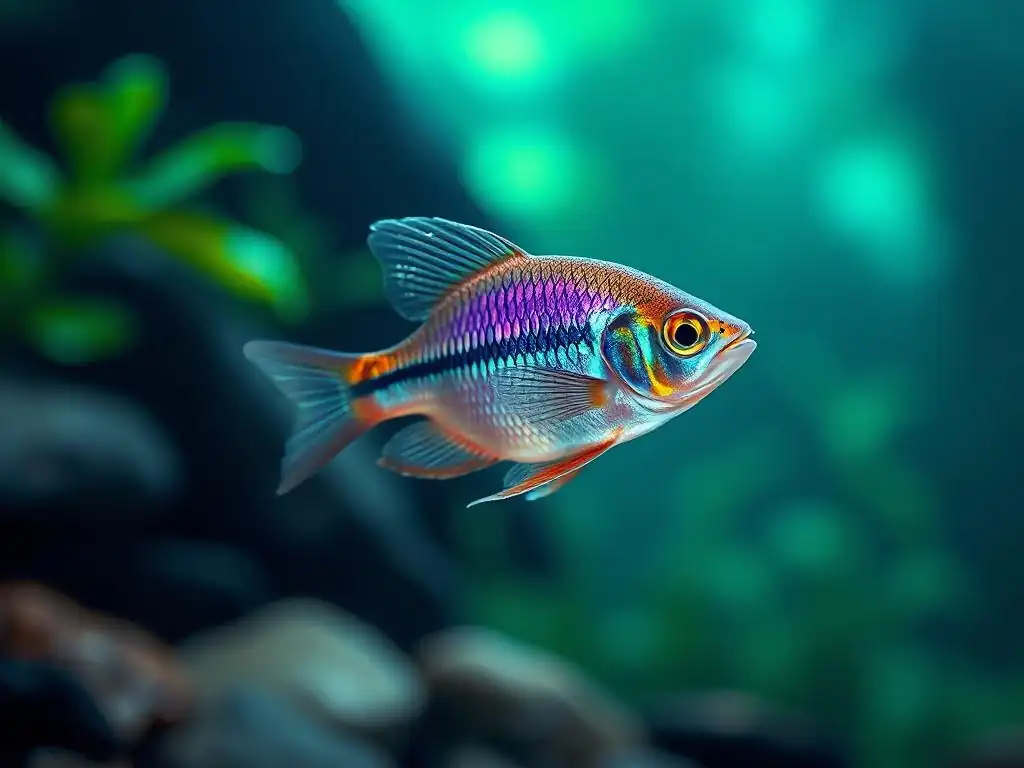
Rasboras are a diverse and popular group of small, peaceful schooling fish, predominantly found in the mid-water column of freshwater aquariums. Ranging in size from the minuscule Chili Rasbora at 0.8 inches (2 cm) to the classic Harlequin Rasbora at 1.8 inches (4.5 cm), they offer a variety of shapes, sizes, and subtle colorations. Their often iridescent scales and distinctive patterns make them excellent choices for adding an elegant and natural aesthetic to a planted aquarium.
These fish are known for their calm demeanor and tight schooling behavior, which becomes more pronounced when kept in larger groups of 8-10 or more. While generally peaceful, their specific water parameter requirements can vary, making careful research essential for each species. Providing precise "vibrant schooling fish care" tailored to their needs will allow these beautiful fish to truly flourish and create a stunning display.
Harlequin Rasboras: The Classic Choice
Harlequin Rasboras ( Trigonostigma heteromorpha) are perhaps the most iconic Rasbora species, instantly recognizable by their striking copper-orange bodies accented with a prominent black triangular patch on their flanks. They typically reach an adult size of about 1.8 inches (4.5 cm). These calm and peaceful fish are ideal for densely planted aquariums, where their colors truly pop against green foliage.
A minimum 10-gallon tank is suitable for a school of 6-8 Harlequins, though larger tanks encourage more natural schooling behavior. They thrive in soft, acidic water with a pH range of 6.0-7.0, a general hardness (GH) of 2-8 dGH, and temperatures between 72-80°F (22-27°C). Their consistent schooling and non-aggressive nature make them a perfect foundation for a peaceful community tank, showcasing excellent "vibrant schooling fish care."
Chili Rasboras: Small but Striking
Chili Rasboras ( Boraras brigittae) are among the smallest fish available in the aquarium hobby, typically growing to a maximum of only 0.8 inches (2 cm). Despite their diminutive size, they boast an incredibly vibrant red body adorned with a distinct black spot or line, making them highly striking. Their small bioload makes them an excellent choice for nano aquariums, with a 5-gallon tank being sufficient for a school of 10-12 individuals.
These tiny fish prefer extremely soft, acidic water conditions, ideally with a pH between 4.0-6.5, a GH of 0-5 dGH, and temperatures ranging from 72-80°F (22-27°C). A heavily planted environment, especially with floating plants, provides them with the security they need to display their best colors and schooling behavior. Providing precise "vibrant schooling fish care" for these delicate beauties requires attention to detail regarding water parameters and tank setup.
Espei Rasboras: A Subtle Schooling Option
Espei Rasboras ( Trigonostigma espei), also known as Lambchop Rasboras, are closely related to Harlequin Rasboras but are slightly smaller, typically reaching about 1 inch (2.5 cm) in length. They feature a more intense orange-red coloration and a thinner, more defined black wedge pattern compared to the Harlequin. Their elegant appearance and peaceful temperament make them a wonderful addition to a well-planted community tank.
These Rasboras are suitable for tanks as small as 10 gallons for a school of 8-10 individuals, offering a similar aesthetic to Harlequins but in a more compact size. Their care requirements are largely identical to Harlequins, preferring soft, acidic water and stable temperatures. Espei Rasboras are excellent schoolers, adding a subtle yet captivating splash of color and movement, making them a superb option for focused "vibrant schooling fish care."
Rasboras are quintessential schooling fish, displaying their most vibrant colors and natural behaviors when kept in appropriately sized groups. They feel most secure and exhibit a tighter, more cohesive school when kept in numbers of at least 6-8 individuals, with larger schools of 10-15 or more significantly enhancing their display. Keeping them in sufficient numbers effectively diffuses any potential stress or minor squabbles, as their natural instinct for safety in numbers prevails.
When selecting tank mates for Rasboras, compatibility is key. Opt for other peaceful, small to medium-sized fish that share similar water parameter requirements and do not exhibit aggressive or fin-nipping tendencies. Excellent companions include Corydoras catfish, Otocinclus, small loaches, and other peaceful tetras like Neon Tetras. Avoiding larger, predatory, or overly boisterous species is crucial to ensure a tranquil environment where your Rasboras can thrive, showcasing the best of "vibrant schooling fish care."
Rasbora Care Tips: Ensuring a Thriving School
Ensuring a thriving Rasbora school hinges on stable water parameters, a well-aquascaped environment, and a suitable diet. Rasboras, particularly species like Chili Rasboras, are more sensitive to fluctuating water conditions than Danios. Regular water changes of 20-25% weekly are essential to maintain pristine water quality and keep nitrates at bay. It is also important to match the specific pH, GH, and temperature ranges for the chosen species, as detailed earlier.
Aquascaping should include plenty of dense live plants, such as Java Moss, Anubias, and Cryptocorynes, which provide hiding spots and a sense of security, mimicking their natural habitats. Driftwood and smooth rocks can also enhance the natural feel. For feeding, offer small, high-quality flake or micro-pellet foods as a staple. Supplement with live or frozen foods like daphnia, cyclops, and newly hatched brine shrimp 2-3 times a week. Due to their small mouths, food size is critical. These practices are fundamental to effective "vibrant schooling fish care" for Rasboras.
White Cloud Mountain Minnows: Coldwater Schooling Fish for Beginners
The Advantages of White Clouds: Hardy and Easy to Care For
White Cloud Mountain Minnows ( Tanichthys albonubes) stand out as one of the most resilient and adaptable schooling fish available to aquarists, making them an ideal choice for beginners or those interested in coldwater setups. Originating from mountain streams, they possess an exceptional tolerance for a wide range of temperatures, from 60-78°F (15-26°C), though they truly thrive and display their best colors in cooler conditions, typically between 64-72°F (18-22°C). This coldwater adaptability means they often do not require a heater in average room temperatures.
Reaching an adult size of approximately 1.5 inches (4 cm), White Clouds are active yet peaceful schoolers. Their low bioload, combined with their hardiness against minor water fluctuations, significantly simplifies their maintenance, embodying ease of "vibrant schooling fish care." Their shimmering bodies and red-tipped fins add a subtle elegance to any tank, proving that beautiful aquariums are achievable without demanding tropical conditions.
Setting up a Coldwater Aquarium for White Clouds
Setting up an aquarium for White Cloud Mountain Minnows is straightforward due to their undemanding nature. A minimum 10-gallon tank is suitable for a school of 6-8 individuals, providing ample space for their active swimming. As mentioned, a heater is often unnecessary if the ambient room temperature remains stable within their preferred cooler range. However, a reliable filter providing good mechanical and biological filtration is still essential to maintain water clarity and oxygenation.
Aquascaping for White Clouds should aim to provide both open swimming areas and plenty of cover. Dense planting along the back and sides of the tank with hardy, cold-tolerant plants like Java Moss, Anubias, and Cryptocorynes offers security and visual interest. Smooth river rocks and driftwood can further enhance the natural stream-like environment. A darker substrate can also help accentuate their subtle colors. Proper "vibrant schooling fish care" in a coldwater setup prioritizes stable temperatures and clean, well-oxygenated water.
White Cloud Schooling Dynamics: Creating a Natural Habitat
White Cloud Mountain Minnows are enthusiastic schoolers, and their natural behavior is best observed when they are kept in groups of at least 6 or more; a larger school of 10-12 individuals will exhibit even more pronounced and cohesive schooling patterns. Keeping them in sufficient numbers not only enhances their visual appeal but also significantly reduces individual stress, allowing them to feel secure and display their full range of behaviors, from foraging to playful chasing.
For tank mates, select other peaceful, coldwater-tolerant species that will not outcompete or prey on the White Clouds. Suitable companions include rosy red minnows, some types of pond snails, or coldwater-tolerant shrimp like Amano shrimp. Avoid tropical fish that require significantly warmer temperatures, as this will stress the White Clouds. Creating a natural habitat with appropriate flow, clean water, and ample hiding spots will encourage their most "vibrant schooling fish care" display, mimicking their native mountain streams.
Optimizing Your Aquarium for Vibrant Schooling Fish Care
Tank Size and Aquascaping for Danios, Rasboras, and White Clouds
While specific minimum tank sizes exist for each species (e.g., 10 gallons for a small school), the general rule for schooling fish is that larger tanks are always better. A 20-gallon long or a 29-gallon aquarium, for instance, provides significantly more horizontal swimming space, which these active schooling fish greatly appreciate. Increased volume also contributes to greater water stability, making "vibrant schooling fish care" more forgiving and consistent.
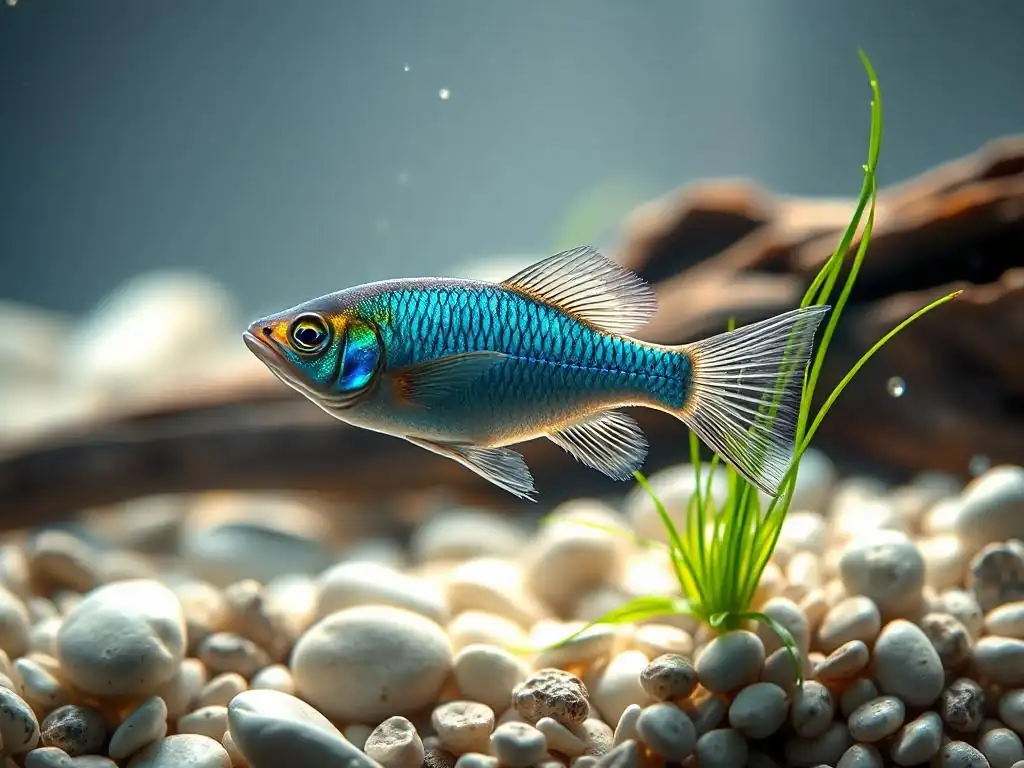
Thoughtful aquascaping is crucial for creating an environment where schooling fish thrive. Design the layout to include ample open swimming areas in the middle and front of the tank, allowing the school to move freely and display its captivating synchronized movements. Complement these open spaces with dense planting along the back and sides, using live plants like Java Fern, Anubias, and various stem plants. These planted areas provide essential hiding spots, reducing stress and offering a sense of security for the fish, thereby enhancing their overall well-being and vibrant display.
Water Chemistry and Filtration for Schooling Cyprinids
Maintaining precise and stable water chemistry is paramount for the long-term health and vibrancy of Danios, Rasboras, and White Clouds. While these species generally tolerate a range of parameters, sudden fluctuations in pH, hardness, or temperature are highly stressful and can lead to weakened immune systems. Regular testing (weekly or bi-weekly) for ammonia, nitrite, nitrate, pH, and general hardness (GH) is essential to ensure parameters remain within the recommended ranges for your specific species. Ammonia and nitrite should always read 0 ppm.
A robust filtration system is the cornerstone of excellent "vibrant schooling fish care." A reliable filter – whether a hang-on-back, canister, or sponge filter – should provide effective mechanical filtration to remove particulate matter, chemical filtration to absorb impurities, and most importantly, biological filtration to convert harmful ammonia and nitrite into less toxic nitrate. Ensure adequate water flow to provide oxygenation, but avoid overly turbulent currents, especially for smaller Rasboras that prefer calmer waters.
Choosing the Right Tank Mates for a Peaceful Community Tank
Selecting appropriate tank mates is a critical aspect of ensuring a peaceful and thriving community aquarium for your schooling cyprinids. The primary consideration is compatibility in terms of size, temperament, and water parameter requirements. Ideal tank mates are other small, peaceful community fish that will not harass or outcompete your Danios, Rasboras, or White Clouds. Good examples include Corydoras catfish, Otocinclus, small loaches (like Kuhli Loaches), and other peaceful tetras (e.g., Ember Tetras for Rasboras, Neon Tetras for Danios).
It is crucial to avoid any species known for aggression, fin-nipping, or predatory behavior. Fish like Tiger Barbs, certain cichlids, or very large species can stress or injure your schooling fish. Similarly, avoid overly boisterous fish that might intimidate the more delicate Rasboras. The goal is to create a harmonious environment where all inhabitants can coexist peacefully, allowing your schooling fish to display their natural behaviors and vibrant colors, which is a hallmark of successful "vibrant schooling fish care."
Feeding Your Schooling Fish: Nutritional Needs and Diet Variety
Live Foods, Flake Foods, and Frozen Foods: Creating a Balanced Diet
Providing a diverse and nutritionally rich diet is fundamental to promoting vibrant colors, robust immunity, and overall longevity in your Danios, Rasboras, and White Clouds. High-quality flake foods or micro-pellets specifically formulated for small community fish should form the staple of their diet. Look for products that list fish meal or krill as primary ingredients and include essential vitamins and minerals to ensure comprehensive nutrition.
To truly optimize their health and coloration, supplement the staple diet with live or frozen foods 2-3 times per week. Excellent options include brine shrimp, daphnia, cyclops, and small, chopped bloodworms. These protein-rich foods mimic their natural diet, provide crucial fatty acids, and stimulate their natural foraging instincts. This varied approach to feeding is a key component of effective "vibrant schooling fish care," helping your fish display their full potential.
Feeding Frequency and Portion Control for Healthy Schools
Proper feeding frequency and portion control are just as important as diet variety for maintaining healthy schooling fish. Instead of one large meal, it is generally more beneficial to feed your Danios, Rasboras, and White Clouds 2-3 small meals per day. This approach prevents overfeeding, reduces uneaten food waste, and allows the fish to graze more naturally throughout the day, aligning with their active metabolism.
When feeding, only offer an amount that your fish can completely consume within 2-3 minutes. Overfeeding is a common pitfall that can lead to a cascade of problems, including deteriorating water quality (due to excess decaying food), increased algae growth, and digestive issues or obesity in the fish themselves. Conversely, underfeeding can lead to stunted growth, weakened immune systems, and increased susceptibility to disease. Meticulous portion control is a cornerstone of responsible "vibrant schooling fish care."
Troubleshooting Common Issues in Schooling Fish Aquariums
Identifying and Treating Diseases in Danios, Rasboras, and White Clouds
Early identification of disease symptoms is crucial for effective treatment and preventing widespread outbreaks in your schooling fish aquarium. Common signs of illness include clamped fins, lethargy, loss of appetite, visible spots (like the white spots of Ich or fuzzy patches indicating fungal infections), frayed fins, labored breathing, or abnormal swimming patterns. Any deviation from their usual active and cohesive schooling behavior warrants immediate investigation.
Once symptoms are observed, the first step should always be to test your water parameters to rule out poor water quality as the primary cause or contributing factor. For common external parasites like Ich, raising the temperature slightly (for tropical species like Danios and Rasboras) and using over-the-counter medications, following dosage instructions precisely, can be effective. Bacterial infections may require broad-spectrum antibiotics. Always consider quarantining affected fish in a separate hospital tank to prevent the disease from spreading to the entire school, a vital practice in comprehensive "vibrant schooling fish care."
Preventing Aggression and Fin-Nipping in a Schooling Environment
While Danios, Rasboras, and White Clouds are generally peaceful, instances of aggression or fin-nipping can occur, typically stemming from stress or improper tank conditions. Overcrowding, insufficient schooling numbers (fewer than 6-8 individuals), or incompatible tank mates are common culprits. When stressed or feeling insecure, even usually docile fish can exhibit nipping or excessive chasing behavior towards their tank mates.
To mitigate aggression, ensure your schools are always kept in appropriate numbers; a larger school (10+ individuals) is often more stable, as any internal pecking order is diffused among many fish. Provide ample swimming space and strategic aquascaping with visual barriers (dense plants, driftwood) to break lines of sight and offer hiding spots. If aggression persists, re-evaluate your tank mates to ensure all species are compatible. Sometimes, simply adding more individuals of the schooling species can strengthen the school and reduce internal aggression, enhancing your "vibrant schooling fish care" efforts.
Maintaining Water Quality for Optimal Schooling Fish Health
Maintaining consistently high water quality is the single most critical factor for the optimal health, vibrant coloration, and longevity of your schooling fish. High levels of ammonia and nitrite are acutely toxic, causing severe stress and rapid mortality. While less toxic, accumulated nitrates indicate organic waste buildup and necessitate water changes. Regular water changes, typically 20-30% weekly, are fundamental to diluting nitrates and replenishing essential minerals.
Beyond water changes, the proper functioning of your biological filter is paramount. Ensure your filter is fully cycled before adding fish and that it can adequately handle the bioload of your entire fish community. Avoid overfeeding, as uneaten food quickly decomposes, contributing to ammonia spikes. Use a reliable liquid-based water test kit to monitor parameters consistently. A stable, clean, and well-oxygenated aquatic environment is the best defense against stress and disease, ensuring your "vibrant schooling fish care" practices yield healthy and thriving schools.
Breeding Danios, Rasboras, and White Clouds: A Rewarding Experience
Understanding the Breeding Habits of Each Species
Danios, Rasboras, and White Cloud Mountain Minnows are all egg-scattering species, meaning they do not exhibit parental care and will typically scatter their eggs freely among plants or onto the substrate. Breeding can often be triggered by specific changes in water parameters, temperature, or by conditioning with a high-protein diet. While all three are generally considered relatively easy to breed in captivity, there are subtle differences in their requirements.
Danios, particularly Zebra Danios, are often the easiest and most prolific breeders, readily spawning with minimal intervention. Rasboras, especially the smaller species like Chili or Harlequin, can be more challenging, often requiring very soft, acidic water conditions to encourage spawning. White Clouds are also relatively easy to breed, particularly when kept in slightly cooler water temperatures, which mimic their natural breeding season. Understanding these nuances is key to successful "vibrant schooling fish care" for breeding purposes.
Setting up a Breeding Tank for Successful Spawning
To maximize breeding success and fry survival, setting up a dedicated breeding tank is highly recommended for Danios, Rasboras, and White Clouds. A small (e.g., 5-10 gallon) tank is usually sufficient. The bottom should be bare or covered with marbles, a spawning mop, or a layer of Java Moss to protect the eggs from being eaten by the parent fish immediately after spawning. Fill the tank with aged water that closely matches the preferred breeding parameters for the specific species (e.g., slightly softer and cooler for White Clouds; slightly warmer and soft for Rasboras).
Condition a healthy breeding pair or a small group (e.g., 2 males and 3 females) in the main tank for 1-2 weeks prior to introduction, feeding them a high-protein diet of live or frozen foods like brine shrimp or bloodworms. Introduce the conditioned fish to the breeding tank, often in the evening, and spawning typically occurs the following morning. Once eggs are observed, remove the adult fish promptly to prevent them from consuming the eggs, a crucial step for successful "vibrant schooling fish care" in a breeding setup.
Raising Fry: Caring for Baby Danios, Rasboras, and White Clouds
Caring for the fry of Danios, Rasboras, and White Clouds requires meticulous attention to diet and water quality due to their tiny size and delicate nature. Eggs typically hatch within 24-72 hours, depending on the species and water temperature. Newly hatched fry are incredibly small and will initially feed on their yolk sac for a day or two. Once they become free-swimming, they require microscopic food sources.
For the first few days, infusoria or specialized liquid fry food are essential. As they grow, transition them to newly hatched brine shrimp or micro-worms, which provide vital protein for rapid growth. Pristine water quality is paramount for fry survival; perform very small, frequent water changes (e.g., 10% daily or every other day) using an air line tube to avoid siphoning out the tiny fry. Provide gentle aeration with a sponge filter to ensure adequate oxygenation without strong currents. Successful rearing of fry is a rewarding culmination of dedicated "vibrant schooling fish care."
Conclusion: Achieving Aquarium Mastery with Vibrant Schooling Fish
Recap of Key Care Considerations for Danios, Rasboras, and White Clouds
Danios, Rasboras, and White Cloud Mountain Minnows offer an unparalleled opportunity to create a dynamic and visually stunning freshwater aquarium. The key to their thriving lies in understanding and consistently applying core care principles: maintaining stable and appropriate water parameters, providing adequate tank size with ample swimming space, offering a diverse and high-quality diet, and carefully selecting compatible tank mates. These small schooling cyprinids, with their captivating synchronized movements and vibrant colors, are truly a testament to the beauty of aquatic life when properly cared for.
By focusing on these fundamental aspects of "vibrant schooling fish care," aquarists can ensure their schools remain healthy, active, and display their most brilliant hues. From the energetic dashes of Danios to the serene schooling of Rasboras and the robust charm of White Clouds, each species brings its unique character to the tank. The dedication to consistent maintenance and observation will not only lead to a flourishing aquatic ecosystem but also provide immense satisfaction and a deeper connection to the hobby.
Further Resources for Enhancing Your Schooling Fish Aquarium
Aquarium Mastery is committed to empowering aquarists with comprehensive knowledge to achieve their aquatic goals. To further enhance your "vibrant schooling fish care" practices and optimize your aquarium for these captivating species, we encourage you to explore our extensive library of articles. Delve deeper into topics such as advanced water chemistry management, the intricacies of live plant selection for aquascaping, and detailed guides on troubleshooting more complex aquarium issues.
By leveraging these resources, you can refine your understanding of fish behavior, water dynamics, and plant health, transforming your aquarium into a truly optimized habitat. Continuous learning and application of best practices will not only benefit your Danios, Rasboras, and White Clouds but also elevate your overall aquarist journey, moving you closer to achieving true aquarium mastery.
Frequently Asked Questions
What makes danios, rasboras, and white cloud mountain minnows good choices for vibrant schooling fish?
These fish are excellent choices due to their active schooling behavior, bright colors, and relatively small size, making them suitable for various tank sizes.
What are the ideal water parameters for keeping these schooling fish healthy and vibrant?
Generally, these fish prefer slightly acidic to neutral water with a temperature range of 68-78°F. Maintaining stable water chemistry and regular water changes are crucial for their well-being.
To observe natural schooling behavior, it's recommended to keep a minimum of 6-8 individuals of each species. A larger school helps them feel more secure and displays more vibrant colors.
What type of aquarium setup is best suited for danios, rasboras, and white cloud mountain minnows?
A well-planted aquarium with plenty of open swimming space is ideal. Ensure adequate filtration and provide hiding places among plants and decorations for the fish to feel secure.
What should I feed danios, rasboras, and white cloud mountain minnows to maintain their health and vibrant colors?
A varied diet consisting of high-quality flake food, small live or frozen foods (like daphnia or brine shrimp), and occasional vegetable matter will help maintain their bright colors and overall health.
Okay, here's a final reflection crafted to fit your article on vibrant schooling fish, optimized for emotional connection and a lasting impression, and formatted as requested:
Final Reflection: The Living Symphony of the Aquarium
The vibrant dance of schooling fish, as we've explored, isn't just aesthetically pleasing; it's a microcosm of nature's intricate beauty, a living testament to the power of community and collective behavior. Understanding and providing for these delicate ecosystems within our glass boxes is a responsibility that extends beyond mere pet ownership; it's an act of stewardship, a commitment to preserving a small piece of the natural world.
This journey into the world of Danios, Rasboras, and White Clouds has hopefully illuminated the path to creating thriving aquatic communities. The joy of witnessing a healthy school of fish, their scales shimmering as they move in unison, is a reward unlike any other, a constant reminder of the delicate balance we strive to maintain. In nature, nothing exists alone.
- Rachel Carson. This quote perfectly encapsulates the essence of a vibrant school, where each individual contributes to the collective well-being and beauty of the whole.
Now, as you embark on, or continue, your aquascaping adventure, consider the lessons learned. Let the principles of responsible care, thoughtful selection, and dedicated observation guide your hand. Cultivate not just an aquarium, but a thriving ecosystem, a vibrant symphony of life that brings joy and wonder to your home. Let the shimmering scales and synchronized movements of your schooling fish inspire you to create harmony and beauty in all aspects of your life.
Unleash the Schooling Spectacle!
Thanks for diving into the vibrant world of nano schooling fish! We hope you've discovered some fantastic options to brighten your aquarium. Now, let's transform that knowledge into action!
- Start planning your dream school! Research the specific needs of the Danios, Rasboras, or White Clouds that captured your imagination and create a compatible environment.
- Share this article with fellow aquarists to inspire their own schooling adventures and spark a discussion about best practices.
- Consider a unique "themed" aquascape to complement your chosen fish. For instance, a rocky stream biotope for White Clouds or a lush, heavily planted scape for Harlequin Rasboras.
Ready to bring the dazzling dynamics of a nano fish school to your own aquarium?