
Threadfin Cardinalfish: A Delicate Beauty for Mature and Stable Reef Systems

Welcome to Aquarium Mastery!
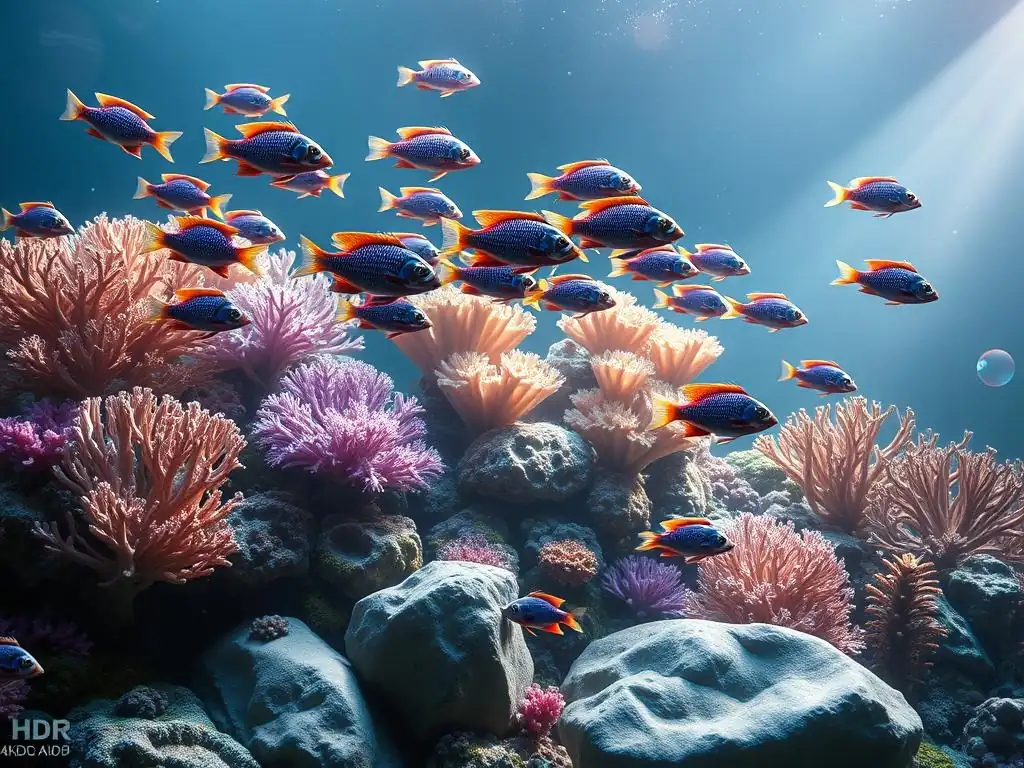
Ever been captivated by the ethereal beauty of a fish that seems to float on a cloud? Then you're in the right place! Delve into the fascinating world of the Threadfin Cardinalfish and discover if this delicate gem is the perfect addition to your reef. Our comprehensive Threadfin Cardinalfish care guide unveils everything you need to know about their unique needs, ensuring a thriving and harmonious aquarium environment. Intrigued? Let's explore the secrets to keeping these stunning fish happy and healthy!
- Banggai Cardinalfish: A Stunning Addition to Your Reef Aquarium
- Introduction to Banggai Cardinalfish ( Pterapogon kauderni)
- Banggai Cardinalfish Care Guide: Essential Information
- Setting Up the Ideal Reef Aquarium for Banggai Cardinalfish
- Choosing the Right Tank Mates for Banggai Cardinalfish
- Banggai Cardinalfish Health and Disease Prevention
- Breeding Banggai Cardinalfish in Captivity
- The Banggai Cardinalfish: A Summary of Care Requirements
- Troubleshooting Common Issues with Banggai Cardinalfish
- Conclusion: Appreciating the Banggai Cardinalfish in Your Reef Aquarium
-
Frequently Asked Questions
- What are the key considerations before introducing Threadfin Cardinalfish to my aquarium?
- What are the ideal water parameters for Threadfin Cardinalfish?
- What should I feed Threadfin Cardinalfish?
- Are Threadfin Cardinalfish compatible with other fish species?
- What are some common health issues that affect Threadfin Cardinalfish, and how can I prevent them?
- Final Reflection: Embracing the Nuances of Reef Keeping
- Embark on a Deeper Reef Journey!
Banggai Cardinalfish: A Stunning Addition to Your Reef Aquarium
Introduction to Banggai Cardinalfish ( Pterapogon kauderni)
Overview of the Banggai Cardinalfish Species
The Banggai Cardinalfish, scientifically known as Pterapogon kauderni, is a truly unique and captivating marine fish species native to the Banggai Archipelago in Indonesia. Distinguished by its striking black and silver striped pattern, elongated fins, and iridescent spots, this cardinalfish stands out with an almost prehistoric elegance.
Unlike many other reef fish, Pterapogon kauderni exhibits a fascinating reproductive strategy: the male is a mouthbrooder, incubating the eggs and protecting the fry in his buccal cavity until they are large enough to be released. This specialized breeding behavior, coupled with their relatively small size, makes them a popular subject for both observation and captive breeding efforts within the aquarium hobby.
Despite their popularity, wild populations of Banggai Cardinalfish face significant threats, primarily from over-collection for the aquarium trade and habitat degradation. Consequently, the species is classified as Endangered by the IUCN Red List and is listed under CITES Appendix II, which regulates its international trade. This status underscores the critical importance of sourcing captive-bred Banggai Cardinalfish whenever possible. Opting for tank-raised specimens not only supports sustainable practices but also ensures healthier, more robust fish that are already accustomed to aquarium life and various prepared foods, significantly improving their chances of thriving in a home reef system.
Why Choose Banggai Cardinalfish for Your Reef Tank?
Choosing Banggai Cardinalfish for your reef tank offers a multitude of benefits, making them an excellent addition for both novice and experienced aquarists. Their unique aesthetic appeal, with their distinctive striped bodies and graceful fin movements, adds a dynamic visual element to any marine setup.
Beyond their beauty, these cardinalfish are generally peaceful and relatively small, typically reaching an adult size of about 3 inches (approximately 7-8 cm), which makes them suitable for smaller reef aquariums, often as compact as 30 gallons for a small group. Their often calm demeanor means they integrate well into community tanks with other similarly peaceful species, reducing the likelihood of aggression.
Furthermore, the Banggai Cardinalfish exhibits fascinating social behaviors, especially when kept in small groups of three to five individuals, where they often school together, creating a mesmerizing display. Observing their natural interactions, particularly the male's mouthbrooding behavior if a breeding pair is established, provides an unparalleled educational experience for the aquarist.
With a proper Banggai Cardinalfish care guide, these fish are also remarkably hardy once acclimated to a stable aquarium environment, proving resilient to common issues if water parameters are consistently maintained. This combination of beauty, manageable size, peaceful temperament, and intriguing behavior solidifies their status as a highly desirable choice for the dedicated reef hobbyist.
Banggai Cardinalfish Care Guide: Essential Information
Optimal Tank Conditions for Banggai Cardinalfish
Providing optimal tank conditions is paramount for the long-term health and vibrancy of Banggai Cardinalfish. These fish thrive in stable reef environments that closely mimic their natural habitat in the Banggai Archipelago. Maintaining a consistent water temperature between 72-78°F (approximately 22-26°C) is crucial, as significant fluctuations can stress the fish and compromise their immune systems.
Similarly, salinity levels should be kept stable within a specific gravity range of 1.023 to 1.026. Consistent monitoring with a reliable refractometer is recommended to prevent osmotic shock. The pH level should ideally be maintained between 8.1 and 8.4, which is typical for a healthy saltwater reef aquarium, supporting the overall biological processes within the tank.
Beyond these primary parameters, the environment must offer plenty of hiding spots and sheltered areas. Banggai Cardinalfish, especially when newly introduced or feeling threatened, will seek refuge among live rock formations, coral branches, or even artificial structures like PVC pipes. A mature aquarium, with established biological filtration and stable water chemistry, is highly recommended before introducing these delicate beauties. This stability reduces stress and allows the Banggai Cardinalfish to acclimate more smoothly, making a robust Banggai Cardinalfish care guide emphasize tank maturity and consistent environmental parameters as foundational elements for success.
Water Parameters: Maintaining a Stable Reef Environment for Pterapogon kauderni
Maintaining pristine water quality is a non-negotiable aspect of any comprehensive Banggai Cardinalfish care guide. Zero levels of ammonia (NH3) and nitrite (NO2-) are absolutely critical, as even trace amounts can be highly toxic to marine fish, leading to gill damage and compromised health. Nitrate (NO3-) levels should be kept as low as possible, ideally below 10-20 parts per million (ppm), to prevent algae blooms and reduce long-term stress on the fish. Regular testing with accurate aquarium test kits is essential to monitor these parameters and ensure the biological filtration system is functioning efficiently.
To achieve and maintain these ideal water parameters, consistent maintenance practices are necessary. Regular partial water changes, typically 10-20% of the tank volume every one to two weeks, are vital for replenishing essential trace elements and removing accumulated nitrates and other dissolved organic compounds.
A high-quality protein skimmer is also indispensable for a reef tank housing Banggai Cardinalfish, as it effectively removes organic waste before it breaks down into harmful nitrates. Furthermore, ensuring adequate water movement, but not overly turbulent flow, helps oxygenate the water and prevent dead spots where detritus can accumulate, contributing to overall water stability and the well-being of Pterapogon kauderni.
Banggai Cardinalfish Diet and Feeding Habits
Banggai Cardinalfish are primarily carnivorous, feeding on small crustaceans and zooplankton in their natural habitat. In a home aquarium, a varied and nutritious diet is crucial for their long-term health, vibrant coloration, and overall well-being. They can sometimes be finicky eaters, especially when first introduced, which makes understanding their dietary needs a key component of any effective Banggai Cardinalfish care guide. Providing a diverse range of high-quality foods ensures they receive all necessary vitamins and minerals, helping to bolster their immune system and prevent nutritional deficiencies.
Their relatively small mouths mean that food items should be appropriately sized. While they will occasionally pick at dry foods, they generally prefer and thrive on frozen and live offerings. Ensuring that all fish in a group receive adequate nutrition might require targeted feeding, especially if they are housed with more assertive tank mates. Observing their feeding response and adjusting the diet accordingly is an important aspect of their care, as a well-fed Banggai Cardinalfish is a healthy and active one, displaying its full natural beauty and engaging behaviors within the reef environment.
What to Feed Your Banggai Cardinalfish: A Nutritional Guide
For optimal nutrition, a varied diet composed primarily of frozen and live foods is recommended for Banggai Cardinalfish. High-quality frozen Mysis shrimp should form the cornerstone of their diet, as it is highly nutritious and readily accepted by most individuals. Enriched brine shrimp (Artemia) are also excellent, particularly those fortified with essential fatty acids like DHA and EPA, which contribute to better health and coloration. Other suitable options include finely chopped frozen krill, copepods, and various specialized frozen preparations designed for carnivorous marine fish.
Live foods can also be offered periodically to stimulate natural hunting instincts and provide additional nutritional benefits. Live copepods, such as Tisbe or Tigriopus species, are highly beneficial, especially for conditioning breeding pairs or encouraging shy individuals to eat. Similarly, newly hatched brine shrimp can be a good supplement, though they are less nutritious than adult Mysis. Always ensure that any live foods are sourced from reputable suppliers to avoid introducing parasites or diseases into the aquarium. A consistent and varied feeding regimen is fundamental to a successful Banggai Cardinalfish care guide.
Feeding Frequency and Techniques for Optimal Health
Banggai Cardinalfish benefit from frequent, small feedings throughout the day rather than one large meal. Feeding them two to three times daily is generally recommended to support their metabolism and active lifestyle. This approach minimizes waste in the tank while ensuring the fish receive a steady supply of nutrients. When feeding, offer only as much food as they can consume within a few minutes to prevent uneaten food from decaying and negatively impacting water quality. Overfeeding is a common mistake that can lead to elevated nitrate levels and increased biological load on the filtration system.
For shy or newly introduced Banggai Cardinalfish, target feeding can be highly effective. This involves using a pipette or turkey baster to deliver food directly to their hiding spots or near their schooling area, ensuring they get their share without being outcompeted by more aggressive tank mates.
Turning off powerheads during feeding can also help keep food from being swept away, allowing the fish more time to consume it. Observing their feeding behavior closely will help you determine the appropriate amount and frequency, ensuring that every Banggai Cardinalfish in your care guide thrives and maintains its optimal health and vitality.
Setting Up the Ideal Reef Aquarium for Banggai Cardinalfish
Tank Size Requirements for a Group of Banggai Cardinalfish
When planning to house Banggai Cardinalfish, selecting an appropriately sized aquarium is a critical first step in their care guide. While a single Banggai Cardinalfish can potentially be kept in a well-maintained 20-gallon (approximately 75-liter) reef tank, a minimum of 30 gallons (around 115 liters) is highly recommended for a single specimen to ensure stable water parameters and provide adequate swimming space. For a small group of three to five individuals, which is often preferred to observe their natural schooling behavior and reduce intraspecific aggression, a tank size of 50 gallons (about 190 liters) or larger is ideal.
Larger tanks offer several advantages for Banggai Cardinalfish. They provide more stable water chemistry due to increased water volume, which dilutes waste products more effectively. Furthermore, a spacious environment allows for more intricate rockwork and numerous hiding spots, which are essential for these fish to feel secure and reduce stress. In a larger tank, a group of Banggai Cardinalfish is less likely to exhibit aggression towards each other, as individuals have ample room to establish their own territories or retreat when needed. This emphasis on adequate tank size is a cornerstone of a comprehensive Banggai Cardinalfish care guide.
Essential Equipment: Filtration, Lighting, and Water Flow
Beyond tank size, selecting the right equipment for filtration, lighting, and water flow is crucial for creating a thriving environment for Banggai Cardinalfish. A robust filtration system is paramount for maintaining the pristine water quality they require. This typically includes a high-quality protein skimmer, which effectively removes organic waste before it breaks down into harmful nitrates. Ample live rock, typically 1 to 1.5 pounds per gallon, provides excellent biological filtration and numerous hiding spots, enhancing the natural feel of the aquarium. A refugium can also be a beneficial addition, aiding in nutrient export and providing a stable microfauna population.
For lighting, Banggai Cardinalfish do not require intense illumination. In their natural habitat, they are often found in shaded areas among mangroves or rocky crevices. Moderate LED lighting is generally sufficient, allowing for the growth of corals if it's a reef tank, while not stressing the fish with overly bright conditions.
Dimmable LED fixtures are ideal as they allow for customization of light intensity and photoperiod. Water flow should be gentle to moderate, avoiding strong, direct currents that can exhaust these relatively slow-moving fish. Multiple smaller powerheads can be strategically placed to create varied flow patterns without creating turbulent zones, ensuring a comfortable environment that is essential in any Banggai Cardinalfish care guide.
Creating a Natural Habitat: Rockwork and Substrate Considerations
Creating a natural and stimulating habitat is a vital aspect of setting up an ideal aquarium for Banggai Cardinalfish. The strategic placement of live rock is perhaps the most important element. These fish are known to inhabit shallow, protected areas in the wild, often found congregating around sea urchins or branching corals for shelter.
In the aquarium, live rock should be aquascaped to form numerous caves, crevices, and overhangs, providing ample hiding spots where the cardinalfish can retreat when feeling stressed or during their nocturnal periods. These structures also serve as perching points and areas for territorial establishment within a group.
While the type of substrate is less critical for Banggai Cardinalfish themselves, a sand bed of fine aragonite or crushed coral can contribute to the overall aesthetic and biological balance of the reef system. A depth of 1-2 inches (approximately 2.5-5 cm) is generally sufficient for a bare bottom or shallow sand bed, which can support beneficial nitrifying bacteria.
However, the primary focus should remain on the rockwork, which mimics their natural, complex environment. Providing a well-structured and secure habitat is not just aesthetically pleasing but is also fundamental to the psychological well-being and long-term success of Banggai Cardinalfish, as emphasized in a comprehensive Banggai Cardinalfish care guide.
Choosing the Right Tank Mates for Banggai Cardinalfish
Compatible Fish Species for a Peaceful Reef Community
Selecting appropriate tank mates is crucial for the peaceful coexistence and well-being of Banggai Cardinalfish in a reef community. Given their relatively docile nature, they thrive best with other non-aggressive, similarly sized marine fish that will not outcompete them for food or territory. Excellent choices for compatible tank mates include various species of gobies, such as Watchman Gobies ( Cryptocentrus cinctus) or Diamond Watchman Gobies ( Valenciennea puellaris), which occupy the bottom of the tank and pose no threat. Blennies, like the Tailspot Blenny ( Centropyge caudovittatus), are also generally peaceful and often observed perching on rocks, coexisting harmoniously.
Other suitable companions include certain peaceful damselfish species, such as the Green Chromis ( Chromis viridis), which are known for their schooling behavior and calm temperament. Royal Grammas ( Gramma loreto) are another excellent option, as they are vibrant, hardy, and tend to stay in their own rock crevices, avoiding conflict.
Small, peaceful clownfish species, like the Ocellaris Clownfish ( Amphiprion ocellaris), can also be good tank mates, especially if introduced as juveniles. The key is to choose fish that have a calm disposition and will not harass or stress the Banggai Cardinalfish, ensuring a harmonious and thriving reef environment, a vital consideration in any Banggai Cardinalfish care guide.
Avoiding Aggressive Tank Mates That May Stress Banggai Cardinalfish
To ensure the safety and reduce stress for your Banggai Cardinalfish, it is imperative to avoid housing them with aggressive, overly territorial, or predatory tank mates. Fish that are known for nipping fins or bullying other species can cause immense stress, leading to health issues, loss of appetite, and even death for the more timid cardinalfish. Examples of fish to avoid include many species of large tangs, which can be boisterous and territorial, especially in smaller tanks. Similarly, most dottybacks, while small, are notoriously aggressive and territorial, often harassing smaller or more passive fish.
Triggerfish, lionfish, and puffers are absolute no-gos, as they are predatory and will view Banggai Cardinalfish as potential prey. Even certain common damselfish, such as the Yellowtail Damselfish ( Chrysiptera parasema), can become highly aggressive as they mature and establish territories, making them unsuitable companions. Any fish that grows significantly larger than the Banggai Cardinalfish or has a known reputation for aggression should be avoided. Prioritizing peaceful tank mates is a fundamental aspect of a successful Banggai Cardinalfish care guide, ensuring a calm and safe environment for these delicate beauties.
Banggai Cardinalfish Health and Disease Prevention
Common Diseases Affecting Banggai Cardinalfish
Like all marine fish, Banggai Cardinalfish are susceptible to various diseases, particularly if their environment is unstable or their immune system is compromised by stress or poor nutrition. One of the most common and devastating diseases in saltwater aquariums is Marine Ich ( Cryptocaryon irritans), characterized by visible white spots resembling salt grains on the fish's body and fins, labored breathing, and flashing against décor.
Another prevalent parasitic infection is Marine Velvet ( Amyloodinium ocellatum), which presents as a dusting of fine, yellowish-brown particles on the fish, often accompanied by rapid breathing and lethargy. These parasites can spread quickly and be fatal if not treated promptly.
Bacterial infections are also a concern, often manifesting as fin rot, cloudy eyes, body sores, or internal infections leading to bloating or abnormal swimming. These are typically secondary infections that take hold when a fish is already weakened by stress, poor water quality, or another primary disease. Internal parasites, though less visible, can also affect Banggai Cardinalfish, leading to emaciation despite regular feeding. A thorough Banggai Cardinalfish care guide must emphasize prevention through excellent water quality and a balanced diet, as these factors significantly reduce the likelihood of disease outbreaks and bolster the fish's natural defenses.
Identifying and Treating Illnesses in Your Pterapogon kauderni
Early identification of illness is critical for successful treatment and preventing the spread of disease within your aquarium. Regularly observe your Pterapogon kauderni for any changes in behavior, appearance, or feeding habits. Symptoms such as clamped fins, rapid or labored breathing, loss of appetite, abnormal swimming patterns (e.g., darting, spiraling), cloudy eyes, or the presence of any spots, lesions, or discolorations on the body should immediately raise a red flag. Lethargy, constant hiding, or fading colors can also indicate underlying health issues.
Upon identifying symptoms, it is highly recommended to move the affected Banggai Cardinalfish to a separate quarantine tank for observation and treatment. This prevents the spread of disease to healthy tank mates and allows for targeted medication without harming corals or invertebrates in the main display tank. Treatments for Ich and Velvet often involve copper-based medications or hyposalinity (reduced salinity), while bacterial infections typically require antibiotics.
Always follow medication instructions carefully and maintain excellent water quality in the quarantine tank. Consulting with an experienced marine aquarist or veterinarian can also provide invaluable guidance on specific treatment protocols, reinforcing the importance of proactive health management in a comprehensive Banggai Cardinalfish care guide.
Quarantine Procedures for New Arrivals
Implementing a strict quarantine procedure for all new Banggai Cardinalfish, and indeed any new fish, is perhaps the single most effective measure to prevent the introduction of diseases into your established display tank. A dedicated quarantine tank, typically 10-20 gallons (around 38-75 liters), equipped with a heater, a small power filter or sponge filter, and a few PVC pipes for hiding spots, is essential. This tank should be cycled prior to use or managed with daily water changes and ammonia detoxifiers.
New Banggai Cardinalfish should be kept in the quarantine tank for a minimum of three to four weeks. During this period, observe them closely for any signs of illness, such as those mentioned above.
Many aquarists opt for prophylactic treatments during quarantine, such as freshwater dips to dislodge external parasites, or a full course of copper-based medication for potential Ich or Velvet, even if no symptoms are present. This proactive approach ensures that only healthy, disease-free fish are introduced to your main reef system, safeguarding your existing inhabitants and making the entire Banggai Cardinalfish care guide more robust and reliable.
Breeding Banggai Cardinalfish in Captivity
Creating a Breeding Environment for Pterapogon kauderni
Breeding Banggai Cardinalfish in captivity can be a highly rewarding endeavor, contributing to the conservation of this endangered species. To encourage spawning, a dedicated breeding tank is often recommended, typically 20-30 gallons (approximately 75-115 liters), to provide a private and stable environment free from potential harassment by other tank mates. The water parameters in the breeding tank should be meticulously maintained within the optimal ranges for the species: temperature 75-78°F (24-26°C), salinity 1.023-1.026, and pH 8.1-8.4. Stability is key, as fluctuations can deter spawning.
The breeding tank should include ample hiding spots and structures that mimic their natural habitat. PVC pipes of varying diameters (e.g., 1-2 inches), ceramic caves, or even large, branching artificial corals can serve as ideal places for the male to retreat with the eggs. Providing a mature biological filter and gentle water flow is important.
Conditioning the potential breeding pair with a high-quality, varied diet, rich in protein and essential fatty acids (such as frozen Mysis shrimp, enriched brine shrimp, and live copepods), is crucial for stimulating gonad development and promoting spawning. This careful preparation is a cornerstone of a successful Banggai Cardinalfish care guide for breeding.
Identifying Male and Female Banggai Cardinalfish
Distinguishing between male and female Banggai Cardinalfish can be challenging, especially when they are not actively breeding. However, there are subtle morphological and behavioral cues that can help identify the sexes. The most reliable indicator, particularly during the breeding season, is the male's enlarged, distended lower jaw and buccal cavity, which becomes noticeably swollen when he is brooding eggs. This unique adaptation allows him to hold and protect the clutch of eggs internally. Females, in contrast, will not exhibit this characteristic swelling.
Beyond the mouthbrooding indication, some subtle differences might be observed. Males sometimes have a more pointed or elongated second dorsal fin compared to the female's more rounded one, though this is not always a definitive trait. Females, especially when gravid with eggs, may appear plumper in the abdominal region. Observing their behavior, particularly pair bonding and the male's tendency to chase and court the female, can also provide clues. Successfully identifying a male and female pair is the first step towards a successful breeding program and a detailed Banggai Cardinalfish care guide for reproduction.
Raising Banggai Cardinalfish Fry
Raising Banggai Cardinalfish fry is a rewarding experience, as they are relatively large and well-developed upon hatching, making them easier to rear than many other marine fish fry. After a brooding period of approximately 20-30 days (depending on temperature), the male will release the fry, which are typically about 0.2-0.3 inches (5-8 mm) long. At this stage, they are miniature versions of the adults and can immediately consume appropriately sized live foods.
The critical factor for successful fry rearing is providing a constant supply of suitable first foods. Newly hatched brine shrimp (Artemia nauplii) are an excellent initial food source, offered multiple times a day. As the fry grow, they can be transitioned to larger live foods like copepods (e.g., Tisbe or Tigriopus species) and eventually finely chopped frozen Mysis shrimp.
Maintaining pristine water quality in the fry rearing tank is paramount; small, frequent water changes (e.g., 10-20% daily or every other day) are necessary to remove uneaten food and metabolic waste, as fry are highly sensitive to ammonia and nitrite. Gentle aeration and minimal water flow are also important to prevent the delicate fry from being swept around, ensuring they thrive and grow into healthy juvenile Banggai Cardinalfish, a testament to a complete Banggai Cardinalfish care guide.
The Banggai Cardinalfish: A Summary of Care Requirements
Quick Reference Guide for Pterapogon kauderni Care
- Scientific Name: Pterapogon kauderni
- Common Name: Banggai Cardinalfish
- Origin: Banggai Archipelago, Indonesia (Endangered, CITES Appendix II)
- Adult Size: Up to 3 inches (7-8 cm)
- Minimum Tank Size: 30 gallons for single, 50+ gallons for group (3-5 individuals)
- Temperature: 72-78°F (22-26°C)
- Salinity: 1.023-1.026 specific gravity
- pH: 8.1-8.4
- Water Parameters: Ammonia 0 ppm, Nitrite 0 ppm, Nitrate < 10-20 ppm
- Diet: Carnivore; primarily frozen Mysis shrimp, enriched brine shrimp, copepods; offered 2-3 times daily.
- Temperament: Peaceful; best kept with similarly docile tank mates.
- Aquascaping: Abundant live rock with caves and hiding spots.
- Filtration: Robust biological filtration, protein skimmer essential.
- Water Flow: Gentle to moderate.
- Lighting: Moderate.
- Special Care Notes: Prefers stability; prone to stress from aggressive tank mates; mouthbrooding male; source captive-bred.
Maintaining a Thriving Reef Tank with Banggai Cardinalfish
Maintaining a thriving reef tank with Banggai Cardinalfish is fundamentally about consistency and attention to detail, embodying the principles of a thorough Banggai Cardinalfish care guide. The cornerstone of their well-being lies in providing a stable and pristine environment. This means diligently monitoring and maintaining optimal water parameters—temperature, salinity, pH, and zero levels of ammonia and nitrite—through regular testing and consistent partial water changes, typically 10-20% weekly or bi-weekly. A high-quality protein skimmer and ample live rock are indispensable for effective nutrient export and biological filtration, ensuring the water remains clean and free of harmful compounds.
Beyond water quality, the physical environment must cater to their needs. Ample hiding spots created by well-structured live rock are crucial for their sense of security and to mitigate stress, especially in a group setting. A varied and nutritious diet, primarily consisting of high-quality frozen and live foods, offered in small, frequent feedings, will support their vibrant coloration and robust health.
Finally, careful selection of peaceful tank mates is paramount to prevent aggression and ensure a harmonious community. By adhering to these guidelines, aquarists can enjoy the unique beauty and captivating behaviors of Banggai Cardinalfish for many years, making them a truly rewarding addition to any reef aquarium.
Troubleshooting Common Issues with Banggai Cardinalfish
Addressing Feeding Problems and Nutritional Deficiencies
Banggai Cardinalfish can sometimes be shy eaters, particularly when first introduced to a new aquarium or if they are stressed. If your Banggai Cardinalfish is refusing food, first assess the environment: check water parameters for any fluctuations or elevated toxins, and ensure there are no aggressive tank mates harassing them.
Try offering a variety of high-quality frozen foods, such as Mysis shrimp or enriched brine shrimp, as these are generally more palatable than dry flakes or pellets. Target feeding, using a pipette or turkey baster to deliver food directly to their hiding spots or near their schooling area, can be very effective in ensuring they receive nutrition without being outcompeted.
Nutritional deficiencies can manifest over time if the diet is not varied enough, leading to dull coloration, lethargy, and a weakened immune system. To prevent this, rotate different types of frozen foods and consider supplementing with liquid vitamin preparations specifically designed for marine fish, which can be soaked into the food before feeding.
Live foods, such as copepods, can also stimulate a feeding response and provide essential nutrients, especially for conditioning breeding pairs or enticing finicky eaters. Consistency in offering a diverse and high-quality diet is a key component of a comprehensive Banggai Cardinalfish care guide to prevent and resolve feeding issues.
Dealing with Aggression or Stress in the Aquarium
Aggression and stress are significant concerns for Banggai Cardinalfish, which are generally peaceful but can be timid. If you observe signs of aggression, such as chasing, nipping, or constant hiding, first identify the source.
Intraspecific aggression (aggression among Banggai Cardinalfish within a group) can occur if the tank is too small, there aren't enough hiding spots, or if the group size is inappropriate (e.g., only two individuals, which can lead to one bullying the other). Increasing tank size, adding more intricate rockwork to create additional territories, or adjusting the group size to a larger number (e.g., five or more, for a true schooling effect) can help mitigate this.
Interspecific aggression, stemming from other tank mates, is often more problematic. If a more aggressive species is harassing your Banggai Cardinalfish, the best solution is often to remove the aggressor and rehome it. Even seemingly minor harassment can cause chronic stress, leading to a suppressed immune system and susceptibility to disease.
Signs of stress in Banggai Cardinalfish include constant hiding, rapid breathing, clamped fins, loss of appetite, and fading colors. Maintaining stable water parameters, providing a secure environment, and ensuring compatible tank mates are fundamental to minimizing stress and promoting a healthy, calm environment for your Banggai Cardinalfish, as detailed in any thorough Banggai Cardinalfish care guide.
Maintaining Water Quality for Healthy Banggai Cardinalfish
Consistent and pristine water quality is the single most critical factor for the long-term health and well-being of Banggai Cardinalfish. Fluctuations in parameters or the presence of even trace amounts of toxins can quickly lead to stress, disease, and mortality. Regular testing of key water parameters—ammonia, nitrite, nitrate, pH, temperature, and specific gravity—is essential. Ammonia and nitrite should always be undetectable (0 ppm), as these are highly toxic. Nitrate levels should be kept below 10-20 ppm through diligent maintenance.
To maintain optimal water quality, a robust maintenance routine is indispensable. Perform regular partial water changes, typically 10-20% of the tank volume every one to two weeks, using high-quality reverse osmosis/deionized (RO/DI) water mixed with a good marine salt mix. Ensure your filtration system, including a protein skimmer and live rock, is functioning efficiently to remove organic waste.
Avoid overfeeding, as uneaten food quickly degrades and contributes to nutrient buildup. Periodically clean detritus from the substrate and rockwork using a siphon. By adhering to these practices, you provide a stable, clean environment that significantly reduces stress and disease risk, ensuring your Banggai Cardinalfish thrive as outlined in this comprehensive Banggai Cardinalfish care guide.
Conclusion: Appreciating the Banggai Cardinalfish in Your Reef Aquarium
The Banggai Cardinalfish, Pterapogon kauderni, truly stands out as a jewel in the marine aquarium hobby. Its striking appearance, characterized by elegant stripes and graceful finnage, brings a unique aesthetic appeal to any reef tank. Beyond their visual charm, these fish offer fascinating insights into unique behaviors, most notably the male's devoted mouthbrooding, which is a remarkable spectacle for any aquarist to observe. Their generally peaceful nature and manageable size make them a rewarding choice for community reef aquariums, provided they are housed with similarly docile tank mates.
While their delicate beauty suggests a demanding species, with a commitment to a comprehensive Banggai Cardinalfish care guide, these fish prove to be surprisingly hardy once acclimated. Success hinges on maintaining stable and pristine water parameters, providing a varied and nutritious diet, and ensuring a secure environment with ample hiding spots.
By prioritizing captive-bred specimens, aquarists not only acquire more robust fish but also contribute to the vital conservation efforts for this endangered species. Ultimately, the Banggai Cardinalfish is more than just a fish; it is a living testament to the wonders of marine life, enriching the reef aquarium experience with its quiet elegance and intriguing life cycle.
Frequently Asked Questions
What are the key considerations before introducing Threadfin Cardinalfish to my aquarium?
Threadfin Cardinalfish are delicate and require a mature and stable reef system. Ensure your tank has been running for several months with established biological filtration before considering them.
What are the ideal water parameters for Threadfin Cardinalfish?
They thrive in stable water conditions with a specific gravity of 1.024-1.026, a pH of 8.1-8.4, and a temperature of 72-78°F. Regular water testing and maintenance are crucial.
What should I feed Threadfin Cardinalfish?
These fish prefer a diet of small, meaty foods like mysis shrimp, brine shrimp, and finely chopped seafood. Offer a variety of foods to ensure they receive essential nutrients.
Are Threadfin Cardinalfish compatible with other fish species?
They are generally peaceful and should be housed with other non-aggressive reef inhabitants. Avoid keeping them with larger, predatory fish that may intimidate or prey on them.
What are some common health issues that affect Threadfin Cardinalfish, and how can I prevent them?
They can be susceptible to stress-related diseases due to poor water quality or aggressive tankmates. Maintaining a stable environment and providing a varied diet are key to prevention.
Final Reflection: Embracing the Nuances of Reef Keeping
The journey into understanding the Threadfin Cardinalfish, as we've explored in this care guide, underscores a vital truth about reef keeping: true success lies not just in acquiring, but in deeply understanding the delicate balance of our aquatic ecosystems. The challenges and rewards associated with these beautiful fish serve as a microcosm of the broader responsibilities we undertake when we choose to cultivate life within our glass boxes.
This exploration has highlighted the importance of patience, observation, and a commitment to providing optimal conditions for our reef inhabitants. The Threadfin Cardinalfish, with its specific needs, reminds us that responsible reef keeping is an ongoing learning process, a constant refinement of our understanding and practices. In the end, we will conserve only what we love; we will love only what we understand; and we will understand only what we are taught.
- Baba Dioum. This quote perfectly encapsulates the spirit of responsible reef keeping; it's a journey of learning, leading to love, and ultimately, to conservation.
As you consider adding a Threadfin Cardinalfish to your reef, or simply reflect on the principles discussed, I encourage you to embrace the nuances of this fascinating hobby. Let the delicate beauty of these fish inspire you to delve deeper into the intricacies of reef ecology, to continuously improve your practices, and to contribute to the long-term health and sustainability of our oceans. Your dedication to understanding and providing for these creatures will not only enrich your own reefing experience but will also contribute to a greater appreciation for the fragile beauty of the underwater world.
Embark on a Deeper Reef Journey!
Thank you for exploring the fascinating world of Threadfin Cardinalfish with us! Now that you're equipped with the knowledge to appreciate and potentially care for these delicate creatures, let's take the next step in responsible reefkeeping.
- Carefully Evaluate Your Tank's Maturity: Before considering a Threadfin Cardinalfish, honestly assess if your reef system has the established stability and appropriate environment they require. Is your reef tank ready for their sensitive nature?
- Delve deeper into researching their specific dietary needs. Uncover new feeding techniques that could enhance the health of all your fish.
- Share this article with fellow reef enthusiasts and spark a conversation about the importance of informed decisions when introducing new species to our aquariums.
What new and unexpected ways can you enhance the stability of your reef system to support the delicate balance of life within?