
Tank Mate Compatibility: Cardinalfish, Anthias, and Other Reef Inhabitants Safely

Welcome to Aquarium Mastery!
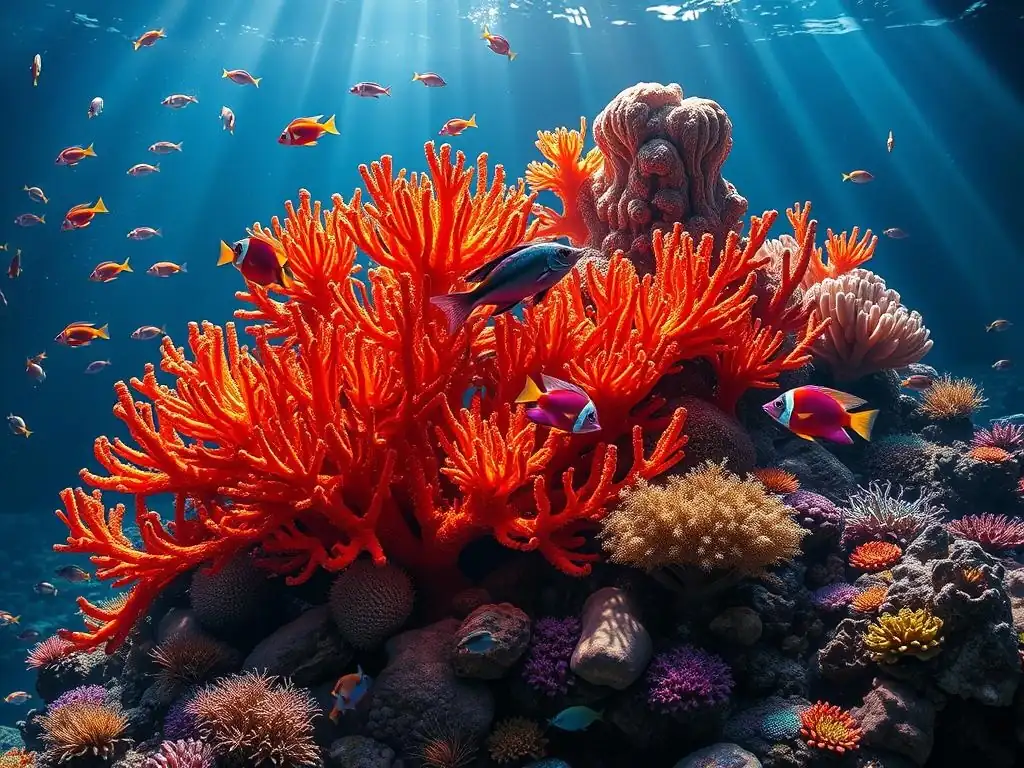
Dive into the vibrant world of reef aquariums! Ever wondered if your Cardinalfish will play nice with that dazzling Anthias? Unlocking the secrets to a harmonious reef tank starts here. Our comprehensive Reef Fish Compatibility Guide is your key to creating a thriving underwater ecosystem. Explore proven combinations, avoid common pitfalls, and discover the perfect tank mates for a stunning and peaceful aquatic display. Ready to build your dream reef? Let's get started!
- Understanding Reef Fish Compatibility for a Thriving Aquarium
- Cardinalfish Tank Mate Selection: A Comprehensive Guide
- Anthias Tank Mate Selection: Creating a Harmonious Reef Environment
- Key Considerations for Successful Reef Fish Compatibility
- Best Reef Inhabitants to Pair with Cardinalfish and Anthias
- Avoiding Common Reef Fish Compatibility Mistakes
- Troubleshooting Reef Fish Compatibility Problems
- Long-Term Reef Fish Compatibility: Maintaining a Healthy and Balanced Reef
-
Frequently Asked Questions
- How important is a Reef Fish Compatibility Guide when setting up a saltwater aquarium?
- What are some common examples of incompatible reef fish species highlighted by AquariumMastery.com?
- How does AquariumMastery.com help aquarists determine the compatibility of different fish species?
- What factors besides aggression should I consider when evaluating reef fish compatibility, according to AquariumMastery.com?
- Where can I find more information on reef fish compatibility on AquariumMastery.com?
- Final Reflection: Navigating the Reef Harmony
- Dive Deeper: Master Your Reef Tank Harmony!
Understanding Reef Fish Compatibility for a Thriving Aquarium
Why Reef Fish Compatibility Matters for a Healthy Ecosystem
Achieving successful reef fish compatibility is paramount for cultivating a thriving and sustainable marine aquarium ecosystem. When tank mates are poorly chosen, the consequences can range from chronic stress and disease outbreaks to outright aggression, leading to injury or even death for some inhabitants.
A harmonious environment, on the other hand, allows fish to exhibit natural behaviors, forage effectively, and maintain vibrant coloration, reflecting their overall well-being. For instance, an overcrowded or aggressive tank can lead to a significant increase in stress hormones, compromising the immune systems of fish and making them far more susceptible to common ailments like marine Ich (Cryptocaryon irritans) or Brooklynella hostilis.
Beyond the health of individual fish, proper reef fish compatibility contributes to the stability of the entire system. Unstressed fish are less likely to produce excessive waste, which helps maintain stable water parameters, reducing the burden on filtration systems. This holistic approach ensures that the delicate balance of the reef aquarium is preserved, allowing corals and invertebrates to flourish alongside their fish companions. For example, a tank with compatible species experiences fewer instances of fin nipping or territorial disputes, which in turn means less physical damage to the fish and a lower risk of secondary bacterial infections.
The Impact of Incompatible Tank Mates on Cardinalfish and Anthias
Cardinalfish and Anthias, while popular choices for reef aquariums due to their striking colors and schooling behaviors, are particularly vulnerable to the negative impacts of incompatible tank mates. Cardinalfish, generally peaceful and often nocturnal, can become extremely shy and stressed if housed with overly aggressive or fast-moving fish that outcompete them for food or constantly harass them.
For instance, a Banggai Cardinalfish (Pterapogon kauderni) might refuse to eat and hide continuously if kept with a territorial Yellowtail Damselfish, eventually leading to starvation or a weakened state. Their slow, deliberate movements and often docile nature make them easy targets for fin nippers.
Anthias, typically active, schooling fish that feed frequently throughout the day, suffer immensely under stress. Incompatible tank mates, such as large angelfish or triggers, can intimidate them, preventing them from accessing food, leading to emaciation and a faded appearance.
A common issue observed in tanks with poor reef fish compatibility is the "male-only" group of Lyretail Anthias (Pseudanthias squamipinnis) where the dominant male constantly harasses smaller individuals, or where a single dominant Anthias suppresses others in a too-small tank. This can result in chronic stress, increased susceptibility to disease, and a dramatically shortened lifespan, often dying within a few months instead of their potential 3-5 years.
Cardinalfish Tank Mate Selection: A Comprehensive Guide
Ideal Cardinalfish Tank Mates: Peaceful and Reef-Safe Options
When considering a comprehensive reef fish compatibility guide for Cardinalfish, the focus should always be on peaceful, non-aggressive species that won't outcompete them for food or territory. Excellent choices include various species of Gobies, such as the Yellow Watchman Goby (Cryptocentrus cinctus) or Diamond Watchman Goby (Valenciennea puellaris), which occupy the bottom stratum of the tank and pose no threat to mid-water swimming cardinalfish. Similarly, Blennies like the Lawnmower Blenny (Salarias fasciatus) or Starry Blenny (Salarias ramosus) are primarily herbivorous and peaceful, making them superb companions.
Other suitable tank mates include smaller, peaceful Wrasses like the Six-Line Wrasse (Pseudocheilinus hexataenia), which can help control pests, or Fairy Wrasses (Cirrhilabrus spp.) that add color without aggression. Small, peaceful Tangs such as the Yellow Tang (Zebrasoma flavescens) or Kole Tang (Ctenochaetus strigosus) can also coexist well, provided the tank is sufficiently large to accommodate their swimming needs. The key to successful reef fish compatibility here is ensuring that all inhabitants have similar dietary needs or that enough food is provided for everyone, as cardinalfish can be slow eaters.
Fish to Avoid Housing with Cardinalfish: Aggressive Species and Bullies
To ensure the safety and well-being of your Cardinalfish, it is crucial to avoid housing them with aggressive or overtly predatory species. High on the list of fish to avoid are most species of Damselfish, particularly the more notoriously aggressive ones like the Domino Damsel (Dascyllus trimaculatus) or Blue Velvet Damsel (Neoglyphidodon oxycephalus), which are highly territorial and known for bullying more docile fish. Even seemingly small damsels can cause significant stress and injury to cardinalfish.
Furthermore, large predatory fish such as Triggerfish (e.g., Clown Triggerfish, Balistoides conspicillum), large Angelfish (e.g., Queen Angelfish, Holacanthus ciliaris, when adult), and Puffers are unsuitable. These species often view smaller, slower-moving cardinalfish as potential prey or competitors, leading to constant harassment or even direct predation. For example, a juvenile Picasso Triggerfish, even at 4-5 inches, can quickly decimate a small group of Banggai Cardinalfish. Adhering to this reef fish compatibility guide ensures a stress-free environment for your cardinalfish.
Cardinalfish and Invertebrates: Compatibility Considerations
Cardinalfish are generally considered highly reef-safe and compatible with most invertebrates, making them excellent choices for mixed reef aquariums. Their diet primarily consists of small crustaceans and zooplankton, and they typically do not bother corals, anemones, or sessile invertebrates. This makes them ideal for tanks focused on coral growth, as they will not nip at polyps or disturb the coral structure.
When considering mobile invertebrates, Cardinalfish pose minimal threat to ornamental shrimp species like Cleaner Shrimp (Lysmata amboinensis), Peppermint Shrimp (Lysmata wurdemanni), or various types of hermit crabs and snails. In fact, many species of cardinalfish, especially Banggai Cardinals, are known to host in urchins or long-spined sea anemones in the wild, indicating their comfort around such creatures.
However, extremely small or juvenile shrimp might occasionally be seen as food by larger cardinalfish species, so caution is advised when introducing very tiny invertebrates. Overall, their peaceful nature makes them a top choice for a comprehensive reef fish compatibility guide alongside a diverse invertebrate population.
Anthias Tank Mate Selection: Creating a Harmonious Reef Environment
Suitable Anthias Tank Mates: Promoting a Balanced Ecosystem
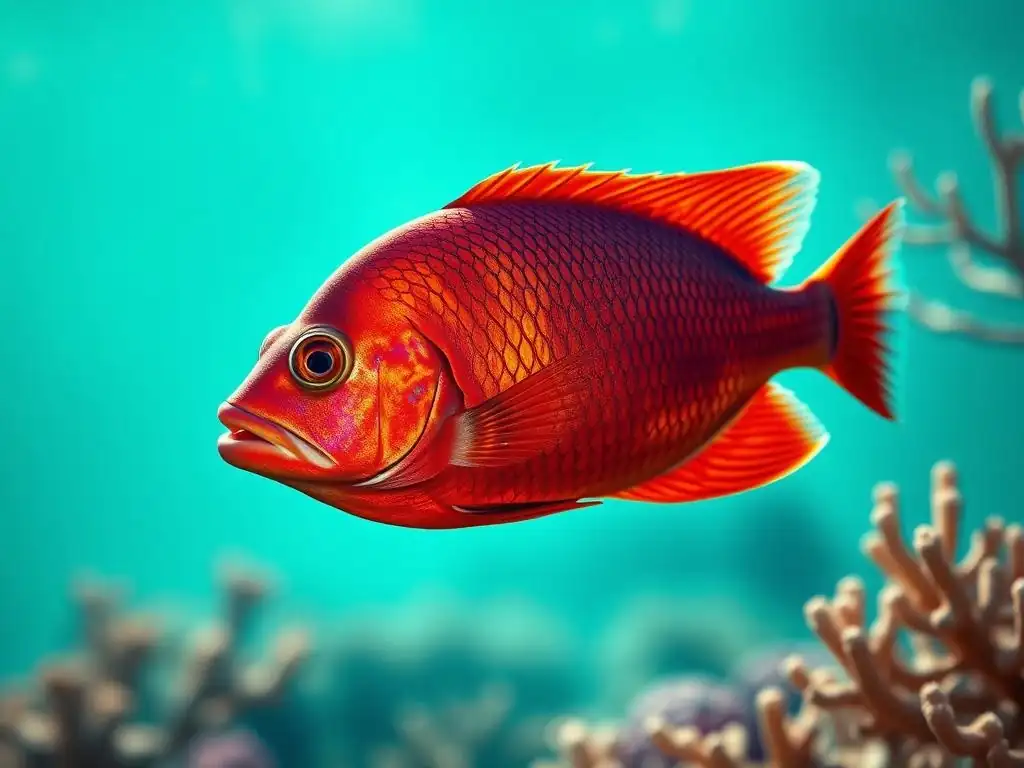
Anthias, with their vibrant colors and active swimming, thrive in a bustling yet harmonious reef environment. When selecting tank mates, prioritize species that share similar water column preferences and won't intimidate their schooling behavior. Excellent companions include other peaceful, mid-water swimming fish like various Fairy Wrasses (e.g., Flasher Wrasses, Cirrhilabrus spp.) or certain species of peaceful Tangs such as the Yellow Tang (Zebrasoma flavescens) or Kole Tang (Ctenochaetus strigosus), provided the tank offers ample swimming space. These tangs primarily graze on algae and generally ignore anthias.
Other suitable choices for a balanced reef fish compatibility guide include peaceful Gobies and Blennies that primarily inhabit the bottom or rockwork, such as the Diamond Watchman Goby (Valenciennea puellaris) or the Lawnmower Blenny (Salarias fasciatus). These species occupy different niches, minimizing direct competition for space. Schooling fish like Blue Green Chromis (Chromis viridis) can also be good companions, provided the tank is large enough to support multiple schooling groups without overcrowding. The key is to ensure constant, multiple feedings throughout the day, as Anthias have a high metabolism and require frequent nourishment.
Anthias and Aggressive Tank Mates: Minimizing Stress and Competition
Housing Anthias with aggressive tank mates can quickly lead to their decline due to chronic stress and competition. Fish to strictly avoid include highly territorial Damselfish (e.g., Domino Damsel, Sergeant Major Damselfish), large predatory Wrasses (e.g., Lunar Wrasse, Thalassoma lunare), Triggerfish, and large, aggressive Angelfish. These species can chase, nip at, and constantly harass Anthias, preventing them from feeding adequately and leading to significant stress. For example, a single aggressive Humbug Damsel (Dascyllus aruanus) can prevent an entire school of Lyretail Anthias from venturing out to feed.
The constant aggression from unsuitable tank mates can cause Anthias to become reclusive, hide in rockwork, lose their vibrant coloration, and eventually refuse food, which is fatal for a fish requiring multiple daily feedings. This chronic stress also severely compromises their immune system, making them highly susceptible to diseases like marine Ich or bacterial infections. A careful reef fish compatibility guide emphasizes avoiding such pairings to ensure the long-term health and well-being of your Anthias.
Anthias are quintessential schooling fish, and their social needs are best met by keeping them in groups of their own kind, typically one male with multiple females (e.g., a harem of Lyretail Anthias, Pseudanthias squamipinnis, or Dispar Anthias, Pseudanthias dispar). When considering other schooling fish, the primary concern is tank size and potential for inter-species aggression or competition for swimming space. Blue Green Chromis (Chromis viridis) are often considered compatible, as they are generally peaceful and also form schools.
However, even with seemingly compatible schooling fish, adequate tank volume is crucial. A 75-gallon tank might support a small group of Anthias, but adding another schooling species like Chromis could lead to overcrowding and stress. Overcrowding can manifest as subtle aggression, where one group pushes the other into less desirable areas, or competition for the prime feeding zone. The goal of a reef fish compatibility guide is to create a diverse yet harmonious community, ensuring each group has sufficient space to school and express natural behaviors without infringing on others' territory.
Key Considerations for Successful Reef Fish Compatibility
Tank Size and Water Parameters: Crucial Factors for Reef Health
The foundation of successful reef fish compatibility lies in providing an appropriately sized aquarium and maintaining stable, optimal water parameters. Tank size directly influences aggression and stress levels; a larger tank provides more territory, hiding spots, and swimming space, diffusing potential conflicts.
For instance, while a small group of peaceful Cardinalfish might thrive in a 40-gallon breeder tank, a group of Anthias typically requires a minimum of 75-100 gallons to allow for their schooling behavior and high activity levels. Overcrowding, a common mistake, leads to elevated ammonia and nitrate levels, and increased stress, which compromises the immune system of all inhabitants.
Beyond size, consistent water parameters are non-negotiable for a healthy reef. Salinity should be maintained at 1.025-1.026 specific gravity, temperature between 75-78°F (24-25.5°C), pH between 8.1-8.4, and nitrates and phosphates should be kept at very low levels (e.g., nitrates under 10 ppm, phosphates under 0.03 ppm). Fluctuations in these parameters cause physiological stress, making fish more susceptible to disease and less tolerant of tank mates. Regular testing and consistent water changes are vital components of any comprehensive reef fish compatibility guide.
Feeding Habits and Competition for Resources: Ensuring Adequate Nutrition
Understanding the feeding habits of potential tank mates is critical for ensuring adequate nutrition for all fish and preventing competition-driven aggression. Cardinalfish and Anthias are primarily carnivorous, feeding on zooplankton and small crustaceans. Anthias, in particular, have a very high metabolism and require frequent, small feedings throughout the day (e.g., 3-5 times daily). If housed with faster, more aggressive eaters like some Tangs or larger Wrasses, these more docile species may not get enough food, leading to emaciation and a weakened state.
A successful reef fish compatibility strategy involves offering a varied diet that caters to all inhabitants. This might include high-quality flake foods, pellets, frozen mysis shrimp, brine shrimp, and finely chopped seafood. For tanks with a mix of herbivores and carnivores, ensuring that herbivorous fish like Tangs have access to nori or other algae sheets, while carnivorous fish receive their meaty foods, can reduce competition. Observing feeding behavior closely is essential; if certain fish are consistently missing out, adjustments to feeding frequency, method, or even tank mates may be necessary.
Temperament and Behavior: Observing Fish Interactions for Compatibility Issues
The temperament and individual behavior of each fish species, and even individual fish, play a significant role in successful reef fish compatibility. While a general reef fish compatibility guide can offer recommendations, real-time observation of fish interactions is crucial. Some species, like certain Damselfish, are notoriously aggressive and territorial, while others, like most Cardinalfish, are exceptionally peaceful. However, even within species, individual personalities can vary.
Daily observation of your aquarium inhabitants for signs of aggression, stress, or unusual behavior is paramount. Look for fin nipping, constant chasing, hiding, clamped fins, rapid breathing, or refusal to eat. For example, if your Anthias are constantly hiding and not feeding during lights-on hours, it's a strong indicator of stress from an incompatible tank mate. Early detection of such issues allows for timely intervention, such as rearranging rockwork to create more hiding spots, adding visual barriers, or in severe cases, separating the incompatible fish. Understanding and responding to these behavioral cues is a cornerstone of long-term reef success.
Best Reef Inhabitants to Pair with Cardinalfish and Anthias
Peaceful Gobies and Blennies: Bottom-Dwelling Companions
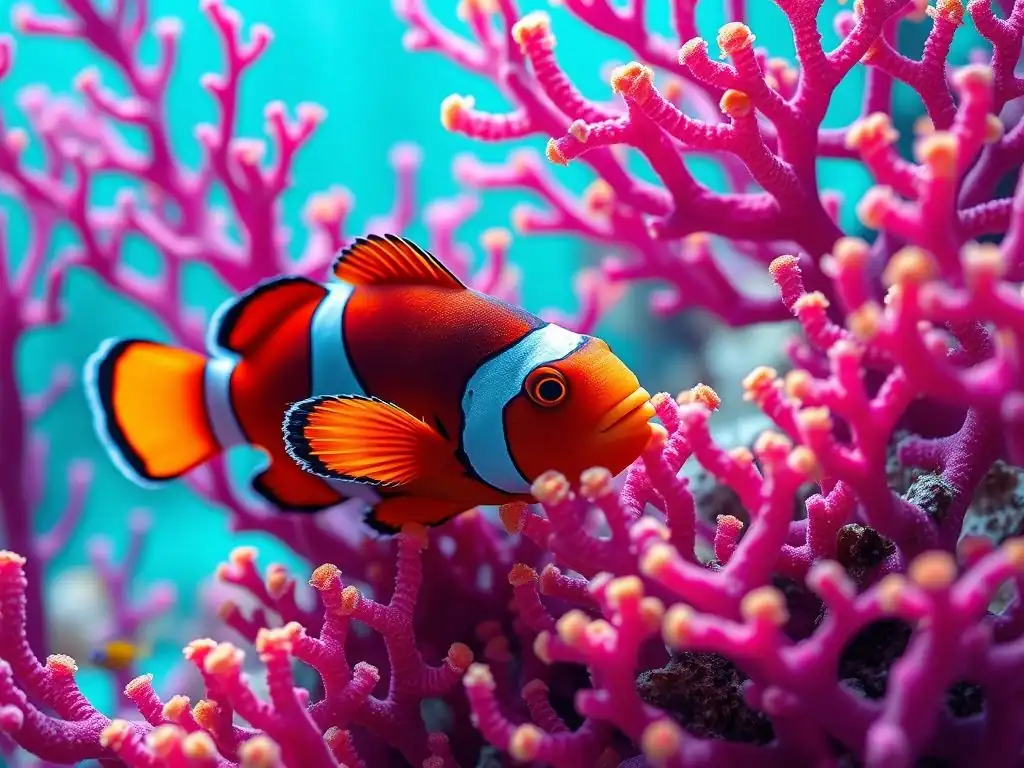
Peaceful Gobies and Blennies are among the most ideal tank mates for both Cardinalfish and Anthias, making them essential considerations in any reef fish compatibility guide. Their primary advantage lies in their differing ecological niches; while Cardinalfish and Anthias primarily inhabit the mid-water column, Gobies and Blennies are typically bottom-dwellers, perching on rocks or sifting through sand. This spatial separation minimizes direct competition for territory and swimming space.
Excellent examples include the Yellow Watchman Goby (Cryptocentrus cinctus) and its symbiotic partner, the Pistol Shrimp (Alpheus randalli), which create fascinating burrowing systems. Other good choices are the Diamond Watchman Goby (Valenciennea puellaris), known for its sand-sifting abilities, and various peaceful blennies like the Lawnmower Blenny (Salarias fasciatus) or Starry Blenny (Salarias ramosus), which are primarily herbivorous and help with algae control. These species are generally non-aggressive, don't harass their tank mates, and contribute to the overall health and visual interest of the reef aquarium.
Damselfish (With Caution): Selecting Less Aggressive Varieties
While many Damselfish are infamous for their aggressive and territorial nature, a few species can be considered as tank mates for Cardinalfish and Anthias, but only with significant caution and careful selection. The most notable exception is the Blue Green Chromis (Chromis viridis). These small, schooling damselfish are generally peaceful and can coexist well with both Cardinalfish and Anthias, especially in larger tanks where they have ample space to school without infringing on other fish's territories.
However, the key phrase here is "with caution." Even Blue Green Chromis can become aggressive as they mature or if housed in too small a group or tank. Other "less aggressive" damselfish like the Royal Gramma Basslet (Gramma loreto), while technically a Basslet, is often grouped with peaceful damselfish due to its temperament. It is generally peaceful and occupies a distinct niche, often hovering near rockwork. For any damselfish, it's crucial to research their specific temperament thoroughly and monitor interactions closely, as a single aggressive individual can disrupt the entire tank's reef fish compatibility.
Tangs and Rabbitfish: Herbivorous Algae Eaters for a Balanced Tank
Tangs and Rabbitfish can be excellent additions to a reef aquarium housing Cardinalfish and Anthias, provided the tank size is adequate to accommodate their larger size and active swimming habits. These fish are primarily herbivorous, making them valuable for algae control and ensuring they don't compete directly with Cardinalfish or Anthias for meaty foods. Popular choices include the Yellow Tang (Zebrasoma flavescens), Kole Tang (Ctenochaetus strigosus), and Foxface Rabbitfish (Siganus vulpinus).
The benefit of including these species in your reef fish compatibility plan is their role in maintaining a balanced ecosystem by grazing on nuisance algae. While most Tangs are generally peaceful towards other species, they can be territorial with other Tangs, especially those of similar shape or color.
Rabbitfish are typically very peaceful and have the added benefit of a venomous dorsal spine as a deterrent, which can prevent them from being bullied. Ensure the tank is sufficiently large (e.g., 75 gallons minimum for a single Yellow Tang, 120+ for larger Tangs or Rabbitfish) to provide ample swimming room and reduce stress.
Avoiding Common Reef Fish Compatibility Mistakes
Overcrowding the Aquarium: The Importance of Space
One of the most frequent and detrimental mistakes in reef fish compatibility is overcrowding the aquarium. While it's tempting to add "just one more fish," exceeding the tank's capacity inevitably leads to increased stress, aggression, and poor water quality. In an overcrowded environment, fish have insufficient space to establish territories, escape aggression, or even swim freely. This constant stress suppresses their immune systems, making them highly susceptible to common diseases like marine Ich (Cryptocaryon irritans), which can then spread rapidly throughout the tank.
A general rule of thumb for stocking is often cited as "one inch of fish per 5 gallons of water," but this is a very rough guideline and varies greatly with species and activity level. For instance, a schooling group of Anthias requires significantly more open swimming space than a few bottom-dwelling gobies. Overcrowding also puts an immense strain on the filtration system, leading to elevated nitrate and phosphate levels, which can fuel nuisance algae blooms and negatively impact coral health. Prioritizing ample space is fundamental to a healthy and stable reef fish compatibility guide.
Introducing New Fish Carefully: Acclimation and Quarantine Procedures
Improper introduction of new fish is a leading cause of stress, disease outbreaks, and compatibility issues. A critical step often overlooked is the quarantine procedure. All new fish, regardless of their source, should undergo a minimum 3-4 week quarantine period in a separate, dedicated quarantine tank. This allows for observation for signs of disease (e.g., Ich, Marine Velvet, bacterial infections), treatment if necessary, and recovery from shipping stress before being introduced to the main display tank. Introducing a diseased fish can wipe out an entire established population.
Beyond quarantine, proper acclimation to the main tank's water parameters is crucial. Drip acclimation over an hour or more slowly adjusts the new fish to the main tank's salinity, pH, and temperature, minimizing shock. When finally adding the fish to the display tank, do so with the lights off or dimmed to reduce stress and aggression from existing inhabitants. For particularly shy species like Cardinalfish or Anthias, adding them at night or rearranging some rockwork beforehand can help them settle in without immediate harassment, improving their chances of successful reef fish compatibility.
Monitoring Water Quality: Maintaining a Stable Environment
Maintaining pristine and stable water quality is not just about keeping corals healthy; it's a critical component of reef fish compatibility and overall fish health. Fluctuations in key parameters like salinity, temperature, pH, ammonia, nitrite, and nitrate cause immense stress to fish, weakening their immune systems and making them prone to disease. Even minor swings can lead to behavioral changes, increased aggression, or lethargy. For instance, a sudden drop in salinity can cause osmotic shock, while elevated nitrates can lead to chronic stress and fin erosion.
Regular water testing (e.g., weekly for nitrates, bi-weekly for alkalinity, calcium, magnesium) and consistent maintenance routines, including weekly or bi-weekly water changes (typically 10-20%), are essential. Ensuring your filtration system (sump, protein skimmer, refugium, media reactors) is adequately sized and well-maintained is also vital for nutrient export and parameter stability. A stable environment reduces physiological stress, allowing fish to focus their energy on growth, natural behaviors, and peaceful coexistence, thereby enhancing long-term reef fish compatibility.
Troubleshooting Reef Fish Compatibility Problems
Identifying Signs of Aggression and Stress in Cardinalfish and Anthias
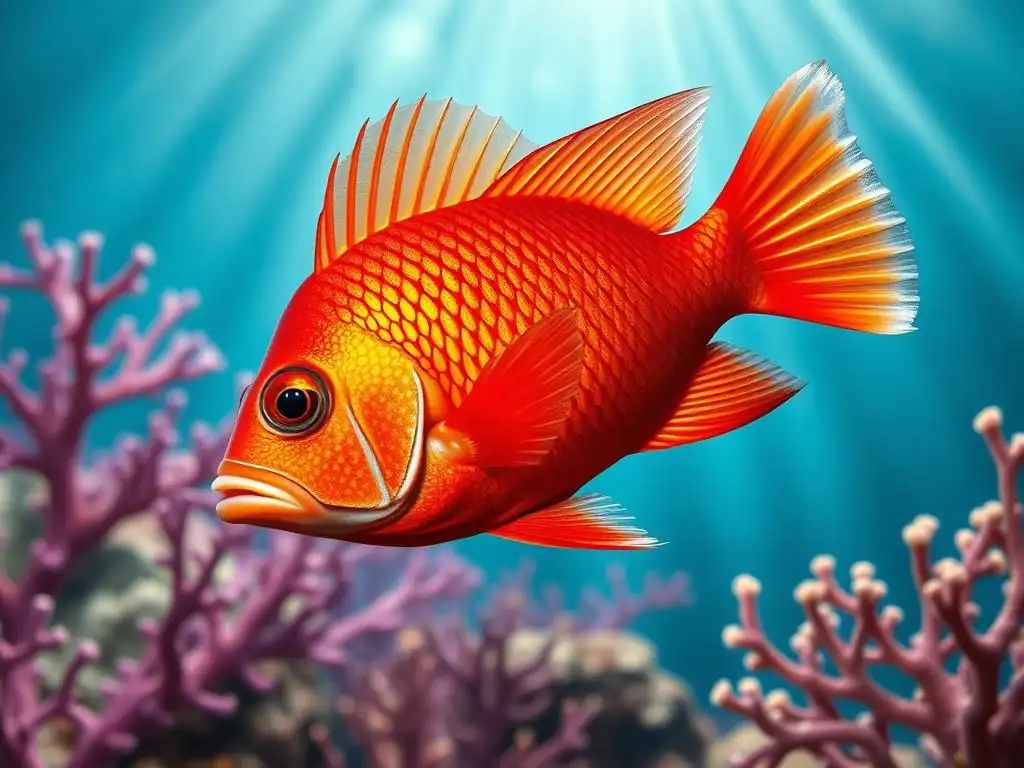
Early identification of aggression and stress is crucial for resolving reef fish compatibility issues before they escalate. For Cardinalfish and Anthias, specific signs to watch for include:
- Hiding: Persistent hiding, especially during feeding times, indicates extreme stress or fear. Cardinalfish are naturally shy, but constant reclusiveness suggests a problem.
- Faded Coloration: Stress can cause fish to lose their vibrant colors, appearing pale or dull.
- Clamped Fins: Fins held tight against the body, rather than spread out naturally, is a classic sign of stress or illness.
- Rapid Breathing: Gills moving rapidly, even when resting, can indicate poor water quality or severe stress.
- Torn Fins or Body Nips: Physical damage is a direct sign of aggression from tank mates.
- Refusal to Eat: A fish that consistently refuses food is under significant stress or ill. Anthias, with their high metabolism, will decline rapidly if not eating.
- Constant Chasing/Harassment: Observe if one fish is relentlessly pursuing another, preventing it from swimming freely or accessing food.
Separating Incompatible Tank Mates: Quarantine and Rehoming Options
If signs of severe aggression or stress persist despite other interventions, separating incompatible tank mates is often the most effective solution. The immediate step is to remove the aggressor or the bullied fish. This can be done using a fish trap, a net, or, in extreme cases, carefully removing some rockwork to catch the fish. The separated fish should be placed in a dedicated quarantine tank. This temporary separation allows the bullied fish to recover from stress and injuries, and the aggressor to "cool off."
After a period of separation (e.g., 1-2 weeks), you might attempt to reintroduce the fish, sometimes after rearranging the main tank's aquascaping to create new territories. However, if aggression immediately resumes, permanent separation is necessary. Rehoming options include selling or donating the fish to a local fish store, finding another hobbyist with a suitable tank, or, if space allows, setting up a dedicated tank for the problematic fish. Prioritizing the well-being of your fish, even if it means rehoming, is a hallmark of responsible reef fish compatibility management.
Adjusting Tank Decor and Aquascaping: Reducing Territorial Disputes
Strategic adjustment of tank decor and aquascaping can significantly alleviate territorial disputes and improve reef fish compatibility. Many instances of aggression stem from a lack of sufficient hiding spots or poorly defined territories. By adding more live rock structures, creating caves, overhangs, and line-of-sight breaks, you can provide ample refuge for bullied fish and help territorial fish establish their own distinct areas.
For example, if a dominant fish is constantly chasing others around the perimeter, adding tall rock formations or a large coral colony in the middle of the tank can break up the line of sight, making it harder for the aggressor to see and pursue its targets. Similarly, ensuring there are multiple hiding spots, more than the number of fish, allows every fish to find a secure retreat.
Rearranging the existing rockwork can also "reset" territories, forcing fish to re-establish their claims and sometimes diffusing established aggression patterns. This proactive approach to aquascaping is a vital tool in any reef fish compatibility guide.
Long-Term Reef Fish Compatibility: Maintaining a Healthy and Balanced Reef
Regular Observation and Monitoring: Identifying Potential Issues Early
Long-term reef fish compatibility is not a one-time setup; it requires continuous vigilance and proactive monitoring. Regular observation of your aquarium inhabitants should become a daily habit. Spend time watching their behaviors, feeding habits, and physical appearance. Look for subtle changes that might indicate stress, aggression, or the onset of disease. For instance, a Cardinalfish that usually swims openly but suddenly starts hiding frequently could be experiencing harassment. An Anthias that typically feeds voraciously but now picks at food might be stressed or ill.
Early detection of these subtle cues is paramount. Behavioral shifts, minor fin nips, or slight changes in coloration often precede more severe problems. By identifying potential issues early, you can intervene before they escalate into serious health crises or irreparable compatibility breakdowns. This consistent, attentive monitoring is the cornerstone of maintaining a healthy and balanced reef ecosystem and a successful reef fish compatibility guide.
Maintaining Optimal Water Parameters: Preventing Stress and Disease
The cornerstone of long-term reef fish compatibility and overall reef health is the consistent maintenance of optimal water parameters. Fluctuations or chronic poor water quality are major stressors that weaken fish immune systems, making them highly susceptible to diseases and more prone to aggressive or erratic behavior. Regular testing of essential parameters such as salinity (1.025-1.026 SG), temperature (75-78°F), pH (8.1-8.4), alkalinity, calcium, magnesium, and especially ammonia, nitrite, and nitrate, is non-negotiable.
Consistent execution of maintenance tasks, including weekly or bi-weekly water changes (typically 10-20% of tank volume), cleaning filter media, and ensuring proper protein skimming, is vital for nutrient export and parameter stability. A stable environment reduces physiological stress on fish, allowing them to thrive, exhibit natural behaviors, and coexist peacefully. Neglecting water quality, even for short periods, can compromise the delicate balance of the reef and undermine all efforts towards successful reef fish compatibility.
Continuing Education and Research: Staying Informed About Reef Fish Care
The world of marine aquariums is constantly evolving, with new research, techniques, and insights emerging regularly. For long-term reef fish compatibility success, continuous education and research are essential for every aquarist. Staying informed about the specific needs, temperaments, and compatibility nuances of different reef fish species, including Cardinalfish and Anthias, will empower you to make better stocking decisions and troubleshoot problems more effectively.
This ongoing learning can involve reading reputable aquarium forums, engaging with experienced hobbyists, consulting scientific literature, and keeping up with advancements in husbandry. For example, research might reveal new insights into the social structures of certain Anthias species or the specific dietary needs of a particular Cardinalfish, allowing you to refine your care practices. A proactive approach to knowledge acquisition ensures that your reef fish compatibility guide remains current and effective, leading to a more resilient and beautiful reef aquarium for years to come.
Frequently Asked Questions
How important is a Reef Fish Compatibility Guide when setting up a saltwater aquarium?
A Reef Fish Compatibility Guide is extremely important because it helps you avoid aggression, competition for resources, and even predation within your tank. Careful planning ensures a harmonious and thriving reef ecosystem.
What are some common examples of incompatible reef fish species highlighted by AquariumMastery.com?
While not explicitly listed, the site would advise caution between aggressive species like certain Damsels and more peaceful species like Cardinalfish. Understanding each fish's temperament is absolutely vital.
How does AquariumMastery.com help aquarists determine the compatibility of different fish species?
AquariumMastery.com offers species profiles detailing temperament, size, and dietary needs. These profiles are crucial for assessing whether different fish are likely to coexist peacefully.
What factors besides aggression should I consider when evaluating reef fish compatibility, according to AquariumMastery.com?
Beyond aggression, consider size differences, as larger fish may prey on smaller ones. Also, dietary needs and water parameter requirements must be compatible for all inhabitants.
Where can I find more information on reef fish compatibility on AquariumMastery.com?
You can find in-depth information in the species profiles section, the troubleshooting guides, and potentially within articles focused on specific aquarium types.
The intricate dance of life within a reef aquarium, as explored in this guide, underscores the delicate balance required for a thriving ecosystem. Understanding reef fish compatibility isn't just about preventing aggression; it's about fostering an environment where each creature can flourish, contributing to the overall health and beauty of the miniature ocean we create within our homes.
This journey into reef fish compatibility has highlighted the profound impact our choices have on these living beings. It's a responsibility that extends beyond simply providing food and water; it demands careful consideration of their social needs and environmental requirements. The sea, once it casts its spell, holds one in its net of wonder forever.
- Jacques Cousteau. This quote encapsulates the awe and responsibility we inherit when we bring a piece of the ocean into our lives.
As you embark on or continue your reef-keeping journey, remember that a well-researched and thoughtfully planned tank is more than just an aquarium; it's a testament to your dedication to preserving and celebrating the wonders of the reef. Let this "Reef fish compatibility guide" serve as a constant reminder to prioritize the well-being of your aquatic companions, ensuring a harmonious and vibrant underwater world for years to come.
Dive Deeper: Master Your Reef Tank Harmony!
Thanks for exploring the fascinating world of reef tank compatibility with us! We hope you’ve gained valuable insights into creating a thriving and peaceful ecosystem for your Cardinalfish, Anthias, and other cherished inhabitants. Ready to take the next step?
Here’s how you can ensure a blissful coexistence in your reef aquarium:
- Carefully observe your current or planned inhabitants for any signs of aggression within the first few days, and be prepared to rehome if necessary.
- Share this article with fellow reefing enthusiasts on social media – help them create harmonious aquariums too!
- Go beyond the basics: Research the specific dietary needs of each species you plan to introduce to ensure everyone gets their fair share during feeding time.
What unique strategy do you use to introduce new fish to minimize aggression in your reef tank? Share your wisdom in the comments below!