
River Manifold for Denison Barbs? Creating HighFlow Environments They Love

Welcome to Aquarium Mastery!
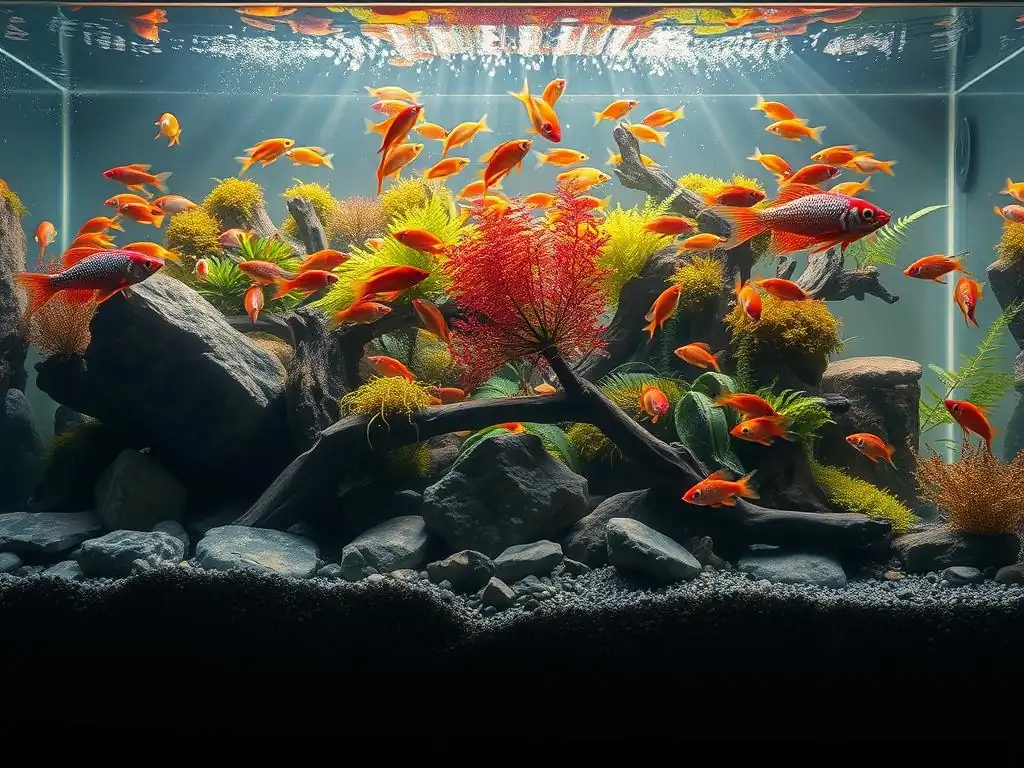
Ever wondered how to perfectly mimic the fast-flowing rivers that Denison barbs call home? Dive in and discover the secrets to a thriving Denison barb flow tank setup. We'll explore innovative river manifold techniques and everything you need to know to create a high-flow environment that will have your Denison barbs feeling right at home. Ready to unlock the key to their happiness? Let's get started!
- Creating a High-Flow Aquarium for Denison Barbs: Simulating Their Natural Habitat
- Understanding Denison Barbs and Their Natural Habitat
- Designing a High-Flow Denison Barb Aquarium: Essential Considerations
- Achieving High Flow: Methods and Techniques
- Optimizing Filtration for High-Flow Environments
- Plant Selection for High-Flow Aquariums
- Troubleshooting Common Issues in High-Flow Aquariums
- Maintaining Your High-Flow Denison Barb Aquarium: A Regular Schedule
- The Benefits of a High-Flow Environment for Denison Barbs
-
Frequently Asked Questions
- How crucial is high flow for Denison Barbs in an aquarium setting?
- What is a "river manifold" and how does it benefit a Denison Barb flow tank setup?
- What are some alternative methods to a river manifold for achieving high flow in a Denison Barb tank?
- What tank size is generally recommended when attempting a Denison Barb flow tank setup?
- What other factors, besides flow, are important to consider when setting up a Denison Barb aquarium?
- Final Reflection: Embracing the Current for Thriving Life
- Dive Deeper: Craft Your Own Denison Barb Paradise!
Creating a High-Flow Aquarium for Denison Barbs: Simulating Their Natural Habitat
Understanding Denison Barbs and Their Natural Habitat
Denison Barb Origins and the Rivers of India's Western Ghats
Denison Barbs, scientifically known as Sahyadria denisonii, originate from the fast-flowing, clear waters of the Western Ghats mountain range in the Indian states of Kerala and Karnataka. Their native habitats include specific rivers like the Chaliyar, Valapattanam, and Kallar, where they are found in highland streams, rivers, and tributaries. These environments are characterized by high oxygen levels, moderate temperatures, and substrates primarily composed of rocky formations, gravel, and sand.
The challenging conditions of these rapid rivers have shaped the Denison Barb's distinctive physiology and behavior. Their sleek, torpedo-shaped bodies and powerful caudal fins are perfectly adapted for navigating strong currents. They are naturally schooling fish, and this behavior is essential for their survival in these dynamic environments, allowing them to move efficiently and find food sources while minimizing individual energy expenditure.
The Importance of High Flow for Oxygenation, Waste Removal, and Natural Behavior
High water flow is paramount for Denison Barbs, primarily because it ensures excellent oxygenation. In their natural riverine habitats, constant water movement keeps dissolved oxygen levels consistently high, which is vital for these active fish with a relatively high metabolic rate. Without adequate flow, oxygen levels can drop, leading to stress and compromised health.
Beyond oxygenation, a robust "Denison barb flow tank setup" facilitates efficient waste removal. Strong currents prevent detritus and uneaten food from settling in stagnant areas, which can lead to the buildup of harmful ammonia and nitrite. The constant motion also distributes nutrients effectively throughout the aquarium for any live plants and encourages the natural foraging and swimming patterns that are intrinsic to the Denison Barb's well-being.
Simulating Natural Currents: Replicating the Denison Barb's Ideal Environment
Replicating the high-flow environment of their natural rivers is not merely a preference but a necessity for the long-term health and vitality of Denison Barbs in captivity. A well-simulated high-flow system significantly reduces stress, promotes natural schooling behavior, enhances coloration, and encourages active swimming, all of which contribute to a longer, healthier life.
Achieving this simulation involves more than just adding a powerful pump; it requires a thoughtful integration of various components. This includes selecting appropriate equipment like powerheads and wave makers, designing the tank layout to facilitate specific current patterns, and ensuring that all elements work in harmony to create a dynamic, oxygen-rich "Denison barb high-flow tank" that truly mimics their native home.
Designing a High-Flow Denison Barb Aquarium: Essential Considerations
Tank Size and Dimensions: Providing Ample Swimming Space
Given their active nature and adult size, which can reach up to 6 inches (approximately 15 cm), Denison Barbs require ample swimming space. For a small school of 6-8 individuals, a minimum tank size of 55 gallons (around 208 liters) is recommended, though a 75-gallon (284 liters) or larger tank is vastly superior. The key dimension for these fish is length, not height.
A longer tank, such as a 48-inch (122 cm) long 75-gallon tank, provides significantly more horizontal swimming room compared to a taller, narrower tank of the same volume. This allows the Denison Barbs to engage in their characteristic schooling behavior and swim against the current over extended distances, which is crucial for their physical conditioning and mental stimulation in a proper "Denison barb flow tank setup."
Substrate and Decor: Replicating a Riverbed Environment
The ideal substrate for a Denison Barb aquarium should mimic their natural riverbed, consisting of fine gravel, sand, or a mix of both. Smooth, water-worn river rocks and pebbles of various sizes should be incorporated to provide visual interest and additional surfaces for beneficial bacteria. It is crucial to avoid any sharp or abrasive materials that could injure these fast-moving fish.
Decor should be arranged to create both open swimming lanes and areas with some current breaks or hiding spots. Large, smooth rocks and sturdy driftwood pieces can be strategically placed to form crevices and overhangs, offering security. All decor must be securely anchored to prevent dislodgement by the strong currents generated in a high-flow "Denison barb high-flow tank."
Water Parameters: Maintaining Optimal Water Quality
Maintaining stable and appropriate water parameters is critical for the health of Denison Barbs. They thrive in temperatures ranging from 60-77°F (16-25°C), with a pH between 6.8 and 7.8, and moderate water hardness of 5-15 dGH (degrees of General Hardness). While these ranges provide a guideline, consistency is often more important than hitting exact numbers.
Regular testing of water parameters, ideally on a weekly basis, is essential to monitor ammonia, nitrite, and nitrate levels. Although high flow aids in oxygenation and waste distribution, it does not replace the need for robust filtration and consistent water changes to maintain pristine water quality. A healthy "Denison barb flow tank setup" depends on this vigilant monitoring.
Compatible Tank Mates: Selecting Fish That Thrive in Similar Conditions
When choosing tank mates for Denison Barbs, it's vital to select species that can tolerate or even prefer similar high-flow, well-oxygenated conditions. Good choices include other active, schooling fish such as Rosy Barbs ( Pethia conchonius), Black Skirt Tetras ( Gymnocorymbus ternetzi), various Rainbowfish species (e.g., Boeseman's Rainbowfish, Melanotaenia boesemani, or Turquoise Rainbowfish, Melanotaenia lacustris), and certain loaches like the Yo-Yo Loach ( Botia almorhae).
Conversely, avoid slow-moving fish with long, delicate fins, as the strong currents can cause them undue stress or physical damage. Similarly, very timid species might struggle to compete for food or find calm resting spots in a high-flow environment. Aggressive or overly territorial fish should also be avoided to prevent conflicts within the "Denison barb high-flow tank" community.
Achieving High Flow: Methods and Techniques
Powerheads: Placement and Adjustment for Optimal Circulation
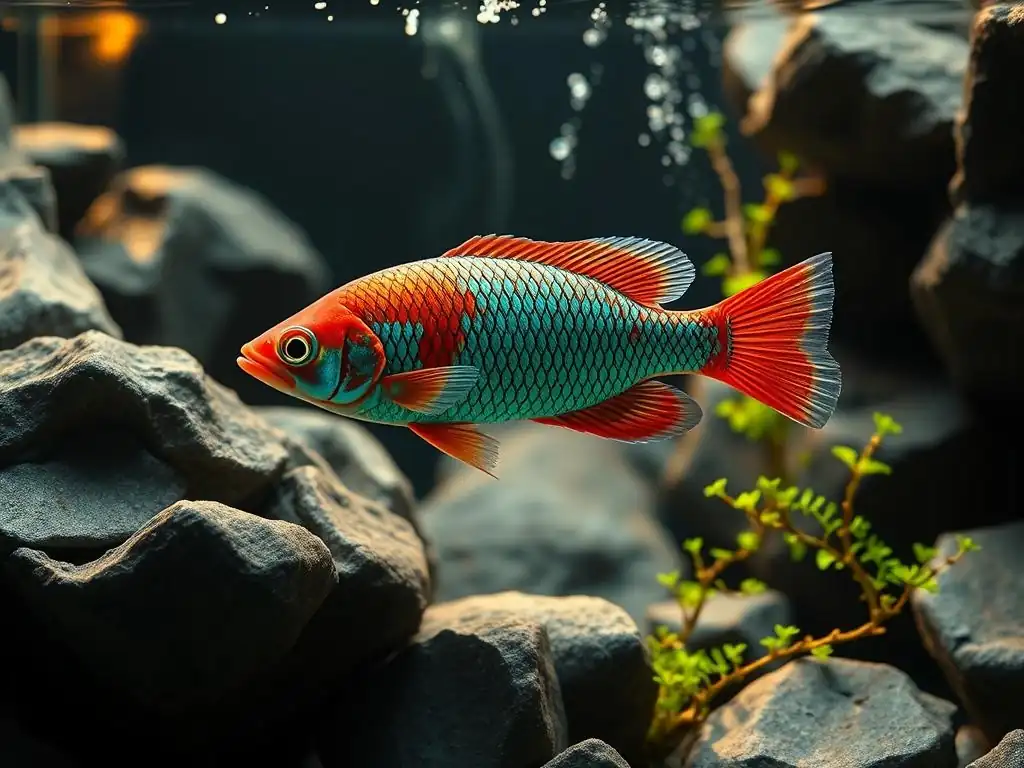
Powerheads are dedicated pumps designed to generate strong, localized water currents, making them indispensable for a "Denison barb flow tank setup." Models with adjustable flow rates are highly recommended to fine-tune the current to your tank's specific needs. Ideal placement often involves positioning them at opposite ends of the tank, angled towards each other, or along the back wall to create a circular current that simulates a river's continuous flow.
For a 75-gallon aquarium housing Denison Barbs, two powerheads, each rated at 800-1000 GPH (gallons per hour), can provide excellent circulation. It's crucial to ensure that the flow is not directly blasting specific areas where fish might rest or plants are rooted, but rather creating a broad, consistent current throughout the main swimming areas.
Wave Makers: Creating Dynamic and Varied Flow Patterns
Wave makers offer a more dynamic and naturalistic approach to water movement compared to constant powerhead flow. These devices often oscillate or pulse, creating varied flow patterns that mimic the natural surges and eddies found in rivers. This non-uniform flow can be particularly beneficial, as it provides a more stimulating environment and prevents fish from constantly struggling against a single, unwavering current.
Placement of wave makers should aim to create broad, sweeping currents. They are often best placed mid-level on the side or back walls, operating on alternating cycles if multiple units are used. This allows for a more complex and enriching flow pattern, encouraging Denison Barbs to actively swim and explore different current strengths throughout their "Denison barb high-flow tank."
Return Pumps: Utilizing Filtration Systems for Water Movement
The return pump from your primary filtration system, whether it's a canister filter or a sump, plays a significant role in contributing to the overall water movement in the tank. High-capacity filters with powerful return pumps are essential for a high-flow setup. Aim for a filter output that cycles the entire tank volume 5-10 times per hour; for a 75-gallon tank, this means a filter rated for 375-750 GPH or more.
The output of the return pump can be directed using spray bars or multiple outlets to distribute the current widely across the tank. This provides a baseline level of water movement that can then be augmented by dedicated powerheads or wave makers, ensuring that the entire water column is well-circulated and oxygenated.
Combining Methods: Creating a Balanced and Effective Flow System
The most effective "Denison barb flow tank setup" often involves a combination of methods, rather than relying on a single device. A powerful canister filter or sump provides consistent baseline flow and excellent filtration, while supplementary powerheads or wave makers are used to create specific high-current zones and dynamic flow patterns. This synergistic approach ensures comprehensive water circulation, preventing dead spots and maximizing oxygenation.
Experimentation and careful observation of your Denison Barbs' behavior are key to finding the optimal balance. Start with moderate flow and gradually increase it, noting how the fish respond. A well-designed system will offer varying flow strengths throughout the tank, allowing the fish to choose areas of higher current for active swimming and calmer spots for resting, replicating the varied microhabitats found in their natural riverine environment.
Optimizing Filtration for High-Flow Environments
Choosing the Right Filter: Canister Filters vs. Sumps
For a high-flow Denison Barb aquarium, the primary filtration system needs to be robust and efficient. External canister filters are an excellent choice due to their large media capacity, sealed nature (reducing evaporation), and ability to generate strong flow rates. For tanks 55 gallons and larger, a high-quality canister filter is often the go-to option.
Alternatively, a sump system offers even greater flexibility and filtration volume, making it ideal for very large "Denison barb high-flow tank" setups (e.g., 100 gallons or more). Sumps allow for extensive mechanical, biological, and chemical media, as well as the integration of heaters and other equipment, keeping the display tank clutter-free and highly efficient.
Mechanical Filtration: Removing Particulate Matter
Mechanical filtration is crucial in a high-flow environment to remove physical debris such as uneaten food, fish waste, and plant matter. Filter floss, sponges, and filter socks are common mechanical media used to trap these particulates, preventing them from breaking down and polluting the water. In a "Denison barb flow tank setup," where detritus is constantly being stirred up, efficient mechanical filtration is paramount.
Due to the increased particulate matter suspended by high flow, mechanical media will clog more quickly than in a low-flow tank. Regular cleaning or replacement of these media (e.g., weekly or bi-weekly) is essential to maintain optimal filter performance and prevent nitrates from accumulating. A clogged mechanical filter will reduce overall flow and filtration efficiency.
Biological Filtration: Maintaining a Healthy Nitrogen Cycle
Biological filtration is the cornerstone of any healthy aquarium, providing surface area for beneficial bacteria that convert toxic ammonia into nitrite, and then nitrite into less harmful nitrate. In a high-flow "Denison barb high-flow tank," the constant movement of oxygen-rich water through the biological media significantly enhances the efficiency of these bacteria.
Ensure your filter or sump contains ample biological media, such as ceramic rings, bio-balls, or high-porosity biomedia. For example, a 75-gallon tank should ideally have a filter capable of holding 1.5 to 2 liters of high-quality biological media to support the bioload of active Denison Barbs and ensure a robust nitrogen cycle.
Chemical Filtration: Addressing Specific Water Quality Issues
Chemical filtration can be a valuable tool for addressing specific water quality issues in a high-flow aquarium. Activated carbon is commonly used to remove odors, water discoloration, and certain organic pollutants. It should be used judiciously and replaced regularly (e.g., monthly), as it can become saturated and leach absorbed compounds back into the water.
Other chemical media, such as Purigen or specialized phosphate removers, can be employed to target specific problems like excess organic waste or algae-promoting phosphates. While a well-maintained biological filter should handle most waste in a "Denison barb flow tank setup," chemical filtration offers an extra layer of control for maintaining crystal-clear, pristine water.
Plant Selection for High-Flow Aquariums
Selecting Plants That Tolerate Strong Currents
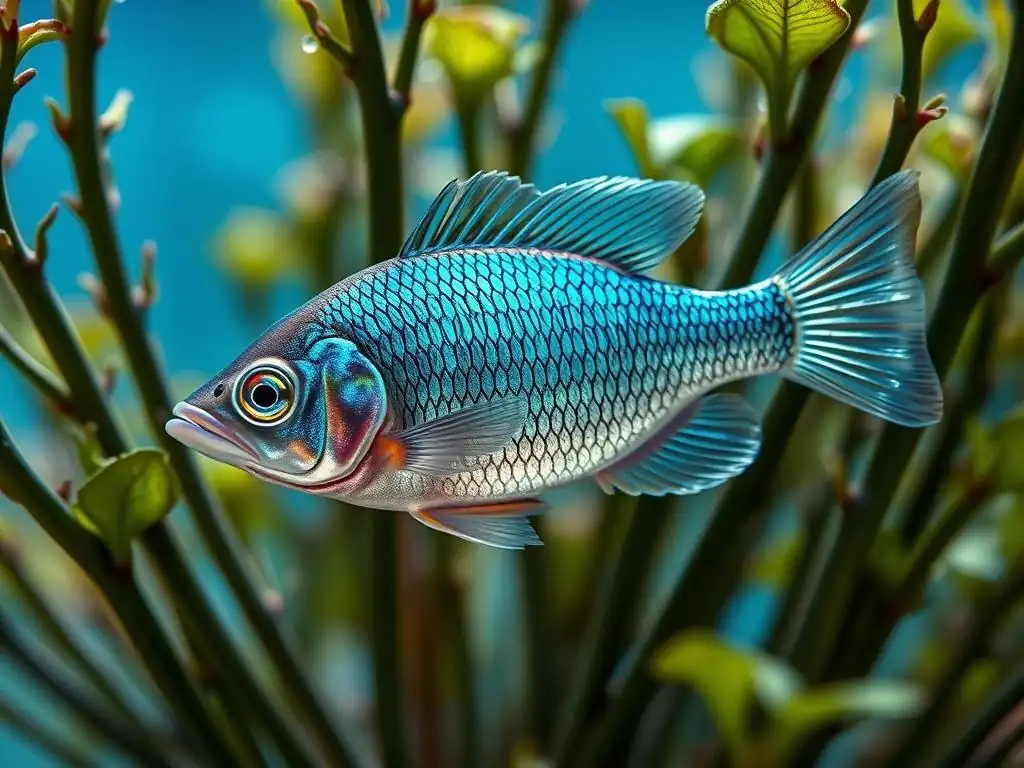
Not all aquatic plants can thrive in a high-flow environment. When setting up a "Denison barb flow tank setup," it's crucial to select robust species with strong root systems or those that naturally attach to hardscape. Excellent choices include Anubias species ( Anubias barteri, Anubias nana), Java Fern ( Microsorum pteropus), Bolbitis Heudelotii (African Water Fern or Congo Fern), and various Bucephalandra species. These plants typically have tough leaves and rhizomes that can withstand turbulent water.
Delicate, fine-leaved stem plants or those with fragile root systems are generally not suitable for high-flow tanks, as they can be easily uprooted, damaged, or even shredded by strong currents. Opt for plants known for their resilience and ability to anchor themselves securely to rocks or driftwood.
Planting Techniques: Anchoring Plants Securely
Given the powerful currents in a "Denison barb high-flow tank," proper planting techniques are essential to prevent plants from being dislodged. For rhizome plants like Anubias, Java Fern, and Bolbitis, the rhizome should never be buried in the substrate, as this can cause it to rot. Instead, these plants should be attached to driftwood or rocks using fishing line, cotton thread, or a small dab of aquarium-safe super glue gel until their roots naturally adhere.
For any rooted plants that are chosen, ensure they are planted deeply and firmly into the substrate. Strategically placing small, smooth rocks around the base of rooted plants can provide additional stability, acting as anchors to prevent them from floating away when the powerful currents are active.
Providing Shelter and Visual Barriers for Denison Barbs
While Denison Barbs enjoy swimming in strong currents, they also appreciate areas where they can retreat from the direct flow or find visual security. Arrange plants and decor to create calmer zones, eddies, and hiding spots within the "Denison barb flow tank setup." This can be achieved by placing large pieces of driftwood or dense groupings of sturdy plants to break the direct current flow.
Tall, robust plants or large rock formations can also serve as visual barriers, reducing stress by allowing the fish to feel secure and providing places to rest. This thoughtful arrangement creates a more complex and naturalistic environment, mimicking the varied microhabitats found in their native rivers where they can choose between fast-moving open water and calmer, sheltered areas.
Troubleshooting Common Issues in High-Flow Aquariums
Algae Control: Managing Algae Growth in Brightly Lit, High-Flow Tanks
High-flow environments, often coupled with good lighting and efficient nutrient distribution, can sometimes lead to increased algae growth if not managed properly. The consistent movement of water ensures that algae spores and nutrients reach every part of the tank. To control algae, first ensure that lighting duration is appropriate, typically 8-10 hours per day, and nutrient levels (especially nitrates and phosphates) are kept low through regular water changes and efficient filtration.
Introducing algae-eating inhabitants that also thrive in high flow, such as Otocinclus catfish ( Otocinclus affinis) or Amano shrimp ( Caridina multidentata), can be highly effective. Consistent manual removal of algae during routine maintenance is also crucial for a clean "Denison barb high-flow tank."
Maintaining Stable Water Parameters: Balancing Flow and Filtration
High flow can accelerate evaporation, which, if only topped off with tap water, can lead to a gradual buildup of minerals and an increase in water hardness over time. Using an auto top-off (ATO) system with RO/DI (Reverse Osmosis/Deionized) water is an effective way to prevent mineral creep. Regular monitoring of pH, GH, and KH is essential to ensure stability.
Consistent weekly water changes, typically 25-30% of the tank volume, are paramount for diluting nitrates, replenishing essential trace elements, and maintaining overall water quality. This proactive approach helps prevent parameter swings and ensures a stable environment for your Denison Barbs in their "Denison barb flow tank setup."
Addressing Fish Stress: Identifying and Resolving Behavioral Issues
Signs of stress in Denison Barbs can include clamped fins, darting erratically, excessive hiding, loss of vibrant coloration, or gasping at the surface. These symptoms could indicate that the flow is either too strong or too weak, or that water quality is compromised. Observe your fish closely to determine if they are struggling against the current or appearing listless.
If fish appear exhausted, reduce the flow slightly. If they are sluggish, consider increasing it. Always check water parameters immediately if you observe signs of stress, as poor water quality is a common culprit. Ensuring the proper "Denison barb flow tank setup" reduces environmental stressors, leading to healthier, more active fish.
Adjusting Flow Rates: Fine-Tuning for Optimal Fish Health
Fine-tuning the flow rates is a continuous process that depends on the specific tank setup and the behavior of your Denison Barbs. Start with a moderate flow and gradually increase it over several days, observing how your fish react. They should swim actively and appear energetic, but not seem to be constantly struggling or being pushed around.
Utilize adjustable powerheads, wave makers, or filter output directors to create varied flow zones within the tank. This allows the fish to choose areas of higher current for vigorous swimming and calmer spots for resting. The goal is to create a dynamic environment that challenges them appropriately without causing exhaustion or undue stress, reflecting the natural ebb and flow of a true "Denison barb high-flow tank."
Maintaining Your High-Flow Denison Barb Aquarium: A Regular Schedule
Water Change Protocols: Maintaining Water Quality
Regular water changes are the single most important maintenance task for a "Denison barb flow tank setup." Aim for weekly water changes of 25-30% of the total tank volume. This frequency is crucial for diluting nitrates, replenishing essential trace elements that are consumed by fish and plants, and removing dissolved organic compounds that filtration alone cannot handle.
During water changes, use a gravel vacuum to thoroughly clean the substrate, even in high-flow areas, to remove any settled detritus. Always ensure that the replacement water is dechlorinated and temperature-matched to prevent shocking the fish and maintaining the stability of the high-flow environment.
Equipment Maintenance: Cleaning and Inspecting Flow Devices
The efficiency of your high-flow system relies heavily on the proper functioning of your equipment. Regularly clean all powerheads, wave makers, and filter intakes/outlets. Algae, biofilm, and detritus can build up on impellers and inside housing, significantly reducing their output and efficiency. A monthly cleaning schedule for these devices is generally recommended.
During cleaning, inspect impellers for any signs of wear, such as cracks or chips, and check seals for deterioration. Replacing worn parts promptly will ensure optimal flow, prevent equipment failure, and maintain the integrity of your "Denison barb high-flow tank."
Monitoring Fish Behavior: Observing for Signs of Stress or Disease
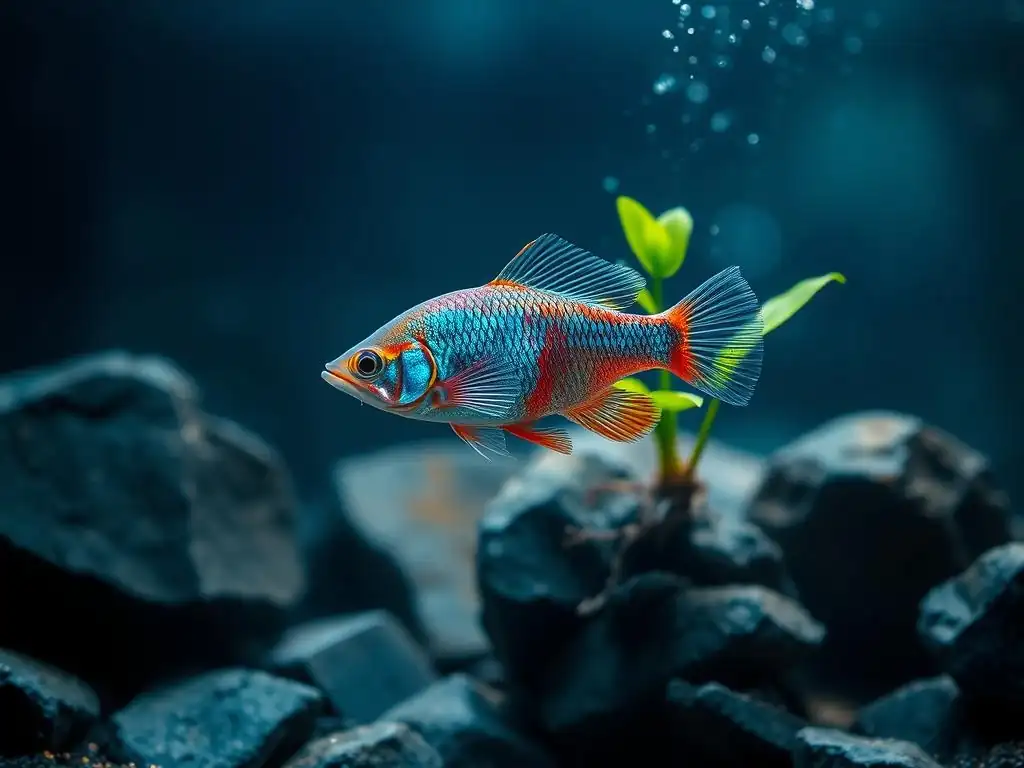
Daily observation of your Denison Barbs is a critical aspect of their care. Pay close attention to their swimming patterns, appetite, coloration, and the condition of their fins. Healthy Denison Barbs in a high-flow environment will exhibit active schooling behavior, vibrant colors, and a strong appetite.
Any deviation from their normal behavior, such as lethargy, hiding, clamped fins, or unusual spots/growths, should prompt immediate investigation of water parameters and potential causes. Early detection of issues can prevent minor problems from escalating into serious health crises, ensuring the continued well-being of your Denison Barbs in their dedicated "Denison barb flow tank setup."
The Benefits of a High-Flow Environment for Denison Barbs
Enhanced Activity and Natural Behavior
A properly designed high-flow environment directly encourages the Denison Barb's innate behaviors. Their natural schooling instinct is amplified as they navigate the currents together, creating a mesmerizing display of synchronized swimming. This constant engagement with their environment provides excellent physical exercise, preventing lethargy and promoting the development of strong, healthy muscles, which are vital for these active fish.
The dynamic water movement stimulates their senses and encourages natural foraging behaviors, leading to more energetic and visually captivating fish. This enhanced activity not only benefits the fish but also makes the "Denison barb high-flow tank" a more engaging and rewarding spectacle for the aquarist.
Improved Health and Reduced Stress
One of the most significant benefits of a high-flow setup is the profound positive impact on the Denison Barbs' health. The consistently high levels of dissolved oxygen, coupled with efficient waste removal and nutrient distribution, create an exceptionally clean and stable aquatic environment. This significantly reduces environmental stressors that can compromise a fish's immune system, making them less susceptible to common diseases.
By closely mimicking their natural habitat, a dedicated "Denison barb flow tank setup" ensures that these fish are not just surviving but truly thriving. Reduced stress leads to stronger immune responses, better appetite, and overall enhanced vitality, contributing to their longevity in captivity.
A Visually Appealing and Dynamic Aquarium
A high-flow aquarium for Denison Barbs is inherently a visually stunning display. The constant motion of the water, the energetic and coordinated schooling of the vibrant fish, and the gentle sway of hardy, current-tolerant plants create a dynamic and living landscape that is captivating to observe. It offers a unique aesthetic that stands apart from more static community tanks.
This type of setup showcases the beauty of a biotope-inspired aquarium, where the environment is specifically tailored to the inhabitants. The intricate interplay of water movement, fish behavior, and appropriate decor results in a truly immersive and aesthetically pleasing aquatic masterpiece, demonstrating a successful "Denison barb high-flow tank."
Long-Term Health and Longevity
Ultimately, providing a high-flow environment that closely replicates the Denison Barb's natural riverine habitat is the single most important factor contributing to their long-term health and longevity in captivity. When their fundamental environmental needs are met, these fish can live a considerably longer and healthier life, often reaching 5-8 years or even more, far exceeding their lifespan in suboptimal conditions.
This dedicated approach ensures that Denison Barbs not only survive but truly flourish, maintaining their vibrant colors, active demeanor, and overall robustness throughout their lives. A well-executed "Denison barb flow tank setup" is an investment in the enduring health and spectacular beauty of these remarkable fish.
Frequently Asked Questions
How crucial is high flow for Denison Barbs in an aquarium setting?
High flow is extremely important for Denison Barbs. They naturally inhabit fast-flowing rivers, and replicating this in an aquarium helps maintain their health and activity levels. A lack of sufficient flow can lead to stress and reduced lifespan.
What is a "river manifold" and how does it benefit a Denison Barb flow tank setup?
A river manifold is a system designed to create strong, directional water flow within an aquarium. This benefits Denison Barbs by mimicking their natural habitat, providing them with the oxygen-rich, turbulent water they thrive in.
What are some alternative methods to a river manifold for achieving high flow in a Denison Barb tank?
Besides a river manifold, you can use multiple powerheads strategically placed, or wavemakers designed for saltwater tanks. Ensure the flow is distributed evenly to avoid dead spots and doesn't cause excessive stress to the fish.
What tank size is generally recommended when attempting a Denison Barb flow tank setup?
Larger tanks are better for Denison Barbs due to their active nature and need for swimming space. A tank of at least 75 gallons, but preferably larger, is recommended to accommodate their size and allow for a proper flow setup.
What other factors, besides flow, are important to consider when setting up a Denison Barb aquarium?
Water chemistry is crucial; Denison Barbs need pristine water conditions. Also, provide plenty of swimming space and consider adding some rockwork and plants to offer shelter without impeding the flow.
Final Reflection: Embracing the Current for Thriving Life
The journey into understanding the ideal environment for Denison barbs, culminating in the exploration of high-flow tank setups, reveals a deeper truth about our responsibility as aquarists. It's not merely about replicating a river's current, but about providing the conditions for these magnificent creatures to truly thrive, mirroring the dynamic ecosystems they evolved within. This pursuit of optimal conditions underscores the importance of informed and dedicated fishkeeping in a world increasingly aware of the interconnectedness of all life.
This exploration has profoundly influenced my perspective on aquarium keeping, moving beyond simple aesthetics to a deeper appreciation for the intricate needs of each species. The realization that providing the right flow can unlock a Denison barb's full potential, showcasing their vibrant colors and energetic behavior, is incredibly rewarding. The best way to find yourself is to lose yourself in the service of others.
- Mahatma Gandhi. This quote resonates deeply, as dedicating ourselves to understanding and meeting the needs of our aquatic companions ultimately enriches our own lives.
Now, I invite you to consider the currents in your own life. Just as Denison barbs flourish in a dynamic environment, what "flow" can you introduce to your own existence to unlock your full potential? Embrace the challenge of creating optimal conditions, not just for your fish, but for yourself, and watch as you, too, thrive in the currents of life.
Dive Deeper: Craft Your Own Denison Barb Paradise!
Thank you for exploring the secrets to a thriving high-flow aquarium for your Denison Barbs! We hope you've discovered valuable insights to enhance their well-being. Now, it's time to put that knowledge into action and truly transform their environment.
- Start Small, Dream Big: Begin by introducing a small powerhead or wave maker to your tank to observe how your Denison Barbs respond. Adjust the flow gradually to find their sweet spot!
- Explore similar species! Research other fish species that enjoy high-flow environments and see how they behave and if they can be integrated into the aquarium ecosystem.
- Share your initial setup and observations with the Aquarium Mastery community and inspire others to enrich their barb's lives.
Ready to create the ultimate high-flow haven for your Denison Barbs? What initial adjustments to water flow will you make this week?