
The Bluestreak Cleaner Wrasse (Labroides dimidiatus): Essential Service or Aquarium Liability?

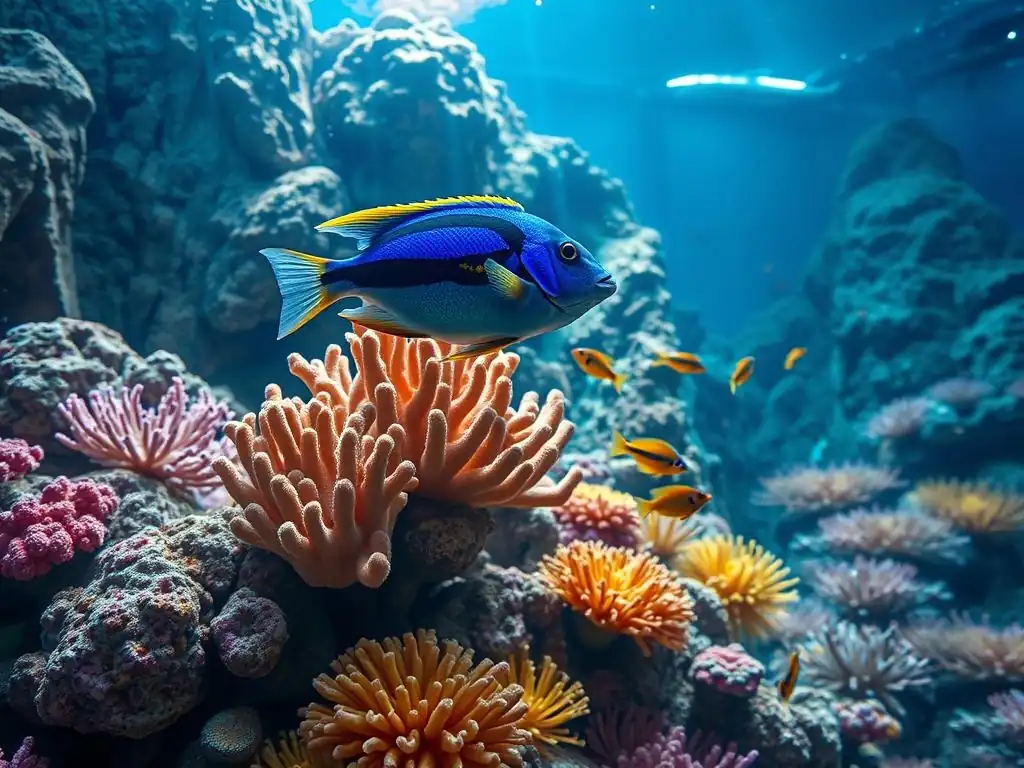
Welcome to Aquarium Mastery!
Ever wondered if adding a Bluestreak Cleaner Wrasse is the key to a sparkling clean and healthy saltwater aquarium, or if it's a recipe for unexpected challenges? Dive in and discover the truth behind Bluestreak Cleaner Wrasse Care. We'll explore everything from their natural behavior to their compatibility in your tank, helping you decide if this fascinating fish is the right choice for your underwater world. Are you ready to unlock the secrets?
- Understanding the Bluestreak Cleaner Wrasse: An Introduction
- Considerations for Bluestreak Cleaner Wrasse Care in Aquariums
- The Benefits of Keeping a Bluestreak Cleaner Wrasse
- Potential Challenges and Liabilities of Bluestreak Cleaner Wrasse Ownership
- Alternatives to Cleaner Wrasses for Aquarium Health
- Making an Informed Decision About Sun Protection
- Conclusion: Balancing Fascination with Responsibility in Bluestreak Cleaner Wrasse Care
-
Frequently Asked Questions
- How difficult is it to care for a Bluestreak Cleaner Wrasse in a home aquarium?
- What is the ideal tank size for a Bluestreak Cleaner Wrasse?
- What types of fish are compatible with Bluestreak Cleaner Wrasses?
- What do Bluestreak Cleaner Wrasses eat in an aquarium setting?
- What are some common problems associated with keeping Bluestreak Cleaner Wrasses?
- Final Reflection: The Delicate Balance of Aquarium Ecosystems
- Dive Deeper: Transform Your Aquarium's Health!
Understanding the Bluestreak Cleaner Wrasse: An Introduction
Defining the Bluestreak Cleaner Wrasse: Biology and Natural Behavior
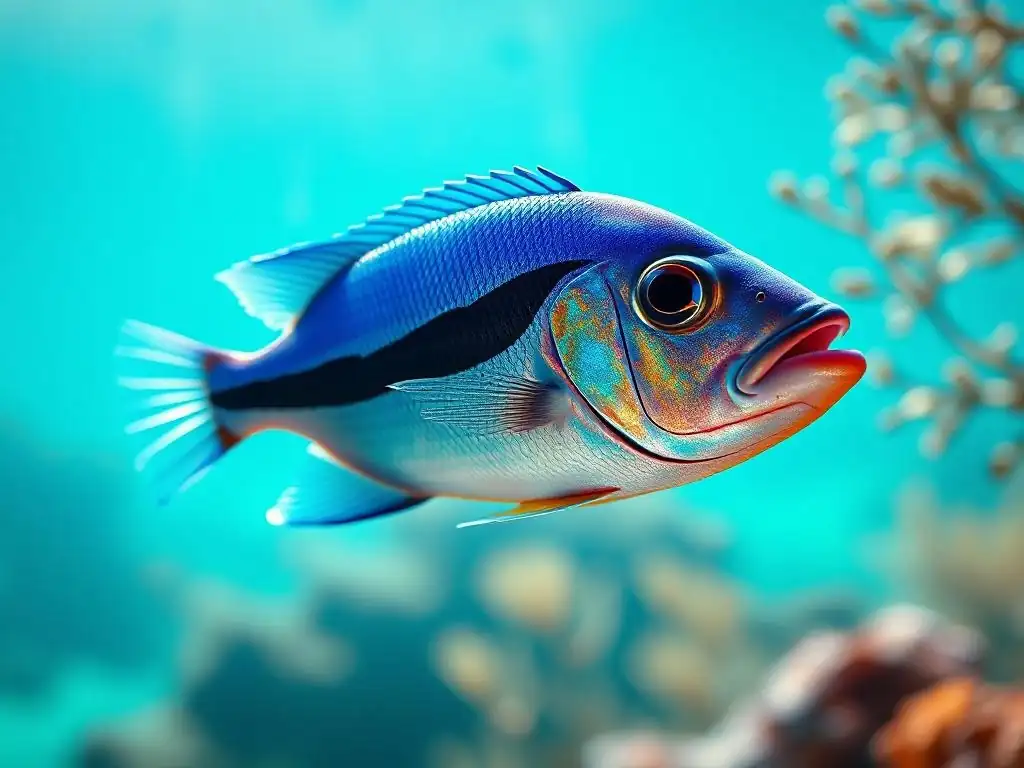
The Bluestreak Cleaner Wrasse, scientifically known as Labroides dimidiatus, is a small, vibrant marine fish renowned for its distinctive cleaning behavior. Typically growing up to 4.5 inches (approximately 11.5 cm) in length, this species sports a striking blue body with a prominent black stripe running horizontally from its snout to its caudal fin. In their natural habitat, which spans the Indo-Pacific reefs from the Red Sea to the Marquesas Islands, these wrasses establish "cleaning stations" – specific locations on the reef where other fish, even predators, visit to have external parasites, dead skin, and mucus removed.
Their natural lifespan in the wild can range from 2 to 4 years, during which they play a crucial ecological role. They are protogynous hermaphrodites, meaning they start as females and can transition to males later in life, often forming small harems with a dominant male overseeing several females. This intricate social structure and their specialized feeding habits, relying almost entirely on parasites and debris picked from other fish, make their successful adaptation to captive environments particularly challenging for even experienced aquarists seeking to provide optimal Bluestreak Cleaner Wrasse care.
The Role of Cleaner Wrasses in Reef Ecosystems: Ecological Importance
In the vast and complex coral reef ecosystem, the Bluestreak Cleaner Wrasse serves as a vital component of the natural balance, acting as a living sanitation crew. They form symbiotic relationships with a wide array of reef inhabitants, including large groupers, moray eels, and even sharks, which willingly present themselves for cleaning. This behavior is not merely opportunistic; it's a fundamental service that helps maintain the health of the entire fish population by mitigating the spread of external parasites like trematodes and copepods.
The presence of healthy cleaning stations has been shown to reduce parasite loads on reef fish by significant margins, sometimes up to 70-80%, contributing directly to the vitality and resilience of the reef community. Without these dedicated cleaners, parasite populations could proliferate unchecked, leading to increased stress, disease, and potentially higher mortality rates among host fish. This ecological role underscores their importance, making their removal or decline a potential threat to the delicate equilibrium of tropical marine environments.
Identifying Labroides dimidiatus: Distinguishing Features and Mimics
Accurate identification of Labroides dimidiatus is crucial for proper Bluestreak Cleaner Wrasse care, especially given the existence of a notorious mimic: the False Cleaner Wrasse ( Aspidontus taeniatus). While both species share a similar blue body with a black lateral stripe, subtle differences can help distinguish them. The Bluestreak Cleaner Wrasse typically has a more pointed snout and a slightly more rounded caudal fin, and its black stripe usually extends fully to the tip of the tail. Its movements are also distinct, characterized by a deliberate, almost "dancing" motion when approaching host fish.
In contrast, the False Cleaner Wrasse, though mimicking the appearance, is a blenny that preys on the scales and fin tissue of other fish, often biting chunks rather than cleaning. Its mouth is positioned differently, and its caudal fin is more truncate or squared off. Crucially, its behavior lacks the characteristic "cleaner dance" of Labroides dimidiatus. Misidentifying the two can lead to significant issues in an aquarium, as an Aspidontus taeniatus will stress and harm tank mates rather than provide beneficial cleaning services, making proper identification a critical first step in Bluestreak Cleaner Wrasse care.
Considerations for Bluestreak Cleaner Wrasse Care in Aquariums
Tank Requirements for Labroides dimidiatus: Size, Environment, and Water Parameters
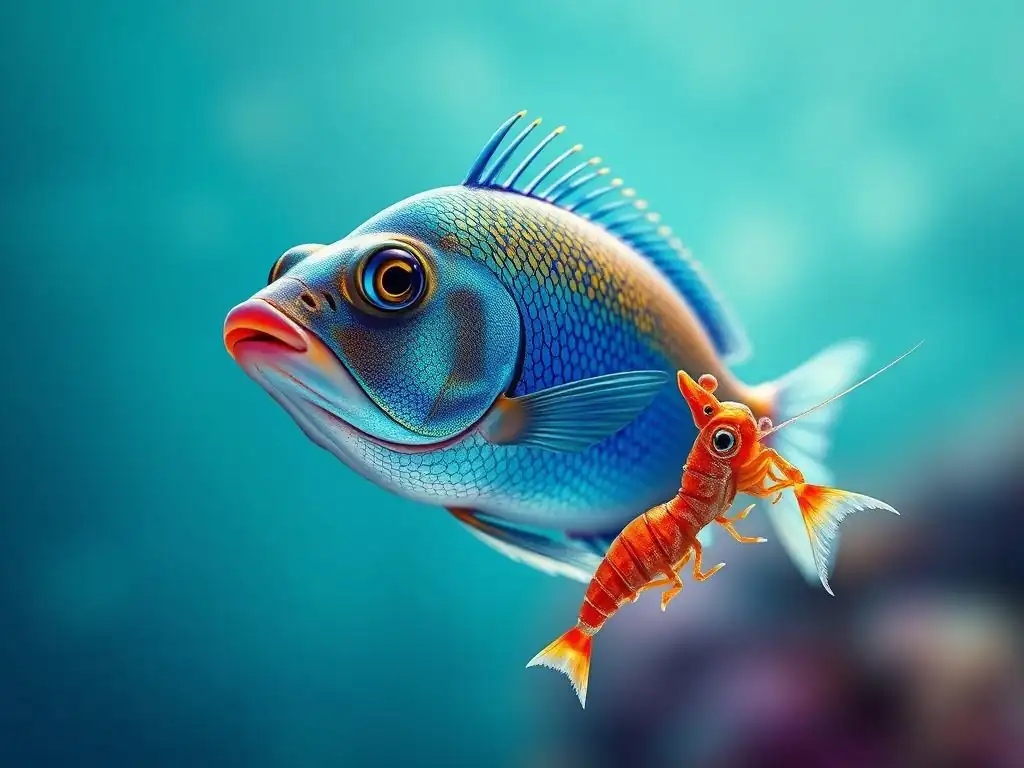
Providing an appropriate environment is paramount for successful Bluestreak Cleaner Wrasse care, though it remains a significant challenge. These active fish require a spacious aquarium, with a minimum size of 75 to 100 gallons (approximately 280 to 375 liters) often recommended to accommodate their constant swimming and natural behaviors.
A well-established reef tank with ample live rock is ideal, as it provides numerous crevices for exploration, potential "cleaning stations," and a rich microfauna that may supplement their diet. The tank should be mature and stable, having been running for at least six months, to ensure a robust ecosystem capable of supporting such a specialized feeder.
Maintaining pristine and stable water parameters is non-negotiable for the delicate Labroides dimidiatus. Optimal conditions include a salinity of 1.020-1.025 specific gravity, a stable temperature range of 72-78°F (22-26°C), and a pH level between 8.1 and 8.4. Ammonia and nitrite levels must be undetectable (0 ppm), and nitrates should be kept as low as possible, ideally below 10 ppm. Consistent monitoring and regular small water changes (e.g., 10-15% weekly) are essential to prevent parameter fluctuations, which can quickly lead to stress and disease in these sensitive fish.
Diet and Feeding Strategies: Addressing Nutritional Needs in Captivity
One of the most formidable hurdles in Bluestreak Cleaner Wrasse care is meeting their highly specialized dietary needs. In the wild, their diet consists almost exclusively of external parasites, mucus, and dead skin from other fish. Replicating this in a captive environment is exceedingly difficult. Most wild-caught specimens struggle to accept prepared foods, leading to high rates of starvation. Successfully acclimating them requires patience and a strategic approach, often involving a continuous supply of live food or very frequent, small feedings.
Aquarists attempting to provide adequate nutrition often resort to offering a variety of small, meaty frozen foods multiple times a day (e.g., 3-5 times). This can include enriched brine shrimp, mysis shrimp, cyclops, and finely chopped seafood like krill or clams. Some success has been reported with live blackworms or copepods to entice initial feeding, gradually transitioning to frozen options. However, even with diligent efforts, many Labroides dimidiatus fail to thrive long-term on a captive diet, highlighting the intrinsic difficulty in providing comprehensive Bluestreak Cleaner Wrasse care regarding their unique nutritional requirements.
Tank Mates and Compatibility: Selecting Appropriate Companions
Choosing compatible tank mates is a critical aspect of Bluestreak Cleaner Wrasse care, as their success heavily relies on the dynamics of the aquarium community. Ideally, these wrasses should be housed with a diverse array of healthy, active fish that can serve as "clients" for their cleaning services. This not only fulfills their natural behavioral instincts but also provides potential feeding opportunities. Good tank mate choices often include peaceful to semi-aggressive fish that are free of aggressive tendencies towards the wrasse itself, such as tangs, damselfish (non-aggressive species), and certain butterflyfish.
However, caution must be exercised. While they typically clean larger fish without issue, housing them with overly aggressive species that might view them as prey, or with very timid fish that become stressed by constant "cleaning," should be avoided.
It is also important to note that a single Bluestreak Cleaner Wrasse in a small tank without a sufficient number of "clients" may become stressed or even nip at healthy fish out of desperation for food. Therefore, a well-stocked, appropriately sized tank with a balanced community is essential for successful Bluestreak Cleaner Wrasse care and to prevent potential conflicts or undue stress on the wrasse or its tank mates.
The Benefits of Keeping a Bluestreak Cleaner Wrasse
Natural Parasite Control: Reducing External Parasites on Tank Mates
One of the primary perceived benefits of introducing a Bluestreak Cleaner Wrasse into a marine aquarium is their natural ability to control external parasites. In theory, a healthy Labroides dimidiatus can help keep parasitic infestations on other fish in check, mirroring their crucial role in wild reef ecosystems. Aquarists sometimes observe their cleaner wrasses actively picking at the bodies and fins of their tank mates, removing visible parasites like marine ich ( Cryptocaryon irritans) or various flukes. This cleaning behavior can potentially reduce the need for chemical treatments and contribute to a more naturally balanced system.
Anecdotal reports from some aquarists suggest that their fish appear healthier and more vibrant in the presence of a cleaner wrasse, with fewer signs of external irritation. This biological method of parasite management aligns with a desire for a more holistic approach to aquarium health, reducing reliance on medications.
However, it's crucial to temper expectations; while they can help, a cleaner wrasse is not a complete substitute for proper quarantine protocols and good husbandry practices in preventing and managing disease. Their effectiveness as a sole parasite control method in a closed system is limited compared to their function in the open ocean.
Engaging Behavior: Observing Unique Symbiotic Interactions
Beyond their potential utility, the Bluestreak Cleaner Wrasse offers a truly unique and captivating behavioral display that can be a highlight of any marine aquarium. Observing their intricate symbiotic interactions with other fish is a fascinating experience for aquarists. They establish specific "cleaning stations" within the tank, much like in the wild, and fish will approach them, often changing color or positioning their bodies to allow the wrasse access to all areas. The wrasse's characteristic "dance" – a bobbing, undulating movement – signals its readiness to clean.
This natural spectacle provides an unparalleled educational opportunity, showcasing one of nature's most remarkable examples of mutualism directly in your living room. Witnessing larger, predatory fish allowing themselves to be meticulously cleaned by a much smaller wrasse underscores the power of these symbiotic relationships. For enthusiasts of natural history and animal behavior, the engaging and dynamic interactions facilitated by a Bluestreak Cleaner Wrasse contribute significantly to the aesthetic and scientific appeal of a well-maintained reef tank.
Reef Ecosystem Simulation: Adding Authenticity to a Marine Setup
For aquarists striving to create a truly authentic and biologically diverse reef ecosystem within their home, the inclusion of a Bluestreak Cleaner Wrasse can add a significant layer of realism. Their presence helps simulate the complex interdependencies observed in natural coral reefs, where various species play specialized roles in maintaining the health and balance of the environment. By introducing a species known for such a specific and vital ecological function, the aquarium moves beyond a mere collection of fish to a more dynamic and interactive miniature ecosystem.
The constant activity of the cleaner wrasse, as it navigates the live rock and interacts with other tank inhabitants, brings a sense of natural vitality to the display. It highlights the intricate web of life on a reef, where even the smallest creatures contribute significantly to the well-being of the larger community. For those passionate about replicating the nuances of a natural reef, the Labroides dimidiatus serves as a focal point, demonstrating the sophisticated biological processes that underpin healthy marine environments.
Potential Challenges and Liabilities of Bluestreak Cleaner Wrasse Ownership
Dietary Difficulties: The Challenge of Sustaining a Wild Diet in Captivity
The most significant and frequently cited challenge in Bluestreak Cleaner Wrasse care is their highly specialized and difficult-to-replicate diet. In the wild, they feed almost exclusively on ectoparasites and mucus from other fish, a food source that is rarely sufficient or consistent in a home aquarium. This dietary specificity leads to alarmingly high mortality rates for wild-caught specimens, with many studies and anecdotal reports indicating that over 80% of Labroides dimidiatus do not survive beyond six months in captivity due to starvation or malnutrition-related issues.
Despite diligent efforts by aquarists to offer a variety of small, meaty frozen foods multiple times a day, many wrasses simply refuse to accept them, slowly wasting away. The limited number of "clients" in a typical home aquarium also means an insufficient supply of their natural food source. This inherent difficulty in providing adequate nutrition makes long-term Bluestreak Cleaner Wrasse care an uphill battle, often leading to ethical concerns regarding their welfare in an artificial environment that cannot meet their fundamental biological needs.
Aggression and Stress: Impact on Tank Mates and Wrasse Health
While often touted as peaceful, Bluestreak Cleaner Wrasses can exhibit problematic behaviors in captivity, primarily stemming from stress or insufficient natural food. If the wrasse is not getting enough to eat from cleaning services, it may become desperate and start nipping at the healthy skin and fins of its tank mates, causing stress, injury, and increasing the risk of secondary infections for the "client" fish. This behavior undermines the very purpose for which they are often acquired.
Furthermore, the wrasse itself can suffer from chronic stress. A lack of consistent cleaning opportunities, an inability to find suitable food, or being harassed by aggressive tank mates can severely compromise its immune system. Stressed cleaner wrasses are highly susceptible to common marine diseases, including marine ich, velvet, and bacterial infections, often succumbing quickly. This delicate balance means that providing proper Bluestreak Cleaner Wrasse care requires not only meeting their direct needs but also ensuring a harmonious and stress-free environment for the entire aquarium community.
Ethical Considerations: High Mortality Rates and Wild Collection
The high mortality rates associated with Bluestreak Cleaner Wrasse care in home aquariums raise significant ethical concerns within the hobby. The vast majority of Labroides dimidiatus available in the trade are wild-caught, often using collection methods that can be stressful or even harmful to the fish and the reef environment. Given their specialized diet and sensitivity to stress, a large percentage of these fish do not survive the journey from the reef to the wholesaler, let alone thrive in a home aquarium.
This contributes to a cycle of unsustainable harvesting and a poor welfare outcome for the individual fish. For many ethical aquarists, the knowledge that a species has such a low survival rate in captivity prompts a reconsideration of whether it is responsible to keep them. While efforts are being made in some regions to promote more sustainable collection practices, the fundamental challenge of their dietary needs in a closed system means that the ethical implications of supporting the trade in Labroides dimidiatus for the home aquarium remain a significant point of debate and concern within the marine hobby.
Alternatives to Cleaner Wrasses for Aquarium Health
Quarantine Protocols: Preventing and Managing Parasites Proactively
For aquarists concerned about parasites but hesitant to introduce a Bluestreak Cleaner Wrasse due to its challenges, robust quarantine protocols are the most effective and ethical alternative. A dedicated quarantine tank (QT) allows new fish to be observed in isolation for a period of 4-6 weeks before being introduced to the main display. During this time, the fish can be acclimated to prepared foods, monitored for signs of disease, and, if necessary, treated for common ailments like marine ich or velvet without exposing the entire established tank.
Prophylactic treatments, such as copper-based medications or hyposalinity (reduced salinity), can be administered in the QT to eliminate common external parasites. This proactive approach ensures that only healthy, parasite-free fish enter the main display, significantly reducing the risk of outbreaks. Implementing a strict quarantine regimen is widely considered the cornerstone of responsible marine fishkeeping and is far more reliable for parasite management than relying on any single biological cleaner.
UV Sterilizers and Ozone Generators: Supplemental Water Quality Management
Beyond biological cleaners, technological solutions like UV sterilizers and ozone generators offer effective ways to improve water quality and reduce the prevalence of free-floating pathogens and parasites in the water column. A properly sized UV sterilizer, when installed correctly and maintained with regular bulb changes, can kill or render inert various bacteria, algae spores, and the free-swimming stages of parasites (tomites). This significantly lowers the overall pathogen load in the aquarium, contributing to a healthier environment for all inhabitants.
Ozone generators work by introducing O3 (ozone) into the water, which is a powerful oxidizer. It breaks down organic pollutants, clarifies the water, and can also kill bacteria and parasites. However, ozone must be used with extreme caution and proper monitoring (e.g., using an ORP controller) to prevent overdosing, which can be toxic to marine life. When used responsibly and as a supplement to good husbandry, both UV sterilizers and ozone generators can enhance aquarium health and reduce the reliance on biological parasite control, which is often unreliable for Bluestreak Cleaner Wrasse care.
Cleaner Shrimp and Gobies: Safer Biological Cleaning Alternatives
For aquarists still desiring a "biological cleaning" element in their tank without the inherent difficulties of Bluestreak Cleaner Wrasse care, several alternative species offer similar benefits with far greater ease of maintenance. Cleaner shrimp, such as the Skunk Cleaner Shrimp ( Lysmata amboinensis) or the Fire Shrimp ( Lysmata debelius), are popular and effective alternatives. These invertebrates readily pick parasites and debris from fish, are generally reef-safe, and accept a wide variety of prepared foods, making their care much simpler. They are also fascinating to observe as they clean tank mates.
Similarly, certain species of gobies, particularly the Neon Goby ( Elacatinus oceanops) and its close relatives, also perform cleaning services for other fish. These small, often strikingly colored gobies are hardy, adapt well to aquarium life, and readily accept prepared foods, unlike the specialized diet of the cleaner wrasse. They are excellent choices for smaller nano-reef tanks where a cleaner wrasse would be unsuitable. Both cleaner shrimp and gobies offer a more sustainable and less challenging option for adding a natural cleaning dynamic to a marine aquarium, making them superior choices for most hobbyists compared to the Labroides dimidiatus.
Making an Informed Decision About Sun Protection
Assessing Your Aquarium's Suitability: Tank Size, Inhabitants, and Experience Level
Before considering the inclusion of a Bluestreak Cleaner Wrasse, an informed aquarist must critically assess their aquarium's suitability. This involves a realistic evaluation of the tank's size and maturity; a minimum of 75-100 gallons with an established reef ecosystem is generally considered the absolute bare minimum for providing adequate Bluestreak Cleaner Wrasse care. The existing fish population is also crucial: does it include enough "clients" to potentially sustain the wrasse's natural diet, and are these fish robust enough to handle the wrasse's cleaning activities without undue stress?
Equally important is an honest appraisal of the aquarist's own experience level and commitment. Bluestreak Cleaner Wrasse care demands advanced knowledge of marine fish husbandry, an understanding of their unique dietary needs, and the willingness to provide very frequent, specialized feedings. If the tank is small, sparsely populated, or if the aquarist is new to the hobby, the likelihood of long-term success for Labroides dimidiatus is exceedingly low, making it an unsuitable choice for the aquarium.
Staying Informed: Keeping Up-to-Date on Research and Regulations
The landscape of marine aquaculture and ethical fishkeeping is constantly evolving, making it imperative for aquarists interested in Bluestreak Cleaner Wrasse care to stay informed. New research frequently emerges regarding the specific dietary requirements of various marine species, improved captive breeding techniques, and the long-term survival rates of wild-caught fish. Subscribing to reputable aquarium journals, participating in online forums with experienced hobbyists, and attending industry conferences can provide valuable insights into best practices and emerging challenges.
Furthermore, regulations regarding the collection and trade of marine ornamental fish can change, driven by conservation efforts or new scientific findings. Understanding these regulations, such as CITES listings or local import restrictions, ensures that aquarists are making responsible and legal choices. Staying current with this information allows for more ethical purchasing decisions and contributes to the overall sustainability of the marine aquarium hobby, fostering better Bluestreak Cleaner Wrasse care practices should one choose to undertake it.
Supporting Reef Conservation Efforts: Contributing to a Healthier Planet
Ultimately, the decision to keep a Bluestreak Cleaner Wrasse, or any marine species, extends beyond the confines of a home aquarium to the broader impact on global reef conservation. Given the challenges associated with Labroides dimidiatus survival in captivity and the pressures on wild populations, supporting reef conservation efforts becomes a crucial part of responsible fishkeeping. This can involve choosing sustainably sourced fish, whether wild-caught through responsible methods or, ideally, aquacultured specimens when available.
Beyond individual purchasing decisions, contributing to marine conservation organizations that work to protect coral reefs and their inhabitants directly supports the natural habitats of species like the Bluestreak Cleaner Wrasse. These organizations often engage in research, habitat restoration, and advocating for sustainable fishing practices. By making informed choices about the fish we keep and supporting broader conservation initiatives, aquarists can contribute positively to the health of our oceans, ensuring a future for both wild reefs and the fascinating creatures that inhabit them.
Conclusion: Balancing Fascination with Responsibility in Bluestreak Cleaner Wrasse Care
The Bluestreak Cleaner Wrasse ( Labroides dimidiatus) undeniably offers a captivating glimpse into the intricate symbiotic relationships that define healthy coral reef ecosystems. Their distinctive cleaning behavior and vibrant appearance make them an alluring addition to a marine aquarium. However, the pursuit of successful Bluestreak Cleaner Wrasse care is fraught with significant challenges, primarily stemming from their highly specialized dietary needs and sensitivity to stress in a captive environment. High mortality rates, often exceeding 80% within the first year for wild-caught specimens, highlight the ethical dilemmas associated with their acquisition.
While these wrasses can provide unique observational opportunities and a degree of natural parasite control, their benefits are often outweighed by the difficulties in sustaining them long-term. Responsible aquarists are increasingly turning to more robust alternatives for parasite management, such as strict quarantine protocols, UV sterilization, and the use of hardier cleaner shrimp or gobies.
Ultimately, making an informed decision about Labroides dimidiatus involves a careful assessment of one's aquarium's capacity, a commitment to advanced husbandry, and a deep understanding of the ethical implications. Prioritizing the welfare of marine life and supporting sustainable practices are paramount, ensuring that our passion for the hobby contributes to, rather than detracts from, the health of our planet's precious coral reefs.
Frequently Asked Questions
How difficult is it to care for a Bluestreak Cleaner Wrasse in a home aquarium?
Bluestreak Cleaner Wrasses are considered moderately difficult to care for. They require a well-established tank with plenty of live rock and a stable environment. They can also be picky eaters.
What is the ideal tank size for a Bluestreak Cleaner Wrasse?
A tank of at least 75 gallons is recommended for a single Bluestreak Cleaner Wrasse. This provides enough space for them to roam and establish a cleaning station.
What types of fish are compatible with Bluestreak Cleaner Wrasses?
They are generally compatible with larger, peaceful fish that tolerate being cleaned. Avoid keeping them with aggressive fish that might bully or injure them.
What do Bluestreak Cleaner Wrasses eat in an aquarium setting?
In the wild, they eat parasites off other fish. In captivity, they require a varied diet including small meaty foods and may need training to accept prepared foods and frozen items.
What are some common problems associated with keeping Bluestreak Cleaner Wrasses?
Common issues include difficulty acclimating to a new tank, refusal to eat, and not performing their cleaning duties effectively in the aquarium environment.
Final Reflection: The Delicate Balance of Aquarium Ecosystems
The journey through understanding Bluestreak Cleaner Wrasse Care reveals more than just the specifics of keeping these fascinating fish alive; it highlights the complex ethical considerations inherent in maintaining any aquarium ecosystem. The debate surrounding their essential service versus potential liability underscores the responsibility we bear when introducing wild creatures into artificial environments.
This exploration has profoundly influenced my perspective on aquarium keeping. It's a constant reminder that our actions, however well-intentioned, can have far-reaching consequences within the delicate balance of a closed ecosystem. In the end, we will conserve only what we love; we will love only what we understand; and we will understand only what we are taught.
- Baba Dioum. This quote perfectly encapsulates the need for thorough research and a deep understanding before bringing any animal, especially one as specialized as the Bluestreak Cleaner Wrasse, into our care.
Now, I challenge you to consider your own role in the aquarium hobby. Are you simply a collector, or are you a responsible steward of life? Let the lessons learned about Bluestreak Cleaner Wrasse care inspire you to delve deeper into the needs of all your aquatic inhabitants, ensuring their well-being and contributing to a more sustainable and ethical future for the aquarium trade.
Dive Deeper: Transform Your Aquarium's Health!
Thanks for exploring the fascinating world of the Bluestreak Cleaner Wrasse with us! We hope you've gained valuable insights into this complex fish and its role in a thriving marine ecosystem. Now, let's translate that knowledge into action.
- Consider carefully: Will a cleaner wrasse truly benefit your aquarium, or are there more suitable, less demanding alternatives?: Remember to research thoroughly and prioritize the well-being of your existing fish population.
- Explore effective and ethical parasite control methods that minimize stress for your aquatic inhabitants.
- Share this article with fellow aquarium enthusiasts to spark a conversation about responsible fishkeeping practices.
What innovative approaches have you found successful in maintaining a healthy and balanced aquarium environment?