
Tukai Anthias: A Rare and Rewarding Species for Advanced Aquarists

Welcome to Aquarium Mastery!
Ever been captivated by the vibrant colors and graceful movements of reef fish? Then prepare to be mesmerized by the Tukai Anthias, a truly stunning addition for experienced aquarists. But are you ready for the challenge? Dive in to discover the specific Tukai Anthias care requirements and unlock the secrets to successfully keeping this rare beauty thriving in your saltwater aquarium. Let's explore!
- Introduction to the Tukai Anthias: A Reef Aquarium Gem
- Tukai Anthias Care Requirements: A Detailed Guide
- Setting Up the Ideal Habitat for Tukai Anthias
- Tukai Anthias Diet and Feeding Habits
- Tukai Anthias Compatibility and Tank Mates
- Maintaining Tukai Anthias Health and Preventing Disease
- The Challenges and Rewards of Keeping Tukai Anthias
- Sourcing Tukai Anthias: Ethical Considerations
- Advanced Tukai Anthias Care Tips
- Conclusion: Mastering Tukai Anthias Care for a Stunning Reef Display
-
Frequently Asked Questions
- What makes Tukai Anthias a suitable choice for advanced aquarists?
- What are the most crucial aspects of water quality for Tukai Anthias?
- What type of food and feeding schedule is recommended for Tukai Anthias?
- What size aquarium is generally recommended for a group of Tukai Anthias?
- What are some common health issues that affect Tukai Anthias and how can they be prevented?
- Final Reflection: The Enduring Allure of the Tukai Anthias
- Unveil the Majesty: Will You Dare to Keep Tukai Anthias?
Introduction to the Tukai Anthias: A Reef Aquarium Gem
Unveiling the Beauty of Tosanoides annepatrice (Tukai Anthias)
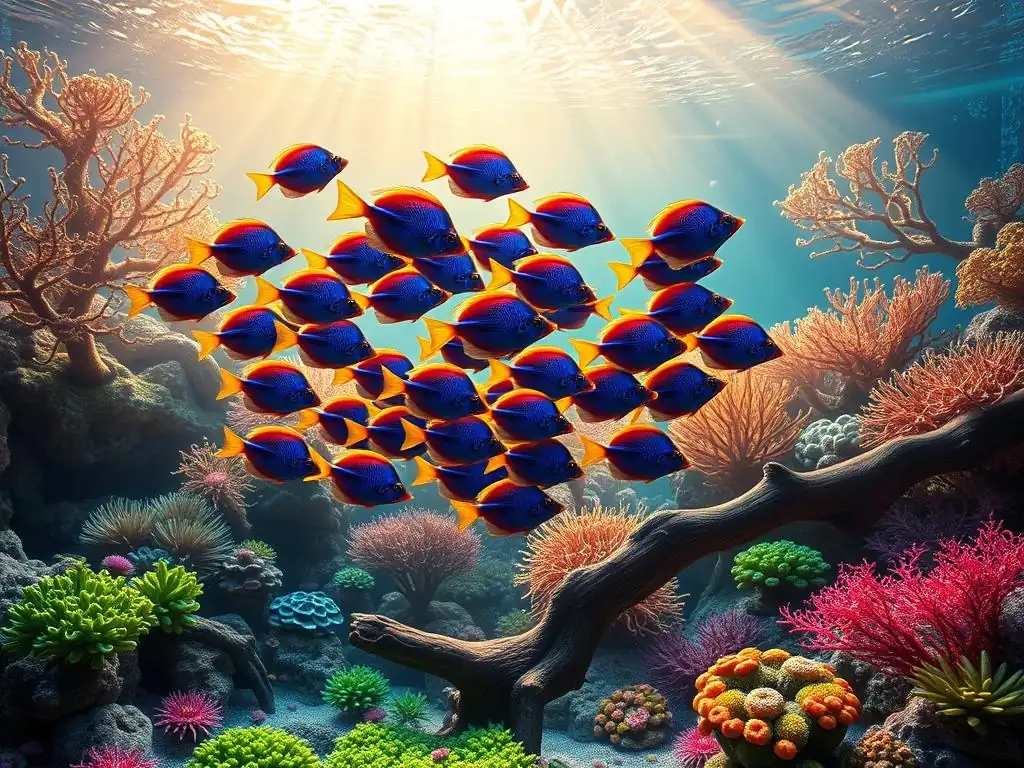
The Tukai Anthias, scientifically known as Tosanoides annepatrice, is a captivating and relatively rare species that hails from the deep reef slopes of the Western Pacific, specifically discovered in areas like the Solomon Islands and Papua New Guinea. First formally described in 2017, this species quickly garnered attention for its striking coloration and elegant swimming patterns, making it a highly sought-after, albeit challenging, addition for the most dedicated reef aquarists. Its elusive nature in the wild contributes significantly to its rarity and higher market value in the aquarium trade.
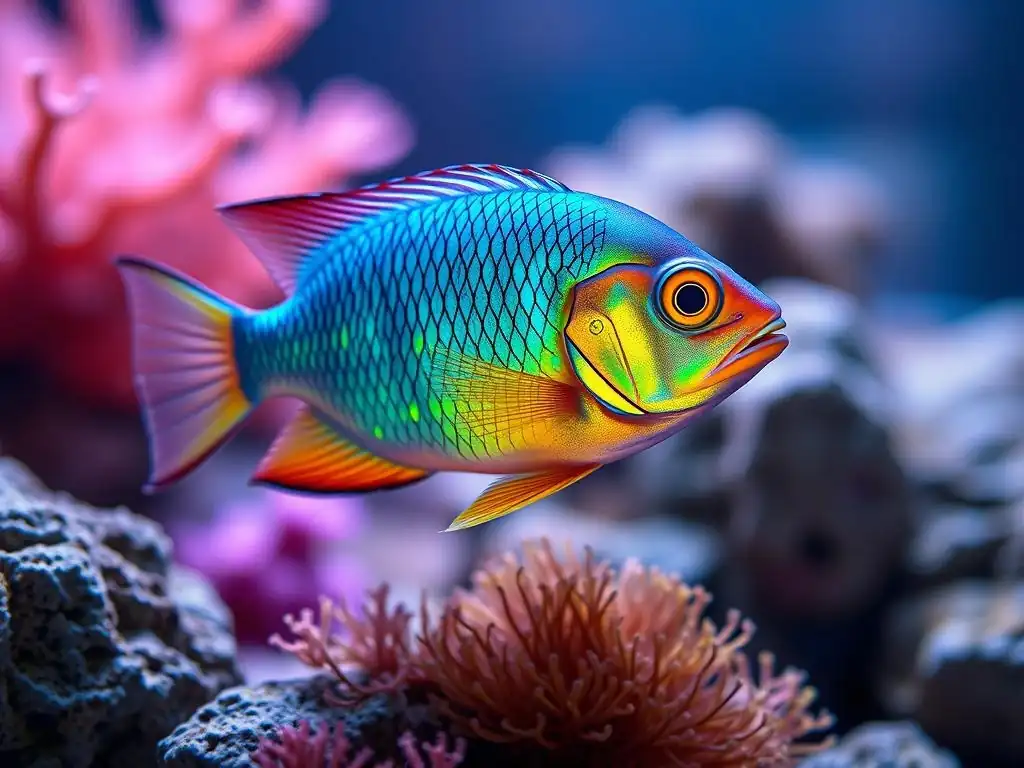
Distinguished by its vibrant, iridescent hues, the Tukai Anthias typically displays a blend of rich purples, deep reds, and brilliant oranges, often with yellow accents on its fins and face. Adult specimens generally reach a modest size of about 3 to 4 inches (7.5 to 10 cm) in length, making them suitable for appropriately sized reef aquariums. Males often exhibit more intense coloration and elongated fin rays compared to females, particularly during display behaviors, adding to their visual allure as they gracefully navigate the water column.
Why Choose the Tukai Anthias for Your Reef Tank?
For the experienced aquarist, the decision to house a Tukai Anthias often stems from a desire to cultivate a truly unique and visually spectacular reef environment. Unlike more common anthias species that are readily available, the Tukai Anthias offers an unparalleled level of exclusivity and challenge. Successfully maintaining a thriving school of these fish is a testament to an aquarist's dedication to water quality, stable conditions, and meticulous feeding regimens, elevating the hobby to an art form.
Beyond their rarity, the Tukai Anthias brings dynamic beauty to a reef tank with their active schooling behavior and constant, graceful movements. When well-acclimated and healthy, their vibrant colors intensify, becoming a focal point within the aquatic landscape. The reward of observing these exquisite fish flourish in a meticulously crafted habitat far outweighs the initial investment and effort, providing immense satisfaction and a truly stunning display.
Tukai Anthias Care Requirements: A Detailed Guide
Understanding the Specific Needs of Tosanoides annepatrice
The Tosanoides annepatrice is a delicate species that demands specific, stable conditions to thrive, reflecting its natural deep-water habitat. Unlike many shallow-water reef fish, the Tukai Anthias is highly sensitive to fluctuations in water parameters and requires a mature, well-established aquarium environment. Their metabolic rate, influenced by their deep-water origins, necessitates pristine water quality and consistent feeding to prevent stress and ensure long-term health.
Successful Tukai Anthias care requirements extend beyond just basic husbandry; they necessitate a proactive approach to tank management. This includes rigorous monitoring of water chemistry, a commitment to frequent, small feedings, and the provision of a stress-free environment. Any oversight in these areas can quickly lead to health deterioration, making this species unsuitable for novice aquarists or those unable to dedicate significant time to their tank's upkeep.
Essential Water Parameters for Optimal Tukai Anthias Health
Temperature and Salinity Requirements
Maintaining precise and stable temperature and salinity levels is paramount for the health of Tukai Anthias. These fish thrive in a consistent temperature range of 74-78°F (23-26°C), mimicking the stable thermal environment of their natural deep reef habitat. Fluctuations outside this range, even by a few degrees, can induce significant stress, compromising their immune system and making them susceptible to disease.
Equally critical is a stable salinity level, typically maintained between 1.023 and 1.026 specific gravity. Consistent salinity is vital for the fish's osmoregulation, the process by which they maintain the balance of water and salts in their bodies. Sudden drops or spikes in salinity can lead to osmotic shock, resulting in severe physiological distress and potentially fatal outcomes. Regular use of a refractometer for accurate salinity readings is highly recommended to ensure these Tukai Anthias care requirements are met with precision.
Maintaining Proper pH and Alkalinity
For optimal Tukai Anthias health, the aquarium's pH should be consistently maintained within a narrow range of 8.1 to 8.4. This slightly alkaline environment is characteristic of natural reef waters and is crucial for the fish's metabolic functions and overall well-being. Significant deviations from this range can lead to acidosis or alkalosis, both of which can be detrimental to delicate marine life.
Alkalinity, measured in dKH (degrees of carbonate hardness), should ideally be kept between 8 and 12 dKH. This parameter acts as a buffer, preventing rapid pH swings and contributing to the overall stability of the water chemistry. Regular testing and, if necessary, the use of two-part dosing solutions or a calcium reactor in larger, more advanced setups can help maintain these crucial parameters, fulfilling a key aspect of Tukai Anthias care requirements.
The Importance of Nitrate and Phosphate Levels
Low levels of nitrates and phosphates are absolutely essential for the health of Tukai Anthias, as these fish are highly intolerant of poor water quality. Nitrates should ideally be kept below 10 ppm, with many advanced aquarists aiming for less than 5 ppm, and phosphates should be virtually undetectable, ideally below 0.03 ppm. Elevated levels of these nutrients indicate organic waste accumulation, which can lead to chronic stress, weakened immunity, and susceptibility to various diseases.
To keep these levels in check, a robust filtration system, regular small water changes (e.g., 10-15% weekly), and efficient nutrient export methods are vital. This includes the use of a high-quality protein skimmer, macroalgae refugiums, and media reactors loaded with GFO (granular ferric oxide) or biopellets. Diligent management of these parameters is a non-negotiable component of successful Tukai Anthias care requirements, ensuring a pristine environment that mimics their clean, deep-water habitat.
Setting Up the Ideal Habitat for Tukai Anthias
Tank Size Recommendations for Tukai Anthias Schools
Given their schooling nature and active swimming habits, Tukai Anthias require a spacious aquarium to thrive. For a small group of 3 to 5 individuals, a minimum tank size of 75 to 100 gallons (approx. 280-375 liters) is recommended. This provides ample swimming room and helps dissipate potential aggression among school members, especially if multiple males are present in a larger group.
Larger tanks, ideally 150 gallons (approx. 570 liters) or more, are significantly more beneficial, particularly for maintaining larger schools of 7 or more Tukai Anthias. A greater water volume inherently offers more stability in water parameters, which is crucial for such sensitive fish. Furthermore, a larger footprint allows for more complex rockwork, creating numerous hiding spots and territories that reduce stress and encourage natural schooling behaviors.
Creating a Reef-Safe Environment
Substrate and Rockwork Considerations
When setting up a habitat for Tukai Anthias, the choice of substrate and the arrangement of rockwork play a significant role in their well-being. A fine sand bed, typically 1-2 inches deep, is suitable and can support beneficial microfauna, though some aquarists opt for a bare bottom tank to simplify detritus removal and maintain ultra-low nutrient levels. The primary focus, however, should be on creating a stable and secure aquascape using live rock.
The rockwork should be thoughtfully arranged to provide numerous caves, overhangs, and crevices, mimicking the complex structures of deep reef environments where these fish naturally reside. These hiding spots offer security and refuge, which are essential for reducing stress, especially during the acclimation period or when feeling threatened. Ensure all rock structures are stable and cannot collapse, prioritizing the safety of your Tukai Anthias.
The Role of Live Rock in Tukai Anthias Care
Live rock is an indispensable component of a healthy Tukai Anthias aquarium, serving multiple critical functions. Firstly, it provides vast surface area for beneficial nitrifying and denitrifying bacteria, which are essential for biological filtration and maintaining low nitrate levels. A general guideline is to use 1 to 1.5 pounds of live rock per gallon of water, ensuring robust biological filtration.
Secondly, live rock introduces a diverse array of microfauna, including copepods and amphipods, which can serve as a supplementary food source for the Tukai Anthias, enriching their diet naturally. A mature live rock ecosystem contributes significantly to the overall stability and health of the aquarium, creating a self-sustaining environment that is crucial for the delicate Tukai Anthias care requirements.
Essential Equipment for a Tukai Anthias Tank
Choosing the Right Filtration System
A robust and multi-faceted filtration system is paramount for maintaining the pristine water quality that Tukai Anthias demand. This typically involves a combination of mechanical, biological, and chemical filtration. A large sump is highly recommended, housing filter socks for mechanical removal of particulate matter, a dedicated section for biological media like bio-balls or marine pure, and chambers for chemical media such as activated carbon and GFO.
Beyond these basics, incorporating a refugium within the sump, dedicated to growing macroalgae like Chaetomorpha, can significantly aid in nutrient export by absorbing nitrates and phosphates. The overall filtration system should be oversized for the tank volume, providing redundancy and ensuring that water parameters remain stable and pollutants are efficiently removed, which is a cornerstone of effective Tukai Anthias care requirements.
Lighting for Color Enhancement and Health
While Tukai Anthias do not have specific lighting requirements for their direct health, as they originate from deeper waters, the lighting chosen for their reef tank habitat still plays an important role. Modern LED or T5HO lighting systems are ideal, providing a full spectrum that enhances the vibrant colors of the fish, making their purples, reds, and oranges truly pop. Stable photoperiods, typically 10-12 hours a day, should be maintained to mimic natural day-night cycles.
If the tank also houses photosynthetic corals, the lighting needs to be appropriate for the coral species chosen. However, even in a fish-only with live rock (FOWLR) setup, good quality lighting contributes to the overall aesthetic and allows for better observation of the fish's health and behavior. Ensuring consistent lighting without sudden changes helps to keep stress levels low for the Tukai Anthias.
The Importance of a Protein Skimmer
A high-quality and appropriately sized protein skimmer is arguably the most critical piece of equipment for a Tukai Anthias tank. Protein skimmers remove dissolved organic compounds (DOCs) from the water column before they can break down into nitrates and phosphates. This proactive removal of waste significantly contributes to maintaining the ultra-low nutrient environment that these sensitive fish require.
An oversized protein skimmer is often recommended to provide maximum efficiency and a greater margin of safety. Regular cleaning of the skimmer cup is essential to ensure it operates at peak performance. The continuous removal of organic waste by an efficient protein skimmer is a non-negotiable aspect of meeting the stringent Tukai Anthias care requirements, directly impacting their long-term health and vitality.
Tukai Anthias Diet and Feeding Habits
Providing a Varied and Nutritious Diet
Tukai Anthias are planktivores by nature, meaning their diet in the wild consists primarily of zooplankton and other small organisms drifting in the water column. In the aquarium, replicating this natural diet with a varied and nutritious feeding regimen is paramount for their health, coloration, and overall vitality. A monotonous diet can lead to nutritional deficiencies, weakened immune systems, and a dulling of their vibrant hues.
Therefore, providing a diverse array of food types, rich in essential fatty acids, proteins, and vitamins, is a critical component of Tukai Anthias care requirements. This variety not only ensures complete nutrition but also stimulates their natural feeding instincts, encouraging a robust appetite and active foraging behavior within the tank.
Recommended Food Types for Tukai Anthias
Frozen Foods: Mysis Shrimp, Brine Shrimp, and More
Frozen foods should form the cornerstone of a Tukai Anthias' diet. High-quality, enriched frozen Mysis shrimp (such as Piscine Energetics Mysis) are particularly beneficial due to their excellent nutritional profile and appropriate size for these fish. Other suitable frozen options include enriched brine shrimp, cyclop-eeze, finely chopped krill, and various marine blends that contain copepods or rotifers.
Before feeding, frozen foods should always be thawed in a small amount of tank water and rinsed to remove any residual phosphates or nitrates from the freezing process. Offering a rotation of these different frozen foods ensures a comprehensive intake of necessary nutrients, directly supporting the intricate Tukai Anthias care requirements for optimal health and color.
High-Quality Flake and Pellet Foods
While frozen foods are primary, high-quality flake and pellet foods can serve as a valuable supplement, especially those specifically formulated for marine planktivores. Look for small-sized pellets or flakes that are high in marine protein and contain beneficial ingredients like spirulina, garlic, or color-enhancing additives. These can be offered occasionally to diversify the diet further.
It is crucial to avoid low-quality or expired dry foods, as they offer little nutritional value and can contribute to water pollution. When introducing dry foods, ensure they are consumed quickly to prevent uneaten food from breaking down and impacting water quality. Their acceptance of dry foods can vary, but consistent offering alongside frozen options can encourage them to readily accept them over time.
The Benefits of Live Foods
Live foods, such as live copepods, rotifers, and freshly hatched or enriched brine shrimp, can be incredibly beneficial for Tukai Anthias, especially for newly acquired or finicky specimens. Live foods stimulate their natural predatory instincts and provide a highly digestible and nutrient-dense source of nutrition. A continuous supply of live copepods can be particularly valuable, mimicking their natural grazing behavior.
Many advanced aquarists choose to cultivate a refugium within their sump specifically to breed copepods and other microfauna. This provides a constant, natural food source that can graze on detritus and macroalgae, then "seed" the main display tank, offering a continuous nutritional boost for the Tukai Anthias and contributing to their overall vitality and natural behavior.
Feeding Frequency and Techniques
Tukai Anthias have a high metabolism and are accustomed to constant feeding in their natural habitat where plankton is abundant. Therefore, they require multiple small feedings throughout the day, ideally 3 to 5 times. This mimics their natural grazing behavior and prevents large nutrient spikes that would occur with fewer, larger feedings. Small, frequent meals ensure they receive sufficient energy without overwhelming the filtration system.
When feeding, disperse the food slowly into the water column, allowing the anthias to actively pick off the particles as they drift. Observe carefully to ensure all fish in the school are getting enough food, as some individuals might be more timid than others. Target feeding with a pipette can be beneficial for shyer individuals or when introducing new food types, ensuring that every fish in the school meets its specific Tukai Anthias care requirements for nutrition.
Tukai Anthias Compatibility and Tank Mates
Choosing Suitable Tank Companions
Selecting appropriate tank mates is critical for the long-term success of keeping Tukai Anthias. Given their delicate nature and sensitivity to stress, they thrive best in peaceful community tanks. Ideal companions include other small, non-aggressive planktivores or grazers such as certain species of gobies (e.g., watchman gobies, diamond gobies), blennies (e.g., Midas blennies, starry blennies), and peaceful wrasses (e.g., flasher wrasses, fairy wrasses).
Other suitable options can include small, peaceful cardinalfish or even other non-aggressive anthias species, provided the tank is sufficiently large to accommodate multiple schools and territories. The key is to choose tank mates that will not outcompete the Tukai Anthias for food, nor harass them, ensuring a harmonious environment that aligns with their specific Tukai Anthias care requirements for low stress.
Avoiding Aggressive or Predatory Fish
To ensure the safety and well-being of Tukai Anthias, it is imperative to avoid housing them with aggressive, territorial, or predatory fish. Species such as large angelfish, triggerfish, puffers, large damselfish, and certain predatory groupers or lionfish are completely unsuitable. These fish can intimidate, harass, or even prey upon the smaller, more delicate anthias, leading to chronic stress, injury, and eventual death.
Even seemingly "semi-aggressive" fish can be problematic, as their dominance can lead to the Tukai Anthias becoming withdrawn, refusing to eat, and fading in coloration. The goal is to create a serene environment where the anthias feel secure enough to exhibit their natural schooling behaviors and feeding patterns without constant threat, underscoring the importance of careful tank mate selection in Tukai Anthias care requirements.
Tukai Anthias are quintessential schooling fish and thrive when kept in groups. A minimum group size of 3 to 5 individuals is recommended, with larger schools (7 or more) often displaying more natural and vibrant behaviors. Keeping them in a school significantly reduces individual stress levels, as they find security in numbers and are more likely to feed confidently and exhibit their full coloration.
Within a school, a single male will typically dominate, displaying more intense colors and elongated fins, while the remaining fish are females. If multiple males are present in a smaller tank, aggression can sometimes occur, but this is usually mitigated in larger aquariums with ample hiding spots. Careful observation of schooling dynamics is part of advanced Tukai Anthias care requirements, ensuring a harmonious group structure.
Maintaining Tukai Anthias Health and Preventing Disease
Recognizing Signs of Illness
Early detection of illness is crucial for the successful treatment and recovery of Tukai Anthias, given their delicate nature. Aquarists should observe their fish daily for any changes in behavior, appearance, or feeding habits. Common signs of distress or illness include clamped fins, rapid or labored breathing, loss of appetite, dulling of coloration, visible spots (white or black), frayed fins, cloudy eyes, or abnormal swimming patterns (e.g., darting, scratching against rocks, listlessness).
Any deviation from their normal active and vibrant demeanor warrants immediate investigation. Prompt action, often involving isolation in a quarantine tank, can significantly improve the chances of recovery. Consistent monitoring and understanding what constitutes healthy behavior are fundamental aspects of meeting Tukai Anthias care requirements effectively.
Common Diseases Affecting Tukai Anthias
Marine Ich (White Spot Disease)
Marine Ich, caused by the parasite Cryptocaryon irritans, is one of the most common and devastating diseases in saltwater aquariums, and Tukai Anthias are particularly susceptible due to their sensitivity to stress. Symptoms include small white spots resembling grains of salt on the body and fins, rapid breathing, and scratching against tank decor. The parasite has a complex life cycle, making eradication challenging.
Prevention through strict quarantine procedures for all new arrivals is the most effective strategy. If an outbreak occurs in the main display, treatment options include hyposalinity (reducing salinity to 1.008-1.010 SG), copper-based medications (used with extreme caution as anthias can be sensitive), or the tank transfer method. Ensuring a stable, stress-free environment is key to preventing outbreaks, forming a vital part of Tukai Anthias care requirements.
Preventing and Treating Bacterial Infections
Bacterial infections, often secondary to stress, poor water quality, or external injuries, can manifest in Tukai Anthias as fin rot (frayed or decaying fins), cloudy eyes, body lesions, or general lethargy. These infections can rapidly progress if left untreated, leading to severe health deterioration. Maintaining pristine water quality and a stable environment is the primary preventative measure against bacterial issues.
If a bacterial infection is suspected, the affected fish should be immediately moved to a quarantine tank to prevent spread and facilitate treatment. Broad-spectrum antibiotics, administered according to veterinary or product instructions, are typically used. Addressing the underlying cause, such as improving water parameters or reducing aggression, is equally important for long-term recovery and preventing recurrence.
Quarantine Procedures for New Arrivals
Implementing a strict quarantine protocol for all new Tukai Anthias, and indeed all new fish, is non-negotiable for advanced aquarists. A dedicated quarantine tank (QT) of at least 20-30 gallons, equipped with its own heater, small power filter, and aeration, should be set up. New fish should remain in the QT for a minimum of 4 to 6 weeks.
During the quarantine period, fish can be observed for signs of disease, treated if necessary, and slowly acclimated to the new environment. This crucial step prevents the introduction of parasites, bacteria, and viruses into the established main display tank, protecting your existing inhabitants and significantly reducing the risk of devastating outbreaks, making it a cornerstone of responsible Tukai Anthias care requirements.
The Challenges and Rewards of Keeping Tukai Anthias
Why This Species is Best Suited for Experienced Aquarists
The Tukai Anthias is definitively a species for the experienced aquarist, not merely due to its rarity and cost, but primarily because of its demanding care requirements. Their extreme sensitivity to water parameter fluctuations means that even minor instability can lead to stress, disease, and mortality. They require exceptionally clean, stable water, precise temperature and salinity, and near-zero nitrates and phosphates, which demands vigilant monitoring and robust filtration.
Furthermore, their need for multiple small feedings daily of high-quality, varied foods requires a significant time commitment. Any lapse in diet can quickly lead to emaciation and a decline in health. The investment in appropriate tank size, advanced equipment, and the knowledge to manage a complex reef system makes the Tukai Anthias a truly advanced species, challenging even seasoned hobbyists.
The Joy of Observing a Thriving Tukai Anthias School
Despite the considerable challenges, the rewards of successfully keeping a school of Tukai Anthias are immense and deeply satisfying. Witnessing their vibrant colors intensify and their natural schooling behaviors unfold in a meticulously maintained reef aquarium is a truly breathtaking experience. Their graceful movements and constant activity add unparalleled beauty and dynamic life to the aquatic environment.
For the dedicated aquarist, a thriving school of Tukai Anthias represents the pinnacle of marine aquarium husbandry. It is a testament to their skill, patience, and commitment to providing an optimal environment. The sheer visual spectacle and the pride of nurturing such a rare and exquisite species make the Tukai Anthias a truly rewarding addition to any advanced reef tank.
Sourcing Tukai Anthias: Ethical Considerations
Ensuring Sustainable Practices
When considering the acquisition of Tukai Anthias, ethical sourcing is a critical consideration. As a species found in deeper, often remote reef areas, their collection can be challenging and potentially impactful on wild populations if not done responsibly. While aquacultured Tukai Anthias are currently extremely rare or non-existent in the trade, supporting vendors who commit to sustainable collection practices is paramount.
Inquire about the origin of the fish and whether the supplier adheres to environmentally responsible methods that minimize damage to the reef ecosystem. Supporting suppliers who work with collectors employing non-destructive techniques helps ensure the long-term viability of wild populations and promotes ethical trade practices within the hobby.
Finding Reputable Vendors
Given the delicacy and cost of Tukai Anthias, finding a reputable vendor is crucial. Look for suppliers with a strong track record of providing healthy, well-acclimated marine fish and excellent customer service. This often means researching online reviews, participating in reputable aquarium forums, and seeking recommendations from other experienced aquarists.
A reputable vendor will typically offer a live arrival guarantee and provide detailed information about the fish's origin, acclimation procedures, and initial feeding habits. They should also prioritize the health of the fish during shipping, using appropriate packaging and overnight delivery services. Choosing a vendor known for their ethical practices and healthy livestock is a vital step in ensuring a successful start to your Tukai Anthias care journey.
Advanced Tukai Anthias Care Tips
Acclimation Strategies for Minimizing Stress
Proper acclimation is a critical, often overlooked, step in successful Tukai Anthias care and is paramount for minimizing stress and preventing shock. Due to their sensitivity, a slow drip acclimation method is highly recommended over traditional floating and netting. This involves slowly introducing tank water into the bag water over an extended period, typically 1 to 2 hours, allowing the fish to gradually adjust to differences in pH, temperature, and salinity.
During acclimation, it's beneficial to keep the room dimly lit and minimize sudden movements or noises to reduce additional stress. Once acclimated, gently net the fish and transfer it to the quarantine tank, avoiding exposure to air as much as possible. This meticulous approach significantly improves the chances of a smooth transition and reduces susceptibility to disease.
Promoting Coloration and Vitality
The vibrant coloration and overall vitality of Tukai Anthias are direct reflections of their health and well-being. To maximize their stunning hues, a high-quality, varied diet rich in astaxanthin and other carotenoids is essential. Regularly feeding enriched frozen foods like Mysis shrimp, along with occasional live copepods, provides the necessary pigments for their reds, oranges, and purples to truly pop.
Beyond diet, maintaining pristine and stable water parameters consistently, providing ample swimming space, and ensuring a stress-free environment with suitable tank mates are crucial. A well-established, mature reef system with robust filtration and a healthy microfauna population will naturally contribute to the fish's overall vitality, encouraging them to display their most brilliant colors and active behaviors.
Conclusion: Mastering Tukai Anthias Care for a Stunning Reef Display
Frequently Asked Questions
What makes Tukai Anthias a suitable choice for advanced aquarists?
Tukai Anthias have specific care requirements, including pristine water quality and a varied diet, making them challenging for beginners. Their sensitivity to stress also necessitates a stable and well-established aquarium environment.
What are the most crucial aspects of water quality for Tukai Anthias?
Maintaining excellent water parameters is paramount. This includes stable temperature, salinity, and pH, along with very low nitrate and phosphate levels. Regular water testing and adjustments are essential.
What type of food and feeding schedule is recommended for Tukai Anthias?
Tukai Anthias require frequent feedings of small, high-quality foods. A varied diet of frozen mysis shrimp, brine shrimp, and copepods is ideal, offered multiple times a day. Consider automatic feeders to ensure consistent feeding.
What size aquarium is generally recommended for a group of Tukai Anthias?
A minimum tank size of 125 gallons is generally recommended to provide ample swimming space and reduce aggression. Larger tanks are always preferable to accommodate their active nature and social dynamics.
What are some common health issues that affect Tukai Anthias and how can they be prevented?
Tukai Anthias are susceptible to diseases like Ich and Uronema. Preventing these issues involves strict quarantine procedures for new arrivals, maintaining optimal water quality, and providing a stress-free environment.
Final Reflection: The Enduring Allure of the Tukai Anthias
The journey into understanding the Tukai Anthias care requirements reveals more than just the specifics of keeping this exquisite fish; it highlights the dedication and responsibility required of advanced aquarists. In a world increasingly disconnected from the natural wonders of our oceans, the commitment to providing a thriving environment for these delicate creatures serves as a powerful reminder of the interconnectedness of life and the importance of conservation.
The Tukai Anthias, with its vibrant colors and demanding needs, serves as a microcosm of the larger challenges facing our planet's coral reefs. My own fascination with this species underscores the profound impact that responsible aquarists can have, not only in preserving rare species but also in educating others about the fragility of marine ecosystems. In the end, we will conserve only what we love; we will love only what we understand; and we will understand only what we are taught.
- Baba Dioum's words resonate deeply, reminding us that knowledge and understanding are the cornerstones of conservation.
As you close this article, consider the role you can play in promoting responsible aquarium keeping and marine conservation. The knowledge you've gained about the Tukai Anthias is a stepping stone. Embrace the challenge of continuous learning, share your expertise with others, and advocate for sustainable practices that protect our oceans for future generations. Let the beauty and complexity of the Tukai Anthias inspire you to become a steward of the marine world, ensuring that these magnificent creatures continue to thrive, both in our aquariums and in their natural habitat.
Unveil the Majesty: Will You Dare to Keep Tukai Anthias?
Thank you for diving deep into the fascinating world of Tukai Anthias! We hope this article has illuminated the unique challenges and rewards of keeping these stunning fish. Now, it's time to consider taking your aquarium hobby to the next level.
- Seriously consider if you are ready: Assess your experience, tank setup, and dedication to maintain the demanding environment Tukai Anthias require. This is a significant commitment, not a casual decision.
- Research captive-bred options. Seek out breeders focusing on Tukai Anthias to support sustainable practices and potentially acquire more resilient fish.
- Share your newfound knowledge! Discuss the intricacies of Tukai Anthias care with fellow aquarists to foster a community of responsible keepers.
What specific preparation step will you take today to determine if you are truly ready to provide a thriving environment for Tukai Anthias?