
Pom Pom Crab Power: Tiny Cheerleaders with Anemone Mittens

Welcome to Aquarium Mastery!
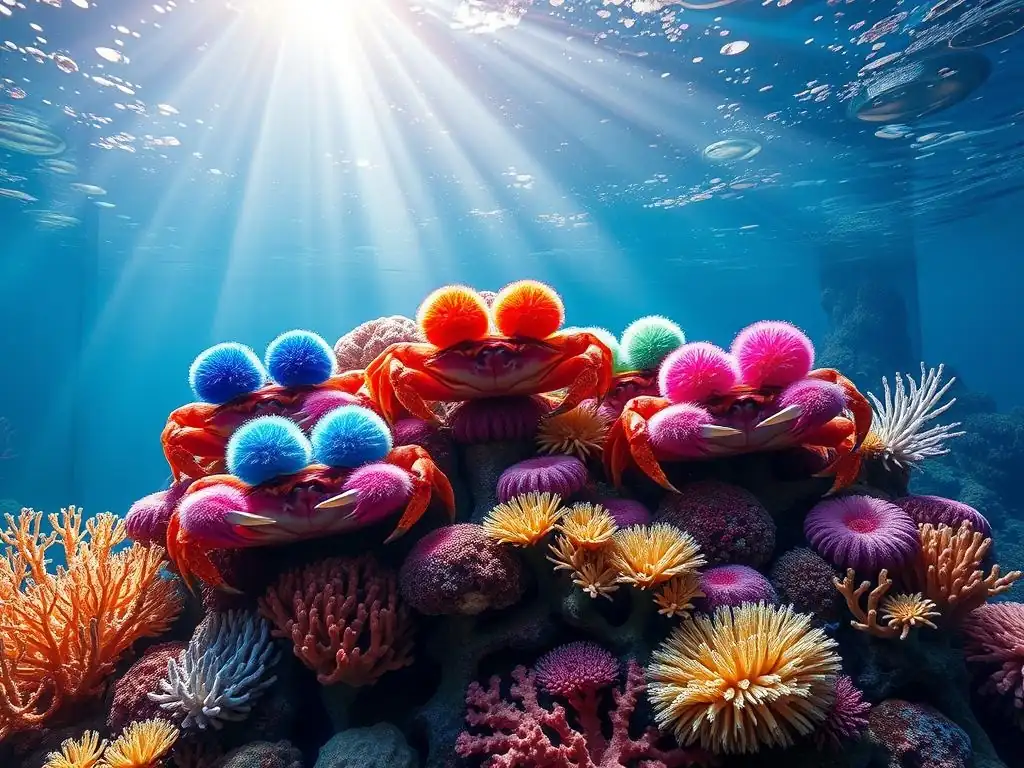
Ever seen a tiny crab waving anemones like pom-poms? Prepare to be amazed! Dive into our comprehensive guide on Pom Pom Crab Care Tips and discover the secrets to keeping these fascinating invertebrates thriving in your aquarium. Uncover the mysteries of their unique symbiotic relationship and learn how to provide the perfect environment for these miniature cheerleaders. Ready to give your Pom Pom crabs the star treatment? Let's get started!
- Introduction to Pom Pom Crabs: Nature's Aquarium Cheerleaders
- Pom Pom Crab Care Tips: Essential Guide for Aquarium Keepers
- Pom Pom Crab Anemone Care: Keeping Their Mittens Healthy
- Breeding Pom Pom Crabs: A Challenging but Rewarding Endeavor
- Troubleshooting Pom Pom Crab Care: Addressing Common Issues
- Where to Buy Pom Pom Crabs: Finding Healthy Specimens
- Conclusion: Mastering Pom Pom Crab Care for a Thriving Aquarium
- Frequently Asked Questions
- Final Reflection: The Tiny Titans of the Aquarium
- Dive Deeper: Ignite Your Aquarium Passion!
Introduction to Pom Pom Crabs: Nature's Aquarium Cheerleaders
What are Pom Pom Crabs and Why are They So Popular?
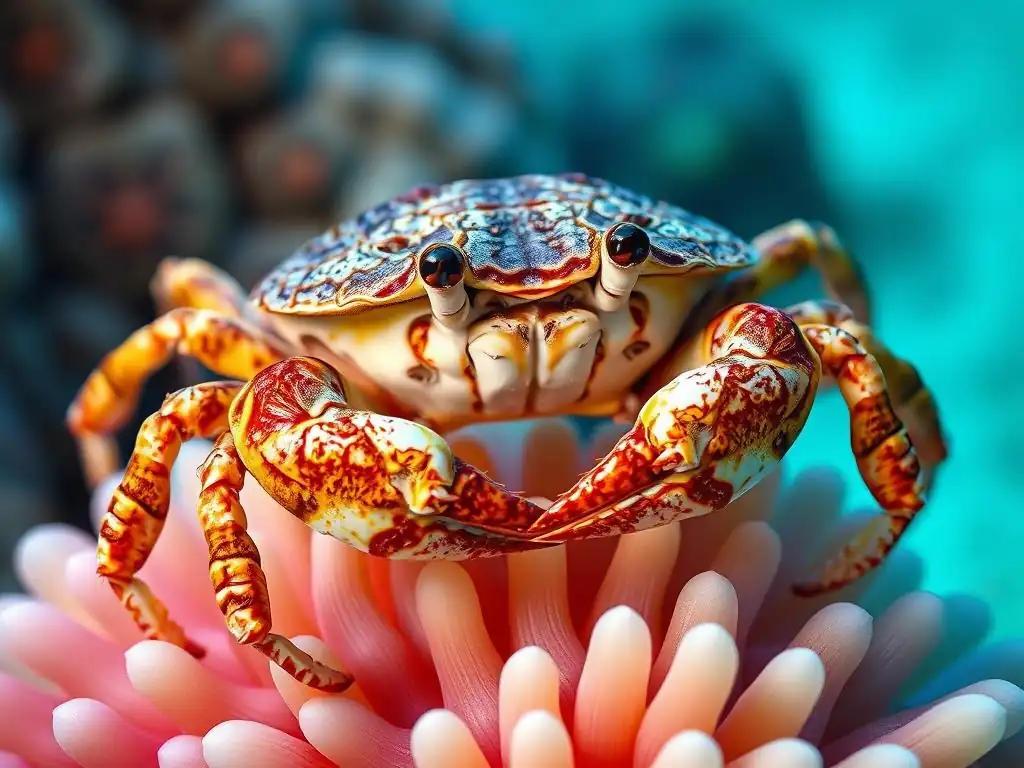
Lybia tessellata, commonly known as the Pom Pom Crab or Boxer Crab, is a diminutive and captivating marine invertebrate highly sought after by aquarists. These fascinating decapod crustaceans typically reach a maximum size of about 0.5 to 1 inch (approximately 1.3 to 2.5 cm) in carapace width, making them ideal inhabitants for nano and pico reef aquariums. Their popularity stems from their unique appearance—each of their two small claws (chelipeds) typically holds a tiny, stinging sea anemone—and their engaging, active behavior as they scuttle across live rock and substrate.
Beyond their charming appearance, Pom Pom Crabs are valued for their role as opportunistic scavengers, contributing to the clean-up crew in a reef tank by sifting through sand and picking at detritus. Their relatively peaceful nature and adaptability to a range of well-maintained saltwater environments further enhance their appeal. Observing a Pom Pom Crab meticulously tending to its anemone "mittens" or waving them defensively is a truly unique and rewarding experience for any aquarium enthusiast.
The Fascinating Symbiotic Relationship: Anemones and Crabs
The most distinguishing feature of the Pom Pom Crab is its remarkable mutualistic relationship with the small, often non-photosynthetic anemones it carries, typically species like Triactis producta. The crab actively holds these anemones, using their stinging nematocysts as a formidable defense mechanism against potential predators, effectively transforming its delicate claws into a pair of living, venomous boxing gloves. This unique adaptation allows the tiny crab to deter much larger threats that might otherwise view it as an easy meal.
In return for providing mobility and access to new food sources, the anemones benefit significantly from this partnership. As the crab forages, the anemones are positioned to capture passing plankton, detritus, and discarded food particles stirred up by the crab's movements. Should a crab lose an anemone, it has been observed to actively seek out another or even meticulously "split" an existing anemone in half to ensure it maintains its defensive pair, showcasing an extraordinary level of adaptability and resourcefulness in maintaining this vital symbiotic bond.
Pom Pom Crab Care Tips: Essential Guide for Aquarium Keepers
Setting Up the Ideal Pom Pom Crab Habitat
Establishing the correct environment is fundamental to successful Pom pom crab care tips, ensuring these unique crustaceans thrive in captivity. A well-designed habitat mimics their natural reef environment, providing security, foraging opportunities, and stable water conditions.
Tank Size Recommendations for Pom Pom Crabs
Given their small adult size, Pom Pom Crabs can comfortably inhabit nano aquariums, with a minimum tank size of 5 gallons (approximately 19 liters) often cited as suitable for a single specimen. However, for long-term stability and the potential to house a small group or provide more varied foraging grounds, a 10-gallon (approximately 38 liters) or larger aquarium is highly recommended. Larger tanks offer increased water volume, which inherently contributes to greater stability in water parameters, reducing the risk of sudden fluctuations that can stress delicate invertebrates.
When considering multiple Pom Pom Crabs, providing ample space and numerous hiding spots becomes even more crucial to prevent territorial disputes, especially during vulnerable molting periods. While generally peaceful, ensuring sufficient individual territory reduces potential stress. For example, a 20-gallon (approximately 76 liters) tank could comfortably house 2-3 crabs alongside other peaceful inhabitants, offering an expansive environment for exploration and foraging.
Water Parameters: Maintaining a Healthy Environment
Maintaining pristine and stable water parameters is paramount for effective Pom pom crab care tips, as invertebrates are particularly sensitive to fluctuations. The ideal specific gravity (salinity) for Pom Pom Crabs should range between 1.023 and 1.026. Consistent temperature is also vital, with a recommended range of 72-78°F (22-26°C), as rapid temperature shifts can induce stress and compromise their immune system.
Furthermore, water chemistry must be diligently monitored: ammonia and nitrite levels must consistently remain at 0 ppm. While crabs can tolerate very low levels of nitrate, keeping it below 10-20 ppm is advisable to prevent long-term stress and health issues. The pH level should be stable between 8.1 and 8.4, which is typical for a healthy marine aquarium. Regular testing, such as weekly checks for ammonia, nitrite, and nitrate, along with bi-weekly salinity and pH checks, is essential to ensure these critical parameters remain within optimal ranges.
Substrate and Decorations for Pom Pom Crab Comfort
The choice of substrate and decorations plays a significant role in providing a secure and enriching environment for Pom Pom Crabs. A fine sand bed, ideally with a grain size of 0.5 to 2 mm, is highly recommended as it allows these crabs to burrow and sift for detritus, mimicking their natural foraging behaviors. A depth of at least 1-2 inches (2.5-5 cm) of sand provides ample opportunity for burrowing, which is particularly important during molting when they seek secluded, protected spots.
Beyond substrate, the inclusion of ample live rock is crucial for providing the necessary structure, caves, crevices, and overhangs that serve as vital hiding spots and exploration areas. Approximately 1 pound of live rock per gallon of tank volume is a good starting point for creating a complex environment. These hiding spots are not merely aesthetic; they are essential for the crab's sense of security and significantly reduce stress, particularly when they are vulnerable after molting or when they feel threatened by tank mates.
Essential Equipment for Pom Pom Crab Aquariums
To provide optimal Pom pom crab care tips, specific equipment is necessary to maintain their ideal habitat. A reliable aquarium heater equipped with a thermostat is indispensable for maintaining the stable temperature range of 72-78°F (22-26°C), preventing dangerous fluctuations. Given their small size and preference for gentle currents, a small powerhead or wavemaker is beneficial for providing moderate, indirect water flow, which aids in oxygenation and detritus suspension without creating excessive turbulence that could dislodge the crabs or their anemones.
Filtration is also key; a hang-on-back (HOB) filter with biological and mechanical media, a small internal filter, or a simple sponge filter can suffice for nano tanks. For larger setups, a small sump system offers superior filtration and water volume stability. Finally, a tight-fitting lid or mesh screen is absolutely critical; Pom Pom Crabs, like many crustaceans, are notorious escape artists and can easily climb out of an open-top aquarium, especially if there are wires or hoses providing an exit route.
Pom Pom Crab Diet and Feeding Habits
Understanding the dietary needs of Pom Pom Crabs is a cornerstone of effective Pom pom crab care tips, ensuring their longevity and vitality in a captive environment. These crustaceans are opportunistic omnivores, and a varied diet is key to their optimal health.
What Do Pom Pom Crabs Eat in the Wild?
In their natural reef habitats, Pom Pom Crabs exhibit a diverse omnivorous diet, primarily acting as scavengers and detritivores. They use their anemone-clad claws not only for defense but also to sweep the substrate and water column, collecting minute food particles. Their diet typically consists of various forms of detritus, including decaying organic matter, leftover food particles from larger animals, and small pieces of algae.
Additionally, they are known to graze on microfauna found within live rock and sand, such as copepods, amphipods, and other tiny invertebrates. The anemones they carry also actively capture suspended plankton and other small organisms from the water, supplementing the crab's own foraging efforts. This natural feeding strategy highlights their adaptability and their role in the reef ecosystem's clean-up crew.
Best Foods for Pom Pom Crabs in Captivity
To replicate their natural diet in a home aquarium and provide comprehensive Pom pom crab care tips, a variety of small, high-quality foods should be offered. Excellent choices include frozen mysis shrimp, enriched brine shrimp, and finely chopped pieces of marine-based foods like clam, scallop, or high-quality fish. These can be offered in small, manageable pieces that the crab can easily manipulate with its claws.
For dry food options, high-quality marine pellets or flakes designed for invertebrates, particularly micro-pellets, can also be incorporated into their diet. Due to their often shy nature and small size, target feeding using a pipette or turkey baster is frequently the most effective method to ensure the crab receives adequate nutrition, preventing food from being outcompeted by more aggressive tank mates or lost in the filtration system.
Feeding Schedule and Portion Control
A consistent feeding schedule and careful portion control are important aspects of Pom pom crab care tips. It is generally recommended to feed Pom Pom Crabs 2-3 times per week, though some aquarists may opt for daily smaller feedings if they have a heavily stocked tank. The key is to provide very small portions at each feeding, only enough that the crab can consume within a few minutes.
Overfeeding can rapidly degrade water quality, leading to spikes in nitrates and phosphates, which are detrimental to all marine inhabitants, especially sensitive invertebrates. Observing the crab's feeding response is crucial; if food remains uneaten after a short period, reduce the portion size for subsequent feedings. Promptly removing any uneaten food after a feeding session further helps maintain pristine water conditions.
Supplementing Their Diet: Ensuring Optimal Health
While a varied diet of quality foods provides many essential nutrients, certain supplements can further enhance the health and longevity of Pom Pom Crabs, particularly in relation to their molting process. Calcium and alkalinity are crucial for the development and hardening of their exoskeleton, especially after a molt. While regular water changes with a high-quality synthetic sea salt mix typically replenish these elements, supplemental dosing might be considered in heavily stocked reef tanks or if parameters consistently test low.
Iodine, specifically, plays a vital role in successful molting for crustaceans. Small, carefully measured doses of an iodine supplement, or ensuring its presence through quality salt mixes and marine foods, can significantly reduce the risk of molting complications, such as a crab getting stuck in its old exoskeleton. However, caution is advised as overdosing iodine can be harmful; always follow the manufacturer's recommendations precisely.
Understanding Pom Pom Crab compatibility is a critical component of successful Pom pom crab care tips, ensuring a peaceful and stress-free environment for these unique invertebrates. Selecting appropriate tank mates prevents aggression, competition for food, and undue stress, which can lead to health issues.
Suitable Tank Mates for Pom Pom Crabs
When choosing tank mates for Pom Pom Crabs, the primary considerations are size, temperament, and predatory instincts. Ideal companions are small, peaceful, and non-aggressive fish that will not view the crab as a food source. Examples include various species of gobies, such as Trimma gobies or Eviota gobies, which are typically small and occupy different tank strata. Small, peaceful blennies, like the Tailspot Blenny ( Ecsenius stigmatura), can also coexist harmoniously.
Other suitable invertebrate tank mates include small, peaceful hermit crabs (e.g., Dwarf Blue Leg Hermit Crabs, Clibanarius tricolor), various snail species (e.g., Nassarius snails, Turbo snails) that contribute to the clean-up crew, and certain peaceful shrimp species like Peppermint Shrimp ( Lysmata wurdemanni) or Skunk Cleaner Shrimp ( Lysmata amboinensis). These invertebrates generally ignore Pom Pom Crabs and focus on their own foraging activities, making them excellent companions in a diverse reef environment.
Incompatible Species: Avoiding Aggression and Stress
To ensure optimal Pom pom crab care tips, it is crucial to avoid housing them with species known to be aggressive, predatory, or overly boisterous. Any fish large enough to swallow a Pom Pom Crab, or those with known predatory tendencies towards invertebrates, should be strictly avoided. This includes many species of triggers, puffers, large wrasses, moray eels, and some larger angelfish. Even seemingly peaceful fish if large enough can opportunistically prey on a small crab, especially after a molt when it is soft and vulnerable.
Furthermore, certain larger or more aggressive invertebrate species can pose a threat. Large hermit crabs, especially those that aggressively scavenge or compete for shells, may harass or even prey upon Pom Pom Crabs. Some larger, more robust crab species like Emerald Crabs ( Mithraculus sculptus), while sometimes peaceful, can occasionally become opportunistic predators, particularly if food is scarce. Any fish or invertebrate known to consume anemones should also be avoided, as they would directly target the crab's vital defensive appendages.
Understanding Pom Pom Crab Social Dynamics
Pom Pom Crabs are generally peaceful and can be kept individually or in small groups within a suitably sized aquarium, provided there are ample hiding spots. Unlike some larger, more territorial crab species, Lybia tessellata does not typically exhibit significant aggression towards its own kind. If housing multiple crabs, ensure the tank is large enough (e.g., 10 gallons or more for two crabs) to provide sufficient space and reduce potential competition for resources.
Providing a complex aquascape with numerous caves, crevices, and live rock structures is essential for mitigating any potential stress or minor territorial disputes. These hiding spots are particularly important during molting, when the crabs are soft and highly vulnerable. Observing their social dynamics, which typically involve independent foraging with occasional brief encounters, can be a fascinating aspect of their behavior in a well-maintained community tank.
Identifying and Addressing Common Pom Pom Crab Health Issues
Effective Pom pom crab care tips include vigilance in identifying and promptly addressing any signs of health issues. Early detection and intervention are crucial for the well-being of these delicate invertebrates.
Recognizing Signs of Illness in Pom Pom Crabs
Observing your Pom Pom Crab's behavior and appearance regularly is key to recognizing potential health problems. A healthy Pom Pom Crab is typically active, foraging regularly, and holding its anemones securely. Signs of illness or stress can include prolonged lethargy, where the crab remains motionless or hides excessively without typical foraging activity. A significant loss of appetite or refusal to eat offered foods is another worrying indicator.
Changes in coloration, such as a dull or faded appearance, can also suggest stress or illness. Perhaps the most obvious sign is the loss of one or both anemones without subsequent regrowth or replacement, which often points to severe stress, poor water quality, or an underlying health issue. Difficulty or failure to molt, where the crab struggles to shed its old exoskeleton or appears "stuck," is a critical sign of environmental or nutritional deficiencies that require immediate attention.
Common Diseases and Treatments
Compared to fish, specific "diseases" in Pom Pom Crabs that can be directly treated with medication are rare in the home aquarium setting. Most health issues stem from environmental stress, poor water quality, or nutritional deficiencies, rather than infectious pathogens. Molting issues are the most common problem, often indicated by an incomplete molt or a crab appearing lethargic and unable to shed its old shell. This is frequently due to a lack of proper calcium, alkalinity, or iodine, or unstable water parameters. The primary "treatment" is to ensure pristine and stable water conditions.
Bacterial or fungal infections are extremely rare in well-maintained marine tanks and are usually secondary to severe stress or injury. There are no specific, safe medications for treating these in a home aquarium for crabs, as most common treatments for fish are highly toxic to invertebrates (e.g., copper-based medications). Therefore, the focus of Pom pom crab care tips for health issues is almost entirely on prevention and optimizing their environment rather than direct medical intervention.
Preventing Health Problems: Proactive Care Strategies
Proactive care is the most effective approach to preventing health problems in Pom Pom Crabs. The cornerstone of prevention is maintaining consistently stable and pristine water parameters. This includes performing regular water changes (e.g., 10-20% bi-weekly) with high-quality synthetic sea salt mix, diligently monitoring ammonia, nitrite, nitrate, salinity, and pH levels, and ensuring stable temperature. A high-quality, varied diet, as previously discussed, provides all necessary nutrients, reducing the risk of deficiencies that can lead to molting problems.
Stress reduction is also paramount; providing ample hiding spots and ensuring compatible tank mates prevents the crab from feeling threatened or over-exposed. Quarantining new additions to the aquarium for several weeks before introducing them to the main display tank can prevent the introduction of pathogens or parasites that could indirectly affect the crabs. Finally, always avoid using medications containing copper or other heavy metals, as these are highly toxic to all invertebrates and can quickly prove fatal to your Pom Pom Crab.
Pom Pom Crab Anemone Care: Keeping Their Mittens Healthy
The health of the anemones carried by Pom Pom Crabs is intrinsically linked to the crab's well-being and is an important aspect of comprehensive Pom pom crab care tips. While the crab is responsible for moving and positioning them, the anemones themselves have specific environmental needs that must be met.
Understanding the Anemone's Needs: Light, Flow, and Feeding
The small anemones typically carried by Lybia tessellata, often identified as Triactis producta or similar species, are generally considered non-photosynthetic or only weakly photosynthetic. This means they do not rely heavily on intense aquarium lighting for their energy needs. Moderate to low light conditions are usually sufficient, and they do not require specialized reef lighting that supports demanding corals.
Regarding water flow, these anemones benefit from moderate, indirect water movement. This type of flow helps bring suspended food particles to them and assists in waste removal, mimicking the gentle currents they would experience in their natural habitat. Strong, direct flow can stress them, potentially causing the crab to drop them. Their feeding is primarily opportunistic; they capture plankton and detritus from the water column, and they also benefit from the incidental food particles stirred up and collected by the crab during its foraging activities.
Maintaining Anemone Health: Preventing Problems and Ensuring Growth
Maintaining the health of the Pom Pom Crab's anemones largely mirrors the general Pom pom crab care tips for the crab itself: excellent water quality is paramount. Anemones, like many cnidarians, are sensitive to elevated levels of nitrates and phosphates. Regular water changes and efficient filtration are key to keeping these parameters in check, ensuring a clean and stable environment for both the crab and its symbiotic partners.
The anemones will naturally grow and, under favorable conditions, may even divide. The crab itself often encourages this division if it loses an anemone, effectively "farming" a new one from its remaining specimen. Providing a consistent and varied diet for the crab indirectly supports the anemones by ensuring a steady supply of captured food particles. A healthy, well-fed crab is more likely to have vibrant, thriving anemones.
Replacing Lost Anemones: Options and Considerations
It is not uncommon for a Pom Pom Crab to lose one or both of its anemones, especially after a stressful event, a significant water parameter fluctuation, or during a molt. While the crab will often attempt to find a new anemone in the aquarium, or more remarkably, induce the division of its remaining anemone to create a new one, aquarists may wonder about replacement options.
In most cases, the crab's natural ability to either "steal" a small piece of an existing anemone (from itself or another crab, if present) or encourage its division is usually sufficient. Attempting to manually attach a new, suitable small anemone to a Pom Pom Crab's claw is extremely challenging and often unsuccessful, as the crab must willingly accept and hold it. Focus should instead be on resolving the underlying cause of the anemone loss (e.g., water quality, stress) and allowing the crab's natural instincts to take over, as it is surprisingly adept at managing its own "mittens."
Breeding Pom Pom Crabs: A Challenging but Rewarding Endeavor
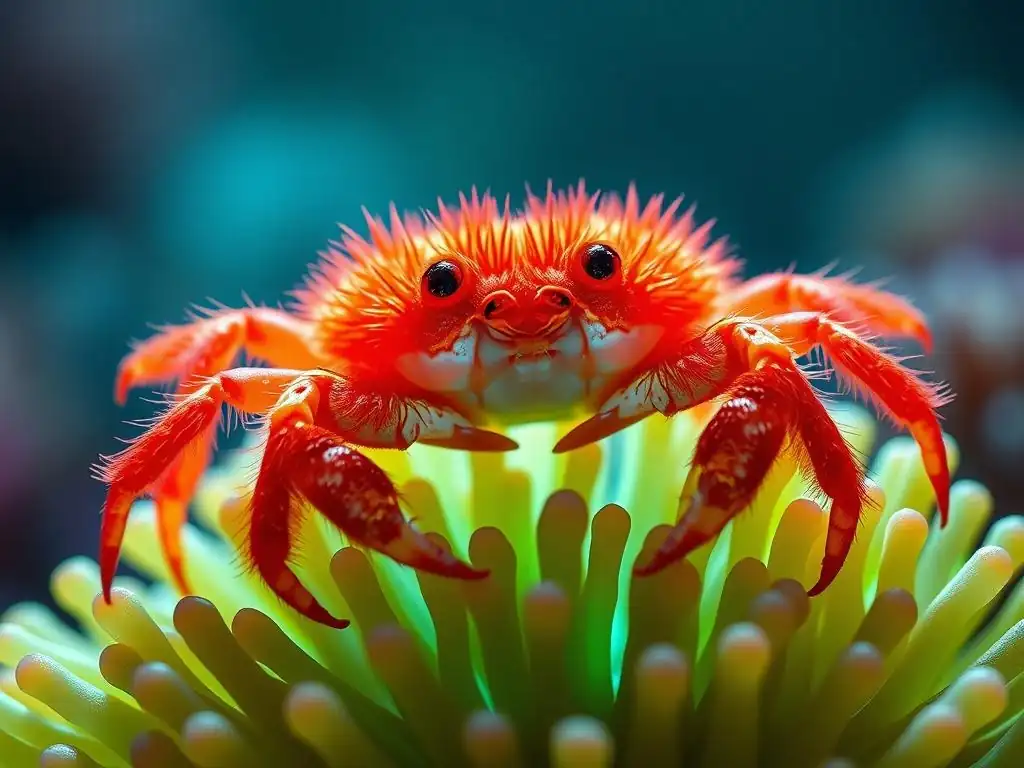
Breeding Pom Pom Crabs in a home aquarium is considered highly challenging for hobbyists, primarily due to the intricate requirements for raising their microscopic larval stages. However, understanding the process provides valuable insight into their life cycle and contributes to a comprehensive approach to Pom pom crab care tips.
Creating the Right Conditions for Pom Pom Crab Reproduction
Successful reproduction of Pom Pom Crabs in captivity first requires the presence of both a male and a female. Sexing these tiny crabs is notoriously difficult for the average hobbyist, as external differences are minimal. Assuming a pair is present, a stable, mature aquarium with optimal water parameters, abundant food sources, and plenty of hiding spots increases the likelihood of spawning. Females will carry eggs externally under their abdomen, typically appearing as a cluster of tiny orange or brown spheres, indicating a berried female.
Spawning usually occurs at night, and the eggs will hatch into free-swimming zoea larvae. These larvae are planktonic, meaning they drift in the water column and are entirely dependent on currents for movement. Providing a dedicated breeding tank, separate from the main display, is essential to protect the delicate larvae from predation and filtration systems, as well as to control their environment more precisely.
Raising Pom Pom Crab Larvae: A Detailed Guide
Raising Pom Pom Crab larvae (zoea) to adulthood is an advanced undertaking that few hobbyists successfully achieve. The larvae are incredibly small and fragile, requiring a highly specialized rearing setup. A dedicated larval rearing tank, often a small, clear container or a 1-5 gallon tank, is necessary to control water quality and food availability. The water in this tank must be pristine, often requiring daily partial water changes to remove waste and prevent bacterial blooms.
The most significant challenge lies in providing appropriate live food for the zoea. Initially, they require very small live prey, such as L-type rotifers, followed by newly hatched brine shrimp nauplii as they grow through their larval stages. These live foods must be cultured separately. The zoea will undergo several molts, transforming through various larval stages before reaching the megalopa stage, which is a transitional form, and finally metamorphosing into a miniature, recognizable juvenile crab. Survival rates for Pom Pom Crab larvae in captivity are typically very low, often less than 1%.
Troubleshooting Pom Pom Crab Care: Addressing Common Issues
Even with the best Pom pom crab care tips, aquarists may encounter specific issues. Knowing how to troubleshoot these common problems can prevent prolonged stress or loss of the crab.
My Pom Pom Crab Lost Its Anemones: What to Do?
If your Pom Pom Crab loses one or both of its signature anemones, it's a common concern among hobbyists. This can occur for several reasons: it might be a natural occurrence before or during molting, a sign of severe stress due to poor water quality (e.g., ammonia spikes, drastic salinity changes), aggression from incompatible tank mates, or simply a temporary behavioral response.
The first step is to thoroughly check all water parameters—ammonia, nitrite, nitrate, salinity, pH, and temperature—to ensure they are within optimal ranges and stable. Address any deviations immediately with appropriate water changes or adjustments. Secondly, observe tank mates for any signs of aggression towards the crab. Providing ample hiding spots can help reduce stress. Often, if the underlying issue is resolved, the crab will either find a new anemone (if available), or remarkably, induce the remaining anemone to split, restoring its "mittens" over time. Patience and observation are key here.
Pom Pom Crab Not Eating: Possible Causes and Solutions
A Pom Pom Crab refusing to eat is a significant indicator that something is amiss and requires prompt attention as part of your Pom pom crab care tips. Possible causes include recent introduction to the tank (stress from acclimation), poor water quality, the crab being pre-molt or post-molt (they often stop eating during this vulnerable period), or the presence of aggressive tank mates preventing it from foraging safely.
Begin by testing all water parameters to rule out environmental stress. If parameters are ideal, observe its behavior for signs of molting (hiding, lethargy). Offer a variety of small, attractive foods like frozen mysis shrimp or enriched brine shrimp, and try target feeding directly to the crab with a pipette or turkey baster to ensure it gets the opportunity to eat without competition.
Ensure there are plenty of secure hiding spots so the crab feels safe enough to emerge and feed. Persistent refusal to eat, especially if accompanied by other symptoms like lethargy, warrants further investigation into its environment and potential stressors.
Pom Pom Crab Hiding Constantly: Is This Normal?
While Pom Pom Crabs are naturally somewhat shy and appreciate secure hiding spots, constant hiding can sometimes indicate an issue. It is perfectly normal for a new crab to hide frequently during its initial acclimation period (days to a week) as it adjusts to its new environment. Similarly, a crab that is about to molt or has just molted will hide extensively, sometimes for several days, as it is incredibly vulnerable during this process and its new exoskeleton hardens.
However, if your crab is established and suddenly begins hiding constantly without signs of molting, it could signal stress. This stress might be due to aggressive tank mates, inadequate hiding spots, or declining water quality. Assess your tank's environment: ensure there are numerous, secure crevices and caves.
Observe tank mates for any signs of harassment. If water parameters are stable and tank mates are peaceful, the crab might just be particularly timid or undergoing a prolonged molting phase. As long as it emerges to eat occasionally and shows no other signs of distress, it's likely just exhibiting its natural cautious behavior.
Where to Buy Pom Pom Crabs: Finding Healthy Specimens
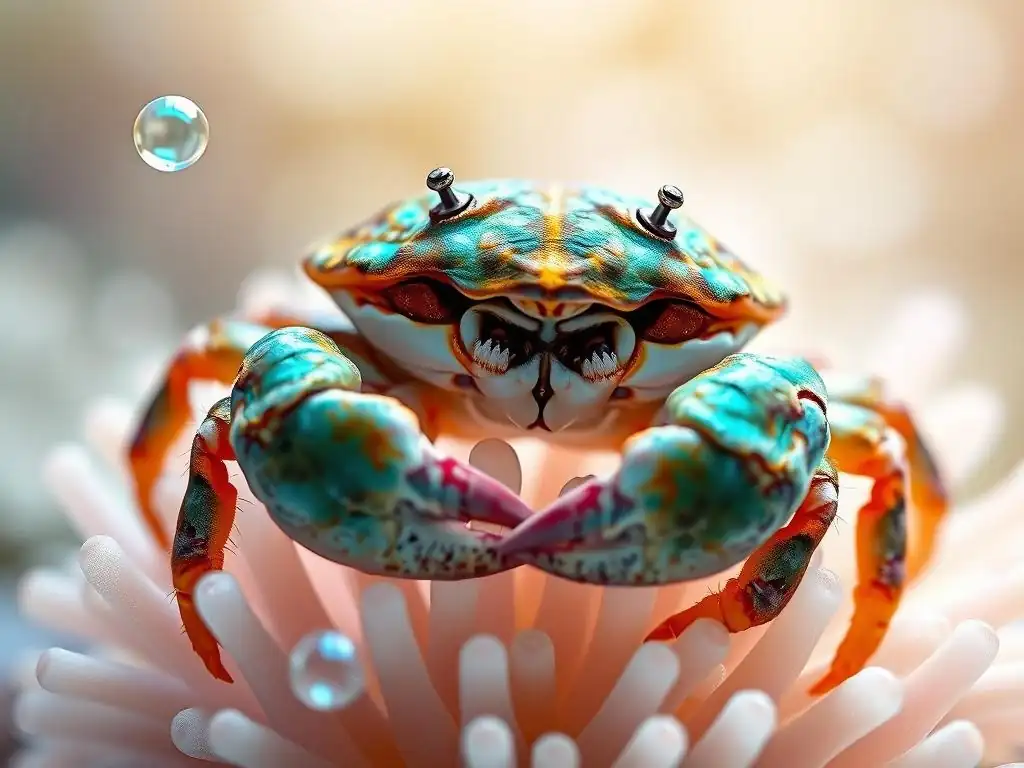
The final step in your Pom pom crab care tips journey is acquiring a healthy specimen. Choosing a reputable vendor and ensuring a proper acclimation process are crucial for the long-term success and well-being of your new Pom Pom Crab.
Selecting a Reputable Vendor: Ensuring Quality and Health
When purchasing Pom Pom Crabs, selecting a reputable vendor is paramount to ensuring you acquire a healthy, well-acclimated specimen. Look for local fish stores or online retailers with a strong track record of caring for marine invertebrates and positive customer reviews specifically mentioning the health of their crustaceans. A good vendor will maintain clean, well-kept tanks with appropriate water parameters, indicating a commitment to animal welfare.
Observe the crabs in the store's display tank: healthy Pom Pom Crabs should be active, moving around, and holding their anemones securely. Avoid crabs that appear lethargic, are missing limbs (unless clearly regrowing), or show any signs of discoloration or damage. Don't hesitate to ask the vendor about their source for the crabs, their quarantine procedures, and their acclimation practices. A knowledgeable and transparent vendor is a good sign of quality and will provide valuable insights for your Pom pom crab care tips.
Acclimation Process: Introducing Your New Crab to the Aquarium
The acclimation process is a critical step in introducing your new Pom Pom Crab to its home aquarium, minimizing stress and preventing shock from differences in water parameters. The drip acclimation method is highly recommended for all marine invertebrates, including Pom Pom Crabs, as it allows for a slow and gradual adjustment to temperature, salinity, and pH.
To perform drip acclimation:
- Float the sealed bag containing the crab in your aquarium for 15-20 minutes to equalize temperature.
- Open the bag and secure it in a container (e.g., a clean bucket or plastic tub) large enough to hold the bag's contents and additional water.
- Using airline tubing, create a siphon from your display tank into the container, tying a knot in the tubing or using a flow control valve to allow water to drip slowly into the bag, at approximately 1-2 drips per second.
- Allow the water to drip until the volume in the container has at least quadrupled (this usually takes 45-60 minutes).
- Once acclimated, carefully net the crab and gently transfer it to your aquarium, avoiding exposing it to air as much as possible. Discard the water from the bag; do not add it to your tank. Turning off the aquarium lights for a few hours after introduction can help reduce initial stress.
Conclusion: Mastering Pom Pom Crab Care for a Thriving Aquarium
The Joys of Keeping Pom Pom Crabs: A Rewarding Experience
Keeping Pom Pom Crabs is an incredibly rewarding experience that brings a unique charm and dynamic activity to any saltwater aquarium. Their diminutive size, coupled with their fascinating symbiotic relationship with their anemone "mittens," makes them a captivating focal point for aquarists. Observing their diligent foraging, their curious explorations of the aquascape, and their meticulous care for their defensive anemones offers endless opportunities for discovery and appreciation of marine life.
Beyond their aesthetic appeal, these tiny crustaceans contribute positively to the aquarium ecosystem as diligent members of the clean-up crew, sifting through substrate and consuming detritus. Mastering effective Pom pom crab care tips ensures that these delightful "cheerleaders" not only survive but truly thrive, becoming long-lived and engaging inhabitants that enhance the beauty and ecological balance of your marine aquarium. Their presence is a testament to the intricate wonders of the ocean, brought right into your home.
Further Resources: Expanding Your Knowledge of Pom Pom Crab Care
For those dedicated to providing the best possible Pom pom crab care tips and wishing to deepen their understanding, a wealth of resources is available. Consulting comprehensive marine aquarium husbandry guides can provide a broader context for water chemistry, filtration, and general invertebrate needs. Dedicated books and online articles focusing specifically on marine crustaceans and invertebrates offer more in-depth insights into their biology, behavior, and specific care requirements.
Engaging with online aquarium forums and communities can also be invaluable. These platforms connect you with experienced aquarists who share practical advice, troubleshooting tips, and real-world experiences with Pom Pom Crabs and other marine species. Continuously expanding your knowledge through these resources will empower you to provide an ever-improving environment for your Pom Pom Crabs, ensuring their continued health and vibrancy within your aquatic ecosystem.
Frequently Asked Questions
How difficult is it to care for Pom Pom Crabs?
Pom Pom Crabs are considered moderately difficult to care for. They require stable water parameters and a mature aquarium with plenty of hiding places, making them unsuitable for beginner aquarists.
What do Pom Pom Crabs eat?
Pom Pom Crabs are omnivores and will scavenge for food. Supplement their diet with small meaty foods like mysis shrimp or brine shrimp. They also benefit from detritus in the tank.
What size aquarium is needed for Pom Pom Crabs?
A minimum of 10 gallons is recommended for a single Pom Pom Crab. This provides enough space for them to forage and establish a territory, while also helping to maintain stable water quality.
Are Pom Pom Crabs reef safe?
Pom Pom Crabs are generally considered reef safe, though some may nip at soft corals. It is crucial to provide them with adequate food to minimize the risk of them bothering corals.
What kind of water parameters do Pom Pom Crabs need?
Pom Pom Crabs require stable saltwater parameters. Aim for a specific gravity of 1.023-1.025, a pH of 8.1-8.4, and a temperature of 72-78°F. Regular water changes are essential.
Final Reflection: The Tiny Titans of the Aquarium
The journey into the world of pom pom crabs, as we've explored, reveals more than just fascinating aquarium inhabitants; it highlights the beauty and complexity hidden within even the smallest creatures. Understanding their unique needs, as detailed in our care tips, is not merely about keeping them alive, but about appreciating the delicate balance of the ecosystems they represent and our responsibility as custodians of these miniature marvels.
This exploration has underscored the profound impact even seemingly insignificant creatures can have on our understanding of the marine world. The dedication required to properly care for a pom pom crab mirrors the broader commitment needed to protect our oceans. In the end, we will conserve only what we love; we will love only what we understand; and we will understand only what we are taught.
- Baba Dioum. This quote resonates deeply, reminding us that knowledge and care are the cornerstones of conservation.
Now, consider this: how can you, armed with this newfound knowledge, contribute to the well-being of these tiny cheerleaders? Perhaps it's through responsible sourcing, advocating for sustainable aquarium practices, or simply sharing your passion with others. Let the pom pom crab be a reminder that even the smallest actions, when multiplied, can create waves of positive change in the vast ocean of conservation.
Dive Deeper: Ignite Your Aquarium Passion!
Thanks for exploring the fascinating world of pom pom crabs! We hope this article has sparked your curiosity and provided valuable insights into these tiny, anemone-wielding wonders. Ready to take your aquarium hobby to the next level?
Here are a few actions you can take right now:
- Dedicate time this week to meticulously observe your aquarium inhabitants, especially any shy crabs. Look for subtle behaviors and interactions you might have missed before.
- Delve further: Research rare and unique symbiotic relationships in the marine world – you might discover your next aquarium project!
- Share this article with a friend who loves aquariums, and brainstorm together about creative ways to enrich your aquarium environment.
What unique symbiotic relationship are you most excited to learn about or replicate in your own aquarium?