
The Importance of TDS for Caridina Shrimp Health and Successful Breeding

Welcome to Aquarium Mastery!
Ever wondered if your Caridina shrimp are truly thriving, or just surviving? The secret might lie in the invisible: Total Dissolved Solids (TDS). This critical factor can make or break your shrimp-keeping success. Dive in to discover the importance of TDS levels for Caridina shrimp health and unlock the secrets to a vibrant, breeding colony. Are you ready to master the art of Caridina care?
- Understanding TDS and Its Role in Caridina Shrimp Keeping
- Ideal TDS Levels for Caridina Shrimp Species
- Monitoring and Maintaining TDS Levels in Caridina Aquariums
- TDS and Caridina Shrimp Breeding Success
- Troubleshooting TDS Issues in Caridina Shrimp Tanks
- The Impact of TDS on Other Water Parameters Affecting Caridina
- Advanced TDS Management Techniques for Caridina Shrimp Keepers
-
Frequently Asked Questions
- What are TDS levels, and why are they important for Caridina shrimp?
- What is the ideal TDS range for Caridina shrimp?
- How do I accurately measure TDS levels in my Caridina shrimp tank?
- What can cause TDS levels to rise too high in a Caridina shrimp tank?
- How can I safely lower TDS levels if they are too high for my Caridina shrimp?
- Final Reflection: Navigating the Invisible Sea
- Unleash Thriving Caridina Colonies!
Understanding TDS and Its Role in Caridina Shrimp Keeping
What is TDS (Total Dissolved Solids) in Aquarium Water?
Total Dissolved Solids (TDS) refers to the sum of all inorganic and organic substances dissolved in a specific volume of water, typically measured in parts per million (ppm) or milligrams per liter (mg/L). These dissolved substances can include a wide array of elements such as minerals (calcium, magnesium, potassium, sodium), salts, metals (trace heavy metals), and organic matter (from decaying food, waste, or plant material). Essentially, TDS provides a comprehensive snapshot of the purity of your aquarium water, with higher values indicating a greater concentration of dissolved substances.
The sources of TDS in an aquarium are numerous and varied. Tap water, depending on its origin, can contribute significantly to initial TDS levels, often ranging from 50 ppm to over 500 ppm in some regions. Other contributors include the substrate, particularly inert sands or gravels that might leach minerals, as well as decorations like rocks or driftwood. Furthermore, fish food, plant fertilizers, and the metabolic waste products from shrimp and other inhabitants all add to the total dissolved solids over time, making regular monitoring crucial for maintaining optimal TDS levels for Caridina shrimp.
Why TDS Matters for Caridina Shrimp Health
For sensitive aquatic invertebrates like Caridina shrimp, TDS plays a pivotal role in their overall health and survival due to its direct impact on osmoregulation. Osmoregulation is the process by which an organism maintains the balance of water and solutes in its body fluids. Caridina shrimp, originating from soft, acidic waters, are highly adapted to environments with specific, stable mineral compositions. If the external TDS levels are too high or too low compared to their internal body fluids, the shrimp's osmoregulatory system becomes stressed, forcing them to expend excessive energy to maintain their internal balance.
This stress can manifest in various health issues, including lethargy, poor coloration, and susceptibility to disease. Critically, proper TDS levels caridina shrimp require are essential for successful molting, a process where the shrimp sheds its old exoskeleton to grow. Minerals like calcium and magnesium, which contribute to TDS, are vital for forming the new shell.
Insufficient mineral content (low TDS) can lead to molting complications, such as the dreaded "ring of death," where the shrimp gets stuck and cannot escape its old shell, often resulting in death. Conversely, excessively high TDS can also hinder molting due to osmotic pressure, making it difficult for the shrimp to expand and break free.
The Relationship Between TDS, GH, and KH in Caridina Shrimp Tanks
While often discussed interchangeably, TDS, GH (General Hardness), and KH (Carbonate Hardness) are distinct but related parameters crucial for Caridina shrimp health. GH primarily measures the concentration of dissolved divalent metal ions, specifically calcium and magnesium, which are vital for shrimp molting and the structural integrity of their shells. KH, on the other hand, measures the concentration of bicarbonate and carbonate ions, providing the water's buffering capacity, which helps stabilize pH and prevent drastic fluctuations.
Both GH and KH contribute significantly to the overall TDS reading, as they represent a substantial portion of the dissolved minerals in the water. However, TDS encompasses all dissolved solids, including nitrates, phosphates, salts, and other trace elements that are not measured by GH or KH tests. For instance, while a GH of 4 dGH (approximately 71 ppm) and a KH of 0-1 dKH (0-17.9 ppm) might be ideal for many Caridina species, the total TDS could still be higher due to other dissolved substances.
Therefore, monitoring TDS provides a broader overview of the water's mineral load and overall purity, complementing the more specific insights offered by GH and KH tests. Maintaining stable TDS levels Caridina shrimp thrive in often involves precise control over GH and KH, particularly when using remineralized reverse osmosis (RO) water.
Ideal TDS Levels for Caridina Shrimp Species
Recommended TDS Range for Crystal Red Shrimp (CRS)
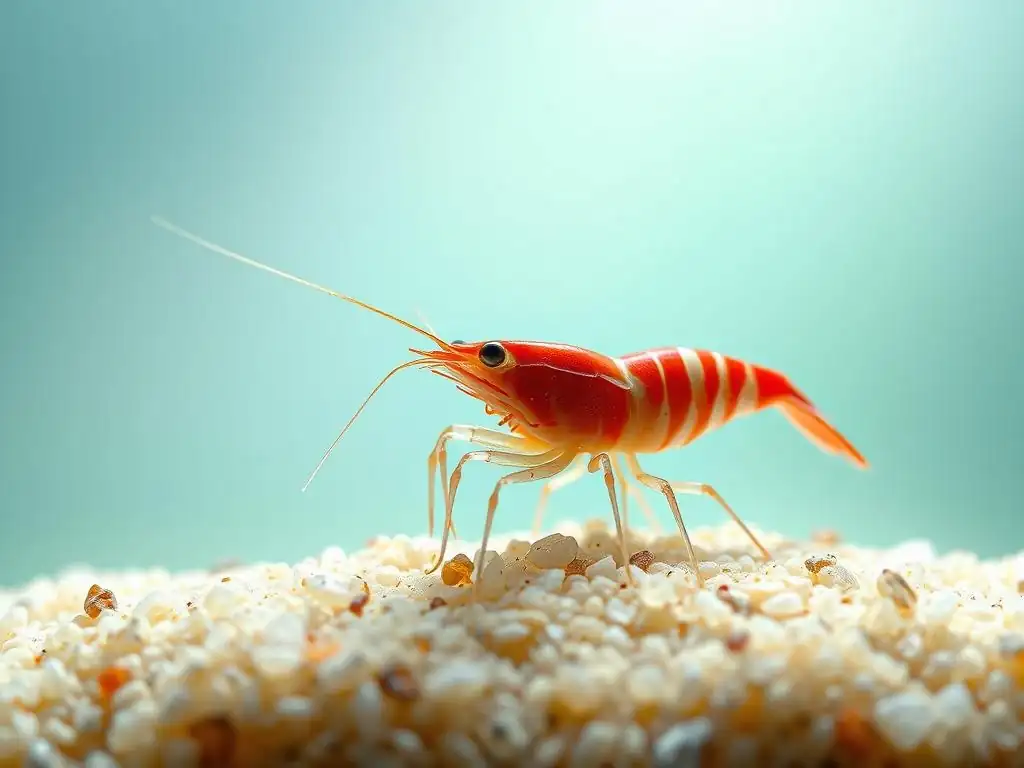
Crystal Red Shrimp (CRS), renowned for their striking red and white patterns, are among the most popular Caridina species in the freshwater aquarium hobby. These shrimp are highly sensitive to water parameters and thrive best in soft, slightly acidic water. For optimal health and breeding success, the recommended TDS levels for Caridina shrimp of the CRS variety typically fall within a range of 100-180 ppm. Many experienced breeders aim for a narrower sweet spot, often between 120-160 ppm, as this range closely mimics the mineral composition of their natural habitats and supports their delicate osmoregulation.
Maintaining TDS within this specific range is crucial because it directly influences their molting process and overall vitality. Deviations outside this range can lead to significant stress, failed molts, and reduced lifespan. For example, a TDS consistently above 200 ppm might indicate an accumulation of unwanted minerals or pollutants, while a TDS below 90 ppm could signify a lack of essential minerals like calcium and magnesium, both of which are vital for the formation of their new exoskeleton after molting.
Optimal TDS for Black King Kong (BKK) Shrimp
Black King Kong (BKK) shrimp, a highly sought-after variant of the Taiwan Bee complex, share similar water parameter requirements with Crystal Red Shrimp but are often considered even more sensitive. These deep black and white or black and blue patterned shrimp originate from selective breeding lines that prefer very stable and precise water conditions. The optimal TDS levels for Caridina shrimp of the BKK type are generally in the range of 100-160 ppm, with many dedicated keepers aiming for a slightly tighter window of 120-150 ppm.
This slightly lower range compared to some CRS setups is often preferred to ensure the water remains soft and pristine, which is conducive to their delicate nature and vibrant coloration. Consistent TDS within this range helps to minimize osmotic stress, support healthy molting cycles, and promote successful breeding. Breeders often note that maintaining TDS at the lower end of this spectrum, around 120 ppm, can contribute to higher fry survival rates and more robust adult shrimp, underscoring the importance of precise TDS management for these premium invertebrates.
TDS Considerations for Taiwan Bee Shrimp
Taiwan Bee shrimp encompass a diverse group of highly prized Caridina species, including Pandas, Red Wine, Black King Kong, Blue Bolt, and others, all known for their exquisite patterns and often delicate nature. These shrimp generally prefer even softer and more acidic water than standard CRS. Consequently, the ideal TDS levels for Caridina shrimp from the Taiwan Bee lineage are typically lower, ranging from 90-140 ppm. Some advanced aquarists might even target a range as low as 80-120 ppm, especially for the most sensitive varieties or during breeding projects.
The rationale behind these lower TDS requirements is rooted in their genetic predisposition and habitat preferences, which lean towards extremely pure water with minimal dissolved solids. Achieving these specific TDS levels caridina shrimp of the Taiwan Bee variety need almost exclusively relies on using reverse osmosis (RO) water, which has near-zero TDS, and then carefully remineralizing it with a GH+ product designed for Caridina shrimp.
This precise control allows keepers to tailor the water chemistry exactly to the shrimp's needs, ensuring they receive essential minerals without being exposed to excess dissolved substances that could cause osmotic stress or hinder their delicate biological processes.
Monitoring and Maintaining TDS Levels in Caridina Aquariums
Choosing the Right TDS Meter for Aquarium Use
A TDS meter is an indispensable tool for any serious Caridina shrimp keeper, providing a quick and accurate way to measure the total dissolved solids in your aquarium water. These handheld devices work by measuring the electrical conductivity of the water, which directly correlates to the concentration of dissolved ions. The most common type for aquarium use is the pen-style TDS meter, which is compact, affordable, and easy to use.
When selecting a TDS meter, look for one that offers good accuracy, typically within +/- 2% of the reading. Features like automatic temperature compensation (ATC) are highly beneficial, as water temperature can affect conductivity readings. Calibration capability is also important, allowing you to periodically verify and adjust the meter's accuracy using calibration solutions. Reputable brands often include HM Digital, which is widely recognized for producing reliable and consistent meters suitable for precise monitoring of TDS levels Caridina shrimp require. Investing in a quality meter ensures you have dependable data to guide your water management decisions.
Step-by-Step Guide: Measuring TDS in Your Caridina Tank
Measuring TDS in your Caridina tank is a straightforward process that should be performed regularly, ideally weekly or before each water change, to maintain stable parameters. First, ensure your TDS meter is clean; rinse the probe gently with distilled water before use to remove any residue. Next, collect a small water sample from your aquarium in a clean, non-reactive container, or if your tank allows, you can directly immerse the meter's probe into the tank water.
Once the probe is immersed, allow a few seconds for the reading to stabilize. Most digital meters will display the TDS value in ppm. Record this reading in a logbook, noting the date, time, and any significant observations about your shrimp's behavior or health. Consistent logging of TDS levels Caridina shrimp are exposed to will help you identify trends, understand how your maintenance routine affects parameters, and quickly diagnose potential issues before they become critical. After use, rinse the meter again with distilled water and store it in a dry place.
Methods for Lowering TDS in Caridina Shrimp Tanks
Using Reverse Osmosis (RO) Water
Reverse Osmosis (RO) water is the cornerstone of maintaining ideal TDS levels for Caridina shrimp, especially for sensitive species. RO systems filter tap water through a semi-permeable membrane, effectively removing up to 95-99% of dissolved solids, including minerals, heavy metals, chlorine, and other impurities. The resulting RO water typically has an extremely low TDS reading, often between 0-10 ppm, making it an almost pure base for aquarium use.
To utilize RO water, it must be remineralized using a product specifically designed for Caridina shrimp, such as SaltyShrimp GH+. These remineralizers add back essential minerals like calcium and magnesium, which contribute to GH, while keeping KH low or absent. By precisely controlling the amount of remineralizer added, aquarists can achieve the exact TDS levels Caridina shrimp require, ensuring a stable and consistent mineral profile that mimics their natural soft water habitats. This method provides unparalleled control over water parameters.
Water Changes with Low TDS Water
Performing regular water changes with low TDS water is a fundamental method for reducing and stabilizing the overall TDS in a Caridina shrimp tank. If your tank's TDS has gradually risen due to evaporation, feeding, or waste accumulation, replacing a portion of the high-TDS tank water with fresh, properly remineralized RO water will effectively dilute the concentration of dissolved solids. For instance, a 10-20% weekly water change can significantly help in managing TDS creep.
It is crucial to ensure that the replacement water has the target TDS levels Caridina shrimp prefer to avoid shocking the inhabitants. Rapid or large-scale changes in TDS can cause osmotic stress and lead to molting problems or even death. Therefore, water changes should be slow and gradual, ideally dripping the new water into the tank over several hours to allow the shrimp to acclimate smoothly to the new parameters. Consistency in water change schedules helps in maintaining long-term stability.
The Role of Substrate in Managing TDS
The type of substrate used in a Caridina shrimp tank plays a significant role in managing TDS and overall water chemistry. Active buffering substrates, such as ADA Aqua Soil Amazonia, Controsoil, or Brightwell Aquatics FlorinGourmet, are specifically designed to lower and stabilize pH by absorbing carbonate hardness (KH) from the water. As they absorb KH, they also contribute to maintaining lower TDS levels, as carbonates are a component of total dissolved solids.
These substrates work by releasing humic and fulvic acids, which buffer the water to a slightly acidic pH (typically 5.5-6.5), a range highly favored by Caridina shrimp. This buffering action also helps to keep the overall mineral content, and thus TDS, within the desired low range. However, it's important to note that active substrates have a finite buffering capacity. Over time, usually after 12-24 months, they can become exhausted and may start to release previously absorbed minerals, potentially causing a rise in TDS. Regular monitoring is essential to know when a substrate might be losing its efficacy.
Adding GH+ Supplements
For Caridina shrimp, maintaining appropriate TDS levels often involves increasing specific mineral concentrations, primarily General Hardness (GH). GH+ supplements, such as SaltyShrimp GH+, are formulated to add essential minerals like calcium and magnesium to reverse osmosis (RO) or distilled water without significantly raising carbonate hardness (KH). These minerals are crucial for shrimp molting, shell formation, and overall metabolic functions.
To use GH+ supplements, they are typically dissolved in the RO water intended for water changes or top-offs. The dosage is carefully measured to achieve the desired GH level, which in turn contributes to raising the TDS to the optimal range for your specific Caridina species. For instance, adding approximately 1 gram of SaltyShrimp GH+ to 10 liters of RO water can increase GH by about 5-6 dGH and raise TDS by roughly 80-100 ppm, depending on the starting water. Always mix the supplement thoroughly outside the tank before adding it to avoid direct contact with shrimp.
Using Mineral Stones
Mineral stones can be a supplementary method for gradually increasing and stabilizing TDS levels in Caridina shrimp tanks, particularly by releasing beneficial trace elements. Examples include Montmorillonite clay stones, which are known to slowly release a variety of minerals into the water column. These stones do not provide the precise control of GH+ supplements but can contribute to a more comprehensive mineral profile.
While mineral stones can help maintain a consistent supply of trace elements, their impact on TDS is generally less pronounced and slower than liquid supplements. They are often used as a long-term, passive way to ensure a broad spectrum of minerals is available, rather than as a primary method for adjusting TDS levels Caridina shrimp require. When using mineral stones, continue to monitor TDS regularly to ensure that the overall mineral content remains within the desired range and does not become excessively high.
TDS and Caridina Shrimp Breeding Success
How TDS Impacts Caridina Shrimp Molting
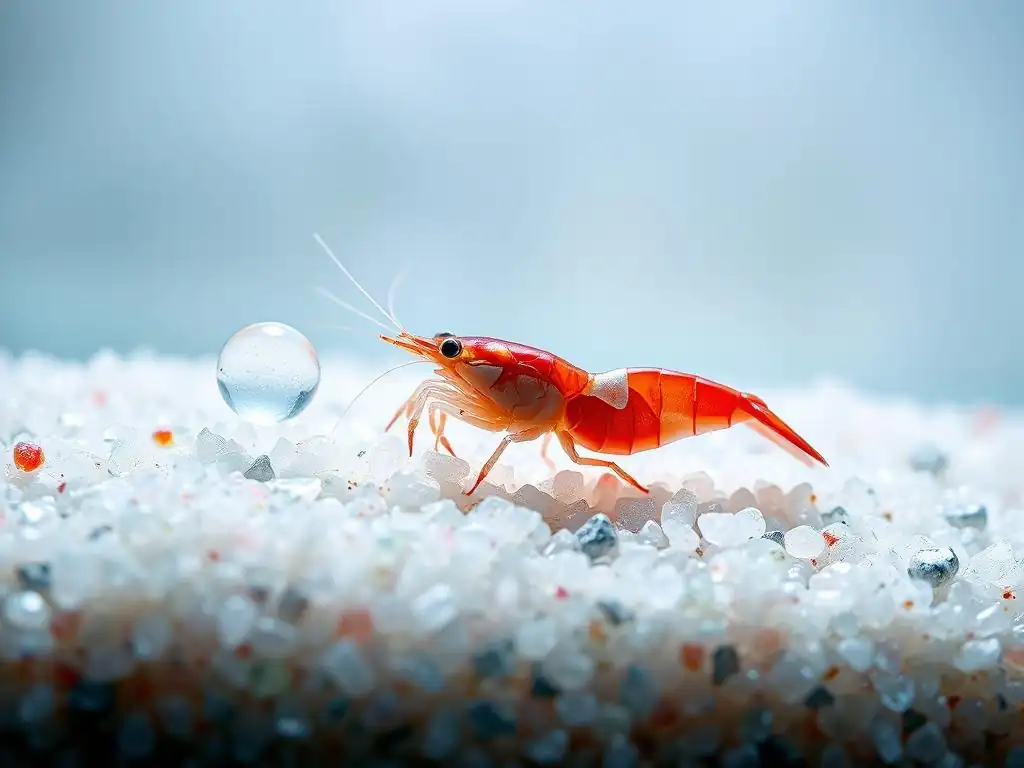
Molting is a critical process for Caridina shrimp growth and health, and it is profoundly impacted by the TDS levels in their environment. The exoskeleton, or shell, of a shrimp does not grow, so the shrimp must periodically shed its old shell to allow for growth. This process requires a precise balance of minerals, primarily calcium and magnesium, which are absorbed from the water to form the new, larger shell. These minerals are significant contributors to the overall TDS.
If the TDS is too low, indicating insufficient mineral content, the shrimp may struggle to form a strong new shell, leading to incomplete molts or the inability to shed the old shell, a condition often referred to as the "ring of death." Conversely, if the TDS is too high, the osmotic pressure can become too great, stressing the shrimp and making it difficult for them to expand and break free from their old exoskeleton.
Maintaining stable and appropriate TDS levels Caridina shrimp need is thus paramount for successful molts, reducing stress, and preventing fatalities, directly impacting their longevity and breeding potential.
The Link Between TDS and Caridina Shrimp Fry Survival Rates
Caridina shrimp fry are exceptionally delicate and significantly more sensitive to water parameter fluctuations than adult shrimp. Their survival rates are directly and heavily influenced by the stability and appropriateness of the TDS levels in their rearing environment. When TDS levels are unstable or outside the optimal range, the fry experience immense osmotic stress, which can lead to developmental issues, lethargy, and high mortality rates.
Optimal TDS levels Caridina shrimp fry thrive in ensure that essential minerals are readily available for their rapid growth and calcification of their tiny exoskeletons. Consistent water parameters, including TDS, also reduce the overall stress on the fry, allowing them to allocate more energy to growth and development rather than osmoregulation. Breeders often report that maintaining a precise and stable TDS, typically at the lower end of the recommended adult range for the specific species, results in significantly higher fry survival rates, sometimes increasing from less than 30% to over 70-80% in well-managed tanks.
Optimizing TDS for Breeding Caridina Shrimp
Optimizing TDS for breeding Caridina shrimp involves a strategic approach focused on stability and consistency within the species-specific optimal range. The goal is to create an environment where shrimp feel secure, healthy, and are encouraged to breed actively. For most Caridina species, this means maintaining TDS levels within a relatively narrow window, for example, 120-150 ppm for Crystal Red Shrimp or Black King Kongs.
Consistency is key; sudden fluctuations in TDS can trigger stress, leading to dropped eggs, failed molts, or a cessation of breeding activity. Therefore, regular monitoring with a reliable TDS meter and performing water changes with precisely remineralized RO water are essential.
Many breeders find that aiming for the lower to mid-range of the optimal TDS levels Caridina shrimp prefer for adults can further boost breeding success, as it often correlates with the softer water conditions favored by sensitive fry. A stable, ideal TDS environment not only encourages adults to carry eggs but also significantly increases the chances of those eggs hatching and the subsequent fry surviving to adulthood.
Troubleshooting TDS Issues in Caridina Shrimp Tanks
Identifying High TDS Problems in Caridina Tanks
Identifying high TDS problems in Caridina tanks often begins with observing the shrimp's behavior and physical condition. Common symptoms of excessively high TDS include lethargy, reduced activity, and a general lack of vibrancy in coloration. More critically, high TDS can lead to molting issues, as the osmotic pressure makes it difficult for the shrimp to shed their old shells, resulting in instances of the "ring of death" or incomplete molts. In severe cases, prolonged exposure to high TDS can lead to increased mortality rates.
The causes of high TDS are varied. Evaporation of water from the tank concentrates existing minerals, gradually increasing TDS over time if only pure water is topped off. Overfeeding, decaying organic matter (dead plants or shrimp, uneaten food), and the use of unsuitable substrates or decorations that leach minerals can also contribute significantly. Additionally, using tap water for top-offs or water changes, especially if it has a naturally high TDS, will rapidly elevate tank parameters. Regular TDS monitoring is the best defense, alerting you to a problem before symptoms appear.
Conversely, low TDS problems in Caridina tanks also present distinct symptoms, often mirroring those of high TDS due to the general stress on the shrimp's osmoregulation. Shrimp in water with insufficient TDS may exhibit lethargy, poor growth, and a lack of breeding activity. Molting issues are particularly prevalent, as the shrimp lack the necessary calcium and magnesium to form a robust new exoskeleton, leading to weak shells or failed molts.
The primary cause of low TDS in Caridina tanks is typically insufficient remineralization of reverse osmosis (RO) water. If RO water is used for water changes or top-offs without adding appropriate GH+ supplements, the essential minerals will be diluted or absent. Another cause can be an exhausted buffering substrate that has absorbed all available minerals, or excessively large and frequent water changes with pure RO water that strip the tank of its mineral content too quickly. Accurately measuring TDS levels Caridina shrimp need and adjusting remineralizer dosage is crucial to prevent these issues.
Common Mistakes in TDS Management and How to Avoid Them
Several common mistakes can lead to instability in TDS levels for Caridina shrimp, jeopardizing their health. One major error is using unconditioned tap water directly for water changes or top-offs. Tap water's TDS can vary wildly by region and even seasonally, often containing high levels of undesirable minerals or contaminants. Always test your tap water's TDS before considering its use, and ideally, rely on remineralized RO water for precise control.
Another frequent mistake is inconsistent water changes or top-offs. Irregular maintenance schedules lead to fluctuating TDS, which stresses sensitive Caridina shrimp. It's also a common pitfall to only top off evaporated water with pure RO water; while this replaces lost water, it concentrates the dissolved solids already in the tank, causing TDS to gradually climb.
Instead, a portion of the water should be changed out with remineralized RO water to dilute accumulating solids. Finally, failing to regularly measure TDS is a recipe for disaster; never guess your tank's parameters. Always use a reliable TDS meter and make any adjustments slowly and incrementally over several days to avoid shocking the shrimp.
The Impact of TDS on Other Water Parameters Affecting Caridina
TDS and pH Levels: A Crucial Balance
While TDS itself does not directly dictate pH, the components that make up TDS have a crucial impact on pH stability in a Caridina shrimp aquarium. Carbonate hardness (KH), which is a significant component of TDS, acts as a buffer, preventing drastic fluctuations in pH. For Caridina shrimp, which thrive in soft, slightly acidic water, a very low or non-existent KH is often desired. This means their tanks have very little buffering capacity, making pH more susceptible to swings.
Many Caridina keepers use active buffering substrates that absorb KH and lower pH. As these substrates work, they contribute to a lower overall TDS, and the resulting acidic environment is preferred by the shrimp. However, precisely because of the low KH, any significant change in other TDS components (e.g., introduction of new minerals, accumulation of organic waste) can subtly shift the pH. Therefore, maintaining consistent TDS levels Caridina shrimp prefer is often intertwined with managing pH stability through appropriate substrate choice and regular water changes with precisely remineralized water.
TDS and Ammonia/Nitrite/Nitrate Levels: Understanding the Connection
There's an indirect yet important connection between TDS and the nitrogen cycle parameters (ammonia, nitrite, nitrate) in a Caridina shrimp tank. While TDS does not directly measure these specific compounds, an increase in organic TDS (from decaying food, plant matter, or shrimp waste) can indicate a higher organic load in the system. This organic load serves as fuel for the nitrifying bacteria responsible for converting ammonia to nitrite and then to nitrate.
Therefore, an unchecked rise in TDS, particularly if it's due to an accumulation of organic matter, can correlate with increasing levels of nitrate, the end product of the nitrogen cycle. High nitrate levels, while less immediately toxic than ammonia or nitrite, can still stress Caridina shrimp over time, affecting their health and breeding. Regular water changes, which are essential for managing TDS levels Caridina shrimp require, simultaneously help to dilute and remove accumulating nitrates, thereby maintaining a healthier environment and supporting the beneficial bacterial colonies that keep ammonia and nitrite at zero.
How TDS Affects Oxygen Levels in Caridina Aquariums
The concentration of total dissolved solids in water can subtly influence the solubility of gases, including oxygen. Generally, water with higher TDS has a slightly reduced capacity to hold dissolved oxygen compared to pure water. This is because the presence of more dissolved particles can interfere with the physical space available for gas molecules to dissolve. For example, fresh water at 25°C can hold approximately 8.3 mg/L of dissolved oxygen, but with a very high TDS (e.g., 1000 ppm), this might slightly decrease.
While this effect is usually minor in a well-aerated Caridina tank with appropriate TDS levels, it's worth noting for extremely high TDS scenarios. In tanks with very high TDS, especially if combined with high temperatures or poor surface agitation, the slightly reduced oxygen solubility could potentially become a contributing factor to shrimp stress. However, for the typical optimal TDS levels Caridina shrimp require (100-180 ppm), the impact on oxygen solubility is negligible, and proper aeration and filtration remain the primary methods for ensuring adequate oxygen levels.
Advanced TDS Management Techniques for Caridina Shrimp Keepers
Using TDS to Diagnose Potential Problems
For advanced Caridina shrimp keepers, TDS is more than just a number; it's a diagnostic tool that can provide early warnings of potential problems in the aquarium. A sudden and unexplained drop in TDS, for instance, could indicate an issue with your RO unit's membrane, allowing purer water to enter the tank than expected, or it might signal that your buffering substrate has become exhausted and is no longer contributing minerals as it should.
Conversely, a rapid spike in TDS could point to a new decoration leaching minerals, excessive feeding, or even a sudden increase in tap water TDS if used for top-offs.
By consistently monitoring and logging TDS levels Caridina shrimp are exposed to, you can establish a baseline and quickly identify deviations. If shrimp exhibit signs of stress (e.g., lethargy, failed molts), and the TDS reading is outside the normal range, it strongly suggests a water parameter issue that needs immediate attention. For example, if you notice molting issues and your TDS has dropped significantly below 100 ppm, it's a clear indicator of insufficient remineralization, prompting you to adjust your GH+ dosage.
Creating a TDS Log for Your Caridina Tank
Implementing a detailed TDS log is an indispensable practice for advanced Caridina shrimp keeping. This log should record more than just the TDS reading; it should include the date and time of measurement, the volume of water changed, any supplements added (e.g., GH+ dosage), and observations about shrimp behavior or health. For example, you might note: "10/26/2023, 8 AM: TDS 135 ppm. 15% water change with 130 ppm RO water. Shrimp active, foraging." or "11/02/2023, 8 AM: TDS 160 ppm. Noticed a failed molt. Prepare for 20% water change."
The benefits of maintaining such a log are immense. It allows you to identify long-term trends, such as a gradual increase in TDS between water changes, indicating that your current water change schedule might not be sufficient. It helps in predicting when maintenance is needed and provides a historical record to troubleshoot issues effectively. By correlating TDS levels Caridina shrimp are living in with their behavior, breeding success, and overall health, you can fine-tune your water management strategy for optimal results.
Adjusting TDS Based on Shrimp Behavior and Appearance
Beyond numerical targets, an advanced technique involves fine-tuning TDS based on direct observation of your Caridina shrimp's behavior and appearance. While general TDS ranges are provided, individual colonies or specific breeding lines might thrive at slightly different points within that spectrum. Healthy Caridina shrimp are typically active, constantly foraging, displaying vibrant coloration, and molting successfully without issues.
If your TDS is within the recommended range, but you notice subtle signs of stress—such as reduced activity, duller coloration, or occasional molting difficulties—it might be worth experimenting with slight, gradual adjustments to your target TDS. For example, if your Crystal Red Shrimp are at 160 ppm and seem slightly sluggish, slowly lowering the TDS to 140 ppm over several water changes might improve their vitality. Conversely, if shells appear weak at 110 ppm, a slight increase to 130 ppm could be beneficial.
Any adjustments to TDS levels Caridina shrimp are exposed to must be made incrementally, over several days or weeks, to avoid shocking the sensitive animals. This iterative process of observation and gradual adjustment allows for truly optimized water parameters.
Frequently Asked Questions
What are TDS levels, and why are they important for Caridina shrimp?
TDS stands for Total Dissolved Solids, which represent the concentration of all dissolved substances in your aquarium water. Maintaining proper TDS levels is crucial for Caridina shrimp health and breeding because they are sensitive to water chemistry fluctuations and require stable parameters.
What is the ideal TDS range for Caridina shrimp?
The ideal TDS range for most Caridina shrimp species, especially Caridina cantonensis (Crystal Red Shrimp, Black Diamond Shrimp, etc.), typically falls between 100-200 ppm (parts per million). This range helps ensure proper osmotic balance and minimizes stress.
How do I accurately measure TDS levels in my Caridina shrimp tank?
You can measure TDS levels using a TDS meter, a handheld device that measures the conductivity of the water. Make sure to calibrate the meter regularly for accurate readings and follow the manufacturer's instructions.
What can cause TDS levels to rise too high in a Caridina shrimp tank?
Overfeeding, decaying organic matter (like uneaten food or dead leaves), and certain substrate types can cause TDS levels to increase significantly. Regular water changes and proper tank maintenance are vital to prevent excessive TDS buildup.
How can I safely lower TDS levels if they are too high for my Caridina shrimp?
The safest way to lower TDS levels is through gradual water changes using RO/DI (Reverse Osmosis/Deionized) water. Avoid making sudden drastic changes, as this can shock your shrimp and lead to health problems or even death.
The intricate dance between TDS levels and the well-being of Caridina shrimp is not merely a scientific observation confined to aquariums; it's a microcosm reflecting our broader understanding of environmental balance and the delicate ecosystems we strive to preserve. Understanding and managing TDS, therefore, becomes a crucial act of stewardship, extending beyond the glass walls of a tank to inform our approach to larger environmental challenges.
This journey into the world of TDS has profoundly shaped how we perceive the unseen forces that govern life. It's a reminder that even the most seemingly insignificant parameters can have a monumental impact on the health and vitality of an entire ecosystem. The devil is in the details,
as the saying goes, and in the realm of Caridina shrimp keeping, those details are often dissolved in the water, silently dictating success or failure.
Now, armed with this knowledge, consider the implications for your own aquariums and beyond. What unseen factors are influencing the health and vitality of your environment? Take a moment to reflect on the delicate balance around you, and let the lessons learned from the world of TDS guide you towards a more informed and conscientious approach to nurturing life, both within and beyond the glass.
Unleash Thriving Caridina Colonies!
Thank you for exploring the vital role of TDS in your Caridina shrimp tank. We hope this article provided valuable insights for maintaining a healthy and vibrant environment. Now, let's put that knowledge into action!
Here are a few steps you can take to ensure your Caridina shrimp flourish:
- Start Measuring Today: Purchase a reliable TDS meter and begin monitoring your tank's water parameters daily for the first week, then weekly. Consistent monitoring is key!
- Share your experience: Share the top three issues you have with your caridina shrimps in the comment section
- Dive Deeper: Explore other articles at Aquarium Mastery to enhance your understanding of shrimp keeping.
What will you do this week to achieve TDS perfection in your Caridina shrimp tank?