
Freshwater Shrimp Showdown: Neocaridina vs. Caridina Which is Right for You?

Welcome to Aquarium Mastery!
Ever wondered if those vibrant, tiny freshwater shrimp are the secret ingredient your aquarium is missing? Dive in and discover the world of Neocaridina and Caridina shrimp! Our Freshwater Shrimp Care Guide is your starting point, unraveling the mysteries of these fascinating invertebrates. Are you ready to choose the perfect shrimp for your freshwater paradise? Let's explore!
- Introduction to Freshwater Shrimp Keeping: A Beginner's Guide
- Neocaridina Shrimp: The Hardy Beginners' Choice
- Caridina Shrimp: Demanding Beauty for Experienced Aquarists
- Neocaridina vs. Caridina: A Detailed Comparison
- Choosing the Right Shrimp for Your Aquarium: Key Considerations
- Troubleshooting Common Freshwater Shrimp Problems
- Conclusion: Mastering Freshwater Shrimp Care
-
Frequently Asked Questions
- What are the main differences between Neocaridina and Caridina shrimp in terms of care difficulty?
- Which type of freshwater shrimp is better suited for a community tank with other fish?
- What specific water parameters are crucial for successful Caridina shrimp keeping?
- How important is substrate choice when keeping freshwater shrimp, and does it differ between Neocaridina and Caridina?
- What are some common health issues that can affect freshwater shrimp, and how can they be prevented?
- Final Reflection: Navigating the Shrimplet Seas
- Unleash Your Shrimp-Keeping Adventure!
Introduction to Freshwater Shrimp Keeping: A Beginner's Guide
Understanding the Appeal of Freshwater Shrimp in Aquariums
Freshwater shrimp have rapidly grown in popularity among aquarists, transforming from a niche interest into a mainstream highlight in many home aquariums. Their primary appeal lies in their vibrant colors, unique behaviors, and relatively small size, making them suitable for tanks where larger fish might not fit. Observing a colony of these fascinating invertebrates as they forage, molt, and interact provides a dynamic and engaging experience that differs significantly from traditional fish keeping. They add a new dimension to the aquatic landscape, enhancing biodiversity and visual interest.
Beyond their aesthetic charm, freshwater shrimp contribute significantly to the aquarium's ecosystem. Many species are excellent algae eaters, diligently grazing on biofilm and various types of algae that can accumulate on surfaces, plants, and decorations. This natural cleaning ability helps maintain tank clarity and reduces the need for frequent manual scrubbing. For those seeking a comprehensive freshwater shrimp care guide, understanding their ecological role is as important as appreciating their beauty, as it informs choices about tank mates and maintenance.
Why Choose Shrimp for Your Freshwater Tank?
Choosing freshwater shrimp for your aquarium offers several distinct advantages, particularly for those looking to diversify their aquatic inhabitants or maintain a smaller tank. Firstly, their minimal bioload means they produce very little waste compared to most fish, which helps maintain stable water parameters and reduces the frequency of large water changes. This makes them an excellent choice for nano tanks (as small as 5 gallons) where space and filtration capacity are limited.
Secondly, shrimp are incredibly peaceful and can coexist with many small, non-aggressive fish species, provided appropriate hiding spots are available. They are also prolific breeders under optimal conditions, allowing aquarists to observe their full life cycle and even establish a self-sustaining colony. This aspect of freshwater shrimp care can be particularly rewarding, offering a continuous source of new life and an opportunity to learn about invertebrate reproduction.
Neocaridina Shrimp: The Hardy Beginners' Choice
Neocaridina Shrimp Care Guide: Essential Tips for Success
Neocaridina shrimp, often referred to as "cherry shrimp" due to the popularity of the red variety, are widely recognized as the ideal entry point for anyone new to the world of freshwater shrimp keeping. Their hardiness and adaptability to a wide range of water parameters make them incredibly forgiving, greatly reducing the steep learning curve often associated with more delicate aquatic species. A typical lifespan for a healthy Neocaridina shrimp is about 1 to 2 years, during which they actively graze on biofilm, algae, and small food particles.
To ensure success with Neocaridina, a balanced diet is crucial. While they will naturally graze on algae and detritus, supplementing their diet with high-quality shrimp pellets, blanched vegetables like zucchini or spinach, and occasional protein sources will promote vibrant coloration and healthy molting. Overfeeding, however, is a common pitfall in any freshwater shrimp care guide; only feed what they can consume within a few hours to prevent water quality issues. Maintaining stable parameters is more important than hitting exact numbers, as fluctuations are far more detrimental than slightly off but consistent conditions.
Popular Neocaridina Species: Cherry Shrimp, Rili Shrimp, and More
Cherry Shrimp (Neocaridina davidi): A Colorful Introduction
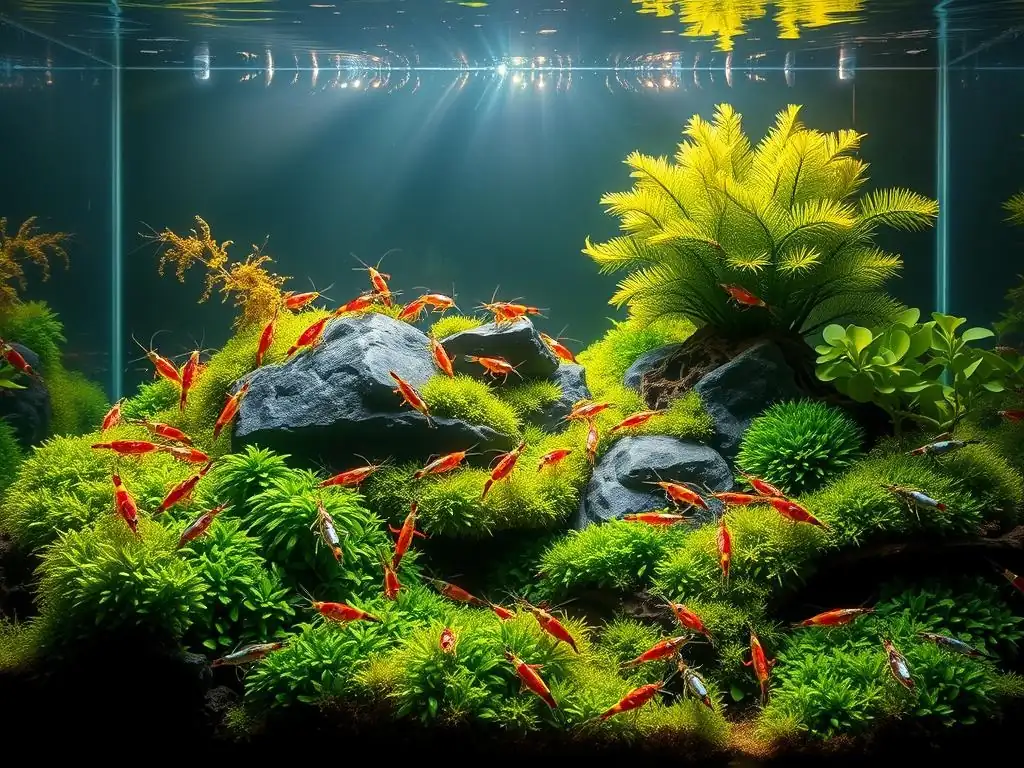
The Red Cherry Shrimp (RCS), a selectively bred form of Neocaridina davidi, stands as the most iconic and widely kept Neocaridina species. Originating from Taiwan, these shrimp are prized for their vibrant red coloration, which can range from a translucent pink to a deep, opaque red depending on genetics and diet. Adult Cherry Shrimp typically reach a size of about 1 inch (2.5 cm), making them perfect for smaller aquariums. Their active foraging behavior and peaceful nature make them a delightful addition to any community tank with suitable tank mates.
Beyond the classic red, Neocaridina davidi has been selectively bred into a stunning array of colors, including Yellow, Blue Dream, Green Jade, Orange Sunkist, and Black Rose. Each color morph maintains the same hardy characteristics and ease of freshwater shrimp care as their red counterparts. These diverse color options allow aquarists to create visually striking setups, whether aiming for a single-color colony or a vibrant mix of compatible hues.
Rili Shrimp Varieties: Exploring Unique Patterns and Colors
Rili shrimp represent a fascinating genetic mutation within the Neocaridina davidi lineage, characterized by a unique pattern of clear or translucent mid-sections contrasting with colored heads and tails. The Red Rili, for example, displays a striking red head and tail with a clear body, while Blue Rili shrimp showcase a beautiful blue coloration on their extremities. This distinct appearance adds another layer of visual interest to the Neocaridina family.
These patterned varieties are a result of selective breeding from solid-colored shrimp. For instance, Red Rili shrimp often originate from Red Cherry Shrimp lines. Other popular Rili forms include Black Rili, Orange Rili, and even Chocolate Rili, each offering a unique aesthetic. Their care requirements are identical to other Neocaridina species, making them an excellent choice for aquarists who desire more intricate patterns without the advanced demands of Caridina shrimp.
Neocaridina Shrimp Tank Setup: Creating the Ideal Environment
Water Parameters for Neocaridina Shrimp: Temperature, pH, and Hardness
Establishing the correct water parameters is fundamental to successful freshwater shrimp care, and Neocaridina shrimp are remarkably tolerant compared to other species. An ideal temperature range for Neocaridina is between 68-78°F (20-25.5°C), although they can survive slightly outside this range for short periods. Their preferred pH level spans 6.5 to 8.0, accommodating a wide variety of tap water sources.
When it comes to hardness, Neocaridina thrive in moderately hard water with a General Hardness (GH) of 6-10 dGH and a Carbonate Hardness (KH) of 3-8 dKH. This level of hardness provides the necessary minerals, such as calcium and magnesium, for healthy molting and shell development. Regular water testing is crucial to ensure these parameters remain stable, as sudden fluctuations are more detrimental than slightly suboptimal but consistent conditions.
Substrate and Decorations for Neocaridina Shrimp: Promoting a Healthy Habitat
The choice of substrate for a Neocaridina tank is relatively straightforward: inert substrates like sand or fine gravel are ideal. Unlike Caridina shrimp, Neocaridina do not require active substrates that buffer pH, making setup simpler and less costly. A dark substrate can often enhance the vibrant coloration of the shrimp, making their reds, blues, and yellows pop.
Providing ample decorations and live plants is essential for creating a thriving Neocaridina habitat. Live plants, such as Java Moss, Anubias, and Bucephalandra, offer vast surface areas for biofilm and algae growth, which are primary food sources for shrimp. Driftwood and various rocks (like Seiryu stone or lava rock) also provide surfaces for grazing and crucial hiding spots, especially for newly molted shrimp or vulnerable shrimplets. These elements contribute significantly to a comprehensive freshwater shrimp care guide by offering both sustenance and security.
Neocaridina Shrimp Breeding: A Comprehensive Overview
How to Encourage Breeding in Neocaridina Shrimp
One of the most rewarding aspects of Neocaridina freshwater shrimp care is their ease of breeding, making them an excellent choice for beginners looking to experience the full life cycle of aquatic invertebrates. Once mature, typically around 3-4 months of age, females will display a "saddle" on their back, indicating the presence of unfertilized eggs. After a successful molt and mating with a male, these eggs move to the underside of her tail, where they are "berried" and carried until hatching.
To encourage consistent breeding, focus on stable water parameters within their preferred ranges, a consistent feeding schedule with high-quality food, and a peaceful environment free from predatory fish. A healthy female can carry between 20 to 50 eggs per clutch, with a gestation period of approximately 30 days. The eggs will gradually develop and darken until tiny shrimplets emerge, miniature replicas of their parents, ready to forage on their own.
Caring for Baby Neocaridina Shrimp (Shrimplets)
Caring for baby Neocaridina shrimp, or shrimplets, is surprisingly straightforward, as they do not go through a larval stage that requires specialized feeding. From the moment they hatch, shrimplets are fully formed and capable of grazing on the same biofilm and microscopic food particles as their adult counterparts. This self-sufficiency greatly simplifies the freshwater shrimp care process for new breeders.
To maximize shrimplet survival, ensure your tank has plenty of fine-leaved plants like Java Moss or Guppy Grass, which provide ample hiding spots from potential predators and surfaces for biofilm growth. It's also crucial to use a sponge filter or pre-filter on your power filter intake to prevent tiny shrimplets from being sucked in. Maintaining stable, pristine water conditions is paramount, as shrimplets are more sensitive to fluctuations than adult shrimp.
Caridina Shrimp: Demanding Beauty for Experienced Aquarists
Caridina Shrimp Care: Advanced Strategies for Success
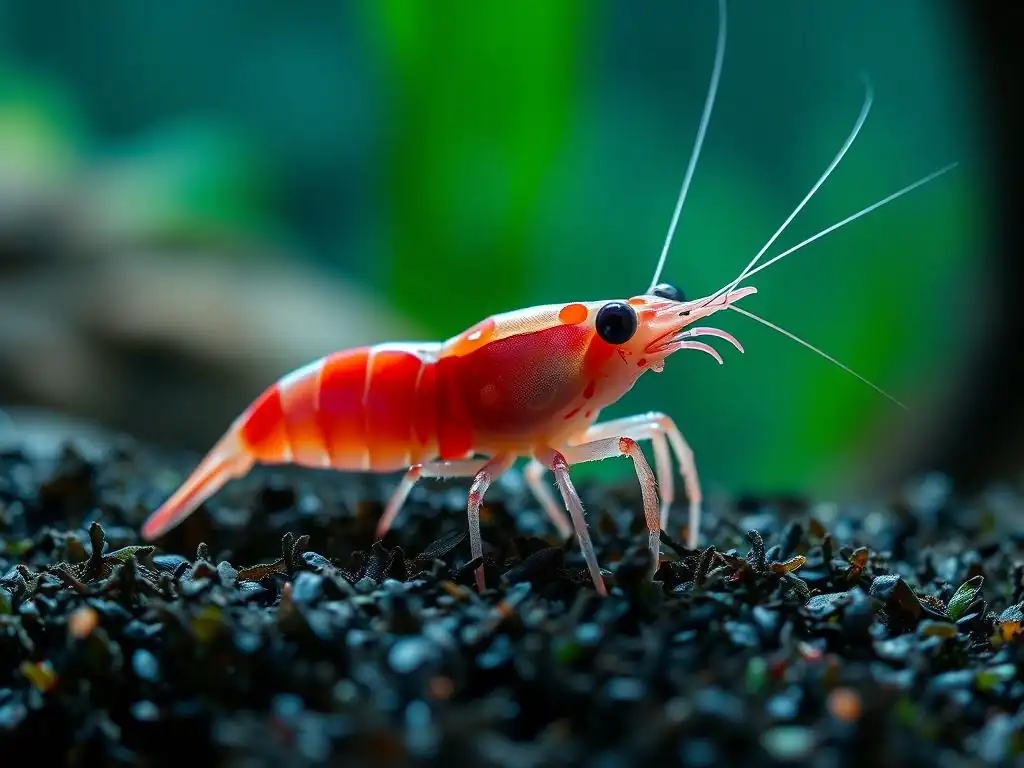
Caridina shrimp, encompassing highly prized varieties like Crystal Red and Taiwan Bee shrimp, represent the pinnacle of freshwater shrimp keeping for many aquarists. Unlike their Neocaridina cousins, Caridina demand very specific and stable water parameters, making their care a more advanced endeavor. Their beauty, often characterized by intricate patterns and opaque colors, comes with the requirement for meticulous attention to detail and consistent water quality.
A key aspect of successful Caridina shrimp care is providing a specialized diet. While they will graze on biofilm, their primary diet should consist of high-quality prepared foods specifically formulated for Caridina shrimp, often rich in minerals and specific nutrients. Their lifespan is typically 1 to 2 years, similar to Neocaridina, but this longevity is heavily dependent on maintaining their precise environmental needs. Fluctuations in temperature or water chemistry can quickly lead to stress, molting issues, and even death, highlighting the precision required in their freshwater shrimp care guide.
Popular Caridina Species: Crystal Red Shrimp, Taiwan Bee Shrimp, and More
Crystal Red Shrimp (Caridina cantonensis): A Delicate Beauty
The Crystal Red Shrimp (CRS), a stunning selectively bred variant of Caridina cantonensis, is renowned for its striking red and white banded patterns. Originating from Japan, these shrimp are a testament to dedicated selective breeding from the wild Bee Shrimp found in China and Hong Kong. CRS are graded based on the intensity of their red and white coloration, the opacity of their bands, and the coverage of their patterns, with higher grades (e.g., S, SS, SSS, SSS+) commanding significantly higher prices due to their rarity and aesthetic perfection.
Adult CRS typically reach a size of up to 1 inch (2.5 cm), similar to Neocaridina, but their beauty is distinctly more delicate and their behavior often more reclusive. Maintaining their vibrant colors and overall health requires strict adherence to specific water parameters, which sets them apart in any freshwater shrimp care guide. The challenge and reward of successfully keeping and breeding these exquisite creatures make them a coveted species among experienced aquarists.
Taiwan Bee Shrimp: Exploring Unique Color Variations
Taiwan Bee Shrimp represent a group of highly specialized and visually spectacular Caridina shrimp, believed to have originated from mutations within Crystal Red and Crystal Black Shrimp lines in Taiwan. This group includes some of the most sought-after and expensive shrimp in the hobby, such as King Kong, Panda, Red Wine, and Black King Kong shrimp. They are characterized by their intense, opaque coloration and often unique patterns that distinguish them from other Caridina varieties.
For instance, the Panda Shrimp typically features a black and white coloration with distinct "panda-like" markings, while the King Kong shrimp can be entirely black with blue or red highlights, or have striking red and white patterns. Their care requirements are even more stringent than those of Crystal Red Shrimp, often demanding even softer and more acidic water. Their exquisite appearance and the challenge of their freshwater shrimp care make Taiwan Bee Shrimp a true showpiece for dedicated enthusiasts.
Caridina Shrimp Tank Setup: Achieving Optimal Conditions
Water Parameters for Caridina Shrimp: Maintaining Stability
Achieving and maintaining the precise water parameters for Caridina shrimp is the cornerstone of their successful freshwater shrimp care. Unlike Neocaridina, Caridina species typically thrive in cooler temperatures, ideally between 68-74°F (20-23.5°C). Their pH preference is notably acidic, ranging from 5.5 to 6.8, and they require very soft water with a General Hardness (GH) of 4-6 dGH and an extremely low Carbonate Hardness (KH) of 0-1 dKH.
To consistently achieve these stringent parameters, most Caridina keepers use Reverse Osmosis (RO) or Deionized (DI) water, which is essentially pure water stripped of minerals. This water is then remineralized with specialized shrimp salts (e.g., GH+ remineralizer, not GH/KH+) to reach the desired GH while keeping KH at negligible levels. This meticulous approach to water chemistry is non-negotiable for the long-term health and breeding success of Caridina shrimp.
Substrate and Decorations for Caridina Shrimp: The Importance of Active Substrates
The choice of substrate is paramount for Caridina shrimp, necessitating the use of active substrates that specifically buffer pH down and maintain soft water conditions. Popular examples include ADA Aquasoil, Fluval Stratum, and Brightwell Aquatics FlorinGourmet. These substrates contain humic acids and other compounds that slowly release into the water, helping to keep the pH stable within the acidic range preferred by Caridina. Using an inert substrate with Caridina shrimp will lead to unstable parameters and likely stress or death.
Beyond the substrate, decorations should complement the soft, acidic water environment. Driftwood, particularly Malaysian or Manzanita, can further contribute to lowering pH and releasing beneficial tannins. Live plants, such as various mosses (e.g., Christmas Moss, Fissidens) and low-light plants (e.g., Anubias), provide essential surfaces for biofilm growth and offer crucial hiding places for shrimp, especially during molting. These elements are vital for a comprehensive freshwater shrimp care guide focusing on Caridina.
Caridina Shrimp Breeding: A Challenging but Rewarding Experience
Creating the Right Conditions for Caridina Shrimp Breeding
Breeding Caridina shrimp is a challenging yet highly rewarding aspect of advanced freshwater shrimp care, requiring significantly more precision and stability than breeding Neocaridina. The primary key to success lies in maintaining extremely consistent and optimal water parameters, particularly pH, GH, and KH, within their very narrow preferred ranges. Any significant fluctuation can trigger stress, leading to failed molts, egg loss, or even mortality.
Mature Caridina females typically begin breeding around 4-6 months of age. Like Neocaridina, they will carry eggs under their tail for approximately 30 days until hatching. To encourage breeding, ensure the tank is well-cycled and mature, providing a stable environment with established biofilm for grazing. A high-quality, protein-rich diet specifically formulated for breeding shrimp can also enhance their reproductive health and success rates.
Managing Water Parameters for Optimal Breeding Results
Precise management of water parameters is critical for optimal Caridina shrimp breeding results. This involves regular, small water changes (e.g., 10-15% weekly) using meticulously remineralized RO/DI water to maintain consistent Total Dissolved Solids (TDS) levels, typically between 100-180 ppm for most Crystal and Taiwan Bee varieties. Consistent TDS indicates stable mineral content, which is vital for egg development and shrimplet health.
Furthermore, using gentle filtration, such as sponge filters, is essential to prevent shrimplets from being sucked into the filter intake. A mature tank with ample surface area for biofilm and a stable bacterial colony provides the ideal environment for shrimplets to graze and grow. While challenging, successfully breeding Caridina shrimp is a testament to an aquarist's dedication to mastering advanced freshwater shrimp care.
Neocaridina vs. Caridina: A Detailed Comparison
Hardiness and Adaptability: Which Shrimp Can Tolerate More?
When comparing Neocaridina and Caridina shrimp, their hardiness and adaptability stand as the most significant distinguishing factors. Neocaridina shrimp are renowned for their robust nature and remarkable tolerance to a wide array of water conditions. They can adapt to varying pH levels from 6.5 to 8.0 and a broader range of hardness, making them suitable for many tap water sources without extensive modification. This forgiving nature makes them highly resilient to minor fluctuations, greatly simplifying freshwater shrimp care for beginners.
In stark contrast, Caridina shrimp are highly sensitive and demand very specific, stable water parameters. They are intolerant of significant fluctuations in pH, temperature, or hardness, and deviations can quickly lead to stress, illness, or death. Their delicate nature requires a dedicated approach to water chemistry, often involving the use of RO/DI water and specialized remineralizers. This inherent sensitivity means Caridina are far less forgiving of mistakes or inconsistent maintenance.
Water Parameter Requirements: A Side-by-Side Comparison
Understanding the precise water parameter requirements is crucial for selecting the right shrimp species. Here's a direct comparison:
- Neocaridina Shrimp:
- Temperature: 68-78°F (20-25.5°C)
- pH: 6.5-8.0
- General Hardness (GH): 6-10 dGH
- Carbonate Hardness (KH): 3-8 dKH
- Caridina Shrimp (e.g., Crystal Red, Taiwan Bee):
- Temperature: 68-74°F (20-23.5°C)
- pH: 5.5-6.8 (acidic)
- General Hardness (GH): 4-6 dGH (soft)
- Carbonate Hardness (KH): 0-1 dKH (very soft)
This side-by-side view clearly illustrates the narrower and more specific range required for Caridina shrimp, emphasizing the need for precise control over water chemistry in their freshwater shrimp care.
Breeding Difficulty: Which Shrimp is Easier to Breed?
The ease of breeding is another major differentiator between Neocaridina and Caridina shrimp, significantly influencing their suitability for different aquarists. Neocaridina shrimp are exceptionally prolific breeders, often multiplying rapidly in a well-established tank without much intervention. A single female can produce between 20 to 50 shrimplets every 30 days, and these shrimplets are miniature versions of the adults, requiring no special feeding or larval stage. This makes them an excellent choice for beginners eager to experience breeding success and establish a thriving colony.
Conversely, breeding Caridina shrimp is a considerably more challenging endeavor. While they also carry their eggs for about 30 days and produce fully formed shrimplets, their success hinges entirely on maintaining extremely stable and pristine water parameters within their narrow preferred range. Stress from even minor fluctuations can cause females to drop their eggs, and shrimplet survival rates can be lower if conditions are not optimal. A female Caridina might produce 15-30 shrimplets per batch, but consistent successful breeding requires meticulous attention to every detail of their freshwater shrimp care.
Color Variations and Aesthetics: Exploring the Visual Appeal
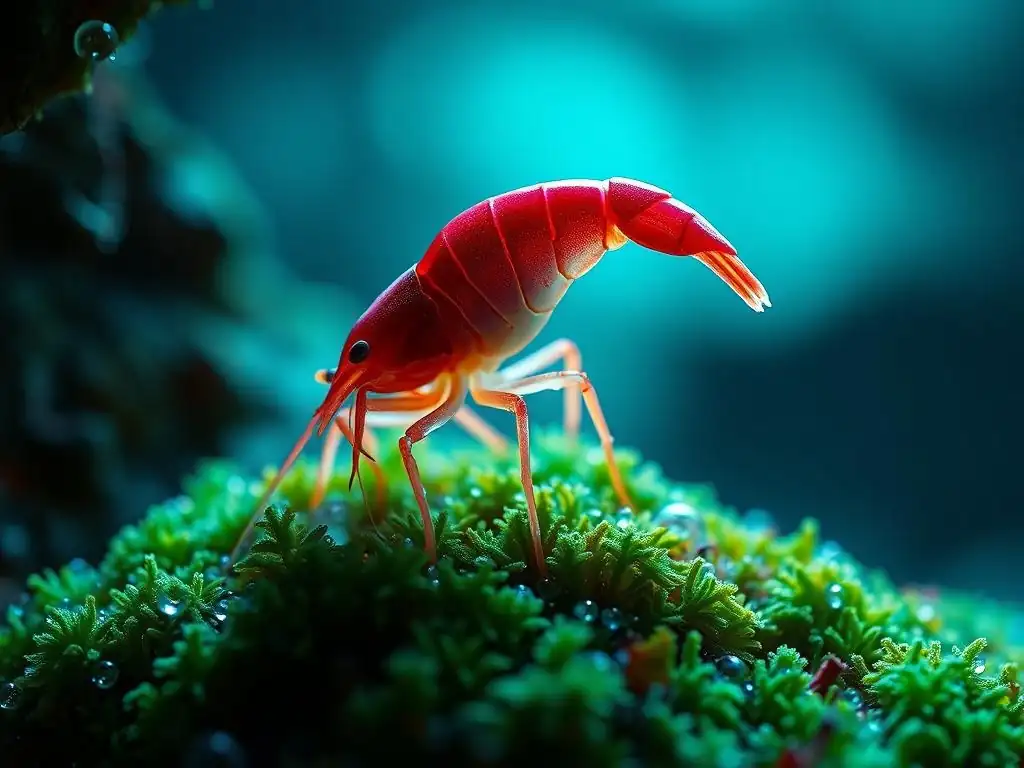
Both Neocaridina and Caridina shrimp offer a stunning array of colors and patterns, but they differ in their typical aesthetic and complexity. Neocaridina shrimp are celebrated for their vibrant, often solid colors, such as the brilliant reds of Cherry Shrimp, the deep blues of Blue Dream, or the sunny yellows of Sunkist. While some varieties like Rili shrimp exhibit clear sections, the overall aesthetic tends to be bold and straightforward, providing a striking splash of color in the aquarium.
Caridina shrimp, particularly the high-grade Crystal Red, Crystal Black, and Taiwan Bee varieties, are renowned for their intricate patterns, opaque coloration, and high contrast. Examples like the precise white and red banding of a Crystal Red, or the deep, solid colors and unique head patterns of a King Kong Taiwan Bee, often create a more sophisticated and artistic appeal. These complex aesthetics, combined with their challenging care, often position Caridina as the "collector's item" in the world of freshwater shrimp care.
Cost and Availability: Which Shrimp is More Accessible?
The cost and availability of Neocaridina and Caridina shrimp reflect their respective care requirements and breeding difficulty. Neocaridina shrimp are generally very affordable and widely accessible. A common Red Cherry Shrimp might cost anywhere from $3 to $8 per shrimp at local fish stores or from online vendors, making it easy for beginners to acquire a starting colony. Their prolific breeding also means they are frequently available from hobbyists at even lower prices.
Caridina shrimp, especially the higher grades and rarer Taiwan Bee varieties, are significantly more expensive and less readily available. A single Crystal Red Shrimp can range from $10 to $50 or more depending on its grade (e.g., SSS+ grades command premium prices), while rare Taiwan Bee shrimp can cost upwards of $50-$100+ per individual. Their specialized care requirements also mean they are typically found only at dedicated aquarium stores or reputable online breeders, making the initial investment for a Caridina tank, including specialized equipment for freshwater shrimp care, substantially higher.
Choosing the Right Shrimp for Your Aquarium: Key Considerations
Your Experience Level: Are You a Beginner or an Experienced Aquarist?
Your current experience level in the aquarium hobby is perhaps the most crucial factor in deciding between Neocaridina and Caridina shrimp. For beginners or those new to keeping invertebrates, Neocaridina shrimp are overwhelmingly recommended. Their robust nature, tolerance for a wider range of water parameters, and eager breeding habits provide a forgiving and rewarding introduction to freshwater shrimp care. They allow new aquarists to gain confidence and learn the basics without the pressure of highly sensitive species.
Experienced aquarists, particularly those who have successfully kept demanding fish or planted tanks, might find Caridina shrimp to be a fascinating and rewarding challenge. Their precise environmental requirements and the intricacies of their breeding offer a more advanced level of freshwater shrimp care. This choice caters to those who enjoy meticulous water parameter management and the pursuit of rare and high-grade specimens.
Your Tank Setup: Is Your Tank Suitable for Neocaridina or Caridina?
Before acquiring shrimp, evaluate your existing or planned tank setup to determine its suitability. If you plan to use regular tap water and prefer a simpler setup without specialized equipment, a Neocaridina tank is likely the best fit. These shrimp thrive with inert substrates and can adapt to the pH and hardness of many municipal water sources, provided they are dechlorinated and stable.
Conversely, if your tap water is hard and alkaline, or if you are not prepared to invest in a Reverse Osmosis (RO/DI) unit and specialized remineralizers, a Caridina setup will be extremely challenging. Caridina shrimp necessitate soft, acidic water, which typically requires RO/DI water and active buffering substrates to maintain. Assessing your willingness and ability to provide these specific environmental conditions is paramount for successful freshwater shrimp care.
Your Budget: How Much Are You Willing to Spend?
The financial commitment for a shrimp tank varies significantly between Neocaridina and Caridina species. Neocaridina shrimp are generally inexpensive, with individuals often costing just a few dollars, and their tank setup requires minimal specialized equipment beyond a basic filter, heater (if needed), and substrate. This makes them a very budget-friendly option for getting started with freshwater shrimp care.
Caridina shrimp, however, represent a more substantial investment. The shrimp themselves can be quite expensive, with high-grade or rare varieties costing tens or even hundreds of dollars per individual. Furthermore, the specialized equipment required—such as an RO/DI unit (often $100-$200+), specific remineralizing salts, and active buffering substrates (which need periodic replacement)—adds significantly to the initial setup and ongoing maintenance costs. Be realistic about your budget before committing to the precise demands of Caridina freshwater shrimp care.
Your Goals: Are You Looking for Easy Care or a Breeding Challenge?
Consider your primary goals for keeping freshwater shrimp. If you are seeking a relatively low-maintenance, colorful addition to your aquarium that will readily breed and establish a self-sustaining population with minimal fuss, Neocaridina shrimp are the ideal choice. They offer immense satisfaction through their vibrant presence and consistent reproduction, making them perfect for those prioritizing simplicity and consistent success in their freshwater shrimp care.
If, however, you are an aquarist who thrives on challenge, enjoys meticulous parameter control, and is fascinated by intricate genetics and rare beauty, Caridina shrimp will provide a deeply rewarding experience. Their demanding nature and the difficulty of successful breeding make every new shrimplet a significant achievement. This path is for those who embrace the dedication required for advanced freshwater shrimp care and are driven by the pursuit of unique and valuable specimens.
Troubleshooting Common Freshwater Shrimp Problems
Identifying and Addressing Shrimp Diseases
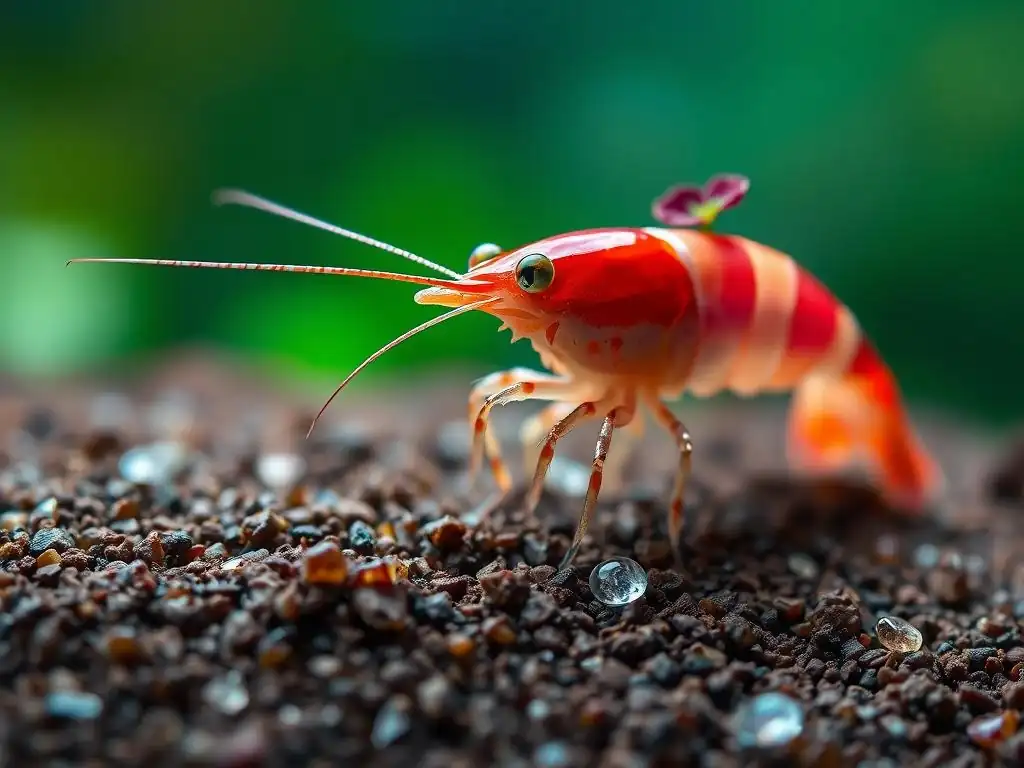
While generally hardy, freshwater shrimp can occasionally fall victim to diseases, often as a result of unstable water parameters, poor water quality, or stress. One common issue is a bacterial infection, which can manifest as a milky white appearance inside the shrimp's body. Fungal infections, though less common, might appear as cottony growths. Molting issues, often termed "white ring of death" where a white band appears around the shrimp's midsection, are frequently caused by improper water hardness or sudden parameter changes, indicating a crucial area in freshwater shrimp care.
Prevention is the best approach to shrimp health: maintain pristine and stable water conditions, provide a balanced diet, and avoid overcrowding. Treating shrimp diseases can be challenging as many medications are toxic to invertebrates. Some external parasites might be addressed with salt dips (use extreme caution), but internal bacterial infections are often difficult to cure without harming the shrimp. Always research any medication thoroughly before use, as copper-based treatments are particularly lethal to shrimp.
Preventing and Treating Algae Issues in Shrimp Tanks
Algae is a natural part of any aquarium ecosystem, and many freshwater shrimp species, particularly Neocaridina, actively graze on it, contributing to tank cleanliness. However, excessive algae growth can be unsightly and indicate an imbalance in the tank's environment, such as too much light or excess nutrients. Common types include green spot algae, hair algae, and brown diatoms.
To prevent excessive algae, maintain a balanced lighting schedule (typically 6-8 hours per day), avoid overfeeding, and perform regular water changes to keep nutrient levels in check. Adequate plant density also helps by outcompeting algae for nutrients. If algae becomes problematic, manual removal (scrubbing glass, trimming affected leaves) is the safest initial step. While shrimp will graze, they are not a complete algae solution, especially for severe outbreaks. Addressing the root cause through proper lighting and nutrient management is key to effective freshwater shrimp care.
Dealing with Predation in the Aquarium
One of the most critical aspects of freshwater shrimp care, especially for smaller species and delicate shrimplets, is managing predation. Many common aquarium fish, even seemingly peaceful ones, view shrimp as a food source. Any fish with a mouth large enough to swallow an adult shrimp, or certainly a shrimplet, poses a significant threat. Examples of incompatible tank mates include Betta fish, most Cichlids, larger Tetras, and aggressive Barbs.
To ensure the safety of your shrimp, it's generally recommended to keep them in a species-only tank or with very small, peaceful, and non-predatory fish like Otocinclus catfish, small Rasboras (e.g., Chili Rasboras), or certain Endler's Livebearers. Providing abundant hiding spots in the form of dense live plants (like Java Moss or Guppy Grass), driftwood, and ceramic caves is also crucial. These refuges allow shrimp, particularly newly molted individuals and shrimplets, to escape potential threats and thrive.
Conclusion: Mastering Freshwater Shrimp Care
Creating a Thriving Shrimp Ecosystem in Your Aquarium
Mastering freshwater shrimp care is a journey that combines scientific understanding with patient observation, culminating in the creation of a thriving, vibrant ecosystem within your aquarium. Whether you choose the resilient and colorful Neocaridina or the delicate and exquisite Caridina, success hinges on a commitment to stable water parameters, a balanced diet, and a carefully designed habitat. This guide has detailed the distinct requirements of each type, from temperature and pH to substrate and breeding challenges, providing the essential knowledge to make an informed decision.
Ultimately, the most rewarding aspect of keeping freshwater shrimp is witnessing their unique behaviors and the intricate beauty they bring to the aquatic world. By understanding their specific needs and diligently applying the principles outlined in this freshwater shrimp care guide, aquarists can cultivate a healthy and prolific shrimp colony. This dedication not only ensures the well-being of these fascinating invertebrates but also enriches the entire aquarium experience, transforming a simple tank into a captivating living display.
Frequently Asked Questions
What are the main differences between Neocaridina and Caridina shrimp in terms of care difficulty?
Neocaridina shrimp are generally considered easier to care for due to their adaptability to a wider range of water parameters. Caridina shrimp, particularly Crystal Red Shrimp, require more stable and specific water conditions, making them more challenging. This means Neocaridina are a good choice for beginners.
Which type of freshwater shrimp is better suited for a community tank with other fish?
Neocaridina shrimp are often more resilient and can tolerate a wider range of tank mates. While Caridina can coexist, they are more sensitive to stress and competition, making them less ideal for busy community setups.
What specific water parameters are crucial for successful Caridina shrimp keeping?
Caridina shrimp typically require soft, acidic water with a lower KH (carbonate hardness) and GH (general hardness). Maintaining stable temperature and pH levels is also essential to avoid stress and health problems.
How important is substrate choice when keeping freshwater shrimp, and does it differ between Neocaridina and Caridina?
Substrate choice is especially important for Caridina as it affects water parameters. Active substrates can help lower pH and KH, creating a suitable environment. Neocaridina are less demanding, but a suitable substrate still provides surface area for beneficial bacteria.
What are some common health issues that can affect freshwater shrimp, and how can they be prevented?
Common issues include bacterial infections, fungal infections, and molting problems. Prevention involves maintaining pristine water quality, providing a balanced diet, and avoiding sudden changes in water parameters. Quarantining new shrimp is also recommended.
The journey through the vibrant world of freshwater shrimp, as explored in this guide, underscores the enduring appeal of creating miniature ecosystems within our homes. From the hardy Neocaridina to the more demanding Caridina, each species offers a unique opportunity to connect with nature and witness the delicate balance of life unfold in a glass box. The rising popularity of aquascaping and the increasing accessibility of information have made shrimp keeping a rewarding hobby for enthusiasts of all levels, highlighting the growing desire to bring a touch of the natural world into our daily lives.
This fascination with freshwater shrimp extends beyond mere aesthetics; it reflects a deeper appreciation for biodiversity and the intricate web of life. The act of providing proper care for these tiny creatures fosters a sense of responsibility and connection to the environment, reminding us that even the smallest beings play a vital role in the larger ecosystem. As the renowned naturalist John Muir eloquently stated, In every walk with nature one receives far more than he seeks.
This sentiment resonates deeply with the shrimp keeping experience, where patience, observation, and a genuine love for nature are rewarded with a thriving and captivating underwater world.
Now, as you embark on your own shrimp keeping adventure, consider the lessons learned and the insights gained from this guide. Let the knowledge you've acquired empower you to create a thriving habitat for these fascinating creatures. Embrace the challenges, celebrate the successes, and remember that the true reward lies not just in the beauty of your shrimp tank, but in the profound connection you forge with the natural world. Let your aquarium be a testament to your dedication and a vibrant reminder of the beauty and fragility of life.
Unleash Your Shrimp-Keeping Adventure!
Thanks for diving into the world of freshwater shrimp! We hope you've gained valuable insights to make an informed decision for your aquarium. Now, it's time to take the next step and bring your shrimp dreams to life.
Here are some actionable steps to get you started:
- Determine your tank parameters: Test your water's pH, GH, and KH to ensure a suitable environment for either Neocaridina or Caridina shrimp. Knowing your water chemistry is the crucial first step!
- Explore the specific needs of your chosen shrimp species. Delve into reputable online forums and aquarium clubs to gather firsthand experiences and tips from fellow shrimp enthusiasts.
- Share your shrimp selection journey! What kind of tank setup and shrimp variety are you most excited to explore, and why?