
Feeding Your Denison Barbs: Ensuring a Balanced Diet for These Active Fish

Welcome to Aquarium Mastery!
Ever wondered how to keep your Denison barbs thriving with vibrant colors and boundless energy? Dive in! This guide unlocks the secrets to providing a perfectly balanced diet for these active fish, ensuring their long-term health and happiness. Ready to learn more and unlock the full potential of your Denison barbs? Let's get started!
- Feeding Denison Barbs: A Guide to a Healthy Diet
- Understanding Denison Barb Nutritional Needs
- Best Food Options for Denison Barbs
- Creating a Feeding Schedule
- Preventing Feeding-Related Problems
- Supplementing the Diet
- Sample Feeding Plan
- Choosing the Right Food Size
- Tips for Feeding Picky Eaters
- Common Mistakes to Avoid
- Long-Term Health Benefits
- Frequently Asked Questions
- Final Reflection: Sustaining the Splendor of Denison Barbs
- Ignite Your Denison Barb's Vitality!
Feeding Denison Barbs: A Guide to a Healthy Diet
Understanding Denison Barb Nutritional Needs
Why a Balanced Diet is Crucial
Denison barbs (Sahyadria denisonii) are renowned for their high activity levels and constant movement within the aquarium. This energetic nature translates directly into a high metabolic rate, requiring a consistent and nutrient-rich energy supply. Without a precisely formulated Denison barbs balanced diet, these fish can quickly become lethargic, exhibit stunted growth, and lose their vibrant coloration, compromising their overall well-being.
Furthermore, a truly balanced diet is fundamental for the long-term health and vitality of Denison barbs. Deficiencies in essential nutrients can weaken their immune system, making them highly susceptible to common freshwater diseases such as Ich (white spot disease) or bacterial infections like fin rot. Providing a comprehensive Denison barbs balanced diet is not just about feeding them, but about actively preventing illness and ensuring they thrive, showcasing their natural beauty and vigor for years.
Key Nutrients: Protein, Carbohydrates, and Vitamins
As omnivores with a significant carnivorous leaning, Denison barbs require a diet rich in high-quality protein for optimal growth and muscle development. Commercial foods designed for active fish often contain protein levels ranging from 40% to 50%, derived from sources like fish meal, krill, spirulina, or insect meals. This robust protein content supports their rapid growth rate, which can see juveniles double in size within a few months under ideal conditions.
Beyond protein, carbohydrates provide the necessary energy for their constant swimming and active behavior, while a full spectrum of vitamins and minerals is crucial for metabolic functions, immune system strength, and proper organ development. For instance, Vitamin C is vital for immune response and preventing issues akin to scurvy in fish, while Vitamin D and calcium are essential for bone health. Ensuring a Denison barbs balanced diet means addressing all these nutritional pillars comprehensively.
The Importance of Dietary Variety
Providing a diverse range of foods is paramount to ensuring that Denison barbs receive all the micronutrients necessary for their intricate biological processes. While a high-quality flake or pellet food forms an excellent base, it cannot always encompass the full spectrum of vitamins, minerals, and trace elements found across various natural food sources. Dietary variety helps prevent subtle nutritional deficiencies that might not be immediately apparent but can impact long-term health.
Moreover, offering a variety of foods stimulates their natural foraging instincts and prevents boredom, which can sometimes lead to finicky eating habits. In their natural habitats, Denison barbs would consume a wide array of insects, small crustaceans, and plant matter. Replicating this diversity through a rotating menu of flakes, pellets, frozen foods, and vegetable matter ensures a more complete and stimulating Denison barbs balanced diet, promoting better digestion and overall health.
Best Food Options for Denison Barbs
High-Quality Flake Food
High-quality flake food should form the cornerstone of any Denison barbs balanced diet. Look for reputable brands that list fish meal, spirulina, or other high-grade proteins as the primary ingredients. A good flake food will typically have a protein content of 40% or higher and include a balanced mix of vitamins and minerals. Avoid brands with excessive fillers like wheat flour or artificial colors, as these offer little nutritional value and can contribute to water quality issues.
When selecting flake food, consider the size of the flakes relative to your Denison barbs' mouths. While they are relatively large fish, smaller flakes are often easier for them to consume quickly, reducing waste. Ensure the flakes are fresh and stored properly to maintain their nutritional integrity. Incorporating a high-quality flake as a daily staple provides consistent nutrition and forms a reliable base for their diverse feeding regimen.
Live and Frozen Foods
Live and frozen foods are excellent supplements to a Denison barbs balanced diet, offering concentrated nutrition and stimulating natural hunting behaviors. These foods are typically rich in protein and fatty acids, which are crucial for energy and vibrant coloration. However, when feeding live foods, ensure they are sourced from reputable suppliers to minimize the risk of introducing parasites or diseases into your aquarium.
Brine Shrimp
Brine shrimp (Artemia salina), whether live or frozen, are a highly palatable and nutritious option for Denison barbs. They are rich in protein and essential fatty acids, making them excellent for promoting growth and enhancing color. Frozen adult brine shrimp are convenient and readily available, while live brine shrimp nauplii (newly hatched) can be a fantastic conditioning food, especially beneficial for younger or breeding Denison barbs.
While brine shrimp are a great supplemental food, they are not a complete diet on their own, as their nutritional profile can vary depending on their gut content. For maximum benefit, consider feeding enriched brine shrimp, which have been fed a nutrient-rich diet themselves. Offering brine shrimp a few times a week can significantly contribute to a comprehensive Denison barbs balanced diet.
Bloodworms
Bloodworms (Chironomidae larvae), usually offered in frozen cube form, are another highly favored and nutritious treat for Denison barbs. They are exceptionally rich in protein and iron, making them an excellent choice for conditioning fish, boosting their immune system, and intensifying their red coloration. Their texture and size are also very appealing to Denison barbs, often eliciting an enthusiastic feeding response.
When feeding frozen bloodworms, it's best to thaw a small portion in a cup of tank water before adding them to the aquarium to prevent temperature shock and ensure even distribution. Due to their high protein and fat content, bloodworms should be offered as a supplementary treat rather than a daily staple, perhaps 2-3 times a week, to prevent overfeeding and maintain a Denison barbs balanced diet.
Daphnia
Daphnia, often referred to as "water fleas," are small crustaceans that serve as a beneficial component of a Denison barb's diet, particularly for their digestive health. While lower in protein compared to bloodworms or brine shrimp, Daphnia are rich in fiber and act as a natural laxative, aiding in digestion and preventing constipation. They are available in live, frozen, and freeze-dried forms.
Live Daphnia can also provide excellent enrichment, as their erratic movements encourage natural hunting behaviors. Incorporating Daphnia into the weekly feeding rotation, perhaps once or twice a week, helps maintain gut regularity and contributes to the overall diversity of a Denison barbs balanced diet, ensuring their digestive system functions optimally.
Vegetable Matter
Although Denison barbs lean towards being carnivorous, their omnivorous nature means that vegetable matter is an indispensable part of their diet. Plant-based foods provide essential fiber, vitamins, and minerals that are not always abundant in animal-based proteins, supporting healthy digestion and overall vitality. Neglecting this aspect can lead to digestive issues and nutrient deficiencies over time.
Spirulina Flakes/Wafers
Spirulina, a blue-green algae, is an excellent plant-based protein source packed with vitamins, minerals, and carotenoids. These carotenoids are particularly beneficial for enhancing the vibrant red and black colors of Denison barbs. Spirulina can be incorporated into their diet through spirulina-enriched flake foods or by offering dedicated spirulina wafers.
Spirulina flakes can be mixed with their regular flake food, or wafers can be offered as a treat that sinks, allowing bottom-dwelling tank mates to also benefit. Including spirulina a few times a week ensures they receive vital plant-based nutrients, which are crucial for a well-rounded Denison barbs balanced diet.
Blanched Vegetables
Fresh, blanched vegetables offer a natural and highly beneficial source of fiber and vitamins for Denison barbs. Suitable options include blanched zucchini slices, shelled peas, and spinach. To prepare, simply blanch a small piece of the vegetable in boiling water for 30-60 seconds until slightly softened, then cool it completely before offering.
Blanched vegetables can be offered by clipping them to the side of the tank or by weighting them down so they sink. Peas, in particular, are excellent for aiding digestion due to their high fiber content. Offering small portions of blanched vegetables once or twice a week adds crucial variety and helps maintain optimal digestive health, forming an important part of a complete Denison barbs balanced diet.
Creating a Feeding Schedule
Feeding Frequency: Avoiding Overfeeding
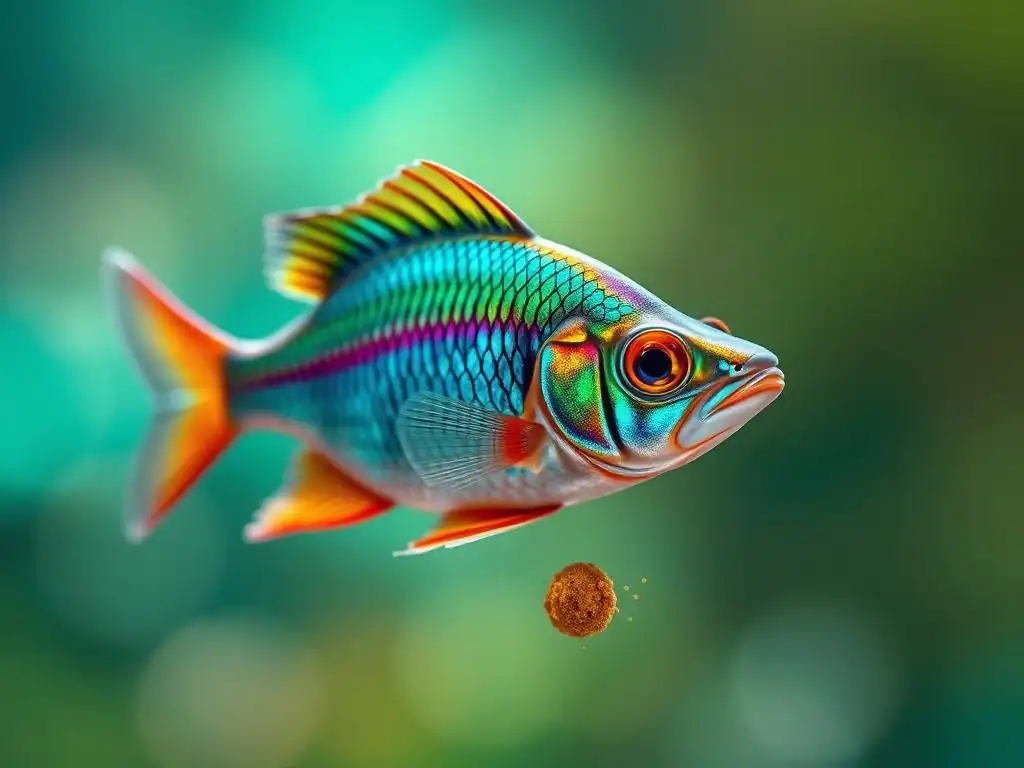
Denison barbs are active eaters and will often appear hungry, but it's crucial to resist the urge to overfeed them. A good feeding frequency for these fish is typically 2-3 small meals per day. This approach mimics their natural foraging behavior and ensures a steady supply of energy without overwhelming their digestive system or polluting the tank water. Overfeeding is one of the most common mistakes in aquarium keeping, leading to numerous health and water quality issues.
The "2-minute rule" is an excellent guideline: provide only the amount of food that your Denison barbs can consume entirely within 2 to 3 minutes. Any uneaten food after this period should be promptly removed from the tank to prevent its decomposition. Consistent adherence to this rule is key to preventing obesity in these active fish and maintaining a clean, healthy environment, supporting a truly Denison barbs balanced diet.
Portion Control: Determining Food Amount
Determining the precise amount of food for your Denison barbs requires careful observation. Start with a small pinch of flake food or a small piece of frozen food and watch how quickly it is consumed. Adjust the amount based on how much is eaten within the 2-3 minute window. It is always better to slightly underfeed than to overfeed, as excess food quickly deteriorates water quality.
Factors such as the number of Denison barbs in the tank, their size, and the presence of other tank mates will influence the ideal portion size. For instance, a school of six adult Denison barbs will naturally require more food than a smaller group of juveniles. Regular observation of their body condition—looking for a gently rounded belly, not distended—will help fine-tune portion control and ensure they receive a perfectly portioned Denison barbs balanced diet.
Observing Eating Habits
Closely observing your Denison barbs during feeding time provides valuable insights into their health and overall well-being. Healthy Denison barbs are typically eager and competitive eaters, rushing to the surface or scavenging vigorously. Note if all fish are actively participating in feeding, or if some are shy, lethargic, or showing no interest in food.
Changes in eating habits can be an early indicator of stress, illness, or poor water quality. For example, a sudden lack of appetite could signal a bacterial infection or high ammonia levels. Consistent observation allows you to quickly identify and address potential issues, ensuring that your Denison barbs remain healthy and continue to benefit from their carefully planned Denison barbs balanced diet.
Overfeeding and Obesity
Overfeeding is a significant concern for Denison barbs, despite their active nature. Consistently providing too much food leads to the accumulation of internal fat, which can severely impact their organs, including the liver and kidneys. This internal obesity can shorten their lifespan and make them more susceptible to various diseases. Symptoms of obesity in fish include a noticeably distended belly that persists even after fasting.
While Denison barbs burn a lot of calories, their metabolism cannot handle a constant surplus of food. Just like in humans, chronic overconsumption leads to unhealthy weight gain and associated health complications. Therefore, strict adherence to portion control and feeding frequency is essential to prevent obesity and ensure your fish maintain a healthy body condition, a cornerstone of a long-term Denison barbs balanced diet.
Water Quality Issues
One of the most immediate and detrimental consequences of overfeeding is the rapid deterioration of water quality. Uneaten food quickly decomposes, releasing ammonia, a highly toxic compound, into the water. This ammonia is then converted into nitrites, which are also toxic, and eventually into nitrates. High levels of ammonia and nitrite are extremely stressful and can be lethal to fish, damaging their gills and internal organs.
Even elevated nitrate levels, while less acutely toxic than ammonia or nitrite, can contribute to chronic stress, weakened immune systems, and increased algae growth. For instance, ammonia levels above 0.25 ppm can cause significant gill damage within hours. Maintaining a strict Denison barbs balanced diet and removing any uneaten food within minutes significantly reduces the organic load on your filtration system, helping to keep parameters like ammonia and nitrite at undetectable levels (0 ppm) and nitrates below 20 ppm.
Competition for Food
Denison barbs are fast and enthusiastic eaters, and in a community tank, they can easily outcompete slower-moving or shyer tank mates for food. This can lead to some fish being underfed and stressed, potentially causing aggression or health issues within the aquarium. It's crucial to ensure that all inhabitants receive adequate nutrition, not just the most dominant or fastest eaters.
To mitigate competition, consider dispersing food across the water surface or in multiple areas of the tank simultaneously. You might also feed a small amount of food designed for bottom-dwellers or slower fish first, then introduce the Denison barb food. Observing feeding dynamics will help you adjust your strategy to ensure every fish receives its share, contributing to a harmonious tank and ensuring all fish benefit from a varied and ample Denison barbs balanced diet.
Supplementing the Diet
Vitamin Supplements
While a high-quality, varied diet should ideally provide all necessary vitamins, there are instances where vitamin supplementation can be beneficial for Denison barbs. During periods of stress, illness, or when conditioning fish for breeding, an extra boost of vitamins can significantly aid their recovery or enhance their reproductive success. Liquid vitamin supplements can be added directly to the food before feeding or, in some cases, directly to the aquarium water.
Specific vitamins, such as B-complex vitamins, play a crucial role in metabolism and energy production, while Vitamin E is important for reproductive health. When using supplements, always follow the manufacturer's instructions to avoid over-supplementation. Strategic use of vitamin supplements ensures that your Denison barbs receive comprehensive nutritional support, especially when their needs are elevated, reinforcing their Denison barbs balanced diet.
Mineral Supplements
Minerals are essential for numerous physiological processes in fish, including osmoregulation (balancing internal salt and water levels), bone development, and enzyme function. While some minerals are naturally present in tap water, their concentration can vary significantly, and some essential trace minerals might be deficient. Maintaining stable water parameters, including appropriate GH (general hardness) and KH (carbonate hardness), also contributes to mineral availability.
Commercial mineral supplements are available that can be added to the aquarium water to ensure a full spectrum of trace elements is present. These are particularly useful if you are using RO/DI water, which is devoid of minerals, or if your tap water is exceptionally soft. Ensuring adequate mineral intake through a combination of a diverse diet and, if necessary, water supplements, is vital for the long-term health and stability of your Denison barbs, complementing their Denison barbs balanced diet.
Sample Feeding Plan
Daily Routine
A consistent daily feeding routine helps establish a predictable environment for your Denison barbs and aids in their digestive regularity. For a typical adult Denison barb, a common daily routine might involve two small feedings:
- Morning (e.g., 8:00 AM): Offer a small pinch of high-quality flake food or a specialized sinking pellet. This provides initial energy for their active day.
- Evening (e.g., 6:00 PM): Provide another small portion of flake food or a small amount of a different type of prepared food, such as a high-quality micro-pellet.
Consistency in timing helps reduce stress and encourages a healthy appetite. Always remember the 2-3 minute rule for each feeding to prevent overfeeding and maintain excellent water quality, ensuring their daily Denison barbs balanced diet is perfectly managed.
Weekly Food Rotation
Implementing a weekly food rotation ensures that your Denison barbs receive a broad spectrum of nutrients from various sources, preventing deficiencies and promoting optimal health and coloration. A sample weekly rotation could look like this:
- Monday, Wednesday, Friday: Base diet of high-quality flake food or small pellets.
- Tuesday, Thursday: Supplement with frozen foods. For example, Tuesday could be frozen bloodworms, and Thursday could be frozen brine shrimp.
- Saturday: Offer vegetable matter, such as blanched zucchini or shelled peas, or spirulina wafers.
- Sunday: A very light feeding or a fasting day. A short fast can aid digestion and prevent overfeeding.
This varied schedule not only provides a comprehensive Denison barbs balanced diet but also keeps feeding interesting for the fish, stimulating their natural instincts and encouraging robust health.
Choosing the Right Food Size
Ensuring Easy Consumption
The size of the food offered to Denison barbs is crucial for both efficient consumption and preventing choking hazards. While these fish can grow quite large (up to 6 inches or about 15 cm in length), their mouths are relatively small. Therefore, food items should be small enough to be easily ingested without struggle. For flake foods, ensure they are finely crushed if necessary, or opt for smaller flake varieties.
Pellets should be no larger than 1-2 mm for adult Denison barbs. Larger pellets might be ignored or partially eaten, leading to unnecessary waste and potential water quality issues. Observing how easily your fish consume the food will guide your selection. Properly sized food ensures that your Denison barbs can efficiently process their meals, maximizing nutrient absorption and contributing effectively to their Denison barbs balanced diet.
Tips for Feeding Picky Eaters
Encouraging Eating
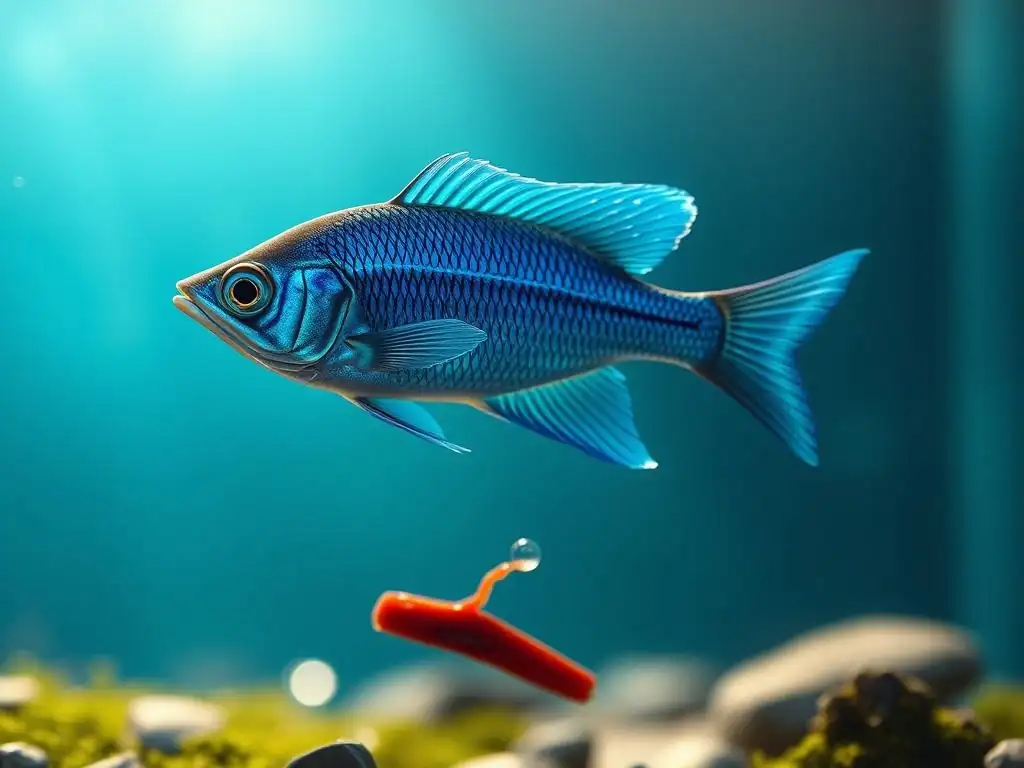
Occasionally, Denison barbs might become picky eaters, especially if they are new to the tank, stressed, or if their environment is not ideal. To encourage eating, first, check water parameters (ammonia, nitrite, nitrate, pH, temperature) to rule out stress from poor water quality. Ensure the tank is appropriately sized (minimum 55 gallons for a school) and that they have suitable tank mates and hiding spots to reduce overall stress.
If environmental factors are good, try offering a variety of highly palatable foods, such as live or frozen bloodworms or brine shrimp, which are often irresistible to most fish. A short fasting period (12-24 hours) can sometimes stimulate appetite. If one food type is consistently ignored, try a different brand or formulation. Persistence and variety are key to encouraging a reluctant Denison barb to accept its Denison barbs balanced diet.
Common Mistakes to Avoid
Neglecting Vegetable Matter
A frequent oversight in feeding Denison barbs is neglecting their need for vegetable matter. Many aquarists focus solely on high-protein animal-based foods, assuming their active nature requires only this. However, as omnivores, Denison barbs require plant-based nutrients for proper digestion and to obtain essential vitamins and fiber that animal proteins may lack. Ignoring vegetable matter can lead to digestive upset, constipation, and long-term nutrient deficiencies.
Ensuring that spirulina flakes, blanched vegetables like zucchini or peas, or even algae wafers are regularly included in their feeding regimen is crucial. This helps mimic the diverse diet they would consume in their natural habitat and is indispensable for a truly comprehensive Denison barbs balanced diet.
Relying Solely on Flake Food
While high-quality flake food can form the foundation of a Denison barb's diet, relying exclusively on it is a common mistake that can lead to a less-than-optimal nutritional profile. Even the best flake foods may not contain the full spectrum of nutrients, nor do they provide the same enrichment and stimulation as varied food types. Over time, a monotonous diet can result in subtle deficiencies, dull coloration, and reduced vitality.
To counteract this, it is imperative to supplement flake food with a variety of live, frozen, and vegetable-based options. This not only ensures a broader nutrient intake but also provides mental stimulation and encourages natural foraging behaviors. A truly effective Denison barbs balanced diet is built on diversity, not just convenience.
Ignoring Expiration Dates
The nutritional value of fish food degrades over time, and ignoring expiration dates is a critical mistake. Old or improperly stored fish food loses essential vitamins, especially heat-sensitive ones like Vitamin C, and can become susceptible to mold or bacterial growth. Feeding expired food offers diminished nutritional benefits and can potentially introduce harmful contaminants into the aquarium, leading to health issues for your fish.
Always check the expiration date on fish food containers and store them in a cool, dark, and dry place, preferably in an airtight container to prevent moisture absorption and spoilage. For larger quantities, consider freezing portions to extend freshness. Ensuring that only fresh, high-quality food is offered is fundamental to maintaining a healthy and effective Denison barbs balanced diet.
Long-Term Health Benefits
Vibrant Colors and Active Behavior
One of the most noticeable long-term benefits of providing a consistent and Denison barbs balanced diet is the maintenance of their stunning vibrant colors and characteristic active behavior. Well-nourished Denison barbs display intensely bright red and black stripes, with a shimmering silver body that truly stands out in the aquarium. Their energetic schooling and constant movement are clear indicators of good health and vitality.
Conversely, a poor or insufficient diet often leads to dull, faded coloration, a lack of energy, and reduced activity levels. These signs are often the first visual cues that a fish is stressed or suffering from nutritional deficiencies. A balanced diet fuels their metabolism, supports pigment production, and ensures they have the energy to exhibit their natural, dynamic behaviors, making them a true centerpiece in any tank.
Enhanced Immunity and Disease Resistance
A strong immune system is the first line of defense against disease, and it is directly supported by optimal nutrition. A Denison barbs balanced diet provides all the essential vitamins, minerals, and proteins needed to build and maintain robust immune responses. Fish that are well-fed are significantly more resilient to common aquarium pathogens like Ich, fungal infections, and bacterial diseases.
In contrast, fish suffering from nutritional deficiencies are often immune-compromised, making them highly susceptible to illnesses even under minor stress conditions. They may be the first to show symptoms during an outbreak, or struggle to recover from minor injuries. Investing in a quality diet is a proactive measure that reduces the frequency and severity of health problems, leading to a healthier and more stable aquarium environment.
Promoting Longevity
Denison barbs are known for their relatively long lifespan, often living 5 to 8 years, and sometimes even longer, in well-maintained aquariums. A consistent, Denison barbs balanced diet is arguably the most critical factor in achieving this longevity. Proper nutrition supports healthy growth, organ function, and overall metabolic balance, delaying the onset of age-related health issues.
By providing a diverse, high-quality diet from juvenile to adult stages, aquarists can ensure their Denison barbs reach their full genetic potential for lifespan. This commitment to their dietary needs translates into years of enjoying these magnificent, active fish, making the effort of providing a meticulously planned Denison barbs balanced diet truly worthwhile.
Frequently Asked Questions
How often should I feed my Denison barbs?
Denison barbs are active fish and require frequent feeding. Aim to feed them two to three times a day with small portions they can consume within a few minutes. This prevents overfeeding and helps maintain water quality.
What constitutes a balanced diet for Denison barbs?
A balanced diet for Denison barbs consists of a variety of foods. Include high-quality flake food as a base, supplemented with live or frozen foods like bloodworms, daphnia, and brine shrimp for protein.
Are there any specific foods I should avoid feeding my Denison barbs?
Avoid feeding your Denison barbs foods that are primarily fillers or lack nutritional value. Steer clear of low-quality flake food that can lead to health problems. Also, avoid overfeeding them high-fat foods which can cause digestive issues.
Can I feed my Denison barbs vegetable matter?
Yes, Denison barbs benefit from some vegetable matter in their diet. You can offer them blanched vegetables like spinach or zucchini or include algae wafers in their feeding schedule to supplement their diet.
How can I tell if I am overfeeding my Denison barbs?
Signs of overfeeding include uneaten food accumulating at the bottom of the tank, cloudy water, and increased algae growth. Also, observe your fish for signs of bloating or lethargy.
Okay, here's a final reflection designed to close your article "Feeding Your Denison Barbs: Ensuring a Balanced Diet for These Active Fish," optimized for the keyword "Denison barbs balanced diet" and following your requested structure:
Final Reflection: Sustaining the Splendor of Denison Barbs
The information presented throughout this article underscores the critical importance of providing a Denison barbs balanced diet. As we've seen, ensuring these active fish receive the correct nutrients is not merely about survival, but about enabling them to thrive, display their vibrant colors, and contribute to a healthy and captivating aquarium ecosystem. Neglecting their dietary needs can lead to diminished health, increased susceptibility to disease, and a significant reduction in their lifespan.
The ongoing influence of responsible fishkeeping, particularly concerning the dietary needs of species like Denison barbs, is undeniable. My own experience has shown me that the extra effort invested in researching and providing a varied and nutritious diet directly translates into healthier, more active, and visually stunning fish. The health of your fish is a direct reflection of the care you provide.
This quote serves as a constant reminder that our actions as aquarists have a profound impact on the well-being of the creatures in our care.
Now, I invite you to reflect on your own approach to feeding your Denison barbs. Are you truly providing them with a balanced diet that meets their specific needs? Take the knowledge you've gained from this article and use it to refine your feeding practices. By prioritizing a Denison barbs balanced diet, you're not just feeding fish; you're cultivating a thriving aquatic environment and ensuring the longevity and beauty of these remarkable creatures for years to come.
Ignite Your Denison Barb's Vitality!
Thank you for diving into the world of Denison Barbs and their dietary needs. We hope you've gained valuable insights to ensure these stunning fish thrive in your aquarium. Now, let's put that knowledge into action!
- Craft the Ultimate Denison Barb Menu: Commit to a balanced diet plan that includes high-quality flake food, nutritious live or frozen treats (like bloodworms or daphnia), and a sprinkle of spirulina for optimal health and vibrant colors.
- Share your Denison Barb feeding successes (and funny moments!) in the Aquarium Mastery community forums.
- Explore alternative food sources – have you considered offering your barbs blanched vegetables like zucchini or peas as a supplemental treat?
What's one new food you're excited to introduce to your Denison Barbs' diet this week?