
Southeast Asian Blackwater Biotopes: Exploring Dark Waters & Dazzling Fish

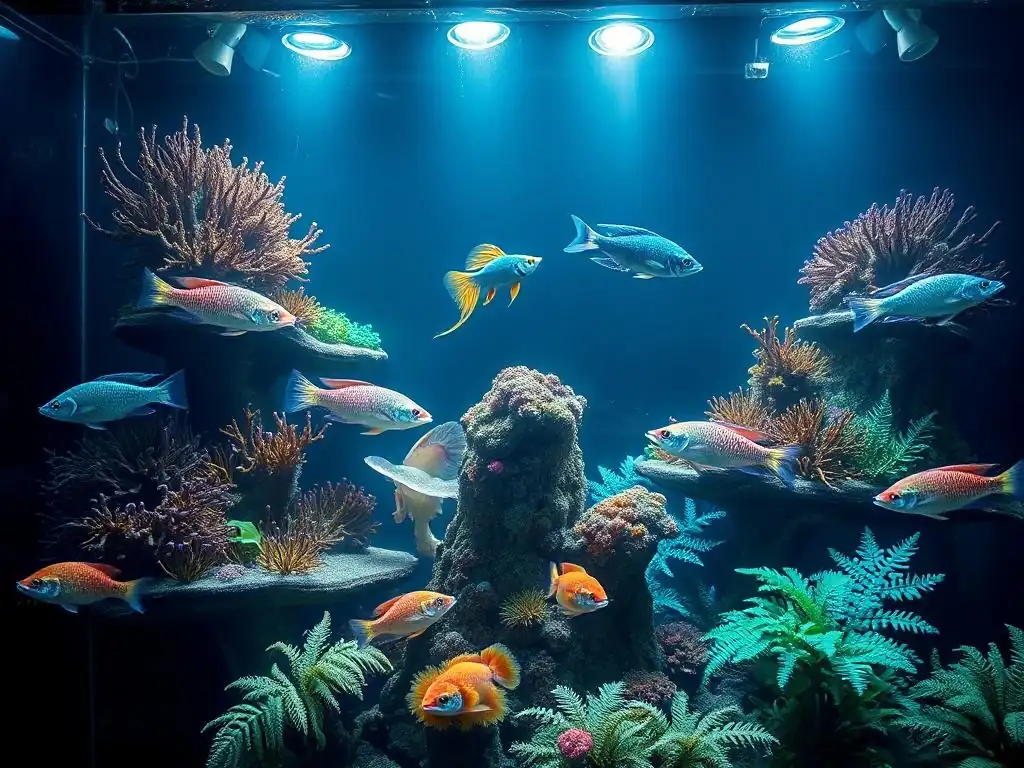
Welcome to Aquarium Mastery!
Ever wondered about the mysterious allure of dark, tannin-stained waters teeming with vibrant life? Dive in with us as we unravel the secrets of the Blackwater biotope aquarium setup. Discover how to recreate the unique beauty of Southeast Asian streams in your own home and unlock the key to keeping its dazzling inhabitants thriving. Intrigued? Let's explore the fascinating world of blackwater aquariums!
- Understanding Southeast Asian Blackwater Biotopes for Aquarium Keeping
- Planning Your Blackwater Biotope Aquarium Setup
- Recreating the Blackwater Environment: Substrate, Wood, and Leaf Litter
-
Frequently Asked Questions
- How is a Blackwater biotope aquarium different from a typical freshwater aquarium?
- What are the key elements needed for a successful Blackwater biotope aquarium setup?
- What types of fish are best suited for a Blackwater biotope aquarium?
- How do I maintain the proper water chemistry in a Blackwater biotope aquarium?
- What are some common challenges when setting up and maintaining a Blackwater biotope aquarium?
- Final Reflection: Embracing the Shadows, Illuminating Life
- Dive Deeper: Transform Your Tank into a Blackwater Paradise!
Understanding Southeast Asian Blackwater Biotopes for Aquarium Keeping
What Defines a Blackwater Biotope? The Science Behind the Dark Waters
A blackwater biotope is characterized by its distinct tea- or coffee-colored water, a result of dissolved organic compounds, primarily humic substances like tannins, humic acids, and fulvic acids. These compounds are leached from decaying plant matter, such as leaves, wood, and peat, in the surrounding environment. The water in these biotopes typically exhibits a very low pH, often ranging from 3.0 to 6.0, coupled with extremely low mineral content, meaning very low general hardness (GH) and carbonate hardness (KH), often less than 1 dGH. This unique chemical profile creates a soft, acidic, and nutrient-poor environment.
Beyond the color and chemistry, these humic substances play a crucial ecological role. They act as natural chelators, binding to heavy metals and making them less toxic, and possess mild antiseptic properties, which can inhibit the growth of certain pathogens. The dark coloration also significantly reduces light penetration, favoring the growth of specific aquatic plants adapted to low light and influencing the behavior and coloration of fish species that have evolved in these conditions. Recreating this environment for a blackwater biotope aquarium setup requires a deep understanding of these scientific principles.
Geographical Origins: Where to Find Blackwater Habitats in Southeast Asia
While the Amazon Basin is perhaps the most famous for its vast blackwater rivers, Southeast Asia also boasts significant and ecologically rich blackwater habitats. These are primarily found in regions like Borneo (especially Kalimantan, the Indonesian part), Sumatra, the Malay Peninsula, and parts of Thailand and Vietnam. Specific examples include the peat swamp forests of Kalimantan and Sumatra, where the slow-moving rivers and flooded forests are stained dark by the decomposition of vast quantities of organic matter, often from trees like Shorea and Melaleuca.
These environments are typically characterized by dense vegetation, heavy rainfall, and poor drainage, leading to the accumulation of organic debris. The soil in these areas is often peat, which is highly acidic and contributes significantly to the water's low pH and high tannin concentration. The unique conditions in these Southeast Asian blackwater systems have led to the evolution of many endemic and specialized fish species, making them fascinating subjects for a naturalistic blackwater biotope aquarium setup.
Why Recreate a Southeast Asian Blackwater Biotope in Your Aquarium?
Recreating a Southeast Asian blackwater biotope offers a unique aesthetic and a profound educational experience for aquarists. The dark, reflective water provides a stunning backdrop that makes the vibrant colors of many fish species pop, creating a serene and naturalistic display unlike typical clear-water aquariums. It challenges the aquarist to understand and maintain a specific, delicate ecosystem, fostering a deeper appreciation for aquatic environments.
Furthermore, many popular aquarium fish species, such as various Rasboras (e.g., Chili Rasboras, Harlequin Rasboras), Gouramis (e.g., Licorice Gouramis, Sparkling Gouramis), and some Betta species, originate from these very blackwater habitats. Providing them with a blackwater biotope aquarium setup that mimics their natural environment can significantly improve their health, reduce stress, enhance their natural coloration, and even encourage breeding behaviors. This specialized setup offers optimal conditions for these species to thrive, showcasing their natural behaviors and beauty.
Planning Your Blackwater Biotope Aquarium Setup
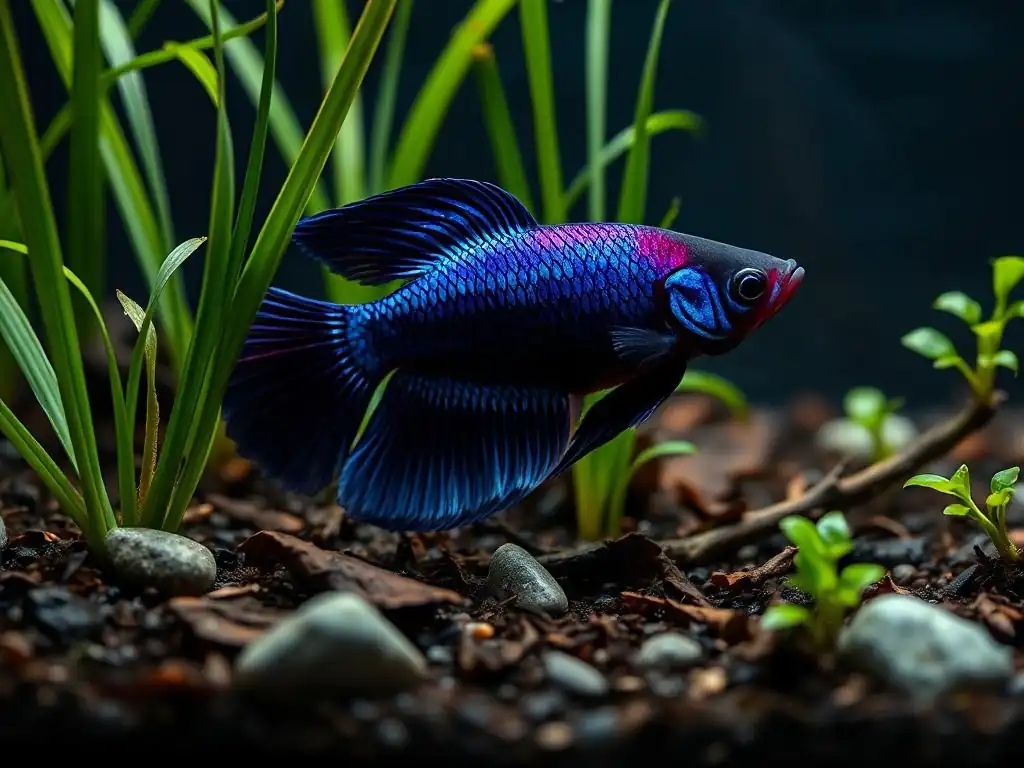
Choosing the Right Aquarium Tank Size for a Blackwater Biotope
The choice of aquarium tank size for a blackwater biotope is crucial, influencing both stability and the range of species you can keep. While nano tanks (e.g., 5-10 gallons) can house a small school of Chili Rasboras or a single Betta, larger tanks, such as a 20-gallon long (approximately 30x12x12 inches) or a 30-gallon breeder (approximately 36x18x12 inches), offer significantly more stability for water parameters and greater aquascaping possibilities. A larger footprint is often preferred over height for many blackwater species that inhabit the shallow, slow-moving areas of their natural habitat.
Larger water volumes inherently provide greater buffering capacity against rapid fluctuations in pH and temperature, which is especially important in the delicate blackwater environment. For instance, a 30-gallon tank will typically experience slower and less drastic changes in pH compared to a 10-gallon tank if, for example, a new piece of driftwood is introduced or a water change is performed. This stability is paramount for the health of sensitive blackwater inhabitants and simplifies the ongoing maintenance of your blackwater biotope aquarium setup.
Essential Equipment for a Southeast Asian Blackwater Aquarium
Setting up a successful Southeast Asian blackwater aquarium requires careful selection of equipment tailored to maintain its unique water chemistry and environmental conditions. Beyond the tank itself, key components include a reliable filtration system, appropriate lighting, and precise heating and temperature control. Each piece of equipment plays a vital role in replicating the natural blackwater habitat.
The goal is to create a stable, low-stress environment that mimics the soft, acidic, and dimly lit conditions of natural blackwater rivers and swamps. Investing in quality equipment from the outset will minimize future issues and contribute significantly to the long-term success and enjoyment of your blackwater biotope aquarium setup, ensuring the well-being of its inhabitants.
Filtration Systems for Blackwater Tanks: Maintaining Water Quality
For blackwater tanks, the filtration system should prioritize gentle water movement and effective biological filtration, while avoiding excessive chemical filtration that might remove beneficial tannins. Sponge filters are excellent choices for smaller tanks or as supplemental filtration, providing mechanical and biological filtration with minimal current. For larger tanks, low-flow internal filters or canister filters are suitable. When using canister filters, it's advisable to utilize filter media that supports biological filtration (e.g., ceramic rings, bio-balls) and mechanical filtration (e.g., sponges, filter floss), while largely avoiding activated carbon unless specific contaminants need to be removed, as carbon will absorb tannins.
Some aquarists incorporate peat or specialized blackwater filter media into their filtration systems to help maintain the low pH and continuously release humic substances. Regular maintenance of mechanical filter media is important to prevent the buildup of detritus, which can lead to unwanted nitrates, but care should be taken not to over-clean biological media, as this can disrupt the beneficial bacterial colonies crucial for nitrogen cycle management. The right filtration is key to a stable blackwater biotope aquarium setup.
Lighting Considerations for Blackwater Biotopes: Simulating Natural Conditions
Natural blackwater environments are often dimly lit due to the dense canopy cover and the dark, tannin-stained water itself, which significantly limits light penetration. Therefore, lighting for a blackwater biotope aquarium setup should be dim to moderate. Overly bright lighting can stress light-sensitive fish, encourage unwanted algae growth (though less common in acidic blackwater), and detract from the natural aesthetic.
Modern LED lights with adjustable intensity and spectrum are ideal, allowing aquarists to fine-tune the light output. A typical photoperiod of 6 to 8 hours per day is generally sufficient. The subdued lighting not only enhances the visual depth and mystery of the blackwater but also replicates the low-light conditions to which many blackwater fish and plants are adapted, promoting their natural behavior and reducing stress.
Heating and Temperature Control in Blackwater Aquariums
Most Southeast Asian blackwater fish species originate from tropical regions with consistently warm water temperatures. Therefore, maintaining a stable temperature range, typically between 75°F and 82°F (24°C to 28°C), is crucial for their health and well-being in a blackwater biotope aquarium setup. A reliable submersible heater, appropriately sized for the tank volume, is essential.
For larger tanks (e.g., 50 gallons or more), using two smaller heaters positioned at opposite ends can provide more even heat distribution and a degree of redundancy in case one unit fails. A high-quality thermometer is also indispensable for daily monitoring to ensure the temperature remains within the ideal range. Fluctuations in temperature can cause significant stress to fish, weakening their immune systems and making them more susceptible to disease.
Recreating the Blackwater Environment: Substrate, Wood, and Leaf Litter
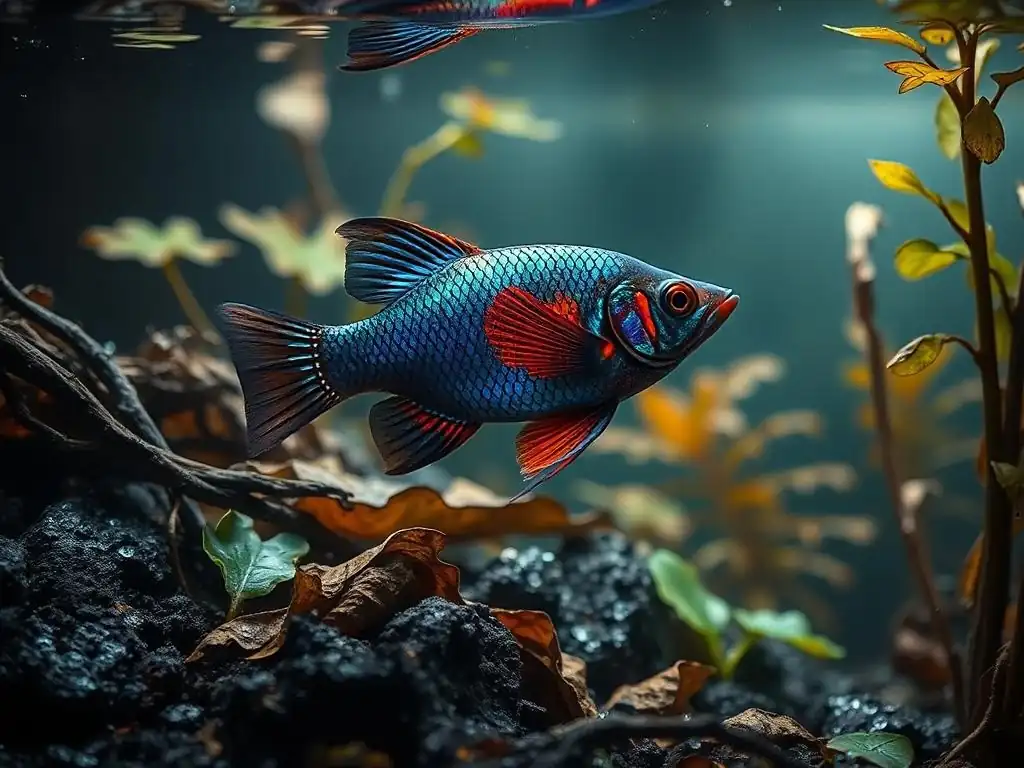
Selecting the Ideal Substrate for a Blackwater Biotope
The substrate is a fundamental component of any blackwater biotope aquarium setup, and its selection directly impacts water chemistry and the overall aesthetic. The ideal substrate for a blackwater tank should be inert, meaning it will not alter the water parameters by releasing minerals that increase pH or hardness. Fine, dark-colored sand, such as silica sand, pool filter sand, or specialized aquarium sand, is often preferred. This choice mimics the fine sediment found in natural blackwater riverbeds and allows bottom-dwelling fish, like Corydoras species, to sift through it naturally without damaging their barbels.
Avoid substrates that contain calcium carbonate, such as crushed coral, aragonite, or certain gravels, as these will buffer the water, increasing pH and hardness, which is contrary to the soft, acidic conditions required for a blackwater biotope. A shallow substrate layer, typically 1 to 2 inches deep, is generally sufficient for most blackwater setups, preventing the formation of anaerobic pockets and making maintenance easier.
The Role of Driftwood in a Blackwater Aquarium: Aesthetics and Functionality
Driftwood is arguably the most iconic and functional element in a blackwater biotope aquarium setup. Aesthetically, it provides the primary hardscape, creating intricate structures, hiding places, and visual interest that mimic fallen branches and roots found in natural blackwater habitats. Functionally, driftwood is crucial for establishing and maintaining the desired water chemistry. As it slowly decomposes, driftwood releases tannins and humic acids into the water, staining it the characteristic tea color and contributing to the low pH and soft water conditions.
Popular types of driftwood for blackwater tanks include Malaysian driftwood, Mopani wood, and Cholla wood. Before adding driftwood to your tank, it's essential to prepare it by thoroughly rinsing and soaking or boiling it. This process helps to waterlog the wood so it sinks, and also releases a significant portion of the initial tannins, preventing an overly drastic change in water parameters. Over time, the wood will continue to leach tannins gradually, maintaining the blackwater effect and providing beneficial humic substances.
Utilizing Leaf Litter to Mimic a Natural Blackwater Habitat
Leaf litter is an indispensable component for authentically replicating a natural blackwater habitat within an aquarium. It serves multiple vital functions: it continuously releases tannins and humic acids, contributing to the water's characteristic coloration and soft, acidic chemistry; it provides a natural substrate for microorganisms and detritivores, forming part of the food web; and it offers essential hiding places and foraging grounds for small fish and invertebrates, reducing stress and encouraging natural behaviors. The presence of decomposing leaves creates a truly immersive and biologically active environment.
As the leaves slowly break down, they release a steady supply of beneficial compounds, mimicking the ongoing organic decomposition in natural blackwater systems. This process not only contributes to the unique water chemistry but also fosters a microhabitat rich in biofilm and infusoria, which serve as a natural food source for fry and small invertebrates. Regularly replenishing the leaf litter as it decomposes ensures the continuous benefits for your blackwater biotope aquarium setup.
Types of Leaves Suitable for Blackwater Biotope Aquariums
Several types of dried leaves are commonly used and highly recommended for blackwater biotope aquariums due to their tannin-releasing properties and safety for aquatic life. Indian Almond leaves ( Terminalia catappa), often referred to as Catappa leaves, are perhaps the most popular choice. They release a significant amount of tannins, contributing to the dark water, and are also believed to possess mild antifungal and antibacterial properties, which can benefit fish health. Guava leaves are another excellent option, known for their strong medicinal properties and slower decomposition rate.
Other suitable choices include dried Oak leaves, Maple leaves, and Beech leaves, provided they are collected from areas free of pesticides and pollutants. These leaves generally decompose more slowly than Catappa leaves, offering a longer-lasting source of tannins. When selecting leaves, prioritize those that are fully dried, free from mold, and sourced ethically or purchased from reputable aquarium suppliers to ensure they are safe for your blackwater biotope aquarium setup.
Preparing Leaf Litter for Your Blackwater Tank
Proper preparation of leaf litter is crucial before introducing it into your blackwater biotope aquarium setup. The primary step involves thoroughly rinsing the leaves under clean, running water to remove any dust, debris, or surface contaminants. This initial rinse is important for cleanliness and safety.
While not strictly necessary for all leaves, many aquarists choose to briefly boil the leaves for 5 to 10 minutes. Boiling serves two main purposes: it sterilizes the leaves, killing any potential pathogens or unwanted organisms, and it helps them sink more quickly, as well as releasing a significant portion of the initial surge of tannins. After boiling, allow the leaves to cool completely before adding them to the aquarium.
It is generally recommended to add leaves gradually, perhaps a few at a time, to allow the tank to adjust to the incremental release of tannins and to maintain a consistent aesthetic. As leaves decompose, they can be replaced with fresh, prepared ones.
Frequently Asked Questions
How is a Blackwater biotope aquarium different from a typical freshwater aquarium?
A Blackwater biotope aquarium aims to replicate the natural environment of certain river systems. This means it emphasizes low pH, tannin-rich water achieved through the use of leaf litter and driftwood, resulting in a darker, tea-colored appearance.
What are the key elements needed for a successful Blackwater biotope aquarium setup?
Essential elements include suitable substrate, such as sand or fine gravel; botanicals like Indian almond leaves or driftwood to release tannins; and proper filtration to maintain water quality and low pH levels.
What types of fish are best suited for a Blackwater biotope aquarium?
Fish native to Blackwater environments are ideal, such as tetras, rasboras, and certain types of dwarf cichlids. These species are adapted to the unique water parameters and will thrive in a well-maintained biotope.
How do I maintain the proper water chemistry in a Blackwater biotope aquarium?
Regular water testing is crucial to monitor pH, KH (carbonate hardness), and GH (general hardness). Use RO/DI water for water changes and replenish botanicals as they decompose to maintain tannin levels and lowering the pH.
What are some common challenges when setting up and maintaining a Blackwater biotope aquarium?
Maintaining stable water parameters, particularly pH, can be challenging. Preventing algae growth in the low-light environment and sourcing authentic botanicals are also common hurdles.
Final Reflection: Embracing the Shadows, Illuminating Life
The exploration of Southeast Asian blackwater biotopes, as we've seen, is not merely about recreating a specific environment in an aquarium; it's about understanding and appreciating the delicate balance of a unique ecosystem. The current surge in interest surrounding blackwater biotope aquarium setups highlights a growing desire to connect with nature on a deeper level, to move beyond simple aesthetics and embrace the complexities of the natural world within our own homes. This trend speaks volumes about our evolving relationship with the environment and our yearning for authenticity in a world increasingly dominated by the artificial.
The allure of these dark, tannin-rich waters extends beyond the visual appeal of the dazzling fish that inhabit them. It's about recognizing the vital role these often-overlooked ecosystems play in biodiversity and the interconnectedness of life. My own fascination with blackwater biotopes stems from a profound respect for the resilience of nature and the unexpected beauty found in seemingly inhospitable environments. In the end, we will conserve only what we love; we will love only what we understand; and we will understand only what we are taught.
- Baba Dioum. This quote perfectly encapsulates the importance of understanding and appreciating these unique habitats to ensure their preservation.
Now, as you consider the possibilities of creating your own blackwater biotope aquarium setup, I urge you to go beyond the technical aspects and embrace the spirit of discovery. Let your aquarium be more than just a display; let it be a window into a world of wonder, a testament to the power of nature, and a reminder of our responsibility to protect these precious ecosystems. Reflect on the lessons learned, the beauty uncovered, and the potential for positive impact, and allow your passion for blackwater biotopes to inspire conservation and appreciation for the natural world around us.
Dive Deeper: Transform Your Tank into a Blackwater Paradise!
Thank you for exploring the captivating world of Southeast Asian blackwater biotopes with us. Now that you're armed with the knowledge to recreate these stunning ecosystems, it's time to put that inspiration into action.
- Start planning your own blackwater setup: Research suitable plants, leaf litter, and botanicals for your aquarium to authentically replicate the environment.
- Share your favourite blackwater fish species on social media and tag us @AquariumMastery – let's build a community of blackwater enthusiasts!
- Rediscover local aquarium clubs or online forums to learn from experienced blackwater aquarists and exchange valuable tips.
What's the first step you'll take to bring the magic of blackwater into your aquarium?