
StepbyStep Fishless Cycling: A Foolproof Guide for Guaranteed Aquarium Success

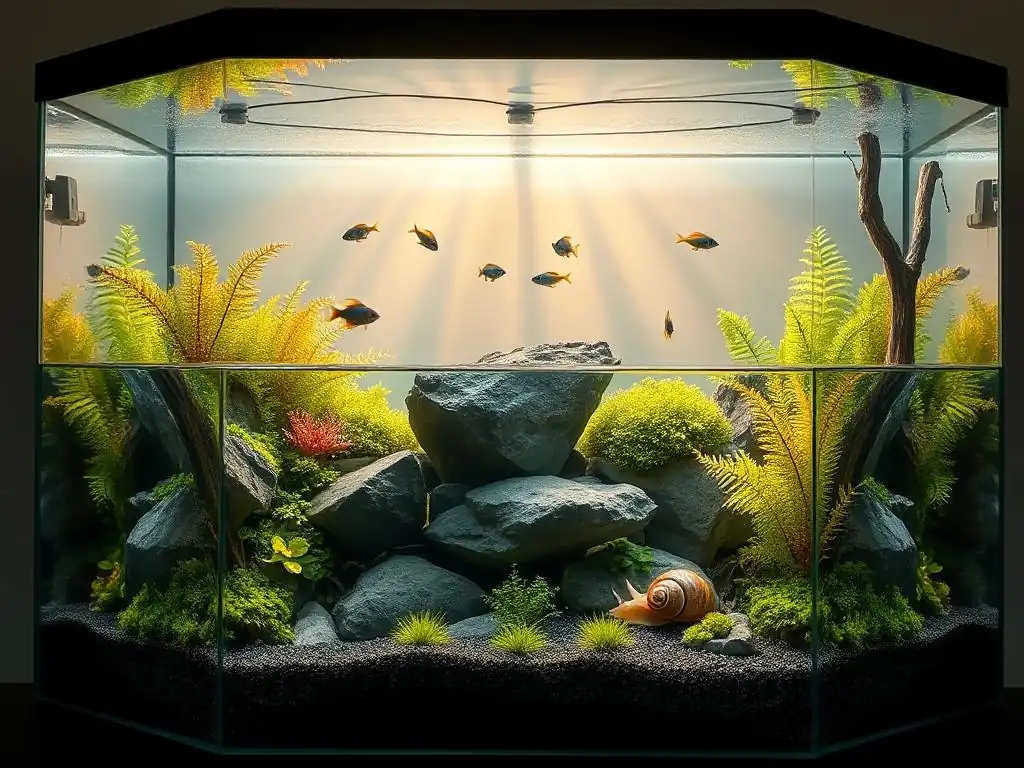
Welcome to Aquarium Mastery!
Ready to dive into the fascinating world of aquariums? Ever wondered how to establish a thriving ecosystem before even adding your first fish? Our comprehensive guide to fishless cycling is your key to a sparkling clean and healthy aquarium. Discover the secrets to a foolproof start and unlock the foundation for guaranteed aquarium success. Intrigued? Let's get started!
- Fishless Cycling: A Comprehensive Guide for Aquarium Success
- Introduction to Fishless Cycling
- Preparing for Fishless Cycling: Essential Supplies and Equipment
-
Step-by-Step Guide to Fishless Cycling
- Step 1: Setting Up Your Aquarium: Substrate, Decor, and Equipment
- Step 2: Filling the Tank and Establishing Baseline Water Parameters
- Step 3: Introducing Ammonia to Initiate the Cycling Process
- Step 4: Daily Water Parameter Monitoring: Ammonia, Nitrite, and Nitrate
- Step 5: Maintaining Consistent Ammonia Levels Throughout Cycling
- Step 6: Determining When Your Aquarium is Fully Cycled
- Step 7: Performing a Large Water Change Before Introducing Livestock
- Troubleshooting Common Fishless Cycling Issues
- Optimizing the Fishless Cycling Process
- Post-Cycling: Preparing for Livestock Introduction
- Conclusion: Achieving a Thriving Aquarium Ecosystem
-
Frequently Asked Questions
- What is fishless cycling and why is it important for aquarium beginners?
- How long does fishless cycling typically take?
- What is the best source of ammonia to use during fishless cycling?
- How do I know when my aquarium is fully cycled?
- What are some common mistakes aquarium beginners make during fishless cycling?
- Final Reflection: Nurturing Life Before It Begins
- Transform Your Tank: Start Your Fishless Cycle Today!
Fishless Cycling: A Comprehensive Guide for Aquarium Success
Introduction to Fishless Cycling
Why Fishless Cycling is Crucial for a Healthy Aquarium Ecosystem
Fishless cycling is a foundational step for any fishless cycling aquarium beginners looking to establish a thriving aquatic environment. This process is paramount because it allows beneficial bacteria, essential for processing toxic fish waste, to colonize the aquarium filter and surfaces before any fish are introduced.
Without a properly cycled tank, new fish are exposed to lethal levels of ammonia and nitrite, leading to a condition commonly known as "new tank syndrome." Studies indicate that uncycled tanks can experience fish mortality rates upwards of 70-80% within the first few weeks, a stark contrast to the significantly lower rates in properly cycled setups.
This proactive approach not only prevents unnecessary suffering and loss of aquatic life but also creates a stable and resilient ecosystem from day one. For fishless cycling aquarium beginners, it means a less stressful entry into the hobby, as they avoid the constant battle against fluctuating water parameters and sick fish. By investing the time upfront to establish a robust biological filter, aquarists ensure the long-term health and vitality of their aquatic inhabitants, promoting a sustainable and enjoyable hobby experience.
Understanding the Nitrogen Cycle: The Foundation of Fishless Cycling
At the heart of fishless cycling lies the intricate nitrogen cycle, a biological process that converts harmful nitrogenous compounds into less toxic forms. This cycle begins with ammonia (NH3/NH4+), which is highly toxic to fish and originates from fish waste, uneaten food, and decaying organic matter. Specialized nitrifying bacteria, primarily Nitrosomonas species, convert ammonia into nitrite (NO2-), which is also highly toxic, albeit slightly less so than ammonia.
The second crucial step involves another group of bacteria, mainly Nitrobacter and Nitrospira species, which convert nitrite into nitrate (NO3-). Nitrate is significantly less toxic to most aquatic life and can be safely managed through regular partial water changes and by aquatic plants that absorb it as a nutrient. Understanding and intentionally cultivating these bacterial colonies through fishless cycling aquarium beginners methods is essential for creating a self-sustaining and safe environment for all aquarium inhabitants.
Fishless Cycling vs. Cycling with Fish: Ethical and Practical Considerations
Historically, aquarists often "cycled" their tanks by adding a few hardy fish, allowing their waste to initiate the nitrogen cycle. However, this method is now widely considered unethical and impractical. Cycling with fish subjects the inhabitants to prolonged exposure to toxic ammonia and nitrite, leading to severe stress, organ damage, weakened immune systems, and often, death. The fish essentially act as living ammonia sources and test subjects, enduring harsh conditions that can leave them permanently scarred or shorten their lifespans, even if they survive the initial cycling period.
In contrast, fishless cycling aquarium beginners methods offer a more humane and efficient alternative. By artificially introducing an ammonia source, aquarists can precisely control the cycling process without endangering any living creatures.
This method typically results in a faster and more stable cycle, often completing in 2-6 weeks compared to the 4-8 weeks or longer often required for fish-in cycling, which is prone to unpredictable ammonia and nitrite spikes. The controlled environment of fishless cycling allows for optimal bacterial growth, leading to a more robust biological filter ready to handle the bioload of fish from the moment they are introduced.
Preparing for Fishless Cycling: Essential Supplies and Equipment
Aquarium Tank Selection: Size and Material Considerations
Choosing the right aquarium tank is a critical first step for fishless cycling aquarium beginners. Tank size directly impacts stability and ease of maintenance. While smaller tanks (e.g., 5-10 gallons) might seem appealing for beginners due to lower cost, they are inherently less stable in terms of water parameters like temperature and pH.
A 20-gallon long or 29-gallon tank is often recommended as an excellent starting point, offering sufficient water volume to dilute waste and maintain consistent parameters, which aids in a smoother cycling process. Larger volumes also provide more space for fish and aquascaping, contributing to a more natural and visually appealing environment.
Material-wise, aquariums are primarily made from glass or acrylic. Glass tanks are generally more scratch-resistant and cost-effective, maintaining their clarity over time. Acrylic tanks, while lighter and more shatter-resistant, are prone to scratching and can yellow over very long periods. For fishless cycling aquarium beginners, either material is suitable, but careful consideration of durability, weight, and aesthetic preferences will contribute to a successful and enjoyable setup process.
Choosing the Right Filter: Flow Rate, Media, and Tank Size
The filter is the powerhouse of your aquarium, crucial for mechanical, chemical, and most importantly, biological filtration during the fishless cycling aquarium beginners process. For optimal biological filtration, which is where the beneficial bacteria reside, selecting a filter with adequate space for biological media is paramount. Hang-on-back (HOB) filters are popular for their ease of use and often include compartments for bio-media, while canister filters offer superior capacity for larger tanks and more comprehensive media options. Sponge filters, driven by an air pump, are excellent for smaller tanks or as supplementary biological filtration due to their large surface area.
When selecting a filter, consider its flow rate, typically measured in gallons per hour (GPH). A general guideline is to choose a filter that can process the tank's entire volume at least 4-6 times per hour. For example, a 20-gallon tank would ideally require a filter with a flow rate of 80-120 GPH. Ensure the filter media includes porous materials like ceramic rings, bio-balls, or specialized bio-sponges, as these provide the vast surface area necessary for nitrifying bacteria to colonize and flourish during the cycling phase.
Essential Supplies: Ammonia Source, Testing Kit, and Water Conditioner
To successfully undertake fishless cycling aquarium beginners style, several key supplies are non-negotiable. First and foremost, an ammonia source is required to feed the developing bacterial colonies. The most reliable and recommended source is pure ammonium chloride solution, often sold specifically for aquarium cycling (e.g., Dr. Tim's Aquatics Ammonium Chloride). Alternatively, a pure household ammonia solution, verified to contain no surfactants, perfumes, or dyes, can be used. A common concentration is 10% ammonia, requiring careful dilution.
Secondly, a comprehensive liquid-based water testing kit is absolutely essential. The API Freshwater Master Test Kit is a popular choice among fishless cycling aquarium beginners and seasoned aquarists alike, as it accurately measures ammonia, nitrite, nitrate, and pH. Unlike test strips, liquid kits provide precise readings crucial for tracking the progress of the nitrogen cycle.
Lastly, a quality water conditioner (e.g., Seachem Prime, API Stress Coat) is necessary to neutralize chlorine and chloramines present in tap water, which are lethal to both fish and beneficial bacteria. This ensures the water is safe for the bacteria to begin their vital work.
Step-by-Step Guide to Fishless Cycling
Step 1: Setting Up Your Aquarium: Substrate, Decor, and Equipment
The initial setup phase is crucial for fishless cycling aquarium beginners. Begin by placing your chosen aquarium on a sturdy, level stand capable of supporting its full weight when filled (water weighs approximately 8.3 pounds per gallon). Rinse your substrate thoroughly to remove any dust or debris, which can cause cloudy water. Add the substrate to the tank, sloping it gently from back to front for visual depth. Next, arrange any decor items such as rocks, driftwood, or artificial plants, ensuring they are stable and won't fall over.
Once the hardscape is in place, install your filter, heater, and any air pumps or powerheads. Position the heater to ensure even heat distribution, typically near the filter's intake or outflow. Ensure all equipment is properly assembled and ready to run. This stage establishes the physical environment where the beneficial bacteria will ultimately colonize, making it a critical precursor to introducing water.
Step 2: Filling the Tank and Establishing Baseline Water Parameters
With the aquarium set up, the next step for fishless cycling aquarium beginners is to fill it with water. Always use a water conditioner to neutralize chlorine and chloramines from your tap water before adding it to the tank; these chemicals are lethal to beneficial bacteria. Fill the tank slowly to avoid disturbing the substrate and decor. Once filled, turn on your heater, filter, and any air pumps. Allow the tank to run for 24-48 hours to allow the water temperature to stabilize and any initial cloudiness to settle.
After the stabilization period, perform baseline water tests using your liquid test kit. Record the pH, ammonia, nitrite, and nitrate levels of your tap water. While tap water typically has 0 ppm ammonia, nitrite, and nitrate, knowing your baseline pH is important, as extreme pH values (below 6.0 or above 8.5) can inhibit bacterial growth. Aim for a stable temperature between 78-82°F (25-28°C) during cycling, as warmer water accelerates bacterial colonization.
Step 3: Introducing Ammonia to Initiate the Cycling Process
This step is the true beginning of the fishless cycling aquarium beginners process, as it provides the essential food source for the ammonia-oxidizing bacteria. The goal is to dose pure ammonia to a specific concentration, typically between 2 to 4 parts per million (ppm). This range provides sufficient food for bacterial growth without inhibiting the process with excessively high levels. Consistency in this initial dose is key to kickstarting the cycle effectively.
Calculating the Initial Ammonia Dosage Based on Tank Volume
Accurately calculating the ammonia dosage is crucial for fishless cycling aquarium beginners. For a 10% pure ammonium chloride solution, a common guideline is to add approximately 1 mL per 10 gallons of water to reach a 2 ppm ammonia concentration. For example, a 20-gallon tank would require approximately 2 mL of this solution. Always start with a conservative amount and retest after 15-30 minutes to confirm the ammonia level. If it's below 2 ppm, add small increments until the target is reached.
The precise calculation depends on the concentration of your ammonia source. A simpler approach for fishless cycling aquarium beginners using a known aquarium-specific product, like Dr. Tim's Aquatics Ammonium Chloride, is to follow the manufacturer's instructions, which are often provided in drops or milliliters per gallon to achieve the desired 2-4 ppm. Always ensure the ammonia source is pure and free of detergents or perfumes, as these can be toxic to the developing bacterial colonies.
Selecting an Ammonia Source: Pure Ammonia or Alternative Products
For fishless cycling aquarium beginners, the most reliable and efficient ammonia source is a pure ammonium chloride solution. These solutions are specifically formulated for aquarium use and ensure a consistent, clean source of ammonia without introducing unwanted contaminants. Products like Dr. Tim's One & Only or FritzZyme TurboStart also often come with a pre-measured ammonia source, simplifying the process.
Alternatively, if using household ammonia, it is imperative to check the label meticulously to ensure it contains only ammonium hydroxide and water, with absolutely no surfactants, dyes, or perfumes. A simple shake test can confirm purity: if it foams excessively and the foam persists, it contains surfactants and should not be used. While some aquarists attempt to cycle with fish food (allowing it to decay and produce ammonia), this method is significantly slower, less controlled, and can lead to unwanted algae blooms or foul odors due to decaying organic matter.
Step 4: Daily Water Parameter Monitoring: Ammonia, Nitrite, and Nitrate
Once ammonia is introduced, daily monitoring of water parameters becomes the most critical task for fishless cycling aquarium beginners. Using your liquid test kit, measure ammonia, nitrite, and nitrate levels every 24-48 hours. Record these readings diligently in a logbook or spreadsheet. This detailed record will allow you to track the progress of the nitrogen cycle, identify patterns, and determine when each stage of bacterial colonization is successfully occurring.
Initially, you will observe high ammonia levels. As the ammonia-oxidizing bacteria (Nitrosomonas) begin to colonize and multiply, ammonia levels will start to drop. This decline in ammonia will be followed by a noticeable spike in nitrite levels as the Nitrosomonas convert ammonia into nitrite. Finally, as the nitrite-oxidizing bacteria (Nitrobacter/Nitrospira) establish, nitrite levels will begin to fall, and nitrate levels will simultaneously rise. This sequence of changes is the hallmark of a healthy, progressing cycle.
Interpreting Ammonia Fluctuations During the Cycling Process
For fishless cycling aquarium beginners, understanding ammonia fluctuations is key to successful cycling. After your initial dose to 2-4 ppm, ammonia levels should gradually decrease over the first week or two as Nitrosomonas bacteria begin to multiply and consume it. If ammonia drops to 0 ppm too quickly, it might indicate that you need to redose to maintain a consistent food source for the bacteria. Conversely, if ammonia levels remain stubbornly high for an extended period (e.g., over two weeks without any drop), it could signify a stalled cycle, often due to incorrect water parameters like pH or temperature.
As the cycle progresses, you'll reach a point where ammonia drops rapidly, often from 2 ppm to 0 ppm within 24 hours. This indicates a robust population of ammonia-oxidizing bacteria. At this stage, your focus shifts to observing the nitrite levels, which will likely be spiking. Maintaining a consistent ammonia level (redosing when it drops below 1 ppm) ensures that both sets of beneficial bacteria have a continuous food supply to grow and thrive.
The Role of Nitrite-Oxidizing Bacteria in Establishing the Cycle
The second critical phase of the nitrogen cycle, and often the longest for fishless cycling aquarium beginners, involves the nitrite-oxidizing bacteria (primarily Nitrobacter and Nitrospira). These bacteria convert the highly toxic nitrite (NO2-) into the much less harmful nitrate (NO3-). Unlike ammonia-oxidizing bacteria, the nitrite-oxidizers tend to be slower to establish and multiply, which is why you will typically see a significant nitrite spike after ammonia levels begin to drop.
A high nitrite reading, often peaking above 5 ppm, is a normal and expected part of the fishless cycling aquarium beginners process, indicating that the first stage of the cycle is functioning correctly. Your continued daily monitoring will show nitrite levels slowly decreasing over several days or even weeks. Once nitrite levels consistently read 0 ppm, it signifies that a sufficient population of nitrite-oxidizing bacteria has established, completing the biological filtration chain.
Step 5: Maintaining Consistent Ammonia Levels Throughout Cycling
To ensure the continuous growth and proliferation of both ammonia-oxidizing and nitrite-oxidizing bacteria, fishless cycling aquarium beginners must maintain a consistent supply of ammonia throughout the entire cycling process. Once you observe ammonia levels dropping below 1 ppm (after the initial dose), redose the ammonia back up to 2 ppm. This provides a steady food source, preventing the bacterial colonies from starving and stalling the cycle.
This redosing should continue daily or every other day, based on your test results, until both ammonia and nitrite consistently read 0 ppm within a 24-hour period after redosing. For instance, if you dose ammonia to 2 ppm in the morning and by the next morning both ammonia and nitrite are 0 ppm, your tank is nearing completion. This consistent feeding ensures that the bacterial populations are robust enough to handle the bioload of fish once they are introduced, preventing dangerous spikes in toxins.
Step 6: Determining When Your Aquarium is Fully Cycled
The ultimate goal for fishless cycling aquarium beginners is to reach a point where the aquarium's biological filter can efficiently process waste. This is confirmed when specific water parameters are consistently met. A fully cycled aquarium will exhibit three key characteristics: 0 ppm ammonia, 0 ppm nitrite, and detectable levels of nitrate.
The Cycling Completion Test: Stable Readings of 0 Ammonia, 0 Nitrite, and Detectable Nitrate
To confirm your tank is fully cycled, perform the "Cycling Completion Test." Dose your tank with ammonia to approximately 2 ppm. After 24 hours, test the water for ammonia, nitrite, and nitrate. If both ammonia and nitrite read 0 ppm, and nitrate is present (e.g., 5-40 ppm), your tank is considered cycled. It is highly recommended to repeat this 24-hour test for 2-3 consecutive days to ensure the biological filter is stable and robust enough to consistently process the ammonia and nitrite.
A consistent 0 ppm reading for both ammonia and nitrite within a day of redosing ammonia signifies that the bacterial colonies are sufficiently large and active to handle the bioload of your future fish. The presence of nitrate confirms that the entire nitrogen cycle is functioning correctly, converting toxic compounds into less harmful ones. This milestone is a moment of triumph for fishless cycling aquarium beginners, signaling that the tank is finally safe for aquatic inhabitants.
Step 7: Performing a Large Water Change Before Introducing Livestock
After confirming your aquarium is fully cycled, the final crucial step for fishless cycling aquarium beginners before adding any livestock is to perform a significant water change. During the cycling process, particularly in the later stages when nitrite is converted to nitrate, nitrate levels can accumulate to very high concentrations (often exceeding 40-80 ppm, sometimes even 100+ ppm). While nitrate is far less toxic than ammonia or nitrite, excessively high levels can still stress new fish and lead to health issues.
A large water change, typically 50-75% of the tank volume, is recommended to reduce these accumulated nitrate levels to a safer range, ideally below 20 ppm. Always use dechlorinated water for the change. This final water change ensures that your new aquatic inhabitants are introduced to an environment with optimal water quality, significantly reducing their stress and increasing their chances of thriving in their new home. It’s a vital last step for a guaranteed successful fishless cycling aquarium beginners experience.
Troubleshooting Common Fishless Cycling Issues
Stalled Cycle: Identifying and Addressing Growth Inhibition
A common frustration for fishless cycling aquarium beginners is a "stalled cycle," where ammonia and/or nitrite levels remain stubbornly high or don't change for an extended period, often beyond 6-8 weeks. This indicates that the beneficial bacteria are not growing or functioning optimally. Identifying the underlying cause is crucial for corrective action.
Common Causes of a Stalled Cycle: pH Imbalance, Temperature Fluctuations, Lack of Oxygen
Several factors can inhibit bacterial growth and stall the cycling process. A pH imbalance, particularly a drop below 6.0, can severely inhibit nitrifying bacteria, which thrive in slightly alkaline to neutral conditions (pH 7.0-8.0). Extreme or inconsistent temperature fluctuations can also stress and slow bacterial metabolism; temperatures below 75°F (24°C) will significantly prolong the cycle, while temperatures consistently above 85°F (29°C) can also be detrimental.
Furthermore, a lack of sufficient oxygen, often due to inadequate aeration or filter flow, can impede the aerobic nitrifying bacteria. High levels of certain tap water contaminants, such as heavy metals or excessive chloramines (if not fully neutralized by conditioner), can also be inhibitory factors for fishless cycling aquarium beginners.
Corrective Actions for a Stalled Cycle: Water Changes, Parameter Adjustment, Aeration Enhancement
To address a stalled cycle, fishless cycling aquarium beginners should first perform a significant water change (e.g., 50%) using dechlorinated water to dilute any potential inhibitors and reset water parameters. Test the pH and adjust it if necessary using appropriate aquarium buffers to bring it into the optimal 7.0-8.0 range. Ensure your heater is set to maintain a consistent temperature of 78-82°F (25-28°C).
Increase aeration by adding an air stone connected to an air pump, which boosts oxygen levels crucial for bacterial respiration. If using a filter with adjustable flow, ensure it's set appropriately for the tank size to maximize water turnover and oxygenation. Re-dose ammonia only after addressing these issues and confirming stable parameters, then continue daily testing to monitor progress.
Cloudy Water During Cycling: Causes and Management
Cloudy water is a very common occurrence for fishless cycling aquarium beginners and typically indicates a bacterial bloom. This phenomenon happens when beneficial bacteria, particularly heterotrophic bacteria that consume organic waste, rapidly multiply in the water column. While it might look alarming, it's generally a normal and temporary part of the cycling process, especially in the early stages when organic matter (if using fish food to cycle) and nutrients are abundant.
Less commonly, cloudy water can be caused by decaying organic matter if too much fish food was added or if the ammonia source isn't pure. Management for bacterial blooms is primarily patience; they usually resolve themselves within a few days to a week as the bacterial populations establish on surfaces and the water column clears. Avoid excessive water changes or adding chemical clarifiers, as these can interfere with the delicate balance of the developing bacterial colonies. Ensure good mechanical filtration is running to remove particulate matter, but resist the urge to over-clean filter media, which houses beneficial bacteria.
Algae Management During Fishless Cycling: Prevention and Removal
Algae growth during fishless cycling aquarium beginners is also common due to the high nutrient levels (ammonia, nitrite, nitrate, and often phosphates from tap water) and ample light. While algae are generally harmless during cycling, excessive growth can be unsightly and indicate an imbalance. Prevention is key: limit your aquarium lights to 6-8 hours per day. Avoid placing the tank in direct sunlight, which can fuel rapid algae blooms.
If algae become problematic, manual removal is the safest and most effective method. Use an aquarium scraper or magnet cleaner for glass, and gently scrub decor items. For persistent issues, consider reducing light intensity or duration further. Introducing a few fast-growing live plants, if compatible with your future stocking plans, can also help by outcompeting algae for nutrients. Avoid using chemical algaecides during cycling, as they can harm beneficial bacteria and disrupt the delicate biological balance you are trying to establish.
Optimizing the Fishless Cycling Process
Utilizing Beneficial Bacteria Products to Accelerate Cycling
For fishless cycling aquarium beginners eager to speed up the process, commercially available beneficial bacteria products can be highly effective. These products, such as Seachem Stability, Dr. Tim's One & Only, FritzZyme 7, or FritzZyme 9, contain live, concentrated cultures of nitrifying bacteria. When added to a new aquarium, they significantly "seed" the biological filter, jumpstarting the colonization process.
While not a guaranteed instant cycle, these products can drastically reduce cycling time, often cutting it from several weeks to just 1-2 weeks, and sometimes even a few days under ideal conditions. For optimal results, follow the manufacturer's dosing instructions precisely and add the product directly to your filter media or into the water flow where it will pass through the filter. This ensures the bacteria quickly colonize the areas where they are most effective, providing a robust head start for fishless cycling aquarium beginners.
Maintaining Optimal Water Temperature for Bacterial Colonization
Temperature plays a critical role in the metabolic rate and growth of nitrifying bacteria, making it an important factor for fishless cycling aquarium beginners. These beneficial bacteria thrive in warmer water, with their optimal activity typically occurring between 78-82°F (25-28°C). Maintaining a consistent temperature within this range throughout the cycling process will significantly accelerate the establishment and multiplication of the bacterial colonies.
Temperatures below 75°F (24°C) will slow down bacterial growth, prolonging the cycling period. Conversely, excessively high temperatures above 85°F (29°C) can also be detrimental, leading to oxygen depletion and stressing the bacteria. Ensure your aquarium heater is properly sized for your tank volume and is functioning correctly to maintain a stable and optimal temperature. Using an accurate thermometer to monitor the water temperature is advisable for consistent results.
Leveraging Established Filter Media to Seed the New Aquarium
One of the fastest and most effective ways for fishless cycling aquarium beginners to accelerate their tank's cycle is by "seeding" it with established filter media from a healthy, mature aquarium. This method involves transferring a portion of biological filter media (e.g., a sponge, ceramic rings, or bio-balls) directly from an existing, well-established filter into your new aquarium's filter. This introduces a robust population of live nitrifying bacteria instantly.
If you have access to a friend's or local fish store's mature tank, simply placing some of their used, wet filter media into your new filter compartment can dramatically reduce cycling time, sometimes to just a few days. Ensure the media remains wet during transfer to keep the bacteria alive. While this method is highly efficient, it carries a slight risk of transferring pathogens if the donor tank is not impeccably healthy. Always choose a reputable source for seeded media to ensure a safe and rapid fishless cycling aquarium beginners experience.
Post-Cycling: Preparing for Livestock Introduction
Conducting a Final Water Change to Reduce Nitrate Levels
Once your aquarium has successfully completed the fishless cycling aquarium beginners process, consistently showing 0 ppm ammonia, 0 ppm nitrite, and detectable nitrate for 2-3 consecutive days, a crucial final step is to perform a substantial water change. During cycling, especially when high levels of ammonia and nitrite are converted, nitrate concentrations can become quite elevated, often reaching 40-100 ppm or even higher. While nitrate is the least toxic of the nitrogenous compounds, very high levels can still stress new fish, weaken their immune systems, and contribute to algae problems.
A 50-75% water change is highly recommended to bring the nitrate levels down to a safe range, ideally below 20 ppm, before introducing any livestock. Always use dechlorinated water that matches the temperature of your tank to minimize shock to the newly established bacterial colonies. This large water change ensures that your fish are introduced to pristine water conditions, significantly improving their chances of a smooth transition and long-term health.
Implementing a Gradual Acclimation Process for New Inhabitants
After the final water change, your tank is ready for fish, but the introduction must be done carefully. For fishless cycling aquarium beginners, a gradual acclimation process is vital to minimize stress and prevent shock to new inhabitants. The most common method involves floating the sealed bag containing the fish in your aquarium for 15-20 minutes to equalize water temperature.
For more sensitive species, or to further reduce stress, a drip acclimation method is highly recommended. This involves slowly dripping small amounts of your aquarium water into the fish's bag or container over 30-60 minutes, gradually adjusting the fish to your tank's specific water parameters (pH, hardness, temperature). Once acclimated, gently net the fish and introduce them to the tank, discarding the bag water to avoid introducing any potentially harmful substances or pathogens from the fish store. This careful introduction is a final, critical step in the successful fishless cycling aquarium beginners journey.
Ongoing Water Parameter Monitoring After Stocking
Even after successful fishless cycling aquarium beginners completion and the introduction of livestock, regular water parameter monitoring remains essential for maintaining a healthy and stable aquarium. For the first month after stocking, it is advisable to test ammonia, nitrite, and nitrate levels weekly. While your tank is cycled, the introduction of fish adds a "bioload" that the filter must now handle, and occasional minor spikes in ammonia or nitrite can occur as the bacterial colony adjusts to the new demands.
After the initial month, bi-weekly or monthly testing is usually sufficient, depending on your tank's stability, stocking density, and feeding habits. Regular testing allows you to identify any potential issues early, such as overfeeding leading to high nitrates, or a filter malfunction causing ammonia spikes. This continuous vigilance, coupled with routine partial water changes (e.g., 25% weekly or bi-weekly), ensures the long-term health and vitality of your aquatic ecosystem, providing a truly thriving environment for your fish.
Conclusion: Achieving a Thriving Aquarium Ecosystem
Fishless Cycling: A Foundation for Sustainable Aquarium Keeping
Fishless cycling stands as the most responsible and effective method for fishless cycling aquarium beginners to establish a healthy and sustainable aquarium ecosystem. By meticulously cultivating the beneficial bacteria essential for the nitrogen cycle before introducing any fish, aquarists prevent the devastating effects of "new tank syndrome," ensuring the welfare and longevity of their aquatic inhabitants. This proactive approach not only minimizes stress for the fish but also provides a more stable and enjoyable experience for the hobbyist, transforming potential early frustrations into rewarding successes.
Embracing fishless cycling lays a robust foundation for long-term aquarium health, promoting a balanced biological filter capable of efficiently processing fish waste. It's an investment of time and patience that pays dividends in vibrant fish, clear water, and a thriving aquatic environment. For fishless cycling aquarium beginners, mastering this technique is the single most important step towards becoming a confident and successful aquarist, setting the stage for years of enjoyment in the fascinating world of aquariums.
Further Resources for Aquarium Management
For those who have successfully completed their fishless cycling aquarium beginners journey and are now ready to delve deeper into the intricacies of aquarium keeping, AquariumMastery.com offers a wealth of additional resources. Explore articles on specific fish species profiles, advanced water chemistry, effective plant selection and care, and comprehensive troubleshooting guides for common aquarium issues. Our detailed content is organized by aquarium type, maintenance schedules, and biotopes, providing a complete resource to help you maintain a beautiful and healthy aquatic world.
Frequently Asked Questions
What is fishless cycling and why is it important for aquarium beginners?
Fishless cycling is the process of establishing beneficial bacteria in your aquarium before adding fish. This is vital because these bacteria convert harmful ammonia and nitrite into less toxic nitrate, ensuring a safe environment for your future fish.
How long does fishless cycling typically take?
The fishless cycling process can take anywhere from 4 to 8 weeks, depending on various factors such as water temperature and the source of ammonia. Regular testing of your water parameters is crucial to monitor progress.
What is the best source of ammonia to use during fishless cycling?
Pure ammonia (ammonium chloride) is generally recommended, ensuring it's free of additives like perfumes or detergents. A controlled and measured dosage of ammonia allows for accurate monitoring and control of the cycling process.
How do I know when my aquarium is fully cycled?
Your aquarium is fully cycled when you can add a specific amount of ammonia (e.g., 2ppm) and it converts to 0ppm ammonia and 0ppm nitrite within 24 hours, with a measurable amount of nitrate present. This signals a stable biological filter.
What are some common mistakes aquarium beginners make during fishless cycling?
Common mistakes include using the wrong type of ammonia, not testing the water frequently enough, and adding fish before the cycle is complete. Patience and consistent monitoring are key to a successful fishless cycle.
Final Reflection: Nurturing Life Before It Begins
The journey of fishless cycling, once a niche practice, is now recognized as the cornerstone of responsible aquarium keeping. Its relevance today stems from a growing awareness of animal welfare and the desire to create thriving aquatic ecosystems, not just decorative tanks. This method, detailed step-by-step, empowers even the most novice aquarist to build a foundation for long-term success, ensuring a healthy and stress-free environment for their future finned companions.
This process of patiently cultivating beneficial bacteria has profoundly influenced the aquarium hobby, shifting the focus from immediate gratification to a deeper understanding and respect for the delicate balance of nature. It's a testament to the power of preparation and informed decision-making. The best time to plant a tree was 20 years ago. The second best time is now.
This ancient proverb perfectly encapsulates the spirit of fishless cycling: the sooner you begin, the sooner you'll reap the rewards of a stable and flourishing aquarium.
Now, consider the lessons learned through this meticulous process. The patience, the attention to detail, and the understanding of unseen biological processes – these are skills that extend far beyond the glass walls of your aquarium. Embrace the principles of fishless cycling in other areas of your life: plan carefully, nurture the foundations, and trust in the power of slow, steady growth. Your dedication to creating a healthy start for your fish can inspire a more thoughtful and sustainable approach to all your endeavors.
Transform Your Tank: Start Your Fishless Cycle Today!
Thanks for diving into the world of fishless cycling with us! Now that you're equipped with the knowledge to establish a thriving aquarium ecosystem, it's time to put that knowledge into action. Let's get your tank ready for its future inhabitants!
Here are a few things you can do right now:
- Begin your fishless cycle using the ammonia source you prefer. Remember to test your water parameters regularly and track your progress! This is the most important step to ensure a healthy environment for your future fish.
- Share this guide with other aquarium enthusiasts! Help them avoid common pitfalls and create flourishing aquatic environments.
- Explore our other articles on AquariumMastery.com for advanced tips on plant selection, fish compatibility, and aquascaping techniques.
What exciting fish species are you planning to introduce to your perfectly cycled aquarium? Let us know in the comments!