
Emerald Crab Enigmas: Algae Eaters or Coral Nibblers? The Truth Revealed

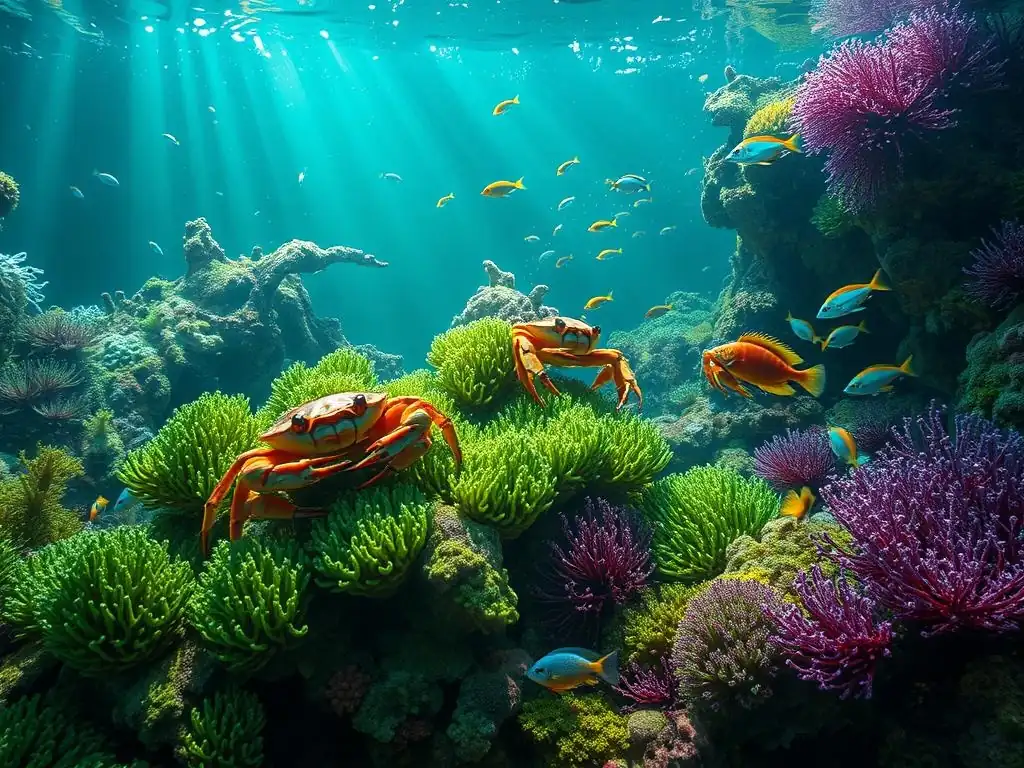
Welcome to Aquarium Mastery, your ultimate guide to thriving aquatic ecosystems!
Ever wondered if the Emerald Crab is truly the algae-eating hero you've been searching for, or if it harbors a secret craving for something a little more… coral-like? Dive into our in-depth exploration of these fascinating invertebrates and discover the truth about their diet and temperament. Prepare to unravel the Emerald Crab Enigma!
- Emerald Crab Considerations: Balancing Algae Control and Reef Safety
- Understanding Emerald Crabs ( Mithrax sculptus) in Reef Aquariums
- Emerald Crab Algae Consumption: Capabilities and Limitations
- Coral Predation by Emerald Crabs: Assessing the Risk
- Optimizing Emerald Crab Diet for Algae Grazing and Reducing Coral Predation
- Emerald Crab Behavior and Compatibility with Other Reef Inhabitants
- Managing Emerald Crabs in Reef Tanks: Prevention and Intervention
- Emerald Crab Husbandry: Essential Care Requirements
- Conclusion: Evaluating the Suitability of Emerald Crabs for Reef Aquariums
-
Frequently Asked Questions
- What is the primary role of an Emerald Crab in a reef aquarium?
- Are Emerald Crabs truly effective at controlling all types of algae?
- Is it true that Emerald Crabs might eat corals?
- How can I minimize the risk of my Emerald Crab harming my corals?
- What size aquarium is best suited for keeping an Emerald Crab?
- Final Reflection: Unveiling the Emerald Crab's True Nature
- Unleash Your Inner Reef Guardian!
Emerald Crab Considerations: Balancing Algae Control and Reef Safety
Understanding Emerald Crabs ( Mithrax sculptus) in Reef Aquariums
Emerald Crab Identification and Natural Habitat
The emerald crab, scientifically known as Mithrax sculptus, is a small, striking crustacean highly sought after by aquarists for its purported emerald crab algae eating capabilities. Identifying this species is relatively straightforward due to its distinctive bright green coloration, which can range from a vibrant emerald to a more subdued olive-green, often with lighter patches.
They typically possess flattened bodies and relatively stout legs, with their claws (chelae) being noticeably unequal in size, one often larger and more robust than the other, used for grasping and tearing food. Adult specimens generally reach a carapace width of about 1.5 to 2 inches (3.8 to 5 cm), though some larger individuals may exceed this.
In their natural environment, Mithrax sculptus are endemic to the Western Atlantic Ocean, primarily inhabiting the Caribbean Sea, including regions such as Florida, Bermuda, and the Gulf of Mexico. They are commonly found in shallow reef environments, often nestled within rock crevices, under coral rubble, or among dense macroalgae beds, where they can easily find shelter and forage for food. Their cryptic coloration provides excellent camouflage against the backdrop of algae-covered rocks and corals, helping them evade predators. This natural habitat provides insight into their dietary preferences and behavioral patterns observed in home aquariums.
The Ecological Role of Emerald Crabs in Reef Environments
In their native coral reef ecosystems, emerald crabs play a vital role as opportunistic omnivores and detritivores, contributing significantly to the overall health and cleanliness of the reef. Their diet primarily consists of various types of algae, including filamentous and turf algae, as well as detritus, decaying organic matter, and small invertebrates.
This natural emerald crab algae eating behavior helps to prevent the overgrowth of algae, which can smother corals and compete for light and space, thereby maintaining the delicate balance of the reef environment. They act as part of the natural "clean-up crew," breaking down organic waste and recycling nutrients.
Beyond their dietary habits, emerald crabs also contribute to the physical structure of the reef by grazing on microalgae that colonize rock surfaces, which can facilitate the settlement of coral larvae. While their impact on a large-scale reef system might seem minor individually, collectively, populations of Mithrax sculptus contribute to the overall resilience and biodiversity of these complex marine habitats. Understanding this natural ecological role is crucial for aquarists aiming to replicate a thriving, balanced ecosystem within their home reef tanks, recognizing both the benefits and potential challenges of introducing such a species.
Emerald Crab Algae Consumption: Capabilities and Limitations
Effectiveness of Emerald Crabs for Algae Control
Emerald crabs are frequently introduced into reef aquariums specifically for their reputation as effective emerald crab algae eating machines, particularly against nuisance algae. Many aquarists report success in controlling various types of undesirable algae, including hair algae (Bryopsis and Derbesia species), bubble algae (Valonia species), and some forms of film algae.
For instance, a single adult emerald crab can significantly reduce a patch of Valonia ventricosa (bubble algae) within weeks in a moderately sized tank, provided the algae is accessible and the crab is motivated. Their small size allows them to navigate intricate rockwork and reach areas larger herbivores might miss, making them a valuable component of a reef tank's clean-up crew.
However, the effectiveness of emerald crabs in algae control is not universal and can vary significantly depending on several factors. While they are often effective against certain types of algae, they may ignore others entirely. For example, while some emerald crabs will readily consume bubble algae, others might show little interest, preferring alternative food sources.
Furthermore, their appetite for algae can diminish if supplemental food is readily available, or if they transition to a more opportunistic, carnivorous diet. Therefore, while they can be a helpful tool, they should not be considered a singular solution for widespread or persistent algae outbreaks, often requiring a multi-pronged approach alongside other herbivores and proper nutrient management.
Preferred Algae Types for Emerald Crabs
Emerald crabs exhibit distinct preferences when it comes to the types of algae they consume. Their most notable contribution to algae control is often seen with bubble algae ( Valonia spp. ), which many other herbivores tend to avoid.
Anecdotal evidence from the reef keeping community often highlights emerald crabs as one of the few invertebrates that consistently graze on this problematic macroalga. They are also known to consume various forms of filamentous algae, including green hair algae, and some types of turf algae that grow on live rock. Their small pincers are well-suited for plucking these types of algae from surfaces.
While these are their preferred targets, it's important to note that their diet is opportunistic. They may also graze on diatoms, cyanobacteria (red slime algae), and other forms of nuisance algae if their primary food sources are scarce. However, their effectiveness against these less preferred types can be inconsistent.
For instance, while they might pick at cyanobacteria, they are generally not considered a primary solution for a severe outbreak. Their role as an emerald crab algae eating specialist is most pronounced with bubble algae and certain filamentous varieties, making them a targeted addition for specific algae issues rather than a broad-spectrum cleaner.
Factors Influencing Algae Consumption in Emerald Crabs
Several factors directly influence an emerald crab's propensity for emerald crab algae eating in a captive environment. One of the most significant is the availability of alternative food sources. If a reef tank is regularly fed with fish food, pellets, or frozen foods that the crab can scavenge, its motivation to actively graze on algae may decrease. Overfeeding the tank can lead to a less efficient clean-up crew, as the crabs become less reliant on algae as their primary food source. For optimal algae control, it is often recommended to feed sparingly, encouraging natural grazing behaviors.
Tank size and the overall algae load also play a role. In a small tank with minimal algae, an emerald crab might quickly deplete its preferred food sources and then begin to explore other dietary options, potentially including corals. Conversely, in a tank with a substantial algae problem, a single crab might be overwhelmed or simply unable to consume algae at a rate that keeps up with its growth.
Water quality parameters, such as stable salinity and temperature, also indirectly influence their activity levels and overall health, which in turn affects their feeding behavior. Stress or poor health can lead to reduced appetite and less effective algae consumption.
Coral Predation by Emerald Crabs: Assessing the Risk
Evidence of Coral Damage Attributed to Emerald Crabs
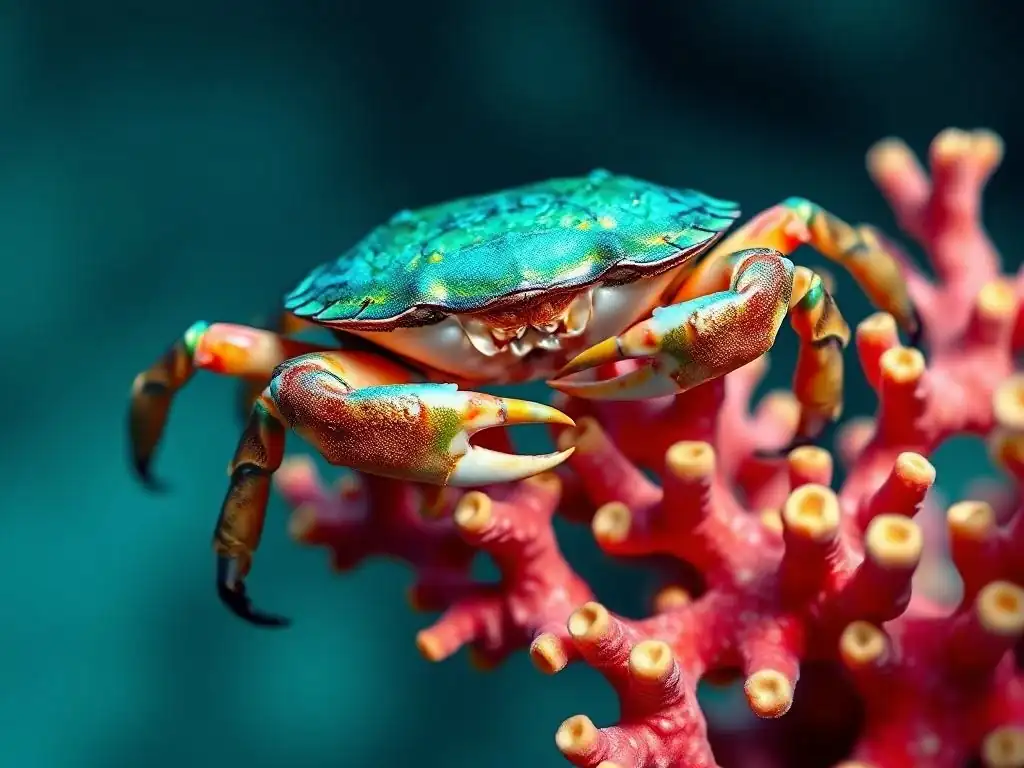
While emerald crabs are primarily valued for their emerald crab algae eating habits, there is substantial anecdotal and observational evidence within the reef keeping community suggesting they can, under certain circumstances, damage or consume corals. This behavior is often observed on soft corals like zoanthids, palythoa, and mushroom corals, which they may pick at, causing polyps to retract, tear, or even consume entirely. Stony corals, particularly SPS (small polyp stony) corals like Acropora and Montipora, can also be affected, with crabs seen scraping tissue from their bases or tips, leading to tissue necrosis and potential colony loss.
Reports from aquarists detail instances where healthy coral colonies have shown inexplicable tissue loss, only for an emerald crab to be later observed directly interacting with the damaged area. For example, a common scenario involves an emerald crab repeatedly picking at the base of a Montipora capricornis frag, leading to a bleached or stripped area. While some of these instances might be mistaken identity (other crabs or pests), the consistent pattern of damage linked to emerald crabs, particularly when other food sources are scarce, points to their potential as opportunistic coral predators.
Determining if an Emerald Crab is Damaging Coral
Identifying whether an emerald crab is responsible for coral damage requires careful observation, as their nocturnal or shy nature can make direct sightings difficult. The first step is to look for signs of unexplained tissue recession, bite marks, or polyps that refuse to extend on specific corals, especially those within easy reach of rockwork where crabs reside. Small, localized areas of damage, particularly at the base or edges of coral colonies, are often indicative. Setting up a camera to record tank activity overnight can provide conclusive evidence, capturing the crab in the act.
Another tell-tale sign is the consistent presence of the emerald crab near the damaged coral, especially if it appears to be actively picking at the tissue rather than simply cleaning detritus nearby. If you notice a crab repeatedly visiting a specific coral and subsequently observe fresh damage, it's a strong indicator.
Furthermore, consider the crab's behavior: is it actively grazing on algae, or does it seem to be constantly searching for new food sources, particularly when the tank is clean of nuisance algae? A crab that is consistently well-fed on algae and supplemental foods is generally less likely to turn to coral predation than one that is hungry or has exhausted its preferred emerald crab algae eating options.
Reasons for Coral Predation in Emerald Crabs
The primary reason emerald crabs may turn to coral predation is often a lack of preferred food sources, particularly algae. When the tank is meticulously clean of nuisance algae, or if the crab has exhausted its available emerald crab algae eating options, its opportunistic nature drives it to seek alternative sustenance. Corals, especially soft corals or those with fleshy polyps, can become an accessible food source when other options are scarce. This highlights the importance of maintaining an appropriate balance of algae in the tank or providing supplemental feeding.
Another contributing factor can be the individual temperament of the crab. Like all animals, individual emerald crabs can exhibit varying behaviors; some may be more prone to exploring new food sources, including corals, than others. Larger emerald crabs, especially males, may also become more aggressive or territorial, potentially nipping at corals if they perceive them as an obstruction or a food source.
Nutritional deficiencies can also play a role; if the crab is not receiving adequate nutrients from its primary diet, it might attempt to acquire them from coral tissue. Lastly, stress due to poor water quality, overcrowding, or aggressive tank mates could lead to abnormal feeding behaviors, including nipping at corals out of irritation or desperation.
Optimizing Emerald Crab Diet for Algae Grazing and Reducing Coral Predation
Nutritional Requirements of Emerald Crabs
Emerald crabs, being omnivores, have diverse nutritional requirements that ideally should be met to ensure their health and encourage their natural emerald crab algae eating behavior. Their diet in the wild primarily consists of various types of algae, detritus, and small invertebrates or decaying organic matter. In a home aquarium, this translates to a need for both plant-based and protein-based foods. A diet rich in algae is crucial not only for their general well-being but also to keep them focused on consuming nuisance algae rather than developing a taste for corals.
A balanced diet should include a consistent supply of filamentous algae, bubble algae, and other microalgae growing naturally in the tank. When these natural food sources are insufficient, it becomes vital to provide supplemental nutrition. This includes offering high-quality flake or pellet foods designed for omnivorous invertebrates, as well as occasional meaty foods. Ensuring they receive a range of vitamins and minerals, often found in a varied diet, supports their molting process and overall vitality, reducing the likelihood of them seeking alternative, less desirable food sources like coral tissue.
Supplemental Food Options for Emerald Crabs
When the natural emerald crab algae eating opportunities within the aquarium are limited, providing supplemental food is crucial to prevent them from turning to corals. A variety of options can be offered to ensure their nutritional needs are met. High-quality marine flakes or pellets, especially those formulated for omnivores or herbivores, can be a good staple. These often contain spirulina and other plant-based ingredients beneficial for algae-grazers.
Furthermore, small pieces of blanched nori (seaweed sheets), secured with a veggie clip, are an excellent source of plant matter that emerald crabs will readily consume. Frozen foods such as mysis shrimp, brine shrimp, or finely chopped clam or fish can also be offered sparingly, as they appreciate a protein source. It's important to feed small amounts to avoid polluting the water, typically a few times a week if the natural algae growth is minimal. This proactive feeding strategy helps to satiate their hunger and reinforce their role as an algae consumer rather than a coral nibbler.
Encouraging Algae Growth for Emerald Crab Grazing
To maximize the emerald crab algae eating potential and keep them focused on their primary role, it can be beneficial to strategically encourage the growth of certain types of algae they prefer. This might seem counterintuitive in a reef tank, but it's about managing the right types of algae in specific areas. For instance, allowing a small patch of green hair algae or a few bubble algae to persist in an inconspicuous area of the sump or a less visible part of the display tank can provide a consistent food source for the crab.
This "algae farm" approach ensures that the crab always has access to its preferred diet, reducing its motivation to explore other food sources, particularly corals. Maintaining slightly elevated, but controlled, nutrient levels (nitrates and phosphates) can also encourage desirable algae growth, which the emerald crab can then consume. However, this must be done carefully to avoid a full-blown nuisance algae outbreak. The goal is to provide just enough algae to keep the crab well-fed and active in its natural grazing behavior, without compromising the aesthetic and health of the main display.
Emerald Crab Behavior and Compatibility with Other Reef Inhabitants
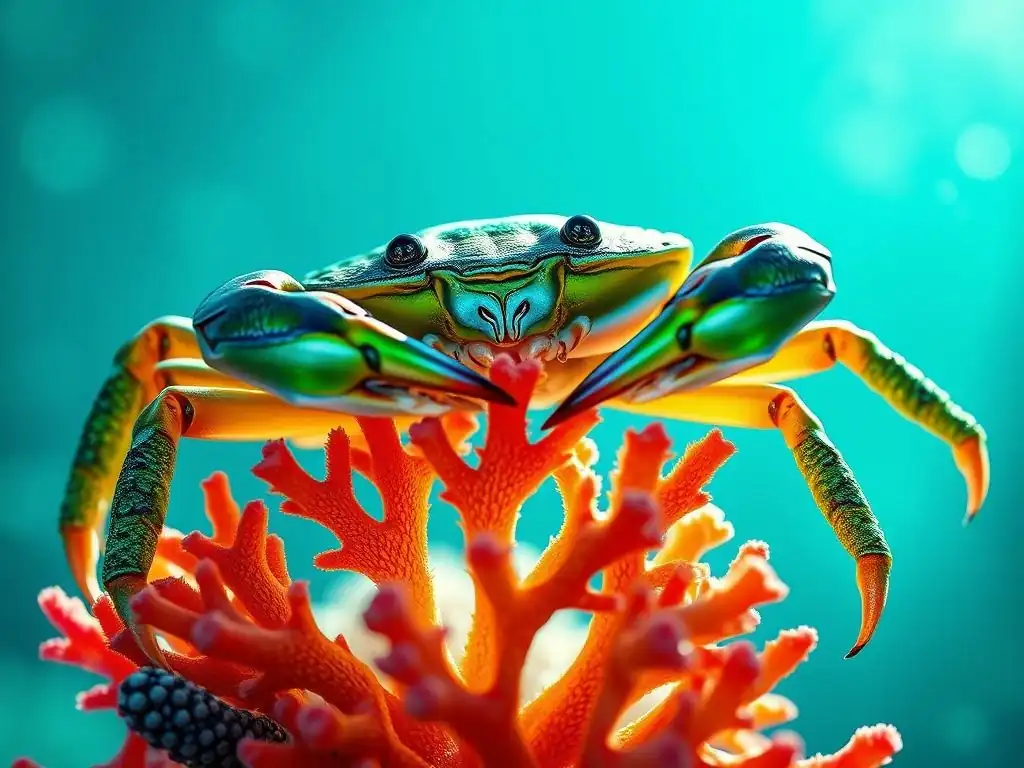
Emerald crabs are generally considered to have a relatively peaceful temperament, especially when compared to other crab species that can be highly predatory or territorial. They are often shy and nocturnal, preferring to hide within the rockwork during the day and emerge at night to forage. While their primary focus is on emerald crab algae eating and scavenging, individual temperament can vary. Some individuals may exhibit mild aggression towards smaller, slower-moving invertebrates, particularly if food is scarce or they feel threatened.
In terms of social interactions, emerald crabs are typically solitary in the aquarium environment. While it's possible to keep multiple emerald crabs in a sufficiently large tank with ample hiding spots, overcrowding can lead to territorial disputes, especially between males. These disputes usually involve pushing and shoving rather than serious injury but can stress the crabs. It's generally recommended to introduce one emerald crab per 20-30 gallons, depending on the tank's complexity and the availability of hiding places, to minimize potential conflicts and allow them adequate space to forage.
Suitable Tank Mates for Emerald Crabs
Given their generally peaceful nature and emerald crab algae eating habits, emerald crabs are compatible with a wide range of reef tank inhabitants. They coexist well with most common reef fish species, including clownfish, gobies, blennies, and tangs, as these fish are typically too fast or too large to be bothered by the crab. Similarly, they are generally safe with most common clean-up crew members like snails (turbo, nassarius, cerith), hermit crabs (though caution is advised with very small or vulnerable hermits), and other detritivores.
However, caution should be exercised when introducing them with very small, slow-moving, or delicate invertebrates. For example, very small copepods or amphipods might be seen as opportunistic snacks, though this is usually not a significant concern for established populations. They are generally considered reef-safe with most corals, provided their dietary needs are met and they are not stressed. However, as discussed, individual exceptions and environmental factors can lead to coral nipping, so continuous observation is key, especially with delicate soft corals like zoanthids or discosoma mushrooms.
Monitoring Emerald Crab Behavior for Potential Issues
Regularly monitoring the behavior of your emerald crab is crucial for early detection of any potential issues, whether it's insufficient emerald crab algae eating, aggression, or coral predation. Observe their activity levels: are they actively foraging, or are they constantly hiding? A crab that is rarely seen might be stressed or ill. Pay attention to their feeding habits: are they primarily grazing on algae, or are they spending an unusual amount of time near corals, particularly at night?
Changes in the crab's appearance, such as excessive hiding after molting, or signs of injury from disputes with other tank inhabitants, should also be noted. Most importantly, consistently inspect your corals for any signs of tissue recession, bite marks, or polyps that fail to extend. If you suspect your emerald crab is damaging corals, try to observe it directly, possibly using a flashlight at night. Early intervention, such as increasing supplemental feeding or, if necessary, removing the crab, can prevent significant damage to your reef.
Managing Emerald Crabs in Reef Tanks: Prevention and Intervention
Strategies to Minimize Coral Predation by Emerald Crabs
Preventing emerald crabs from developing a taste for corals primarily revolves around ensuring their dietary needs are consistently met and their environment is stress-free. The most effective strategy is to provide a consistent and ample supply of their preferred food: algae. Allowing some nuisance algae, particularly bubble algae or hair algae, to persist in a dedicated area (e.g., sump or less visible rockwork) can provide a continuous source of emerald crab algae eating opportunities.
When natural algae is insufficient, supplemental feeding is paramount. Offer high-quality marine flakes, pellets, nori, or small pieces of frozen foods several times a week. Ensuring the crab is well-fed reduces its motivation to seek alternative food sources like coral tissue. Furthermore, maintaining stable water parameters, providing plenty of hiding spots, and avoiding overcrowding can reduce stress, which can sometimes trigger abnormal behaviors like coral nipping. Regular observation of the crab's behavior and the health of your corals allows for early detection and intervention.
Methods for Removing Emerald Crabs from a Reef Tank
If an emerald crab consistently exhibits undesirable behavior, such as significant coral predation despite preventative measures, its removal from the reef tank may become necessary. Catching these agile and cryptic creatures can be challenging. One common method is using a baited trap.
A small, clear container (like a plastic bottle or glass jar) with a small opening can be placed in the tank, baited with a piece of meaty food (e.g., shrimp, clam) that the crab will be attracted to. The trap should be positioned near the crab's known hiding spot, preferably at night when the crab is most active.
Another method involves carefully extracting the crab during the night with tongs or a net, using a red light flashlight which does not disturb the crab as much as white light. Patience is key, as they are quick to retreat into crevices. If the crab is particularly elusive, it might require removing a piece of live rock it frequently hides in, carefully inspecting it outside the tank in a separate container of tank water to locate and remove the crab. This should be done as a last resort to minimize disruption to the main display.
Alternative Algae Control Methods for Reef Aquariums
While emerald crabs are valued for their emerald crab algae eating capabilities, they are not the sole solution for algae control and should be part of a broader strategy. Other effective methods include introducing a diverse clean-up crew of snails (e.g., turbo snails for film algae, trochus snails for diatoms and hair algae, nassarius snails for detritus) and herbivorous fish (e.g., tangs, blennies, rabbitfish for various macroalgae, though tank size limits fish choices).
Nutrient control is arguably the most crucial long-term solution for algae. This involves:
- Reducing nutrient input: Avoid overfeeding fish, use high-quality foods, and ensure all food is consumed.
- Regular water changes: Replenish trace elements and remove accumulated nitrates and phosphates.
- Effective filtration: Utilize protein skimmers, refugiums with macroalgae (e.g., chaetomorpha), and media reactors with GFO (granular ferric oxide) or carbon to export phosphates and nitrates.
- Good flow: Ensure adequate water movement to prevent detritus from settling and to dislodge algae spores.
- RO/DI water: Always use purified water for top-offs and water changes to prevent introducing silicates and phosphates.
These integrated approaches create a less favorable environment for nuisance algae growth, reducing reliance on any single clean-up crew member.
Emerald Crab Husbandry: Essential Care Requirements
Water Quality Parameters for Emerald Crab Health
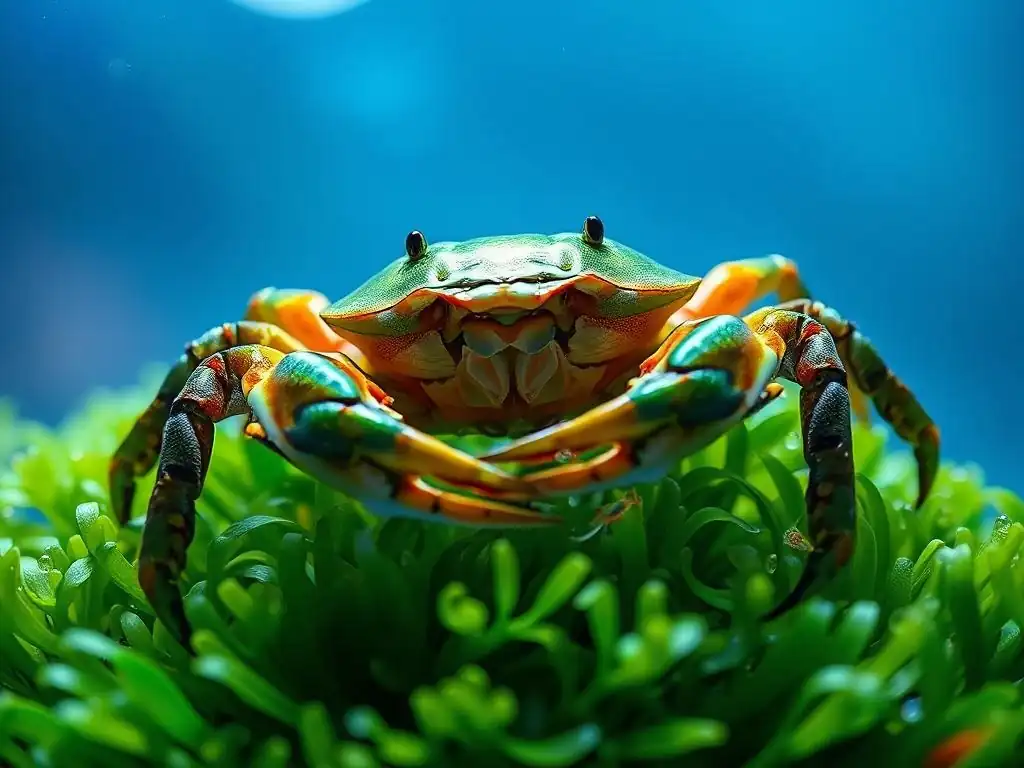
Maintaining stable and appropriate water quality parameters is crucial for the long-term health and activity of emerald crabs, directly impacting their emerald crab algae eating efficiency and overall well-being. Like most marine invertebrates, they are sensitive to fluctuations in salinity, temperature, and pH. The ideal salinity range for Mithrax sculptus is typically between 1.023 and 1.026 specific gravity, or 32-35 parts per thousand (ppt). Temperatures should be maintained between 72-78°F (22-26°C), mimicking their natural tropical habitat. A stable pH of 8.1-8.4 is also essential for their calcification process and general physiological functions.
Beyond these primary parameters, low levels of nitrates (ideally below 10 ppm) and undetectable phosphates are important, as high nutrient levels can stress invertebrates and promote nuisance algae, which can then overwhelm the crab. Ammonia and nitrite should always be zero. Regular testing of these parameters and consistent water changes are vital to ensure a healthy environment for your emerald crab, allowing it to thrive and perform its clean-up duties effectively.
The Molting Process in Emerald Crabs
Molting is a critical and natural process for emerald crabs, as it allows them to grow and repair damaged exoskeletons. Like all crustaceans, emerald crabs possess a hard outer shell (exoskeleton) that does not grow with them. To increase in size, they must periodically shed this old shell, a process known as ecdysis or molting. Before molting, a new, soft exoskeleton forms underneath the old one. The crab absorbs water, swelling its body to crack open the old shell, usually along the back. It then carefully extracts itself, leaving behind a complete, empty replica of its former self.
During and immediately after molting, emerald crabs are extremely vulnerable. Their new shell is soft and pliable, making them susceptible to predation from fish or other tank inhabitants. They will typically seek out a secluded, safe hiding spot during this period, which can last from a few hours to several days, depending on the crab's size and age.
It is crucial not to remove the discarded exoskeleton from the tank immediately, as the crab may consume it to reabsorb valuable calcium and other minerals, which are essential for hardening its new shell. Providing iodine supplements can also aid in a successful molt.
Common Health Issues and Treatment Options for Emerald Crabs
Emerald crabs are generally hardy invertebrates, but they can suffer from health issues, often linked to poor water quality, stress, or nutritional deficiencies. The most common problems involve unsuccessful molting, which can lead to the crab getting stuck in its old shell, resulting in injury or death. This is often exacerbated by inadequate water parameters (especially low calcium or alkalinity), lack of hiding spots, or insufficient nutrition. Ensuring stable calcium levels (380-450 ppm) and alkalinity (8-12 dKH) is vital for successful molts.
Other issues include lethargy, loss of appetite (which impacts their emerald crab algae eating), or discoloration, which can be indicators of stress, disease, or parasitic infections. While direct treatment for specific crab diseases in a reef tank is difficult due to their sensitivity to medications, prevention through optimal water quality, a stable environment, and a balanced diet is the best approach. If a crab appears unwell, isolating it in a quarantine tank with ideal conditions may offer a chance for recovery, though this is often challenging for such small invertebrates.
Conclusion: Evaluating the Suitability of Emerald Crabs for Reef Aquariums
Benefits and Risks of Including Emerald Crabs in a Reef System
Emerald crabs ( Mithrax sculptus) offer distinct benefits to a reef aquarium, primarily their notable emerald crab algae eating capabilities. They are particularly effective against problematic bubble algae ( Valonia spp.) and various filamentous algae, making them a valuable component of a diversified clean-up crew. Their small size allows them to access tight crevices, and their generally peaceful demeanor makes them compatible with most fish and other invertebrates. They also contribute to the overall cleanliness by scavenging detritus and uneaten food, helping to maintain water quality.
However, their inclusion is not without risks. The most significant concern is their potential to turn to coral predation, especially when preferred algae sources are scarce or if the individual crab develops an opportunistic taste for coral tissue. This risk is higher with soft corals like zoanthids and fleshy mushrooms, but stony corals can also be impacted. Overfeeding, stress, and individual temperament can exacerbate this issue. While generally considered reef-safe, continuous monitoring is essential to ensure they remain a beneficial addition rather than a destructive one.
Making an Informed Decision on Emerald Crab Inclusion
Deciding whether to add an emerald crab to your reef aquarium requires a careful evaluation of your specific tank conditions and goals. Consider your current algae situation: do you have a persistent problem with bubble algae or specific types of hair algae that other clean-up crew members aren't addressing? If so, an emerald crab might be a targeted solution. If your tank is already pristine, or if you primarily have film algae that snails can handle, an emerald crab might become a liability due to lack of food.
Furthermore, assess your coral collection. If you have a tank heavily stocked with delicate soft corals or rare SPS frags, the potential risk of coral nipping might outweigh the benefits of their emerald crab algae eating habits. Aquarists with mixed reefs or FOWLR (Fish Only With Live Rock) systems generally face lower risks. Ultimately, an informed decision involves weighing the specific algae challenges against the potential risks to your valuable corals, while also committing to providing proper husbandry and supplemental feeding if natural algae sources diminish.
Recommendations Based on Tank Size, Coral Types, and Algae Issues
Based on the known behaviors and needs of emerald crabs, specific recommendations can guide their inclusion:
- Tank Size: For smaller nano tanks (under 20 gallons), a single emerald crab is usually sufficient, and careful monitoring is paramount due to limited space and potential for food scarcity. Larger tanks (50+ gallons) can potentially house multiple crabs if there's ample rockwork and a substantial algae problem, provided territorial disputes are observed.
- Coral Types:
- SPS/LPS Dominant Tanks: Generally lower risk, as these corals are less "fleshy." However, observe Acropora and Montipora bases for scraping.
- Soft Coral/Zoanthid/Mushroom Dominant Tanks: Higher risk of predation. These tanks require more vigilant monitoring and proactive supplemental feeding to ensure the crab's emerald crab algae eating focuses on algae.
- FOWLR (Fish Only With Live Rock) Tanks: Emerald crabs are an excellent addition here, with virtually no coral predation risk, making them ideal for algae control and scavenging.
- Algae Issues:
- Bubble Algae (Valonia spp.): Highly recommended. Emerald crabs are among the most effective biological controls for this specific nuisance algae.
- Green Hair Algae (GHA): Often effective, especially on shorter strains.
- Film Algae/Diatoms/Cyanobacteria: Less effective than other clean-up crew members (e.g., snails, certain fish), and should not be the primary reason for their inclusion.
In all cases, consistent supplemental feeding when algae is scarce, providing ample hiding spots, and maintaining stable water parameters are crucial for maximizing the benefits and minimizing the risks associated with Mithrax sculptus in a reef aquarium.
Frequently Asked Questions
What is the primary role of an Emerald Crab in a reef aquarium?
Emerald crabs are primarily known for their ability to consume algae, particularly Bubble Algae, making them valuable additions to reef tanks. However, their behavior can vary.
Are Emerald Crabs truly effective at controlling all types of algae?
While they're excellent at eating certain algae types like Bubble Algae, Emerald Crabs may not be effective against all algae species. Some algae outbreaks might require alternative solutions.
Is it true that Emerald Crabs might eat corals?
Yes, there's a risk. While primarily algae eaters, Emerald Crabs, especially larger individuals, may sometimes nip at corals if other food sources are scarce.
How can I minimize the risk of my Emerald Crab harming my corals?
Ensure your crab has access to ample algae and supplement its diet with algae wafers or other suitable foods. Maintaining a well-fed crab reduces the likelihood of coral grazing.
What size aquarium is best suited for keeping an Emerald Crab?
A tank of at least 30 gallons is generally recommended to provide sufficient space and algae for a single Emerald Crab. Larger tanks are preferable if keeping multiple crabs or other invertebrates.
Final Reflection: Unveiling the Emerald Crab's True Nature
The debate surrounding the emerald crab's diet, as we've explored, highlights the delicate balance within our reef aquariums. Understanding the nuanced behavior of these creatures is more crucial than ever, especially as reef keeping becomes increasingly popular and accessible. Misinformation can lead to devastating consequences for delicate coral ecosystems, underscoring the importance of informed decision-making.
This exploration into the emerald crab's dietary habits has not only shed light on their potential as algae eaters but also revealed the complexity of their interactions within a reef environment. My own journey researching this topic has reinforced the importance of continuous learning and observation in reef keeping. The only true wisdom is in knowing you know nothing.
- Socrates. This quote reminds us that even with extensive research, there's always more to learn about the intricate ecosystems we strive to recreate.
As you consider adding an emerald crab to your own reef aquarium, remember the lessons we've uncovered. Observe carefully, research thoroughly, and prioritize the health and well-being of your entire ecosystem. Let this knowledge empower you to make informed choices, contributing to the vibrant and thriving reef environments we all cherish.
Unleash Your Inner Reef Guardian!
Thank you for diving into the world of emerald crabs with us! We hope you've gained valuable insights into these fascinating crustaceans and their role in your reef aquarium. Now, it's time to put that knowledge into action and create the best possible environment for your underwater ecosystem.
Here's how you can make a real difference:
- Carefully observe your emerald crab's behavior. Note what it's eating, and if you see it nipping at corals, be ready to act!
- Share your emerald crab experiences with other aquarists in online forums or local reefing groups. Your insights can help others make informed decisions.
- Consider supplementing your crab's diet with algae wafers or other suitable foods to ensure it doesn't target your corals out of desperation.
What steps will you take today to ensure your emerald crab is a helpful algae eater, not a coral foe?