
Water Parameters for a Thriving Mixed Invertebrate Reef Tank

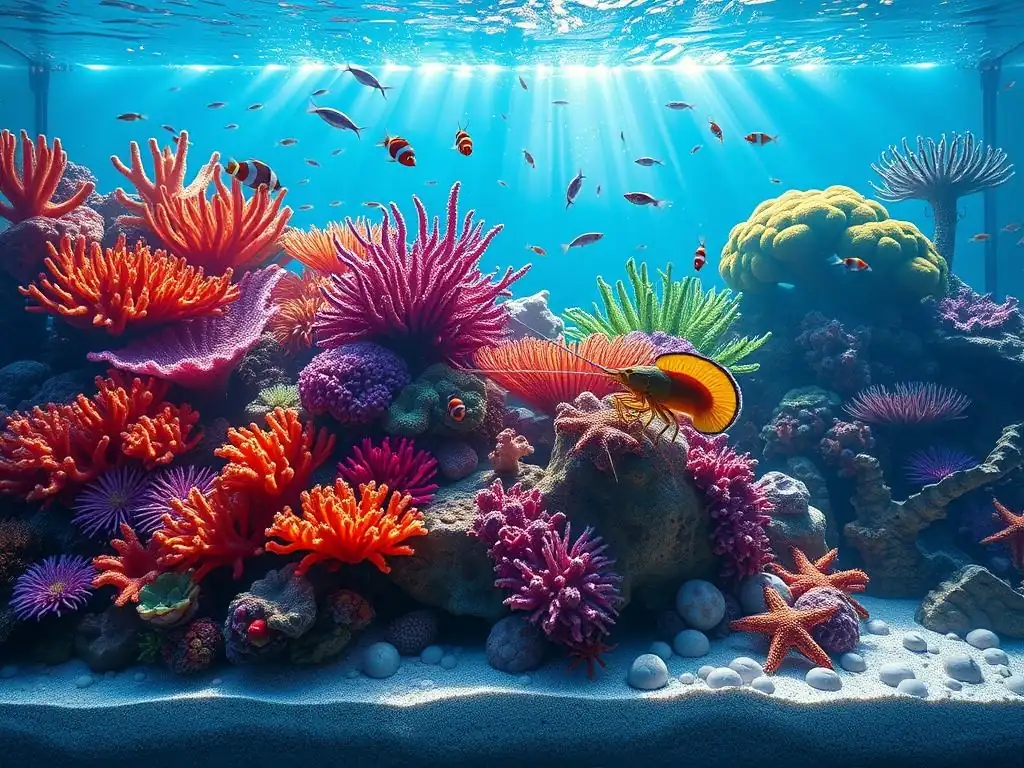
Welcome to Aquarium Mastery!
Ever wondered how to unlock the secrets to a vibrant and thriving reef ecosystem right in your living room? Dive in as we explore the critical reef tank water parameters that separate the successful aquarist from the struggling one. This isn't just about keeping your invertebrates alive; it's about creating an underwater paradise. Ready to learn how? Let's get started!
- Water Parameters for a Thriving Mixed Reef Tank
- Understanding Reef Tank Water Chemistry for Coral and Invertebrate Health
-
Key Reef Tank Water Parameters and Their Ideal Ranges
- Salinity: Maintaining Optimal Salt Levels for Reef Life
- Temperature: Keeping Your Reef Tank at the Right Temperature
- pH: Achieving a Stable pH Level for a Healthy Reef
- Alkalinity: The Buffer that Stabilizes Your Reef Tank's pH
- Calcium: Essential for Skeletal Growth in Corals and Invertebrates
- Magnesium: The Key to Calcium and Alkalinity Stability
- Nitrate and Phosphate: Balancing Nutrients in Your Reef Tank
- Testing Your Reef Tank Water: A Comprehensive Guide
- Maintaining Stable Water Parameters for a Mixed Reef
- Advanced Reef Keeping: Fine-Tuning Water Parameters for Success
- Ensuring Long-Term Success with Your Reef Tank
-
Frequently Asked Questions
- What are the most critical reef tank water parameters to monitor regularly?
- How often should I test my reef tank water parameters?
- What are the ideal ranges for alkalinity, calcium, and magnesium in a mixed reef tank?
- What can happen if my reef tank water parameters are consistently outside of the recommended ranges?
- How do I safely adjust reef tank water parameters that are out of balance?
- Final Reflection: The Delicate Balance of Life
- Ignite Your Invertebrate Reef: Take the Next Step!
Water Parameters for a Thriving Mixed Reef Tank
Understanding Reef Tank Water Chemistry for Coral and Invertebrate Health
The Importance of Stable Reef Water Parameters
Maintaining stable reef tank water parameters is arguably the most critical aspect of successful mixed reef keeping. Unlike the vast oceans where conditions are remarkably consistent, a closed aquarium system is susceptible to rapid shifts in chemistry due to biological processes, evaporation, and consumption by inhabitants. Even minor fluctuations, such as a pH swing of 0.2 units within a few hours or a sudden temperature drop of 3°F, can induce significant stress on delicate corals and invertebrates, leading to compromised health, disease susceptibility, or even mortality.
This unwavering stability is paramount because marine organisms, particularly corals, have evolved in environments where water chemistry changes are minimal. Their physiological processes, including calcification for skeletal growth, nutrient uptake, and symbiotic relationships with zooxanthellae, are finely tuned to these consistent conditions. For example, a sudden drop in salinity by just 0.002 specific gravity (SG) can cause osmotic shock in sensitive invertebrates like certain cleaner shrimp species, leading to lethargy or even death if not promptly addressed. Thus, consistency in all reef tank water parameters is the foundation for a thriving ecosystem.
How Water Parameters Affect Corals and Invertebrates in Reef Aquariums
The various reef tank water parameters directly influence the metabolic functions and overall well-being of corals and invertebrates. Essential elements like calcium and alkalinity are fundamental building blocks for the skeletal structures of stony corals, clams, and other calcifying organisms. Without adequate levels, their growth is severely inhibited, leading to stunted development or even tissue recession. Similarly, magnesium plays a crucial role in ensuring the availability and stability of calcium and alkalinity within the water column.
Beyond structural components, nutrient levels such as nitrate and phosphate have a profound impact. While low levels are necessary for the symbiotic zooxanthellae within corals, excessive concentrations (e.g., nitrate above 20 ppm or phosphate above 0.1 ppm) can lead to the proliferation of nuisance algae and cyanobacteria, outcompeting corals for light and space. Conversely, ultra-low nutrient environments (e.g., undetectable nitrate and phosphate for extended periods) can sometimes lead to coral starvation or "pale-out," particularly in SPS corals, as their zooxanthellae require trace amounts of these nutrients for their photosynthetic processes.
Key Reef Tank Water Parameters and Their Ideal Ranges
Salinity: Maintaining Optimal Salt Levels for Reef Life
Salinity, the total concentration of dissolved salts in the water, is a foundational reef tank water parameter. For a thriving mixed reef, the ideal specific gravity (SG) range is typically 1.024-1.026, which translates to approximately 33-35 parts per thousand (ppt). This range closely mimics the natural salinity of tropical coral reefs, ensuring that marine organisms can maintain proper osmotic balance within their cells. Deviations from this range place significant stress on inhabitants, forcing them to expend energy on osmoregulation rather than growth or health.
The consequences of incorrect salinity can be severe. A salinity level consistently below 1.023 SG can lead to osmotic stress, causing sensitive corals to retract their polyps and invertebrates to become lethargic, as their cells struggle to cope with the lower external salt concentration. Conversely, an SG consistently above 1.027 can cause dehydration and metabolic strain. For example, in a small 40-gallon tank, daily evaporation can increase salinity by 0.001-0.002 SG per day if not compensated for by an auto top-off system, quickly pushing parameters outside the safe zone.
Measuring and Adjusting Salinity in Your Reef Tank
Accurate measurement of salinity is crucial. Refractometers, calibrated regularly with a 35 ppt calibration solution, are generally considered the most reliable tool for home aquarists, offering superior precision compared to swing-arm hydrometers. Digital salinity meters (pinpoint salinity monitors) also provide excellent accuracy.
Adjusting salinity must be done slowly and carefully. To lower salinity, add small amounts of fresh RO/DI (Reverse Osmosis/Deionized) water over several hours or days. To raise it, add pre-mixed saltwater with a higher salinity than the tank, again in small increments. Rapid changes in salinity, even within the ideal range, can shock inhabitants.
Temperature: Keeping Your Reef Tank at the Right Temperature
Temperature directly impacts the metabolic rates of all organisms in your reef tank. The generally accepted ideal range for a mixed reef is between 76-82°F (24.4-27.8°C). Maintaining consistency within this range is more important than hitting an exact number, though many aquarists aim for the lower end (77-79°F) to maximize dissolved oxygen levels and reduce the metabolic burden on inhabitants.
Fluctuations outside this range, or rapid swings within it, can be highly detrimental. Temperatures consistently above 84°F (29°C) for even a few days can lead to coral bleaching, where corals expel their symbiotic zooxanthellae, resulting in a loss of color and, if prolonged, death. Conversely, temperatures below 75°F (24°C) can slow down metabolic processes, inhibit growth, and weaken immune systems, making organisms more susceptible to disease. Studies have shown that sustained temperatures just 2-3°F above a coral's comfort zone for several days can initiate bleaching in sensitive SPS corals.
Temperature Fluctuations and Their Impact on Reef Organisms
Rapid temperature swings, such as a 5°F change within a few hours, are particularly stressful. These fluctuations can disrupt enzyme functions, lead to cellular damage, and severely compromise the immune systems of both corals and invertebrates.
To maintain stable temperature, use reliable submersible heaters with appropriate wattage for your tank size, and consider a chiller if your tank consistently overheats due to lighting or ambient room temperature. Always use a high-quality thermometer to monitor the temperature continuously, or a temperature controller for automated heating/cooling.
pH: Achieving a Stable pH Level for a Healthy Reef
pH measures the acidity or alkalinity of the water, and for a mixed reef, the ideal range is 8.0-8.4. While hitting an exact number within this range is less critical, maintaining stability and avoiding significant daily swings is paramount. pH directly influences the availability of carbonate ions, which are essential for the calcification process in stony corals and other shell-building organisms.
Chronically low pH (below 7.8) can inhibit calcification, slowing coral growth and potentially leading to skeletal erosion over time, making corals brittle. Conversely, a consistently high pH (above 8.5) can lead to the precipitation of calcium carbonate from the water, causing "snow" on equipment and depleting essential alkalinity. For example, a pH drop to 7.7 sustained for 24 hours can reduce calcification rates in some stony corals by up to 30%, impacting their long-term health and growth.
Monitoring and Adjusting pH in Your Reef Aquarium
pH can fluctuate throughout the day due to the respiration of tank inhabitants (which releases CO2, lowering pH) and photosynthesis by algae/corals (which consumes CO2, raising pH). It is often lowest just before the lights come on and highest just before they turn off.
To monitor, use a reliable test kit or a continuous pH monitor. Factors influencing pH include alkalinity levels, aeration, and ambient CO2 levels in the room. Increasing surface agitation and aeration can help raise pH by facilitating CO2 off-gassing. Dosing kalkwasser (calcium hydroxide) is another effective method to raise pH while also replenishing calcium and alkalinity. Using a CO2 scrubber on your skimmer's air intake can also help mitigate low pH caused by high indoor CO2.
Alkalinity: The Buffer that Stabilizes Your Reef Tank's pH
Alkalinity, also known as carbonate hardness (dKH), is a measure of the water's buffering capacity – its ability to resist changes in pH. It primarily represents the concentration of bicarbonate and carbonate ions. For a mixed reef, the ideal range is typically 7-12 dKH, but maintaining a consistent level within a narrower band (e.g., 8-9 dKH) is often preferred for optimal coral growth and stability of reef tank water parameters.
Low alkalinity (below 7 dKH) leads to unstable pH and significantly reduces the availability of carbonate ions needed for coral calcification, directly hindering their growth. Conversely, excessively high alkalinity (above 12 dKH) can cause calcium to precipitate out of the water, leading to a visible "snow" or white film on equipment and an imbalance in your reef tank water parameters. For instance, an SPS-dominant tank can consume 0.5-1.0 dKH per day, necessitating daily or even twice-daily dosing to maintain stability.
Maintaining Proper Alkalinity Levels for Coral Growth
Due to constant consumption by calcifying organisms, alkalinity needs regular replenishment. The most common methods include using two-part alkalinity solutions (e.g., sodium bicarbonate or sodium carbonate) or a calcium reactor.
It's crucial to monitor your tank's daily alkalinity consumption and adjust dosing accordingly, rather than simply adding a fixed amount. Consistent testing allows you to fine-tune your dosing regimen to maintain your desired stable alkalinity level.
Calcium: Essential for Skeletal Growth in Corals and Invertebrates
Calcium is a fundamental building block for the aragonite skeletons of stony corals, the shells of clams, snails, and other calcifying invertebrates. For a healthy mixed reef, the ideal calcium concentration is typically 400-450 ppm (parts per million). Maintaining this range is critical for robust coral growth and the structural integrity of your reef's inhabitants.
Insufficient calcium levels (below 380 ppm) directly impede calcification, leading to slowed or halted coral growth and potentially weaker skeletal structures. Conversely, excessively high calcium levels (above 500 ppm), especially when coupled with high alkalinity, can lead to the undesirable precipitation of calcium carbonate, consuming both calcium and alkalinity supplements unnecessarily and potentially coating equipment. A healthy, growing SPS coral colony can consume 10-20 ppm of calcium daily, depending on its size and growth rate, highlighting the need for consistent supplementation.
Calcium Supplementation Strategies for Reef Tanks
To maintain optimal calcium levels, aquarists employ various supplementation methods. Two-part solutions are popular for their ease of use and ability to dose calcium and alkalinity separately. Kalkwasser (limewater) is effective for tanks with moderate consumption, also providing a pH boost. For large tanks or those with a heavy stony coral load and high consumption, a calcium reactor is often the most efficient method, dissolving a calcium carbonate media to replenish both calcium and alkalinity simultaneously. The chosen strategy should align with the tank's specific needs and the aquarist's preference.
Magnesium: The Key to Calcium and Alkalinity Stability
Magnesium is often referred to as the "unsung hero" of reef tank water parameters because of its crucial role in maintaining calcium and alkalinity stability. It prevents the premature precipitation of calcium carbonate, ensuring that calcium and alkalinity remain soluble and available for calcification. The ideal range for magnesium in a mixed reef is 1250-1350 ppm.
When magnesium levels are too low (e.g., below 1200 ppm), calcium and alkalinity can become unstable and difficult to maintain, even with consistent dosing. This instability occurs because magnesium inhibits the formation of calcium carbonate crystals in the water column, allowing calcium and carbonate ions to remain dissolved and available for corals. If alkalinity consistently drops despite adequate dosing, a low magnesium level is often the underlying culprit. While high magnesium (above 1400 ppm) is generally less problematic than low levels, it can still potentially slow coral growth or affect some sensitive invertebrates.
Maintaining Proper Magnesium Levels in Reef Aquariums
Magnesium is consumed by calcifying organisms, though at a much slower rate than calcium and alkalinity. Therefore, magnesium supplementation is typically less frequent, often weekly or bi-weekly, depending on the tank's specific consumption.
Common magnesium supplements include magnesium chloride and magnesium sulfate solutions. Regular testing is essential to determine the tank's consumption rate and adjust dosing accordingly, ensuring that this vital reef tank water parameter remains within its optimal range for long-term stability.
Nitrate and Phosphate: Balancing Nutrients in Your Reef Tank
Nitrate and phosphate are primary nutrients that are essential in trace amounts for the symbiotic zooxanthellae within corals, but become problematic in higher concentrations. For a mixed reef, the ideal ranges are very low: Nitrate ideally 0-10 ppm (with many SPS keepers aiming for < 2 ppm), and Phosphate ideally 0.02-0.05 ppm (SPS keepers often target < 0.01 ppm). These nutrients are end products of the nitrogen cycle and organic waste breakdown.
Maintaining the correct balance is delicate. Too high levels of nitrate (e.g., consistently above 20 ppm) and phosphate (e.g., consistently above 0.1 ppm) can lead to rapid proliferation of nuisance algae and cyanobacteria, which can smother corals and degrade water quality. Additionally, high nutrients can cause corals to "brown out," losing their vibrant coloration as zooxanthellae multiply excessively. Conversely, excessively low nutrient levels (undetectable for prolonged periods) can lead to coral starvation or tissue necrosis, particularly in SPS corals, as their symbiotic algae require these nutrients to thrive.
Controlling Nitrate Levels for Coral and Invertebrate Health
Controlling nitrate levels is crucial for maintaining pristine reef tank water parameters. Strategies include regular water changes (diluting accumulated nitrates), careful feeding practices (avoiding overfeeding), ensuring robust biological filtration (e.g., sufficient live rock), and employing nutrient export methods. These methods can include the use of a refugium with macroalgae (like Chaetomorpha), carbon dosing (e.g., vodka, vinegar), biopellets, or specialized nitrate-removing media.
Managing Phosphate Levels in a Reef Tank
Phosphate management is equally important. Common methods for controlling phosphate levels include the use of Granular Ferric Oxide (GFO) in a reactor, regular water changes, proper protein skimming, and judicious feeding to minimize organic waste. A refugium can also contribute to phosphate export by utilizing macroalgae. Consistent monitoring and proactive management of both nitrate and phosphate are vital for preventing nuisance outbreaks and promoting healthy coral growth.
Testing Your Reef Tank Water: A Comprehensive Guide
Choosing the Right Test Kits for Reef Tank Water Parameters
Selecting accurate and reliable test kits is fundamental to effective reef keeping. Investing in high-quality kits from reputable brands such as Salifert, Hanna Instruments, Red Sea, or Triton is crucial, as their results are generally more consistent and precise. Understand the difference between titration kits (which offer higher precision for macro elements like alkalinity, calcium, and magnesium) and colorimetric kits (often used for nutrients like nitrate and phosphate). Digital meters, such as Hanna Checkers, also provide excellent accuracy for specific parameters.
For a mixed reef, a comprehensive suite of tests is essential. This includes kits for salinity (refractometer/digital meter), temperature (thermometer), pH, alkalinity, calcium, magnesium, nitrate, and phosphate. While advanced aquarists might also test for trace elements like potassium or strontium, mastering the core eight reef tank water parameters is the priority for maintaining a stable and thriving environment. Regularly checking expiration dates on reagents and storing kits properly will also ensure their accuracy.
Regular Testing Schedule for a Stable Reef Environment
A consistent testing schedule is vital for maintaining stable reef tank water parameters and proactively addressing potential issues. Salinity and temperature should ideally be checked daily. pH can be monitored daily or every other day, as it fluctuates. Alkalinity, due to its rapid consumption, should be tested daily or every other day, especially if you are actively dosing. Calcium typically requires testing 2-3 times per week, while magnesium can be tested weekly or bi-weekly. Nitrate and phosphate should be checked weekly to monitor nutrient levels.
This routine allows aquarists to track trends and make small, incremental adjustments before parameters deviate significantly. For example, by tracking daily alkalinity consumption, you can precisely dial in your dosing regimen to maintain a consistent 8.5 dKH without large fluctuations. Consistent data logging, whether in a notebook or a digital app, provides invaluable insights into your tank's specific consumption rates and overall stability.
Interpreting Your Reef Tank Water Test Results
Interpreting your reef tank water parameters goes beyond simply comparing numbers to ideal ranges; it involves understanding how these parameters interact and identifying underlying trends. A single test result provides a snapshot, but consistent data over time reveals patterns and consumption rates. Keep a detailed log of your test results to observe these trends.
For instance, if calcium levels are consistently low while alkalinity is high, it could indicate precipitation due to an imbalance in dosing or insufficient magnesium. If nitrates are high but phosphates are low, it suggests a nutrient imbalance that might require targeted strategies like GFO for phosphate removal and carbon dosing for nitrate reduction. Understanding these interdependencies allows for more effective troubleshooting and proactive adjustments, ensuring the long-term health and stability of your mixed reef aquarium.
Maintaining Stable Water Parameters for a Mixed Reef
Water Changes: The Cornerstone of Reef Tank Health
Water changes are fundamental to maintaining healthy reef tank water parameters and are often considered the cornerstone of reef aquarium husbandry. They serve multiple vital functions: diluting and removing accumulated pollutants such as nitrates, phosphates, and dissolved organic compounds that filtration alone might miss. Simultaneously, water changes replenish essential trace elements that are consumed by corals and invertebrates but are not typically supplemented individually, offering a broad spectrum of beneficial components.
The benefits of regular water changes are significant. A typical 10-20% weekly or bi-weekly water change can effectively prevent the buildup of organic waste, maintain clarity, and provide a fresh supply of elements for your reef inhabitants. For example, a 10% weekly water change in a 100-gallon mixed reef tank effectively removes approximately 10% of accumulated nitrates and replenishes a wide array of consumed minor and trace elements, contributing significantly to overall stability and health.
Frequency and Volume of Water Changes for Mixed Reefs
The optimal frequency and volume of water changes depend on several factors, including tank size, bioload (number and size of fish and corals), feeding habits, and the efficiency of your filtration system. For most mixed reefs, a 10-20% water change every one to two weeks is a good starting point. Tanks with heavy bioloads or high nutrient issues might benefit from more frequent or larger changes.
Always use high-quality RO/DI water and a reputable salt mix formulated for reef aquariums. Ensure the new saltwater is mixed thoroughly, heated to the tank's temperature, and has the correct salinity before adding it to avoid shocking your inhabitants.
Filtration: Mechanical, Chemical, and Biological
A robust and balanced filtration system is crucial for maintaining pristine reef tank water parameters. Filtration is typically categorized into three types: mechanical, chemical, and biological. Mechanical filtration physically removes particulate matter like detritus and uneaten food, often through filter socks, sponges, or filter floss. Chemical filtration removes dissolved organic compounds, toxins, and pollutants using media such as activated carbon (for clarity and toxin removal) and GFO (Granular Ferric Oxide) for phosphate removal. Biological filtration, primarily facilitated by live rock and beneficial bacteria, converts toxic ammonia and nitrite into less harmful nitrate.
These three types of filtration work synergistically to create a healthy environment. A high-quality protein skimmer is essential for saltwater tanks, effectively removing dissolved organic waste before it breaks down into nitrates and phosphates, thus acting as both a mechanical and chemical filter. Ample live rock provides a vast surface area for beneficial nitrifying and denitrifying bacteria, forming the backbone of your biological filtration. The strategic use of filter socks and chemical media in a sump further enhances water quality, contributing to the overall stability of your reef tank water parameters.
Choosing the Right Filtration System for Your Reef Tank
When selecting filtration components, consider your tank's size, bioload, and the types of corals you plan to keep. A powerful protein skimmer is non-negotiable for saltwater reef tanks. Live rock should be the primary biological filter. A sump is highly recommended as it provides space for equipment, increases total water volume for greater stability, and facilitates water changes. Additional components like refugiums (for natural nutrient export), filter socks (for mechanical clarity), and media reactors (for GFO or carbon) can further enhance water quality and stability.
Supplementation: Adding Essential Elements to Your Reef
In a closed reef system, corals and other calcifying organisms constantly consume essential elements like calcium, alkalinity, and magnesium, as well as various trace elements. Without regular replenishment, these reef tank water parameters will steadily decline, leading to reduced growth, poor health, and eventually, the demise of your inhabitants. Therefore, supplementation is a necessary practice for a thriving mixed reef.
Common supplementation methods cater to different tank sizes and consumption rates. Two-part solutions, which separately dose calcium and alkalinity, are popular for their ease of use and are suitable for most small to medium-sized mixed reefs. Kalkwasser (limewater) is another effective method, providing calcium and alkalinity while also offering a beneficial pH boost, often used for smaller tanks or to offset minor pH dips. For large, heavily stocked stony coral tanks with high consumption, a calcium reactor is often the most efficient and stable method, continuously dissolving a calcium carbonate media to replenish both calcium and alkalinity simultaneously.
Understanding Supplement Dosing for Corals and Invertebrates
Effective supplementation requires understanding your tank's specific consumption rates. Rather than guessing, regularly test your reef tank water parameters to determine how much of each element your corals and invertebrates are consuming daily.
Dosing pumps are highly recommended for consistent and accurate daily or even hourly additions, preventing large fluctuations that can stress inhabitants. Always add supplements slowly and in areas of high flow to ensure proper mixing and avoid localized high concentrations. Over-dosing can be as detrimental as under-dosing, leading to precipitation or toxicity.
Addressing Parameter Imbalances: Troubleshooting Guide
When reef tank water parameters deviate from ideal ranges, it's crucial to identify the root cause rather than just treating the symptoms. For example, a sudden spike in nitrates might be due to overfeeding or a dead animal, not just insufficient water changes. Understanding the interconnectedness of parameters is key to effective troubleshooting.
Common parameter imbalances include rapidly dropping alkalinity, which could indicate low magnesium or unusually high calcification rates. Consistently low pH might point to insufficient aeration, high CO2 levels in the room, or depleted alkalinity. If corals are browning out, it often signals high nitrate and phosphate levels. Conversely, coral paling or tissue necrosis can indicate critically low nutrient levels. Promptly identifying the underlying issue and taking targeted corrective action is vital for restoring balance and preventing further stress to your reef inhabitants.
Identifying and Correcting Common Water Parameter Issues
- High Nitrates/Phosphates: Reduce feeding, increase water change frequency/volume, improve protein skimming, implement GFO or carbon dosing, consider adding a refugium with macroalgae.
- Low Alkalinity/Calcium/Magnesium: Increase dosing of appropriate supplements based on test results, check for equipment malfunctions (e.g., dosing pump issues), verify magnesium levels (if alkalinity/calcium are unstable).
- Low pH: Increase surface agitation/aeration, use kalkwasser, add a CO2 scrubber to skimmer air intake, ensure adequate alkalinity levels.
- Coral Stress (e.g., polyp retraction, paling, browning): Test all core reef tank water parameters immediately, check for temperature fluctuations, ensure proper flow and lighting, look for signs of disease or pests.
Advanced Reef Keeping: Fine-Tuning Water Parameters for Success
The Role of Trace Elements in Coral and Invertebrate Health
Beyond the major parameters like calcium, alkalinity, and magnesium, trace elements play a vital, albeit microscopic, role in coral and invertebrate health. Elements such as strontium, iodine, potassium, iron, and boron are consumed in minute quantities but are essential for various biological processes, including coral coloration, enzyme function, skeletal integrity, and overall metabolic activity. While some trace elements are replenished through regular water changes with high-quality salt mixes, heavily stocked or rapidly growing tanks may experience depletion.
For example, strontium is known to be incorporated into the aragonite skeletons of stony corals, and its deficiency can impact calcification rates. Iodine is crucial for some soft corals and invertebrates like shrimp during molting. While targeted supplementation of individual trace elements is available, it requires careful monitoring and understanding, as over-dosing can be toxic. Many advanced aquarists prefer to rely on high-quality salt mixes and comprehensive all-in-one solutions that include balanced trace element profiles to maintain these delicate reef tank water parameters.
Using a Refugium to Improve Water Quality
A refugium is a dedicated compartment, often located within a sump, designed to cultivate beneficial macroalgae (such as Chaetomorpha or Caulerpa) and microfauna (like copepods and amphipods). It acts as a natural filtration system and a biodiversity enhancer, contributing significantly to the stability of reef tank water parameters.
The primary benefit of a refugium is its ability to export nutrients. Macroalgae rapidly consume nitrates and phosphates, effectively acting as a natural nutrient export system that competes with nuisance algae in the main display tank. This helps to keep nutrient levels low and stable.
Additionally, a refugium provides a safe haven for microfauna to breed without predation, which then serves as a natural, continuous food source for corals and fish in the display tank. For instance, a well-established 20-gallon refugium with robust macroalgae growth can often maintain nitrates below 5 ppm in a 100-gallon display tank, reducing the reliance on chemical media.
Specific Coral Water Parameter Considerations: Soft Coral vs SPS
While general reef tank water parameters apply to most mixed reefs, the specific demands of different coral types warrant consideration. Soft corals (e.g., Zoanthids, Mushrooms, Leather corals) are generally more forgiving and tolerant of slight fluctuations in parameters and somewhat higher nutrient levels. Since they do not build large calcium carbonate skeletons, their demand for calcium and alkalinity is significantly lower.
In contrast, Small Polyp Stony (SPS) corals, such as Acropora and Montipora, are the most demanding inhabitants in terms of water quality. They require exceptionally stable and pristine reef tank water parameters, with consistently optimal levels of calcium (400-450 ppm), alkalinity (8-9 dKH), and magnesium (1250-1350 ppm). Furthermore, SPS corals thrive in ultra-low nutrient environments, often requiring nitrate levels below 2 ppm and phosphate levels near undetectable (below 0.01 ppm) for optimal coloration and growth. Large Polyp Stony (LPS) corals, like Euphyllia and Acanthastrea, fall in between, needing good stability but tolerating slightly higher nutrient levels than SPS.
Ensuring Long-Term Success with Your Reef Tank
Regular Monitoring and Adjustment
Achieving long-term success with a mixed reef tank is an ongoing journey, not a destination. It requires consistent dedication to regular monitoring and proactive adjustment of reef tank water parameters. The aquarium is a dynamic, living system, and its chemical balance is constantly influenced by biological processes, feeding, evaporation, and consumption by inhabitants. Therefore, a "set it and forget it" approach is ill-advised and will inevitably lead to instability.
Consistent monitoring allows aquarists to detect subtle shifts in parameters before they escalate into major problems. Small, frequent adjustments to dosing, water change schedules, or filtration are far more effective and less stressful for the inhabitants than large, reactive corrections after a parameter has crashed. For example, if alkalinity starts to drop by 0.5 dKH over two days, a slight increase in dosing is a proactive measure that prevents a more significant crash to dangerously low levels.
Observing Your Corals and Invertebrates for Signs of Stress
Your corals and invertebrates are living indicators of your tank's health and the stability of its reef tank water parameters. Often, they will exhibit signs of stress or discomfort even before your test kits register a significant deviation. Close observation is therefore a crucial, non-technical monitoring tool for every reef aquarist.
Look for changes in appearance, behavior, or growth. Corals that are retracting their polyps, losing color (paling or browning out), showing tissue recession, or failing to extend normally are often signaling distress due to poor water quality (e.g., high nitrates, low alkalinity, sudden temperature swings). Invertebrates like snails becoming inactive, shrimp molting incorrectly, or brittle star limbs breaking easily can also be red flags that warrant immediate testing and investigation of your reef tank water parameters.
The Importance of a Consistent Maintenance Routine
Ultimately, the long-term success of a mixed reef tank hinges on the establishment and diligent adherence to a consistent maintenance routine. This routine encompasses regular water changes, precise dosing of supplements, timely cleaning of equipment, and, critically, continuous monitoring of reef tank water parameters. Consistency minimizes stress on your inhabitants by providing a predictable and stable environment, which is paramount for their health and growth.
A well-planned and consistently executed maintenance schedule reduces the likelihood of sudden parameter crashes, prevents the buildup of harmful pollutants, and ensures that essential elements are always available. This proactive and methodical approach to managing reef tank water parameters not only leads to a more stable and vibrant aquarium but also makes the hobby more enjoyable and rewarding by minimizing unforeseen challenges and maximizing the thriving beauty of your underwater ecosystem.
Frequently Asked Questions
What are the most critical reef tank water parameters to monitor regularly?
The most critical parameters are alkalinity, calcium, and magnesium. Maintaining these in proper balance is essential for coral growth and health.
How often should I test my reef tank water parameters?
Testing frequency depends on tank stability, but generally, alkalinity, calcium, and magnesium should be tested at least weekly. Other parameters like nitrates and phosphates can be tested bi-weekly or monthly.
What are the ideal ranges for alkalinity, calcium, and magnesium in a mixed reef tank?
Ideally, alkalinity should be between 8-11 dKH, calcium between 400-450 ppm, and magnesium between 1250-1350 ppm. Consistent levels within these ranges are key.
What can happen if my reef tank water parameters are consistently outside of the recommended ranges?
Consistently incorrect parameters can lead to coral bleaching, stunted growth, and even death of invertebrates. It can also fuel unwanted algae blooms.
How do I safely adjust reef tank water parameters that are out of balance?
Make adjustments slowly and gradually using appropriate reef aquarium supplements. Avoid large, sudden changes which can stress or shock your reef inhabitants.
Final Reflection: The Delicate Balance of Life
The intricate dance of maintaining a thriving mixed invertebrate reef tank, as we've explored, is more than just a hobby; it's a testament to our understanding and respect for delicate ecosystems. The meticulous attention to reef tank water parameters isn't simply about hitting numbers; it's about fostering an environment where life, in all its vibrant forms, can flourish. The current surge in popularity of reef keeping underscores the growing awareness of the fragility of our oceans and the importance of responsible stewardship, even within the confines of our homes.
This journey into the science and art of reef keeping has undoubtedly deepened our appreciation for the interconnectedness of life. The constant monitoring and adjustments required mirror the ongoing efforts needed to protect our natural reefs, reminding us that even small actions can have a profound impact. In the end, we will conserve only what we love; we will love only what we understand; and we will understand only what we are taught.
- Baba Dioum. This quote perfectly encapsulates the responsibility that comes with creating and maintaining a miniature reef ecosystem.
Now, consider how you can apply this newfound knowledge and appreciation. Take a moment to reflect on the balance you strive for in your own life, both within your reef tank and beyond. Are you actively contributing to a healthier environment? Are you fostering growth and stability in your own community? Let the lessons learned from mastering reef tank water parameters inspire you to cultivate a more harmonious and sustainable world, one drop, one coral, one action at a time.
Ignite Your Invertebrate Reef: Take the Next Step!
Thank you for delving into the intricate world of invertebrate reef keeping. We hope you’ve gained valuable insights to cultivate a flourishing ecosystem. Now, let's translate this knowledge into action!
Here are a few ways to continue your invertebrate reef journey:
- Schedule a weekly water testing session and diligently record your parameters. Consistency is key to identifying subtle shifts and preventing potential imbalances.
- Explore specialized invertebrate forums to connect with other reef enthusiasts and share your experiences. Learning from others can provide valuable insights and solutions.
- Why not try a small experiment? Introduce a new, beginner-friendly invertebrate species to your tank, carefully monitoring its acclimation and behavior.
What small adjustment will you make to your water parameters this week to further optimize your invertebrate reef's health?