
The Complete Saltwater Macroalgae Handbook: Care, Benefits, and Troubleshooting for Chaeto, Caulerpa, & Gracilaria

Welcome to Aquarium Mastery!
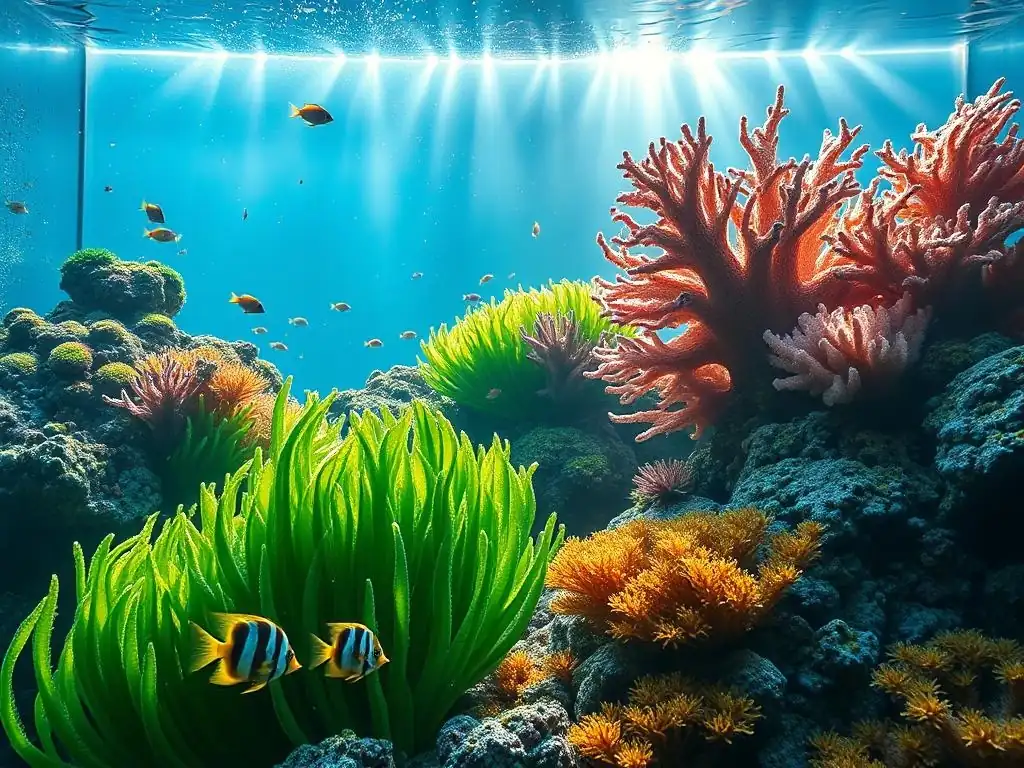
Ever wondered how to transform your saltwater aquarium into a vibrant, thriving ecosystem? Dive in! This Saltwater Macroalgae Care Guide unlocks the secrets to cultivating beautiful and beneficial macroalgae like Chaeto, Caulerpa, and Gracilaria. Discover how these fascinating plants can revolutionize your tank's health and aesthetics. Ready to explore the wonders of saltwater macroalgae? Let's get started!
- Introduction to Saltwater Macroalgae: A Beginner's Guide
-
Understanding Chaetomorpha (Chaeto): The Nutrient Export Powerhouse
- Chaeto Care Guide: Optimal Conditions for Growth and Nutrient Removal
- Chaeto Lighting Requirements: Choosing the Right Light Spectrum and Intensity
- Chaeto Flow and Placement in Your Saltwater Aquarium
- Propagating Chaeto: How to Grow More Chaeto for Your Tank
- Troubleshooting Chaeto Problems: Common Issues and Solutions
-
Exploring Caulerpa: Pros, Cons, and Responsible Use in Reef Tanks
- Caulerpa Care: Maintaining Healthy Caulerpa Growth
- Caulerpa Lighting and Nutrient Needs: Balancing Growth with Stability
- Caulerpa Control: Preventing Caulerpa Overgrowth and "Going Sexual"
- Caulerpa Species: Identifying Different Types of Caulerpa
- The Caulerpa Debate: Is it Right for Your Saltwater Aquarium?
-
Gracilaria: A Nutritious and Beautiful Macroalgae Option
- Gracilaria Care: Optimizing Conditions for Red Gracilaria Growth
- Gracilaria Lighting and Flow: Achieving Vibrant Color and Health
- Gracilaria as a Food Source: Feeding Your Herbivores with Gracilaria
- Propagating Gracilaria: Growing Your Own Seaweed for Fish and Filtration
- Gracilaria Varieties: Exploring Different Colors and Shapes
- Setting Up a Saltwater Macroalgae Refugium: A Step-by-Step Guide
-
Saltwater Macroalgae and Nutrient Control: Achieving a Balanced Ecosystem
- Understanding Nutrient Imbalance: Nitrates and Phosphates in Saltwater Aquariums
- How Macroalgae Reduce Nitrates and Phosphates: Natural Filtration Explained
- Testing Your Water Parameters: Monitoring Nutrient Levels for Optimal Health
- Supplementing Macroalgae Growth: Iron, Trace Elements, and CO2 (When Appropriate)
-
Common Saltwater Macroalgae Problems and Solutions
- Identifying Macroalgae Deficiencies: Recognizing the Signs of Unhealthy Growth
- Dealing with Algae Blooms: Preventing and Controlling Unwanted Algae Growth
- Pests and Predators of Macroalgae: Identifying and Managing Potential Threats
- Harvesting and Pruning Macroalgae: Maintaining a Healthy and Balanced Refugium
- Saltwater Macroalgae: Choosing the Right Species for Your Aquarium
- Advanced Saltwater Macroalgae Techniques: Beyond the Basics
- Conclusion: Mastering Saltwater Macroalgae Care for a Thriving Aquarium.
-
Frequently Asked Questions
- How does saltwater macroalgae benefit my aquarium?
- What are the primary differences in care between Chaeto, Caulerpa, and Gracilaria?
- What type of lighting is best for growing saltwater macroalgae?
- How often should I prune or trim my saltwater macroalgae?
- What are some common problems encountered when growing saltwater macroalgae, and how can I address them?
- Final Reflection: Cultivating Oceanic Gardens
- Dive Deeper: Cultivate Your Own Thriving Macroalgae Ecosystem!
Introduction to Saltwater Macroalgae: A Beginner's Guide
What are Saltwater Macroalgae and Why Use Them in Your Aquarium?
Saltwater macroalgae are large, multicellular photosynthetic organisms, distinct from the nuisance microalgae that often plague aquarium keepers. These fascinating organisms play a vital role in natural marine ecosystems, acting as primary producers and efficiently absorbing dissolved nutrients directly from the water column. In the wild, they form vast underwater forests, providing food and shelter for countless marine species, and their importance extends to their significant role in global carbon cycling and nutrient dynamics.
In the context of a home aquarium, the primary reason to incorporate saltwater macroalgae is their exceptional ability to perform natural filtration. Unlike chemical media that require periodic replacement, macroalgae continuously absorb undesirable compounds like nitrates and phosphates as they grow. Beyond their filtration prowess, they also contribute to the overall biodiversity and aesthetic appeal of a marine setup, offering a more natural and sustainable approach to tank maintenance.
Benefits of Using Macroalgae in Saltwater Tanks: Natural Filtration and More
The most significant benefit of using macroalgae in saltwater aquariums is their unparalleled capacity for natural nutrient export. As these plants photosynthesize, they absorb nitrates, phosphates, and other dissolved organic compounds directly from the water. This biological filtration method can dramatically reduce the need for frequent large water changes, helping to maintain stable water parameters, which is crucial for the health of sensitive marine inhabitants. For instance, a well-established refugium with healthy macroalgae can effectively reduce nitrate levels from a problematic 20-30 ppm to under 5 ppm within a few weeks in a moderately stocked 75-gallon reef tank.
Beyond nutrient removal, macroalgae offer several other advantages. During the daytime, they release oxygen into the water, contributing to better gas exchange.
When lit on a reverse photoperiod (when the main display lights are off), they consume carbon dioxide, which helps to stabilize pH levels, potentially reducing daily pH swings from 0.2-0.4 units to less than 0.1 pH unit in a balanced system. Furthermore, macroalgae provide excellent habitat and grazing grounds for beneficial microfauna like copepods and amphipods, boosting the natural food chain within the aquarium and offering a continuous, natural food source for corals, mandarinfish, and other small predators.
Popular Types of Saltwater Macroalgae: Chaetomorpha, Caulerpa, and Gracilaria
Among the vast array of saltwater macroalgae, three types stand out for their popularity and effectiveness in home aquariums: Chaetomorpha, Caulerpa, and Gracilaria. Chaetomorpha, often simply called "Chaeto," is a non-invasive, spaghetti-like green algae that forms a tangled, fibrous mass. It is highly favored for its exceptional nutrient export capabilities and its ease of maintenance, making it a staple in many sumps and refugiums due to its inability to attach to rockwork or "go sexual" and release spores.
Caulerpa encompasses a diverse genus with many species, exhibiting various forms from grape-like clusters (e.g., Caulerpa racemosa) to fern-like fronds (e.g., Caulerpa prolifera). While incredibly efficient at nutrient uptake and aesthetically appealing, Caulerpa species require careful management due to their rapid growth and potential to "go sexual" – releasing spores that can cause water cloudiness and nutrient spikes. Responsible use and regular harvesting are paramount to prevent it from becoming a nuisance in the main display tank.
Gracilaria is a genus of red macroalgae, often characterized by its branching, bushy appearance and vibrant red or purple hues. Unlike Chaeto, some Gracilaria species are highly palatable to herbivorous fish and invertebrates, making them an excellent dual-purpose macroalgae for both nutrient export and as a nutritious live food source. Species like Gracilaria parvispora (Red Gracilaria) are particularly popular for their beauty and their ability to thrive in display tanks, adding a splash of color while contributing to water quality.
Understanding Chaetomorpha (Chaeto): The Nutrient Export Powerhouse
Chaeto Care Guide: Optimal Conditions for Growth and Nutrient Removal
Chaetomorpha, or Chaeto, is renowned for its hardiness and efficiency in nutrient export, making it a cornerstone of many successful saltwater aquariums. It thrives in conditions that provide moderate to high water flow and consistent, appropriate lighting. Unlike many plants, Chaeto does not require a substrate to anchor itself, which makes it ideal for tumbling in a dedicated refugium chamber within a sump.
The optimal temperature range for robust Chaeto growth typically aligns with standard reef tank temperatures, between 72-78°F (22-26°C), ensuring compatibility with most marine livestock. Its effectiveness stems from its ability to rapidly absorb dissolved nitrates and phosphates; studies have indicated that under ideal conditions, Chaeto can remove up to 0.5 mg/L of nitrate and 0.05 mg/L of phosphate per day per gram of dry weight.
For Chaeto to continuously remove nutrients, regular harvesting is absolutely crucial. As the macroalgae grows and absorbs nutrients, those nutrients become locked within its biomass. To export them from the system, approximately 25-50% of the Chaeto biomass should be physically removed every 1-2 weeks, depending on the tank's bioload and observed nutrient levels. This consistent removal prevents the nutrients from being re-released into the water if the algae were to die off. A healthy, basketball-sized clump of Chaeto can effectively process nutrients from a moderately stocked 75-gallon tank, highlighting its significant contribution to maintaining water quality.
Chaeto Lighting Requirements: Choosing the Right Light Spectrum and Intensity
Chaeto is relatively undemanding regarding light spectrum, readily growing under a range of full spectrum or cool white LED lights. Lights in the 6500K-10000K color temperature range are generally effective. The key factor for robust growth, however, is sufficient light intensity. While Chaeto can survive in lower light, optimal nutrient uptake and rapid growth occur under moderate to high light levels. Many aquarists use dedicated refugium lights, often ranging from 30-50 watts for a standard refugium, typically positioned 6-12 inches above the water surface to provide adequate PAR (Photosynthetically Active Radiation) for vigorous photosynthesis.
A reverse photoperiod is highly recommended for Chaeto in a refugium. This means lighting the refugium when the main display tank lights are off. This strategy offers two significant advantages: first, it helps to stabilize the aquarium's pH by ensuring that photosynthetic activity (and thus CO2 consumption) occurs during the dark cycle of the main tank, counteracting the natural nighttime pH drop.
Second, it prevents nutrient competition between the macroalgae and corals in the main display tank, as the macroalgae are actively absorbing nutrients when the corals are not. A common lighting schedule for Chaeto is 10-12 hours per day, opposite to the display tank's lighting cycle.
Chaeto Flow and Placement in Your Saltwater Aquarium
Adequate water flow is a critical factor for the healthy growth and optimal nutrient removal efficiency of Chaetomorpha. High flow rates prevent detritus and waste particles from settling within the dense, tangled structure of the Chaeto clump, which could otherwise lead to anaerobic pockets and the degradation of the algae itself.
More importantly, consistent flow ensures that all parts of the Chaeto biomass are constantly exposed to nutrient-rich water, maximizing its ability to absorb nitrates and phosphates. Many aquarists achieve this by placing Chaeto in a dedicated refugium chamber within their sump, where the return flow from the display tank or a small, dedicated powerhead directs water directly through the algae.
For optimal nutrient export and sustained health, Chaeto should be placed in an area of the sump or refugium where it receives consistent, moderate to high water movement. The practice of "tumbling Chaeto," often achieved by directing a gentle, circular flow around the clump using a small powerhead or the sump's return flow, is highly effective. This tumbling action ensures even light exposure to all sides of the Chaeto mass and prevents stagnant areas, promoting uniform nutrient uptake and robust growth across the entire volume of the algae.
Propagating Chaeto: How to Grow More Chaeto for Your Tank
Propagating Chaetomorpha is remarkably straightforward, requiring no special techniques or complex procedures. Chaeto grows by simply increasing its biomass, extending its long, spaghetti-like strands. To propagate, you merely need to take a healthy portion of an existing, thriving Chaeto clump and place it in another suitable environment that offers adequate light and water flow. There are no specific cutting points or hormonal treatments required; it is essentially a process of simple physical division.
In fact, the regular harvesting of Chaeto, which is essential for nutrient export, also serves as a continuous form of propagation and maintenance. Each time you remove a portion of the algae, the remaining biomass will continue to grow and replenish itself, provided conditions are favorable. The harvested portion can then be used to seed a new refugium in another tank, shared with fellow aquarists, or simply discarded, ensuring a sustainable supply of this beneficial macroalgae for your current system or future projects.
Troubleshooting Chaeto Problems: Common Issues and Solutions
When Chaeto fails to thrive or exhibit robust growth, the most common culprits are insufficient lighting, extremely low nutrient levels, or inadequate water flow. If your Chaeto is stagnant, first check the PAR output of your refugium light; Chaeto generally performs best with PAR levels above 50 at the algae's depth.
If water tests consistently show undetectable levels of nitrates and phosphates, your tank might be too "clean" for vigorous Chaeto growth, indicating that existing filtration methods or a very low bioload are already handling the nutrient export effectively. In such cases, the Chaeto may simply be struggling to find enough nutrients to grow.
Browning, whitening, or melting Chaeto often points to nutrient starvation, excessive light intensity, or poor water quality. If the algae is turning pale or translucent, it's a strong indicator of stress. Ensure stable water parameters (salinity, temperature, pH).
If nutrient levels are consistently at zero, consider slightly increasing feeding or temporarily reducing other nutrient export methods (like protein skimming) to allow the Chaeto to absorb some nutrients. Conversely, if the light is too intense, the Chaeto can become bleached; try raising the light or reducing its photoperiod. A sudden die-off or melting could also be triggered by a significant and rapid swing in water parameters.
Exploring Caulerpa: Pros, Cons, and Responsible Use in Reef Tanks
Caulerpa Care: Maintaining Healthy Caulerpa Growth
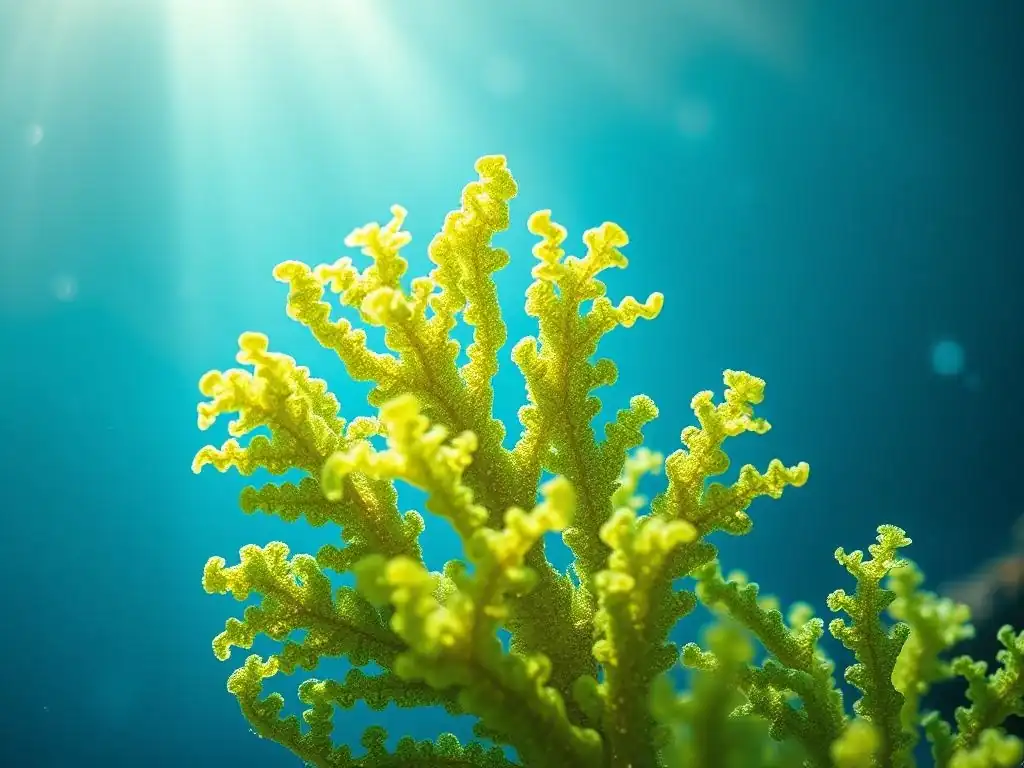
Caulerpa species are highly effective at nutrient absorption, making them excellent candidates for nutrient export in a marine aquarium. They generally thrive in stable reef tank parameters, with a temperature range of 74-80°F (23-27°C) and a specific gravity of 1.024-1.026. Unlike Chaeto, many Caulerpa species benefit from being rooted in a sandy substrate or wedged into rockwork, where their rhizoids can anchor them. Consistent water flow is important to deliver nutrients and prevent detritus buildup, but excessive turbulent flow can damage their fronds.
Regular harvesting is crucial for maintaining healthy Caulerpa and preventing it from overwhelming the system or "going sexual." It is recommended to remove about 30-50% of the biomass every 1-2 weeks, especially if growth is vigorous. This not only exports absorbed nutrients but also encourages new, healthy growth. Consistent nutrient levels, particularly nitrates and phosphates, are vital for Caulerpa; while it absorbs them, consistently zero levels can lead to starvation and melting.
Caulerpa Lighting and Nutrient Needs: Balancing Growth with Stability
Caulerpa species are highly photosynthetic and require strong, consistent lighting to thrive. Full spectrum LED lights with a high PAR output, similar to those used for coral growth in a display tank, are ideal for promoting vigorous Caulerpa growth in a refugium.
A photoperiod of 12-18 hours is common, and many aquarists employ a reverse photoperiod (lighting the refugium when the display lights are off) to help stabilize pH and ensure continuous nutrient uptake. For example, a 20W LED refugium light over a 10-gallon refugium can generate sufficient PAR (e.g., 80-100 PAR at the water surface) for rapid Caulerpa growth.
While Caulerpa is highly efficient at absorbing nitrates and phosphates, it also requires other trace elements for optimal health, including iron and magnesium. In systems with very low nutrient levels or aggressive nutrient export, supplementing with liquid iron or trace element solutions specifically formulated for marine aquariums can prevent Caulerpa from bleaching or melting. However, care must be taken not to overdose, as excessive supplementation can lead to unwanted nuisance algae growth in the main display tank.
Caulerpa Control: Preventing Caulerpa Overgrowth and "Going Sexual"
The rapid growth rate of Caulerpa, while beneficial for nutrient export, also poses its main challenge: overgrowth and the tendency to "go sexual." Caulerpa can quickly take over a refugium, and if left unchecked, can spread to the main display tank. To prevent this, strict containment is necessary. Many aquarists use physical barriers, such as a dedicated refugium chamber with glass or acrylic walls, to isolate the Caulerpa and prevent its runners from reaching the main system. Regular pruning and harvesting are also essential to manage its biomass.
The phenomenon of "going sexual" is unique to Caulerpa and involves the release of spores into the water column. This occurs when the algae becomes stressed, often due to nutrient depletion, sudden light changes, or physical disturbance. When it "goes sexual," the entire plant can release its contents, leading to a milky, cloudy water column and a massive nutrient spike as the biomass decays.
This can be detrimental to sensitive corals and fish. To minimize this risk, maintain stable conditions, perform consistent harvesting, and avoid stressing the algae. Some aquarists also keep a small amount of Chaeto alongside Caulerpa to act as a buffer against nutrient swings.
Caulerpa Species: Identifying Different Types of Caulerpa
The genus Caulerpa is incredibly diverse, with numerous species exhibiting a wide array of forms, making identification sometimes challenging but also adding to their appeal. Some of the most commonly encountered species in the aquarium trade include Caulerpa racemosa, often called "grape Caulerpa" due to its distinctive spherical or oval vesicles resembling tiny green grapes. This species is known for its rapid growth and can form dense mats.
Another popular type is Caulerpa prolifera, which features flat, blade-like fronds resembling small seaweed leaves. It tends to grow more upright and can create an attractive, grassy appearance in a refugium. Caulerpa taxifolia, known as "feather Caulerpa" due to its delicate, fern-like appearance, is also encountered but is considered highly invasive in some parts of the world and should be handled with extreme caution or avoided entirely due to its potential ecological impact if released into natural waters. Each species has slightly different growth habits and aesthetic qualities, but all share the common trait of efficient nutrient absorption.
The Caulerpa Debate: Is it Right for Your Saltwater Aquarium?
The use of Caulerpa in saltwater aquariums often sparks debate among aquarists due to its unique characteristics. On one hand, its undeniable efficiency in nutrient export makes it a powerful tool for maintaining pristine water quality. Its rapid growth means it can quickly consume nitrates and phosphates, making it a viable alternative or supplement to other filtration methods. Furthermore, its diverse forms can add a natural, lush aesthetic to a refugium or even a dedicated display tank for herbivores.
However, the significant drawbacks, particularly the risk of "going sexual" and its invasive potential, lead many experienced aquarists to advise caution or opt for less volatile alternatives like Chaetomorpha. A sexual event can crash a tank by releasing a massive amount of decaying organic matter, leading to an ammonia spike and oxygen depletion.
Its aggressive growth also means it can outcompete and smother corals if it enters the main display. Therefore, for most reef tank owners, the decision to use Caulerpa hinges on their willingness to commit to rigorous containment and consistent harvesting to mitigate these risks, making it more suitable for experienced aquarists or those with dedicated, easily managed refugiums.
Gracilaria: A Nutritious and Beautiful Macroalgae Option
Gracilaria Care: Optimizing Conditions for Red Gracilaria Growth
Gracilaria, particularly the vibrant red varieties like Gracilaria parvispora, is a highly prized macroalgae for its aesthetic appeal and its dual role as a nutrient exporter and a nutritious food source for marine herbivores. To optimize its growth, Gracilaria requires moderate to high lighting, similar to that used for soft corals, with a PAR range of 70-150.
It thrives in stable reef tank parameters, including a temperature of 74-78°F (23-26°C) and a specific gravity of 1.025. Unlike Chaeto, Gracilaria often benefits from being attached to rockwork or rubble, as it is a branching species that can eventually form dense bushes.
Consistent water flow is important for Gracilaria, ensuring that all parts of the plant are exposed to nutrients and light, and preventing detritus buildup within its branches. While it absorbs nitrates and phosphates, it also benefits from the presence of trace elements, especially iron, which contributes to its vibrant red coloration. In systems with very low nutrient levels, supplementing with a marine-safe iron solution can enhance its growth and coloration. Regular harvesting, typically 20-30% of the biomass every 2-3 weeks, is necessary to export absorbed nutrients and encourage new, healthy growth.
Gracilaria Lighting and Flow: Achieving Vibrant Color and Health
The distinctive vibrant red or purple coloration of Gracilaria species is highly dependent on appropriate lighting. While it can survive under moderate light, achieving its most intense coloration and robust growth requires strong, full-spectrum LED lighting. Lights with a significant blue and red spectrum component, mimicking natural sunlight, tend to bring out the best in Gracilaria. A photoperiod of 10-14 hours is generally sufficient. For instance, a refugium illuminated by an LED fixture specifically designed for plant growth, providing a PAR of 80-120 at the depth of the algae, will promote excellent health and color.
Regarding water flow, Gracilaria prefers moderate to high flow that gently washes over its branches. Unlike Chaeto, which often tumbles, Gracilaria benefits from being anchored, allowing water to flow through its structure. This consistent flow prevents the accumulation of detritus and ensures that nutrients are constantly delivered to the algal cells. Stagnant areas can lead to nutrient depletion around the algae and increase the risk of nuisance algae growth on its fronds. Positioning Gracilaria in an area of the sump or display where it receives good, laminar flow will contribute significantly to its health and vibrant appearance.
Gracilaria as a Food Source: Feeding Your Herbivores with Gracilaria
One of the unique advantages of Gracilaria is its palatability to many herbivorous marine fish and invertebrates, making it an excellent natural food source. Tangs, surgeonfish, angelfish, rabbitfish, and certain snails will readily graze on Gracilaria, either directly from the display tank or when offered as a supplemental feeding. This provides a fresh, nutritious, and natural diet that is rich in vitamins and minerals, closely mimicking their natural foraging behaviors. For example, a Yellow Tang can consume a significant amount of Gracilaria daily, contributing to its overall health and vibrant coloration.
To offer Gracilaria as a food source, you can simply place a small clump in the main display tank, secured with a veggie clip or wedged into the rockwork. Alternatively, you can grow it in a separate refugium and then prune portions to feed to your fish. This method ensures a constant supply of fresh food and allows you to manage the Gracilaria's growth for nutrient export independently. Providing Gracilaria not only supplements their diet but also encourages natural grazing, which can reduce aggression among herbivores and keep them active and engaged.
Propagating Gracilaria: Growing Your Own Seaweed for Fish and Filtration
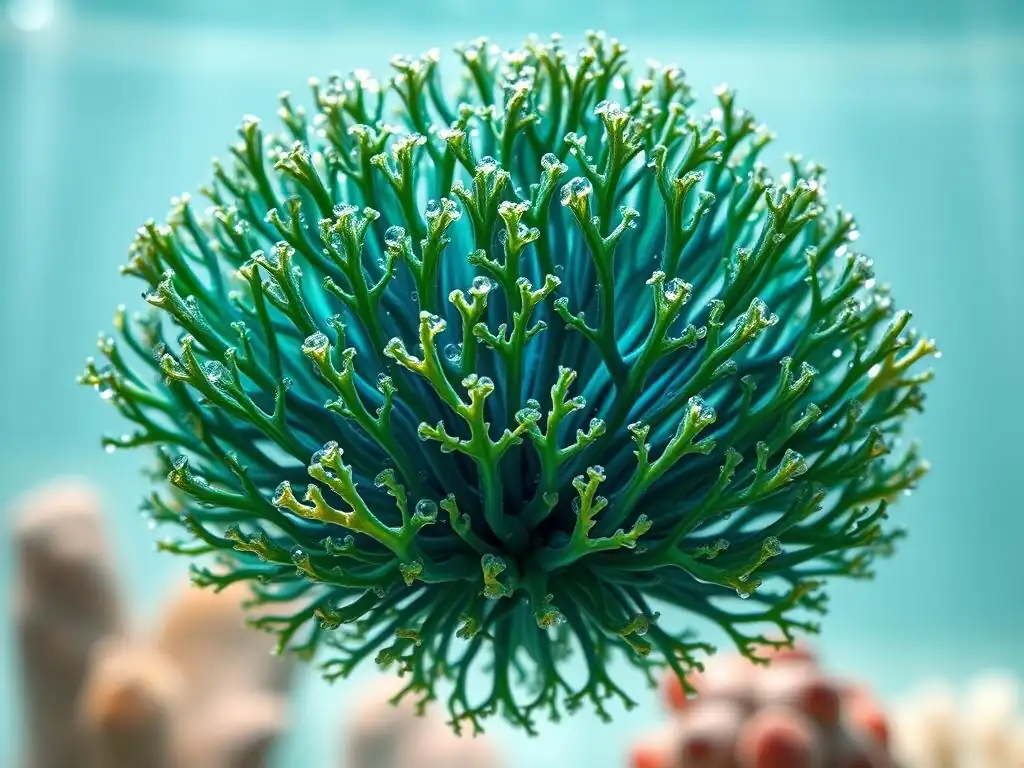
Propagating Gracilaria is a relatively simple process, much like other macroalgae, relying on fragmentation and growth. To propagate, you can simply break off a healthy branch or a small clump from an existing, thriving Gracilaria colony. These fragments can then be attached to live rock, rubble, or even an algae clip using a rubber band or cyanoacrylate gel (gel super glue) to allow them to anchor and grow. As it grows, it will form new branches and expand its biomass.
Regular harvesting of Gracilaria not only serves to export nutrients but also encourages bushier, denser growth, which is beneficial for both aesthetics and nutrient uptake. The pruned portions can then be used to start new colonies in other tanks, shared with other aquarists, or offered as a fresh, nutritious food source for your herbivorous fish. This continuous cycle allows you to maintain a sustainable supply of Gracilaria for both filtration and feeding, reducing reliance on external food sources for your grazers.
Gracilaria Varieties: Exploring Different Colors and Shapes
The genus Gracilaria encompasses a fascinating diversity of species, each with unique characteristics in terms of color, shape, and growth habit, making them appealing choices for both refugiums and display tanks. While often associated with its vibrant red forms, Gracilaria can also display hues ranging from deep burgundy to purplish-brown, depending on the specific species, light intensity, and nutrient availability. For instance, Gracilaria parvispora is highly sought after for its intense red color and delicate, branching structure, making it a popular choice for adding visual appeal to a reef tank.
Other varieties may exhibit a more robust, bushy growth, while some have finer, more intricate branching patterns. The different shapes and textures can add significant visual interest to an aquarium, mimicking natural marine environments. Beyond parvispora, other species like Gracilaria hayi or Gracilaria tikvahiae might be encountered, each with its own subtle variations. Exploring these different Gracilaria varieties allows aquarists to select the perfect macroalgae to complement their tank's aesthetic while still benefiting from its excellent nutrient export capabilities and potential as a food source.
Setting Up a Saltwater Macroalgae Refugium: A Step-by-Step Guide
Designing Your Refugium: Size, Placement, and Equipment Considerations
A well-designed macroalgae refugium is a cornerstone of effective natural filtration in a saltwater aquarium. The size of your refugium should be proportional to your main display tank and its bioload; generally, a refugium that is 10-20% the volume of your display tank is a good starting point. For a 100-gallon display, a 10-20 gallon refugium section in your sump would be appropriate. Placement is typically within a sump, allowing gravity to feed water from the display into the refugium section, and a return pump to send it back to the main tank.
Key equipment considerations include a dedicated refugium light, a small pump or the main return pump for water flow, and potentially a heater if the sump is in a colder area. The refugium chamber should be isolated from the protein skimmer section to prevent microbubbles from interfering with macroalgae growth and to ensure the macroalgae has access to nutrients before they are skimmed out. A typical setup involves a baffled sump with a skimmer section, followed by a refugium section, and then the return pump section.
Choosing the Right Substrate (or Lack Thereof) for Your Macroalgae Refugium
The choice of substrate for your macroalgae refugium depends largely on the type of macroalgae you intend to cultivate and your specific goals. For free-floating macroalgae like Chaetomorpha, no substrate is necessary. In fact, a bare-bottom refugium is often preferred for Chaeto, as it allows for easy tumbling of the algae and prevents detritus from accumulating within the substrate, which could lead to nutrient release if not regularly cleaned. This simplicity also makes harvesting and maintenance more straightforward.
However, for macroalgae species that prefer to anchor, such as many Caulerpa varieties or Gracilaria, a shallow sand bed (1-2 inches) or a layer of live rock rubble can be beneficial. A sand bed can also host beneficial microfauna like copepods and amphipods, further enhancing the refugium's biodiversity and its role in the food chain. If using a substrate, ensure it is regularly siphoned or cleaned to prevent nutrient buildup and anaerobic zones. The decision should align with the specific needs of your chosen macroalgae and your overall maintenance philosophy.
Lighting Your Refugium: Selecting the Best Light for Macroalgae Growth
Selecting the correct lighting is paramount for robust macroalgae growth in your refugium. Dedicated refugium lights, typically LED fixtures, are the most efficient and effective choice. While macroalgae are not as demanding as corals, they still require sufficient PAR (Photosynthetically Active Radiation) to photosynthesize effectively and absorb nutrients. Many successful refugiums utilize full-spectrum white LEDs or those with a strong red and blue spectrum, as these wavelengths are highly utilized by photosynthetic organisms. A common choice is a 6500K to 10000K white LED light.
The intensity and duration of the light are also critical. For most macroalgae, a light with a wattage between 10-30 watts for a typical 10-20 gallon refugium is often sufficient, positioned 6-12 inches above the water. A photoperiod of 10-18 hours is common, and as discussed, a reverse photoperiod (lighting the refugium when the display lights are off) is highly recommended. This strategy not only aids in pH stability but also ensures that the macroalgae are actively absorbing nutrients when the main tank's inhabitants are producing them, creating a continuous nutrient export cycle.
Maintaining Your Refugium: Water Changes, Nutrient Control, and Harvesting
Maintaining your macroalgae refugium is a relatively simple but crucial aspect of its effectiveness. While the refugium itself helps reduce the frequency of large water changes in the main display, regular smaller water changes (e.g., 10-20% bi-weekly) across the entire system are still important for replenishing trace elements and removing accumulated organic compounds that macroalgae may not fully absorb. Monitoring your main tank's water parameters, especially nitrates and phosphates, will indicate the efficiency of your refugium. If these levels remain elevated despite healthy macroalgae growth, you may need to increase the refugium's size, light intensity, or harvest more frequently.
The most important maintenance task for a macroalgae refugium is regular harvesting. As the macroalgae grows and absorbs nutrients, those nutrients are locked within its biomass. To permanently remove them from your system, you must physically remove a portion of the algae. The frequency and amount of harvesting depend on your tank's bioload and the growth rate of your macroalgae, but typically, 25-50% of the macroalgae should be removed every 1-4 weeks. This consistent pruning ensures that the macroalgae remains vigorous and continues to efficiently export nutrients, preventing it from becoming overgrown or dying back and releasing stored nutrients.
Saltwater Macroalgae and Nutrient Control: Achieving a Balanced Ecosystem
Understanding Nutrient Imbalance: Nitrates and Phosphates in Saltwater Aquariums
In saltwater aquariums, nitrates and phosphates are primary nutrients that, while essential in trace amounts, can quickly accumulate to problematic levels if not properly managed. These compounds are byproducts of fish waste, uneaten food, and decaying organic matter. High levels of nitrates (e.g., consistently above 10-20 ppm) can stress sensitive corals and fish, leading to reduced growth, susceptibility to disease, and dull coloration. Phosphates, even at very low concentrations (e.g., above 0.03-0.05 ppm), are notorious for inhibiting coral calcification and promoting the proliferation of nuisance algae, such as diatoms, hair algae, and cyanobacteria.
An imbalance in these nutrients often manifests as rampant nuisance algae growth, a sign that the ecosystem's natural processing capacity is overwhelmed. For instance, a tank with a nitrate reading of 40 ppm and phosphate at 0.1 ppm will almost certainly experience significant green hair algae outbreaks. Maintaining these levels as low as possible, ideally below 5 ppm for nitrates and undetectable or near-undetectable (below 0.03 ppm) for phosphates, is crucial for a healthy and thriving reef or fish-only system.
How Macroalgae Reduce Nitrates and Phosphates: Natural Filtration Explained
Macroalgae are highly effective at reducing nitrates and phosphates through the biological process of photosynthesis. During photosynthesis, macroalgae absorb these dissolved inorganic nutrients directly from the water column to fuel their growth. This process essentially converts harmful dissolved compounds into beneficial plant biomass. As the macroalgae grows, it locks these nutrients within its cellular structure, effectively removing them from the water.
The key to nutrient export via macroalgae lies in consistent harvesting. When you prune and remove a portion of the macroalgae, you are physically removing the nitrates and phosphates that the algae has absorbed from the system.
This is a continuous, natural, and sustainable method of nutrient export, distinguishing it from chemical filtration media that become saturated over time. A well-managed macroalgae refugium can process a significant amount of nutrients daily; for example, a healthy clump of Chaeto the size of a soccer ball can process the equivalent of 5-10 ppm of nitrate from a 50-gallon tank over a 24-hour period, assuming sufficient light and flow.
Testing Your Water Parameters: Monitoring Nutrient Levels for Optimal Health
Regular and accurate testing of your water parameters, particularly nitrates and phosphates, is indispensable for understanding the effectiveness of your macroalgae filtration and maintaining a balanced ecosystem. High-quality test kits, such as those from Salifert, Red Sea, or Hanna Instruments (for more precise digital readings), should be used consistently. For nitrates, aiming for levels below 5 ppm is generally ideal for most reef tanks, while for phosphates, the goal should be as close to 0 ppm as possible, ideally below 0.03 ppm, to prevent nuisance algae and promote coral health.
Monitoring these levels allows you to make informed decisions about your macroalgae management. If nitrates and phosphates are consistently high, it may indicate that your macroalgae biomass is insufficient for your tank's bioload, or that harvesting is not frequent enough. Conversely, if nutrients drop to undetectable levels for prolonged periods, your macroalgae might begin to starve or melt. Consistent weekly testing provides the data needed to fine-tune your feeding, stocking, and macroalgae harvesting schedule, ensuring optimal conditions for your entire aquarium.
Supplementing Macroalgae Growth: Iron, Trace Elements, and CO2 (When Appropriate)
While macroalgae primarily absorb nitrates and phosphates, their vigorous growth and vibrant coloration can be further enhanced by supplementing with certain trace elements, particularly iron. Iron is a crucial micronutrient for photosynthesis and chlorophyll production in macroalgae. In highly efficient reef tanks with low nutrient levels, iron can become depleted, leading to pale or stunted macroalgae growth. Dosing a marine-safe liquid iron supplement, typically once or twice a week at very low concentrations (e.g., 0.02-0.05 ppm), can significantly boost growth and intensify coloration.
Other trace elements, such as manganese, molybdenum, and zinc, are also utilized by macroalgae, and regular water changes usually replenish these sufficiently. However, in heavily planted refugiums or very stable, low-maintenance systems, a broad-spectrum trace element supplement designed for marine aquariums can be beneficial. While not commonly necessary for typical macroalgae, some advanced systems with extremely dense growth might even consider CO2 injection, though this is rare and carries risks of pH swings in the main display. Generally, focusing on iron and ensuring a balanced nutrient profile (nitrates and phosphates not at absolute zero) is sufficient for thriving macroalgae.
Common Saltwater Macroalgae Problems and Solutions
Identifying Macroalgae Deficiencies: Recognizing the Signs of Unhealthy Growth
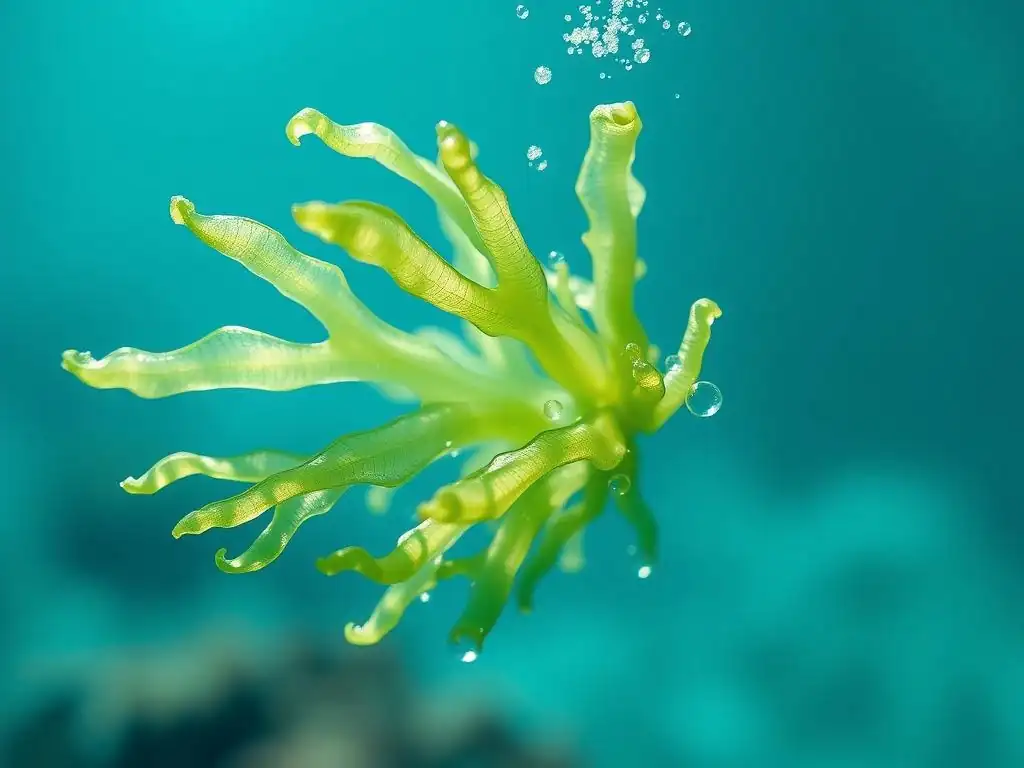
Just like terrestrial plants, saltwater macroalgae can exhibit signs of nutrient deficiencies or stress, indicating that their growing conditions are not optimal. One of the most common signs is a change in coloration: healthy green macroalgae like Chaeto may turn pale green, yellowish, or even white, while red macroalgae like Gracilaria might fade to a dull pink or brown. This bleaching often indicates a lack of essential nutrients, particularly iron, or potentially too much light intensity. For instance, if Chaeto turns translucent and stops growing, it's a strong indicator of severe nutrient starvation.
Another sign of unhealthy growth is a lack of physical growth or a "melting" appearance, where the algae starts to disintegrate or decay. This can be caused by prolonged periods of zero nitrates and phosphates, leading to starvation, or by sudden, drastic shifts in water parameters (e.g., temperature swings, salinity drops). Stunted growth, where the algae simply doesn't expand its biomass, suggests insufficient light, poor water flow, or a chronic lack of a key nutrient. Regularly inspecting your macroalgae for these visual cues allows for early intervention and correction of underlying issues.
Dealing with Algae Blooms: Preventing and Controlling Unwanted Algae Growth
While macroalgae are beneficial, their presence does not guarantee freedom from nuisance algae blooms. In fact, an imbalance in nutrients or light can still trigger outbreaks of undesirable microalgae like diatoms, cyanobacteria (red slime algae), or green hair algae. The primary prevention strategy is meticulous nutrient control; consistently low levels of nitrates (below 5 ppm) and phosphates (below 0.03 ppm) are crucial. This means regular water changes, effective protein skimming, and consistent macroalgae harvesting to ensure efficient nutrient export.
If an algae bloom occurs, the first step is to identify the underlying cause, usually an excess of nitrates or phosphates. Increase the frequency and amount of macroalgae harvesting to accelerate nutrient export. Reduce feeding amounts to minimize nutrient input. Enhance water flow in stagnant areas of the display tank. Manual removal of nuisance algae is also important. In severe cases, temporary use of GFO (Granular Ferric Oxide) for phosphate removal or a nitrate-reducing bio-pellet reactor might be considered, but these should be used cautiously to avoid stripping the water too quickly and starving beneficial macroalgae or corals.
Pests and Predators of Macroalgae: Identifying and Managing Potential Threats
While generally robust, macroalgae can sometimes fall prey to pests or predators that can hinder their growth or even decimate a refugium. The most common "pests" are often other forms of nuisance algae that outcompete the desired macroalgae for light and nutrients, such as turf algae or Bryopsis. These can be difficult to eradicate once established within the macroalgae clump. Careful inspection of new macroalgae additions before introducing them to your system can help prevent the introduction of these hitchhikers.
True predators of macroalgae are less common in a dedicated refugium but can include certain types of snails (e.g., some Turban snails if very hungry), hermit crabs, or even some fish species if they gain access. For instance, if a large tang somehow makes its way into the refugium, it could quickly graze down your entire macroalgae crop. Regularly inspecting your macroalgae for signs of grazing or deterioration beyond normal die-off can help identify these issues.
If a predator is identified, it should be carefully removed from the refugium. Maintaining good quarantine practices for all new livestock and macroalgae is the best preventative measure.
Harvesting and Pruning Macroalgae: Maintaining a Healthy and Balanced Refugium
Regular harvesting and pruning are perhaps the most critical maintenance tasks for a macroalgae refugium, as this is the primary mechanism for permanent nutrient export. The frequency and quantity of harvesting will depend on your tank's bioload, the growth rate of your specific macroalgae, and your measured nutrient levels. For fast-growing species like Chaetomorpha or Caulerpa, removing 25-50% of the biomass every 1-2 weeks is often necessary. For slower-growing Gracilaria, bi-weekly or monthly harvesting might suffice.
When harvesting, simply remove a portion of the macroalgae from the refugium. For Chaeto, you can pull out a clump; for Caulerpa or Gracilaria, you might use scissors to trim branches. Ensure that you are physically removing the algae from the system, not just letting it die off in the refugium, which would re-release the stored nutrients. Consistent harvesting not only exports nutrients but also encourages new, vigorous growth, ensuring that your macroalgae remains healthy and an efficient biological filter for your saltwater aquarium.
Saltwater Macroalgae: Choosing the Right Species for Your Aquarium
Selecting Macroalgae Based on Tank Size and Livestock
The choice of saltwater macroalgae should be carefully considered based on the specific characteristics of your aquarium, including its size and the type of livestock it houses. For smaller tanks (under 50 gallons) or those with limited sump space, Chaetomorpha (Chaeto) is often the most practical choice. Its compact, non-invasive growth habit and high efficiency make it ideal for smaller refugiums. For example, a 5-gallon refugium attached to a 30-gallon display tank would benefit most from Chaeto due to space constraints and ease of management.
Larger tanks (over 100 gallons) with ample sump space can accommodate larger volumes of Chaeto or explore other options like various Caulerpa species or Gracilaria. If you have herbivorous fish like Tangs or Rabbitfish, incorporating Gracilaria into a display refugium or even the main tank can serve a dual purpose as a natural food source, reducing reliance on prepared foods. However, if your livestock includes known algae grazers, ensure that the macroalgae chosen for nutrient export is either unpalatable to them (like some Chaeto strains) or is housed in a dedicated, inaccessible refugium.
Considerations for Reef Tanks: Compatibility with Corals and Invertebrates
When selecting macroalgae for a reef tank, compatibility with corals and other invertebrates is a paramount consideration. The primary concern is preventing invasive macroalgae from overgrowing or stinging corals. This is where the debate around Caulerpa often arises; while excellent at nutrient export, its rapid growth and runners can quickly spread and smother sessile invertebrates if not rigorously contained within a dedicated refugium. For this reason, many reef aquarists prefer the non-invasive nature of Chaetomorpha, which poses no threat to corals even if it were to somehow enter the display.
Furthermore, some macroalgae species, particularly certain Caulerpa, can release toxins or "go sexual" and release spores that cloud the water and cause nutrient spikes, which can be highly detrimental to sensitive corals and invertebrates. Therefore, for a mixed reef or SPS-dominant tank, Chaeto is generally the safest and most recommended choice for a refugium. If using Caulerpa or Gracilaria in a reef tank, it is almost always recommended to keep them strictly confined to a separate refugium section of the sump, ensuring no physical contact or potential for spore release into the main display.
Sourcing Healthy Macroalgae: Finding Reputable Suppliers
Sourcing healthy, pest-free macroalgae is crucial to avoid introducing unwanted organisms or diseases into your established aquarium. Reputable online suppliers and local fish stores are the best places to acquire macroalgae. Look for vendors who specialize in marine aquaculture or have a strong reputation within the hobby. A healthy macroalgae clump should appear vibrant in color, with no signs of browning, melting, or excessive detritus accumulation. It should also be free of visible pests like aiptasia, undesirable microalgae, or other hitchhikers.
When purchasing, inquire about the supplier's quarantine procedures or origin of the macroalgae. Upon arrival, it is highly recommended to quarantine any new macroalgae in a separate container or bucket for at least a few days, inspecting it thoroughly for any undesirable organisms. A freshwater dip (using RODI water matched for temperature and pH for 30-60 seconds) can help dislodge common pests like bristle worms or nudibranchs before introducing the macroalgae into your main sump or refugium. This careful approach minimizes the risk of introducing problems into your thriving aquarium ecosystem.
Advanced Saltwater Macroalgae Techniques: Beyond the Basics
Algae Scrubbers vs. Refugiums: Exploring Alternative Filtration Methods
While macroalgae refugiums are a popular and effective method of natural nutrient export, it's worth exploring alternative macroalgae-based filtration systems, primarily Algae Scrubbers (ATS). An ATS works by growing nuisance algae (often green hair algae) on a vertically oriented screen that is constantly exposed to water flow and intense light. As the nuisance algae grows, it absorbs nitrates and phosphates from the water. Unlike a refugium, where the goal is to grow specific macroalgae, an ATS intentionally cultivates fast-growing, opportunistic microalgae.
The key difference lies in the type of algae cultivated and the mechanism of nutrient removal. Refugiums cultivate larger, slower-growing macroalgae in a dedicated chamber, often for biodiversity benefits in addition to nutrient export.
ATS, on the other hand, focuses solely on aggressive nutrient stripping by growing and harvesting nuisance-like algae on a screen. Both methods export nutrients by physical removal of the algae biomass, but an ATS can often process nutrients more rapidly in a smaller footprint due to the higher surface area and intense light, potentially removing up to 1 mg/L of nitrate and 0.1 mg/L of phosphate per day in a well-sized unit.
Utilizing Multiple Macroalgae Species: Optimizing Nutrient Uptake
While many aquarists stick to a single type of macroalgae, primarily Chaeto, some advanced setups can benefit from utilizing multiple macroalgae species within a refugium. Different species of macroalgae can have varying preferences for light intensity, flow, and nutrient ratios, and combining them can lead to a more robust and resilient nutrient export system. For instance, Chaeto is excellent for tumbling in high flow, while certain Caulerpa species might thrive anchored in a sand bed under different light conditions, potentially absorbing nutrients at different rates or ratios.
Careful planning is essential when combining species to avoid competition or invasive issues. For example, some aquarists might run separate refugium sections or different lighting cycles for different species. The goal is to maximize the total biomass and diversity of photosynthetic nutrient absorbers, ensuring that a wider spectrum of nutrients is efficiently removed from the water column. This approach can lead to more stable water parameters and a healthier overall system, as the combined macroalgae act as a more comprehensive biological filter.
Integrating Macroalgae with Protein Skimmers and Other Filtration Equipment
Effective saltwater aquarium filtration often involves a synergistic approach, combining multiple methods for optimal water quality. Macroalgae refugiums work exceptionally well in conjunction with protein skimmers, despite both targeting nutrient removal. Protein skimmers remove organic waste before it breaks down into nitrates and phosphates, acting as a "first line of defense." Macroalgae, conversely, excel at removing the dissolved inorganic nutrients (nitrates and phosphates) that the skimmer might miss or that are produced from the breakdown of skimmed waste.
For instance, a tank with a robust protein skimmer might still have elevated nitrates from fish waste that was not removed before nitrification, which the macroalgae can then efficiently process. Conversely, if a refugium is so efficient that it strips all nutrients, the skimmer can be run less aggressively to allow some nutrients to remain for the macroalgae.
Other filtration methods like GFO reactors or carbon can also be integrated, but their use should be monitored carefully to ensure they don't over-strip the water, potentially starving the macroalgae. The best strategy is to balance these methods, allowing each to contribute to a comprehensive and stable filtration system.
Conclusion: Mastering Saltwater Macroalgae Care for a Thriving Aquarium.
Frequently Asked Questions
How does saltwater macroalgae benefit my aquarium?
Saltwater macroalgae provides many benefits, including nutrient export by absorbing nitrates and phosphates, oxygen production, and refuge for small invertebrates. It can also improve water quality and create a more natural environment.
What are the primary differences in care between Chaeto, Caulerpa, and Gracilaria?
While all are macroalgae, they have distinct needs. Chaeto is generally low-maintenance and requires good flow and light. Caulerpa can grow quickly and needs regular trimming to prevent it from going sexual. Gracilaria needs stronger lighting and iron supplementation.
What type of lighting is best for growing saltwater macroalgae?
Generally, full-spectrum LED lighting is optimal. The intensity and duration of the light will depend on the specific type of macroalgae. Experiment to find what works best for your tank.
How often should I prune or trim my saltwater macroalgae?
The frequency of pruning depends on the growth rate. Caulerpa needs more frequent trimming to prevent it from going sexual and releasing toxins. Chaeto and Gracilaria can be trimmed as needed to manage their size.
What are some common problems encountered when growing saltwater macroalgae, and how can I address them?
Common problems include nutrient deficiencies, algae overgrowth, and die-off. Ensure proper water parameters, provide adequate lighting and flow, and address any nutrient imbalances promptly with water changes and supplementation.
Final Reflection: Cultivating Oceanic Gardens
The journey through the world of saltwater macroalgae, as detailed in this guide, underscores its enduring relevance in our modern aquariums and beyond. The ability to cultivate thriving ecosystems within our homes, while simultaneously contributing to a healthier planet, is a powerful testament to the potential of responsible reefkeeping. This guide serves not only as a practical resource but also as a reminder of our interconnectedness with the marine environment and the responsibility we bear to protect it.
The impact of understanding and implementing proper saltwater macroalgae care extends far beyond the confines of a glass tank. It fosters a deeper appreciation for the delicate balance of marine ecosystems and encourages a more conscious approach to resource management. As we learn to nurture these underwater gardens, we become active participants in a larger narrative of conservation and sustainability. In the end, we will conserve only what we love; we will love only what we understand; and we will understand only what we are taught.
- Baba Dioum. This quote perfectly encapsulates the importance of education and hands-on experience in fostering a genuine connection with the natural world.
Now, armed with the knowledge and insights shared within this saltwater macroalgae care guide, I invite you to reflect on your own role in this ongoing story. Consider how you can integrate these principles into your own aquarium practices, and perhaps even inspire others to embark on their own journey of cultivating oceanic gardens. Let us all strive to be stewards of the sea, one vibrant macroalgae frond at a time.
Dive Deeper: Cultivate Your Own Thriving Macroalgae Ecosystem!
Thanks for exploring the fascinating world of saltwater macroalgae with us! We hope you've gained valuable insights into their care, benefits, and troubleshooting. Now, let's turn that knowledge into action!
- Start your own refugium! Begin by researching the specific needs of your chosen macroalgae and selecting the right equipment for a thriving environment.
- Share your newfound wisdom! Post your favorite macroalgae photo and tip to a reefing forum.
- Consider exploring less common varieties! Research sea grapes (Caulerpa lentillifera) or dragon's tongue algae (Halymenia) for a unique addition to your aquarium.
Ready to transform your aquarium into a vibrant, balanced ecosystem?