
Is Caulerpa Right for Your Reef? An Aquarium Mastery Balanced Look at Pros and Cons

Welcome to Aquarium Mastery!
Ever wondered if Caulerpa could be the secret weapon for a thriving reef aquarium, or if it's a recipe for disaster? Dive in with us as we explore the Caulerpa reef aquarium benefits and potential drawbacks in this comprehensive guide. We'll arm you with the knowledge to make an informed decision for your underwater ecosystem. Ready to unlock the full potential (or avoid the pitfalls) of this fascinating macroalgae? Let's get started!
- Introduction: Exploring Caulerpa in Reef Aquariums
- Understanding Caulerpa: What is it and Why the Controversy?
- Caulerpa Reef Aquarium Benefits: The Pros
- Caulerpa's Drawbacks: The Cons
- Choosing the Right Caulerpa Species for Your Reef
- Caulerpa Care and Management in Reef Tanks
- Alternative Macroalgae Options: Comparing Caulerpa to Chaetomorpha and Gracilaria
- Conclusion: Making an Informed Decision About Caulerpa for Your Reef Aquarium
-
Frequently Asked Questions
- What are the main benefits of using Caulerpa in a reef aquarium?
- What are the potential drawbacks of keeping Caulerpa in a reef tank?
- How does Caulerpa contribute to nutrient control in a reef aquarium?
- What types of fish and invertebrates benefit from the presence of Caulerpa in a reef environment?
- How can I manage Caulerpa to prevent it from becoming an invasive problem in my reef tank?
- Final Reflection: Navigating the Caulerpa Conundrum
- Unlock Your Reef's Potential: Are You Ready to Dive Deeper?
Introduction: Exploring Caulerpa in Reef Aquariums
Caulerpa, a genus of green macroalgae, holds a fascinating and often controversial place in the realm of reef aquariums. While lauded by some for its exceptional nutrient export capabilities and natural aesthetic contributions, it is simultaneously viewed with caution, even apprehension, by others due to its aggressive growth patterns and the potential for catastrophic crashes. This dual reputation stems from its unique biological characteristics and its history as an invasive species in certain natural marine environments.
For reef aquarists, understanding Caulerpa's intricate balance of advantages and disadvantages is crucial for making an informed decision about its inclusion in a delicate ecosystem. This article aims to provide a comprehensive, balanced look at Caulerpa, exploring its fundamental nature, the significant Caulerpa reef aquarium benefits it can offer, and the considerable drawbacks that necessitate careful management. We will delve into specific species, care requirements, and compare it with other popular macroalgae to help you determine if Caulerpa aligns with your reef keeping goals.
Understanding Caulerpa: What is it and Why the Controversy?
Defining Caulerpa: A Green Macroalgae Overview
Caulerpa is a diverse genus of green macroalgae belonging to the family Caulerpaceae, characterized by its unique coenocytic structure. Unlike most plants and algae, a single Caulerpa individual is essentially one giant, multi-nucleated cell without internal cell walls, giving it remarkable structural flexibility and the ability to rapidly transport nutrients throughout its thallus. This distinctive cellular organization allows it to grow quickly and efficiently, adapting to various substrates and light conditions.
Globally distributed in tropical and subtropical marine waters, Caulerpa species exhibit a wide array of forms, from delicate, fern-like fronds to robust, grape-like clusters or long, strap-like blades. These morphological variations contribute to its appeal in aquascaping but also dictate its specific growth habits and potential for invasiveness. Understanding these fundamental biological traits is the first step in appreciating both the utility and challenges associated with Caulerpa in a controlled reef environment.
The Rapid Growth Potential: A Double-Edged Sword
Caulerpa's rapid growth potential is arguably its most defining characteristic, functioning as both a significant advantage and a considerable liability in reef aquariums. On the beneficial side, this rapid proliferation means it can quickly absorb large quantities of dissolved nitrates and phosphates from the water column, effectively acting as a powerful biological filter. For instance, a well-established patch of Caulerpa prolifera in a 20-gallon refugium can process the equivalent of 0.5-1.0 ppm of nitrate and 0.05 ppm of phosphate per day in a moderately stocked 100-gallon reef tank, significantly contributing to nutrient export.
Conversely, this aggressive growth can quickly become problematic if left unchecked, particularly when Caulerpa is introduced directly into the display tank. Certain species, like Caulerpa taxifolia, are notorious for their ability to grow up to 2.5 cm (1 inch) per day under optimal conditions, rapidly spreading over live rock and coral skeletons. This unchecked expansion can smother slow-growing corals and sessile invertebrates, outcompeting them for light and space, thereby transforming a beneficial algae into a destructive nuisance.
Caulerpa's Reputation: Invasive or Beneficial?
Caulerpa's reputation is heavily influenced by the infamous invasive spread of Caulerpa taxifolia in the Mediterranean Sea. Accidentally introduced from aquariums in the 1980s, this particular species rapidly colonized vast areas, outcompeting native seagrasses and algae, and covering over 13,000 hectares by the early 2000s. This ecological disaster cemented C. taxifolia's image as a "killer algae" and led to strict regulations and even bans on its cultivation and sale in many regions, including parts of the United States and Australia.
Despite this well-deserved cautionary tale, other Caulerpa species, when responsibly managed in controlled environments like sumps or refugiums, offer substantial Caulerpa reef aquarium benefits. In these isolated systems, their rapid growth can be harnessed for efficient nutrient export, preventing nuisance algae outbreaks in the main display tank. The key distinction lies in containment and vigilant management, transforming a potentially invasive organism into a valuable tool for maintaining pristine water quality and supporting a healthy reef ecosystem.
Caulerpa Reef Aquarium Benefits: The Pros
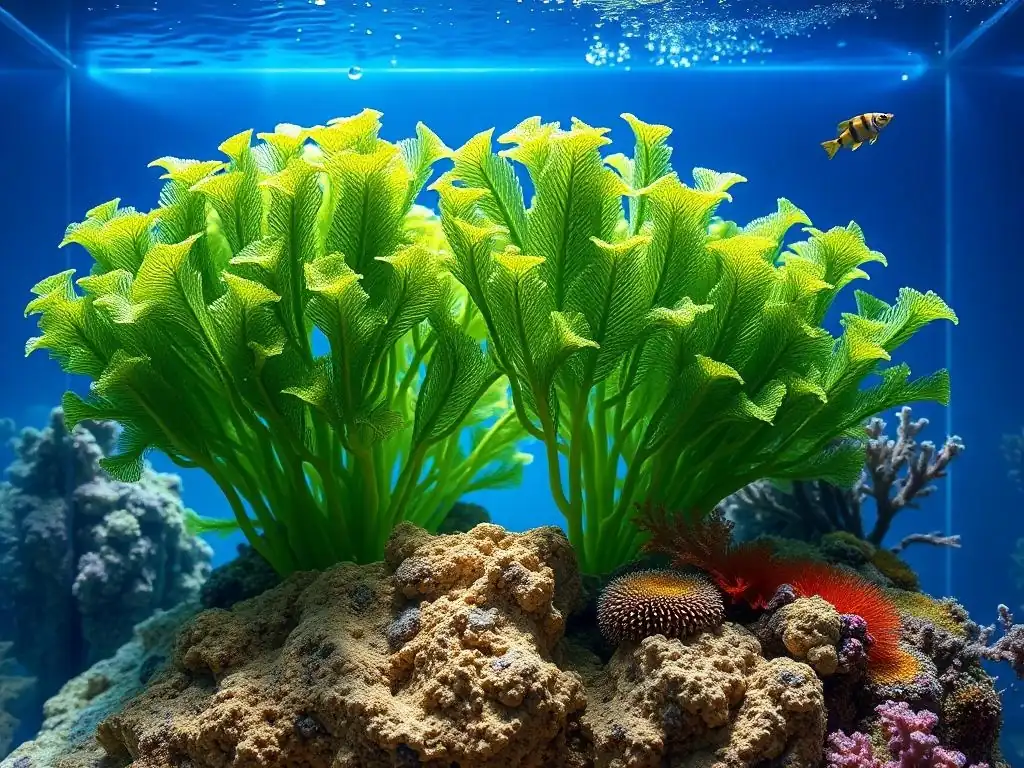
Natural Nitrate and Phosphate Reduction with Caulerpa
One of the most compelling Caulerpa reef aquarium benefits is its exceptional ability to naturally reduce nitrates and phosphates, two primary culprits behind nuisance algae growth in reef tanks. This biological filtration mechanism makes it a cornerstone of many successful nutrient management strategies.
Caulerpa's Nutrient Uptake Efficiency
Caulerpa efficiently absorbs dissolved nitrates (NO3-) and phosphates (PO43-) directly from the water column, incorporating these compounds into its rapidly growing biomass. This process directly competes with undesirable nuisance algae for essential nutrients, effectively starving them out and preventing their proliferation in the display tank. The alga acts as a living sponge, pulling excess nutrients that would otherwise fuel outbreaks of diatoms, dinoflagellates, or hair algae.
Quantifying its efficiency, a dense bed of Caulerpa prolifera spanning approximately 1 square foot in a well-lit refugium can assimilate enough nutrients to reduce nitrate levels by 5-10 ppm and phosphate levels by 0.05-0.1 ppm over a week in a moderately stocked 100-gallon reef system. This continuous uptake, especially when coupled with regular harvesting, transforms harmful dissolved nutrients into manageable, removable biomass, contributing significantly to maintaining ultra-low nutrient (ULNS) conditions desirable for sensitive corals.
Comparing Caulerpa to Other Nutrient Export Methods
Caulerpa's biological nutrient export offers a natural, sustainable alternative or complement to mechanical and chemical filtration methods. While protein skimmers remove organic waste before it breaks down into nitrates and phosphates, and chemical media like GFO (Granular Ferric Oxide) chemically bind phosphates, Caulerpa actively consumes these dissolved compounds. It converts them into living plant material that can then be physically removed from the system, permanently exporting the nutrients.
Unlike GFO, which primarily targets phosphate, Caulerpa effectively reduces both nitrates and phosphates simultaneously, providing a broader spectrum of nutrient control. For instance, in a system where a GFO reactor might reduce phosphate from 0.1 ppm to 0.03 ppm, a thriving Caulerpa bed could reduce both nitrate from 10 ppm to 2 ppm and phosphate from 0.1 ppm to 0.02 ppm, offering a more holistic approach to nutrient management. This natural process also helps stabilize pH by consuming CO2 during its photosynthetic cycle, particularly beneficial during the main tank's dark hours when run on a reverse photoperiod.
Providing a Natural Food Source for Reef Inhabitants
Beyond nutrient export, another significant Caulerpa reef aquarium benefit lies in its ability to contribute to the natural food web within the aquarium, serving as both a habitat and a direct or indirect food source for various reef inhabitants.
Small Invertebrates and the Caulerpa Ecosystem
A dense patch of Caulerpa, particularly when cultivated in a refugium, creates a rich and complex microhabitat for a myriad of beneficial micro-invertebrates. Copepods, amphipods, and other small crustaceans thrive within the intricate fronds and runners of the algae, grazing on the Caulerpa itself, as well as on detritus and microalgae that accumulate within its structure. This vibrant mini-ecosystem provides shelter, breeding grounds, and a continuous food supply for these essential members of the cleanup crew.
These microfauna, constantly reproducing and migrating, serve as a continuous, natural food source for the main display tank's inhabitants. For example, a healthy 15-gallon refugium densely packed with Caulerpa can produce thousands of copepods per day, which are then flushed into the main display. This live food is crucial for the long-term health and survival of specialized feeders like mandarin gobies, seahorses, and many LPS corals that rely on zooplankton and other small organisms for their nutritional needs.
Grazing Benefits for Fish and Invertebrates
Certain herbivorous fish and invertebrates, particularly those that naturally graze on macroalgae in the wild, will readily consume Caulerpa. Species such as Yellow Tangs ( Zebrasoma flavescens), some Angelfish (e.g., Flame Angelfish), and various hermit crabs view Caulerpa as a palatable and nutritious food source. This provides them with a natural, varied diet rich in plant matter, essential for their digestive health, vibrant coloration, and overall well-being.
While not all Caulerpa species are equally palatable, some, like Caulerpa prolifera or Caulerpa serrulata, can provide valuable roughage and nutrients. For instance, a mature Yellow Tang might consume 1-2 grams of fresh Caulerpa daily, supplementing its prepared food diet and promoting natural grazing behaviors that keep the fish active and engaged. This natural foraging also helps to keep any stray Caulerpa fragments in the display tank in check, though it should not be relied upon as the sole control method for aggressive species.
Enhanced Aesthetics and Natural Reef Look
The visual appeal and naturalistic contribution are also notable Caulerpa reef aquarium benefits. When thoughtfully integrated, Caulerpa can significantly enhance the aesthetic value of a reef tank, creating a more natural and dynamic environment.
Creating a Natural Habitat for Reef Creatures
When incorporated into the aquascape, particularly in designated areas or as part of a refugium, Caulerpa can effectively mimic the natural seagrass beds and algal zones found in wild reef environments. These dense patches provide essential hiding spots, territories, and a sense of security for various fish and invertebrates. For example, small schools of gobies or blennies might utilize the dense foliage for shelter, while some clownfish have been observed hosting in patches of Caulerpa prolifera if no anemone is available.
This provision of naturalistic shelter and structure can significantly reduce stress levels in aquarium inhabitants, leading to more natural behaviors, improved coloration, and overall better health. The added biomass also contributes to the visual complexity and stability of the entire reef system, making the aquarium feel more like a living, breathing ecosystem rather than just a collection of corals and fish.
Caulerpa's Visual Appeal in a Reef Tank
Caulerpa species come in a remarkable array of forms and vibrant green hues, offering diverse textures and visual interest to a reef tank. From the delicate, fern-like fronds of Caulerpa serrulata to the striking, grape-like clusters of Caulerpa racemosa or the broad, paddle-shaped blades of Caulerpa prolifera, each species offers a unique aesthetic. These varied forms can provide a beautiful contrast against the more static live rock and the often brightly colored corals, adding depth and dimension to the aquascape.
The gentle sway of Caulerpa fronds in the water current adds a dynamic and living element to the tank, contributing to a more natural and serene feel. For example, a flowing curtain of Caulerpa prolifera can create a mesmerizing backdrop, enhancing the overall aesthetic appeal and visual engagement of a reef aquarium. This natural movement and lush green coloration bring a sense of vitality and authenticity that static decorations cannot replicate.
Caulerpa's Drawbacks: The Cons
Despite the compelling Caulerpa reef aquarium benefits, there are significant drawbacks and risks associated with its use that every aquarist must thoroughly understand and mitigate.
The Risk of Caulerpa Overgrowth and Tank Takeover
The very characteristic that makes Caulerpa an excellent nutrient exporter—its aggressive growth—is also its most significant liability, especially if it escapes containment.
Caulerpa's Aggressive Growth Patterns
Caulerpa's aggressive growth, particularly in nutrient-rich conditions and with ample light, can quickly outcompete and smother slow-growing corals and sessile invertebrates. Its extensive rhizoids, which act like roots, can attach firmly to live rock, coral skeletons, and even powerheads, making removal exceptionally challenging and potentially damaging to established colonies. Once established in the main display, it can form dense mats that block light and restrict water flow to underlying organisms.
For example, Caulerpa taxifolia can extend its runners several inches per week, forming dense, pervasive mats that quickly cover vast areas. In an uncontrolled environment, a small fragment, perhaps introduced accidentally on live rock or coral frags, can colonize a significant portion of a 50-gallon tank within weeks, leading to coral recession, tissue necrosis, and even the eventual death of sensitive corals due to light deprivation and physical abrasion.
Preventing Caulerpa from Spreading Uncontrollably
The most effective strategy to prevent Caulerpa overgrowth in the display tank is strict containment within a dedicated refugium or sump. This physical separation ensures that its beneficial nutrient export occurs without the risk of it invading the main aquascape. Implementing a continuous or very long photoperiod (e.g., 24/7 or 18 hours on) in the refugium can encourage continuous growth and nutrient uptake, discouraging sexual reproduction which often occurs during prolonged dark periods.
Regular manual harvesting is also crucial. This involves physically removing a portion of the Caulerpa biomass, typically 20-30% of the total volume, every 1-2 weeks depending on its growth rate. For instance, removing approximately 2-3 gallons of biomass weekly from a 10-gallon refugium packed with Caulerpa maintains its vigor and prevents it from becoming too dense or "going sexual." Any stray pieces that appear in the display tank must be immediately removed by hand or with tweezers to prevent them from establishing.
Potential for Caulerpa to Release Toxins (Caulerpicin)
A serious concern for reef keepers is the potential for Caulerpa to release secondary metabolites, specifically toxins like caulerpicin, into the water column.
Understanding Caulerpicin and its Effects
Caulerpa species produce various secondary metabolites, with caulerpicin being one of the most well-known. These compounds act as a natural defense mechanism against herbivores in the wild. While typically harmless in small, healthy quantities, a sudden die-off or "crash" of a large Caulerpa bed can release significant concentrations of these toxins into the aquarium water, posing a severe threat to fish and invertebrates.
The effects of caulerpicin can range from mild irritation to severe neurological damage or even death in sensitive fish and invertebrates. For example, in laboratory studies, concentrations as low as 0.5 ppm of caulerpicin have been shown to cause distress in some reef fish, leading to erratic swimming, lethargy, loss of appetite, and potentially impacting coral health by causing tissue recession or bleaching. Corals, particularly LPS (Large Polyp Stony) corals, are often among the first to show signs of stress.
Minimizing the Risk of Toxin Release
To minimize the risk of toxin release, maintaining stable water parameters and performing regular, small harvests of Caulerpa biomass are paramount. Avoid large-scale, abrupt removals of the algae, as well as sudden environmental changes such as extreme temperature fluctuations (e.g., more than 3°F change in 24 hours) or prolonged power outages, which can stress the algae and induce a mass die-off. Consistent light cycles and nutrient levels are also key to preventing stress.
Should a Caulerpa crash occur, immediate and aggressive action is vital. Perform a large water change (e.g., 30-50%) to dilute the released toxins and organic load. Increase carbon filtration significantly (e.g., use a full cup of high-quality activated carbon for every 50 gallons of tank volume, replacing it every 24-48 hours) as activated carbon can effectively absorb many organic toxins. Enhancing aeration and ensuring robust protein skimming will also help mitigate the impact of the released pollutants, while closely monitoring fish and coral behavior for signs of stress.
Caulerpa Crashes and Their Impact on Water Quality
Beyond toxin release, a "Caulerpa crash" or "going sexual" can have profound and immediate negative impacts on overall water quality, creating a dangerous environment for all tank inhabitants.
Causes of Caulerpa Die-Offs
Caulerpa crashes occur when the entire algal thallus rapidly releases its cellular contents, including reproductive gametes and stored organic matter, into the water column. This process, known as "going sexual," is often triggered by environmental stressors. Common culprits include sudden and drastic changes in water parameters (e.g., significant swings in salinity or pH), prolonged nutrient starvation (if the algae consumes all available nitrates and phosphates), or abrupt shifts in lighting schedules (e.g., changing from a continuous photoperiod to a diurnal one without acclimation).
Another significant cause is the natural reproductive cycle of the algae. When a Caulerpa patch reaches a certain maturity or experiences overcrowding stress, it can undergo a synchronous, mass release of gametes. This can happen unexpectedly, transforming a vibrant green patch into a pale, translucent mass within hours, and releasing a substantial organic load that turns the water cloudy and foul. This rapid decomposition consumes vast amounts of dissolved oxygen and releases ammonia, nitrite, and other pollutants.
Managing Water Parameters During a Caulerpa Crash
A Caulerpa crash can rapidly deplete dissolved oxygen levels and cause dangerous spikes in ammonia, nitrite, and organic carbon, severely impacting the reef ecosystem and potentially leading to mass livestock fatalities. Immediate and aggressive intervention is required to mitigate the damage. The first critical step is to physically remove as much of the dying and decaying Caulerpa as possible, even if it means siphoning out cloudy water and debris.
Following physical removal, perform multiple large water changes (e.g., 25-50% daily for several days) to dilute toxins and organic pollutants. Run high-quality activated carbon at a robust rate (e.g., a full cup for every 50 gallons of tank volume, changed every 12-24 hours) to adsorb dissolved organics and toxins. Ensure maximum protein skimming and increase aeration to maintain oxygen levels. Continuous monitoring of ammonia and nitrite levels with a reliable test kit every few hours is crucial, as a spike can lead to rapid fish and invertebrate loss.
Choosing the Right Caulerpa Species for Your Reef
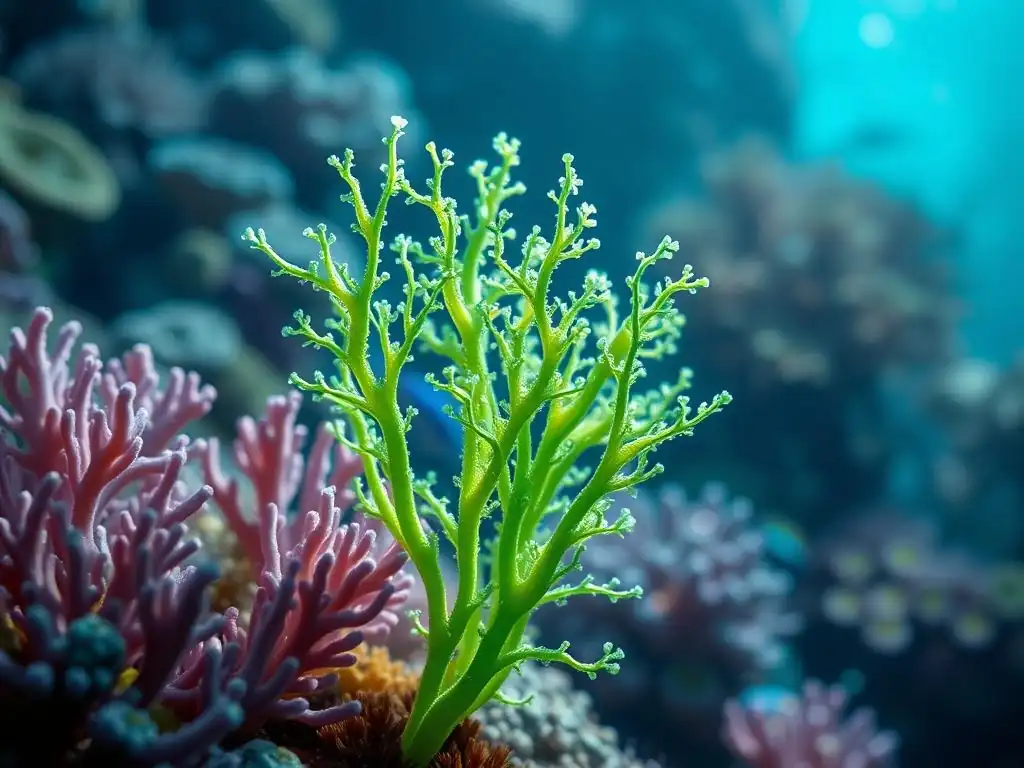
The genus Caulerpa encompasses a wide variety of species, each with distinct growth habits and risk profiles. Selecting the appropriate species is crucial for successful and safe integration into a reef aquarium.
Popular Caulerpa Species for Reef Aquariums
Caulerpa prolifera: A Common and Relatively Well-Behaved Option
Caulerpa prolifera is one of the most commonly recommended Caulerpa species for reef aquariums, particularly for use in refugiums, due to its relatively manageable growth pattern and distinctive strap-like, paddle-shaped fronds. It tends to grow upright and spread more predictably via runners, making it considerably easier to prune and contain compared to some of its more aggressive relatives. Its less invasive nature makes it a favorable choice for aquarists seeking Caulerpa reef aquarium benefits with reduced risk.
Its growth rate is moderate, allowing for consistent nutrient export without overwhelming the system too quickly, provided regular harvesting is performed. In a 50-gallon refugium, a healthy patch of C. prolifera can typically grow enough to require harvesting every 7-10 days, effectively removing significant amounts of accumulated nitrates (e.g., 5-10 ppm from the system per week) and phosphates, thereby maintaining water quality in the main display.
Caulerpa taxifolia: Proceed with Extreme Caution
Caulerpa taxifolia, often infamously referred to as "killer algae," gained notoriety for its aggressive invasive spread in the Mediterranean Sea and parts of California, where it devastated native marine ecosystems. Its feathery, fern-like fronds are aesthetically appealing, but its highly aggressive growth, rapid reproduction from tiny fragments, and strong allelopathic properties (releasing chemicals to inhibit other organisms) make it a significant ecological threat and an extremely high-risk choice for any aquarium.
Due to its proven invasive potential and extreme difficulty of eradication once established, Caulerpa taxifolia is actually illegal to possess, cultivate, or sell in several regions, including California and Australia. Its growth rate can exceed 1 inch (2.5 cm) per day under optimal conditions, making it incredibly challenging to control even within a dedicated refugium. Any stray piece introduced to the display tank can quickly become an unmanageable problem, jeopardizing the entire reef.
Caulerpa racemosa: Known for its Aggressive Spread
Caulerpa racemosa, characterized by its distinctive grape-like clusters or "sea grapes," is another Caulerpa species that can be found in the hobby. While visually unique and initially appealing, it is known for its highly aggressive and pervasive growth habit, often spreading rapidly and adhering tenaciously to rockwork and substrate with its extensive rhizoids. Its ability to quickly colonize available surfaces makes it a challenging species to manage.
Its growth can be incredibly fast, with new runners and grape-like clusters forming quickly, making it prone to overrunning a refugium or even a display tank if not meticulously managed. Aquarists often report needing to harvest C. racemosa as frequently as every 3-5 days in a well-lit refugium to prevent it from choking out other beneficial organisms and potentially going sexual due to overcrowding or nutrient depletion within its dense mass.
Factors to Consider When Selecting a Caulerpa Species
When considering Caulerpa for your reef aquarium, it's essential to assess your tank's specific needs, your personal experience level, and your tolerance for risk. Smaller tanks (under 50 gallons) with lower nutrient loads might not require the aggressive nutrient uptake of some Caulerpa species, making less demanding macroalgae like Chaetomorpha a safer and more manageable choice. Conversely, larger, heavily stocked tanks with high bioloads might benefit more from Caulerpa's rapid absorption capabilities, provided adequate management.
Your commitment to regular, consistent maintenance is also paramount. If you are a novice aquarist or prefer a hands-off approach, the potential for a Caulerpa crash or invasive spread might outweigh the Caulerpa reef aquarium benefits. Experienced aquarists with robust filtration systems, a keen eye for detail, and a commitment to meticulous, weekly maintenance are better equipped to manage the specific challenges associated with Caulerpa, ensuring its controlled growth and maximizing its positive impact.
Caulerpa Care and Management in Reef Tanks
Successful Caulerpa cultivation hinges on consistent care and proactive management to harness its benefits while mitigating its inherent risks.
Essential Water Parameters for Caulerpa Growth
Maintaining Optimal Nitrate and Phosphate Levels
While Caulerpa is highly effective at reducing nitrates and phosphates, it also requires these nutrients to thrive. Maintaining a detectable, but low, level of these nutrients is crucial for healthy, continuous Caulerpa growth; if levels drop to absolute zero for extended periods, the algae can starve, turn pale, and ultimately crash. Ideal nitrate levels for robust Caulerpa growth are typically between 2-10 ppm, and phosphates around 0.02-0.05 ppm.
Consistent nutrient availability prevents the "starvation mode" that can trigger a sexual crash, where the algae rapidly releases its contents. For example, in a system with nitrate levels consistently below 1 ppm for more than a few days, a large Caulerpa patch may show signs of yellowing or receding within a week, indicating insufficient nutrients to sustain its biomass. This stress significantly increases the risk of a sudden, catastrophic die-off, releasing stored organic matter and potentially toxins.
Light and Flow Requirements for Healthy Caulerpa
Caulerpa species generally require strong, consistent lighting for optimal growth and efficient nutrient assimilation. Full-spectrum LED lights or compact fluorescent lamps (CFLs) with a color temperature of 6500K to 10000K are effective for driving photosynthesis. A common and highly recommended practice is to run the refugium light on a reverse photoperiod (e.g., 12-18 hours during the main tank's dark cycle). This helps offset pH swings and oxygen depletion that naturally occur in the main tank at night, as Caulerpa consumes CO2 and releases O2.
Moderate to high water flow is also beneficial within the Caulerpa bed, ensuring that nutrients are delivered efficiently to the algal fronds and preventing detritus from accumulating within the dense algal mass. A flow rate of approximately 5-10 times the refugium volume per hour can maintain proper circulation, preventing stagnant areas and promoting robust growth, which in turn maximizes the Caulerpa reef aquarium benefits. Good flow also aids in flushing out copepods and other microfauna into the main display.
Controlling Caulerpa Growth: Pruning and Harvesting Techniques
Proactive control of Caulerpa growth through regular pruning and harvesting is non-negotiable for successful long-term management and preventing system crashes.
Manual Removal of Excess Caulerpa
Regular manual pruning is the cornerstone of effective Caulerpa management, especially within a refugium. This involves physically removing a portion of the Caulerpa biomass, typically 20-30% of the total volume, every 1-2 weeks depending on its growth rate. This prevents the algae from becoming too dense, which can lead to self-shading, nutrient depletion within the patch, and an increased risk of going sexual due to overcrowding stress.
When pruning, aim to remove the older, denser parts of the algae, ensuring that new, healthy growth can continue. It is absolutely crucial to remove all harvested material from the system to ensure the exported nutrients are permanently eliminated from the water column. For instance, if you have a 10-gallon refugium packed with Caulerpa, removing roughly 2-3 gallons of biomass weekly can equate to exporting several grams of dry weight, effectively removing built-up nitrates and phosphates and preventing their re-release.
Utilizing Herbivores to Control Caulerpa
While not a primary control method for refugium Caulerpa, certain herbivorous fish and invertebrates can help manage small outbreaks or keep stray pieces in check within the display tank. Species like Yellow Tangs ( Zebrasoma flavescens), some Surgeonfish (e.g., Sailfin Tangs), and various hermit crabs are known to graze on Caulerpa, helping to prevent it from establishing a foothold on live rock or sand.
However, relying solely on herbivores for control can be unpredictable and is generally insufficient for aggressive Caulerpa species. Many herbivorous species may only graze on certain types of Caulerpa or only when other food sources are scarce. For instance, a single Yellow Tang might keep a small patch of C. prolifera in check, but it is highly unlikely to prevent the aggressive, pervasive spread of C. taxifolia or C. racemosa if conditions are highly favorable for the algae.
Preventing Caulerpa Sexual Reproduction and Spores
Preventing a Caulerpa sexual reproduction event, commonly known as a "crash," is paramount to avoiding severe water quality issues and potential livestock loss.
Understanding the Life Cycle of Caulerpa
Caulerpa reproduces asexually through fragmentation and vegetatively via runners, but it can also undergo sexual reproduction, a process often referred to as "going sexual" or "crashing." This occurs when the entire algal thallus rapidly transforms its cytoplasm into reproductive gametes, which are then released into the water column as a milky, cloud-like substance. This event is typically triggered by significant stress factors such as drastic changes in photoperiod (e.g., sudden prolonged darkness), prolonged nutrient starvation, or abrupt temperature fluctuations (e.g., a 5°F drop in 24 hours).
When a Caulerpa bed goes sexual, it essentially self-destructs. The vibrant green algae turns pale, translucent, and eventually dissolves, releasing its entire biomass, including stored organic matter and potentially toxins like caulerpicin. This process can happen unexpectedly and rapidly, transforming a thriving green patch into a clear, empty space within hours, and releasing a massive organic load that consumes vast amounts of dissolved oxygen and spikes ammonia, nitrite, and other pollutants.
Methods to Prevent Spore Release
The most effective methods to prevent Caulerpa from going sexual are consistent, regular harvesting and maintaining stable water parameters. By removing a portion of the biomass frequently (e.g., weekly), you prevent the algae from reaching a stage of maturity or density that might trigger sexual reproduction. This also ensures continuous nutrient export, preventing nutrient starvation within the dense algal mass, which is a common trigger for crashing.
Another critical strategy is maintaining a stable light cycle, ideally a continuous 24/7 photoperiod in the refugium. This prevents the algae from sensing the prolonged dark cycle that often precedes sexual reproduction in the wild. While not entirely foolproof, these practices significantly reduce the likelihood of a catastrophic Caulerpa crash, thereby preserving the Caulerpa reef aquarium benefits and ensuring the stability of the entire reef system.
Alternative Macroalgae Options: Comparing Caulerpa to Chaetomorpha and Gracilaria
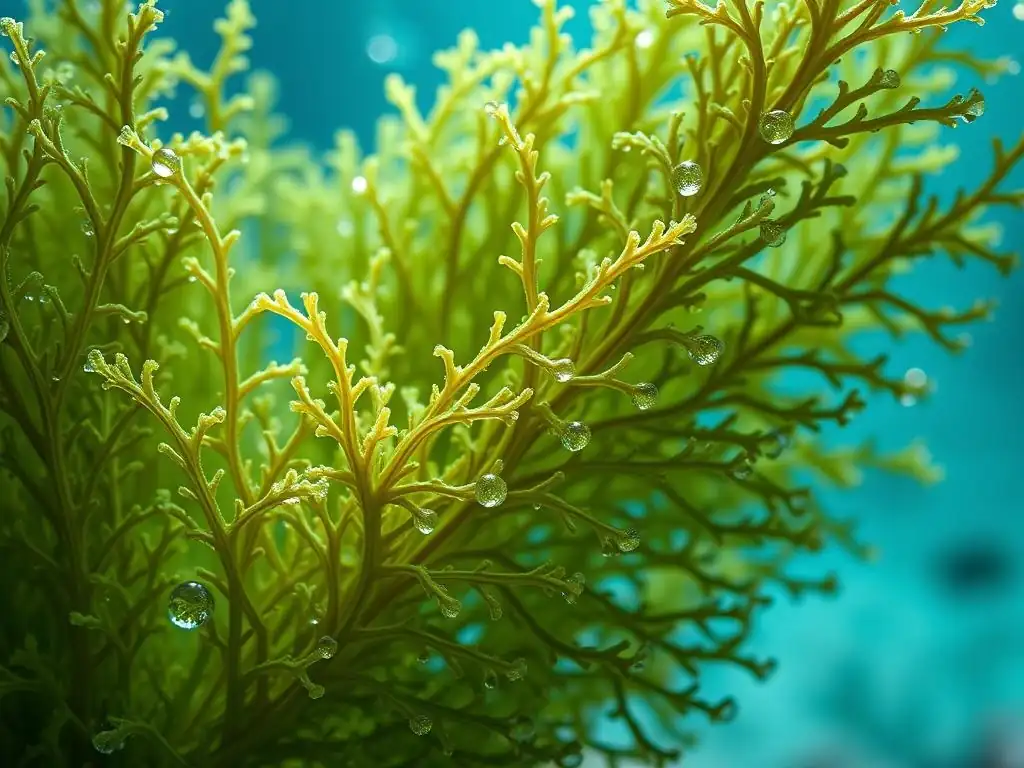
While Caulerpa offers unique benefits, aquarists have other excellent macroalgae options for nutrient export and enhancing their reef ecosystems.
Chaetomorpha: A Safer Alternative for Nutrient Export?
Chaetomorpha, commonly known as "Chaeto," is a popular filamentous green macroalgae widely regarded as a safer and more manageable alternative to Caulerpa for nutrient export in reef aquariums. Unlike Caulerpa, Chaeto does not possess rhizoids that attach to rockwork, meaning it does not spread invasively. Crucially, it does not typically undergo sexual reproduction and crash, making its maintenance and containment significantly simpler and almost entirely risk-free.
Chaeto grows in a tangled, spaghetti-like mass, providing an excellent habitat for copepods and amphipods, similar to Caulerpa, which then serve as a continuous food source for the display tank. Its nutrient uptake efficiency is comparable to Caulerpa, with a dense reactor of Chaeto in a 50-gallon tank capable of reducing nitrates by 5-10 ppm and phosphates by 0.05 ppm over a week, assuming regular harvesting of 10-20% of its mass. Its ease of management and lack of crashing risk make it a preferred choice for many aquarists.
Gracilaria: A Palatable and Beneficial Macroalgae
Gracilaria, often referred to as "Red Ogo" or "Red Gracilaria," is a genus of red macroalgae that offers a dual benefit: effective nutrient export capabilities and serving as a highly palatable food source for many herbivorous fish. It typically grows in branching, bushy forms and comes in various shades of red and brown, adding a different aesthetic and color contrast to a refugium or display. Its unique texture and color make it a visually appealing addition.
Many tangs, angelfish, and even some cleaner shrimp will readily graze on Gracilaria, making it a valuable dietary supplement for these fish. Its nutrient uptake is effective, though perhaps slightly slower than fast-growing Caulerpa species, making it less prone to rapid nutrient starvation. For instance, a healthy patch of Gracilaria in a 20-gallon refugium can contribute to reducing nitrates by 3-7 ppm and phosphates by 0.03 ppm weekly, while simultaneously providing a continuous, natural food source for your herbivores.
Caulerpa vs. Chaetomorpha vs. Gracilaria: A Side-by-Side Comparison
When evaluating macroalgae for your reef, it's crucial to consider the primary goal: whether it's solely for nutrient export, also as a food source, or for aesthetic contribution. Caulerpa offers the fastest nutrient uptake and a diverse range of forms, but at the cost of higher management demands and the inherent risk of crashing. In contrast, Chaetomorpha excels as a safe, low-maintenance nutrient exporter without the risk of going sexual or becoming invasive.
Gracilaria strikes a beneficial balance, offering good nutrient absorption while also serving as a valuable, palatable food source for herbivores, making it a desirable dual-purpose choice. For example, a beginner aquarist might prefer Chaeto for its ease of use and minimal risk, while an advanced aquarist with a heavily stocked tank might leverage Caulerpa's aggressive nutrient removal in a well-managed refugium, understanding and actively mitigating the associated risks for maximum Caulerpa reef aquarium benefits.
- Growth Rate:
- Caulerpa: Fastest (can be invasive if unmanaged)
- Chaetomorpha: Fast (contained growth)
- Gracilaria: Moderate
- Risk of Crash/Toxin Release:
- Caulerpa: High (prone to going sexual and crashing)
- Chaetomorpha: Very Low (does not go sexual)
- Gracilaria: Low (rarely crashes, no known toxins)
- Nutrient Export Efficiency:
- Caulerpa: Excellent
- Chaetomorpha: Excellent
- Gracilaria: Good
- Palatability for Fish:
- Caulerpa: Variable (some species palatable, some ignored)
- Chaetomorpha: Low (rarely grazed)
- Gracilaria: High (readily eaten by many herbivores)
- Containment Difficulty:
- Caulerpa: High (requires strict containment in refugium)
- Chaetomorpha: Very Low (free-floating, easy to contain)
- Gracilaria: Low (can attach but less aggressive than Caulerpa)
Conclusion: Making an Informed Decision About Caulerpa for Your Reef Aquarium
Weighing the Caulerpa reef aquarium benefits and risks
The decision to introduce Caulerpa into your reef aquarium hinges on a careful evaluation of its significant Caulerpa reef aquarium benefits against its inherent risks. Its remarkable capacity for natural nitrate and phosphate reduction, its role in fostering a micro-ecosystem that provides live food, and its aesthetic appeal are undeniable advantages that can contribute to a thriving, stable reef environment. For instance, its ability to reduce nitrates from 20 ppm to less than 5 ppm in a week highlights its powerful nutrient export capability.
However, these benefits are closely shadowed by the potential for aggressive overgrowth, the risk of toxic crashes that can devastate an entire system, and the demanding management required to prevent such occurrences. A single oversight, such as neglecting regular harvesting or allowing prolonged nutrient starvation, could lead to a system-wide crash, releasing stored pollutants and potentially toxins, thereby negating all prior gains and endangering livestock.
Responsible Caulerpa Keeping Practices
Responsible Caulerpa keeping is paramount for harnessing its advantages without succumbing to its pitfalls. This includes strict containment within a dedicated refugium, meticulously ensuring that no fragments escape into the display tank. Consistent and regular harvesting of biomass (e.g., weekly removal of 20-30% of its volume) is crucial to prevent the algae from becoming too dense or going sexual. Furthermore, maintaining stable water parameters and a consistent lighting schedule (ideally 24/7 in the refugium) is vital to prevent stress-induced crashes.
Aquarists must also be prepared to act swiftly in the unlikely event of a crash, having activated carbon and fresh saltwater on hand for immediate water changes. By adhering to these rigorous practices, the potential for a catastrophic event is significantly reduced, allowing the reef keeper to leverage the substantial Caulerpa reef aquarium benefits safely and effectively, fostering a healthier and more stable aquatic ecosystem.
Is Caulerpa right for your specific reef setup?
Ultimately, whether Caulerpa is the right choice for your reef aquarium depends on your specific tank's needs, your level of experience, and your willingness to commit to rigorous, ongoing maintenance. For a new aquarist or one seeking a truly low-maintenance setup, alternatives like Chaetomorpha might be a more suitable, forgiving, and less risky option, still providing excellent nutrient export.
For experienced aquarists with robust filtration systems, a high bioload and corresponding high nutrient output, and the dedication to consistent, meticulous management, Caulerpa can be an incredibly powerful and effective tool for maintaining pristine water quality and enhancing the natural beauty of their reef. Consider your individual circumstances, assess your commitment level, and choose the macroalgae that best aligns with your goals and capabilities to ensure the long-term success and health of your reef aquarium.
Frequently Asked Questions
What are the main benefits of using Caulerpa in a reef aquarium?
Caulerpa offers several benefits, including nutrient export, helping to reduce nitrates and phosphates. It also provides shelter for small invertebrates and can act as a food source for certain herbivores.
What are the potential drawbacks of keeping Caulerpa in a reef tank?
A significant drawback is its potential to go sexual, releasing its contents into the water and crashing the tank's water quality. It can also be invasive, quickly overgrowing other corals and desired organisms.
How does Caulerpa contribute to nutrient control in a reef aquarium?
Caulerpa actively absorbs excess nutrients like nitrates and phosphates from the water column. This process helps maintain a healthy water chemistry and prevents algae blooms.
What types of fish and invertebrates benefit from the presence of Caulerpa in a reef environment?
Small invertebrates, such as amphipods and copepods, find shelter and breeding grounds within the Caulerpa fronds. Certain herbivorous fish and invertebrates may also graze on Caulerpa as part of their diet.
How can I manage Caulerpa to prevent it from becoming an invasive problem in my reef tank?
Regular pruning and removal of excess Caulerpa is crucial. Employing herbivores that graze on it can also help keep its growth in check. Careful monitoring is key to preventing it from taking over.
The debate surrounding Caulerpa in reef aquariums, as we've explored, is far from settled, and its relevance is amplified by the increasing focus on sustainable and natural reef keeping methods. The allure of its nutrient-exporting capabilities clashes with the potential risks of invasive growth and chemical warfare, demanding a careful and informed approach from every aquarist.
This journey into the world of Caulerpa has highlighted the delicate balance within our reef ecosystems and the responsibility we bear as their caretakers. Understanding the nuances of its impact, both positive and negative, is crucial for responsible reef keeping. The best way to predict the future is to create it.
- Peter Drucker. This quote resonates deeply, reminding us that the future of our reefs, both in our tanks and in the wild, depends on the choices we make today.
As you consider whether Caulerpa is right for your reef, remember that knowledge is your greatest tool. Embrace the complexity, weigh the benefits against the risks, and strive to create a thriving ecosystem that reflects your dedication to responsible aquarium keeping. Let your decisions be guided by a commitment to balance, sustainability, and the long-term health of your underwater world.
Unlock Your Reef's Potential: Are You Ready to Dive Deeper?
Thank you for exploring the world of Caulerpa with us! We hope this has equipped you with a balanced understanding to make the best choice for your reef. Now, let's translate knowledge into action!
Here are a few next steps you can take to elevate your reef-keeping journey:
- Carefully evaluate your tank's ecosystem and nutrient levels before making any decisions about introducing Caulerpa. Consider consulting with experienced reef keepers for personalized advice.
- Explore other macroalgae options, such as Chaetomorpha, and compare their benefits and challenges to see if they better suit your tank's needs.
- Share this article with fellow reefing enthusiasts and start a discussion about responsible Caulerpa use in aquariums!
What innovative approach are you considering to maintain a thriving and balanced reef ecosystem?