
Enriching Your Danio & Rasbora Tank: Stimulating Natural Behaviors for Happier Fish

Welcome to Aquarium Mastery, where we dive deep into the fascinating world of aquariums!
Ever wondered how to create a truly thriving environment for your Danio rasbora? This article unlocks the secrets to Danio rasbora tank enrichment, showing you how to stimulate their natural behaviors and ensure a happier, healthier aquatic life. Prepare to discover simple yet effective strategies that will transform your tank into a vibrant and engaging ecosystem! Intrigued? Let's get started!
- Understanding the Needs of Danios and Rasboras for a Thriving Aquarium
- Designing a Danio Rasbora Tank Environment That Encourages Natural Behavior
- Implementing Specific Enrichment Strategies for Danios and Rasboras
- Maintaining Water Quality for Optimal Danio & Rasbora Tank Enrichment
- Troubleshooting Common Issues in Danio Rasbora Tanks and Enrichment Strategies
- Advanced Danio Rasbora Tank Enrichment Techniques
- Conclusion: Creating a Stimulating and Enriching Aquarium for Your Danios and Rasboras
-
Frequently Asked Questions
- What exactly is "Danio rasbora tank enrichment" and why is it important?
- What are some easy and affordable ways to provide tank enrichment for my Danio and Rasbora?
- How does water flow and current play a role in Danio and Rasbora tank enrichment?
- What kind of food-related enrichment can I offer my Danio and Rasbora fish?
- How can I use lighting to enrich my Danio and Rasbora tank environment?
- Final Reflection: Cultivating Thriving Aquatic Ecosystems
- Dive Deeper: Cultivate a Thriving Aquatic Ecosystem!
Understanding the Needs of Danios and Rasboras for a Thriving Aquarium
Mimicking Natural Habitats: Key to Danio & Rasbora Well-being
To truly thrive, Danios and Rasboras require an aquarium environment that closely mirrors their natural habitats. Danios, such as the popular Zebra Danio ( Danio rerio), originate from fast-flowing streams and rivers in South Asia, particularly India and Bangladesh, where they are accustomed to strong currents and open swimming spaces. Conversely, many Rasbora species, like the Harlequin Rasbora ( Trigonostigma heteromorpha), hail from slow-moving blackwater rivers, swamps, and peat bogs in Southeast Asia, preferring calmer, densely vegetated waters rich in tannins. Understanding these distinct origins is fundamental for effective Danio rasbora tank enrichment.
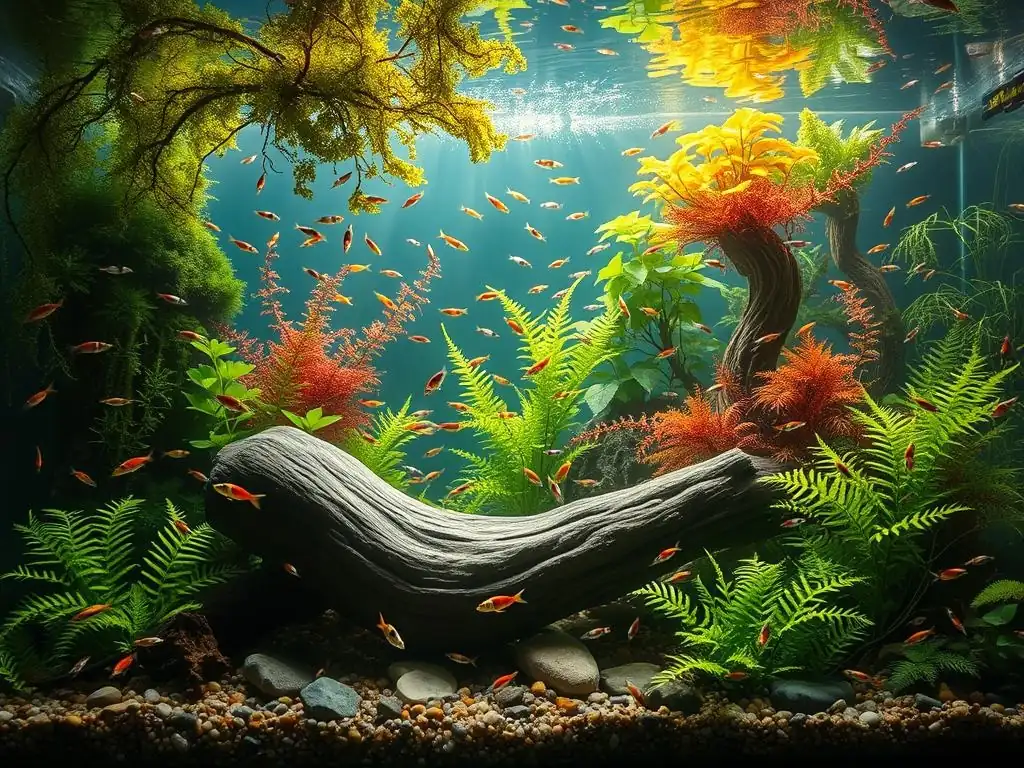
Replicating elements such as appropriate water flow, consistent light cycles, suitable substrate, and dense plant coverage from their native environments significantly reduces stress and promotes their natural behaviors. For instance, a strong current encourages the active schooling and upstream swimming characteristic of Zebra Danios, while calmer, shaded areas with abundant plant life cater to the more sedate, exploratory nature of Harlequin Rasboras. When their environment aligns with their innate needs, these small schooling cyprinids exhibit enhanced coloration, more dynamic schooling patterns, and a greater overall vitality, making a well-designed Danio rasbora tank a joy to observe.
The Importance of Tank Enrichment for Small Schooling Cyprinids
Tank enrichment for Danios and Rasboras extends beyond merely providing basic necessities; it's about fostering an environment where they can exhibit their full behavioral repertoire. Without proper enrichment, these highly social and active fish can become lethargic, shy, prone to stress-related diseases, or even display abnormal behaviors like excessive hiding or fin nipping due to boredom or anxiety. Chronic stress, for example, can significantly suppress a fish's immune system, making them highly susceptible to common aquarium ailments such as Ich (white spot disease) or fungal infections.
The benefits of a thoughtfully enriched Danio rasbora tank are profound. It leads to enhanced natural coloration, more active and cohesive schooling, increased foraging activity, and a generally more robust immune response. A healthy Zebra Danio, given optimal conditions, can live for 3 to 5 years, while a Harlequin Rasbora can reach 5 to 6 years; however, a stressful, unenriched environment can drastically shorten these lifespans. Providing a stimulating habitat not only contributes to their physical well-being but also promotes mental stimulation, resulting in a more vibrant and engaging display for the aquarist.
Designing a Danio Rasbora Tank Environment That Encourages Natural Behavior
Substrate Selection: Creating a Natural Bottom for Danios and Rasboras
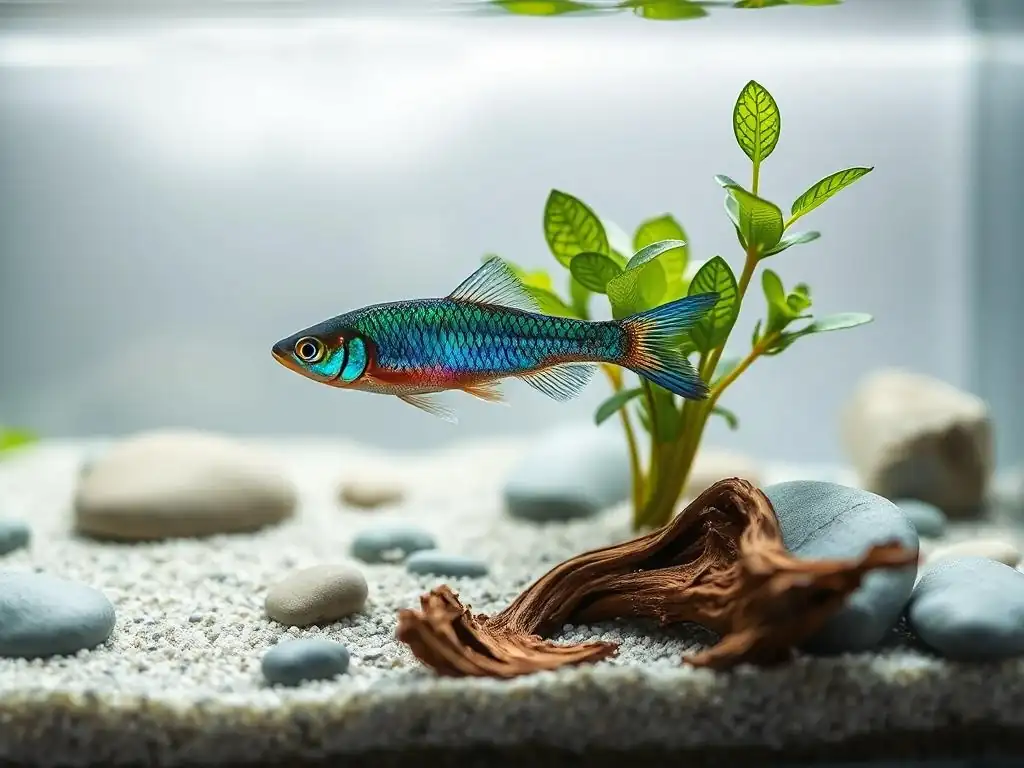
The choice of substrate plays a crucial role in creating a natural and stimulating environment for Danios and Rasboras. Fine gravel or sand, with a particle size typically ranging from 1 to 3 millimeters, is generally preferred. This type of substrate closely mimics the natural riverbeds and stream bottoms where many of these fish forage, allowing them to sift through it without injuring their delicate barbels (if present, as in some Rasbora species). Coarse or sharp gravel, conversely, can trap detritus, leading to poor water quality, and poses a risk of injury to the fish.
Beyond aesthetics, a suitable substrate contributes significantly to Danio rasbora tank enrichment by facilitating the growth of beneficial bacteria, which are essential for the nitrogen cycle. A substrate layer of 1 to 2 inches (2.5 to 5 cm) provides ample surface area for these bacteria to colonize. Furthermore, a fine substrate allows for natural foraging behaviors, as fish can sift through it in search of micro-organisms or uneaten food particles, mimicking their natural feeding habits. This encourages activity and exploration within the lower levels of the aquarium.
Plant Life: Choosing the Right Aquatic Plants for Danio Rasbora Tank Enrichment
Dense Planting Strategies for Security and Exploration
Dense aquatic planting is paramount for the well-being and natural behavior of Danios and Rasboras. As small schooling fish, they are inherently prey animals in the wild, and abundant vegetation provides essential hiding spots, visual barriers, and a sense of security. Heavily planting the back and sides of the aquarium, creating a lush "jungle" effect, allows them to retreat when feeling stressed or threatened, reducing overall anxiety. This strategy also encourages natural exploration as they navigate through the varied plant structures.
Excellent plant choices for creating dense cover include fast-growing stem plants like Water Wisteria ( Hygrophila difformis), which can quickly fill out a tank, or robust broad-leaved plants such as Amazon Swords ( Echinodorus amazonicus). Java Fern ( Microsorum pteropus) and Anubias species ( Anubias barteri var. nana) are also great options, as they can be attached to hardscape elements, providing cover in various tank levels. Aim for a tank with at least 60-70% plant coverage to provide adequate security and contribute to a truly enriched Danio rasbora tank environment.
Plant Species That Promote Natural Foraging Behaviors
Certain plant species can further enhance Danio rasbora tank enrichment by promoting natural foraging behaviors. Plants with intricate leaf structures or mosses provide extensive surface areas where biofilm, micro-organisms, and minute food particles can accumulate. This encourages the fish to "graze" and pick at the surfaces, mimicking their natural feeding habits in the wild.
Java Moss ( Taxiphyllum barbieri) and Christmas Moss ( Vesicularia montagnei) are ideal for this purpose, as their dense, fine foliage acts as a natural trap for detritus and a nursery for microfauna. Similarly, finely leaved stem plants like Rotala or Myriophyllum offer numerous nooks and crannies for exploration and foraging. Floating plants such as Dwarf Water Lettuce ( Pistia stratiotes) or Frogbit ( Limnobium laevigatum) also offer roots that provide additional foraging opportunities and create shaded areas preferred by many Rasbora species, contributing to a more natural and stimulating habitat.
Hardscape Elements: Rocks, Wood, and Caves for a Natural Look and Function
Creating Hiding Spots and Territories within the Danio Rasbora Tank
Incorporating hardscape elements like rocks, driftwood, and small caves is essential for adding complexity and structure to a Danio rasbora tank. These elements break up sightlines, which can reduce potential aggression or stress within larger schools by allowing less dominant individuals to retreat from view. Smooth, inert rocks such as river stones, slate, or basalt, and aged driftwood pieces, are excellent choices, providing natural aesthetics and diverse architectural elements within the aquarium. It is crucial to ensure all hardscape is free of sharp edges that could injure the fish.
Beyond providing physical barriers and hiding spots, hardscape elements serve as natural landmarks and reference points for fish, aiding in their spatial orientation. A well-placed piece of driftwood or a cluster of rocks can become a focal point for schooling behavior or a temporary safe zone for a fish needing a moment of solitude. These structures can also serve as potential spawning sites for certain species, further enhancing the natural feel and function of the Danio rasbora tank, contributing to their overall sense of security and well-being.
Implementing Specific Enrichment Strategies for Danios and Rasboras
Current and Flow: Replicating Riverine Environments
The presence of appropriate water current and flow is a critical aspect of Danio rasbora tank enrichment, particularly for Danio species. Zebra Danios, for example, originate from swiftly moving streams and rivers, and they thrive in environments with moderate to strong water movement. This current stimulates their natural swimming behaviors, encourages constant activity, and helps maintain their physical conditioning. Conversely, many Rasbora species, such as Harlequin Rasboras, come from calmer, more stagnant waters and may prefer less intense flow, though some gentle circulation is still beneficial.
To replicate these conditions, aquarists can strategically use filtration output or incorporate additional circulation devices. For Danios, aiming for a tank turnover rate of 5 to 10 times the tank volume per hour is often ideal. For instance, a 20-gallon (approx. 75-liter) Danio tank could benefit from a filter or pump providing 100-200 gallons per hour (GPH) of flow. For Rasboras, a lower turnover rate of 3-5 times the tank volume, with diffused flow, is more appropriate to prevent stress.
Using Powerheads and Circulation Pumps for Optimal Flow
To achieve the desired current in a Danio rasbora tank, powerheads or circulation pumps can be employed. When positioning these devices, the goal is to create a broad, gentle flow pattern rather than a concentrated, high-velocity jet. Placing a powerhead near the filter output or at the opposite end of the tank can help distribute the current more evenly. Adjustable flow models are particularly useful, allowing the aquarist to fine-tune the water movement to suit the specific needs of their fish species.
It is crucial to observe the fish's behavior closely after introducing or adjusting the current. If the fish appear to be constantly struggling against the flow, spending excessive time hiding, or showing signs of exhaustion, the current may be too strong. Conversely, if Danios seem lethargic or inactive, the flow might be insufficient. Regular observation and adjustment are key to finding the optimal balance that promotes activity and natural behavior without causing undue stress, thereby maximizing the benefits of Danio rasbora tank enrichment.
Lighting: Simulating Natural Day-Night Cycles for Danio Rasbora Health
Consistent and appropriate lighting is vital for the health and well-being of Danios and Rasboras. Establishing a regular day-night cycle, typically 8 to 10 hours of light followed by 14 to 16 hours of darkness, is crucial for regulating their circadian rhythm. This natural light cycle influences their sleep patterns, feeding behaviors, and even plays a role in triggering breeding cycles. Abrupt changes in lighting or continuous light can lead to stress, disrupt their natural behaviors, and potentially weaken their immune systems.
Modern aquarium lighting systems often include dimming capabilities or programmable timers, which can be utilized to simulate a more gradual transition between day and night, mimicking natural dawn and dusk periods. This gentle change in illumination reduces the shock that can occur with sudden light shifts, further contributing to a stress-free environment. For species like Harlequin Rasboras, which naturally inhabit shaded, blackwater environments, providing areas of lower light intensity through floating plants or dense overhead canopy can also significantly enhance their comfort and natural coloration, making lighting a subtle yet impactful aspect of Danio rasbora tank enrichment.
Introducing Live Foods: Triggering Natural Hunting Instincts
The Benefits of Live Food for Danio and Rasbora Enrichment
Introducing live foods into the diet of Danios and Rasboras is an excellent way to trigger and satisfy their natural hunting and foraging instincts. While high-quality flakes and pellets provide essential nutrition, live foods such as brine shrimp, daphnia, micro-worms, and grindal worms offer a dynamic feeding experience that dry foods cannot replicate. The pursuit and capture of live prey provide vital mental stimulation and physical exercise, keeping the fish active and engaged within their environment.
Beyond the behavioral benefits, live foods often provide superior nutrition, rich in proteins, vitamins, and essential fatty acids, which can significantly enhance the fish's coloration, vitality, and overall health. Feeding live food 1 to 2 times per week can lead to noticeable improvements in activity levels and resilience. For example, the vibrant red and blue stripes of Zebra Danios can become even more pronounced with a diet that includes live daphnia. This strategy not only meets their dietary needs but profoundly enhances their quality of life, making it a cornerstone of effective Danio rasbora tank enrichment.
The Importance of School Size for Danio and Rasbora Behavior
Danios and Rasboras are obligate schooling fish, meaning they naturally live in large groups for security and social interaction. Keeping them in insufficient numbers, typically fewer than 6 to 8 individuals of their own species, can lead to significant stress, shyness, and even abnormal behaviors such as aggression towards other tank mates or excessive hiding. In their natural habitats, larger schools provide a sense of safety in numbers, allowing individuals to feel more confident and secure.
A proper school size, ideally 10 or more individuals for a robust display, significantly enhances their natural schooling behavior. When kept in larger groups, these fish exhibit more cohesive and dynamic swimming patterns, become more confident in the open water, and display their full range of natural interactions. For instance, a school of 12 Harlequin Rasboras will display far more vibrant colors and synchronized movements than a group of 3 or 4. This social enrichment is crucial for reducing stress, promoting natural activity, and is arguably one of the most fundamental aspects of Danio rasbora tank enrichment.
Maintaining Water Quality for Optimal Danio & Rasbora Tank Enrichment
Regular Water Changes: Removing Waste and Maintaining Stability
Regular water changes are arguably the single most critical aspect of maintaining a healthy and enriching environment for Danios and Rasboras. Over time, fish waste, uneaten food, and decaying plant matter break down, leading to an accumulation of nitrates, phosphates, and other dissolved organic compounds. While nitrates are less toxic than ammonia or nitrite, high levels (above 20 ppm) can still cause chronic stress, suppress immune function, and inhibit growth. Performing a 25-30% weekly water change effectively dilutes these pollutants, preventing toxic buildup and maintaining stable water parameters.
Consistent water changes also replenish essential trace elements that are utilized by fish and plants, and they help stabilize pH and hardness. Erratic water parameters are a significant source of stress for fish, making them more susceptible to disease and less likely to exhibit natural behaviors. Therefore, even the most elaborate Danio rasbora tank enrichment strategies will be undermined without diligent and consistent water quality management through regular water changes.
Filtration: Ensuring Clean and Oxygenated Water for Active Fish
A robust and appropriately sized filtration system is indispensable for a thriving Danio rasbora tank. Filtration performs several vital functions: mechanical filtration removes particulate matter, keeping the water clear; chemical filtration (e.g., activated carbon) removes dissolved organic compounds and odors; and most importantly, biological filtration provides a vast surface area for beneficial bacteria to colonize. These bacteria convert toxic ammonia and nitrite into less harmful nitrate, completing the nitrogen cycle.
Beyond waste removal, effective filtration, especially through surface agitation from filter outputs or supplementary air stones, ensures adequate dissolved oxygen levels. Active fish like Danios require high levels of oxygen for their metabolism and sustained activity. A well-oxygenated environment reduces stress, supports a healthy immune system, and encourages the energetic swimming and schooling behaviors characteristic of these species. Insufficient oxygen can lead to lethargy and respiratory distress, negating any other enrichment efforts.
Monitoring Water Parameters: Keeping Ammonia, Nitrite, and Nitrate in Check
Consistent monitoring of key water parameters is non-negotiable for the health and vitality of Danios and Rasboras. Ammonia (NH3/NH4+) and nitrite (NO2-) are highly toxic to fish and should always be at 0 parts per million (ppm) in a cycled aquarium. Even trace amounts can cause gill damage, stress, and eventual death. Nitrates (NO3-), the end product of the nitrogen cycle, are less toxic but should ideally be kept below 20 ppm, and for more sensitive species or heavily planted tanks, below 10 ppm is preferable.
Regular testing using a reliable liquid test kit (not test strips, which can be less accurate) allows aquarists to detect imbalances early and take corrective action, such as performing a larger water change or assessing filter performance. Maintaining stable and appropriate water parameters – including pH (typically 6.0-7.5 for most species), temperature (22-26°C or 72-79°F), and hardness (soft to medium-hard water) – is the foundational element upon which all other Danio rasbora tank enrichment strategies are built. Without pristine water quality, fish cannot truly thrive.
Troubleshooting Common Issues in Danio Rasbora Tanks and Enrichment Strategies
While Danios and Rasboras are generally peaceful schooling fish, aggression, though rare, can sometimes manifest. This typically occurs when school sizes are too small, leading to increased stress and territoriality, or when tank mates are unsuitable. Signs of aggression might include persistent chasing, fin nipping, or certain individuals appearing stressed and withdrawn. For example, a group of only three Zebra Danios might exhibit nipping behavior towards each other or other tank inhabitants due to insecurity and an inability to spread out aggression within a larger group.
The primary solution is to increase the school size. Aim for a minimum of 8-10 individuals of the same species to allow for proper schooling dynamics and to diffuse any minor squabbles among a larger group. Providing more visual breaks with dense planting and varied hardscape elements can also help break up sightlines and reduce potential conflicts. Re-evaluating tank mate compatibility is also crucial; avoid housing them with aggressive or much larger fish that might intimidate them. A larger, more complex environment contributes to a more harmonious Danio rasbora tank.
Preventing Disease: Maintaining a Healthy and Stress-Free Environment
Disease prevention is paramount in any aquarium and is intrinsically linked to maintaining a healthy and stress-free environment. A fish that is well-fed, housed in pristine water, and living in an enriched environment with appropriate social structures and hiding places will have a robust immune system, making it far less susceptible to common aquarium diseases like Ich (white spot), fin rot, or fungal infections. Stress, often caused by poor water quality, overcrowding, or an inappropriate environment, is the leading cause of weakened immunity in fish.
Key preventative measures include quarantining all new fish for a minimum of 2 to 4 weeks before introducing them to the main tank. This prevents the introduction of pathogens. Avoiding overfeeding, which can foul the water, and performing regular maintenance, including filter cleaning and water changes, are also crucial. These diligent husbandry practices are not just about cleanliness; they are the ultimate form of Danio rasbora tank enrichment, ensuring the long-term health and vitality of your fish.
Dealing with Algae: Balancing Light and Nutrients in the Planted Tank
Algae issues are a common challenge in planted aquariums, and while generally not directly harmful to fish, excessive growth can indicate an underlying imbalance in light, nutrients, or CO2, and detract significantly from the aesthetic appeal of a Danio rasbora tank. Algae blooms often occur when there is an excess of light or nutrients (nitrates, phosphates) relative to the plant mass, allowing opportunistic algae to flourish.
To combat algae, several strategies can be employed. Begin by reducing the lighting duration; cutting back from 12 hours to 8-9 hours can often make a significant difference. Increase the frequency or volume of water changes to lower nutrient levels. Introducing algae-eating invertebrates, such as Nerite snails (e.g., Neritina natalensis) or Amano shrimp ( Caridina multidentata), can provide a natural clean-up crew. Most importantly, ensure your aquatic plants are thriving, as healthy plants will outcompete algae for available nutrients, restoring balance to the ecosystem.
Advanced Danio Rasbora Tank Enrichment Techniques
Introducing Leaf Litter: Creating a Natural Biotope Environment
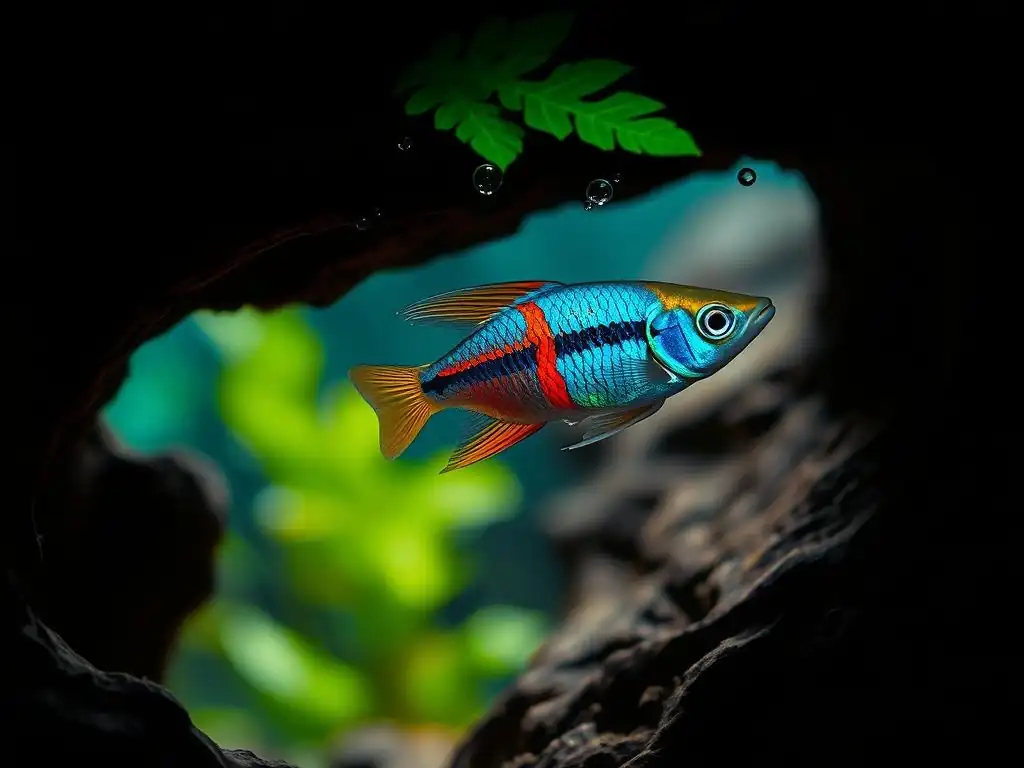
For aquarists seeking to further enhance Danio rasbora tank enrichment, introducing aquarium-safe leaf litter is an excellent advanced technique. Dried leaves such as Indian almond leaves ( Terminalia catappa), oak leaves, or guava leaves slowly decompose in the water, releasing beneficial tannins and humic acids. This process mimics the natural blackwater environments found in many Rasbora habitats, creating a more authentic biotope.
The benefits of leaf litter are multifaceted: they naturally lower the pH and soften the water, which is ideal for many Rasbora species; they possess mild anti-bacterial and anti-fungal properties; and they provide additional micro-habitats for beneficial microorganisms, which can serve as a natural food source for foraging fish. Aim to add 1-2 leaves per 5-10 gallons (approx. 19-38 liters), replacing them every 2-4 weeks as they break down. The resulting tea-colored water not only looks natural but also helps reduce stress and enhance the coloration of the fish.
Using Blackwater Extracts: Simulating Natural Water Conditions
As an alternative or supplement to natural leaf litter, blackwater extracts offer a convenient way to simulate the unique water chemistry of certain natural habitats. These liquid or granular products contain concentrated humic substances, tannins, and fulvic acids derived from natural sources, which, when added to the aquarium, impart the beneficial properties of blackwater without the organic debris of decomposing leaves.
Blackwater extracts contribute significantly to Danio rasbora tank enrichment by creating a more natural and stress-reducing environment. They can help stabilize pH at slightly acidic levels, enhance the vibrant colors of fish (especially species like Harlequin Rasboras and Chili Rasboras), and provide natural anti-stress and immune-boosting compounds. When using extracts, always follow the manufacturer's dosage instructions, typically aiming for a slight, tea-colored tint to the water. Regular monitoring of pH and other parameters is still advisable to ensure stability.
Encouraging Breeding Behaviors: Providing Optimal Conditions for Reproduction
One of the ultimate signs of a truly healthy and enriched aquarium environment is the successful encouragement of breeding behaviors. For Danios and Rasboras, triggering reproduction often requires specific environmental cues that simulate conditions in their natural spawning grounds. These cues can include very soft, acidic water for many Rasboras, or cooler temperatures and increased current for Danios.
Specific triggers often involve a slight drop in water temperature (e.g., 2-3°C or 3-5°F), an increase in the frequency or quantity of live food offerings (like brine shrimp or daphnia), and the provision of suitable spawning sites. For instance, Zebra Danios are egg scatterers that often spawn in response to a morning light cycle and a slight temperature drop to 72-74°F (22-23°C), laying their eggs on fine-leaved plants or spawning mops.
Harlequin Rasboras, conversely, are egg placers that prefer to lay eggs on the underside of broad-leaved plants. Successfully inducing breeding is a profound testament to the effectiveness of your Danio rasbora tank enrichment strategies.
Conclusion: Creating a Stimulating and Enriching Aquarium for Your Danios and Rasboras
Creating a truly thriving Danio rasbora tank extends far beyond merely providing basic survival necessities. It involves a holistic and detailed approach that actively seeks to replicate their natural environments and stimulate their innate behaviors. This multi-faceted strategy encompasses thoughtful habitat design, including appropriate substrate, dense planting, and varied hardscape elements; the implementation of specific enrichment techniques like tailored water flow, consistent lighting cycles, and the introduction of live foods; and, critically, diligent and consistent water quality management.
The rewards of investing in a stimulating and enriching aquarium environment are immense. You will be greeted by vibrant, active fish that display their full range of natural behaviors, from synchronized schooling to diligent foraging and even successful breeding. A well-enriched Danio rasbora tank is not just a collection of fish; it is a dynamic, living ecosystem that reflects the care, understanding, and dedication invested in these fascinating and rewarding small schooling cyprinids.
Frequently Asked Questions
What exactly is "Danio rasbora tank enrichment" and why is it important?
Tank enrichment refers to enhancing the aquarium environment to stimulate the natural behaviors of Danio and Rasbora fish. This is important because it reduces stress and promotes better health and well-being.
What are some easy and affordable ways to provide tank enrichment for my Danio and Rasbora?
Adding live plants, like Java Moss or Anubias, creates hiding places and simulates their natural habitat. You can also introduce driftwood or rocks for exploration and territory marking.
How does water flow and current play a role in Danio and Rasbora tank enrichment?
Danio and some Rasbora species enjoy moderate water flow, mimicking the streams they inhabit in the wild. Adjusting your filter outlet or adding a wave maker can provide this.
Varying their diet with live or frozen foods like Daphnia or Bloodworms encourages natural hunting behaviors. You can also use a feeding ring to keep food contained and reduce waste.
How can I use lighting to enrich my Danio and Rasbora tank environment?
Provide a natural day/night cycle with a timer, using moderate lighting to encourage plant growth and reduce algae. Avoid excessively bright lights, as this can stress the fish.
Final Reflection: Cultivating Thriving Aquatic Ecosystems
The principles of Danio and Rasbora tank enrichment aren't just about aesthetics; they represent a fundamental shift in how we approach fishkeeping, moving beyond mere survival to fostering genuine well-being. By understanding and catering to the natural behaviors of these captivating species, we create environments where they can truly flourish, showcasing their vibrant personalities and contributing to a more balanced and engaging home aquarium.
This journey into enriching the lives of our aquatic companions has profoundly influenced my perspective on responsible pet ownership. It's a constant reminder that even seemingly simple creatures deserve environments that stimulate their minds and bodies, allowing them to express their inherent instincts. The greatness of a nation and its moral progress can be judged by the way its animals are treated.
- Mahatma Gandhi. This quote resonates deeply, highlighting the ethical imperative to provide enriching lives for all creatures under our care, even the smallest fish in our tanks.
Now, I invite you to reflect on your own aquariums. Are you providing more than just the basics? Are you actively creating an environment that encourages exploration, foraging, and social interaction? Let's commit to enriching the lives of our Danios and Rasboras, transforming our tanks into vibrant ecosystems where these fascinating fish can truly thrive, bringing joy and wonder to our lives in return.
Dive Deeper: Cultivate a Thriving Aquatic Ecosystem!
Thank you for exploring the fascinating world of Danio and Rasbora behavior! We hope this article has empowered you with the knowledge to create an even richer environment for your finned friends. Now, let's put that knowledge into action and unlock their full potential.
Here are a few things you can do right now to enhance your aquarium:
- Prioritize natural feeding behavior: Mimic their wild environment by offering smaller, more frequent meals scattered throughout the tank, stimulating their hunting instincts.
- Expand their world: Introduce new and varied decorations like driftwood or leaf litter to offer enrichment and create new territories to explore.
- Share the love: Post a picture of your Danio or Rasbora tank on social media using #AquariumMastery and inspire others to create enriching environments!
What's one simple change you can make this week to better mimic the natural environment of your Danio or Rasbora, and how do you expect it to impact their behavior?