
RO Water for Discus: Is It Necessary and How to Use It Effectively?

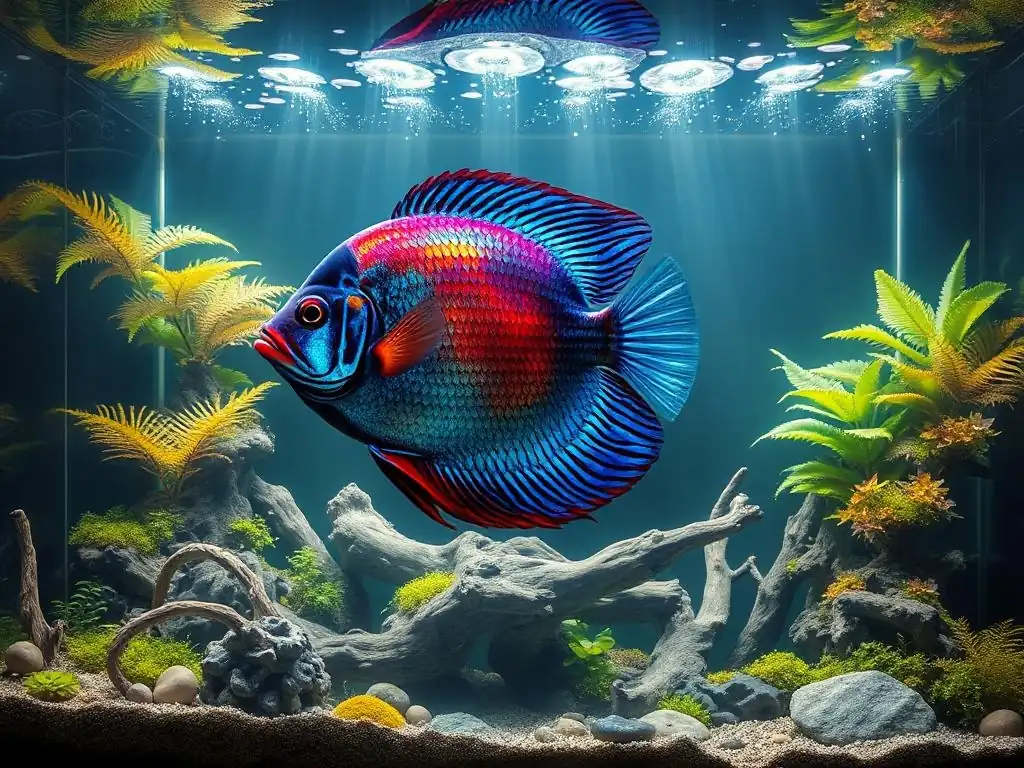
Welcome to Aquarium Mastery, your ultimate guide to thriving aquatic ecosystems!
Ever wondered if your Discus could truly flourish with RO water? Dive into our comprehensive exploration of " RO Water for Discus" and unlock the secrets to creating the perfect environment for these majestic fish. Discover whether it's a necessity, how to use it effectively, and so much more! Get ready to elevate your aquarium game – your Discus will thank you!
- Understanding Discus and Their Water Requirements
- The Role of RO Water in Discus Tank Management
- Determining if RO Water is Necessary for Your Discus Tank
- How to Use RO Water Effectively for Discus
- Troubleshooting Common Issues When Using RO Water for Discus
- Alternative Water Treatment Methods for Discus Tanks
- Best Practices for Maintaining a Healthy Discus Tank with RO Water
- Conclusion: Mastering the Art of Using RO Water for Thriving Discus
- Frequently Asked Questions
- Final Reflection: The Purity of Discus Keeping
- Transform Your Discus Care: Act Now!
Understanding Discus and Their Water Requirements
The Natural Habitat of Discus and Its Influence on Their Needs
Discus fish (Symphysodon species) originate from the slow-moving, warm, and highly acidic blackwater rivers and floodplains of the Amazon basin, notably tributaries like the Rio Negro. These natural habitats are characterized by extremely soft water, minimal mineral content, and a low pH, often ranging from 4.5 to 6.5. The water's dark, tea-stained appearance comes from the decomposition of organic matter, such as leaves and wood, which release humic and fulvic acids, naturally buffering the water and inhibiting bacterial growth.
This unique environment has profoundly shaped the physiology and requirements of Discus. Their delicate gill structures and osmotic regulation systems are finely tuned to these soft, acidic conditions. When kept in water that deviates significantly from these parameters, especially hard water with high mineral content or elevated pH, Discus can experience severe stress, leading to compromised immune systems, stunted growth, and increased susceptibility to diseases. Therefore, replicating these conditions is paramount for their long-term health and vibrant appearance in an aquarium setting.
Why Water Quality Matters for Discus Health and Appearance
For Discus, water quality is not merely a preference but a fundamental requirement for survival and thriving. Poor water parameters, such as elevated ammonia, nitrite, or nitrate levels, are highly toxic and can quickly lead to severe stress, organ damage, and death. For instance, even nitrate levels exceeding 20 ppm can cause chronic stress, leading to faded colors, clamped fins, and increased vulnerability to infections like bacterial fin rot or "hole-in-the-head" disease.
Beyond toxicity, maintaining stable and appropriate water chemistry is crucial for the Discus's overall well-being and display potential. Ideal parameters typically fall within a pH range of 5.5 to 6.5, General Hardness (GH) of 1-4 dGH (approximately 18-72 ppm), and Carbonate Hardness (KH) of 0-2 dKH (0-36 ppm). Consistent adherence to these narrow ranges prevents osmotic shock, supports proper metabolic function, and encourages the development of their iconic vibrant colors and patterns. Any significant deviation can lead to loss of appetite, lethargy, and a dulling of their natural brilliance, diminishing their appeal as show fish.
The Role of RO Water in Discus Tank Management
What is RO Water and How is It Produced?
RO water, or Reverse Osmosis water, is a highly purified form of water produced by a process that forces tap water through a semi-permeable membrane. This membrane has microscopic pores that allow water molecules to pass through while blocking the vast majority of dissolved solids, contaminants, and impurities. A typical home RO system for aquarium use consists of several stages, including pre-filters (sediment and carbon blocks to remove larger particles, chlorine, and chloramines), the RO membrane itself, and sometimes a post-filter for final polishing.
The reverse osmosis process is incredibly effective at removing a wide array of undesirable substances from tap water. This includes heavy metals like copper and lead, nitrates, phosphates, pesticides, herbicides, and even some bacteria and viruses. A well-maintained RO system can typically reject 90-99% of total dissolved solids (TDS), resulting in water that is virtually pure, with a TDS reading often below 10 ppm. This makes RO water an ideal "blank slate" for aquarists who need precise control over their water parameters, especially for sensitive species like Discus.
Benefits of Using Reverse Osmosis Water in a Discus Aquarium
Achieving Optimal Water Parameters with RO Water for Discus
One of the primary advantages of using reverse osmosis water for Discus is the unparalleled control it offers over water chemistry. Unlike tap water, which varies widely in its mineral content and pH depending on the source, RO water starts with virtually zero hardness (GH and KH) and a neutral pH. This allows the aquarist to precisely remineralize the water to the exact specifications required by Discus, typically a GH of 1-4 dGH and a KH of 0-2 dKH, with a pH adjusted to the desired acidic range (e.g., 6.0-6.5).
This level of precision is crucial for Discus, as it minimizes osmotic stress and supports their delicate biological systems. By consistently preparing water with the same low mineral content and stable pH for every water change, the aquarium environment remains incredibly stable, mimicking their natural blackwater habitats. Such stability significantly reduces stress, promotes strong immune systems, enhances coloration, and is often a prerequisite for successful Discus breeding, as many strains require very specific, soft-water conditions for spawning and egg development.
Minimizing Algae Growth in Discus Tanks Using RO Water
Another significant benefit of using RO water for Discus tanks is its effectiveness in controlling and minimizing algae growth. Tap water, even when seemingly clean, often contains varying levels of phosphates and nitrates – two primary nutrients that fuel prolific algae blooms. For instance, municipal water sources might contain phosphate levels of 0.1-0.5 ppm or nitrate levels of 5-15 ppm, which, while not immediately toxic to fish, can create an ideal environment for nuisance algae.
Since the reverse osmosis process effectively removes these dissolved nutrients, using RO water for Discus water changes starves algae of their primary food source. This results in significantly less algae accumulation on tank glass, substrate, and decorations, leading to a much cleaner and more aesthetically pleasing Discus tank. Reduced algae also means less manual cleaning, allowing the aquarist to focus more on the Discus themselves and less on constant maintenance, contributing to a healthier and more stable environment overall.
Addressing Potential Drawbacks of Using RO Water for Discus
Mineral Deficiency Concerns in Discus Kept in RO Water
While the purity of RO water is its greatest strength, it also presents a significant drawback if not managed correctly: the complete absence of essential minerals. Pure RO water contains virtually no calcium, magnesium, or other trace elements that are vital for fish health. These minerals are crucial for osmotic regulation, bone development, enzyme function, and overall metabolic processes in Discus. Directly using un-remineralized RO water for extended periods will inevitably lead to severe mineral deficiencies.
Symptoms of mineral deficiency in Discus can include stunted growth, skeletal deformities (e.g., curved spines), lethargy, poor appetite, faded colors, and increased susceptibility to diseases. For example, a lack of calcium and magnesium can impair nerve and muscle function, leading to twitching or erratic swimming. Therefore, it is absolutely imperative to remineralize RO water by adding back specific minerals and buffers in controlled amounts before it is introduced into the Discus tank. Failure to do so will compromise the health and longevity of these sensitive fish.
Determining if RO Water is Necessary for Your Discus Tank
Testing Your Tap Water: Understanding Key Water Parameters for Discus
Before deciding on the necessity of RO water for Discus, the first critical step is to thoroughly test your local tap water. This provides a baseline understanding of its composition and how it deviates from the ideal Discus parameters. Key parameters to test include pH, General Hardness (GH), Carbonate Hardness (KH), nitrates, and phosphates. Using reliable liquid test kits, rather than less accurate test strips, is highly recommended for precision.
For instance, many municipal water supplies in North America and Europe have a pH ranging from 7.0 to 8.5, and a GH often between 8 and 20 dGH (140-350 ppm). Such levels are significantly higher than the preferred 5.5-6.5 pH and 1-4 dGH for Discus. Additionally, tap water can contain varying levels of nitrates (e.g., 5-20 ppm, depending on agricultural run-off or aging infrastructure) and phosphates (e.g., 0.1-0.5 ppm from anti-corrosion agents). Understanding these specific values will directly inform whether your tap water is suitable or if a Discus tank RO water system is indispensable.
When is RO Water Absolutely Essential for Discus Keeping?
High Nitrate Levels in Tap Water and the Need for RO
One of the most compelling reasons to use RO water for Discus is the presence of persistently high nitrate levels in tap water. While mature aquarium filters convert ammonia and nitrite into less toxic nitrate, chronic exposure to elevated nitrates (consistently above 20 ppm) can significantly stress Discus, leading to suppressed immune function, susceptibility to disease, and overall poor health. Some municipal water sources, particularly those in agricultural areas or with older piping systems, can deliver tap water with nitrates already at 10-30 ppm or even higher.
Since nitrates are not effectively removed by standard carbon filtration, reverse osmosis is one of the most efficient methods for their elimination. By starting with virtually nitrate-free RO water, the aquarist gains complete control over the nitrate levels in the Discus tank, ensuring they remain below the critical threshold (ideally under 10 ppm) through regular water changes. This proactive approach with RO water for Discus significantly enhances their long-term health and vitality.
Hard Water Issues and Discus Health: The RO Solution
Discus fish are exquisitely sensitive to water hardness, particularly General Hardness (GH) and Carbonate Hardness (KH). Their natural Amazonian habitats are characterized by extremely soft water, typically with a GH of 1-4 dGH and a KH of 0-2 dKH. Many tap water sources, however, are considered "hard" or "very hard," with GH values often exceeding 10 dGH (180 ppm) and KH values above 5 dKH (90 ppm). Keeping Discus in such hard water environments creates constant osmotic stress, as their bodies must expend significant energy to regulate internal water balance.
This chronic stress can lead to stunted growth, faded colors, and a weakened immune system, making them highly susceptible to common aquarium diseases. Furthermore, hard water significantly hinders successful Discus breeding, as eggs may fail to hatch due to shell hardening or sperm viability issues. RO water provides the perfect solution by removing all hardness, allowing the aquarist to precisely remineralize to the ideal soft water parameters. This ability to create a perfectly tailored, soft water environment makes RO water for Discus a non-negotiable tool for serious enthusiasts aiming for healthy fish and successful breeding outcomes.
Scenarios Where Tap Water Might Be Suitable for Discus
While RO water is generally recommended for Discus, there are rare scenarios where tap water might be suitable, or at least require minimal modification. If your municipal tap water naturally falls within the ideal parameters for Discus – specifically, very low GH (1-4 dGH), very low KH (0-2 dKH), an acidic to neutral pH (6.0-7.0), and negligible levels of nitrates, phosphates, or heavy metals – then it could potentially be used. Such water sources are typically found in regions with naturally soft water, like areas fed by granite bedrock or rainwater collection systems.
However, even in these rare cases, diligent monitoring and dechlorination are still essential. Water parameters can fluctuate seasonally or due to changes in municipal treatment processes. For instance, a tap water source that is naturally soft might still have transient spikes in chlorine or chloramines, which are highly toxic to fish and must be neutralized with a quality water conditioner. For the vast majority of aquarists, relying solely on tap water for Discus without extensive purification or modification carries significant risks, making a Discus tank RO water setup the more reliable and safer choice for ensuring optimal conditions.
How to Use RO Water Effectively for Discus
Setting Up an RO System for Your Aquarium
Setting up an RO system for your Discus aquarium is a straightforward process that provides a consistent supply of pure water. Most aquarium-specific RO units are compact and can be connected to a standard cold-water line, such as under a kitchen sink or to a laundry tub faucet.
A typical setup involves connecting the unit's input to the water source, the purified water output to a storage container (e.g., a large food-grade barrel or dedicated RO reservoir), and the waste water line to a drain. Ensure you select a system with adequate Gallons Per Day (GPD) capacity to meet your water change needs, for example, a 50 GPD or 75 GPD unit for a 75-gallon Discus tank requiring frequent large water changes.
Beyond the initial installation, regular maintenance is crucial for the efficient and effective production of Discus tank RO water. This includes periodically replacing the pre-filters (sediment and carbon blocks) every 6 to 12 months, depending on your tap water quality and usage, and the RO membrane every 2 to 5 years. Neglecting filter changes can lead to reduced water production, lower purity, and potential damage to the membrane. A TDS meter is an invaluable tool for monitoring the RO unit's performance, ensuring it continues to produce water with minimal dissolved solids.
Remineralizing RO Water for Discus: Essential Nutrients and Minerals
Choosing the Right Remineralization Product for Discus
Since pure RO water is devoid of essential minerals, remineralization is a critical step before introducing it to your Discus tank. The goal is to add back specific minerals, primarily calcium and magnesium, along with trace elements, to achieve the desired GH and KH levels without significantly altering pH or introducing unwanted compounds. There are several types of remineralization products available, ranging from general GH boosters to specialized formulations designed specifically for soft water fish or Discus.
When selecting a product, look for those that clearly state their composition and provide precise dosing instructions for achieving specific GH/KH targets. For instance, Seachem Equilibrium or Brightwell Aquatics DiscusCode are popular choices known for their ability to add necessary minerals without raising KH significantly, which is important for maintaining a low pH.
Avoid products that are primarily pH buffers if you aim for a low pH, as they often contain carbonates that will raise KH too much. Always choose a product formulated for freshwater aquariums to ensure it contains the correct balance of elements for your Discus tank RO water.
Achieving the Correct GH and KH Levels for Discus with RO Water
The precise remineralization of RO water is paramount for Discus health and breeding. The target parameters typically range from a General Hardness (GH) of 1-4 dGH (approximately 18-72 ppm) and a Carbonate Hardness (KH) of 0-2 dKH (0-36 ppm). For breeding pairs, some aquarists aim for even softer water, with GH as low as 0-1 dGH. The process involves adding the chosen remineralization product to the pure RO water before it enters the main aquarium.
Start by adding a small amount of the remineralizer, mix thoroughly, and then test the GH and KH using reliable liquid test kits. Gradually add more until the desired levels are reached. For example, if your remineralizer states it raises GH by 1 dGH per 5ml per 10 gallons, you can calculate the amount needed for your water change volume. Consistency is key: always prepare your new water to the exact same parameters to avoid shocking your Discus during water changes. This meticulous approach to preparing your Discus tank RO water ensures optimal stability and health for your fish.
Gradual Water Changes with RO Water: A Safe Approach for Discus
Discus are highly sensitive to sudden changes in water parameters, including temperature and chemistry. Therefore, implementing gradual water changes with properly prepared RO water is crucial to minimize stress and prevent shock. Instead of large, infrequent changes, it is generally recommended to perform smaller, more frequent water changes, such as 20-30% two to three times per week for a heavily stocked Discus tank. This approach ensures that water parameters remain consistently stable.
When performing a water change, ensure the remineralized RO water is matched as closely as possible to the tank's existing temperature (within 1-2 degrees Fahrenheit). Introduce the new water slowly, ideally using a drip method or by pouring it into a high-flow area of the tank, such as near the filter output, to allow for gradual mixing. This slow introduction prevents rapid shifts in pH, GH, or KH, which can be detrimental to Discus. This careful methodology is a cornerstone of successful Discus tank RO water management.
Maintaining Water Stability in Your Discus Tank with RO Water
While RO water provides a pristine starting point, maintaining water stability in a Discus tank requires ongoing vigilance. Because remineralized RO water typically has very low KH (carbonate hardness), its buffering capacity against pH swings is minimal. As the biological filter converts ammonia and nitrite into nitrate, it also produces acids that can gradually lower the pH over time. If the KH is too low (e.g., 0 dKH), the pH can "crash" rapidly, leading to extreme stress or even death for Discus.
To prevent this, consistent monitoring of pH, GH, and KH is essential, ideally on a daily or every-other-day basis. Regular, frequent water changes with accurately remineralized RO water are the primary method to replenish essential buffers and dilute accumulating acids and nitrates. For example, a 30% water change every other day with water remineralized to 1-2 dKH will help maintain a stable pH and overall water chemistry. This proactive approach ensures the Discus tank RO water environment remains consistently healthy and stable for your fish.
Troubleshooting Common Issues When Using RO Water for Discus
pH Fluctuations in RO Water Tanks
One of the most common issues encountered when using RO water for Discus is pH instability, particularly a tendency for the pH to drop over time. This occurs because pure RO water has virtually no buffering capacity (0 KH). As the nitrogen cycle progresses and fish respiration occurs, acids are produced. In a tank with low or no KH, these acids are not neutralized, leading to a gradual and sometimes rapid decline in pH. A pH crash from 6.5 to 5.0 in a short period can be lethal for Discus.
To combat this, ensure your remineralization process includes adding sufficient, albeit low, levels of carbonate hardness (KH) to provide a buffer. Aim for a KH of 1-2 dKH (18-36 ppm) when preparing your Discus tank RO water. Additionally, consistent and frequent water changes (e.g., 20-30% every other day for heavily stocked tanks) are crucial. These regular changes replenish the buffers and dilute the accumulating acids, helping to stabilize the pH. If pH continues to drop, it might indicate an overloaded biological filter or insufficient water change frequency.
Monitoring Water Parameters Regularly: A Key to Success
Consistent and accurate monitoring of water parameters is not just recommended but absolutely essential for the success of a Discus tank utilizing RO water. Daily checks for ammonia and nitrite are critical, as any detectable levels indicate a problem with the biological filter or overfeeding. Weekly tests for pH, GH, KH, and nitrate are equally important to track the overall stability and health of the system. Investing in high-quality liquid test kits is paramount, as they offer greater accuracy than test strips.
Maintaining a log of your water parameter readings allows you to identify trends and proactively address potential issues before they become critical. For instance, a gradual decline in KH over several days, even with regular water changes, might signal a need to slightly increase the remineralizer dose. Likewise, a consistent rise in nitrates could indicate a need for larger or more frequent water changes. This meticulous approach to monitoring, combined with the precision offered by Discus tank RO water, enables the aquarist to fine-tune their maintenance routine for optimal Discus health.
Addressing Discus Health Problems Potentially Linked to Improper RO Water Usage
Improper use of RO water, primarily insufficient or incorrect remineralization, can lead to a range of health issues in Discus. Common problems include "stunting" (failure to grow to their full potential), which is often linked to chronic stress from inconsistent water parameters or mineral deficiencies. "Hole-in-the-head" disease, while multifactorial, can be exacerbated by poor water quality and mineral imbalances. General lethargy, faded colors, and increased susceptibility to bacterial or parasitic infections are also signs that the water conditions might be suboptimal.
If your Discus are exhibiting these symptoms, the first step is to re-evaluate your Discus tank RO water preparation. Double-check your remineralization product, dosing, and mixing technique to ensure you are consistently hitting your target GH and KH levels. Verify that your RO system is producing pure water (check TDS). Increase the frequency and volume of water changes temporarily to rapidly improve water quality. If symptoms persist, consult with an experienced Discus keeper or an aquatic veterinarian, but often, rectifying water quality issues, especially those related to mineral balance, can significantly improve the fish's condition.
Alternative Water Treatment Methods for Discus Tanks
Using Water Softeners for Discus: An Alternative to RO?
While household water softeners effectively reduce water hardness, they are generally not a suitable alternative to RO water for Discus aquariums. Standard water softeners work on an ion-exchange principle, replacing hardness ions like calcium and magnesium with sodium ions. While this lowers the GH, it significantly increases the sodium content of the water. Discus, like many freshwater fish, are sensitive to high sodium levels, which can interfere with their osmotic regulation and cause stress or health problems over time.
Furthermore, water softeners do not remove other critical contaminants that are detrimental to Discus, such as nitrates, phosphates, chloramines, or heavy metals. Therefore, while your water might be "soft" in terms of GH, it could still contain numerous impurities that are harmful to Discus. For these reasons, the comprehensive purification and precise control offered by a Discus tank RO water system far outweigh the limited benefits of a standard water softener for sensitive species.
Peat Filtration for Discus: Mimicking Natural Blackwater Conditions
Peat filtration is a method used to naturally soften water and lower pH, mimicking the blackwater conditions found in some of Discus's natural habitats. By placing peat moss in a filter or directly in the tank, it releases humic and fulvic acids, which contribute to water softness and a more acidic pH, while also staining the water a characteristic amber color. These humic substances can also have mild anti-bacterial and stress-reducing properties for fish.
However, peat filtration has significant limitations compared to a Discus tank RO water setup. The effects of peat on water parameters can be inconsistent and difficult to control precisely, as the amount of acids released depends on the peat's age, type, and the water's initial buffering capacity.
Peat also has a limited lifespan before it needs replacement and does not remove heavy metals, nitrates, or other pervasive contaminants found in tap water. While peat can be a beneficial supplement for achieving a blackwater aesthetic and providing some beneficial compounds, it is generally not a standalone solution for achieving the consistent, pristine, and precisely controlled water parameters that Discus truly require.
Comparing RO Water to Other Water Treatment Options for Discus Aquariums
When comparing RO water to other water treatment options for Discus, it becomes clear why reverse osmosis is often considered the gold standard for serious aquarists. Methods like chemical pH adjusters offer only temporary and often unstable solutions for pH, without addressing hardness or impurities. Ion-exchange resins can remove specific ions but lack the broad-spectrum purification of RO. Water softeners, as discussed, introduce sodium and don't remove other toxins. Peat filtration offers some benefits but lacks precision and comprehensive purification.
RO water, by contrast, provides a "blank slate" – water virtually free of all dissolved solids, contaminants, and hardness. This allows the aquarist complete control to remineralize to the exact, stable parameters crucial for Discus health, breeding, and vibrant coloration. While the initial investment and ongoing maintenance of a Discus tank RO water system are higher than other methods, the unparalleled purity, precision, and consistency it offers translate directly into healthier, more resilient, and ultimately more rewarding Discus keeping.
Best Practices for Maintaining a Healthy Discus Tank with RO Water
Regular Water Testing and Adjustment Schedule for Discus
Maintaining a healthy Discus tank with RO water hinges on a rigorous and consistent schedule of water testing and parameter adjustment. Daily checks for ammonia and nitrite are paramount, as these toxins are highly lethal to Discus. Weekly tests for pH, General Hardness (GH), Carbonate Hardness (KH), and nitrate are also essential to monitor the long-term stability of your system and the effectiveness of your remineralization and water change routine. Keeping a detailed log of these readings will help you identify trends and make proactive adjustments.
Adjustments should always be made incrementally and based on consistent readings, not isolated spikes. For instance, if your KH consistently drops between water changes, slightly increase the remineralizer dose for your Discus tank RO water. Similarly, if nitrates are creeping up, consider increasing the frequency or volume of your water changes. This proactive, data-driven approach allows you to maintain the precise and stable conditions that Discus require, preventing stress and promoting their overall well-being.
Choosing the Right Substrate and Decorations for RO Water Tanks
In a Discus tank utilizing RO water, the choice of substrate and decorations becomes even more critical due to the water's low buffering capacity. It is imperative to select materials that are entirely inert and will not leach minerals or alter the water chemistry. Fine, inert sand (e.g., silica sand or specialized aquarium sand) or very fine gravel are excellent substrate choices, as they do not affect water parameters and are easy to keep clean.
Avoid any substrates or decorations that are known to increase hardness or pH, such as crushed coral, limestone, marble, or certain types of decorative rocks (e.g., Texas Holey Rock). These materials can slowly dissolve in soft, acidic water, releasing calcium and carbonates that will counteract your efforts to maintain low GH and KH with RO water. Natural driftwood, however, is highly beneficial as it releases tannins that contribute to a natural blackwater look, provide hiding spots, and can even offer mild anti-bacterial properties, complementing the Discus tank RO water environment.
Feeding Your Discus a Balanced Diet in an RO Water Environment
While water quality is undeniably the cornerstone of Discus health, a balanced and high-quality diet is equally vital, especially when maintaining them in an RO water environment. A varied diet ensures that your Discus receive all the necessary vitamins, minerals, proteins, and fats they need for optimal growth, coloration, and immune function. Offer a mix of high-quality Discus-specific pellets or flakes, along with frozen foods such as bloodworms, brine shrimp, Mysis shrimp, and specialized beef heart mixes.
It's important to note that a high-protein diet, which Discus require, also produces more waste, necessitating rigorous water change schedules with your remineralized RO water. However, well-fed Discus are more resilient to minor environmental fluctuations and less susceptible to disease. Ensure feeding portions are appropriate – small amounts several times a day – to minimize uneaten food that can foul the pristine Discus tank RO water. A healthy diet and pristine water quality work synergistically to ensure your Discus thrive.
Conclusion: Mastering the Art of Using RO Water for Thriving Discus
For any serious Discus enthusiast, the question of whether RO water is necessary often leans heavily towards "yes." Given their natural habitat's demanding requirements for soft, acidic, and pristine water, reverse osmosis provides the most reliable and precise method to replicate these conditions in an aquarium. It offers unparalleled control over water parameters, allowing aquarists to create the stable, low-mineral environment essential for Discus health, vibrant coloration, and successful breeding.
While implementing a Discus tank RO water system requires an initial investment and ongoing diligence in remineralization, testing, and consistent water changes, the benefits are undeniable. It significantly reduces stress on these sensitive fish, minimizes the risk of common water-related ailments, and unlocks their full potential for growth and beauty. Mastering the art of using RO water is not merely a chore but a rewarding commitment that ensures your Discus not only survive but truly thrive, becoming magnificent showpieces in your home aquarium.
Frequently Asked Questions
Is RO water absolutely necessary for keeping Discus?
No, RO water isn't always required. However, it's often strongly recommended because Discus thrive in soft, acidic water which is easier to achieve and maintain with RO water.
What are the benefits of using RO water in a Discus tank?
RO water allows you to precisely control water parameters, creating a stable and ideal environment for Discus. It eliminates harmful tap water contaminants, such as chlorine and chloramine, that can stress or harm them.
How do I prepare RO water for a Discus tank?
RO water is too pure and needs to be remineralized. Use a Discus-specific remineralizing product or RO Right to add essential minerals and buffer the pH to the desired level for your tank.
Can I mix RO water with tap water for my Discus tank?
Yes, you can blend RO water with tap water to achieve the desired water parameters. However, always test the resulting water to ensure it's within the optimal range for Discus.
What are the potential downsides of using RO water in my Discus tank?
The main downside is the initial cost of the RO unit and remineralizing supplements. Inconsistent remineralization can also cause swings in water parameters, which can be stressful to Discus.
Final Reflection: The Purity of Discus Keeping
The journey into understanding the necessity and effective use of RO water for Discus tanks reveals more than just water chemistry; it unveils a dedication to creating the optimal environment for these magnificent fish. The intricacies of water parameters, the delicate balance of minerals, and the potential pitfalls of improper implementation all underscore the commitment required to truly thrive in Discus keeping. This isn't merely about filling a tank; it's about crafting a sanctuary.
This pursuit of pristine water conditions reflects a deeper appreciation for the Discus's inherent beauty and sensitivity. The lengths we go to, to replicate their natural habitat, speak volumes about our respect for the natural world and our desire to provide the best possible care for these creatures. The best aquarium is the one that most accurately reflects the natural environment of its inhabitants.
This quote, though often repeated, rings especially true when considering the specific needs of Discus, demanding a level of dedication that elevates fishkeeping to an art form.
As you consider the information presented, remember that the most crucial element in Discus keeping is informed and responsible action. Don't just follow a recipe; understand the 'why' behind each step. Let this knowledge empower you to create a thriving ecosystem for your Discus, fostering not just survival, but vibrant health and breathtaking beauty. Embrace the challenge, and witness the rewards of providing the purest possible world for these aquatic jewels.
Transform Your Discus Care: Act Now!
Thanks for diving into the world of Discus and RO water! Now that you're armed with the knowledge to create the perfect environment, it's time to put theory into practice and watch your Discus thrive. Let's turn that expertise into action!
- Start small: Begin by gradually introducing RO water to your Discus tank to avoid shocking them with sudden changes. Monitor their behavior closely during the transition. This is your primary action!
- Dive Deeper: Explore the fascinating world of water chemistry and experiment with remineralization techniques tailored specifically for your Discus. Unearth the hidden secrets to unlocking their full potential.
- Spread the Wisdom: Share this article with fellow Discus enthusiasts and spark a discussion about RO water experiences. Help others avoid common pitfalls and celebrate their successes.
Ready to take the plunge and craft the ideal RO water regime for your Discus, or are you still pondering the perfect balance for your finned friends?