
Creating a MultiSpecies Schooling Tank: Danios, Rasboras, and More

Welcome to Aquarium Mastery!
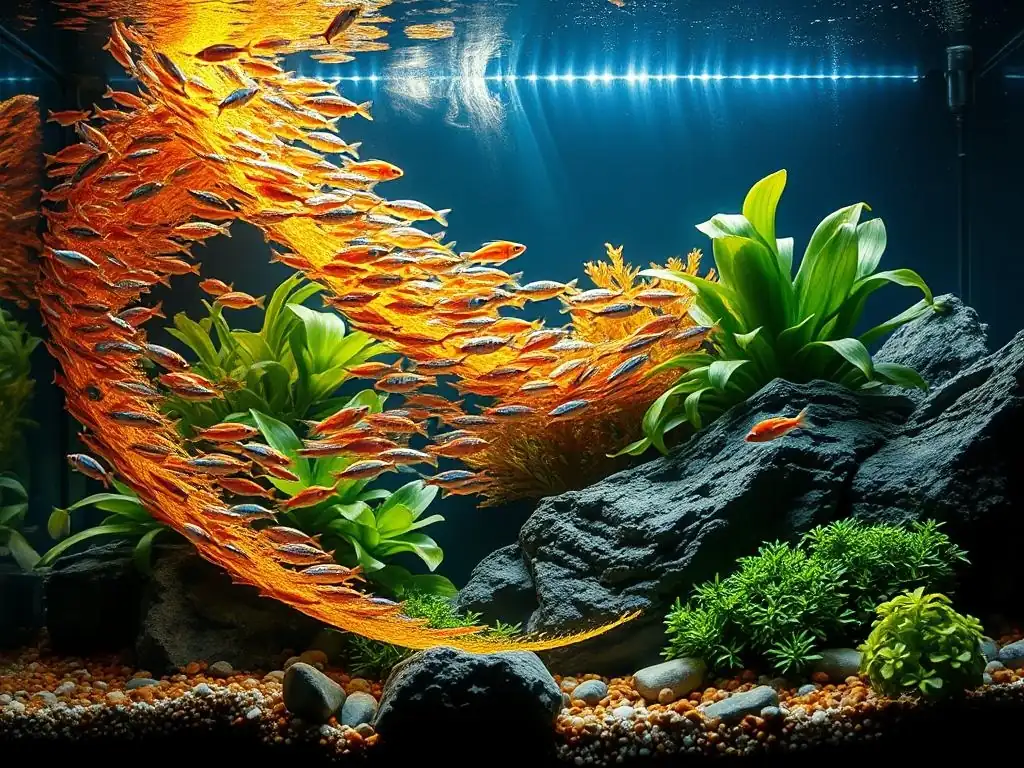
Ever wondered how to create a vibrant, dynamic underwater ballet right in your living room? Diving into the world of multi species schooling tanks can be incredibly rewarding, but it also requires careful planning. This article unveils the secrets to successfully combining active species like Danios and Rasboras, ensuring a harmonious and thriving aquatic community. Ready to unlock the secrets of a captivating freshwater display? Let's explore!
- Creating a Thriving Multi-Species Schooling Tank: A Beginner's Guide
- Understanding the Multi-Species Schooling Tank Concept
- Selecting Compatible Schooling Fish
- Tank Setup and Environment
- Introducing Fish to Your Multi-Species Schooling Aquarium
- Feeding Your Community of Schooling Fish
- Maintaining a Healthy and Balanced Multi-Species School
- Troubleshooting Common Problems
- Advanced Tips
- Examples of Successful Setups
- Conclusion: Enjoying the Beauty
-
Frequently Asked Questions
- What is a multi-species schooling tank, and why would I want one?
- What are some good species combinations for a multi-species schooling tank, besides danios and rasboras?
- What are the key considerations for water parameters in a multi-species schooling tank?
- How much space do I need for a successful multi-species schooling tank?
- How do I prevent aggression or competition for resources in a multi-species schooling tank?
- Final Reflection: Harmony in Miniature Ecosystems
- Dive Deeper into Your Aquatic World!
Creating a Thriving Multi-Species Schooling Tank: A Beginner's Guide
Understanding the Multi-Species Schooling Tank Concept
What is a Multi-Species Schooling Aquarium?
A multi-species schooling aquarium is a carefully designed freshwater habitat where several different species of fish, all exhibiting natural schooling or shoaling behaviors, coexist harmoniously. Unlike a single-species tank, this setup aims to showcase the diverse colors, swimming patterns, and social dynamics of multiple compatible species within a single aquatic environment. The primary goal is to create a vibrant, active display where fish feel secure in their groups, enhancing both their well-being and the aesthetic appeal of the tank.
This type of setup requires a thorough understanding of fish compatibility, water parameters, and tank size to ensure all inhabitants thrive. It moves beyond simply housing fish together, focusing on creating a miniature ecosystem where different schooling groups can interact peacefully, often occupying different strata of the water column. For instance, a multi-species schooling tank might feature mid-water dwelling tetras, top-level rasboras, and bottom-dwelling corydoras, each contributing to the overall dynamic without undue stress or aggression.
Benefits of Keeping a Multi-Species Schooling Tank
One of the most compelling benefits of a multi-species schooling tank is the unparalleled visual appeal it offers. The combined movement of multiple schools creates a dynamic and ever-changing display, far more engaging than a tank with only one type of fish. Observing different species interact, darting and weaving in unison, provides a captivating window into aquatic life, making the aquarium a true centerpiece in any room.
Beyond aesthetics, this setup can contribute to a more stable and interesting ecosystem within the tank. Different species may graze on different types of algae, consume various food particles, or occupy distinct niches, leading to a more balanced nutrient cycle. For example, a group of Dwarf Rasboras might primarily inhabit the upper water column, while a school of Ember Tetras occupies the mid-levels, and Corydoras catfishes diligently scour the substrate. This diversity can also encourage more natural behaviors, as fish feel safer and more confident when surrounded by a larger, albeit diverse, group.
Potential Challenges and Considerations
While rewarding, establishing a multi-species schooling tank presents specific challenges that require careful planning and ongoing attention. The primary concern is ensuring complete compatibility between all chosen species, not just in terms of size but also temperament, preferred water parameters, and dietary needs. A mismatch can lead to chronic stress, fin nipping, or even predation, undermining the entire concept of a harmonious community. Thorough research into each species' requirements is paramount before introduction.
Another significant consideration is the bioload imposed by a larger number of fish, even if they are small schooling species. More fish mean more waste, necessitating robust filtration and diligent maintenance routines. Inadequate filtration or infrequent water changes can quickly lead to elevated ammonia, nitrite, and nitrate levels, compromising water quality and fish health. Furthermore, ensuring that all species receive adequate nutrition can be tricky, as some might be more aggressive eaters than others, requiring varied feeding techniques or food types.
Selecting Compatible Schooling Fish
Popular Schooling Fish Options: Tetras, Rasboras, and Corydoras
When planning a multi-species schooling tank, certain groups of fish consistently prove to be excellent candidates due to their peaceful nature, schooling instincts, and adaptability. Tetras, Rasboras, and Corydoras catfishes are among the most popular choices, offering a wide range of colors, sizes, and behaviors that can complement each other beautifully. Their generally docile temperaments make them ideal for community setups, provided their specific needs are met.
These groups also offer diversity in their preferred swimming levels. Tetras often occupy the mid-water column, creating a vibrant display. Rasboras frequently cruise the upper to mid-levels, adding another layer of activity. Corydoras, being bottom-dwellers, provide essential cleanup and fascinating substrate activity. This vertical distribution helps reduce competition for space and ensures the entire tank is utilized, enhancing the natural feel of your multi-species schooling tank.
Tetras: Diverse and Vibrant Schooling Fish
Tetras encompass a vast array of species, many of which are renowned for their striking colors and strong schooling behavior, making them staples in many multi-species schooling tanks. Popular examples include Neon Tetras (Paracheirodon innesi), Cardinal Tetras (Paracheirodon axelrodi), and Ember Tetras (Hyphessobrycon amandae). Neon Tetras, for instance, are small, reaching about 1.5 inches (approx. 4 cm), and thrive in schools of 6-10 or more, exhibiting a brilliant blue and red stripe. Cardinal Tetras are similar but boast a more intense red stripe extending the full length of their body, often preferring slightly softer, more acidic water.
Other excellent tetra options for a multi-species schooling tank include Black Phantom Tetras (Hyphessobrycon megalopterus) and Rummy-Nose Tetras (Hemigrammus rhodostomus). Black Phantoms are known for their elegant dark bodies and distinctive fins, while Rummy-Nose Tetras are easily identified by their bright red faces and striped tails, often forming very tight, synchronized schools. When selecting tetras, it's crucial to research their adult size and temperament to ensure they remain peaceful with other schooling fish and don't outgrow the tank or become nippy.
Rasboras: Peaceful and Colorful Schooling Fish
Rasboras are another excellent family of small, peaceful schooling fish, often originating from Southeast Asia, making them perfect companions in a multi-species schooling tank. Harlequin Rasboras (Trigonostigma heteromorpha) are perhaps the most iconic, growing to about 1.5-2 inches (approx. 4-5 cm) and showcasing a distinctive black triangular patch on their orange-pink bodies. They are known for their calm demeanor and robust schooling habits, preferring groups of at least 8-10 individuals to feel secure.
Beyond Harlequins, species like Chili Rasboras (Boraras brigittae) and Dwarf Rasboras (Boraras maculatus) are incredibly tiny, typically less than an inch (approx. 2.5 cm), making them ideal for smaller multi-species schooling tanks or as dither fish for larger, peaceful communities. These micro-rasboras display surprising pops of red and orange and thrive in heavily planted environments. Their small size means they have a minimal bioload, allowing for larger schools within appropriate tank dimensions.
Corydoras: Bottom-Dwelling Schooling Catfish
Corydoras catfish, often affectionately called "cories," are indispensable additions to any multi-species schooling tank due to their peaceful nature and their role as diligent bottom-dwellers. They are not true schooling fish in the same way tetras or rasboras are, but rather shoaling fish, meaning they prefer to be in groups of at least 6 individuals for comfort and security. Popular species include the Peppered Corydoras (Corydoras paleatus), Bronze Corydoras (Corydoras aeneus), and Panda Corydoras (Corydoras panda), typically reaching 2-3 inches (approx. 5-7.5 cm) in length.
These small, armored catfish spend their time sifting through the substrate for leftover food particles, helping to keep the tank clean. They are entirely peaceful and will not bother other fish, making them excellent tank mates for the mid- and upper-level schooling species. Providing a soft, sand substrate is crucial for Corydoras, as their delicate barbels can be damaged by sharp gravel. Observing a group of Corydoras foraging and interacting on the tank floor adds a unique dynamic to a multi-species schooling tank.
Considering Temperament and Compatibility
The success of a multi-species schooling tank hinges critically on the careful selection of fish based on their temperament and overall compatibility. It's not enough for fish to be "small" or "schooling"; their individual species' dispositions must align to prevent aggression, stress, or undue competition. For instance, while many tetras are peaceful, some, like Serpae Tetras, can be prone to fin-nipping, especially if not kept in large enough schools. Researching the specific temperament of each species is paramount.
Compatibility also extends to avoiding significant size disparities between species. While a large predatory fish would obviously not fit in a multi-species schooling tank, even a slightly larger, boisterous species can intimidate smaller, more timid schoolers. The goal is a community where all fish feel secure and are not constantly on edge. Opt for species that are known to be consistently peaceful, such as Ember Tetras, Harlequin Rasboras, and most Corydoras species, which rarely exhibit aggression towards other tank inhabitants.
Schooling Behavior and Group Size Requirements
Understanding the true schooling behavior of each species and their minimum group size requirements is fundamental for a healthy multi-species schooling tank. Many fish labeled as "schooling" are actually "shoaling," meaning they prefer to be in groups but don't necessarily swim in tight, synchronized formations all the time.
However, for both types, a sufficient group size is crucial for their well-being, reducing stress, and encouraging natural behaviors. For most small schooling species like Neons, Cardinals, or Harlequins, a minimum group of 6-8 individuals is generally recommended, with larger groups of 10-12 or more often leading to more impressive and confident schooling displays.
When fish are kept in insufficient numbers, they can become stressed, timid, or even aggressive towards other tank mates, deviating from their natural peaceful disposition. For example, a single Neon Tetra might hide constantly, but a school of ten will boldly swim throughout the tank. The larger the group, the more secure the fish feel, which in turn enhances their color and encourages their natural schooling patterns, making your multi-species schooling tank truly come alive. Always prioritize the well-being of the fish by providing adequate social groupings.
Tank Setup and Environment
Tank Size Recommendations for a Diverse School
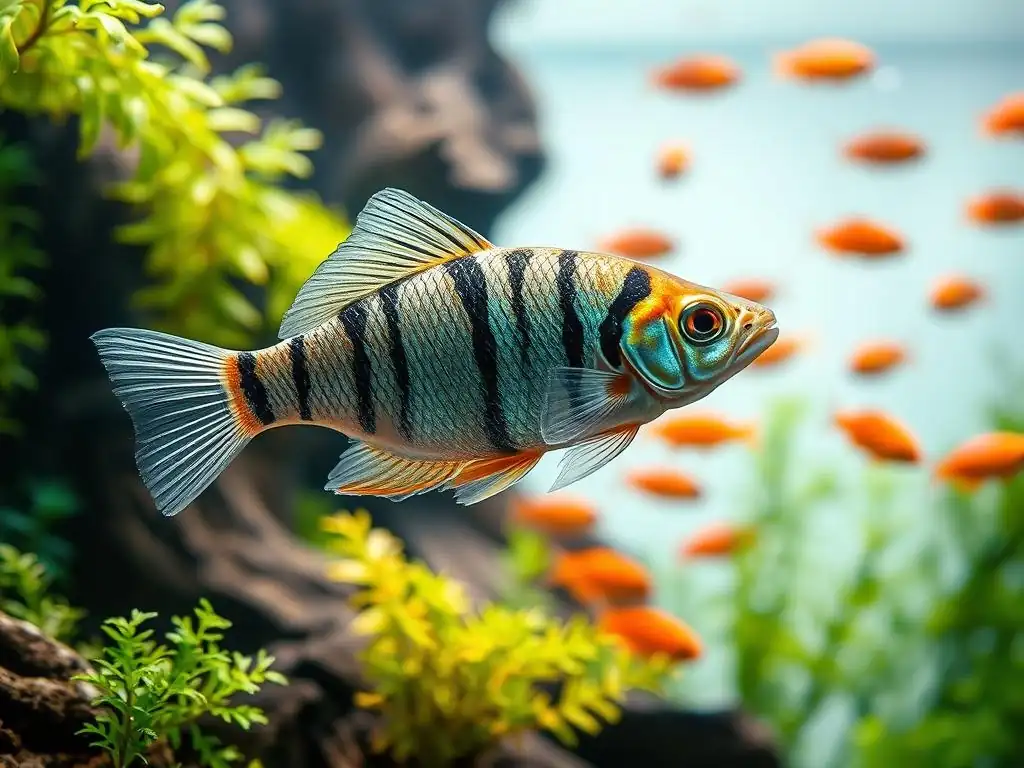
The size of your multi-species schooling tank is a critical factor dictating the number and types of schooling fish you can successfully keep. For a beginner setup aiming for a diverse school of small species like Neons, Harlequins, and Pygmy Corydoras, a 20-gallon long (approx. 75-liter) or a 29-gallon (approx. 110-liter) tank is often considered a good starting point. These sizes provide adequate swimming space for multiple schools and allow for stable water parameters. A 20-gallon long, with its greater surface area, is particularly beneficial for gas exchange and creating distinct territories.
For larger schools or if you plan to include slightly larger schooling fish, such as Rummy-Nose Tetras or larger Rasbora species, a 40-gallon breeder (approx. 150-liter) or even a 55-gallon (approx. 200-liter) tank offers significantly more room. This allows for greater bioload capacity and more intricate aquascaping, which can further enhance the natural environment for multiple schooling groups. Remember, providing ample space reduces stress and aggression, contributing to a thriving multi-species schooling tank.
Substrate, Decor, and Aquascaping Ideas
The choice of substrate and decor is vital for creating a comfortable and visually appealing environment within a multi-species schooling tank. For bottom-dwelling Corydoras, a soft, fine-grained sand substrate (e.g., pool filter sand or specialized aquarium sand) is highly recommended. This allows them to safely sift for food without damaging their delicate barbels. For other schooling fish, a darker substrate can often enhance their colors and reduce glare, making them feel more secure.
Aquascaping should aim to provide a balance of open swimming areas and sheltered hiding spots. Dense planting, particularly with live plants, offers security for smaller fish and helps maintain water quality. Driftwood and smooth rocks can provide structure and visual interest, mimicking natural habitats. Consider creating distinct zones: an open central area for schooling fish to swim freely, and planted or decorated areas along the back and sides for retreat and exploration. This thoughtful design contributes significantly to the well-being and natural behavior of fish in a multi-species schooling tank.
Essential Filtration and Water Parameters
Robust filtration is non-negotiable for a healthy multi-species schooling tank due to the combined bioload of multiple fish species. A high-quality hang-on-back (HOB) filter or, preferably, a canister filter sized for at least 1.5 to 2 times the tank's actual volume is recommended. This ensures efficient mechanical filtration (removing particulate waste), chemical filtration (removing dissolved impurities like odors or medications), and biological filtration (converting toxic ammonia and nitrite into less harmful nitrate). Adequate flow is also important for oxygenation and distributing heat and nutrients throughout the tank.
Beyond filtration, maintaining stable and appropriate water parameters is crucial for the health of your diverse schooling community. Most popular small schooling fish thrive in slightly acidic to neutral water with a pH range of 6.5 to 7.5 and soft to moderately hard water (GH 3-10 dGH, KH 2-8 dKH). Regular testing for ammonia, nitrite, and nitrate is essential. Ammonia and nitrite should always be undetectable (0 ppm), while nitrate levels should be kept below 20 ppm through consistent water changes.
Maintaining Optimal Water Quality
Maintaining optimal water quality in a multi-species schooling tank involves a continuous commitment to monitoring and management. Beyond robust filtration, consistent testing of water parameters—specifically ammonia, nitrite, and nitrate—is paramount. Daily or weekly tests during the initial cycling phase, and then at least weekly once the tank is established, will provide crucial insights into the tank's health. Any detectable levels of ammonia or nitrite indicate a problem with the biological filter or overstocking, requiring immediate attention.
Furthermore, ensuring stable pH, temperature, and hardness levels prevents stress on the fish. Sudden fluctuations can be more detrimental than slightly suboptimal but stable parameters. Using a reliable water conditioner that neutralizes chlorine, chloramines, and heavy metals during every water change is also a fundamental practice. Consistent water quality management is the cornerstone of a thriving multi-species schooling tank.
The Importance of Regular Water Changes
Regular water changes are the single most effective method for maintaining pristine water quality and preventing the accumulation of nitrates and other dissolved organic compounds in a multi-species schooling tank. While biological filtration converts ammonia and nitrite, it doesn't remove nitrates, which can become toxic at high concentrations over time. A typical schedule involves changing 25-30% of the tank's water weekly, though this can vary based on stocking density, feeding habits, and filtration efficiency.
During a water change, it's also an opportune time to vacuum the substrate to remove accumulated detritus and uneaten food, further reducing the bioload. Always ensure the new water is dechlorinated and temperature-matched to the tank water to prevent thermal shock to your fish. Consistent, routine water changes are vital for diluting pollutants, replenishing essential minerals, and ensuring the long-term health and vibrancy of your multi-species schooling tank.
Lighting and Temperature Considerations
Appropriate lighting is essential for a multi-species schooling tank, especially if you plan to incorporate live plants, which are highly beneficial for water quality and fish comfort. For planted tanks, a full-spectrum LED light with adjustable intensity and a timer is ideal, providing the necessary light spectrum for plant photosynthesis while showcasing the vibrant colors of your fish. A typical photoperiod of 8-10 hours per day is generally sufficient for most setups, preventing excessive algae growth while supporting plant health.
Temperature stability is equally critical for the health and activity of your diverse schooling community. Most popular small schooling fish, including tetras, rasboras, and corydoras, thrive in a tropical temperature range of 72-78°F (approx. 22-26°C). A reliable submersible heater, appropriately sized for your tank volume, is necessary to maintain this stable temperature. Fluctuations outside this range or sudden drops can stress fish, making them susceptible to disease. Always use an aquarium thermometer to monitor the temperature regularly.
Introducing Fish to Your Multi-Species Schooling Aquarium
Acclimation Best Practices
Proper acclimation is a crucial step when introducing new fish to your multi-species schooling tank, minimizing stress and preventing shock from sudden changes in water parameters. The drip acclimation method is highly recommended for its gentle approach, especially for sensitive species. This involves slowly adding tank water to the bag containing the new fish over an extended period (typically 45-90 minutes) until the water parameters in the bag gradually match those of the tank.
Before starting the drip, float the sealed bag in your tank for 15-20 minutes to equalize temperature. Then, open the bag, secure it, and use airline tubing to siphon tank water into the bag at a slow drip rate (e.g., 2-3 drops per second). Once the volume of water in the bag has tripled or quadrupled, gently net the fish and transfer them to the tank, discarding the old bag water to avoid introducing any potential pathogens. This meticulous process significantly increases the chances of a successful integration into your multi-species schooling tank.
Quarantine Procedures
Implementing a quarantine procedure for all new fish before introducing them to your main multi-species schooling tank is arguably the most important preventative measure against disease outbreaks. A separate quarantine tank, even a simple 10-gallon (approx. 38-liter) setup with a heater and sponge filter, allows you to observe new arrivals for signs of illness or parasites without risking your established community. This tank should be cycled or have mature filter media from your main tank to process waste.
Keep new fish in quarantine for a minimum of two to four weeks. During this period, monitor them closely for symptoms such as fin rot, ich (white spots), clamped fins, lethargy, or unusual growths. If any symptoms appear, you can treat them in the quarantine tank without exposing your main multi-species schooling tank to medication or potential pathogens. This proactive approach saves countless headaches and protects your existing investment in your thriving community.
Gradual Introduction to Minimize Stress
Introducing new fish gradually to a multi-species schooling tank helps minimize stress for both the new arrivals and the existing inhabitants. Instead of adding all new fish at once, consider introducing one school or group at a time, especially if you are adding multiple species. This allows the biological filter to adjust to the increased bioload and gives the existing fish time to adapt to new tank mates without feeling overwhelmed.
For example, if you plan to add Neon Tetras, Harlequin Rasboras, and Corydoras, you might introduce the Neons first. After a week or two, once they are settled and exhibiting normal behavior, you can then add the Harlequins, and finally the Corydoras. This phased approach reduces territorial disputes, allows new fish to find their place in the hierarchy more easily, and ensures a smoother integration into your multi-species schooling tank.
Feeding Your Community of Schooling Fish
Choosing the Right Food
Selecting the right food for a multi-species schooling tank involves catering to the diverse dietary needs of its inhabitants, which often include omnivores and occasional carnivores. A high-quality flake food or small pellet designed for community fish should form the staple diet, ensuring it contains a good balance of protein, vitamins, and minerals. Look for brands that list fish meal or spirulina as primary ingredients.
However, a varied diet is crucial for optimal health and vibrant colors. Supplement the staple food with specialized options. For bottom-dwelling Corydoras, sinking pellets or wafers are essential to ensure they receive adequate nutrition, as they may not compete effectively for floating foods. Smaller schooling fish like micro-rasboras might benefit from crushed flakes or micro-pellets. Providing a range of food types ensures all fish in your multi-species schooling tank receive the nutrients they need.
Feeding Frequency and Portion Control
Proper feeding frequency and strict portion control are paramount in a multi-species schooling tank to prevent overfeeding, which can quickly lead to poor water quality and health issues. Most small schooling fish benefit from being fed small amounts two to three times a day, rather than one large meal. This mimics their natural foraging behavior and ensures all fish, including the shyer ones, get a chance to eat.
The general rule of thumb for portion control is to feed only what your fish can consume within 2-3 minutes. Any uneaten food that settles on the substrate will decompose, contributing to ammonia and nitrate spikes. It's better to slightly underfeed than to overfeed. Observing your fish during feeding will help you fine-tune the right amount for your specific multi-species schooling tank population.
Supplementing with Live or Frozen Foods
Supplementing the diet in your multi-species schooling tank with live or frozen foods provides essential nutrients, enhances natural behaviors, and can significantly boost the health and coloration of your fish. Popular options include frozen bloodworms, brine shrimp, daphnia, and spirulina-enriched brine shrimp. These foods are highly palatable and provide a protein boost that flakes or pellets alone might not offer.
Live foods, such as blackworms, microworms, or even cultures of daphnia, can stimulate hunting instincts and provide valuable enrichment. However, always source live foods from reputable suppliers to avoid introducing diseases. Offering these supplemental foods 2-3 times per week, in addition to their daily staple, will contribute significantly to the vitality and well-being of your multi-species schooling tank inhabitants.
Maintaining a Healthy and Balanced Multi-Species School
Regular Observation for Signs of Illness
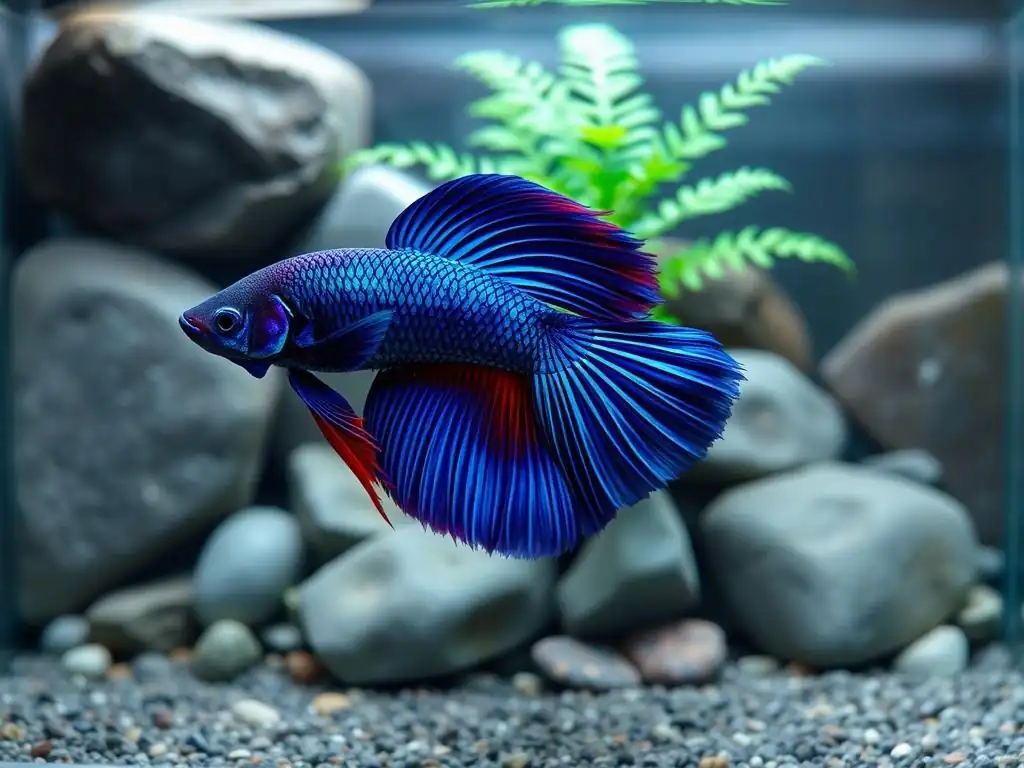
Consistent and regular observation is one of the most powerful tools for maintaining a healthy multi-species schooling tank. Spend a few minutes each day observing your fish for any subtle changes in behavior, appearance, or swimming patterns. Early detection of illness can allow for prompt intervention, preventing a localized issue from spreading throughout your entire community.
Look for signs such as clamped fins, labored breathing, white spots (Ich), frayed fins, unusual growths, loss of color, or isolation from the school. Notice if a fish is refusing food or spending unusual amounts of time near the surface or bottom. Any deviation from normal behavior warrants closer inspection. Proactive observation is a cornerstone of successful long-term care for a multi-species schooling tank.
Addressing Common Fish Diseases
Despite best efforts, common fish diseases can sometimes emerge in a multi-species schooling tank. Understanding how to identify and address them is crucial. Ich (Ichthyophthirius multifiliis), characterized by small white spots resembling salt grains, is one of the most common and treatable. It often arises from stress due to poor water quality or temperature fluctuations. Treatment typically involves increasing tank temperature slightly (to 82-84°F, approx. 28-29°C, if safe for all species) and using an appropriate medication.
Other common ailments include fin rot, often caused by bacterial infections stemming from poor water quality, and fungal infections, which appear as cotton-like growths. Both can often be treated with broad-spectrum aquarium medications available at pet stores. Always remove activated carbon from your filter before medicating, as it will absorb the treatment. Prompt diagnosis and treatment are key to preventing widespread outbreaks in your multi-species schooling tank.
Preventing Aggression and Bullying
Preventing aggression and bullying in a multi-species schooling tank starts with careful species selection and adequate tank size, as previously discussed. Overstocking is a primary cause of stress and territorial disputes. Ensure each schooling species has sufficient numbers (e.g., 6-10+ individuals) to feel secure and spread out any potential aggression among themselves rather than targeting other species.
Providing ample hiding spots and visual barriers through strategic aquascaping (plants, driftwood, rocks) can also help break up lines of sight and allow weaker or targeted fish to escape. If you observe persistent fin-nipping or bullying from a specific individual, it might be necessary to temporarily isolate that fish or, in rare cases, rehome it if the behavior continues to impact the harmony of your multi-species schooling tank.
Troubleshooting Common Problems
Dealing with Fin Nipping
Fin nipping can occasionally occur in a multi-species schooling tank, often due to stress, insufficient schooling numbers, or an incompatible tank mate. If you observe fin nipping, first verify that all schooling species are indeed kept in adequate numbers (e.g., 6-10+ individuals). Under-schooled fish can become stressed and, paradoxically, more aggressive or prone to nipping. Also, ensure the tank isn't overcrowded, which can lead to heightened territoriality.
Identify the culprit, if possible. Sometimes, a seemingly peaceful species might nip if it's not feeling secure or if another fish has long, flowing fins that are too tempting. If a particular species is consistently causing issues, despite sufficient schooling numbers and ample space, it might be an incompatible choice for your specific multi-species schooling tank setup. In severe cases, rehoming the aggressive fish might be the only solution to maintain peace.
Managing Algae Growth
Algae growth is a common issue in any aquarium, including a multi-species schooling tank, but excessive growth often signals an imbalance in the tank's ecosystem. The primary causes are usually too much light (duration or intensity), excess nutrients (from overfeeding or insufficient water changes), or a combination of both. To manage algae, first reduce your lighting period to 8-10 hours if it's longer.
Next, review your feeding practices to ensure you're not overfeeding, and increase the frequency or volume of your weekly water changes to remove excess nitrates and phosphates. Introducing algae-eating invertebrates like Nerite snails or Amano shrimp can also help, as can certain algae-eating fish like Otocinclus catfish (ensure you keep them in groups of 3-5). Addressing the root cause rather than just treating the symptoms is key to long-term algae control in your multi-species schooling tank.
Addressing Water Quality Issues
Water quality issues, such as elevated ammonia, nitrite, or nitrate, are serious concerns in a multi-species schooling tank and require immediate action. High ammonia and nitrite are indicative of a compromised biological filter or a sudden spike in bioload (e.g., overfeeding, deceased fish). The first step is an immediate, large water change (50% or more) using dechlorinated, temperature-matched water, followed by daily smaller changes until levels return to zero.
For high nitrates, which accumulate over time, increase the frequency and volume of your regular water changes (e.g., 50% twice a week instead of 25% weekly). Ensure you're not overfeeding and that your filter is adequately sized and maintained. Adding live plants can also help absorb nitrates. Consistent monitoring with a reliable test kit is crucial to catch and address water quality issues promptly, ensuring the health of your multi-species schooling tank.
Advanced Tips
Plant Selection for a Balanced Ecosystem
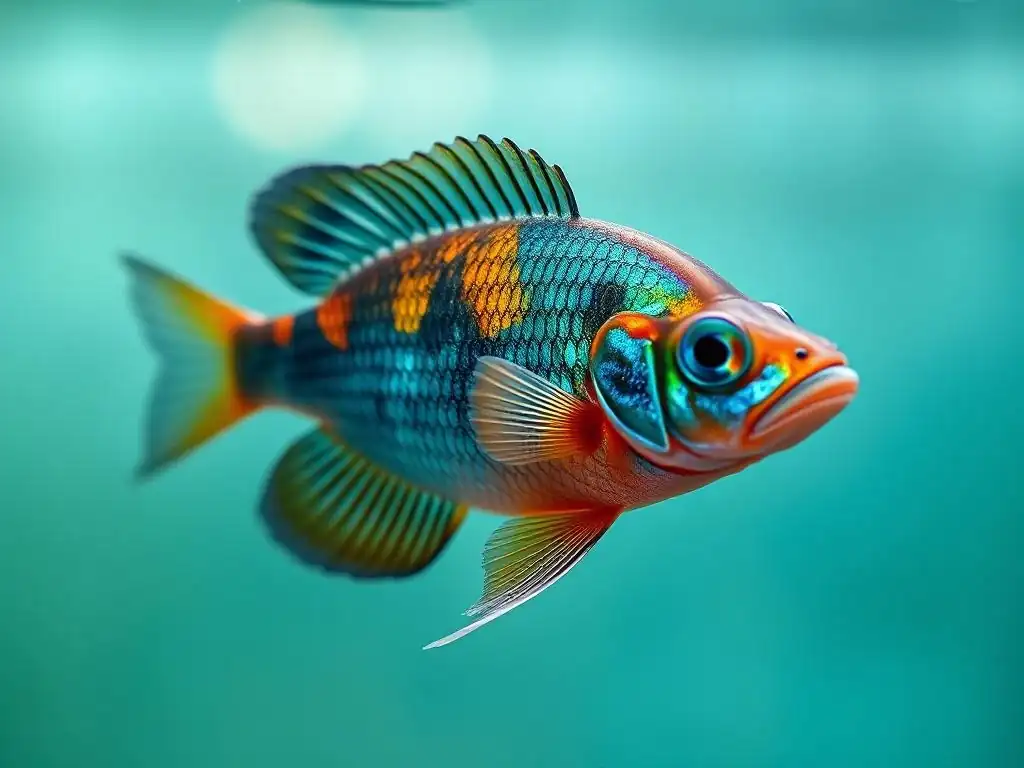
Incorporating live plants into your multi-species schooling tank goes beyond aesthetics; they play a crucial role in creating a balanced and healthy ecosystem. Plants absorb nitrates and other harmful compounds, helping to maintain pristine water quality and reduce the frequency of large water changes. They also oxygenate the water through photosynthesis, contributing to a stable environment.
For a multi-species schooling tank, consider hardy, easy-to-care-for plants like Anubias (attached to driftwood or rocks), Java Fern, Cryptocoryne species, and various stem plants like Rotala or Ludwigia. These provide excellent hiding spots for shy fish, visual barriers to reduce aggression, and a natural environment that encourages more confident schooling behavior. Heavily planted tanks often result in healthier, more vibrant fish and a more stable multi-species schooling tank environment.
CO2 Injection for Enhanced Plant Growth
For aquarists seeking to cultivate a lush, densely planted multi-species schooling tank, CO2 injection can significantly enhance plant growth and vibrancy. While not strictly necessary for all plants, CO2 provides a crucial nutrient that often limits plant growth in standard setups. A consistent supply of CO2 allows plants to photosynthesize more efficiently, leading to faster growth, more vibrant colors, and increased nutrient uptake, which further benefits water quality.
Implementing a CO2 system involves a pressurized CO2 tank, a regulator, a diffuser, and often a solenoid valve connected to a timer. This allows for precise control over CO2 levels, typically injected during the lighting period. While CO2 injection requires an initial investment and careful monitoring to avoid harming fish, it can transform a planted multi-species schooling tank into a truly spectacular and ecologically robust display.
Breeding Considerations
While the primary focus of a multi-species schooling tank is often display and community harmony, some aquarists may find that certain species begin to breed naturally. Many common schooling fish, such as Neon Tetras, Harlequin Rasboras, and Corydoras, are known to spawn in well-maintained community tanks, though successful raising of fry is less common due to predation by other tank inhabitants.
If breeding is a goal, specialized breeding tanks are usually required to protect eggs and fry. However, observing natural spawning behaviors in your multi-species schooling tank can be a fascinating experience. Providing plenty of fine-leaved plants (like Java moss) for egg-layers or smooth surfaces for egg-sticking species can encourage spawning. While not every multi-species schooling tank will see successful fry, the presence of breeding activity is a strong indicator of a healthy and comfortable environment for your fish.
Examples of Successful Setups
Case Study 1: A Tetra, Rasbora, and Corydoras Community
Imagine a beautifully aquascaped 40-gallon breeder multi-species schooling tank. The substrate is fine, dark sand, gently sloped from back to front. Lush, low-light plants like Anubias nana and Java Fern are tied to several pieces of driftwood, providing ample hiding spots. A dense patch of Cryptocoryne wendtii 'Red' occupies one corner, adding a splash of color. Filtration is provided by a canister filter rated for a 75-gallon tank, ensuring pristine water quality.
This tank successfully houses:
- 12 Neon Tetras: They form a vibrant blue and red school, darting through the mid-water column, especially in the open swimming areas.
- 10 Harlequin Rasboras: These peaceful fish mostly occupy the upper and mid-levels, their copper-orange bodies with distinctive black wedges adding warmth to the display. They often interact peacefully with the Tetras.
- 8 Panda Corydoras: These active bottom-dwellers diligently sift through the sand, their black-and-white patterns a charming contrast to the colorful mid-water fish. They are always seen foraging in a tight group.
The water parameters are stable at pH 6.8, temperature 76°F (approx. 24°C), and nitrates consistently below 10 ppm through weekly 25% water changes. Feeding consists of high-quality flakes, supplemented with frozen bloodworms twice a week and sinking pellets for the Corydoras. This multi-species schooling tank thrives, demonstrating the harmony achievable with careful planning.
Case Study 2: A South American Community Tank
Consider a 55-gallon long multi-species schooling tank designed to replicate a slice of a South American blackwater river. The substrate is a mix of fine sand and leaf litter (e.g., Indian almond leaves), which leaches tannins, giving the water a characteristic amber tint and maintaining a low pH. Large pieces of driftwood dominate the aquascape, providing numerous crevices and shaded areas. Filtration is handled by a robust external filter, and a gentle air stone ensures adequate surface agitation.
This multi-species schooling tank is home to:
- 15 Cardinal Tetras: Their intense red and blue stripes are particularly striking against the dark water, and they form a tight, active school in the mid-water.
- 12 Rummy-Nose Tetras: Known for their incredibly synchronized schooling, these fish with their bright red noses and striped tails move as one unit, adding a mesmerizing dynamic to the upper-mid water.
- 7 Bronze Corydoras: These larger Corydoras species efficiently patrol the sandy bottom, occasionally resting on the driftwood, their shoaling behavior adding life to the lower regions of the tank.
Water parameters are maintained at pH 6.2, temperature 75°F (approx. 24°C), and very soft water (GH 3 dGH). Daily feeding of small, high-protein pellets and twice-weekly offerings of frozen brine shrimp ensure all fish are well-fed. This multi-species schooling tank exemplifies how specific geographic themes can be combined with diverse schooling fish for a stunning and natural display.
Conclusion: Enjoying the Beauty
Frequently Asked Questions
What is a multi-species schooling tank, and why would I want one?
A multi-species schooling tank involves keeping different species of small fish together that exhibit schooling behavior. It creates a more dynamic and visually interesting aquarium than a single-species school.
What are some good species combinations for a multi-species schooling tank, besides danios and rasboras?
Other compatible species include certain small tetras (like Ember Tetras or Glowlight Tetras), small barbs, and some peaceful dwarf gouramis (as a centerpiece fish). Always research compatibility!
What are the key considerations for water parameters in a multi-species schooling tank?
You must maintain water parameters that are suitable for all species in the tank. This typically means aiming for slightly acidic to neutral pH, stable temperature, and very clean water through regular water changes.
How much space do I need for a successful multi-species schooling tank?
The tank size will depend on the size and number of fish you plan to keep. A general rule is the larger the better, but a 20-gallon long tank is a good starting point for small schooling fish.
How do I prevent aggression or competition for resources in a multi-species schooling tank?
Ensure adequate space, provide plenty of hiding places with plants and decorations, and offer a varied diet to meet the needs of all species. Careful observation is key to detecting and addressing any issues early on.
Final Reflection: Harmony in Miniature Ecosystems
The principles of creating a thriving multi-species schooling tank extend far beyond the glass walls of an aquarium. Understanding the delicate balance of needs, behaviors, and environmental factors within a confined space offers a powerful microcosm of the larger ecosystems we inhabit and impact daily. Successfully replicating this harmony in our own lives, by fostering diverse communities and respecting individual needs, is a challenge with profound implications for the future.
This journey into the world of danios, rasboras, and other peaceful schooling fish has underscored the importance of careful observation and thoughtful planning. The act of creating a multi-species tank is, in essence, an exercise in empathy, requiring us to anticipate the needs of creatures vastly different from ourselves. In the end, we will conserve only what we love; we will love only what we understand; and we will understand only what we are taught.
- Baba Dioum. This quote resonates deeply, reminding us that understanding and appreciation are the cornerstones of responsible stewardship, whether in a small aquarium or on a global scale.
Now, consider the lessons learned from this exploration of the multi-species schooling tank. How can you apply the principles of balance, observation, and empathy to your own relationships, communities, and environments? Let the vibrant dance of life within the aquarium inspire you to cultivate harmony and understanding in all aspects of your world, creating a more balanced and enriching future for all.
Dive Deeper into Your Aquatic World!
Thanks for exploring the fascinating world of multi-species schooling tanks with us. We hope you’ve discovered new insights and are feeling inspired to create your own vibrant aquatic community! Now, let's put that inspiration into action:
- Prioritize your tank planning, carefully research and select compatible species based on temperament, water parameters, and swimming levels. This ensures a peaceful and thriving environment for all your fish.
- Share your dream tank setup with fellow enthusiasts on our Aquarium Mastery forum. Get feedback, tips, and maybe even discover a new species you hadn't considered!
- Surprise! Try creating a detailed aquascape blueprint incorporating natural elements like driftwood and plants to mimic the fishes' natural habitat. This will significantly enrich their environment and provide hiding places.
What unique combination of schooling fish are you most excited to try in your aquarium, and what challenges do you anticipate?